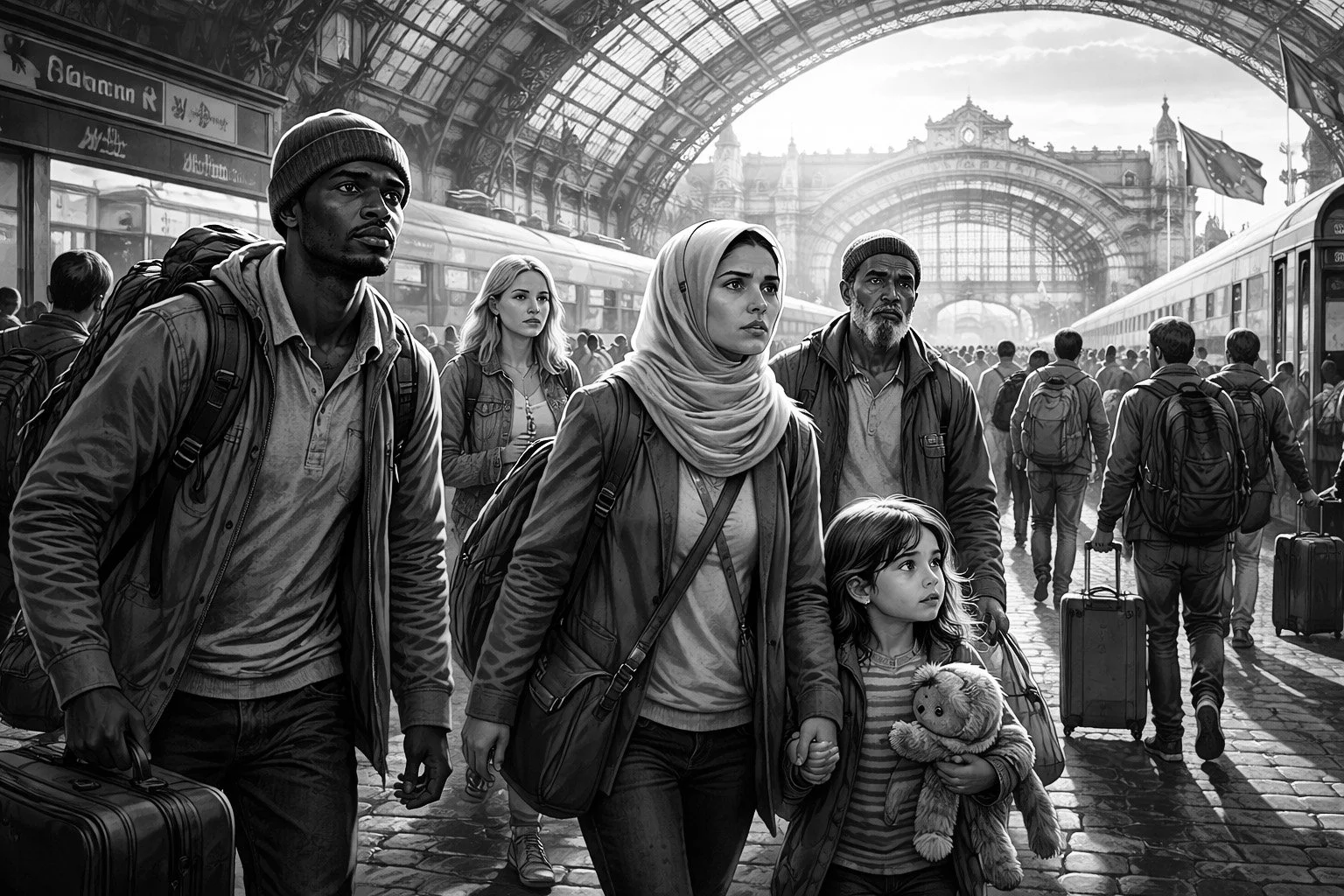
Populism and the loss of shared context
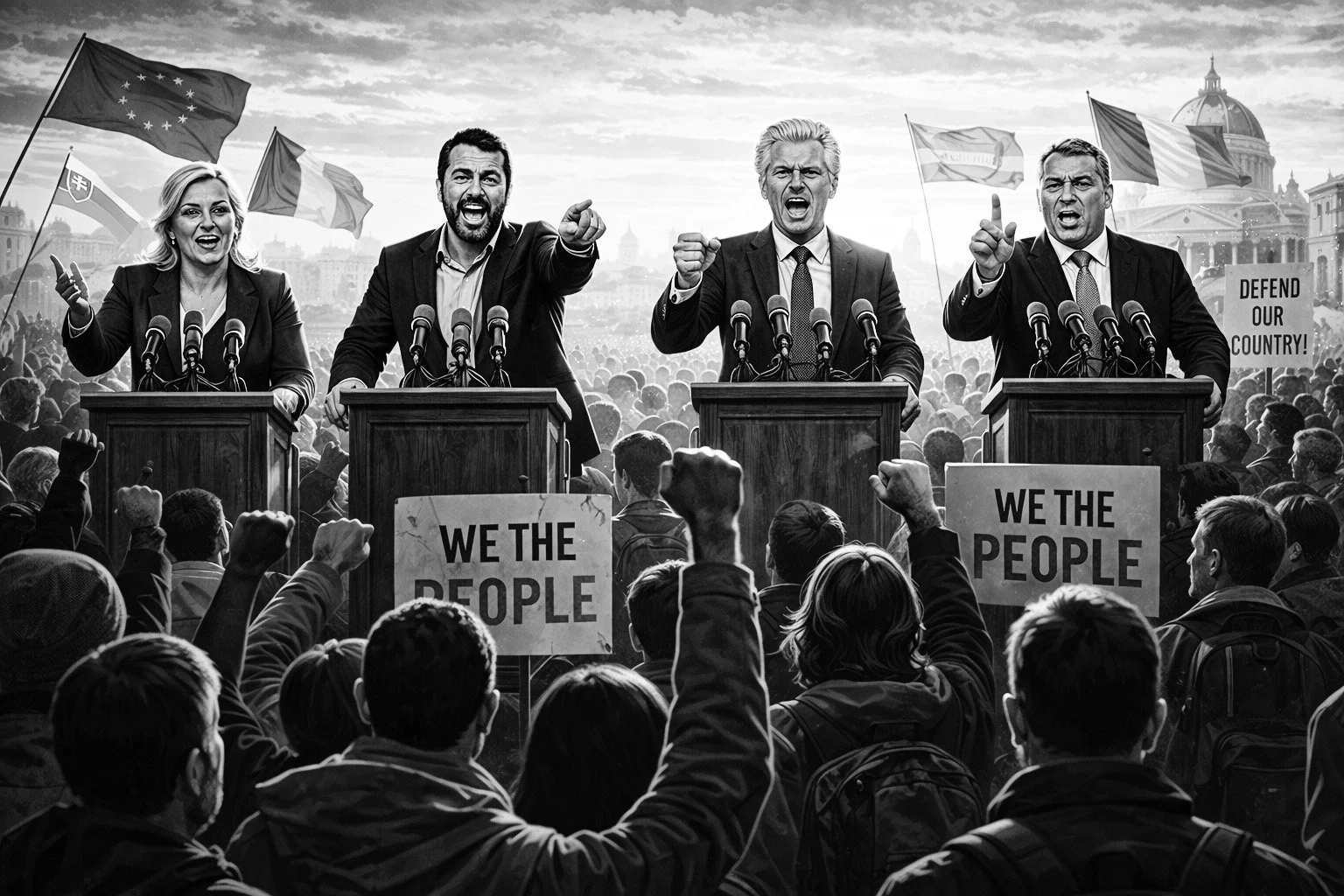
Image generated with ChatGPT.
Many people today recognise the same uneasy feeling, even if they describe it in different ways. Decisions are made that shape their lives, yet those decisions seem to come from somewhere else — distant, abstract, impersonal. Not openly hostile, but unfamiliar. As if politics no longer passes through the world they know.
This sense of distance is fertile ground for populism.
Populism is often treated as a political problem: a style of rhetoric, a threat to democracy, a rejection of facts. But it can also be understood differently. Seen through a cultural lens, populism looks less like a doctrine and more like a reaction — a response to the feeling that public life has lost its connection to everyday experience.
At the heart of populism lies a simple question: Who speaks for “us”?
Not who governs most competently, or who follows the rules best, but who feels recognisable. Who understands how life is lived. Who belongs.
Modern democracies rely heavily on rules, procedures and institutions. This is necessary. Complex societies cannot function without clear laws, formal decision-making and expert knowledge. But over time, this way of governing can become distant. Politics begins to speak in the language of policy papers, statistics and legal frameworks — a language that makes sense, yet feels strangely empty.
When legitimacy has to be explained, rather than felt, trust becomes fragile.
Populist leaders thrive in this space. They do not primarily offer better solutions, but a different kind of connection. They speak in simpler terms, draw clear lines, and personalise responsibility. They name enemies and allies. In doing so, they restore a sense of context — even if that context is simplified or exclusionary.
Migration often intensifies these dynamics.
Migration is not only the movement of people; it is the movement of ways of life, habits and expectations. For many, this creates a vague sense of loss: familiar rhythms change, unspoken rules no longer seem shared. Populist narratives turn that unease into a story. Migrants become symbols — not only of change, but of the fear that no one is safeguarding what once felt self-evident.
This also helps explain why facts alone rarely weaken populism. Statistics and policy arguments address questions of efficiency and legality. Populism speaks to something else: recognition, dignity, and the feeling of being seen. When people feel unheard, being corrected does little to restore trust.
None of this means that populism offers good answers. It often simplifies, divides and excludes. But dismissing it as ignorance or manipulation misses the deeper issue. Populism is a signal that shared context is eroding.
The real challenge, then, is not how to silence populism, but how to rebuild forms of politics that reconnect rules with lived experience, and institutions with everyday life.
Who speaks for “us” remains an open question. Ignoring it will not make it disappear — it will only ensure that others answer it more loudly.