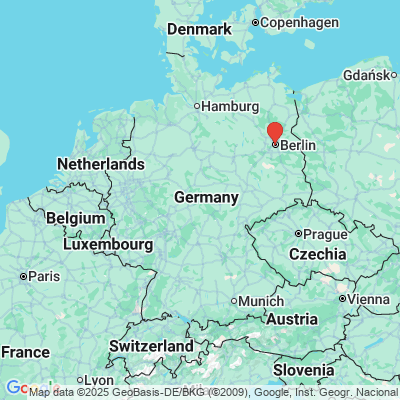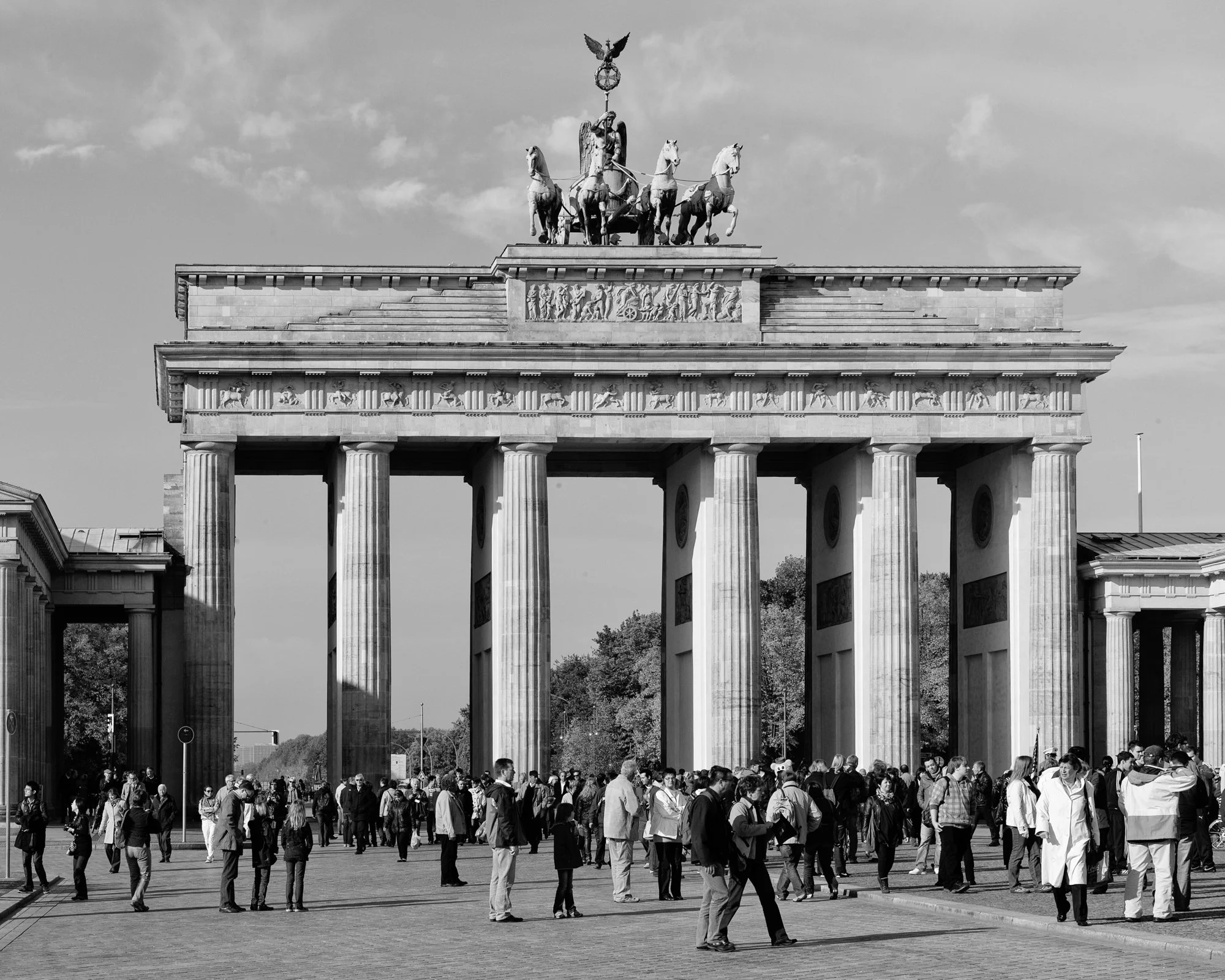
The Brandenburg Gate, Berlin (Germany).
Few monuments carry the emotional weight of the Brandenburg Gate in Berlin. Once the proud entryway to the Prussian capital, it has stood through revolutions, wars, and the long shadow of the Cold War. Built in the late 18th century as a neoclassical triumphal arch, it symbolized peace and power under Frederick William II. But history had other plans.
In the 20th century, the Gate became a silent witness to chaos — Nazi parades, the devastation of war, and then the Berlin Wall that sealed it off from both East and West. For decades it stood in a no-man’s-land, unreachable, its meaning twisted by politics but never erased.
When the Wall fell in 1989, thousands gathered here to celebrate not conquest but reunion. The Brandenburg Gate transformed overnight from a symbol of division to one of hope and unity.