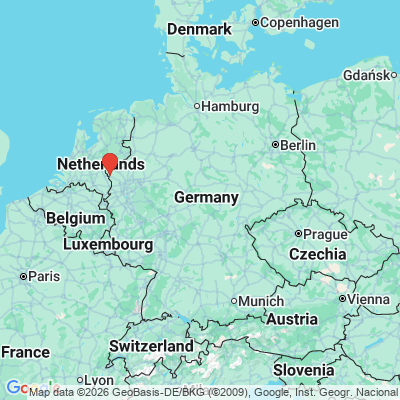
germany

The Brandenburg Gate — From Division to Unity

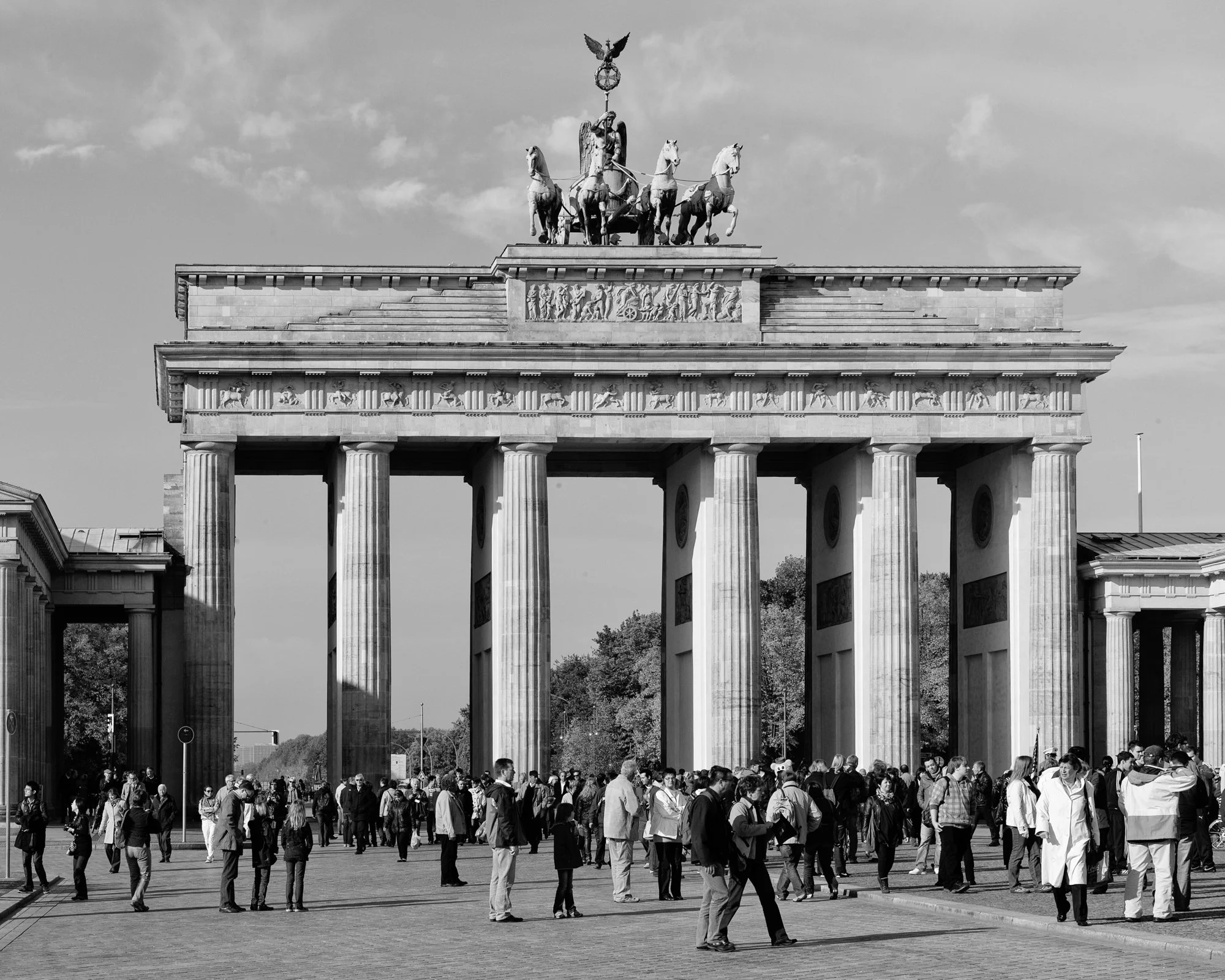
The Brandenburg Gate, Berlin (Germany).

Few monuments carry the emotional weight of the Brandenburg Gate in Berlin. Once the proud entryway to the Prussian capital, it has stood through revolutions, wars, and the long shadow of the Cold War. Built in the late 18th century as a neoclassical triumphal arch, it symbolized peace and power under Frederick William II. But history had other plans.

In the 20th century, the Gate became a silent witness to chaos — Nazi parades, the devastation of war, and then the Berlin Wall that sealed it off from both East and West. For decades it stood in a no-man’s-land, unreachable, its meaning twisted by politics but never erased.

When the Wall fell in 1989, thousands gathered here to celebrate not conquest but reunion. The Brandenburg Gate transformed overnight from a symbol of division to one of hope and unity.

The Gentle 18th Century Prince of Trier – Johann Philipp von Walderdorff

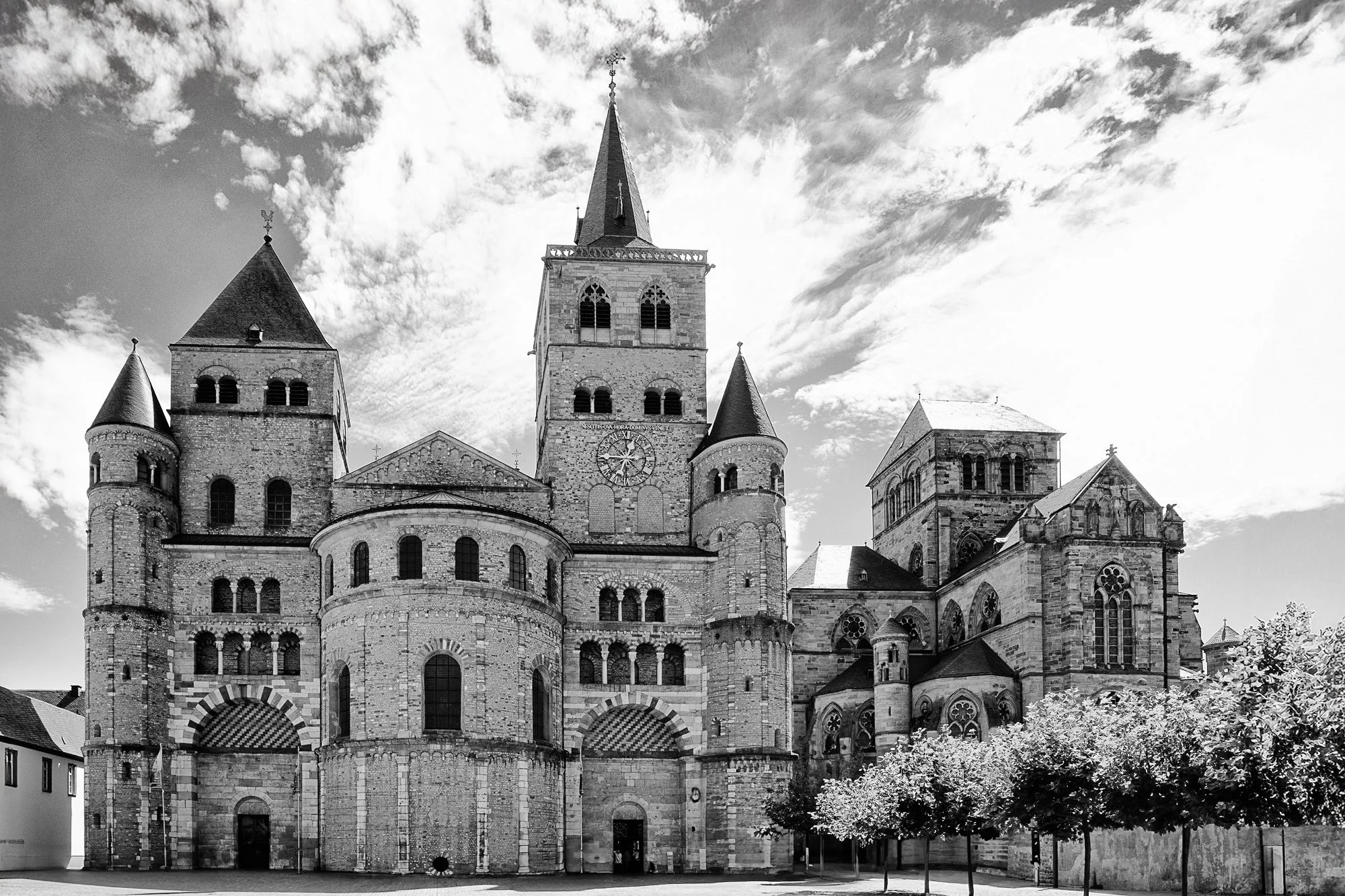
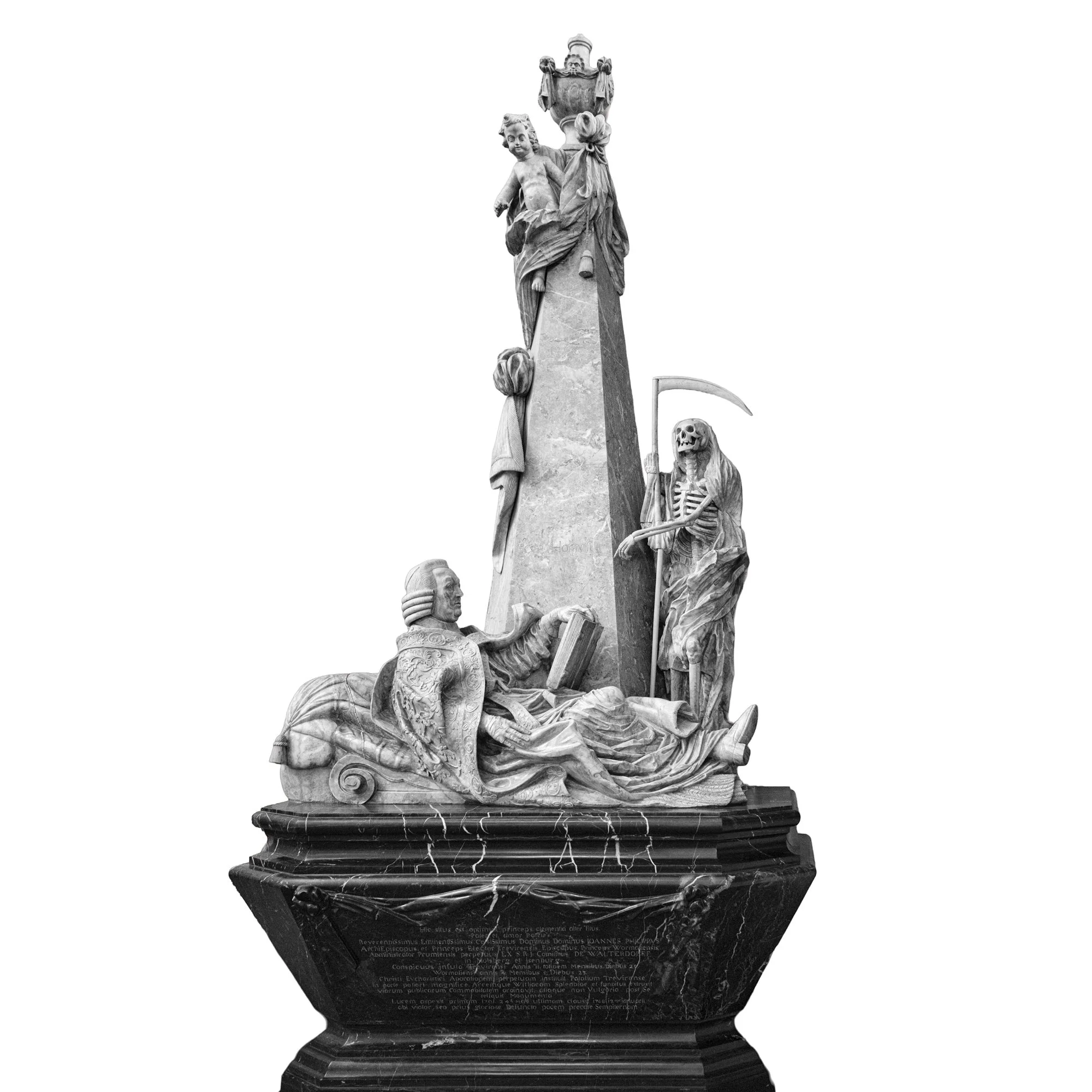
The baroque tomb monument of Archbishop Johann Philipp von Walderdorff in Trier Cathedral — the prince lies serenely before Death itself, while angels above lift his soul toward eternity.

In the quiet side aisle of Trier Cathedral, beneath a swirl of baroque marble, lies a prince who once ruled not by fear or fire, but by grace. The inscription calls him “clementia alter Titus” — “in his mercy, another Titus.” His name was Johann Philipp von Walderdorff, Prince-Elector and Archbishop of Trier, Bishop of Worms, and perpetual Administrator of Prüm. He lived in a world where the Rhine was both a frontier and a lifeline, a corridor of faith and power running from Cologne to Mainz and beyond.

The 18th century was the twilight of the prince-bishops — those curious rulers who combined mitre and sceptre, and who governed both souls and streets. In the Rhineland, their territories were dotted with vineyards, abbeys, and the great palaces that embodied their dual authority. Among them, Walderdorff stood out as a man of refinement and quiet ambition. Born in 1701 into an old noble family, he rose through the church ranks to become Trier’s Elector in 1756, one of the seven men entitled to choose the Holy Roman Emperor. Yet his legacy was not in politics or war, but in the enduring beauty he left behind.

Walderdorff commissioned the lavish Kurfürstliches Palais beside Trier’s Roman basilica — a masterpiece of Rococo elegance where angels and cherubs play among stuccoed vines. He rebuilt the castle at Wittlich, improved the public roads of his domain, and founded the perpetual adoration of the Eucharist in Trier’s cathedral. His reign was gentle, prosperous, and deeply rooted in the artistic flowering of the late baroque — an age when faith still expressed itself through splendor.

When he died in 1768, his body was laid to rest in the very cathedral he had adorned. His monument speaks the language of the era: black marble veined with white, golden letters glowing under candlelight, and above it the sculpted figure of the serene prelate himself. To those who pass by, it is more than a grave — it is a reminder of a time when the Rhine valley was a patchwork of princely bishoprics, each with its own court, orchestra, and chapel, each ruled by men who saw no divide between holiness and beauty.

Walderdorff’s world would soon vanish. Within a generation, the French Revolution and Napoleon swept away the ecclesiastical states that had shaped the region for a millennium. Yet in Trier, among the stones that remember Rome and the saints who followed, his marble tomb still glows softly — a relic of an age when mercy and art walked hand in hand.

Further Reading

  • The Electorate of Trier and the Prince-Bishops of the Rhine – A cultural history of ecclesiastical states in the Holy Roman Empire.

  • The Rococo in the Rhineland – Architecture and patronage under the prince-archbishops of Trier.

  • Trier Cathedral: From Constantine to the Baroque – A study of the cathedral’s evolving role in European history.

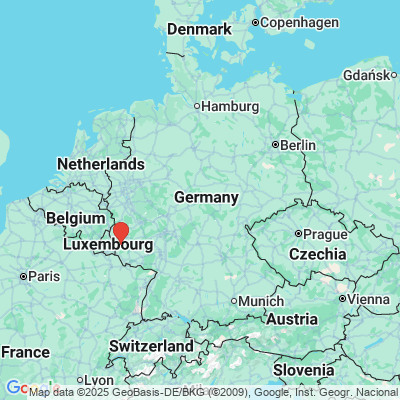
Wandalbert: Prüm’s Poet of Time

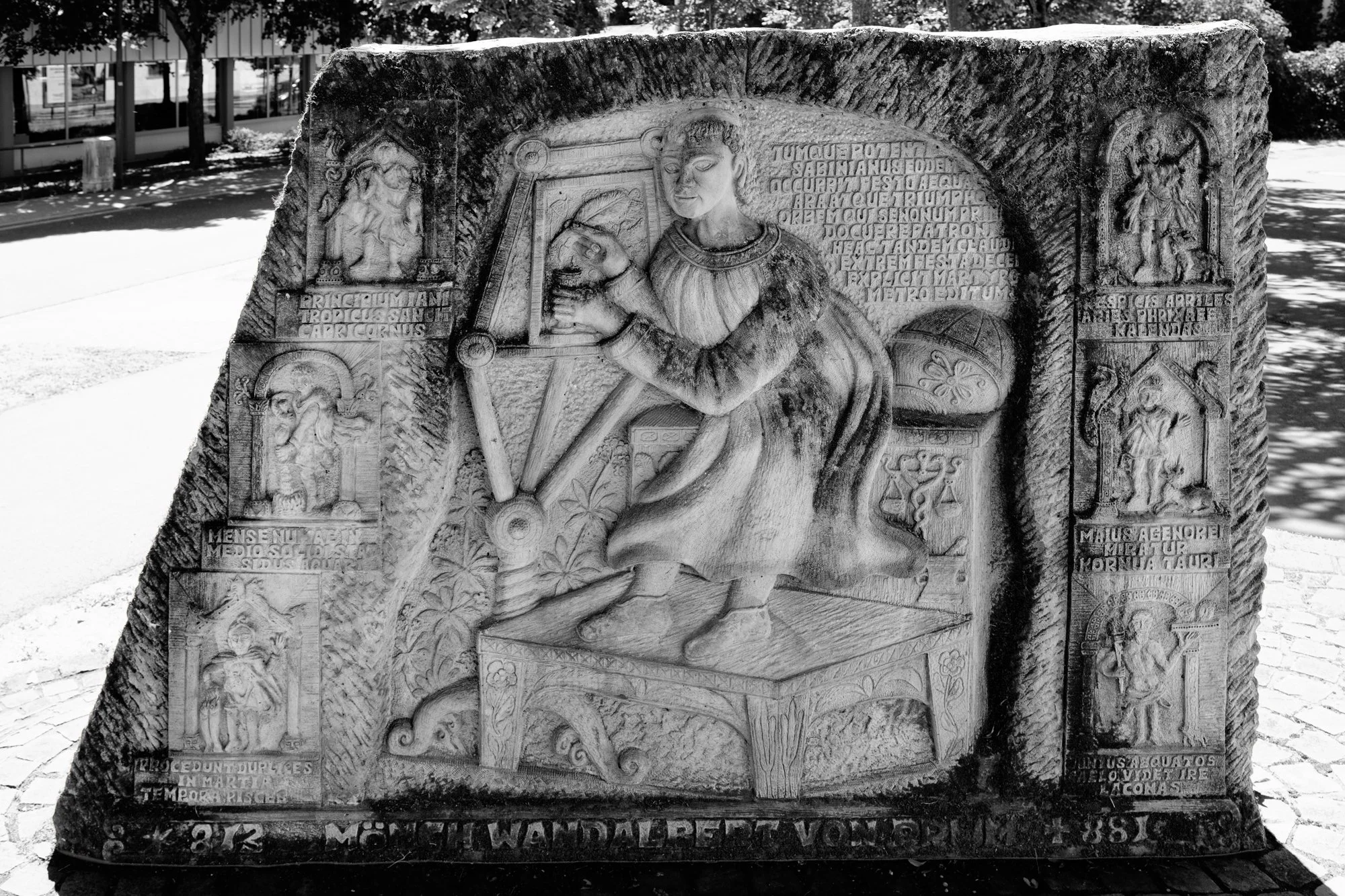
Mönch Wandalbert von Prüm (813).

On a sunlit corner in Prüm stands a block of carved memory. At its center a monk leans over a panel, stylus poised, as if he has just paused mid-line to catch the right cadence. Around him, little reliefs crowd the stone: saints in niches, vines curling like marginalia, symbols for the turning year. This monument —“Mönch Wandalbert von Prüm (813)”— carved by the Eifel sculptor Pit Weiland as part of the town’s Karolingerweg. The Latin beside the figure ends with a scribe’s flourish—explicit martyrium, metro editum… extremum festum Decembris—the tidy full stop of a poet who measures time in verse.

Why Prüm mattered

Prüm was not a remote cloister but a royal powerhouse in the Carolingian world. Kings endowed it with estates, immunity, and the freedom to manage its lands; emperors retired there; pilgrims came for the famed Sandals of Christ. In a region strung between the Moselle, the Ardennes, and the Rhine, the abbey sat on trade routes and supervised a web of farms, mills, and forests that made it an economic hub as well as a spiritual one.

Ecclesiastically, Prüm stood within the province of Trier—the great archbishopric of the Middle Rhine—yet enjoyed the sort of royal and papal protection that gave leading monasteries a measure of exemption from ordinary diocesan interference. Bishops still ordained, blessed altars, and oversaw parish life; but Prüm governed its own house, appointed its officials, and managed a chain of dependent churches and granges on its estates. In the loose but legible hierarchy of the age, the abbey answered upward to throne and pope, coordinated sideways with peer houses across the Carolingian realm (think Fulda, Corbie, Reims), and negotiated locally with the bishops whose dioceses held its lands. That three-level relationship—imperial, monastic, diocesan—explains why Prüm’s voice carried so far.

Its scriptorium and school turned that authority into culture. Charters standardized obligations; cartularies and the later Prüm polyptych mapped holdings like a textual atlas; and scholars such as Regino of Prüm wrote histories that stitched the region into the wider story of Europe.

A poet of the calendar

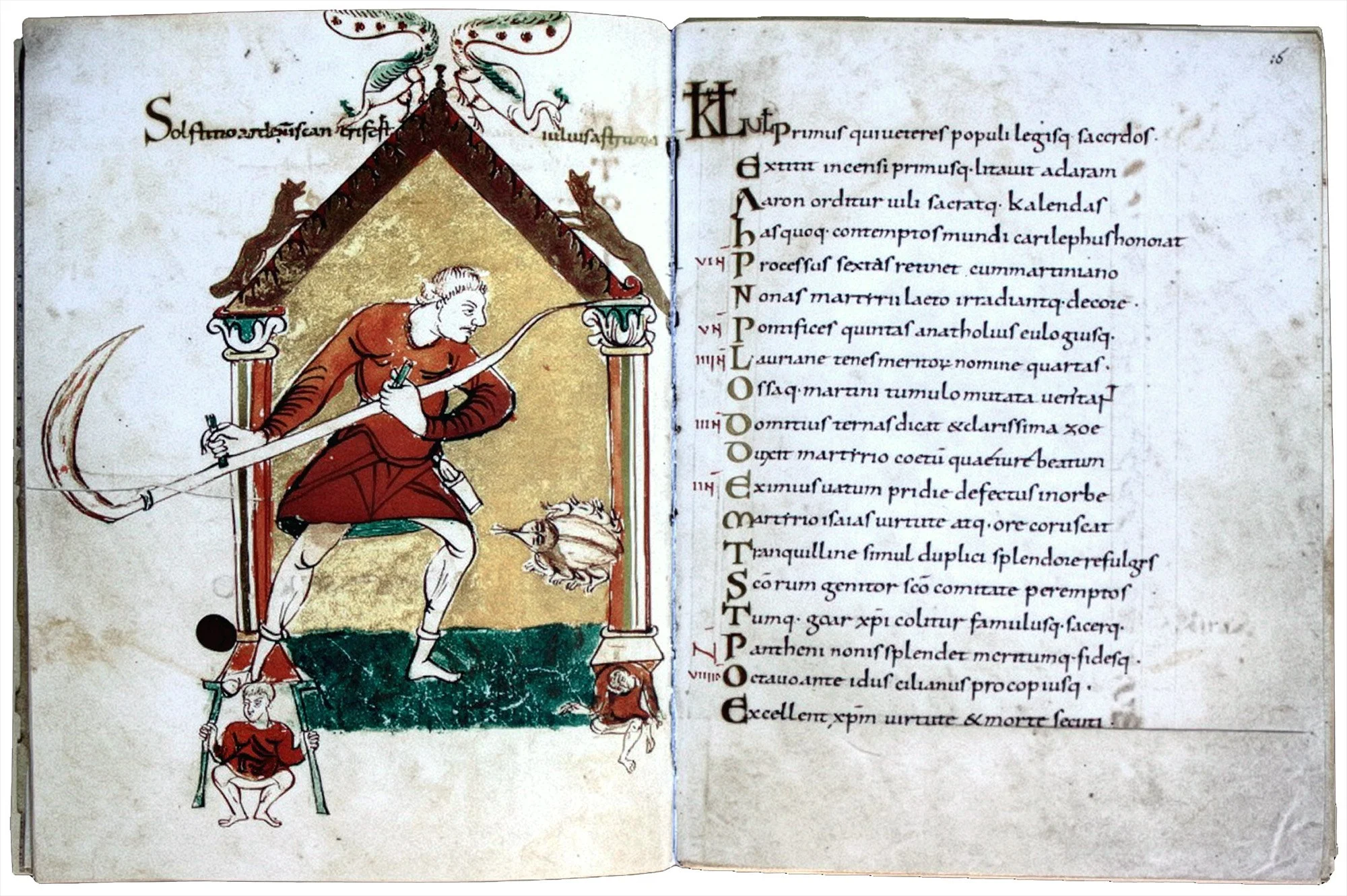
Wandalbert belonged to this world of rule and rhythm. His metrical martyrology gives every day its saints and begins each month with a poem on the season—weather and winds, vineyard tasks and fish runs, bread and bees and blessings. Read straight through, the book becomes a choreography for a Christian year lived in farms and forests. It is literature, liturgy, and local knowledge at once.

A page from the Martyrologium by Wandalbert of Prüm.

The relief captures that fusion. The artist surrounds Wandalbert with a visual rota—a wheel-of-the-year feeling. Side panels stage small dramas: an altar, a martyr’s triumph, a saint’s feast. The crisp little capitals on the right could be a folio margin, closing a December tale with a neat “explicit.”

813: when language shifted

The date on the base ties Wandalbert to a reforming moment. In 813 Charlemagne called regional councils and insisted that preaching be done in languages people actually spoke—rustica romana for Romance speakers and theodisca for the Germanic world. The policy was larger than sermons: teaching should be audible inside ordinary life. Wandalbert’s poems are an answer in miniature. He kept Latin’s music but bent it toward the village: tools and birds, market days and fast days, the sound of bells and the grind of the mill.

Reading the sculpture

The stone reads like a page. Wandalbert sits on a raised platform, one hand steadying a tablet, the other lifting his stylus as if listening for the next footbeat. A hinged drawing frame angles toward him—an artist’s tool turned into a metaphor for measuring time. Around the rim, saints stand in tiny arcades; below them twine vines and tools of work, hints of vineyards, fields, and mills.
On the right, the neat block script could be a folio margin: martyrs named, December called out, the closing “explicit” that ends a book. Even the little scales tucked near his knee suggest balance—of seasons and feasts, labor and prayer, prose and verse. It is both portrait and instrument: a man and the calendar he tunes.

What endures

Prüm’s abbey no longer governs estates the way it once did, but its grammar still orders the landscape. Parish boundaries, fair days, field names, and the memory of processions echo the monastic clock; the diocese remains the frame, the monastery the old metronome. Wandalbert’s poems feel unexpectedly practical: a theology of weather and work, bees and bread, written to be carried in the head.
That is the sculpture’s charge. It reminds us that culture is kept not by proclamations but by rhythms—what gets harvested when, when the fast begins, when the bell calls the village to sing. Prüm turned those rhythms into a public good; Wandalbert gave them music. Stand before the stone and you can feel the year begin to move.

Further Reading

  • Wandalbert of Prüm, Martyrologium (editions/translations)

  • The Prüm Polyptych (c. 893)

  • Regino of Prüm, Chronicle

  • Rosamond McKitterick, The Carolingians and the Written Word

  • Jean-Pierre Devroey, The Economy of the Carolingian Empire

  • Studies on the Councils of 813 and vernacular preaching

  • Research on the Sandals of Christ and the cult at Prüm

  • Surveys of Carolingian monasticism in the Rhineland–Ardennes

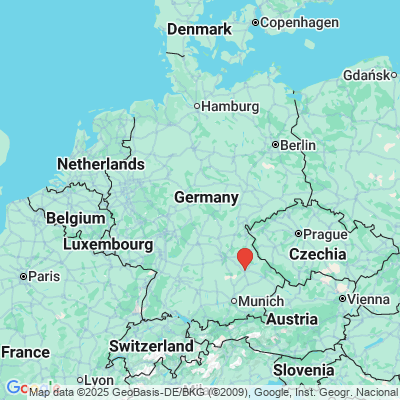
Regensburg (Germany)

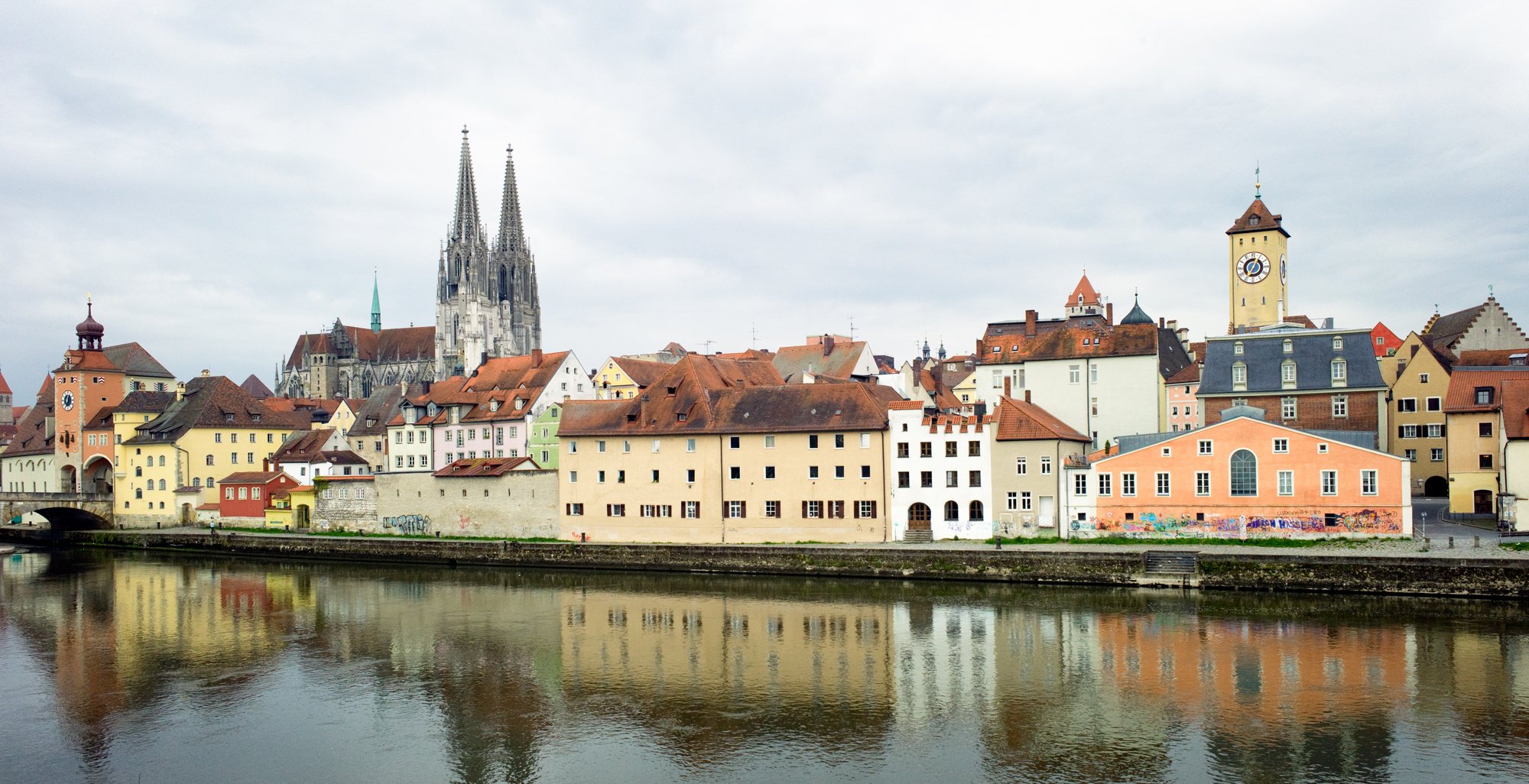
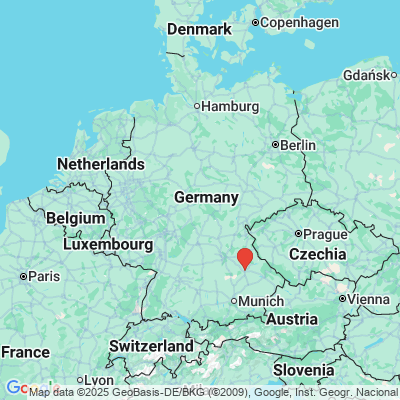
Regensburg (Germany).

At the point where the Danube bends and the stone bridge links its banks, Regensburg has stood for nearly two thousand years — a city shaped by water, trade, and empire. Founded as the Roman fortress Castra Regina in the 2nd century, it became one of the most enduring urban centers north of the Alps.

Through the Middle Ages, Regensburg was a powerhouse of the Holy Roman Empire — a free imperial city where emperors were crowned, merchants bargained, and the great Diets of the Empire debated the fate of Europe. Its narrow alleys, Gothic towers, and proud patrician houses still echo the hum of that long political and commercial life.

Today, the old town is a UNESCO World Heritage Site — not frozen in time, but alive with cafés, students, and the steady rhythm of the Danube. In Regensburg, history doesn’t feel distant; it feels like it never quite left.

Jupp Schmitz: Cologne’s Man at the Piano

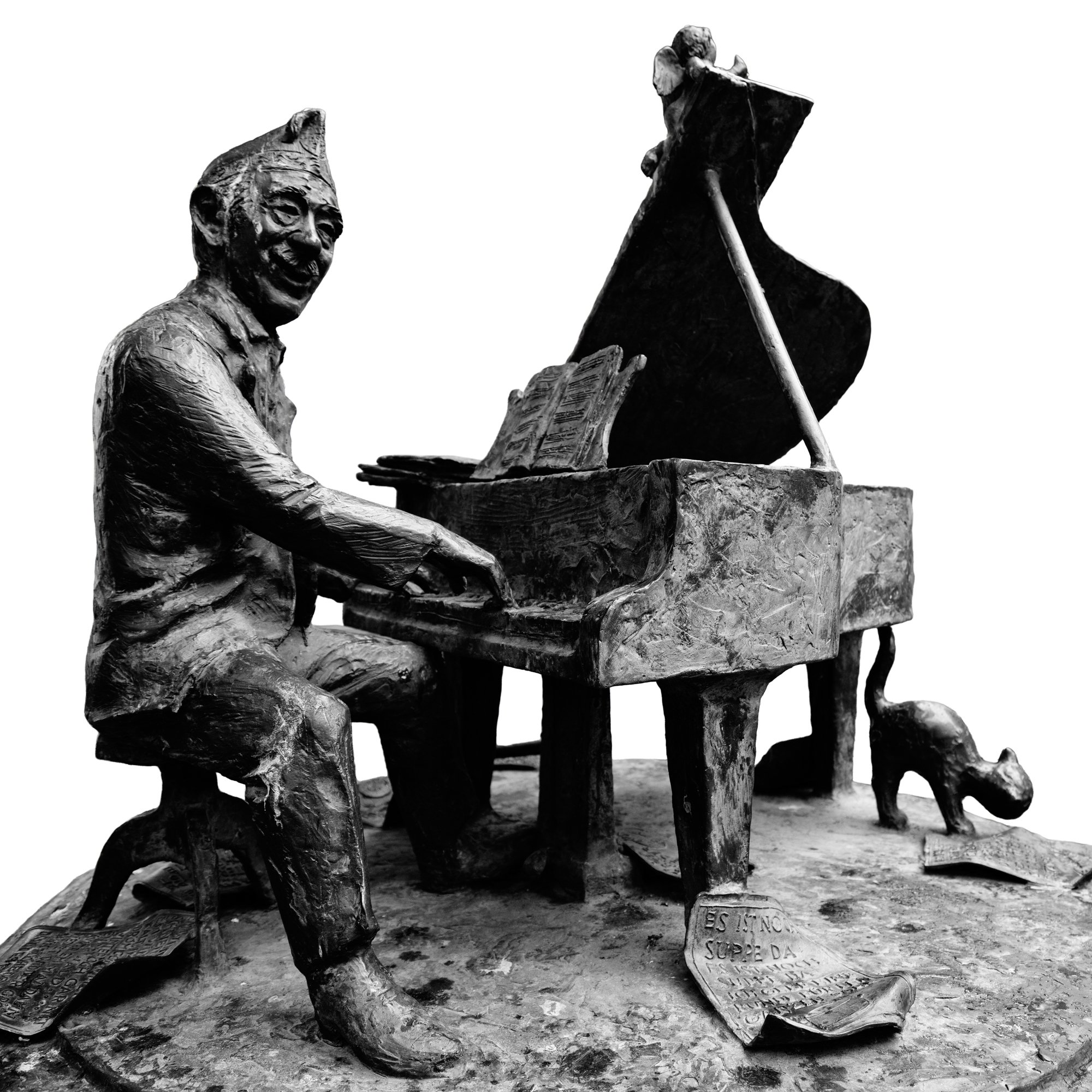
Picture a packed Kneipe on a cold February night. Paper streamers cling to the lamps, Kölsch glasses clink, and a small man with a quick grin slides onto the piano bench. Two chords—bright as confetti—and the room knows what’s coming. That’s Jupp Schmitz: songwriter, showman, and the heartbeat of Cologne’s carnival stage for half a century.

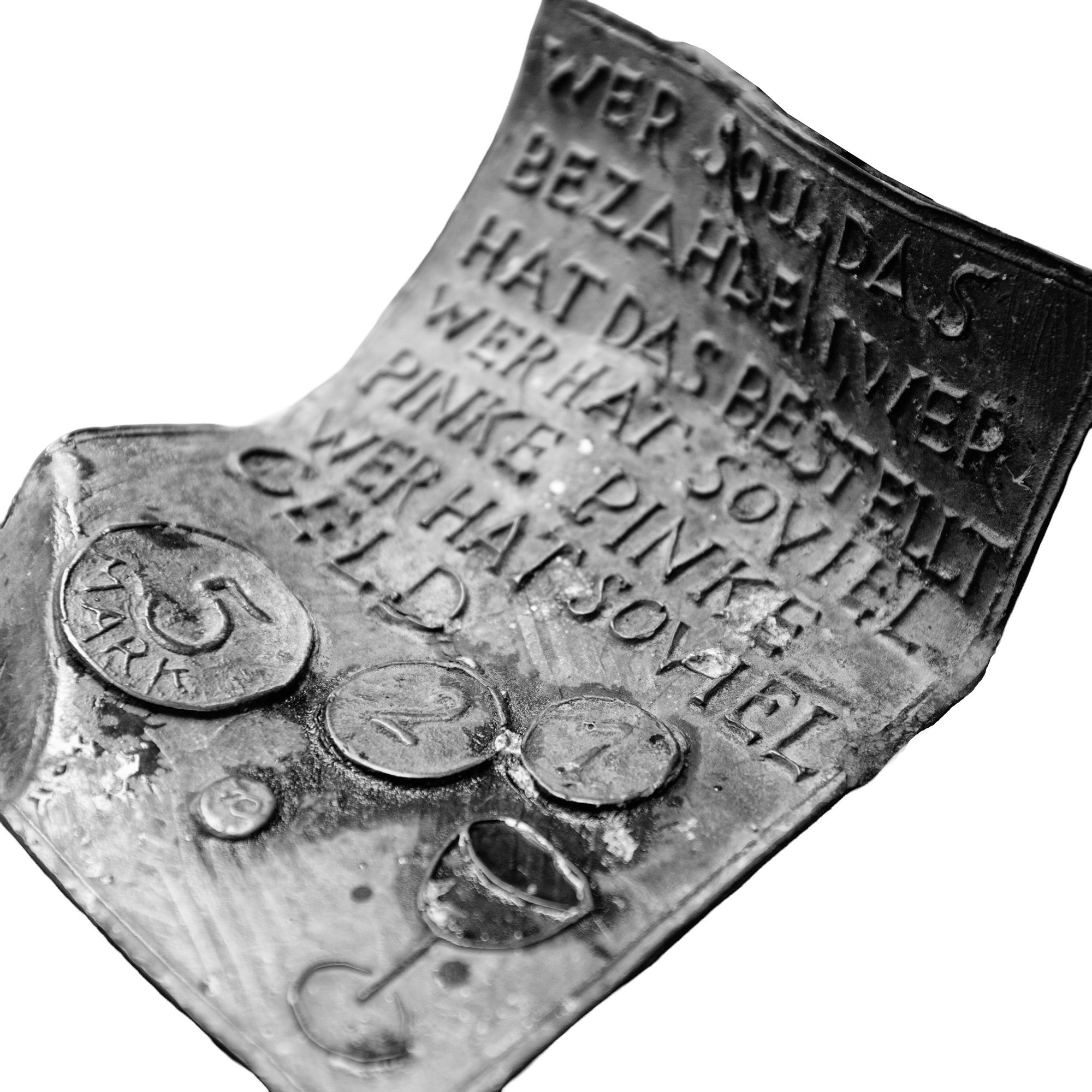
Schmitz grew up at the keyboard—first as a silent-cinema pianist, then as a dance-band entertainer who understood exactly how to turn a room into a chorus. After the war he gave the country a wink and a melody it couldn’t stop humming: “Wer soll das bezahlen?”—a cheeky anthem for wallets running on fumes. And every year he pressed the calendar’s reset button with “Am Aschermittwoch ist alles vorbei”—the bittersweet hymn that closes Carnival and hands the city gently to Lent.

“Wer soll das bezahlen? Wer hat so viel Geld? Wer hat so viel Pinke-Pinke?”

His secret wasn’t just catchy tunes; it was the way he wrote with the audience. Call-and-response refrains, words that sit perfectly on the tongue, humor warm enough to melt February—Schmitz didn’t perform at people; he performed through them. On the big stages like the Gürzenich or in cramped pubs along the Rhine, he was always the same: hat tipped, eyes sparkling, fingers tumbling over the keys while the crowd sang itself hoarse.

Listen today and you still hear Cologne in his songs: generous, a little mischievous, never far from a joke or a hug. Long after the last costume is packed away, Schmitz’s melodies keep the city’s smile switched on—proof that sometimes the most enduring monuments are made of chorus lines and laughter.

Beautiful Playgrounds and Empty Sandpits and: Germany’s Demographic Puzzle

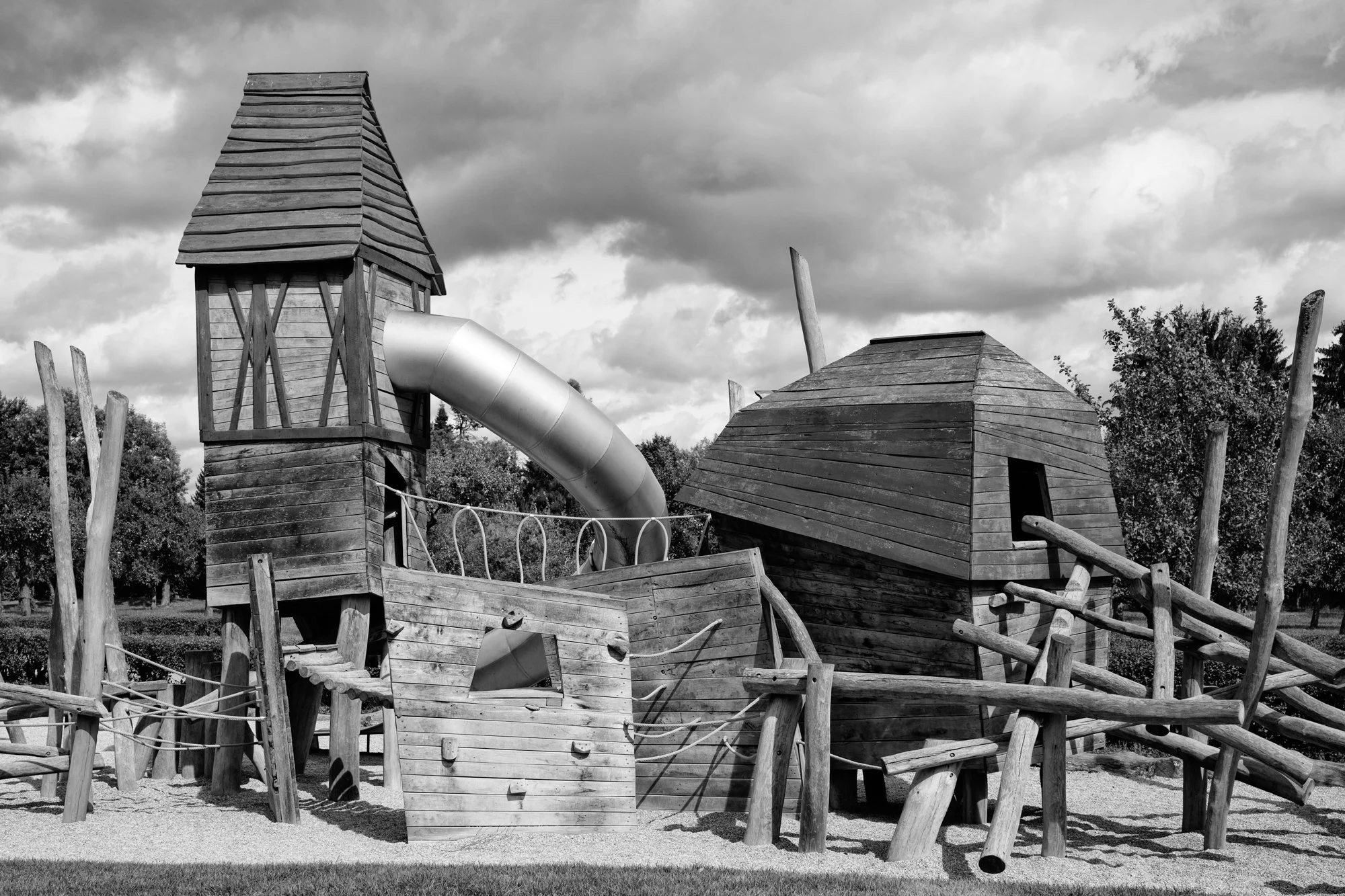
A playground in Dinkelsbühl (Germany).

Walk through a German town on a weekday morning and you might notice something striking: the playgrounds are pristine, imaginative, and meticulously engineered—yet often eerily quiet. Germany, like many Western European countries, faces a persistently low birthrate (around 1.3–1.5 children per woman in recent years).

Over decades, fewer births mean shrinking school classes, a tightening labor market, and mounting pressure on pension and health-care systems. With a smaller working-age population supporting a growing number of retirees, the classic social contract of “today’s workers fund tomorrow’s pensions” becomes fragile. Immigration softens the trend but does not erase it.

Ironically, the few children who are born may enjoy the best playgrounds in history. German municipalities, proud of their Spielplätze, invest in elaborate wooden climbing castles, rope pyramids, and water-sand labs that would make many theme parks envious. Safety standards are exacting, and design competitions fierce.

The result? Superb public play spaces—often half empty. It’s a gentle, almost humorous side effect of demographic change: as the child population shrinks, the investment per child soars.

Behind the quiet slides lies a serious challenge: how to sustain economic vitality, care for an aging population, and keep intergenerational solidarity alive. Germany’s situation is emblematic of much of Western Europe, where prosperity and lifestyle choices have combined to bend the population curve downward.

For now, the next time you see a state-of-the-art climbing tower standing still under a perfect blue sky, remember: it’s more than playground design. It’s a silent symbol of a continent rethinking its future.

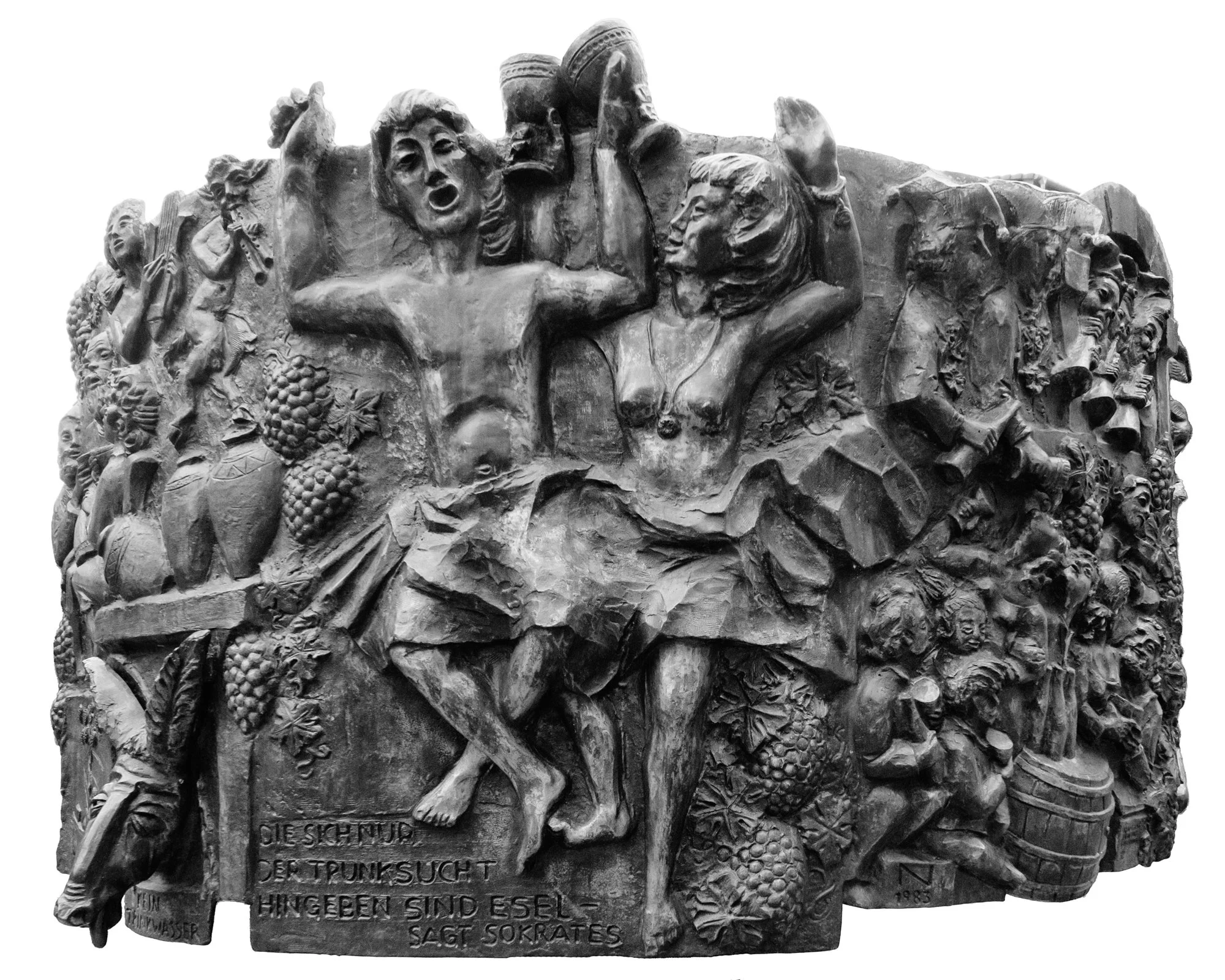
Street Wisdom from Worms: Socrates on Alcohol and Donkeys

Der Winzerbrunnen, 1983, by Gustav Nonnenmacher (Worms, Germany).

In downtown Worms you might come across a statue bearing the inscription: “Die sich nur der Trinksucht hingeben sind Esel, sagt Sokrates.” (In English: “Those who give themselves only to drunkenness are donkeys, says Socrates.”)

The message is as brisk as a Rhineland winter. A life reduced to alcohol is a life misused. The donkey—patient yet stubborn—embodies the very opposite of the reason and moderation Socrates championed.

It is an ancient Greek ideal recast as street wisdom, perfectly at home in a wine-loving city that also prizes learning and debate. In short: let reason, not drink, hold the reins.

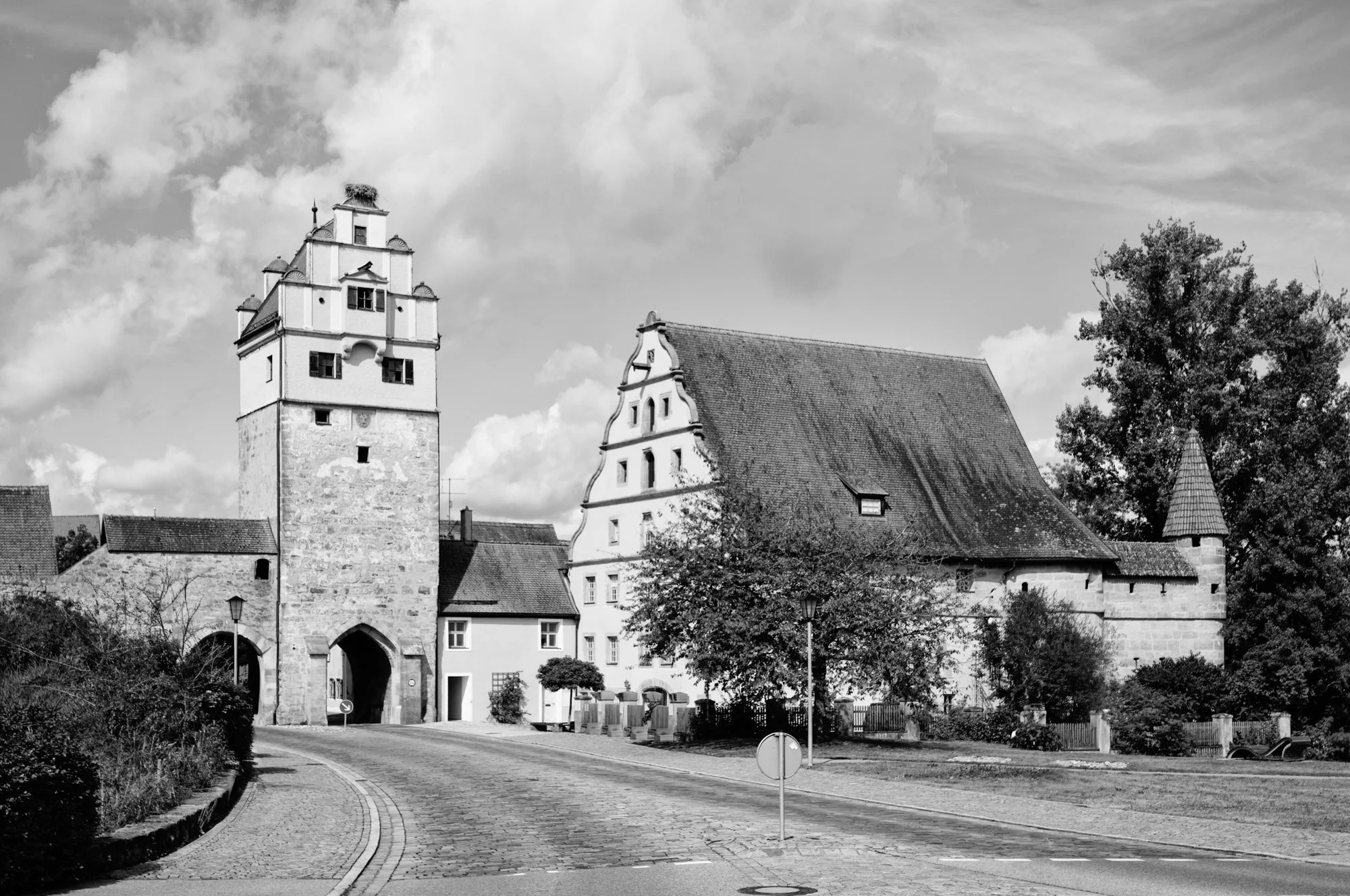
Dinkelsbühl (Germany)

The Nördlinger Tor, Dinkelsbühl (Germany).

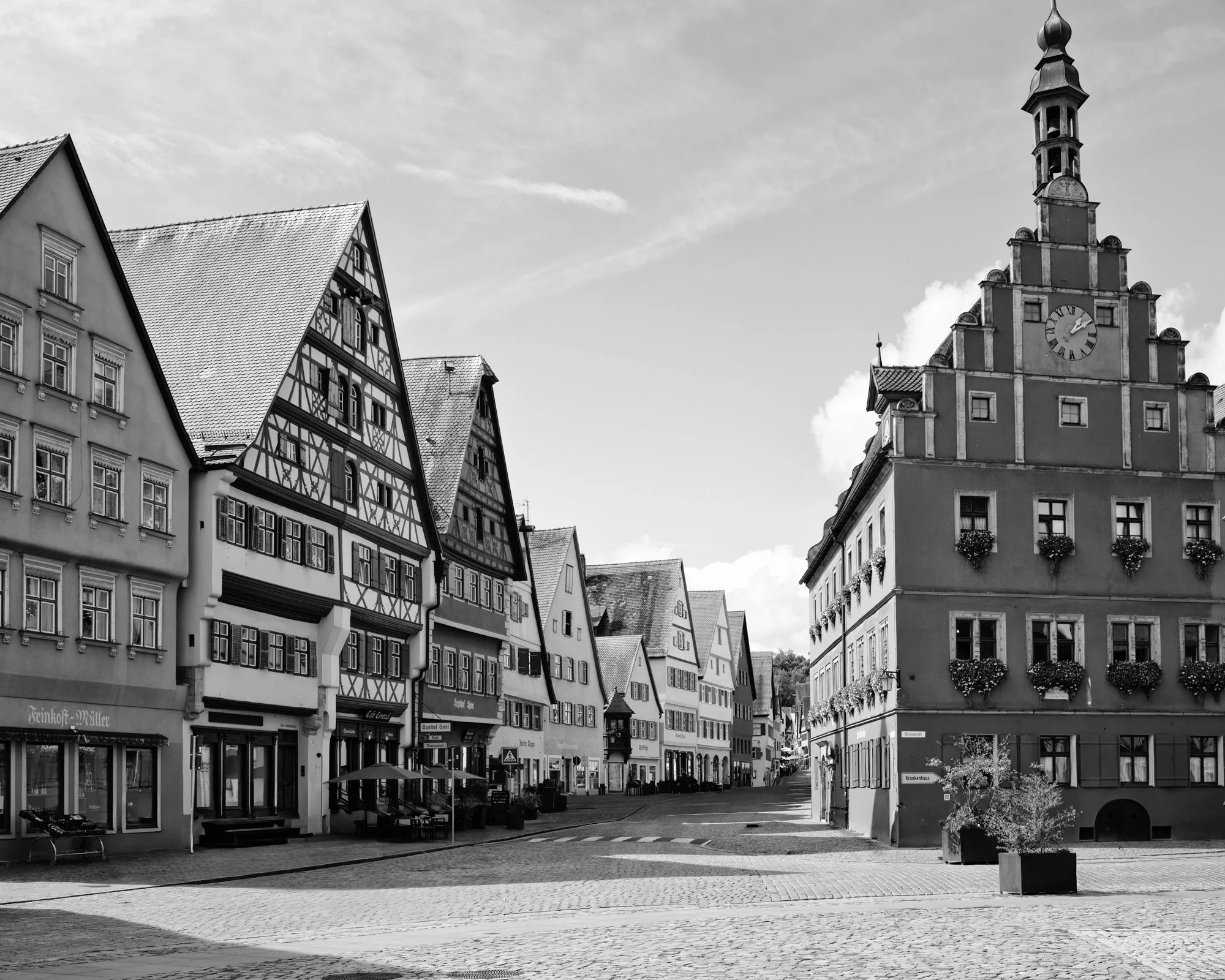
Hidden on Bavaria’s Romantic Road, Dinkelsbühl looks almost too perfect to be real. Encircled by intact 15th-century walls and punctuated by sixteen towers, it feels as if time stopped when merchants and guilds still ruled the cobblestones. But its charm is more than just picture-book beauty.
One of the town’s most intriguing chapters dates back to the Reformation and the Peace of Westphalia (1648). Dinkelsbühl was declared a paritätische Stadt—a “city of parity.” That meant Catholics and Protestants shared power equally, an extraordinary arrangement in a century marked by bitter religious wars. Councils, schools, and even church use were organized to respect both confessions. This rare compromise spared Dinkelsbühl the sectarian violence that scarred so many other towns and shaped a culture of cooperation that lingers to this day.

Stroll the narrow lanes to St. George’s Minster, admire the gabled merchants’ houses, or follow the nightly Rothenburg-style night watchman tour, and you walk through layers of civic peacekeeping as well as medieval splendor.

Dinkelsbühl isn’t just beautifully preserved—it’s a reminder that lasting harmony can grow where tolerance takes root, a lesson as valuable now as it was nearly four centuries ago.

Segringer Strasse, Dinkelsbühl (Germany).

St. Lambertus Church in Münster (Germany)

St. Lambertus Church in Munster (Germany).

The St. Lambertus Church in Münster stands as a striking testament to the city's rich and turbulent history. This Gothic masterpiece, with its towering spires and intricate stonework, dominates the skyline of Münster, inviting visitors to step back in time and explore the deep-rooted spiritual and historical significance that this sacred site holds.

St. Lambertus, for whom the church is named, was a 7th-century bishop of Maastricht, known for his zealous missionary work and unwavering dedication to his faith. Born into a noble family, Lambertus chose a life of religious service and quickly became a prominent figure in the early Christian Church. His fervor for spreading Christianity, however, led to conflict with local pagan leaders, and he was ultimately martyred for his beliefs. His legacy of devotion and sacrifice deeply resonates within the walls of St. Lambertus Church, which was built to honor him.

But the history of St. Lambertus Church is not just one of piety; it is also intertwined with the dramatic events of the Reformation and the rise of Anabaptism. In the early 16th century, Münster became the epicenter of a radical religious movement that sought to create a new, theocratic society. The Anabaptists, who believed in adult baptism and a strict adherence to their interpretation of the Bible, took control of the city in 1534, proclaiming it the "New Jerusalem." St. Lambertus Church, like many other religious sites in Münster, was caught in the middle of this upheaval.
During the Anabaptist rule, the church was repurposed to fit the new regime's vision, but their reign was short-lived. After a brutal siege by forces loyal to the Catholic Church, the Anabaptist leaders were captured and executed. Their bodies were displayed in iron cages hung from the tower of St. Lambertus Church as a grim warning to others who might challenge the established order. These cages remain visible today, a chilling reminder of the city's violent past and the lengths to which people will go in the name of faith.

The St. Lambertus Church today is a symbol of Münster's resilience and the enduring power of belief. Its ornate interior, with soaring arches and stained glass windows, offers a serene contrast to the tumultuous history it has witnessed. As visitors walk through its hallowed halls, they are enveloped by the echoes of centuries of devotion, conflict, and reconciliation, making St. Lambertus Church not only a place of worship but also a profound historical monument.

St. Lambertus Church in Munster (Germany).

The Peace of Münster (1648)

The Ratification of the Spanish-Dutch Treaty of Münster, 15 May 1648.

The Peace of Münster, signed in 1648, ended the Eighty Years' War between Spain and the Dutch Republic and was part of the larger Peace of Westphalia, concluding the Thirty Years' War. This treaty marked the formal recognition of the Dutch Republic's independence by Spain.

The Eighty Years' War began in 1568 as a revolt against Spanish rule. Over the decades, it became a prolonged struggle for Dutch independence, marked by intense battles and significant losses. By the early 17th century, the desire for peace grew due to the ongoing devastation.

Formal negotiations started in 1646 in Münster, Germany, involving various European powers. The Dutch and the Spanish representatives engaged in complex and lengthy discussions. Key issues included recognizing Dutch independence, ending hostilities, and establishing territorial boundaries.

The Peace of Münster was signed on January 30, 1648, and ratified in May. It was a monumental diplomatic achievement, ending Spanish sovereignty over Dutch territories and allowing the Dutch Republic to focus on rebuilding and expanding its trade networks. The treaty also addressed the return of occupied territories, the release of prisoners, trade rights, and future relations between Spain and the Dutch Republic.

The Peace of Münster, as part of the Peace of Westphalia, had lasting implications for European politics, marking the start of a new era of state sovereignty and balance of power. It remains a significant milestone in the history of international relations.

Historical City Hall of Münster (Münster, Germany), the place where the treaty was ratified.

Heiliger Sand (Worms, Germany)

Heiliger Sand (Worms).

The Jewish Cemetery in Worms, known as Heiliger Sand, is one of the oldest in Europe, dating back to the 11th century. It stands as a testament to the long and rich history of the Jewish community in Worms, which flourished from medieval times until its tragic destruction during the Holocaust. Worms was an important center of Jewish scholarship, particularly during the Middle Ages, attracting prominent rabbis and scholars, such as Rabbi Shlomo Yitzhaki (Rashi), who studied there. The cemetery contains graves from the 11th to the 20th centuries, including those of notable Jewish figures, and remains a symbol of Jewish cultural and religious resilience in Germany.

The Jewish community in Worms played a significant role in European Jewish life, with contributions to religious scholarship and trade. Despite facing repeated violence, e.g. during the Rhineland massacres (11th century), the community persisted for centuries, leaving behind a profound cultural legacy, now commemorated through sites like the cemetery and the Worms Synagogue.

Charlemagne (747 - 814)

A statue of Charlemagne (Aachen, Germany).

Charlemagne, also known as Charles the Great, was a pivotal figure in European history, reigning as King of the Franks from 768 and Emperor of the Carolingian Empire from 800 until his death in 814. His rule marked a significant period of transformation and consolidation in medieval Europe. Charlemagne's empire, which spanned much of Western and Central Europe, laid the foundations for the modern states of France and Germany, earning him the title "Father of Europe."

Charlemagne's importance to Europe is multifaceted. He was a key proponent of the Carolingian Renaissance, a revival of art, culture, and learning based on classical models, which had a lasting impact on European intellectual life. His efforts in education, including the establishment of schools and promotion of literacy, fostered a cultural revival that helped shape the medieval European identity.

Politically, Charlemagne's consolidation of territories and his coronation as Emperor by Pope Leo III in 800 AD symbolized the unification of Christian Europe under a single ruler, setting a precedent for the Holy Roman Empire. His administrative reforms, including the use of local counts and the establishment of a royal court system, provided a more unified and efficient governance structure.

Charlemagne's legacy endures through his contributions to European political, cultural, and educational development, making him a central figure in the shaping of medieval Europe and its subsequent evolution.

Aachen Cathedral

A bronze replica of the Aachen Cathedral.
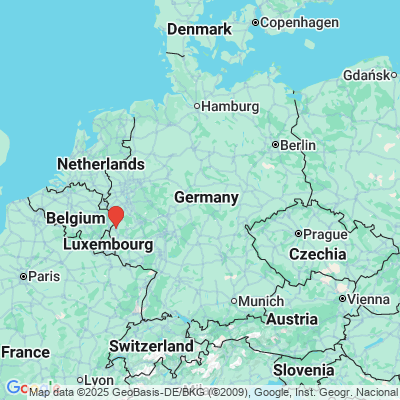
The Aachen Cathedral, also known as the Dom of Aachen, stands as a monumental testament to the rich history and cultural heritage of Europe. Located in Aachen, Germany, this architectural marvel was commissioned by Charlemagne in the late 8th century and consecrated in 805 AD. The cathedral is renowned for its distinctive blend of Carolingian, Gothic, and Ottonian architectural styles, reflecting the diverse historical epochs it has witnessed.
Aachen Cathedral holds immense significance for Europe, both historically and symbolically. It was the coronation site for German kings for nearly 600 years, from 936 to 1531, making it a central location for medieval European political power. Furthermore, it houses the Palatine Chapel, an outstanding example of Carolingian architecture, which served as Charlemagne's palace chapel and his final resting place. The Palatine Chapel's octagonal design have influenced the architectural landscape of medieval Europe, marking Aachen Cathedral as a crucible of cultural and artistic development.

The Dom of Aachen is also a place of profound religious importance. It became a major pilgrimage site in the Middle Ages, known for its relics and the legendary "Marienschrein" (Shrine of Mary) containing relics of Jesus’ crucifixtion. Today, the cathedral is not only a significant religious site but also a UNESCO World Heritage Site, recognized for its historical, architectural, and cultural value.

In essence, the Dom of Aachen is more than a mere building; it is a symbol of European unity, heritage, and continuity, embodying the continent's history. Its enduring legacy continues to draw visitors and scholars, reflecting the profound impact it has had on shaping European identity.

Porta Nigra, Trier (Germany)

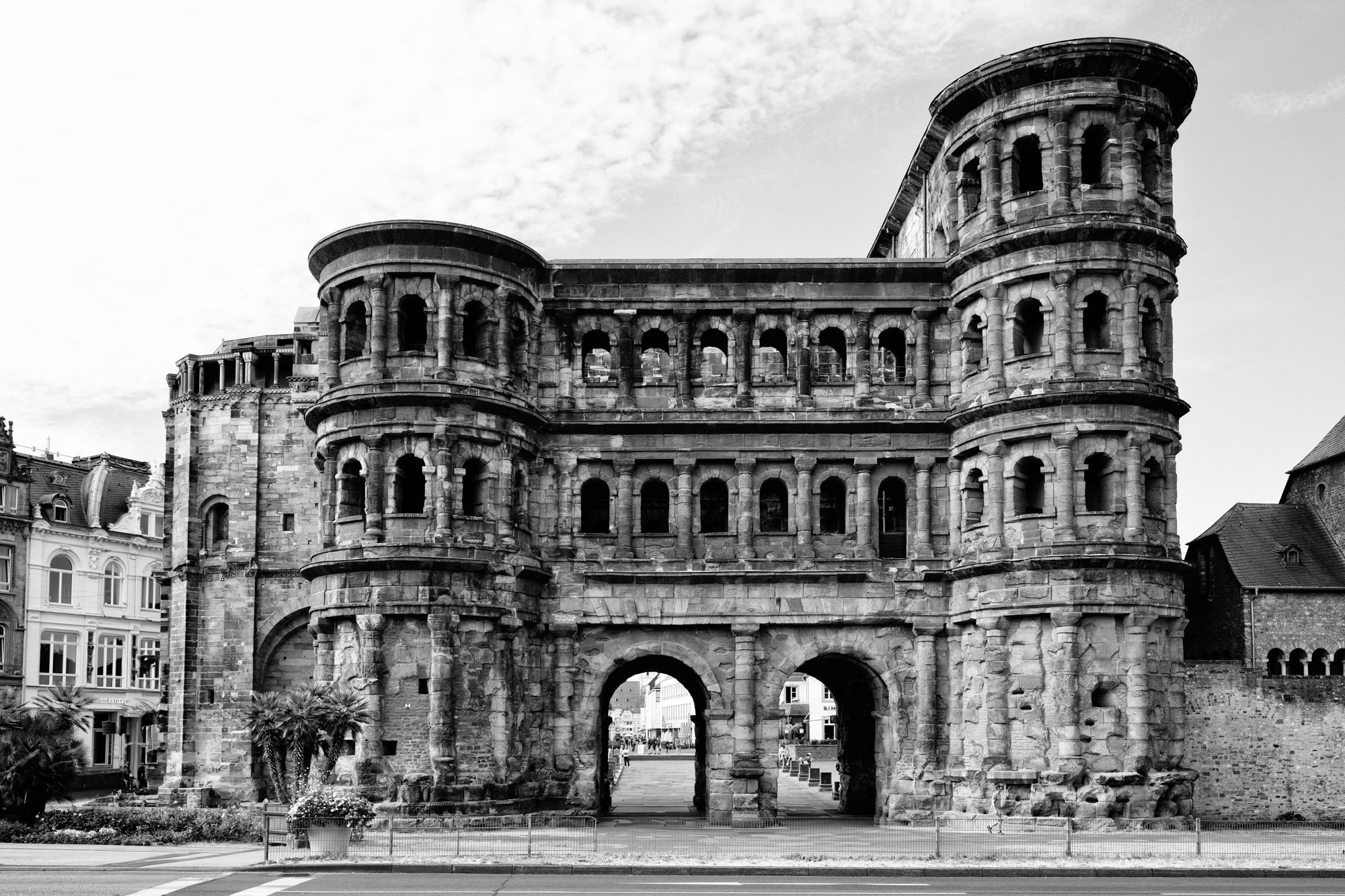
Porta Nigra, Trier.

The Porta Nigra, located in Trier, Germany, stands as a testament to the city's rich history and Roman legacy. Built between 186 and 200 AD during the reign of Emperor Marcus Aurelius, it served as one of the four city gates of ancient Augusta Treverorum, the Roman name for Trier.

Originally named Porta Martis, meaning "Gate of Mars," the Porta Nigra was constructed using large sandstone blocks without mortar, a technique characteristic of Roman architecture. Its name was changed to Porta Nigra, or "Black Gate," in the Middle Ages due to the darkened color of its stone over time.

Throughout its existence, the Porta Nigra has witnessed significant events. In the 5th century, Trier fell under Frankish rule, and the gate was converted into a church dedicated to Saint Simeon. During this time, its distinctive upper stories were added, transforming it into a basilica.

In subsequent centuries, the Porta Nigra underwent further transformations. It served as a fortress, a monastery, and a barracks. However, by the 11th century, it had fallen into disuse and was gradually buried by layers of soil and debris.

In the 19th century, the Prussian government undertook efforts to restore the Porta Nigra to its former glory. The surrounding structures were demolished, and the gate was uncovered and meticulously restored to its original Roman appearance.

Today, the Porta Nigra stands as an iconic symbol of Trier's Roman past and is recognized as a UNESCO World Heritage Site. Visitors from around the world marvel at its imposing presence and architectural significance, making it one of the most popular tourist attractions in the region.