
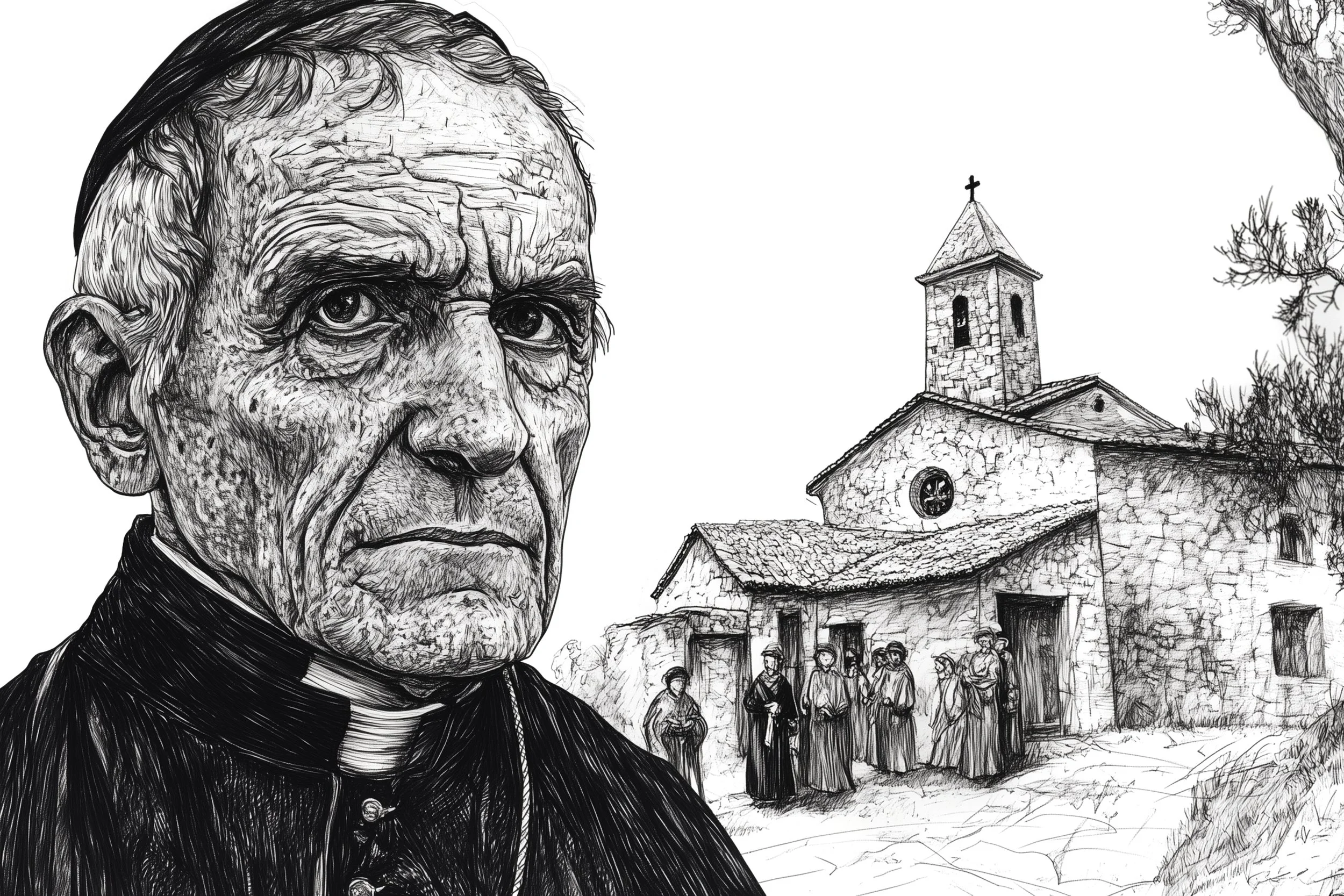
Miguel de Unamuno’s San Manuel Bueno, mártir (1931) is a deeply philosophical and existential novel that explores the tension between faith and doubt, truth and illusion. Set in a small Spanish village, the story follows Don Manuel, a beloved priest known for his kindness, self-sacrifice, and ability to comfort his community. However, through the perspective of the narrator, Angela Carballino, we discover a shocking secret: despite his outward devotion, Don Manuel does not believe in God or the afterlife.
Despite his personal disbelief, he continues to teach Christian doctrine, convinced that faith provides his people with the strength to endure their harsh lives. He ultimately dies as a revered figure, remembered as a saint by the villagers, while only a select few know of his internal struggle.
Unamuno, the author and a key figure in the ‘Generación de 1898’, uses the paradox in the story to reflect on the nature of belief, the role of religious institutions, and the existential struggle between reason and faith. The novel’s timeless themes make it not only a significant work of Spanish literature but also a universal meditation on the human condition, challenging readers to consider the value of faith even in the face of doubt.
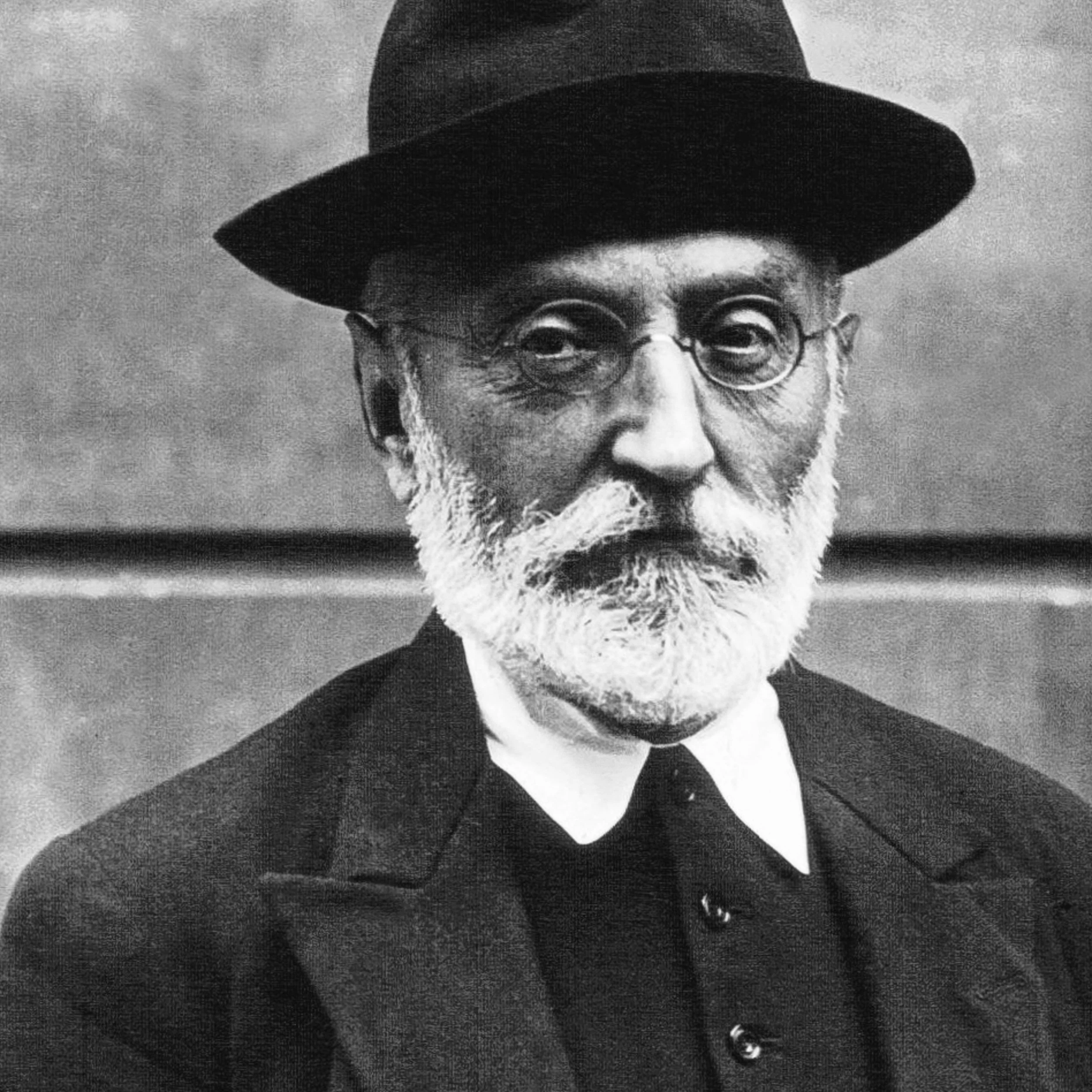
Portrait of Miguel de Unamuno (1925). Gallica Digital Library.