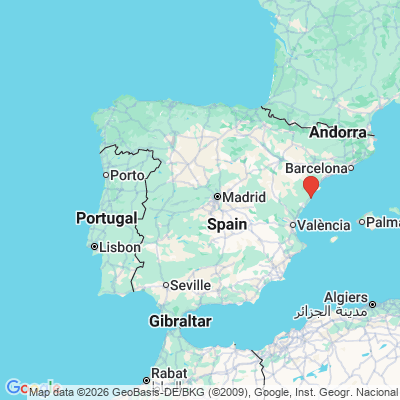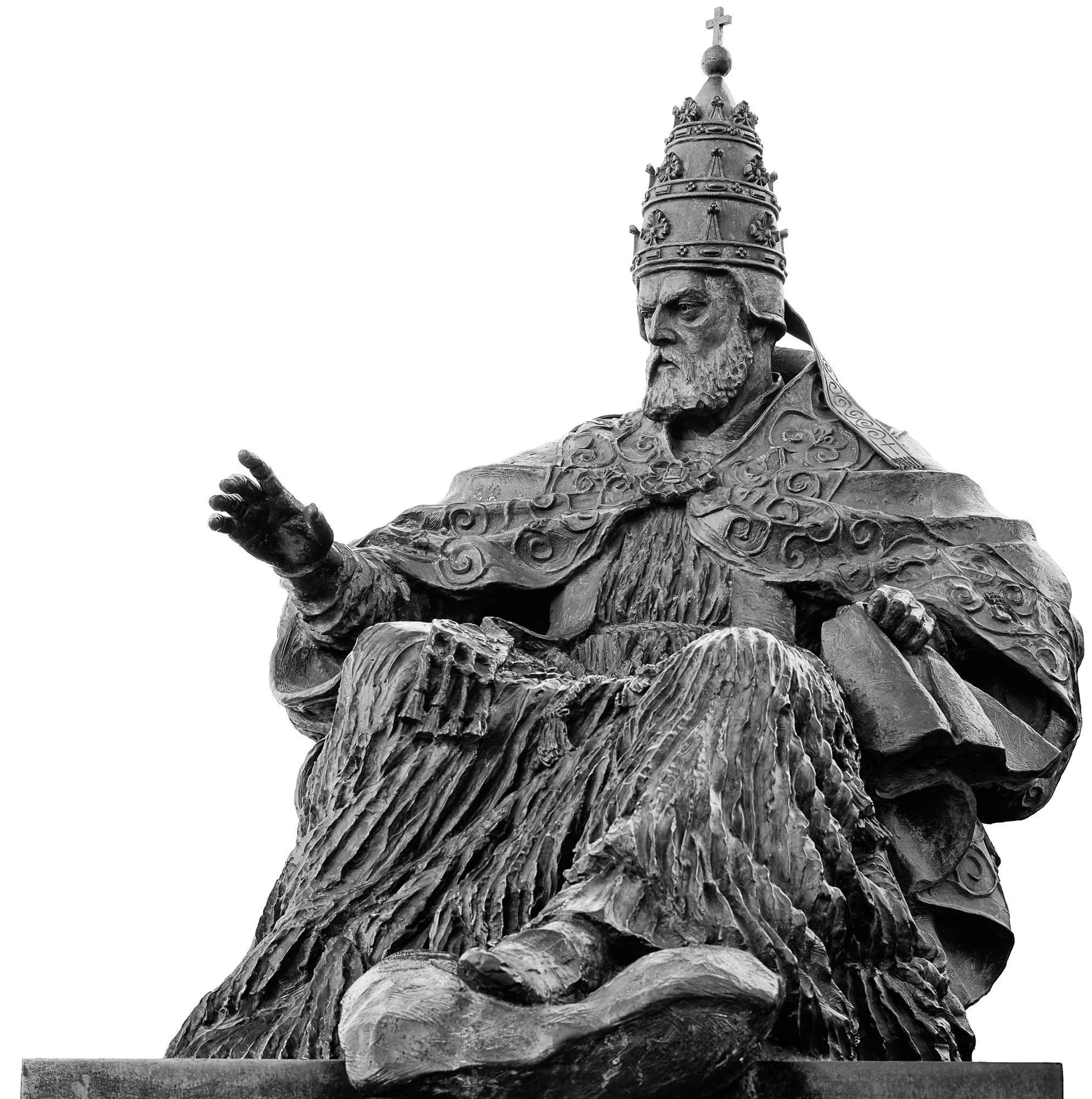
Statue of Pope Benedict XIII—known as Papa Luna—standing before the castle of Peñíscola, where he lived in defiance as a self-declared pope until his death in 1423.
On the Mediterranean coast of Spain lies the striking town of Peñíscola, crowned by a fortress that seems to rise straight out of the sea. At first glance, it looks like many other historic strongholds along the Spanish coast. But this castle holds an unusual story—one that involves not just kings and battles, but a pope who refused to step down.
Today, visitors strolling through the Plaza de Armas will find a bronze statue of this stubborn figure. He is known locally as “Papa Luna.” His real name was Pope Benedict XIII, and his story takes us back to one of the most chaotic periods in the history of the Catholic Church.
When the Church Had More Than One Pope
To understand how a pope ended up in Peñíscola, we need to step into the late Middle Ages. At that time, the papacy was not only a spiritual authority but also deeply entangled in politics, power, and wealth. In 1309, under pressure from the French crown, the papal court moved from Rome to Avignon—a period often referred to as the “Babylonian Captivity” of the Church.
Decades later, when Pope Gregory XI brought the papacy back to Rome in 1377 and died shortly after, the situation spiraled into crisis. Cardinals could not agree on a successor, and soon there were two competing popes: one in Rome and one in Avignon.
Europe split along political lines. Countries like England and much of northern Europe supported Rome, while France and parts of Spain supported Avignon. The unity of the Church had fractured.
From Two Popes to Three
Efforts to solve the crisis only made things worse. In 1409, the Council of Pisa attempted to depose both rival popes and elect a new one. Instead of solving the problem, it created a third claimant. For a time, there were three men claiming to be the rightful pope.
Finally, the Council of Constance (1414–1418) managed to restore a degree of unity. A new pope, Pope Martin V, was elected and recognized as the sole head of the Church.
All, that is, except one.
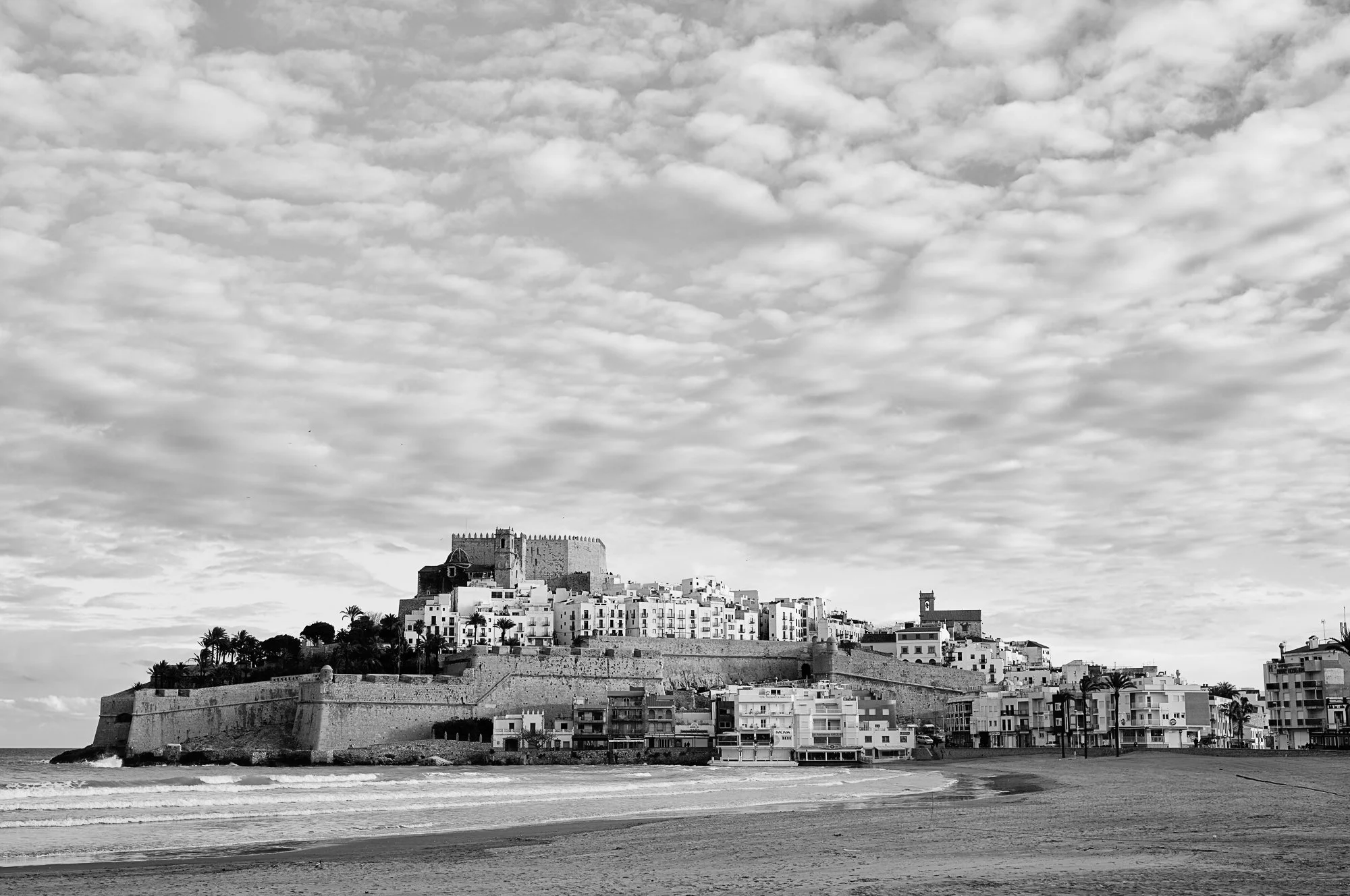
The peninsula of Peñíscola, crowned by its castle, rising from the Mediterranean.
The Pope Who Refused to Quit
Pope Benedict XIII—Papa Luna—refused to resign. Convinced of his legitimacy, he fled to Spain, where he found protection in the castle of Peñíscola. There, perched above the sea, he continued to act as pope.
For years, he held out. Even as most of Europe moved on, he retained pockets of support, particularly in parts of Spain and Scotland. From his fortress, he issued decrees and maintained the rituals of a papal court, as if nothing had changed.
It is a remarkable image: a lone pope, isolated on a rocky peninsula, defending not a city or a kingdom, but his claim to spiritual authority.
The End of Papa Luna—and an Unexpected Epilogue
Papa Luna remained in Peñíscola until his death in 1423. But his story did not end there. His remains were taken back toward his birthplace. Centuries later, in a twist that feels almost surreal, his skull was stolen around the year 2000. Eventually recovered, it now resides in Zaragoza.
Meanwhile, his legacy lives on most vividly in Peñíscola itself. The castle is still often referred to as “Papa Luna’s Castle,” and his statue watches over the square, a reminder of a time when even the papacy could fracture into competing realities.
Further reading
The Western Schism (1378–1417) — Walter Ullmann
The Avignon Papacy — Yves Renouard
The Stripping of the Altars — Eamon Duffy