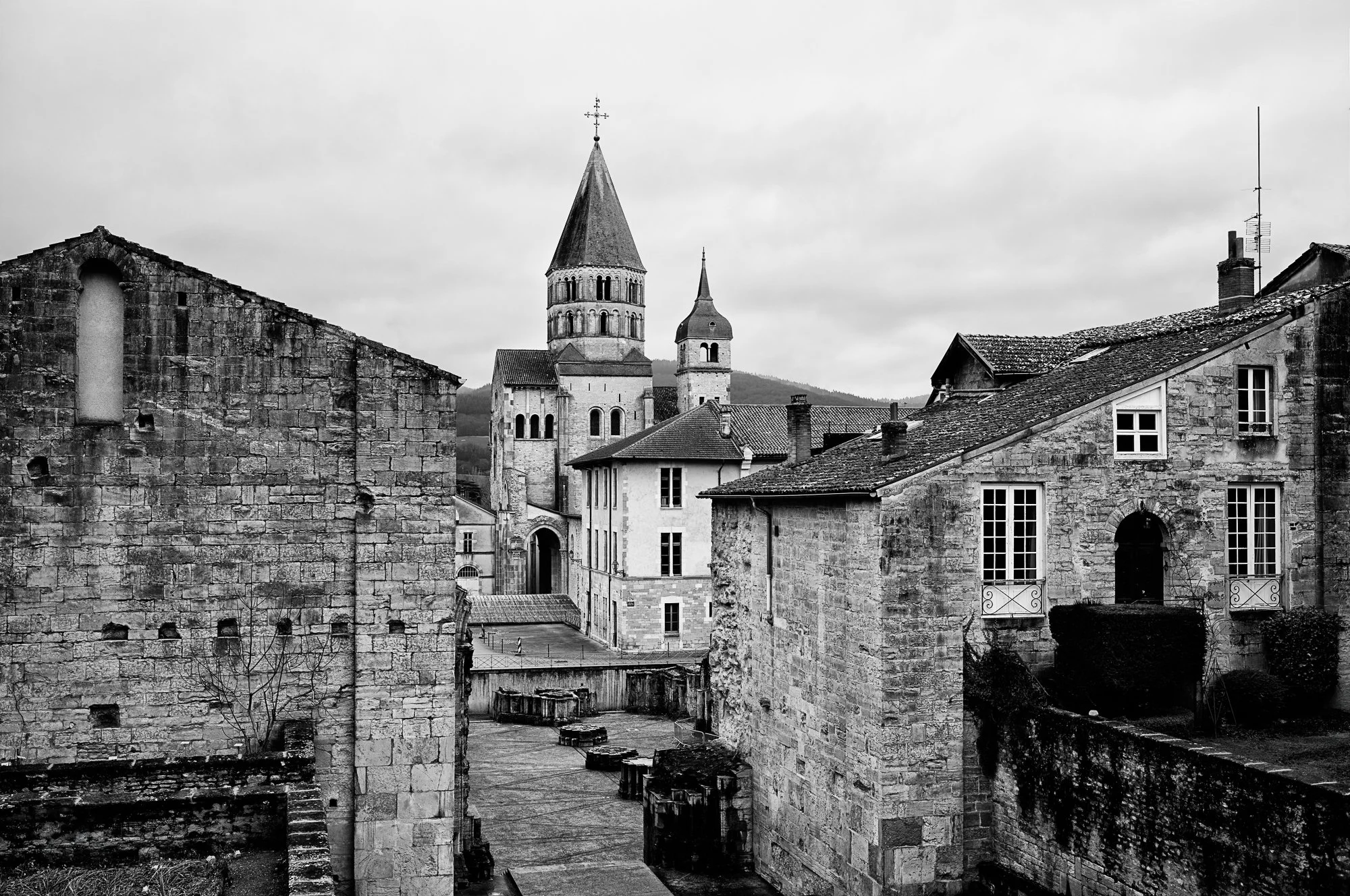
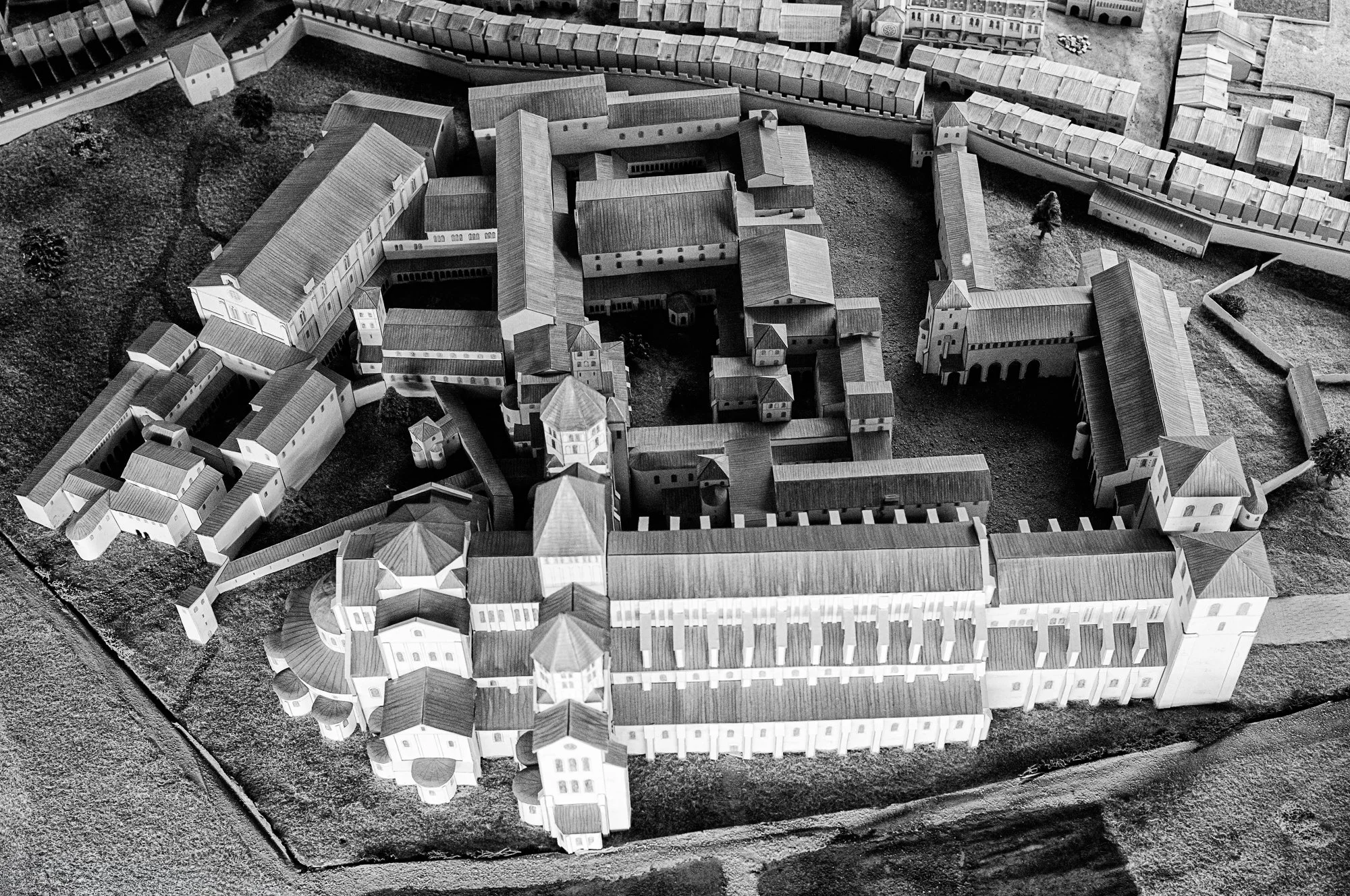
In the quiet landscape of Burgundy, the town of Cluny looks almost ordinary today. A few impressive ruins hint at something larger, but it takes imagination to grasp what once stood here. Around the year 1100, this was not just a monastery. It was the beating heart of a vast network that stretched across Europe, shaping religion, politics, and daily life in ways that still echo today.
Cluny was, in its time, one of the most powerful institutions in the Western world.
A Different Kind of Monastery
Cluny began in 910, at a moment when much of Europe was still unstable. Monasteries existed everywhere, but many had become entangled in local politics. Powerful nobles treated them almost as personal property, appointing abbots and using their wealth for their own purposes.
The founders of Cluny made a radical choice. The new abbey would not answer to a local lord, but directly to the Pope in Rome.
This decision gave the monks something rare: independence. They could choose their own leaders, follow their own discipline, and focus on religious life without interference. It allowed Cluny to develop a reputation for seriousness and integrity at a time when that was far from guaranteed.
What began as a small reform became a powerful idea.
From Local Reform to European Network
Cluny’s influence spread quickly. Other monasteries, impressed by its discipline and organisation, began to adopt its model. But instead of remaining independent, many became part of a growing Cluniac network.
This network was unlike anything seen before. Monasteries across France, Spain, Italy, and beyond were linked together, sharing rules, leadership, and regular oversight. Monks travelled between them, inspected their practices, and reported back to Cluny.
By the High Middle Ages, hundreds of monasteries—and eventually close to a thousand—were connected in this way.
In a fragmented medieval world, Cluny had created something remarkably coherent: a system that functioned across borders, languages, and political boundaries. It was, in many ways, an early example of a European-wide institution.
Reforming Faith and Society
At its core, Cluny was about restoring focus to religious life. The monks emphasised prayer, discipline, and a return to the ideals of the Rule of Saint Benedict.
Yet the consequences went far beyond the cloister. As Cluny grew in influence, it helped drive broader reforms within the Church. It supported the idea that religious institutions should be free from political control and should hold themselves to higher moral standards.
Through its network, these ideas spread across Europe. Monasteries became more disciplined, liturgy became more elaborate, and religious life became more central to communities. Cluny also encouraged movements that promoted peace in a violent society, and it played a role in shaping the spiritual atmosphere of the age—from pilgrimage culture to the growing importance of prayer for the dead.
For centuries, Cluny stood at the center of this transformation.
Power, Scale, and Legacy
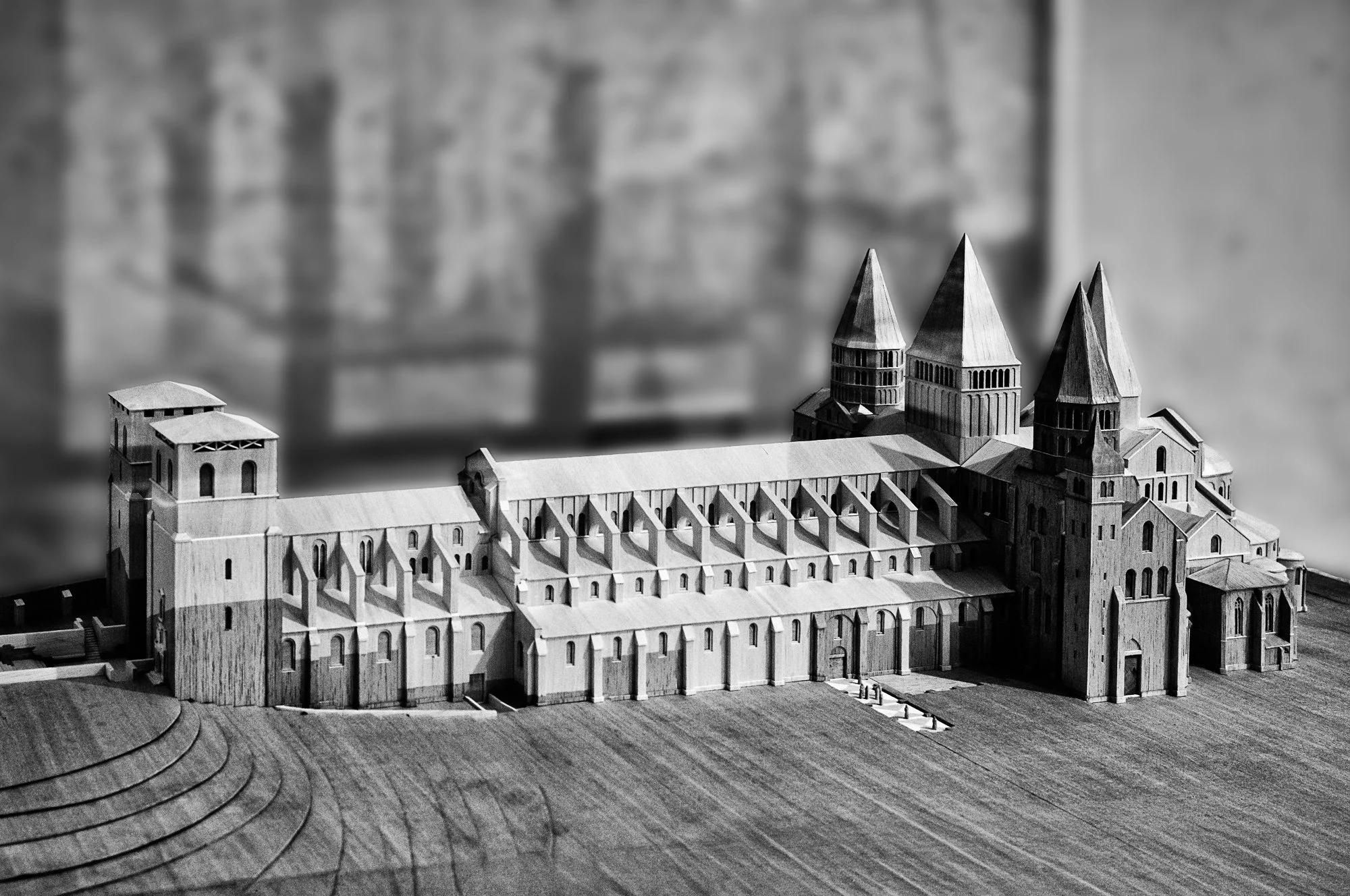
At its height, Cluny was more than a monastery. It was a complex institution with economic resources, political connections, and cultural influence. Its abbots were in contact with kings and popes. Its wealth supported ambitious building projects, including a vast church—Cluny III—that was, for centuries, the largest in the Christian world.
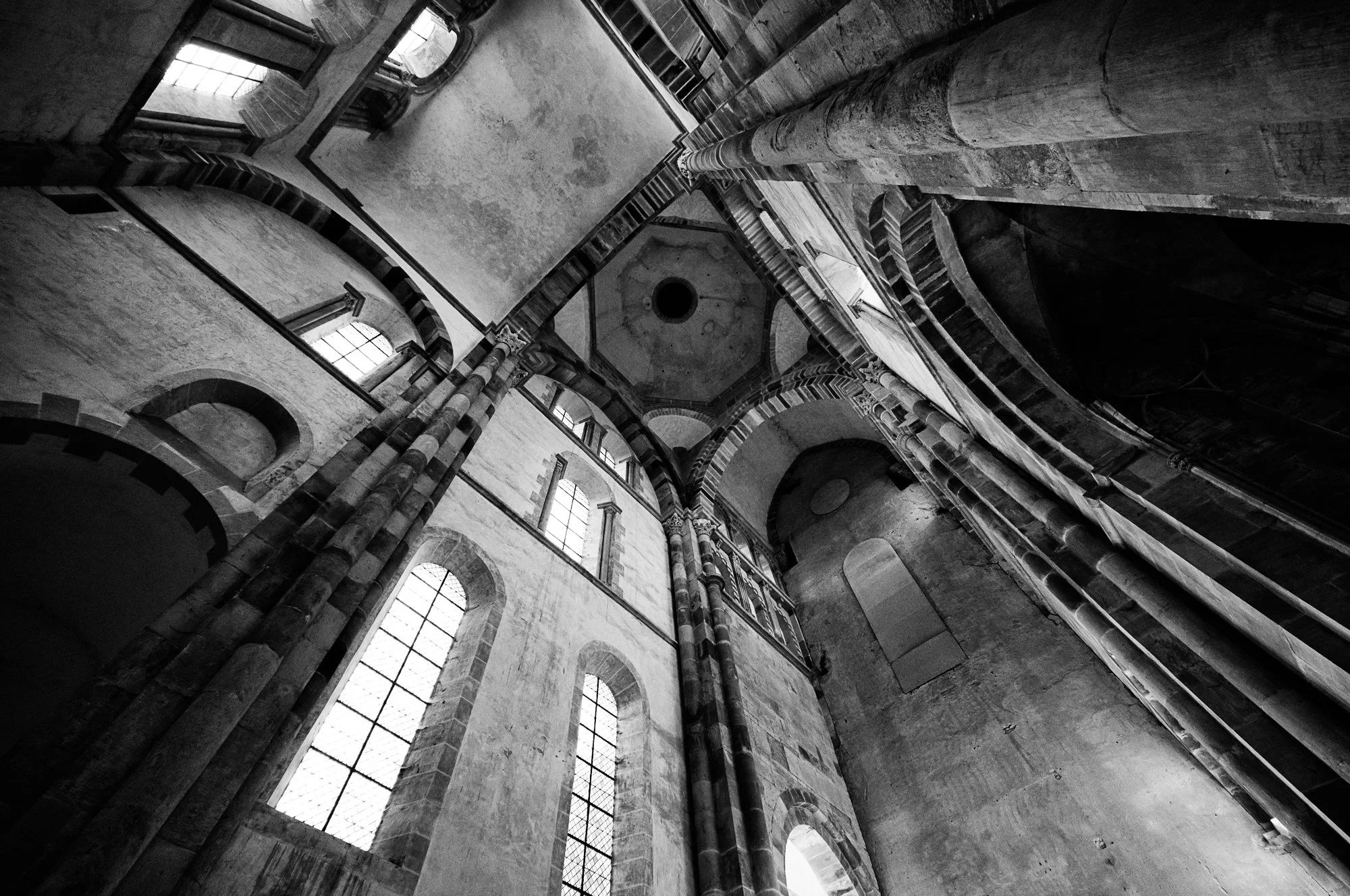
Visitors entering that space would have experienced not only scale, but intention. The architecture, the light, the rituals—all were designed to express a vision of order and divine presence.
Over time, however, the world changed. New religious movements emerged, sometimes criticising Cluny for its wealth and complexity. Its central position weakened, and its influence became more diffuse.
The final break came during the French Revolution. The abbey was dismantled, its stones reused, its buildings absorbed into the growing town. Today, only fragments remain of what was once a vast religious city.
And yet, if you walk through Cluny now, the scale is still there—hidden in walls, in streets, in unexpected fragments of carved stone. Enough remains to sense what once stood here, and to understand how a single monastery helped reshape medieval Europe.