Tarifa

A December Weekend That Felt Like Summer in Tarifa (Spain)

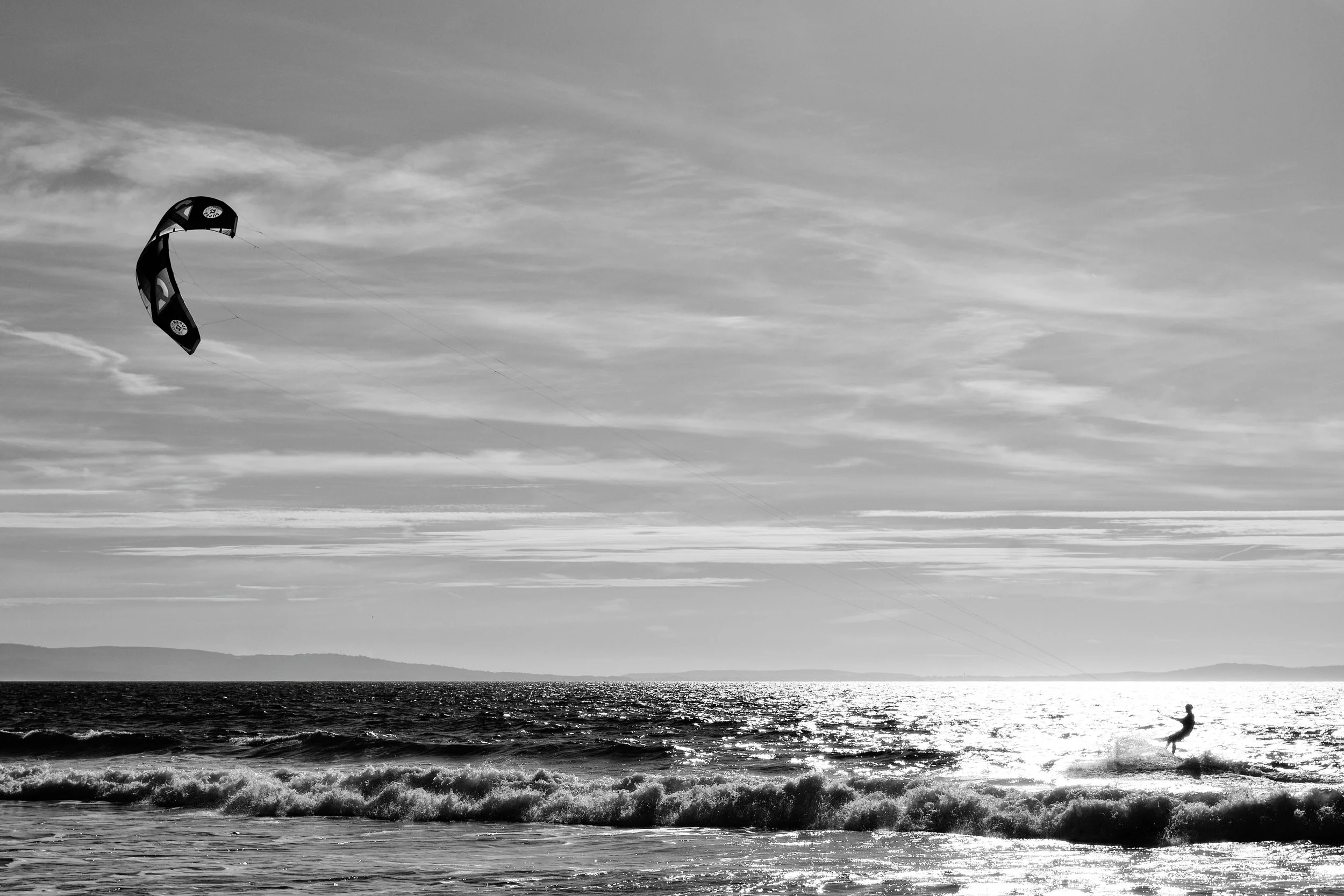
A kite-surfer on the Atlantic Ocean, Tarifa (Spain).

There are days in Tarifa when the calendar simply gives up and stops insisting it’s winter. This weekend was one of them. The sun stretched wide over the beach, and the whole town seemed to drift lazily along the boulevard.

The first to claim the sand were the dogs—joyful, unstoppable, deliriously happy creatures. They chased each other in wild loops and invented elaborate games whose rules only they understood. Their owners could hardly keep up; the dogs were having the time of their lives.
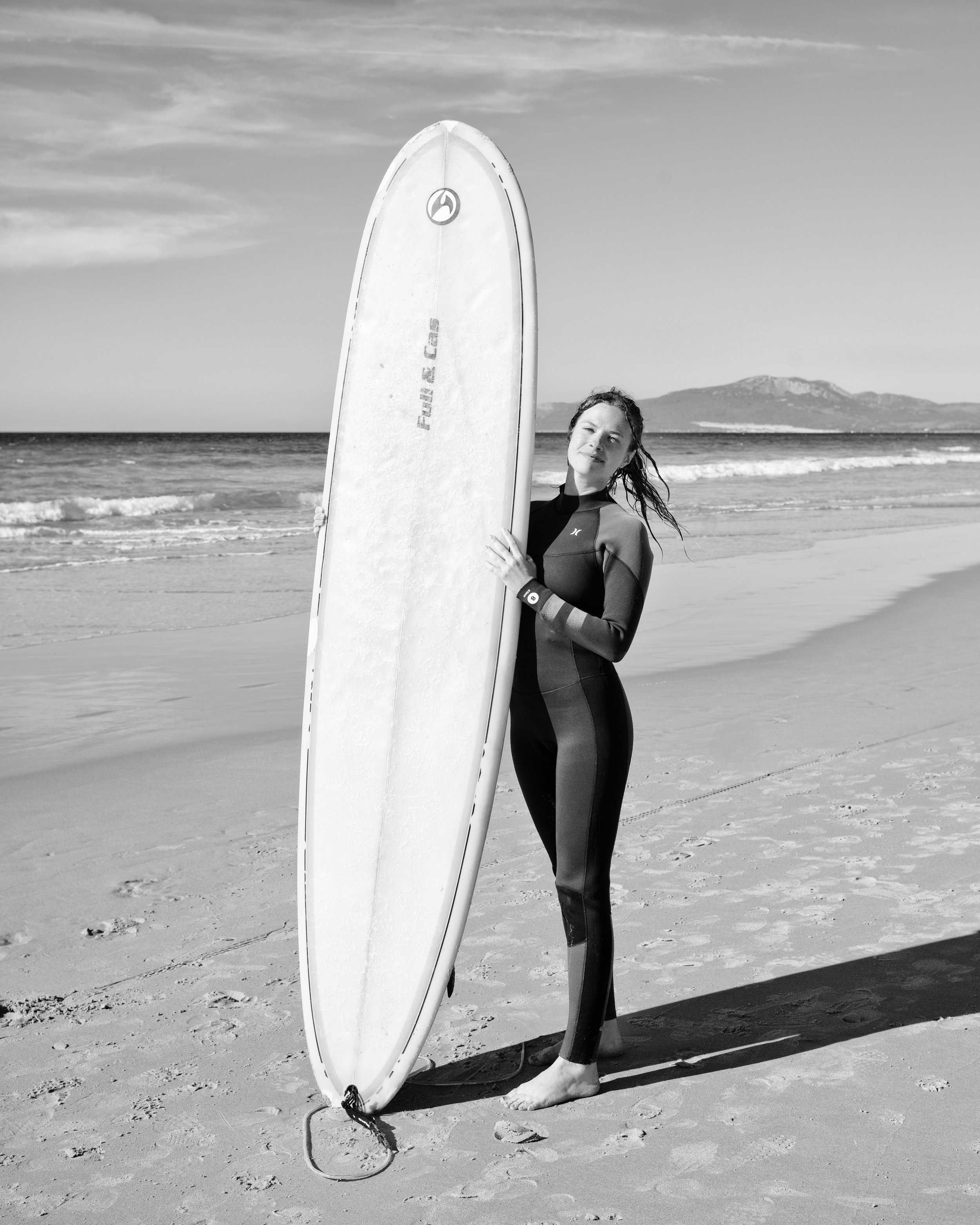
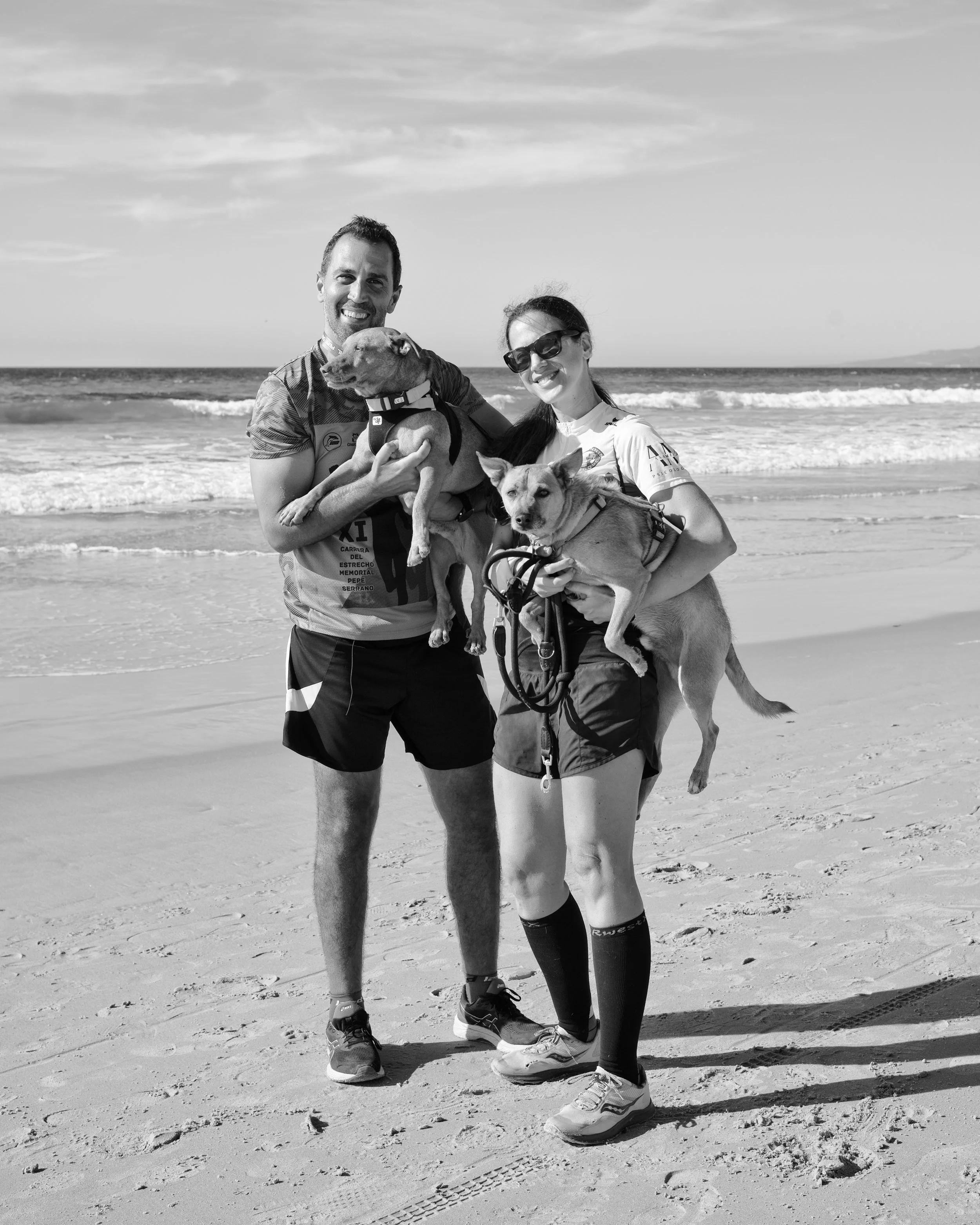
Everyone walked with a little more lift in their step. Maybe it was the warmth, maybe the light, maybe the simple pleasure of having nowhere else to be. Conversations floated by—Spanish, French, German, English—woven together by the rhythm of the waves.

Out on the water, the usual Tarifa tribe was at it again. Surfers paddled into the ocean. Kite-surfers scanned the horizon, hopeful but not entirely convinced the wind would do them a favour. And when it didn’t, the beach turned into an impromptu football pitch: bare feet in the sand, improvised goals, laughter drifting far across the shore. It felt as if summer had quietly returned for a day.
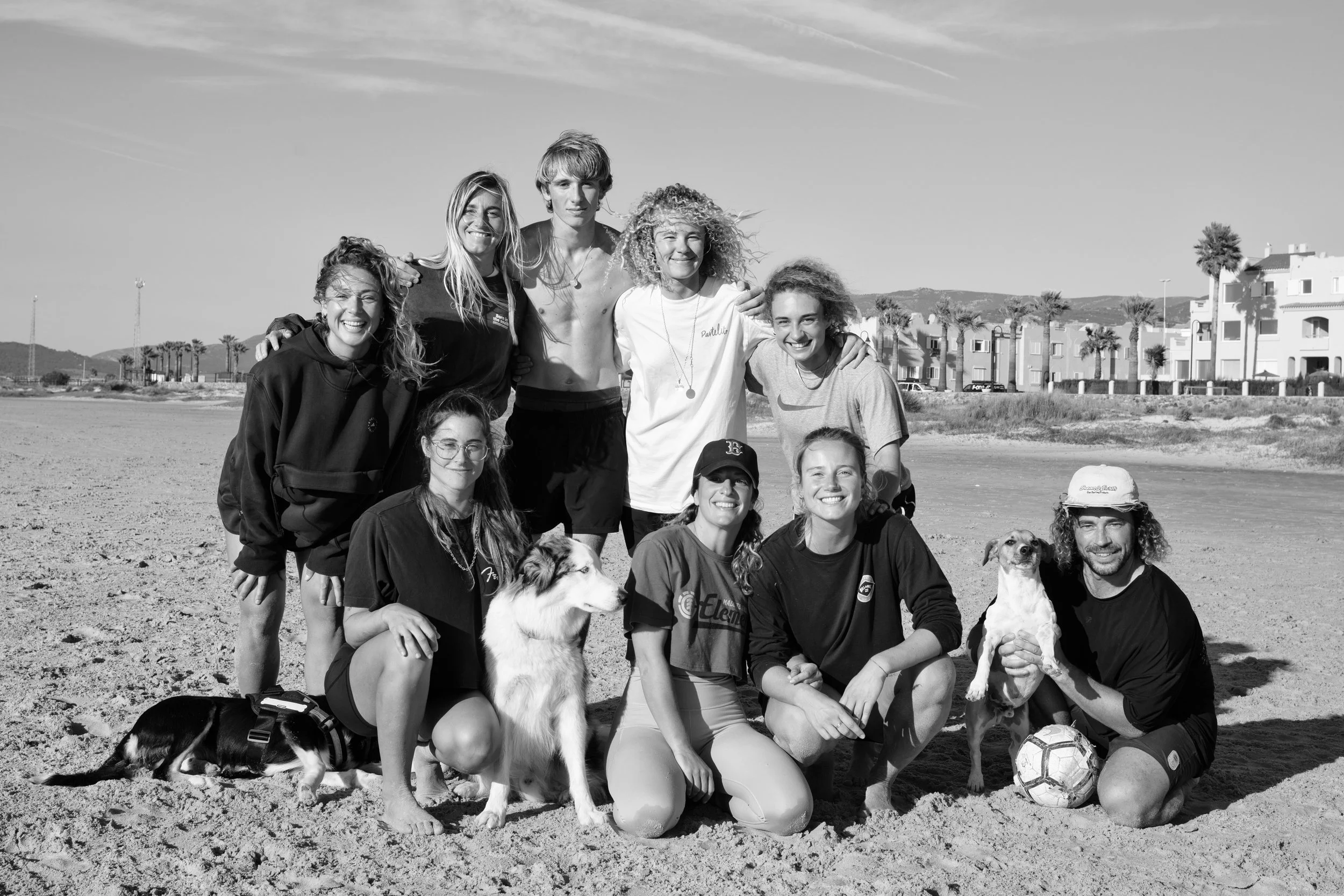
The impromptu soccer team.
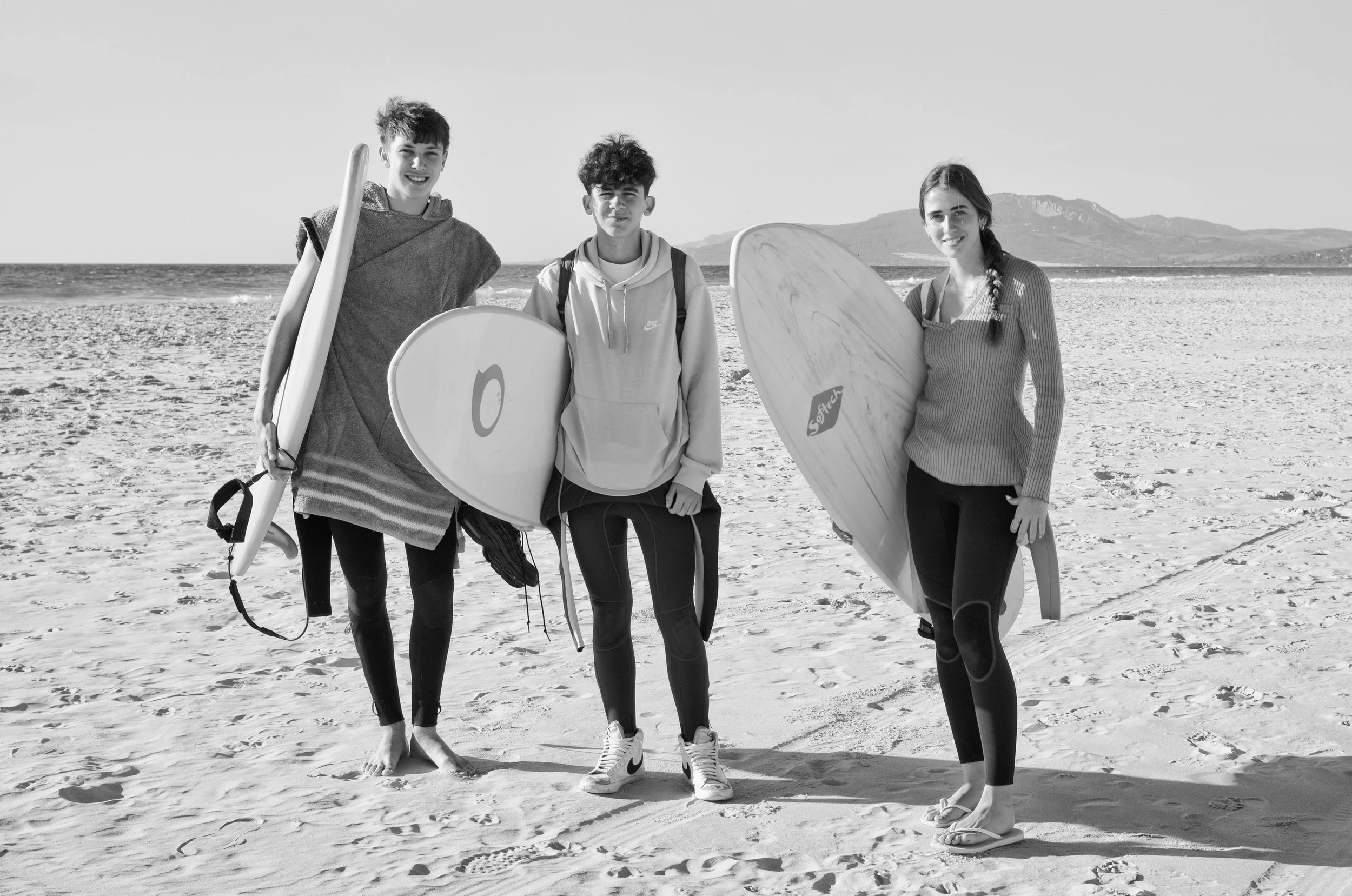
Three surfers ready to play with the waves.

For some, the pull of Balneario Beach Club became irresistible. A plate of fresh fish, crisp and perfect. A glass of cold white wine catching the sun. Music drifting softly, almost lazily. A place to catch up with friends, to linger with family—because here, as in much of Europe, that’s what life is really about. The whole place breathed relaxation—the kind that makes you realise how important and precious such uncomplicated moments are.
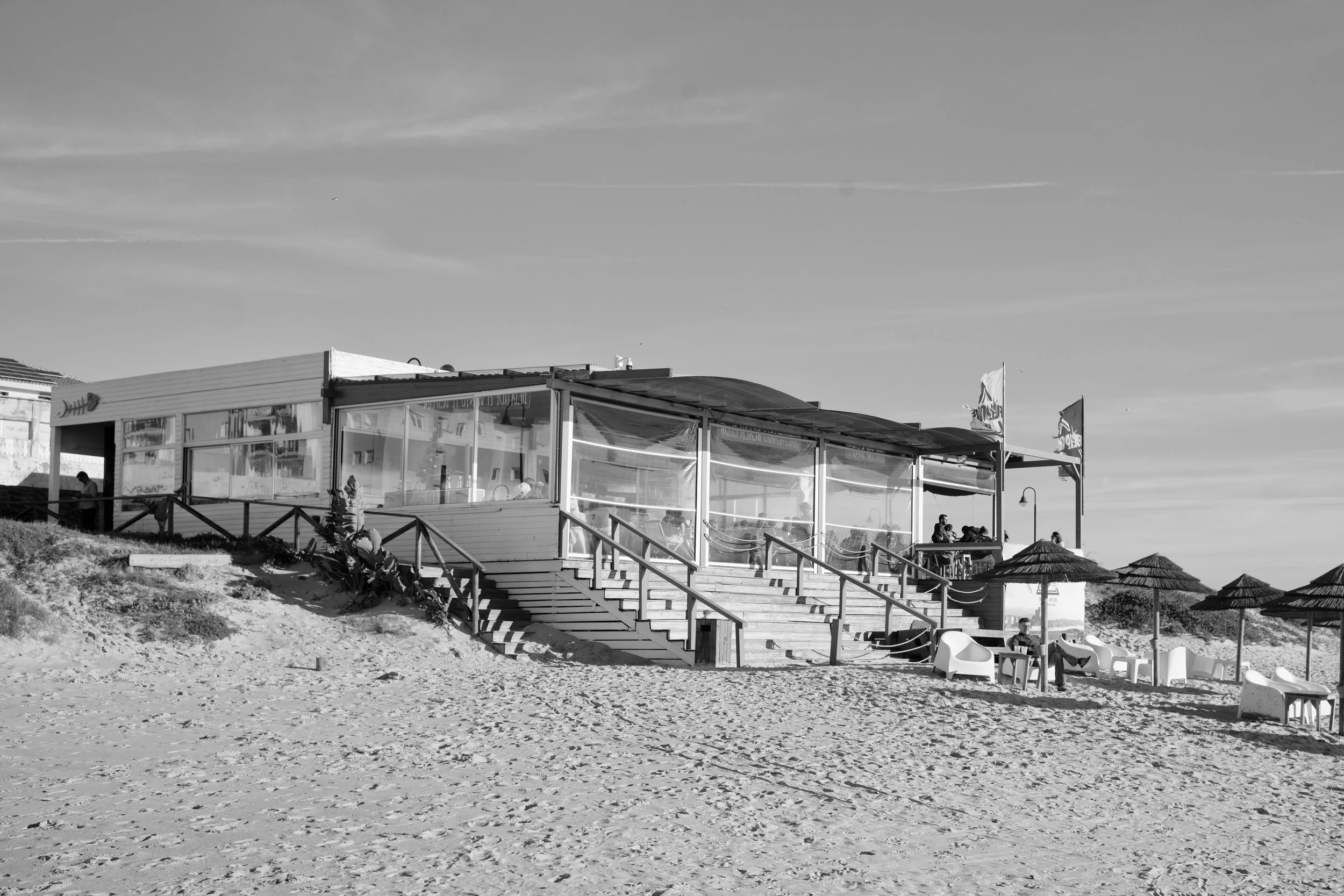
The Balneario Beach Club Tarifa.

A December weekend in Tarifa, but honestly, it could have been June. And maybe that’s the real magic of this corner of Europe: time bends, moods lift, and for a little while, life feels wonderfully simple.
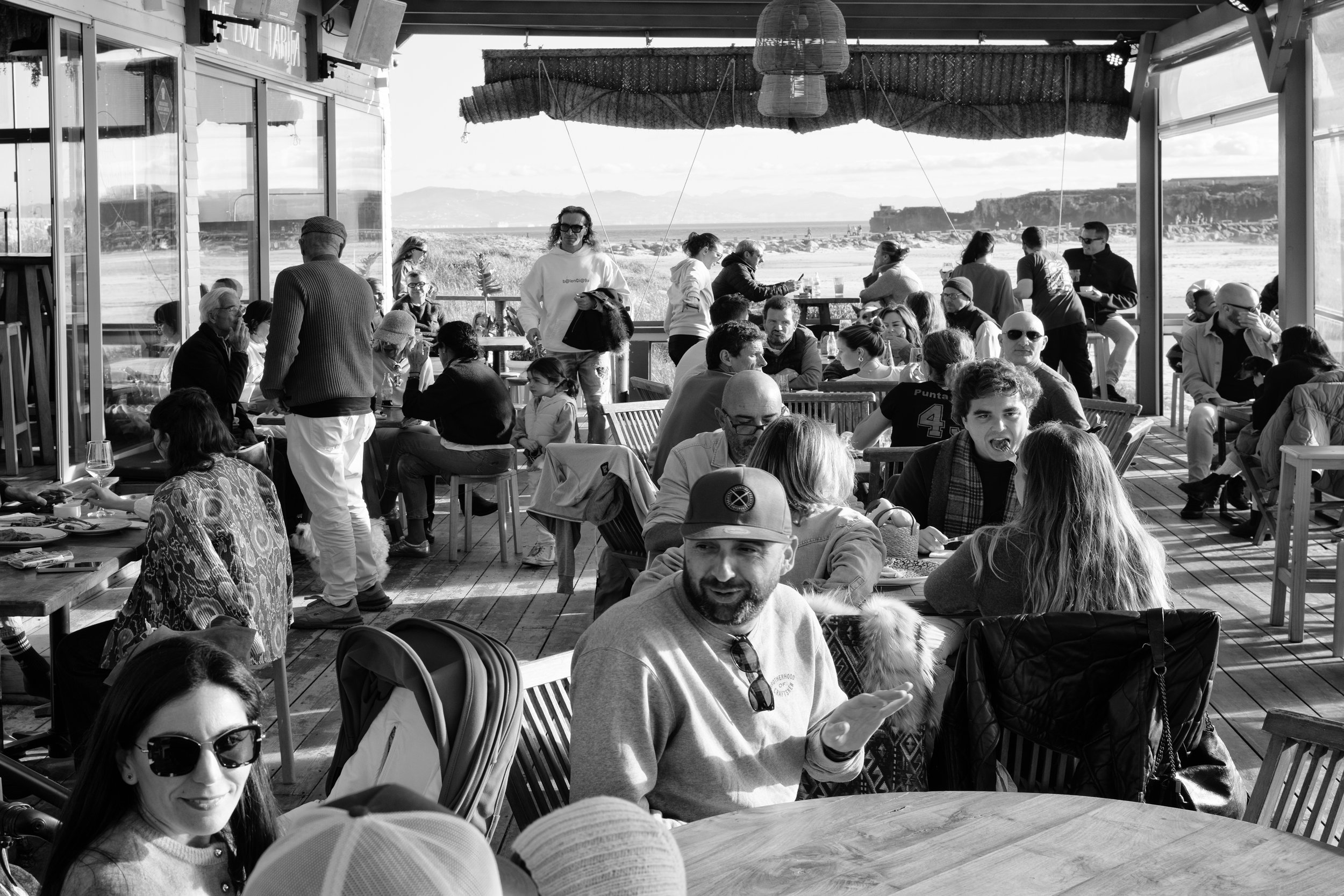
At the Balneario Beach Club Tarifa.
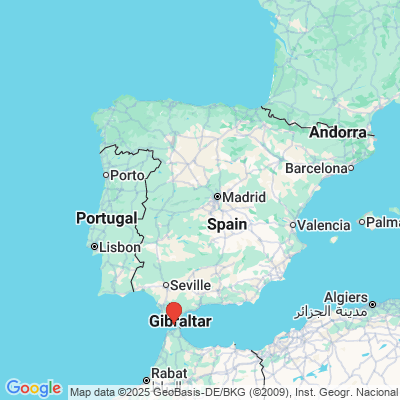
Santa Catalina Castle – Tarifa’s Strange Watchtower – Tarifa (Spain)

Santa Catalina Castle, Tarifa (Spain).

Santa Catalina Castle is one of Tarifa’s most recognizable landmarks, proudly standing on a small hill overlooking both the Mediterranean and Atlantic coasts. Though it looks like a centuries-old fortress, this eye-catching structure was actually built in 1931 as an observation post, styled to resemble a 16th-century castle.

Its design blends fantasy with function. The large, somewhat exaggerated observation tower—with its distinctive mudejar-style arches and corner balconies—gives the building a unique, almost surreal appearance. Over time, this unusual silhouette has become a beloved symbol of the town.

The castle’s location is no accident. From its hilltop perch, it commands sweeping views over Playa Chica, the causeway to Isla de las Palomas, and the vast stretch of Playa de los Lances. For centuries, this spot has been of strategic importance, linking Europe and Africa, the Mediterranean and the Atlantic.

While the site itself has an older history—including a 16th-century chapel, a quarantine station during a plague, and a Napoleonic-era fort—the current building was part of a 20th-century plan by the Spanish Navy. Originally intended to house an optical signaling system, it was completed but never equipped for that purpose. Later, it served as a military post and weather station before falling into disuse.

Today, although the interior is closed to the public, Santa Catalina Castle remains a striking presence. Locals and visitors alike are drawn to its timeless silhouette and the spectacular panoramic views just outside its gates.

Bluefin tuna fishing in Tarifa (Spain)

Tarifa, situated at the southernmost tip of Spain, is renowned for its rich fishing heritage, particularly bluefin tuna fishing. This region benefits from its unique geographical position, where the Mediterranean Sea meets the Atlantic Ocean, creating ideal conditions for a diverse marine ecosystem. Bluefin tuna, a highly prized species, has been a cornerstone of Tarifa's fishing industry for centuries.

The traditional method of bluefin tuna fishing in Tarifa is known as "almadraba," a technique that dates back to Phoenician times. This sustainable method involves setting nets in the migration paths of tuna, allowing for selective and efficient capture. Modern practices in Tarifa continue to honor these ancient techniques while incorporating sustainable practices to ensure the preservation of tuna populations.