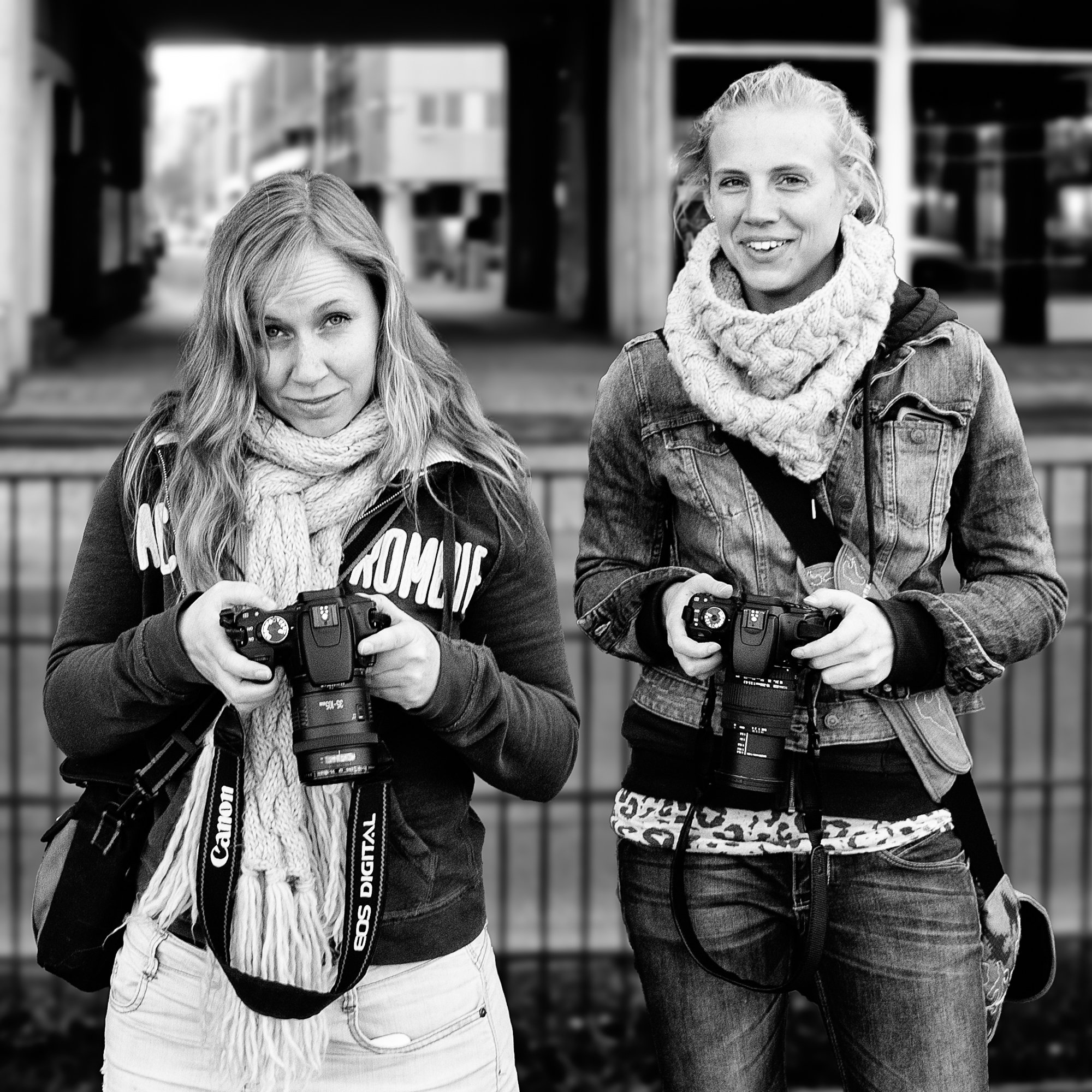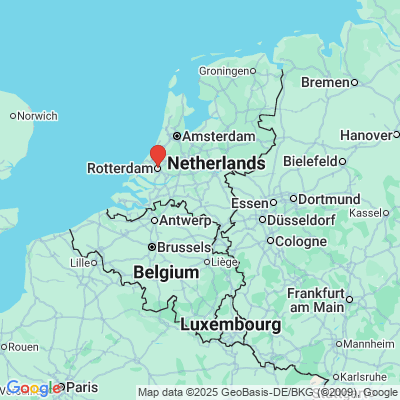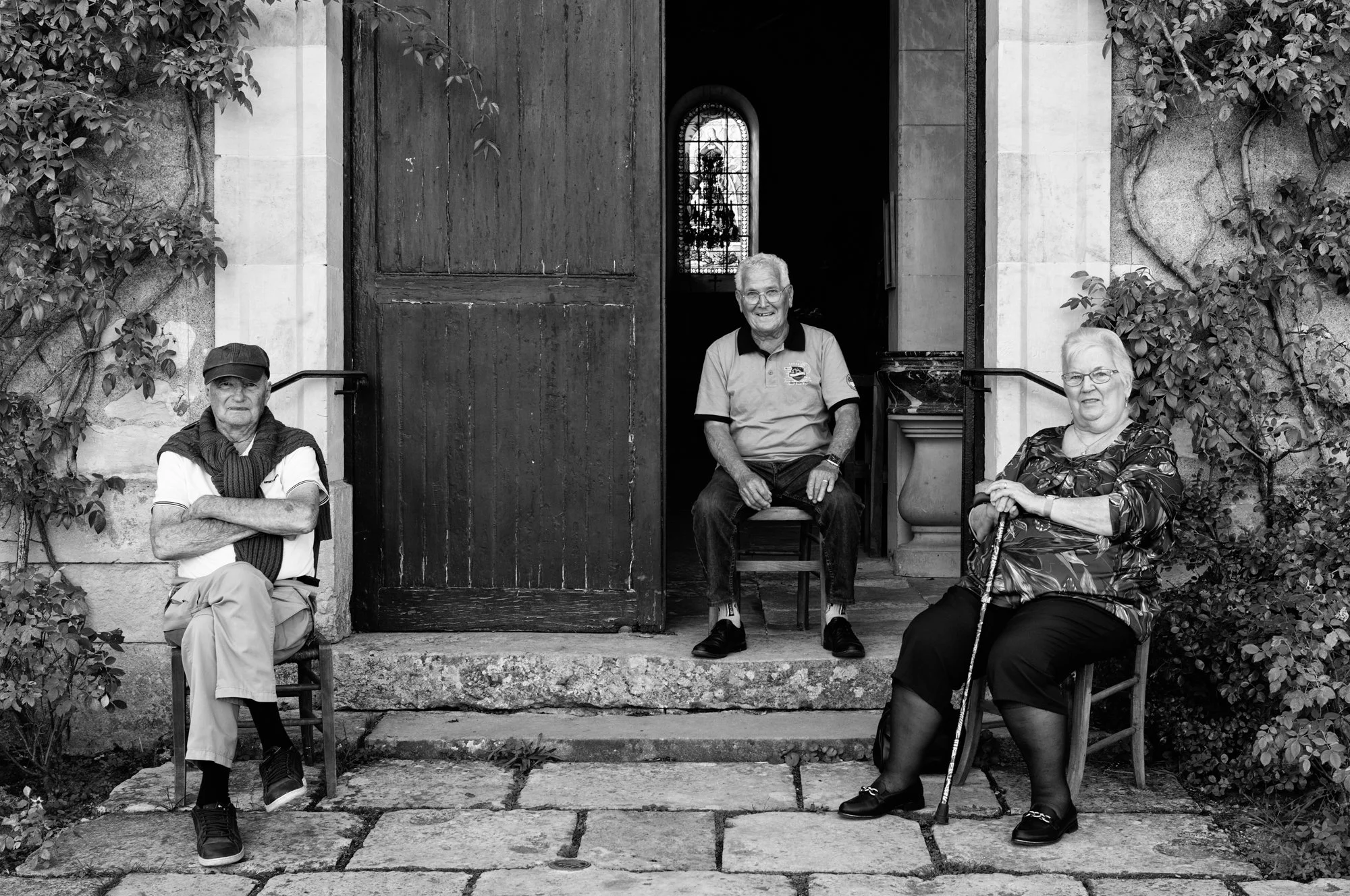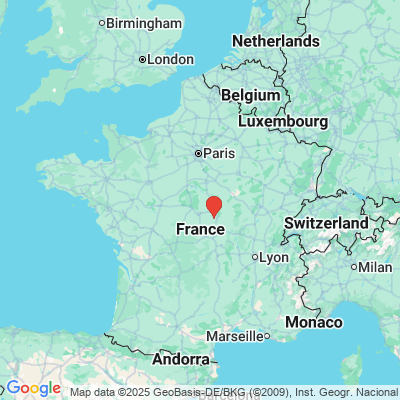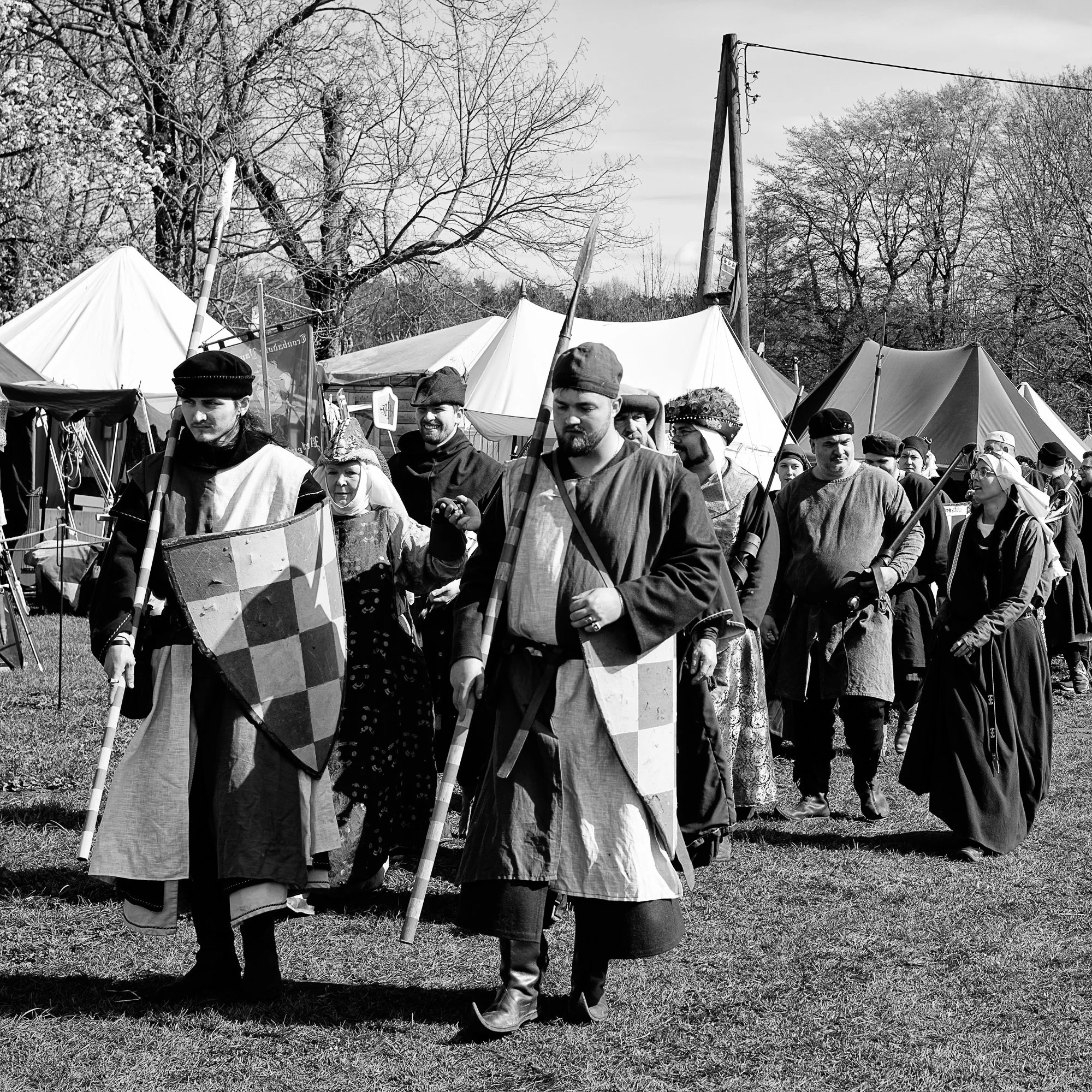
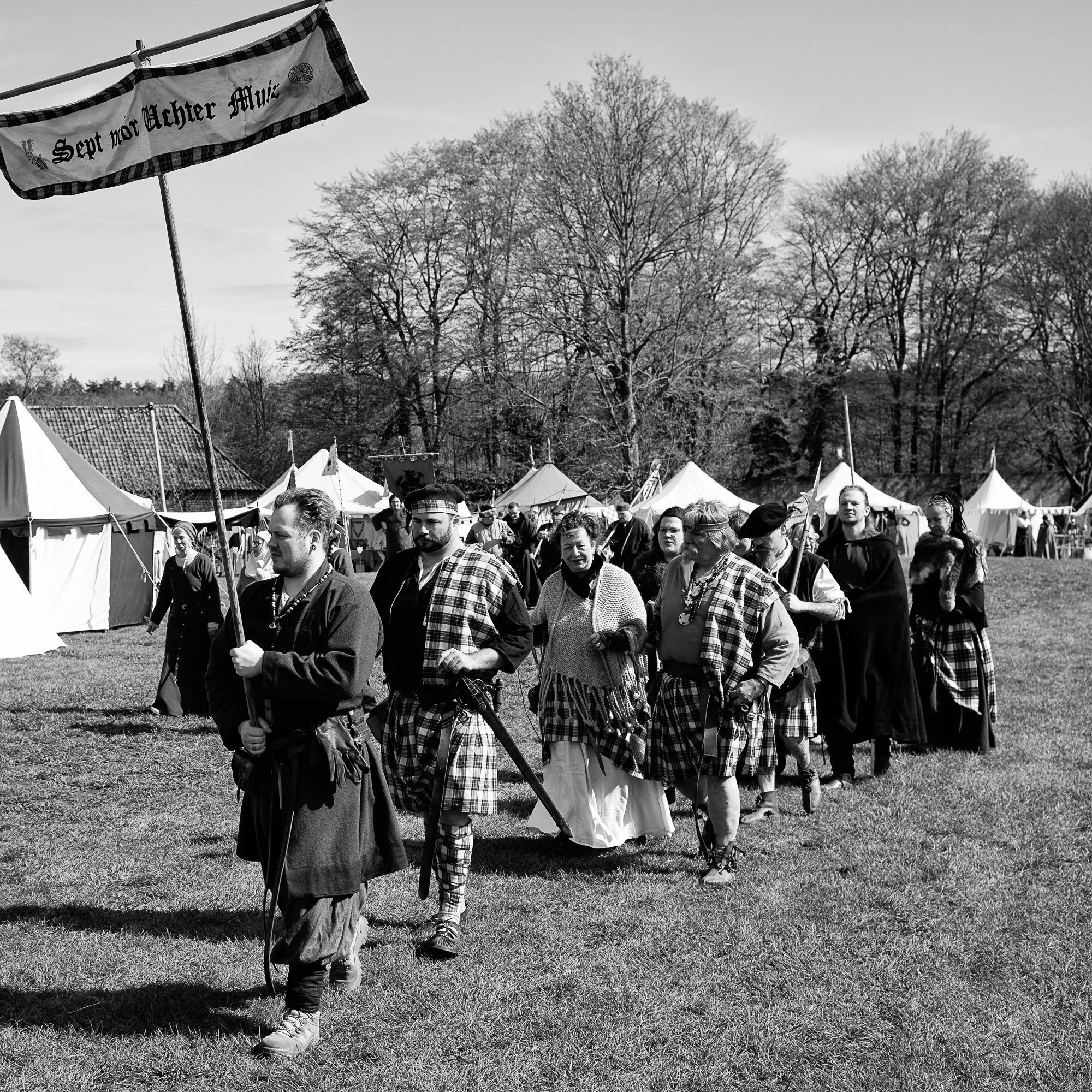
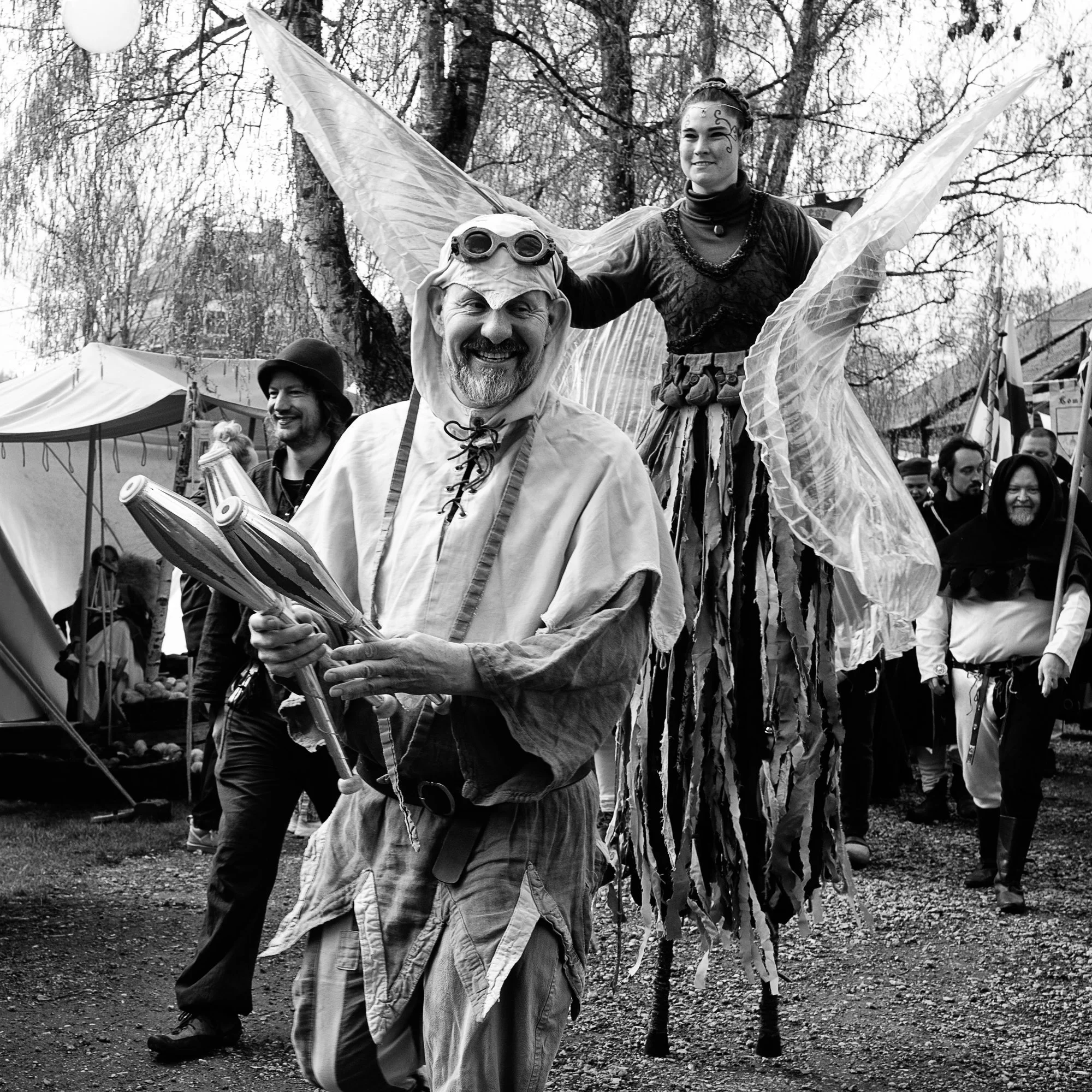
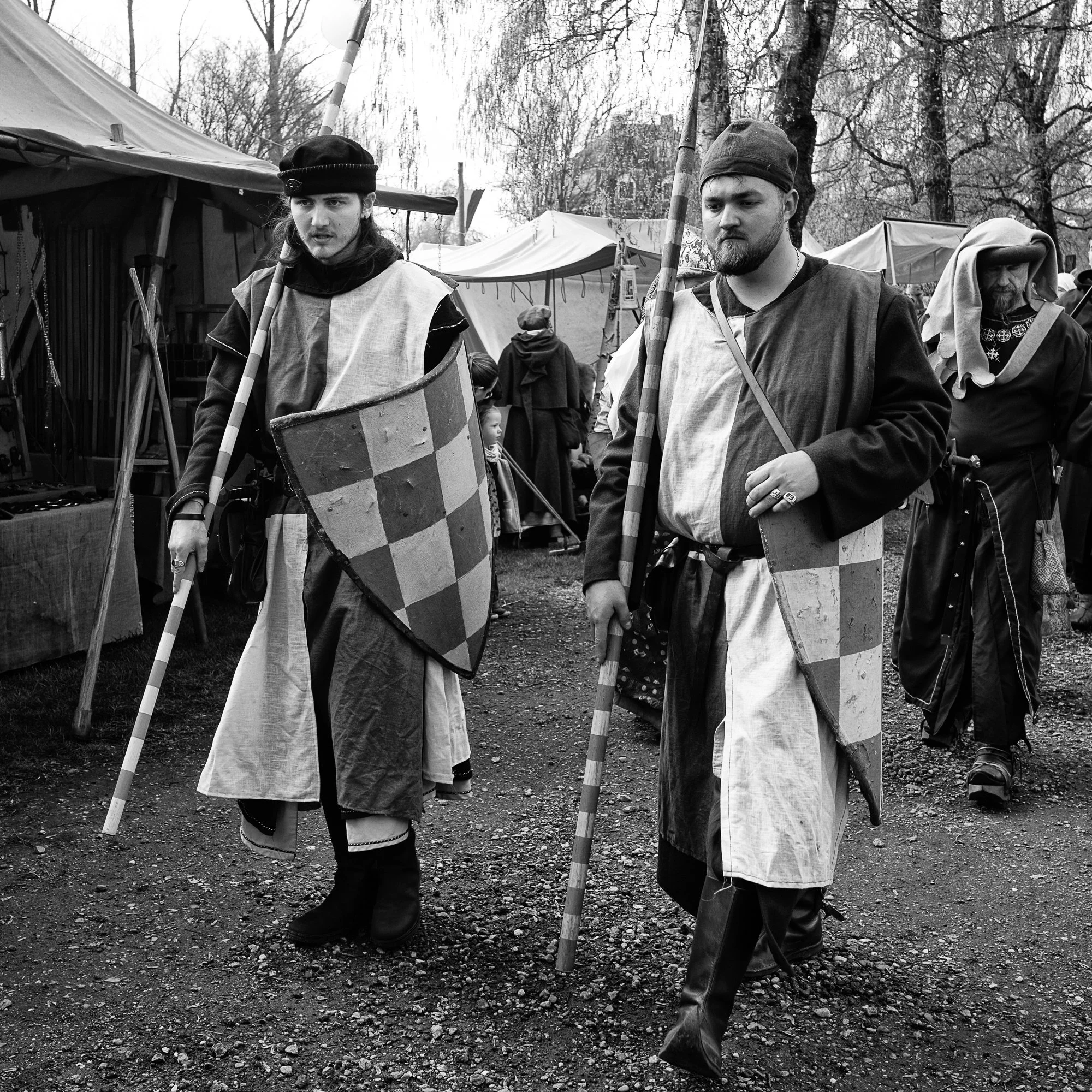
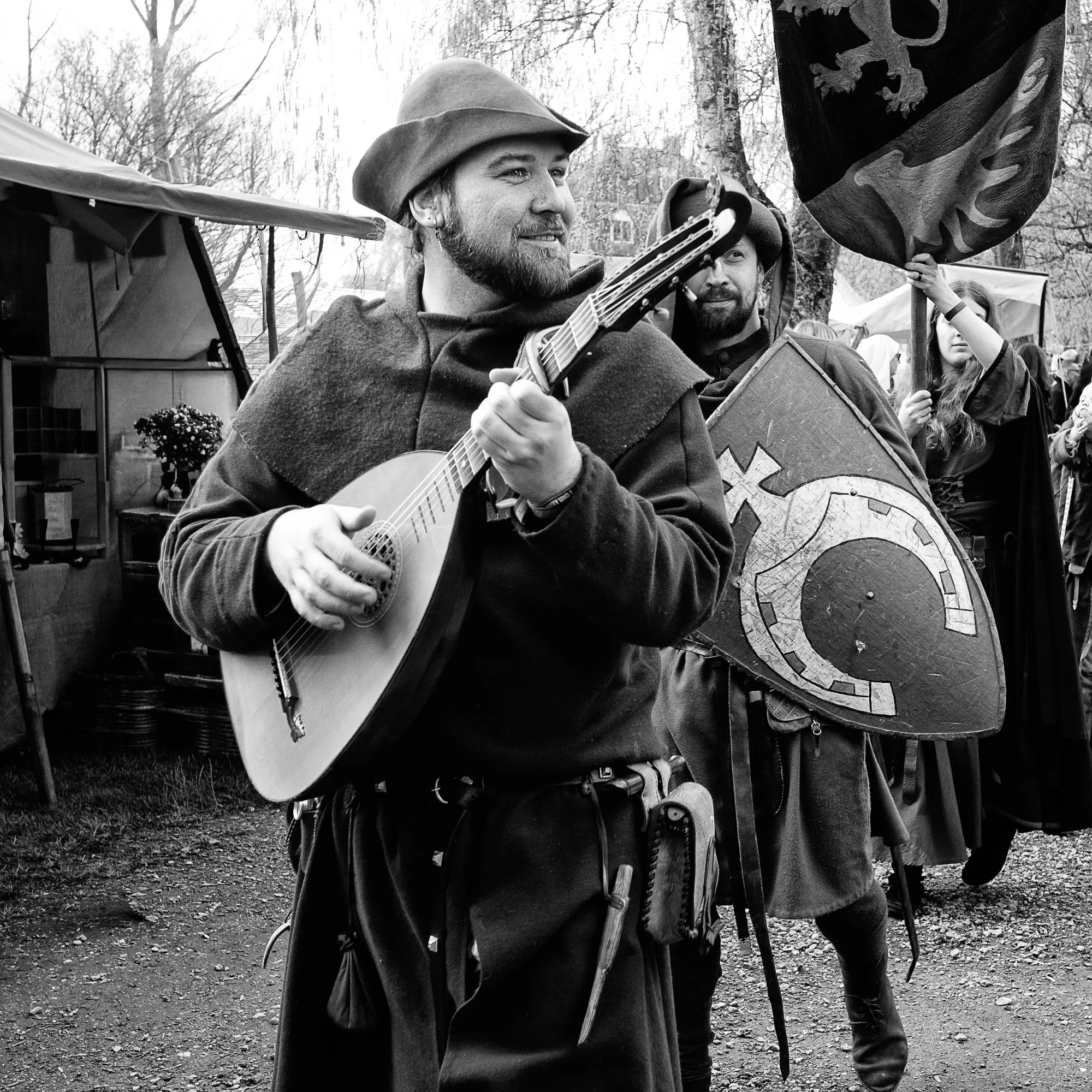
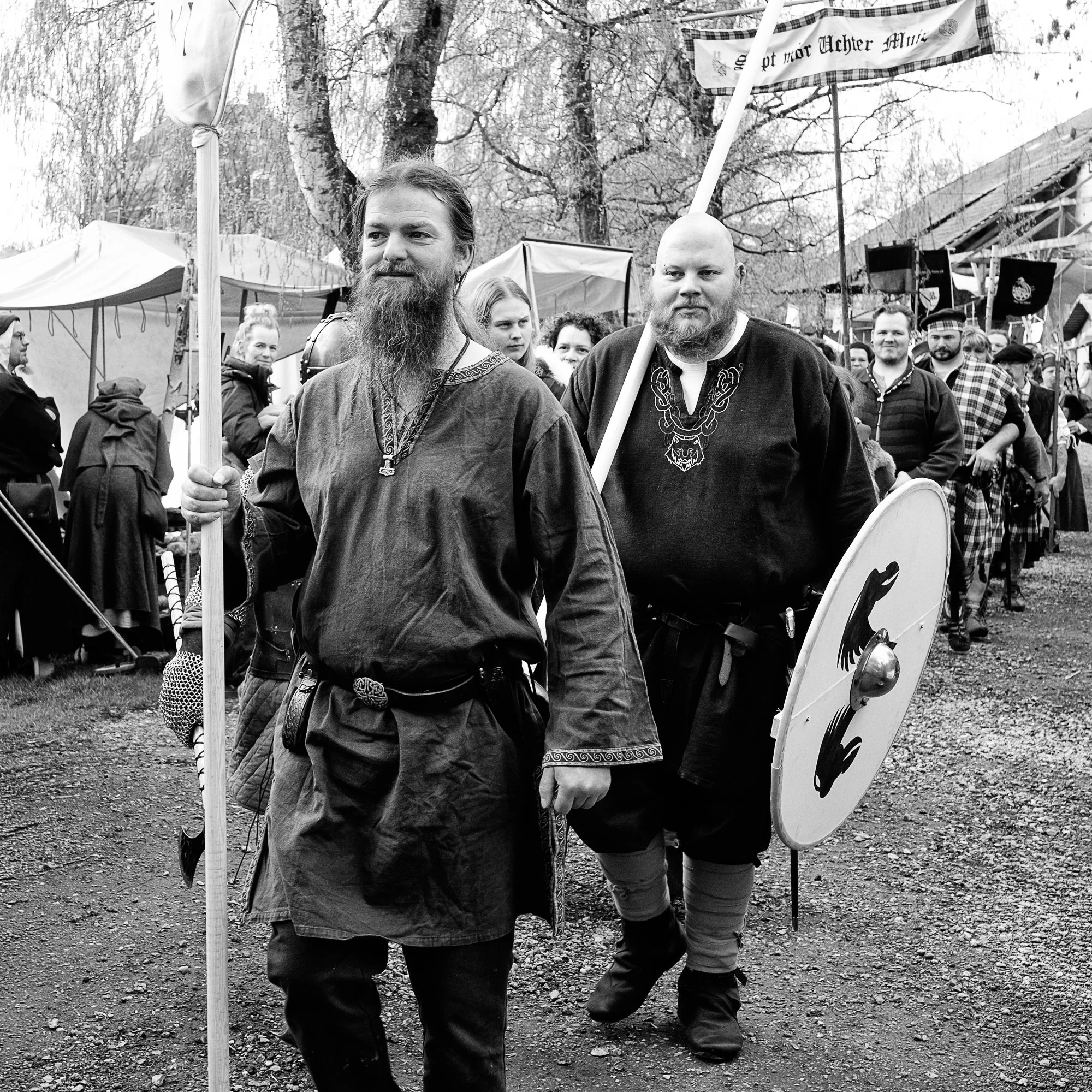
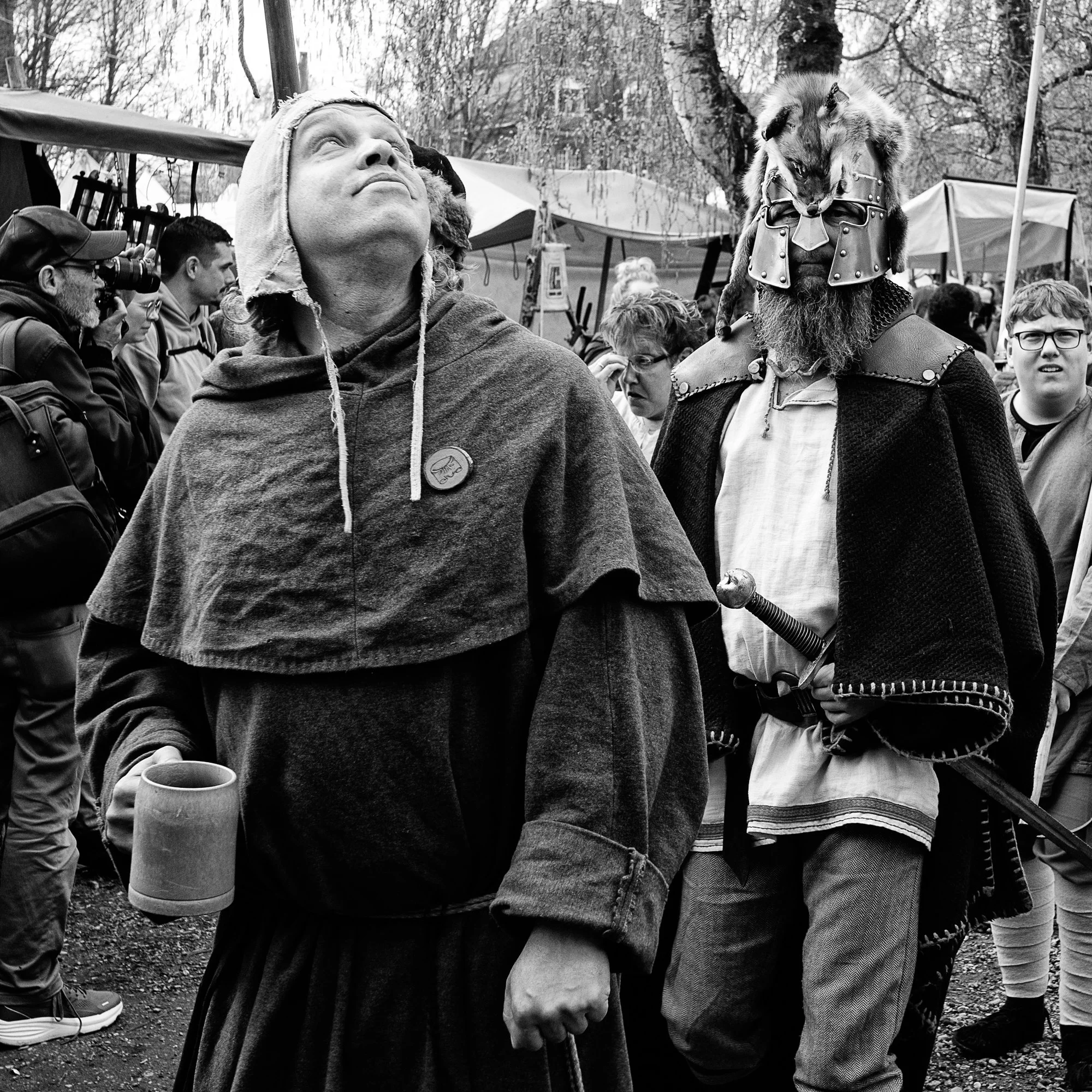
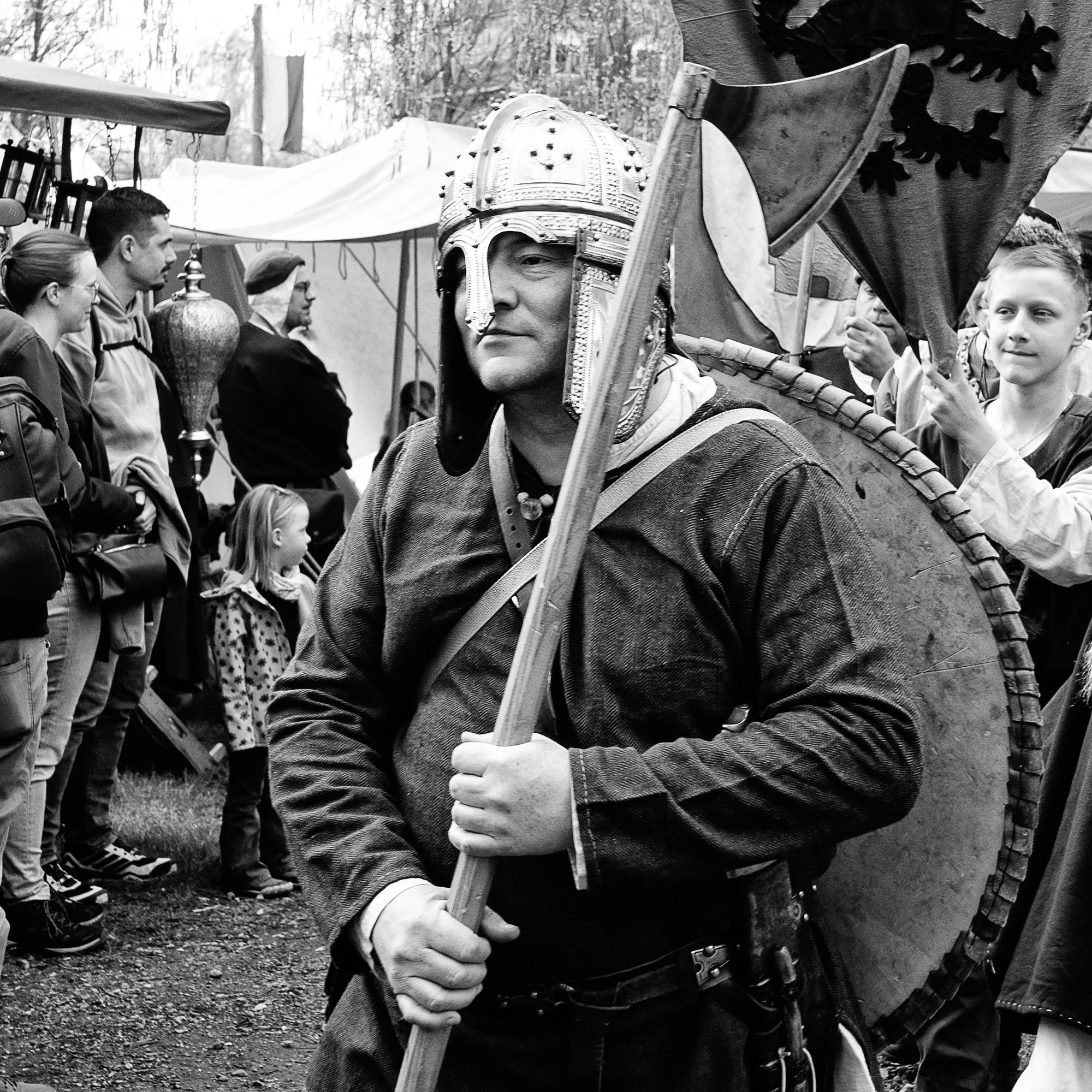
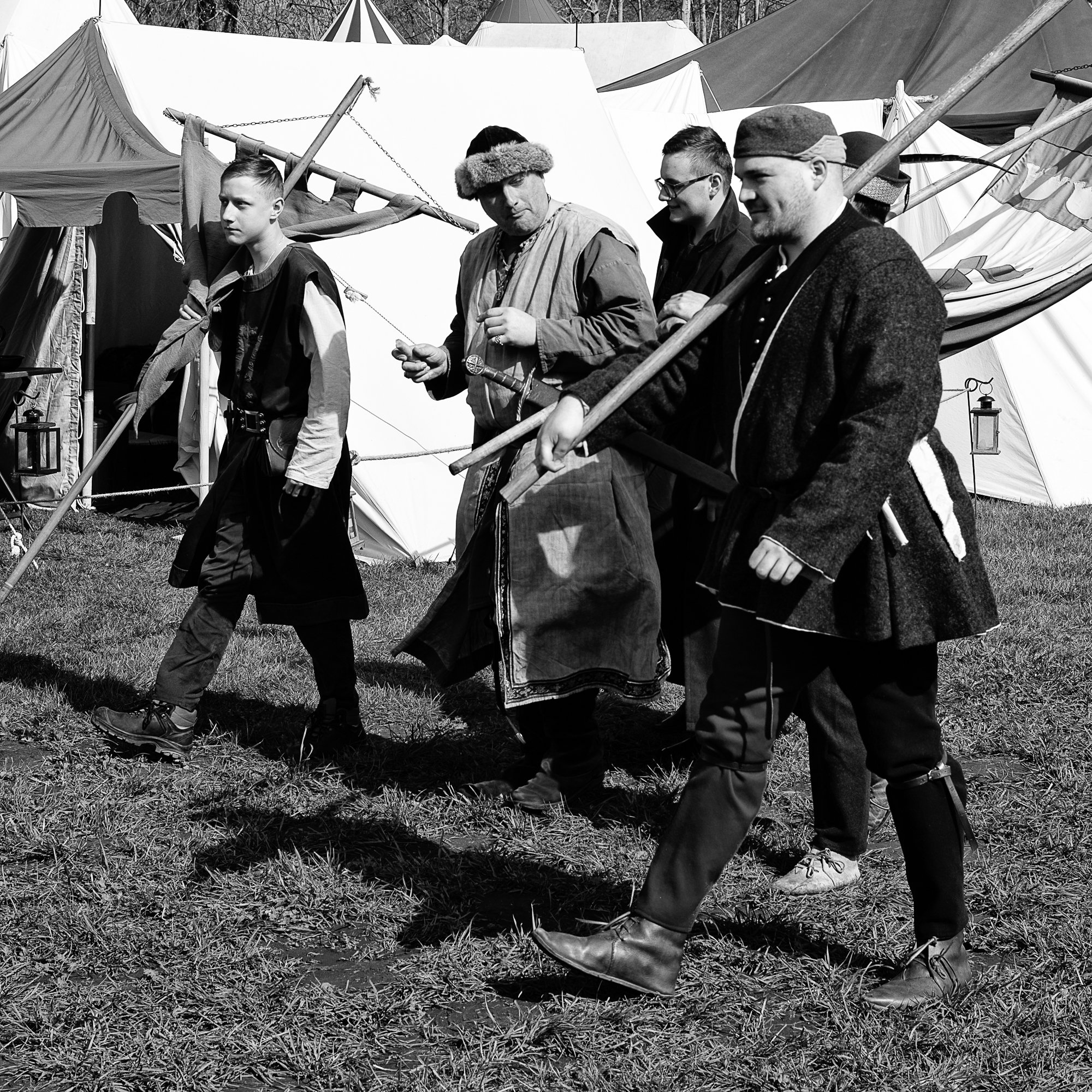
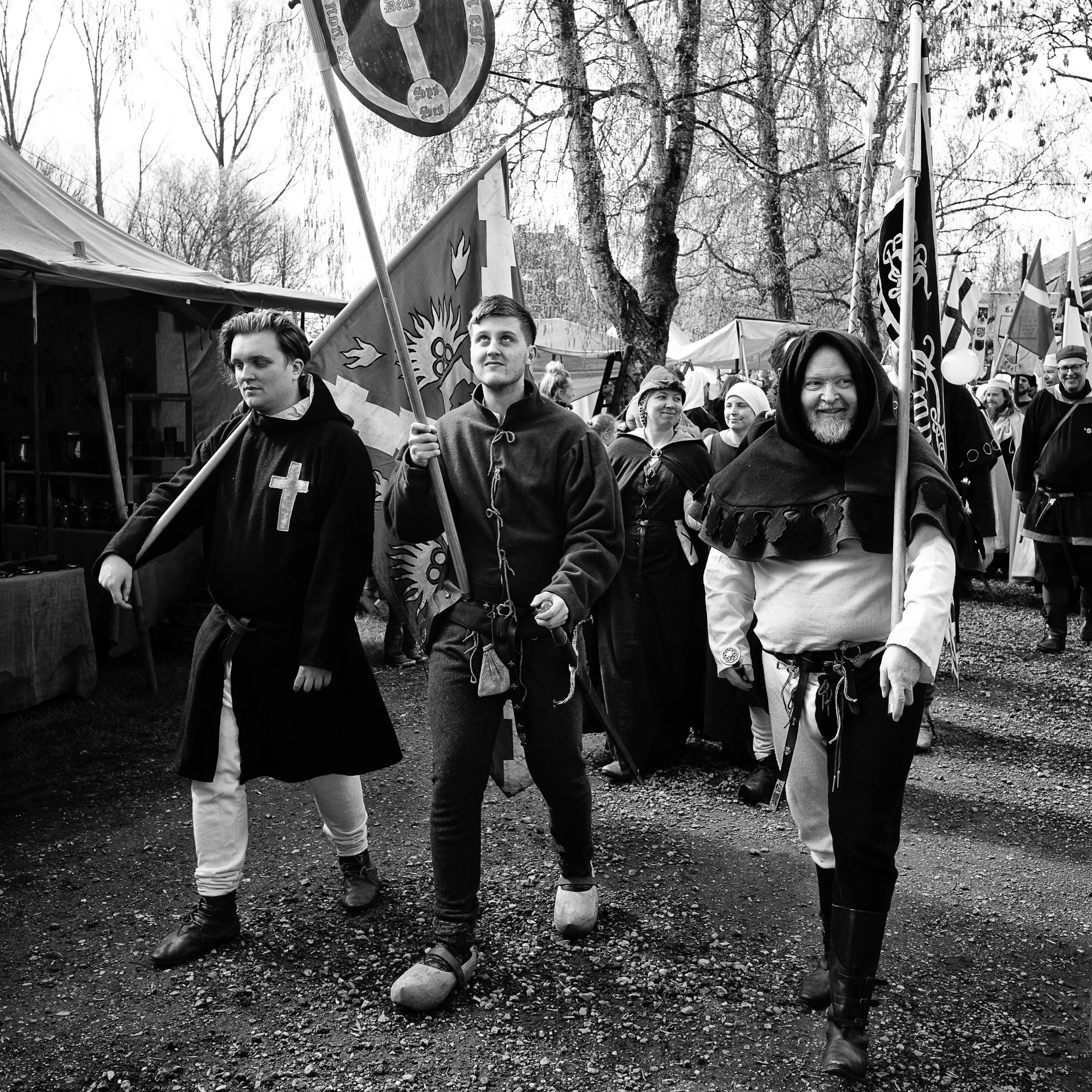
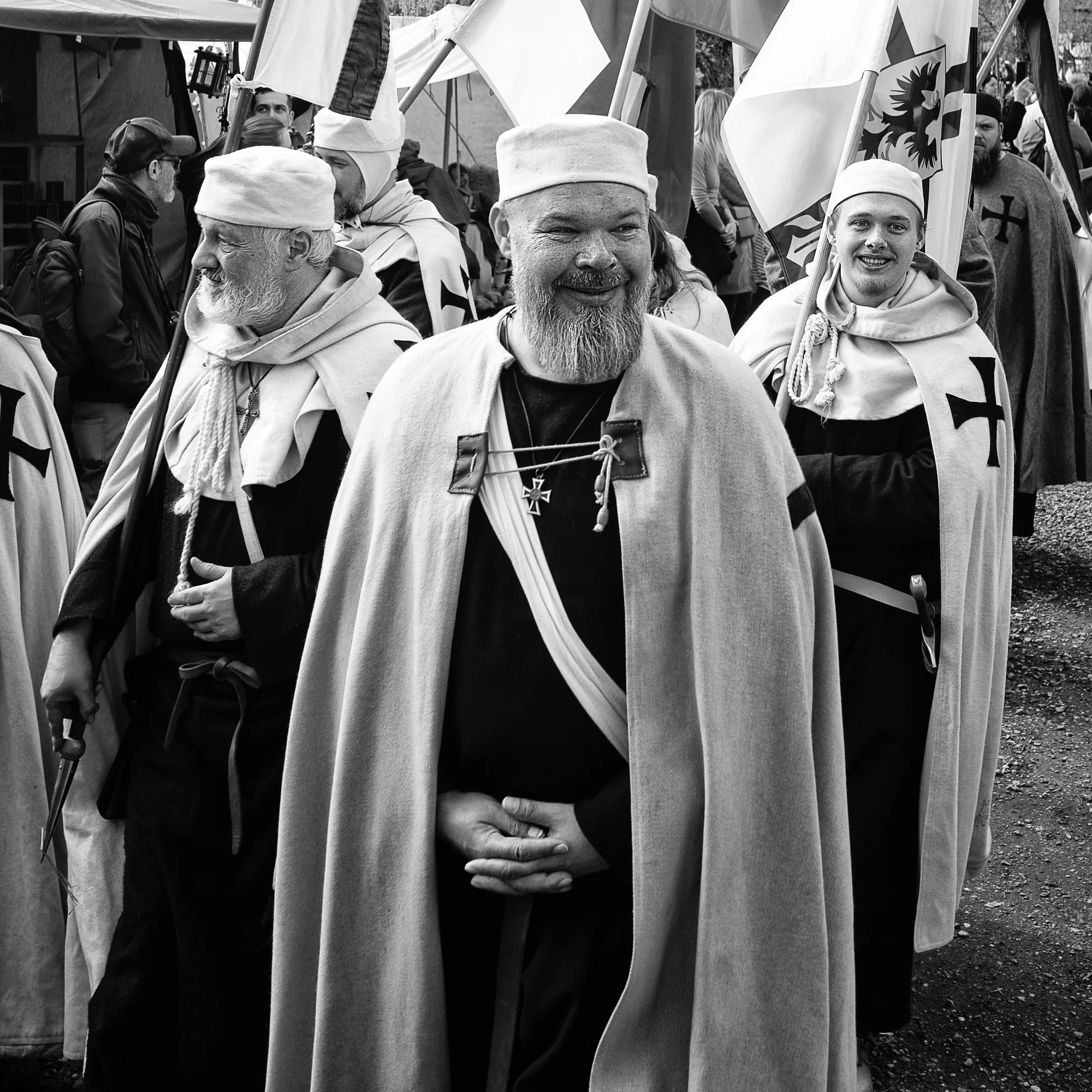
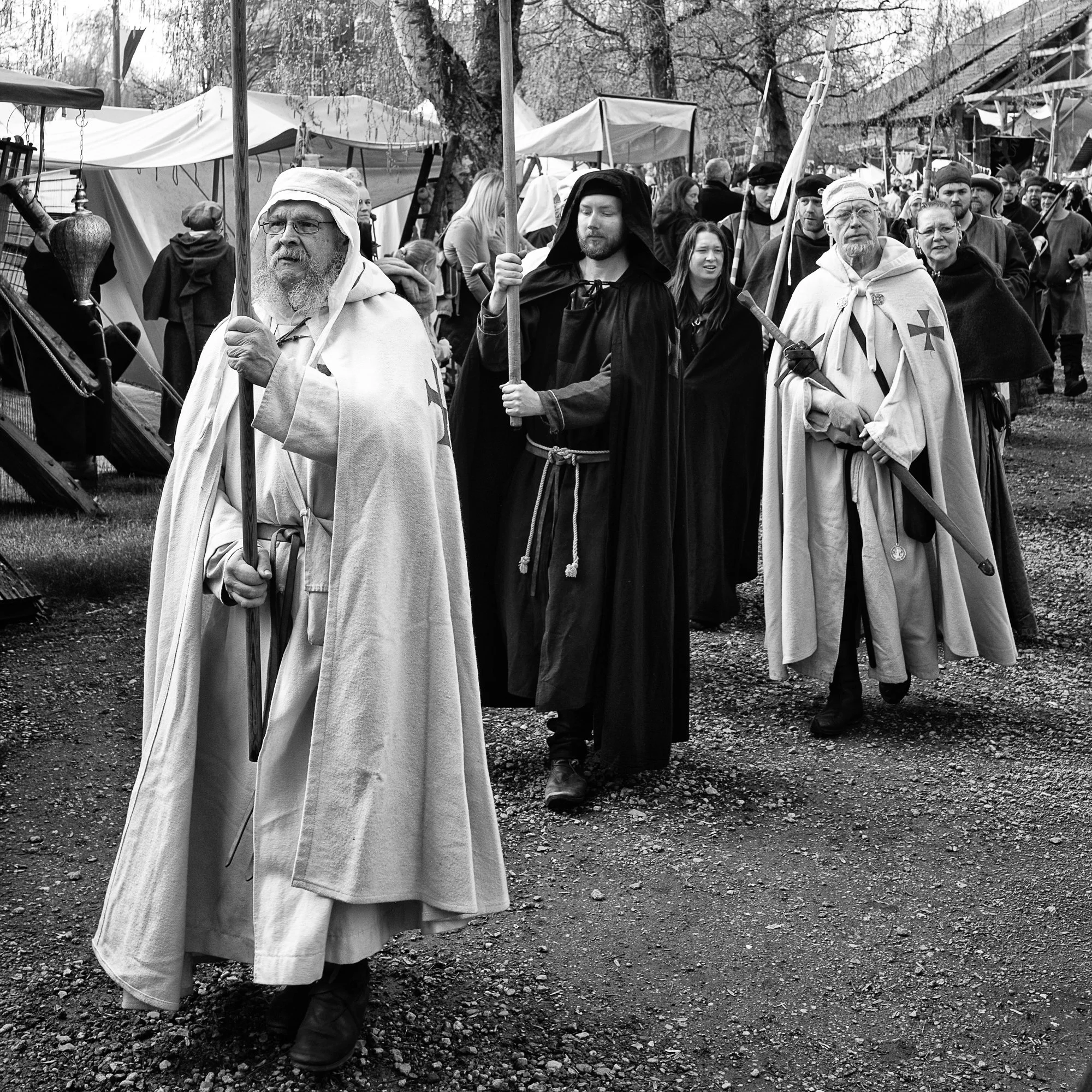
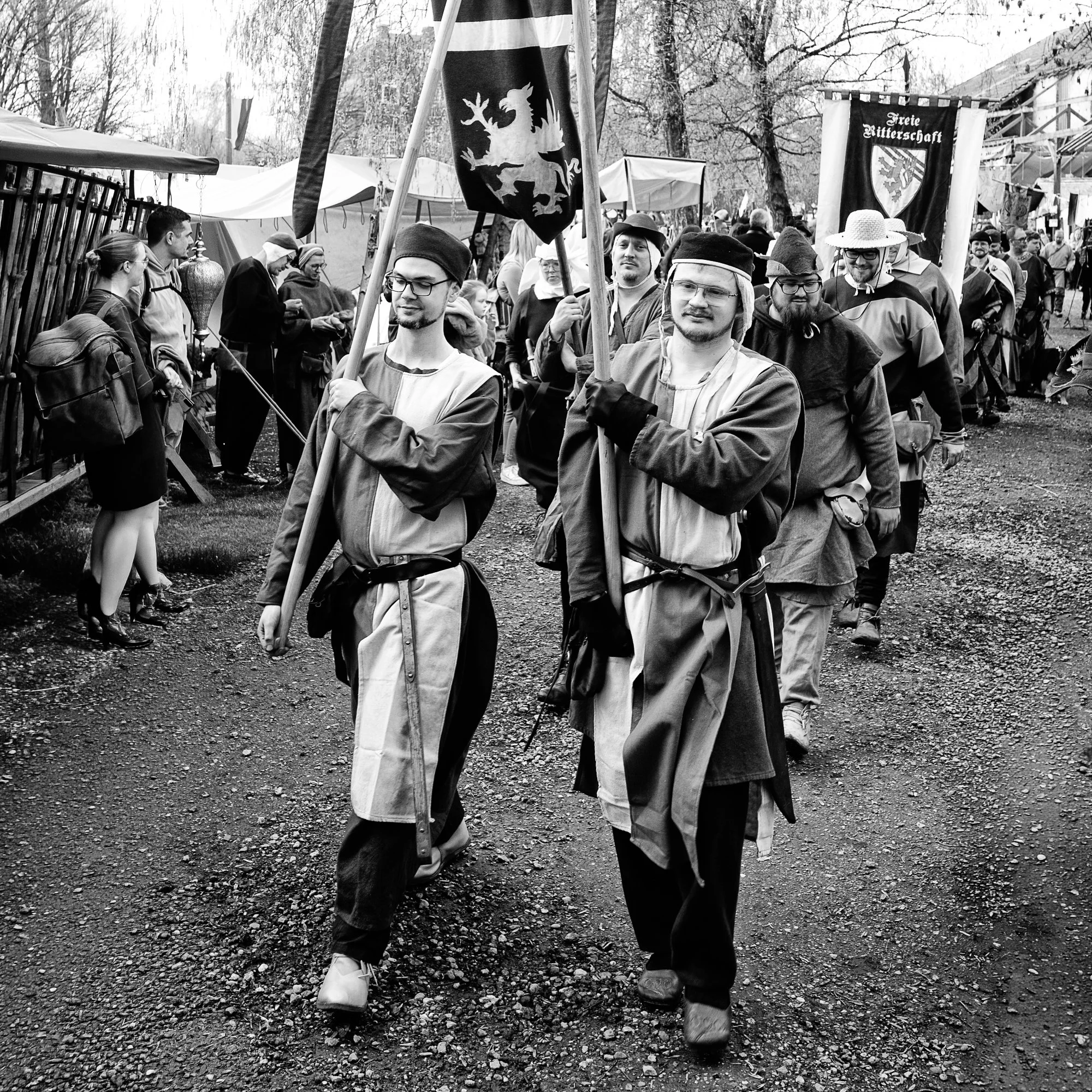
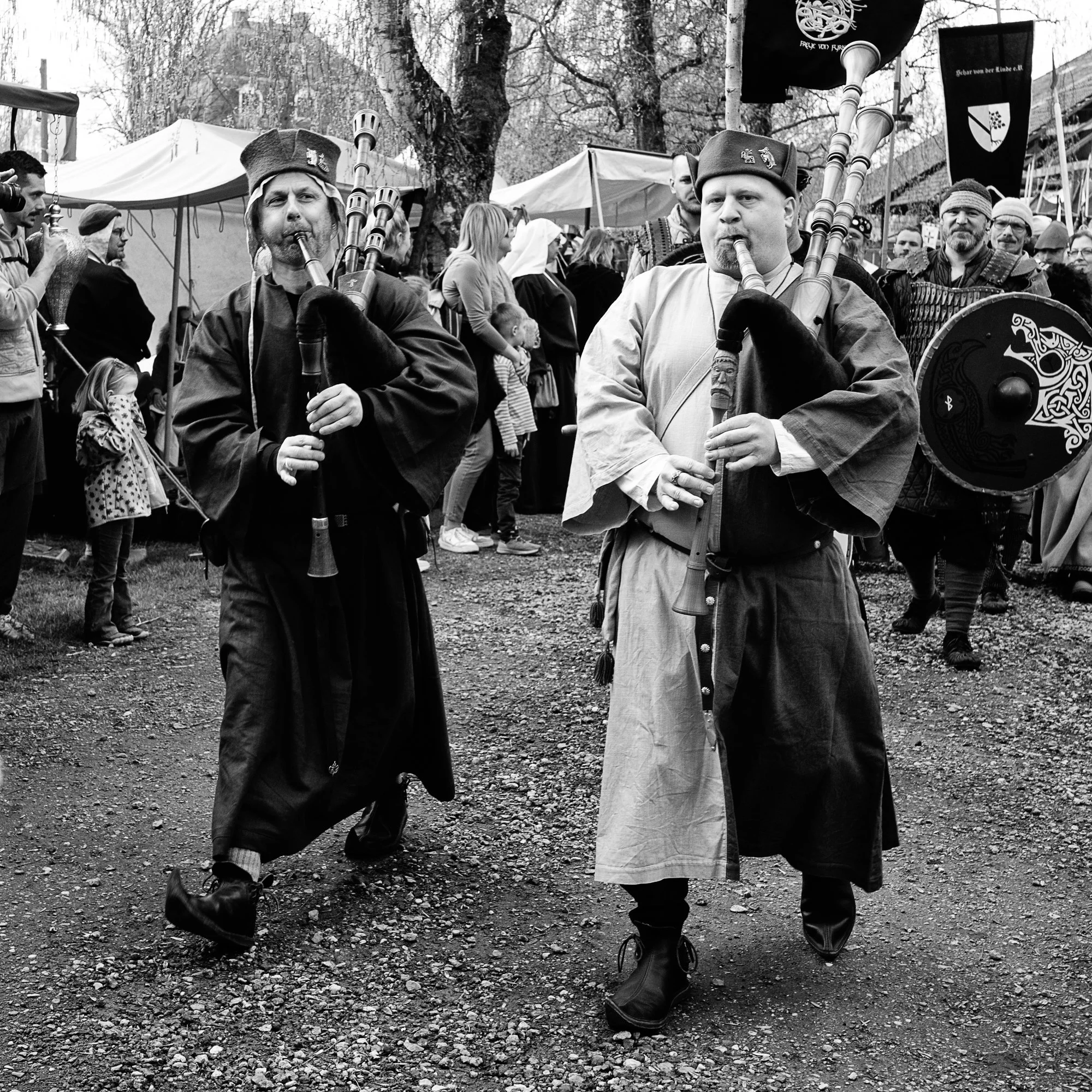
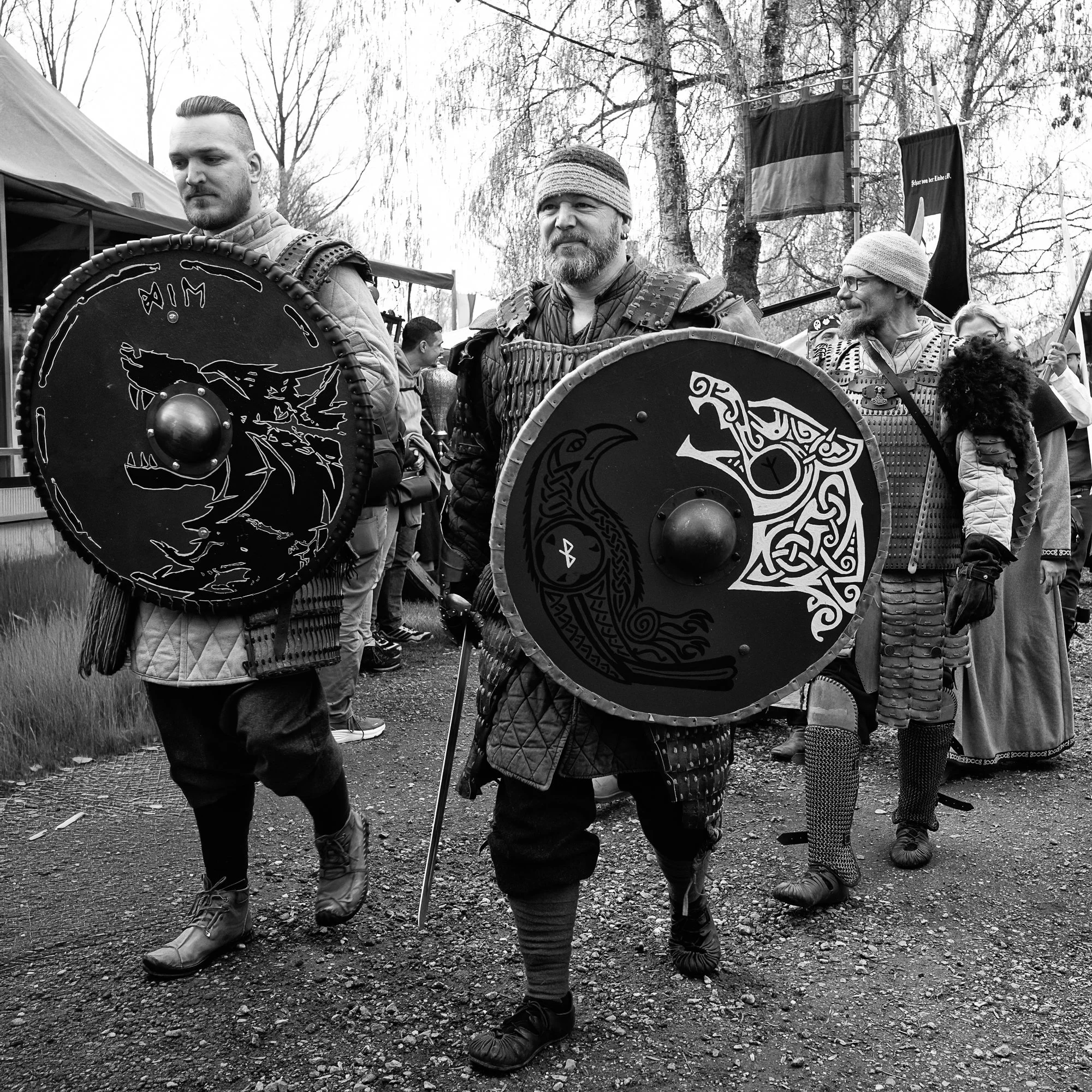
portraits

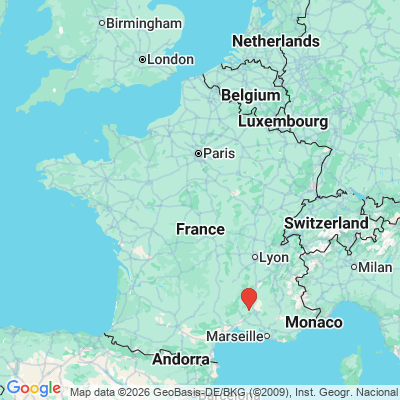
The Oppidum Saint-Vincent in Gaujac (France)

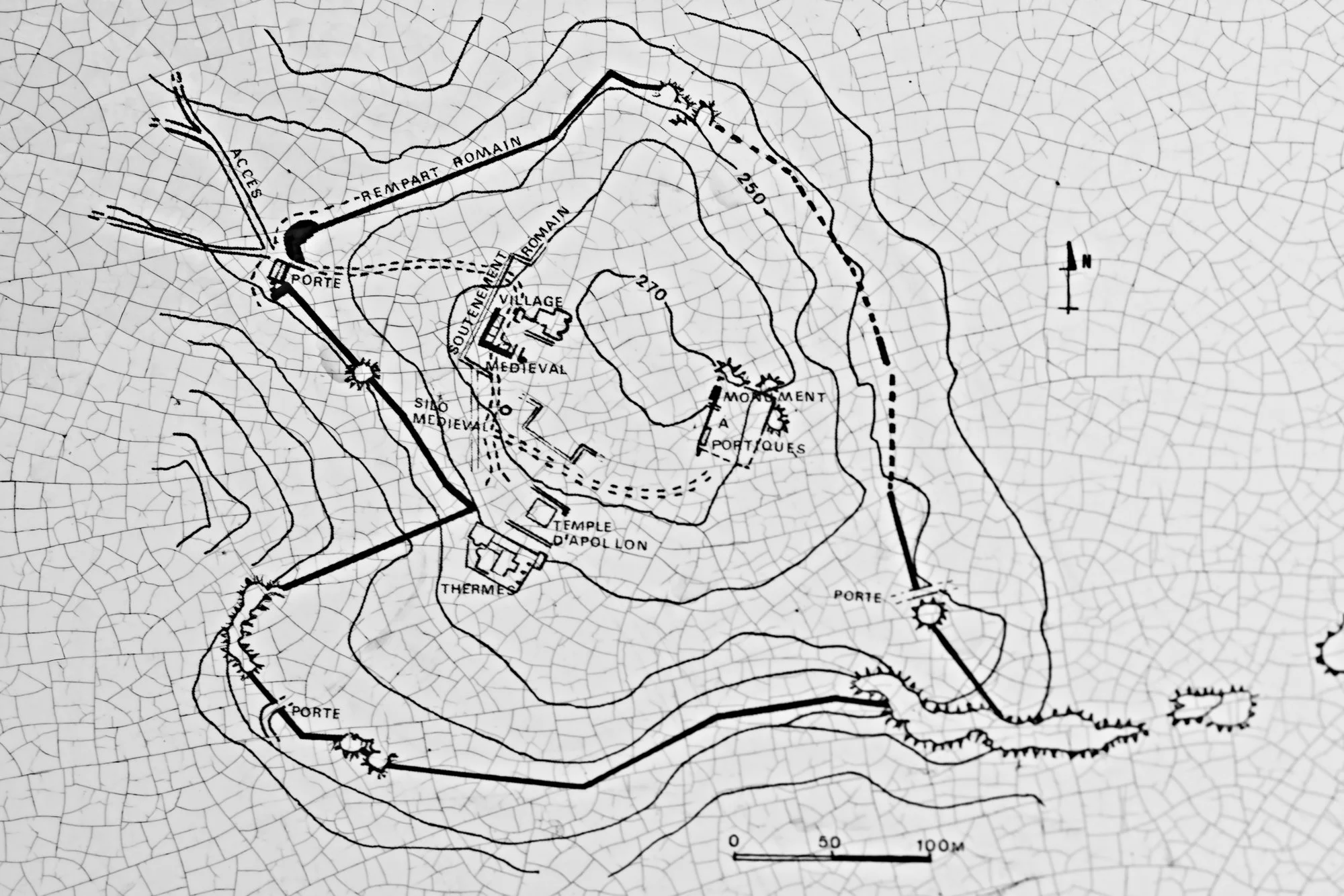
Plan of Oppidum Saint-Vincent at Gaujac, showing Iron Age ramparts, Roman monuments, and later medieval occupation layers. After J. Charmasson, published plan.

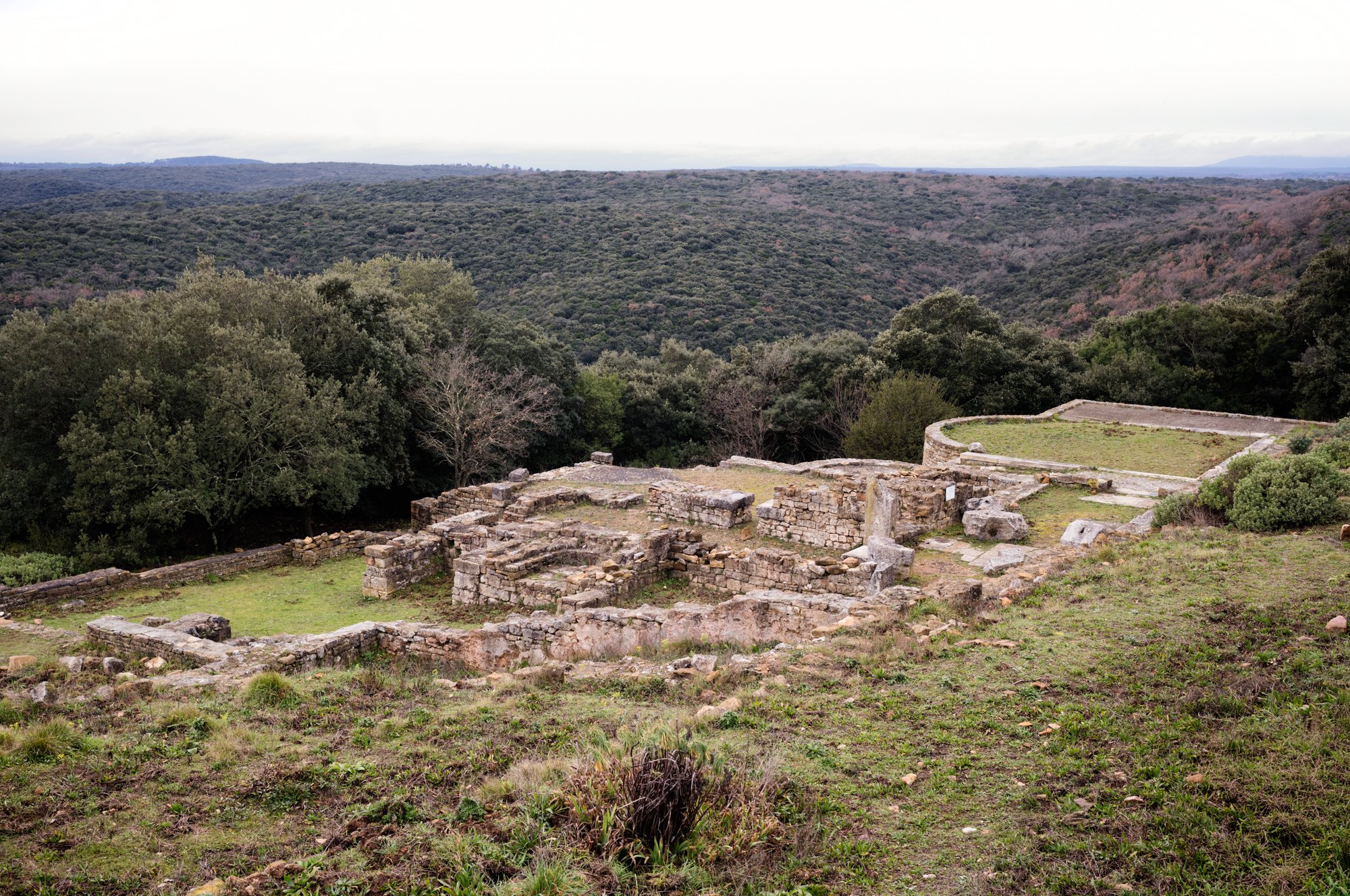
The ruins of the Roman baths at Oppidum Saint-Vincent, their low stone walls still tracing heated rooms and pools, set against the wooded hills that once framed daily life on the oppidum.

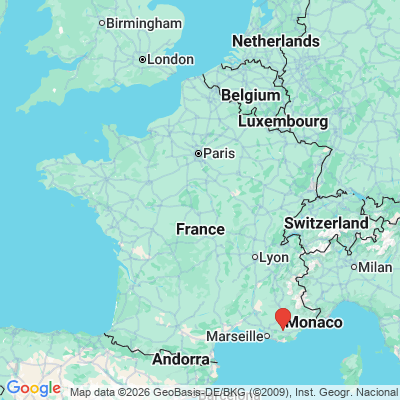
From down in the valley near Gaujac, the forested crest of Oppidum Saint-Vincent gives little hint of its past. Only when you climb it does the hill begin to speak. Saint-Vincent is not a single archaeological site, but a hillside shaped and reshaped by human lives for more than a thousand years.

The story begins around 425 BCE, when Gallic communities took possession of the summit and enclosed some twelve hectares with a defensive wall. This was an oppidum: a fortified hilltop settlement typical of Celtic Gaul. Oppida were not refuges in panic, but centres of authority, combining defense, habitation, ritual and trade. From Saint-Vincent, the Rhône corridor could be watched and controlled, and contacts reached as far as the Greek port of Massalia, modern Marseille. Archaeology reveals houses, storage areas and a striking ritual feature known as the “altar of ashes,” hinting at ceremonies that bound community, land and belief together.

By the early fourth century BCE the site was largely abandoned, its walls left to weather. But the hill was not forgotten. Around 120 BCE, as Roman power advanced into southern Gaul, Saint-Vincent was deliberately reoccupied. Its defenses were reinforced, transforming the old oppidum into a stronghold once more, now facing a new political horizon.

That horizon became Roman around 40 BCE, when Lepidus granted Saint-Vincent the status of oppidum latinum. The hilltop was reshaped into a Romanised town structured by terraces. Public life concentrated around a forum with porticoes, baths were built, and a monumental sanctuary—traditionally called the “Temple of Apollo”—dominated the sacred space. At this moment, Saint-Vincent was not merely inhabited; it was important. Its religious role drew pilgrims from across Narbonensis during major festivals, reinforcing both its political and spiritual status in the region.

The prosperity did not last. In the later third century CE, a series of earthquakes struck the region. The urban fabric of the hilltop suffered badly, and the Roman town gradually emptied. Yet even abandonment did not end the site’s usefulness.

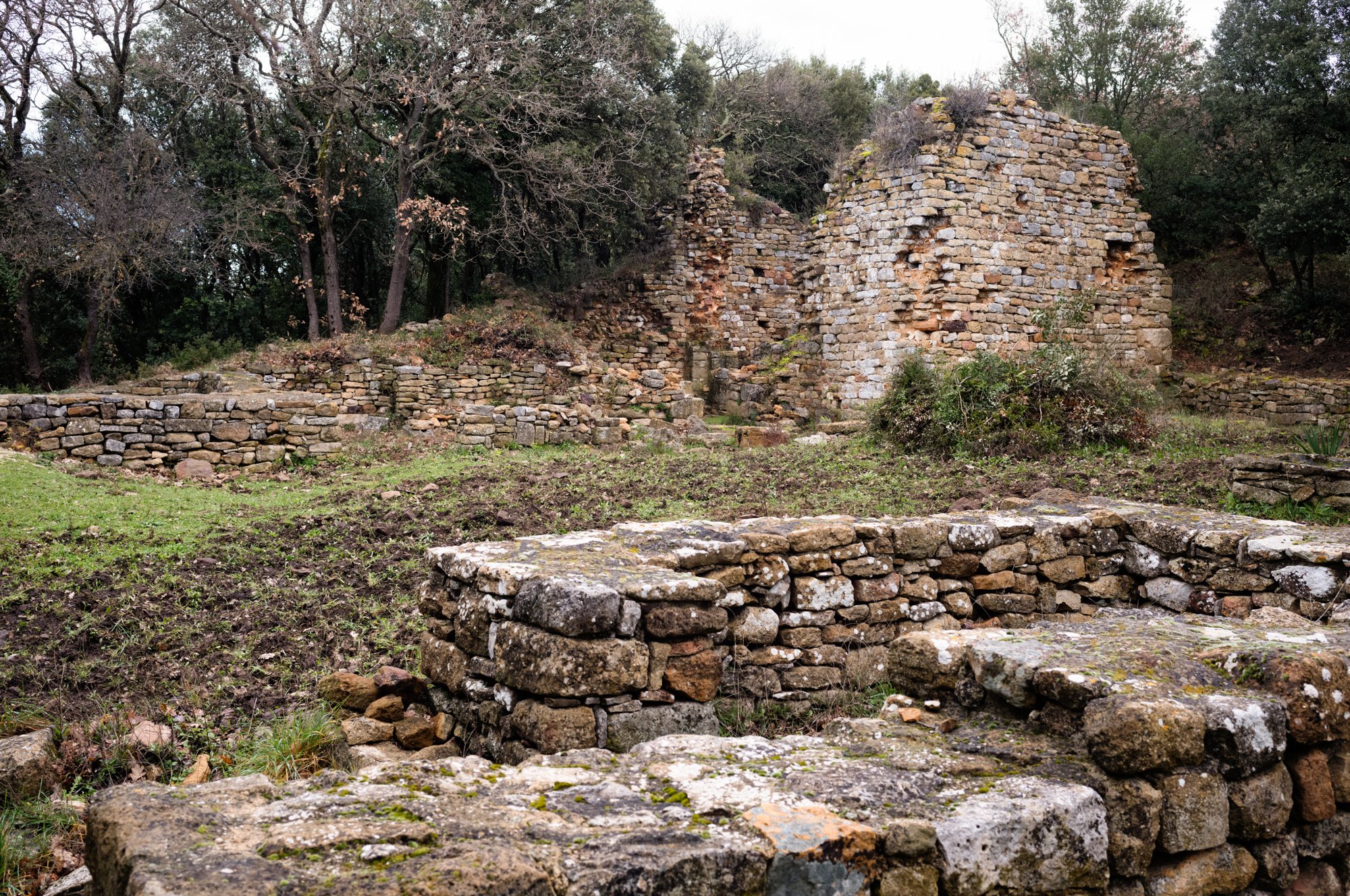
Remains of the medieval village at Oppidum Saint-Vincent: dry-stone houses and enclosure walls built by quarrymen and stonecutters between the 10th and 12th centuries, reusing the fabric of the ancient city.

During Late Antiquity, in the fifth and sixth centuries, Saint-Vincent entered a quieter but crucial phase. Parts of the old ramparts were repaired or rebuilt using simpler masonry and reused Roman stone. These walls are often referred to as “Visigothic,” and while the term survives, it deserves nuance. Saint-Vincent did not become a Visigothic city. Instead, it functioned as a hilltop refuge, a place of temporary safety for populations from the surrounding plain in an unstable world. The walls of this period speak not of empire, but of pragmatism: repair what already exists, defend what can still be defended.

In the Middle Ages, the hill found yet another role. Around a small church dedicated to Saint Vincent, families of stonecutters and quarrymen settled on the summit. The abandoned monuments of Roman antiquity became quarries; blocks once shaped for temples and baths were repurposed for houses, walls and paths. Stone moved again, but with new meanings and new hands.

What makes Saint-Vincent compelling today is precisely this continuity through change. It was never erased and rebuilt from scratch. Instead, each generation worked with what was already there—walls reused, terraces adapted, ruins transformed into resources.

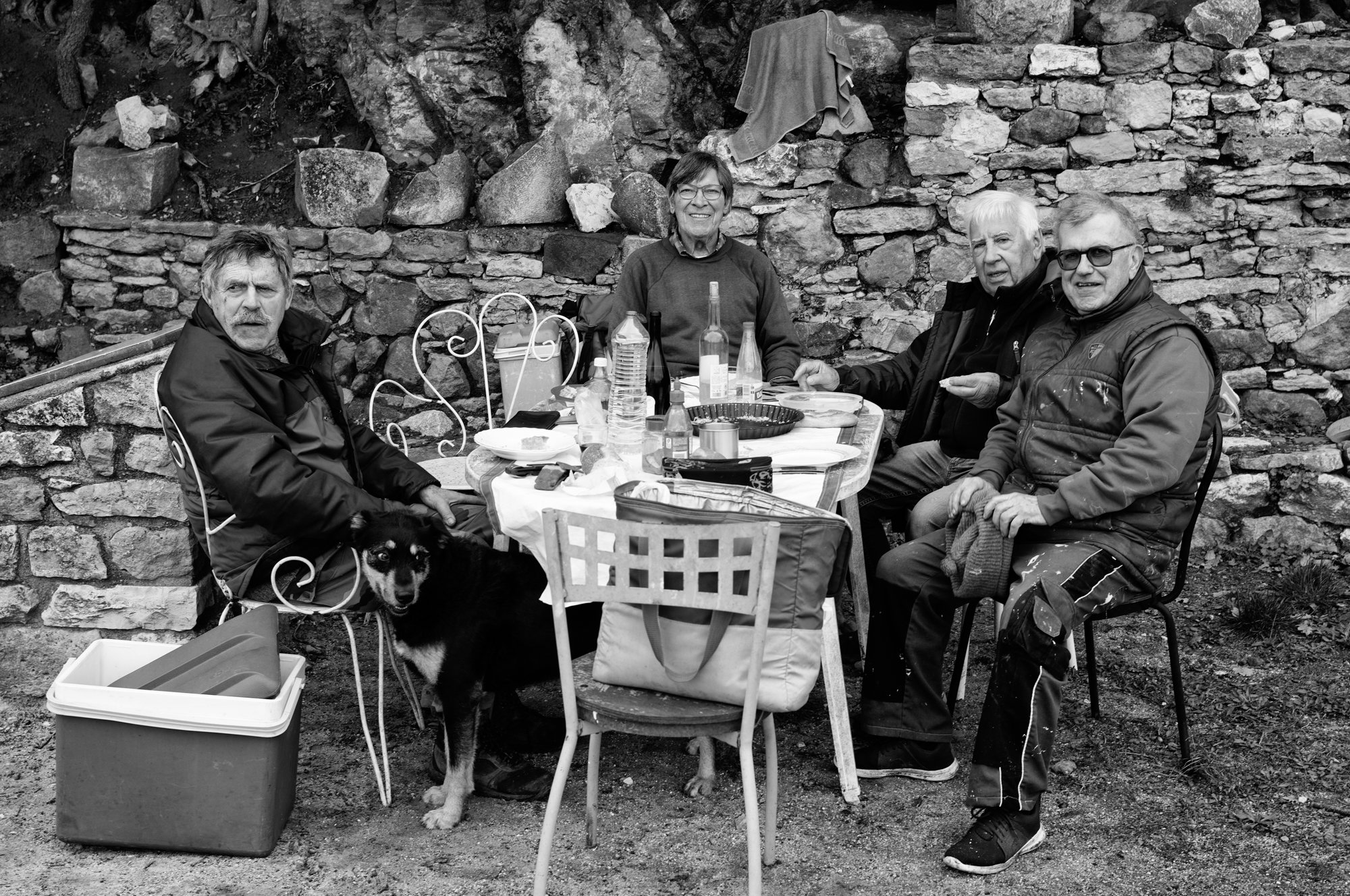
Some members of SECABR (Société d’Étude des Civilisations Antiques Bas-Rhodaniennes) enjoying lunch at the site of the Oppidum Saint-Vincent.

That layered history is why the presence of SECABR (Société d’Étude des Civilisations Antiques Bas-Rhodaniennes) matters so much. Their quiet stewardship—walking the site, monitoring erosion, sharing knowledge—continues a tradition that is as old as the oppidum itself: caring for a place because it matters. Where once councils met and pilgrims gathered, people still come together, not to defend or to rule, but to remember.

At Saint-Vincent, the walls no longer protect against enemies. They protect against forgetting.

More Information:

The Next Generation of Bomberos of Sanlúcar de Barrameda (Spain)

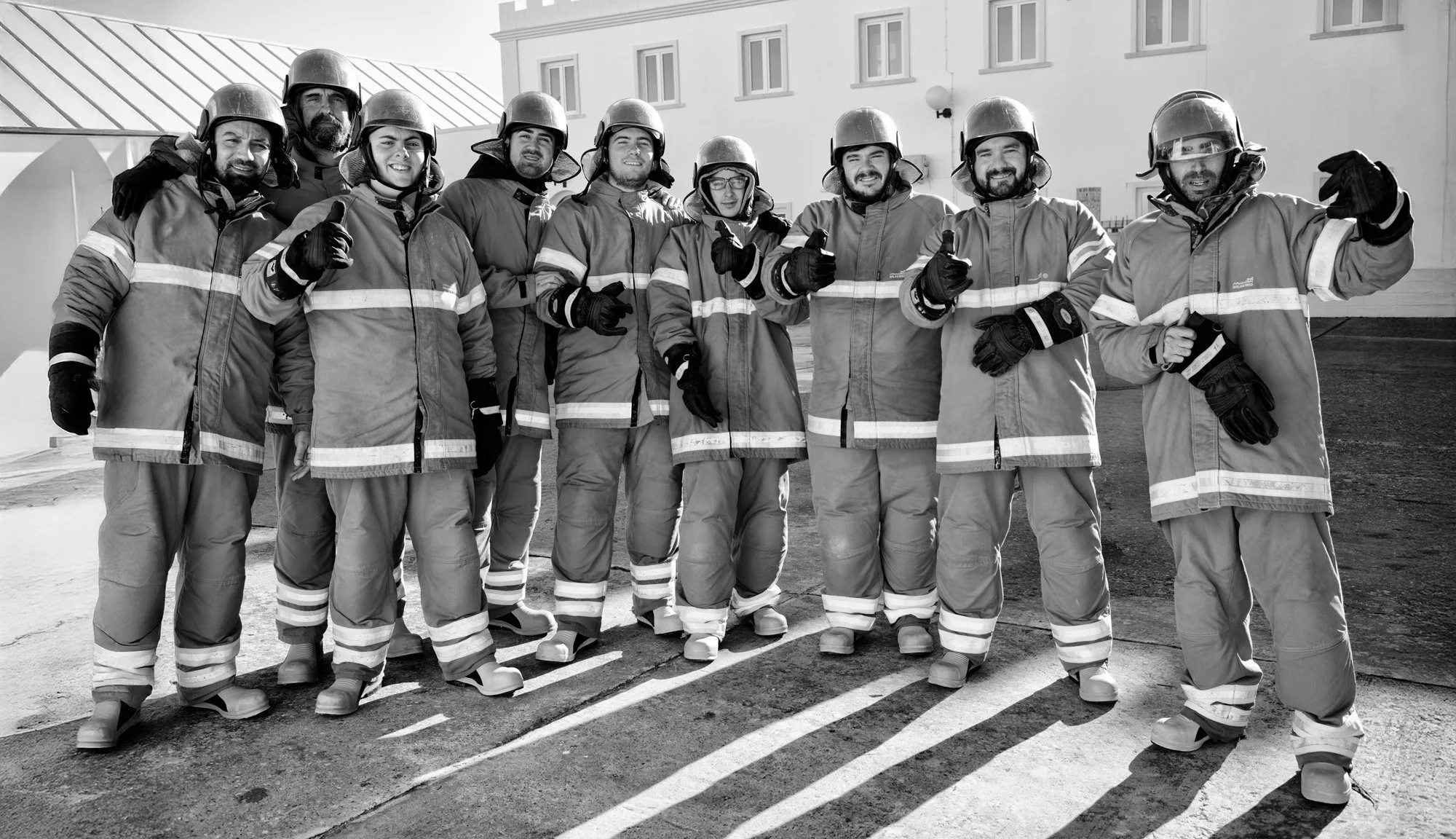
The Next Generation of Bomberos of Sanlúcar de Barrameda (Spain).

They stand there in the bright Andalusian light—Sanlúcar’s newest firefighters in training, a mix of nerves, pride, and that unmistakable spark of people who’ve chosen a life of stepping forward when others step back. These trainees aren’t just learning how to fight fires; they’re learning how to read a crisis, trust each other, and serve a community that depends on them.

Fire, Pride, and Coming of Age: San Antón in Valderrobres (Spain)

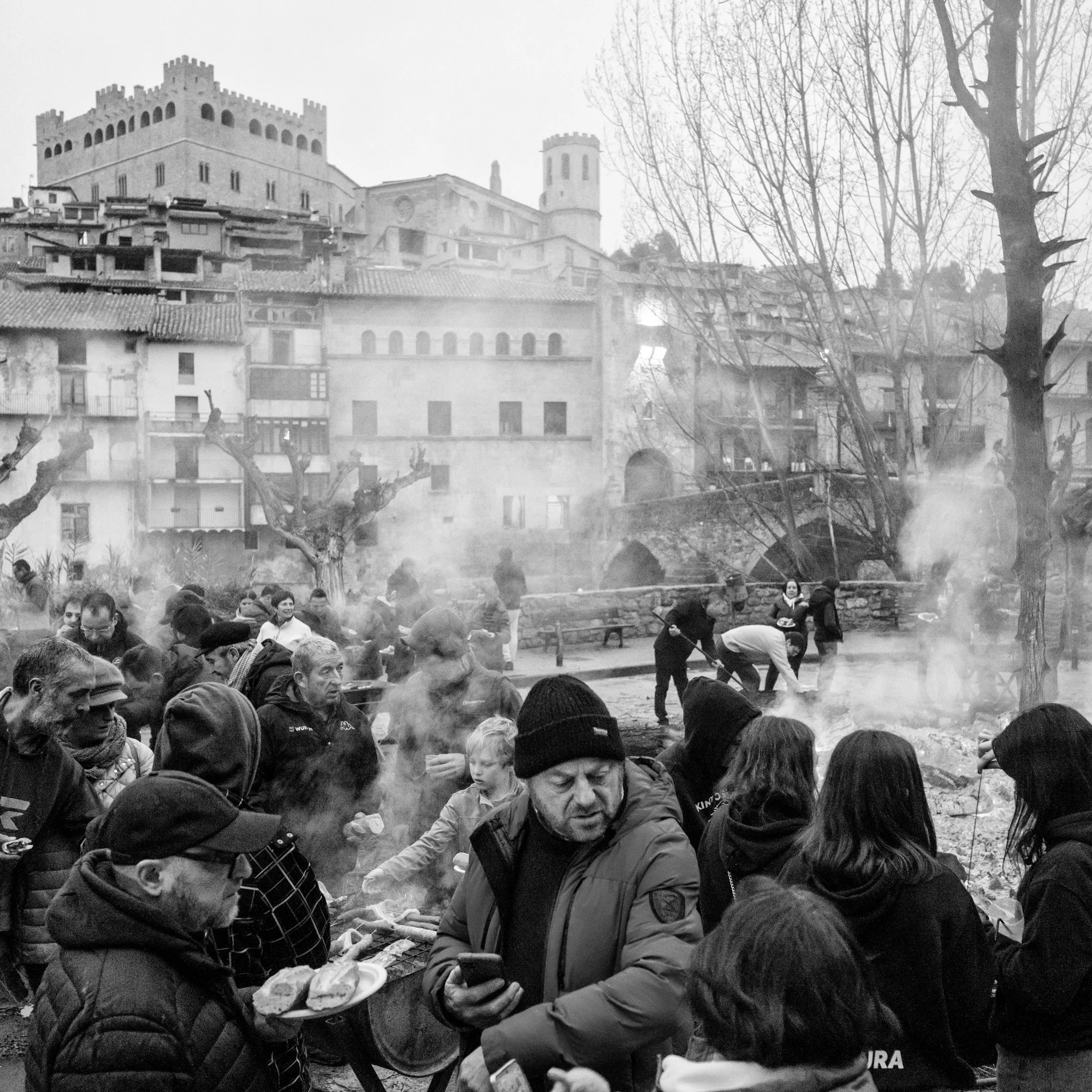
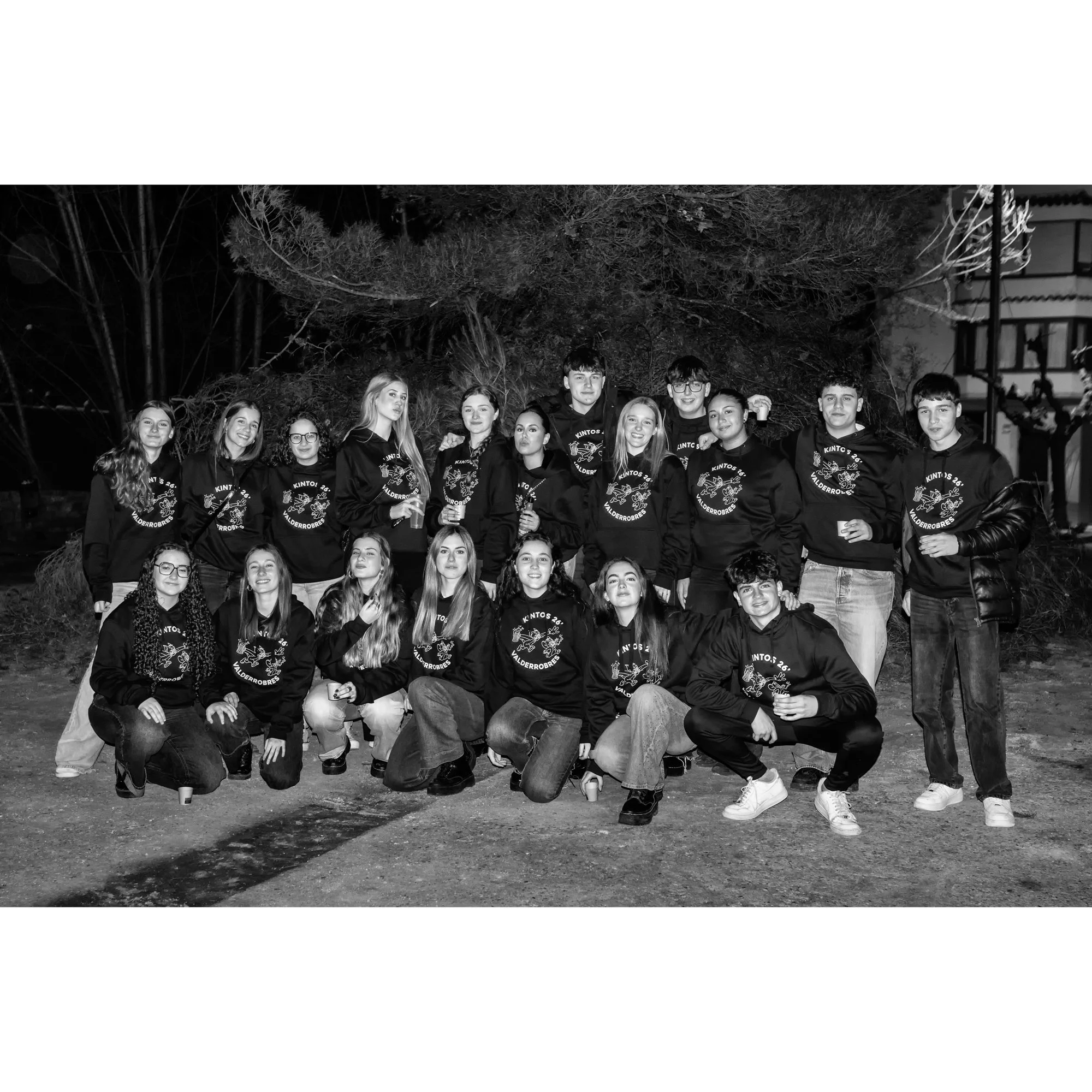
This year, we had the privilege of being guests at the San Antonio Abad festivities in Valderrobres—and guests is exactly how we were treated. From the first moment, the people of Valderrobres welcomed us with open arms, genuine warmth, and a quiet but unmistakable pride in their village and its traditions.

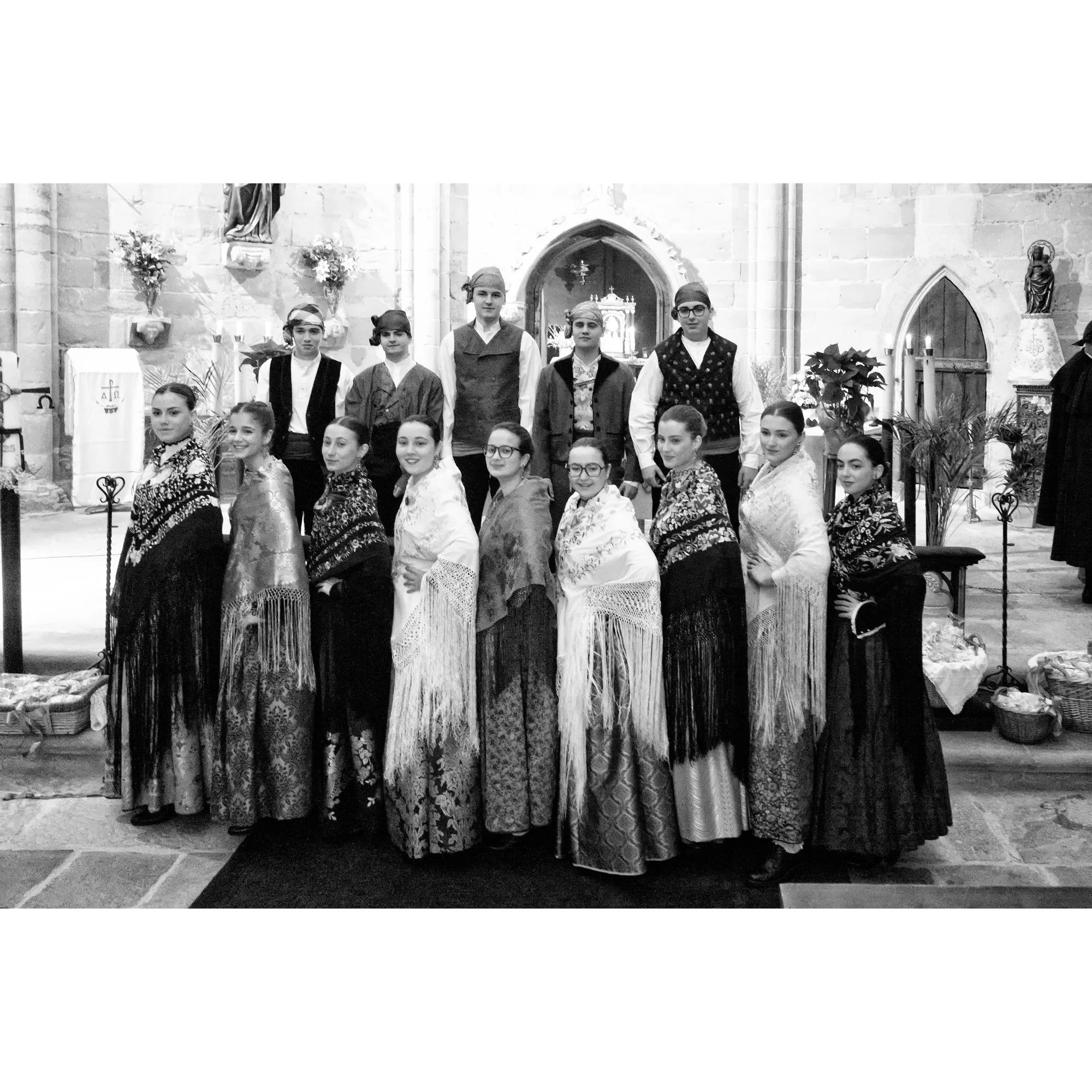
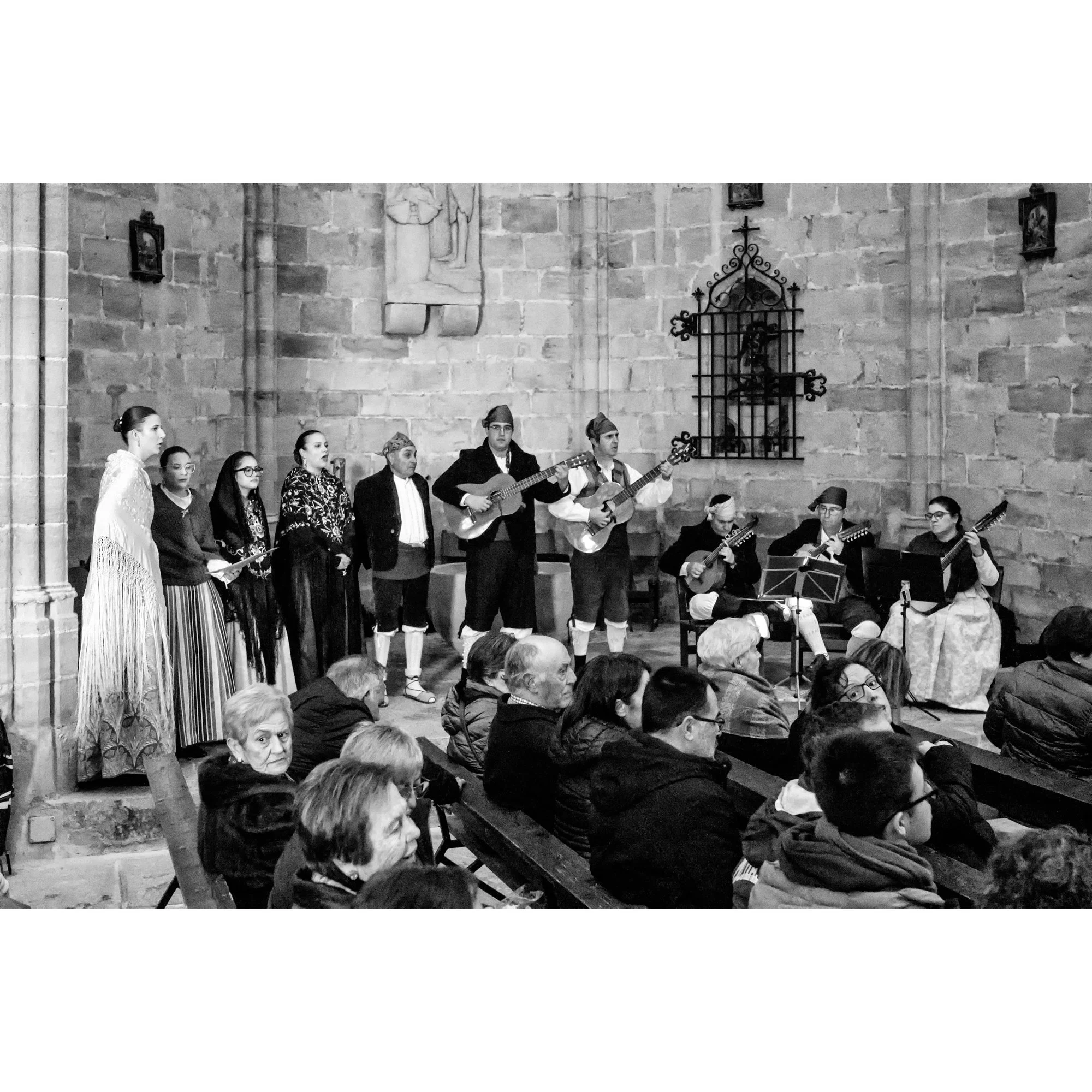
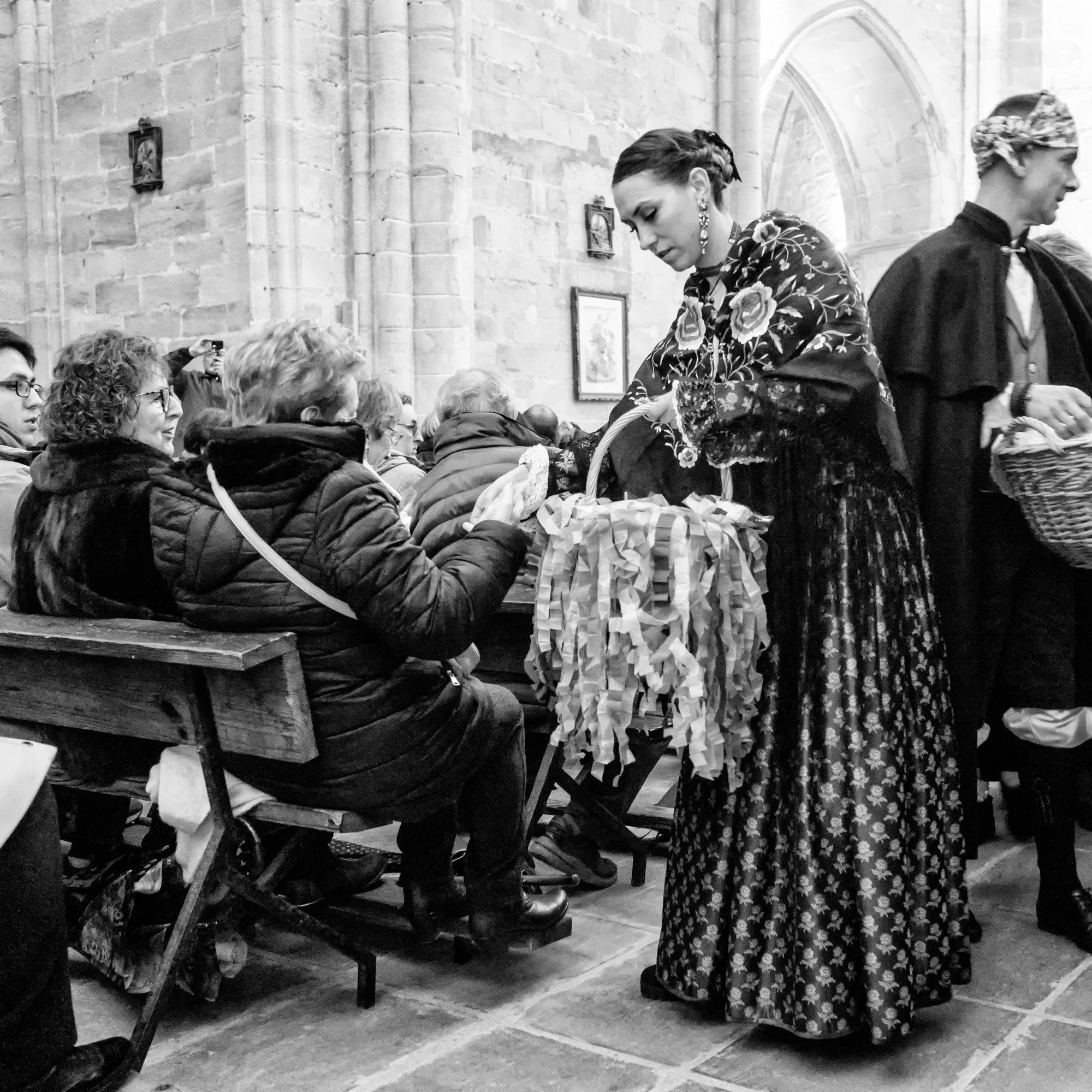
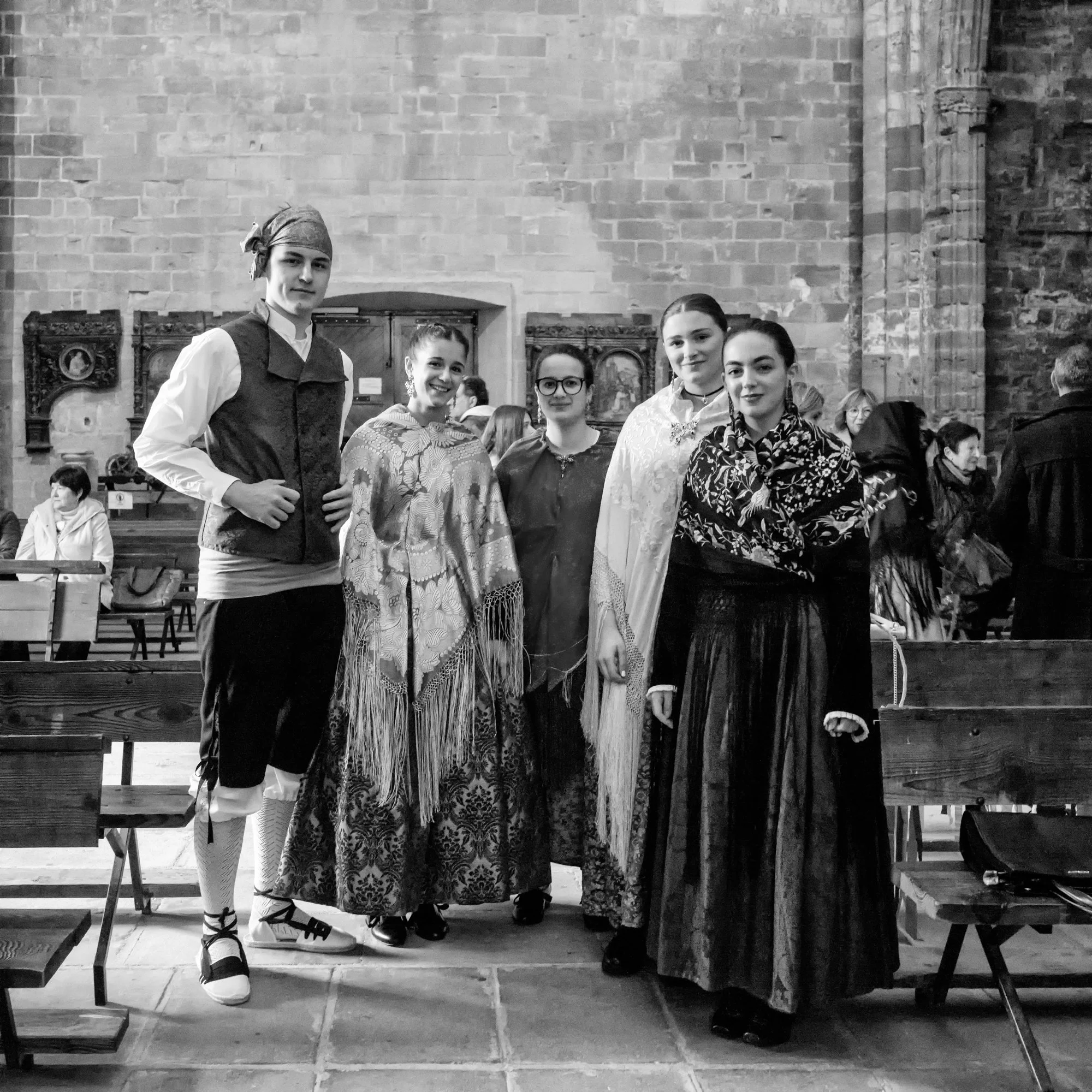
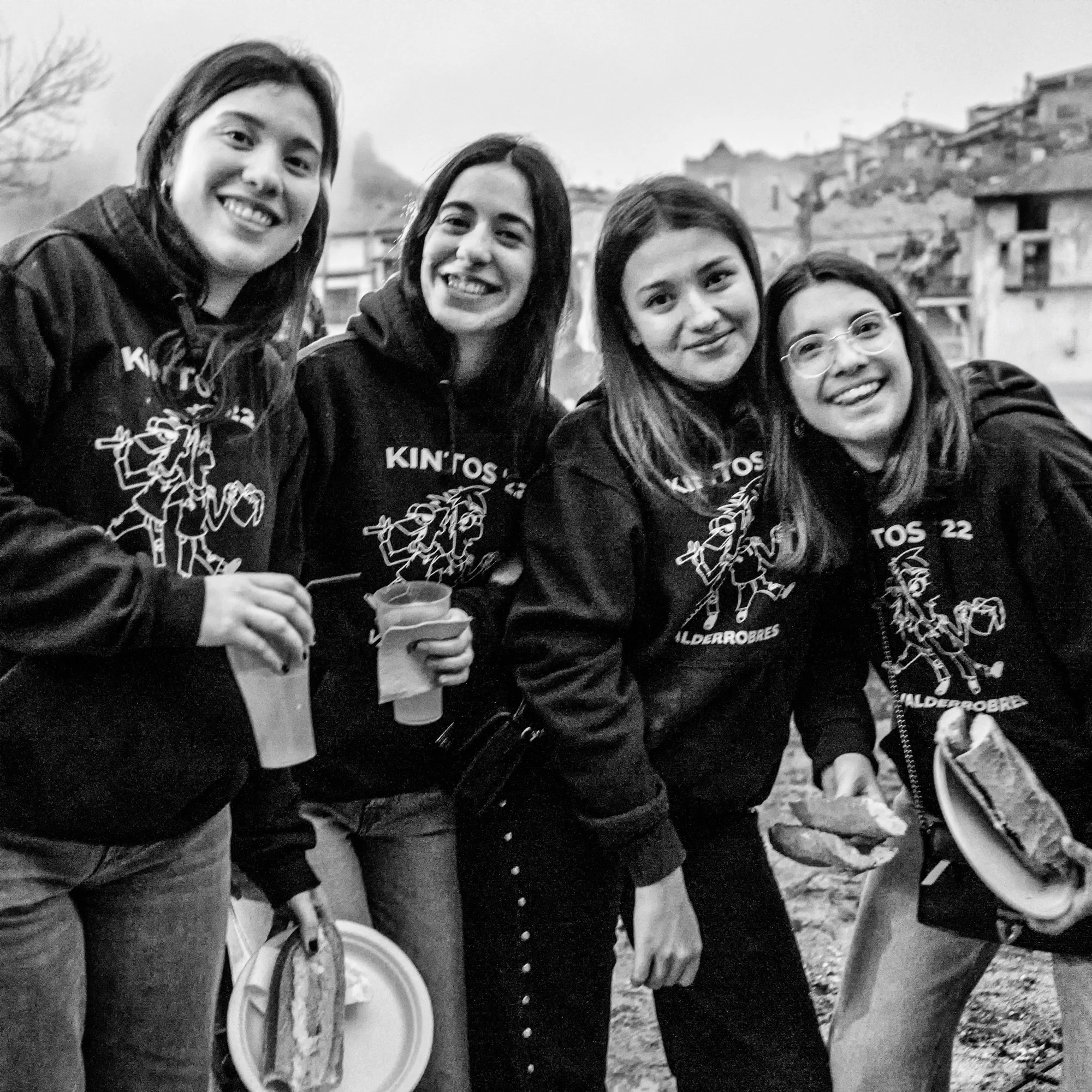
At the heart of the celebration are the kintos: the group of young people who turn eighteen that year and who take on the responsibility of organizing the festivities. The tradition of the kintos is widespread in Spain and marks a symbolic step into adulthood. What once had roots in military conscription has become something far more beautiful—a communal rite of passage in which a generation learns to carry, protect, and pass on local culture.

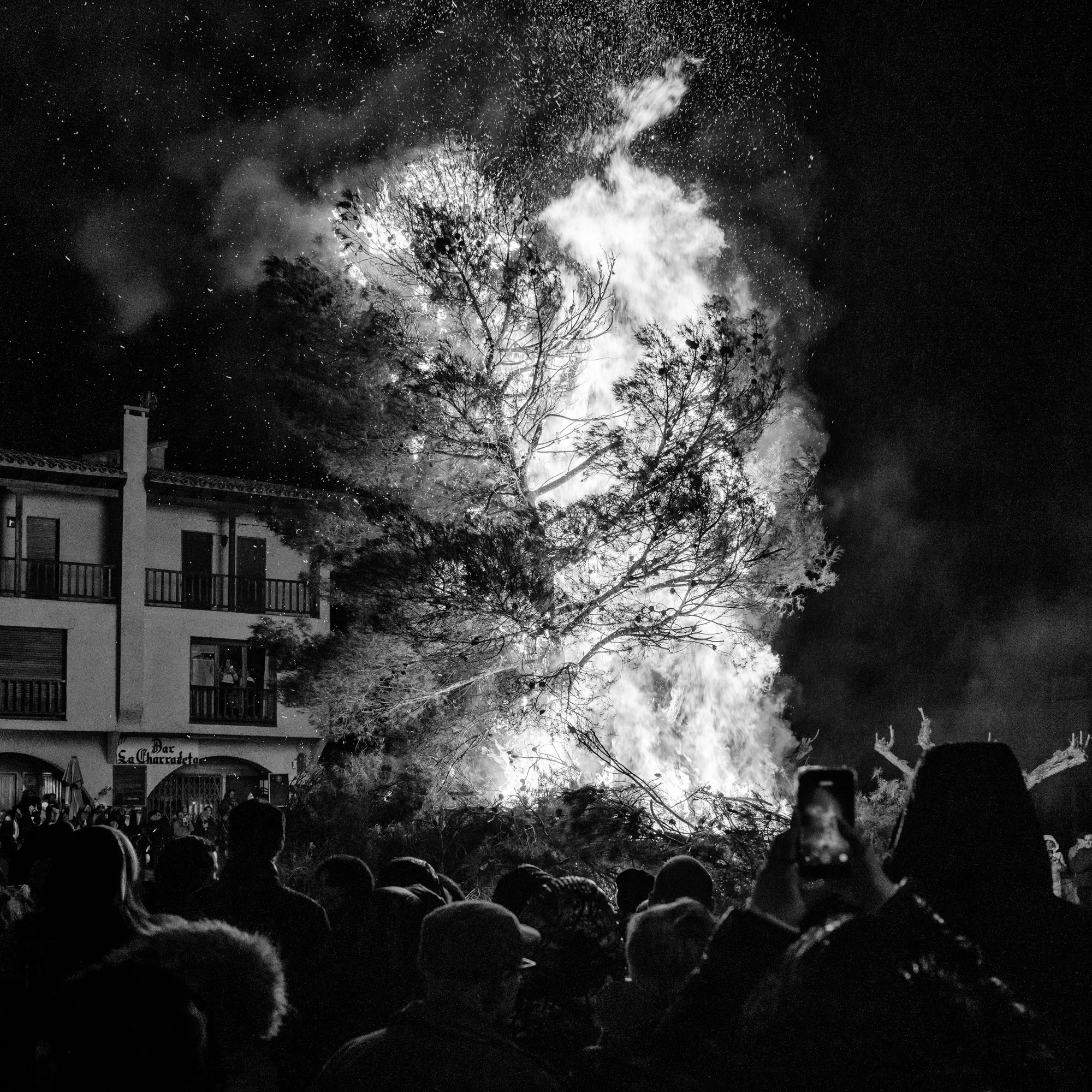
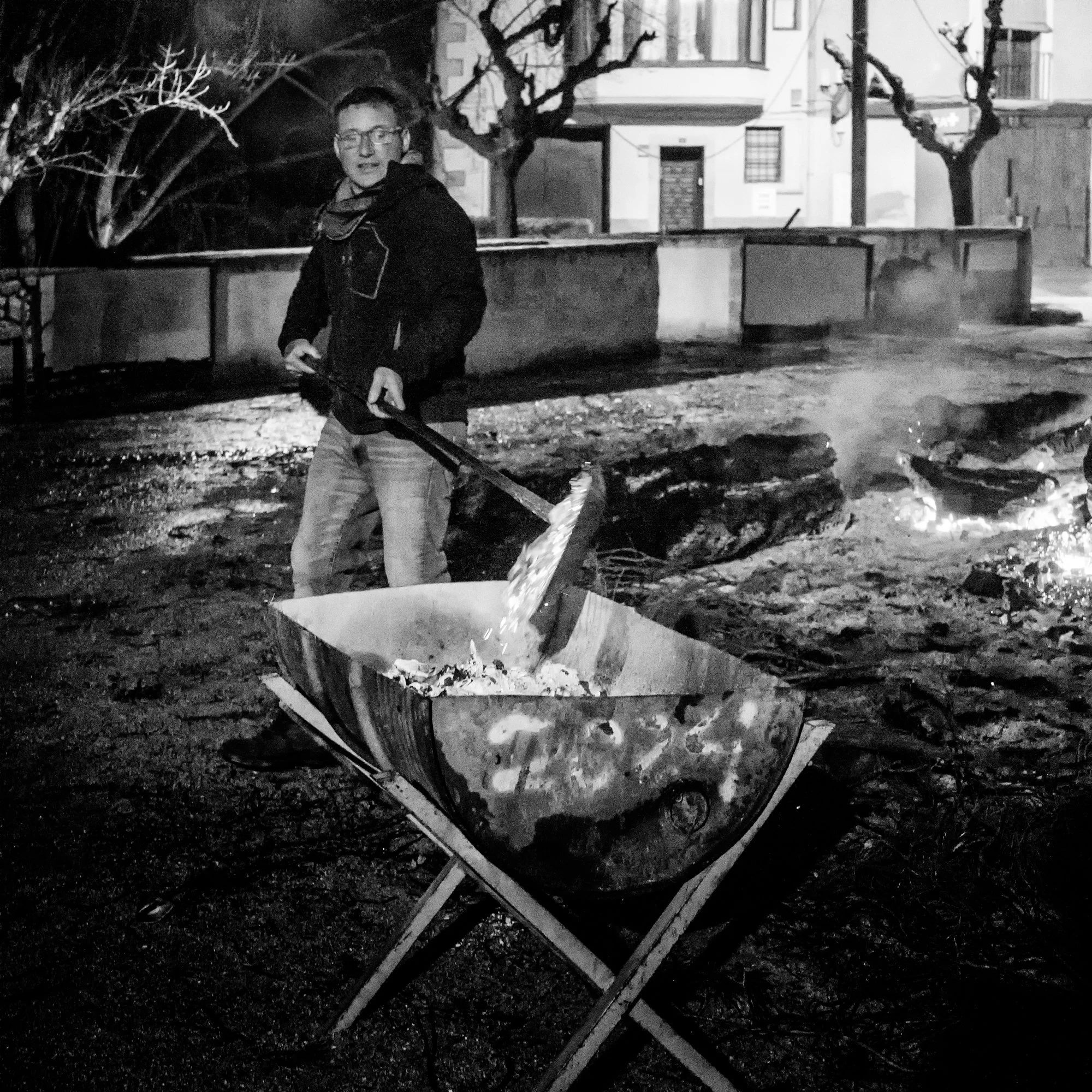
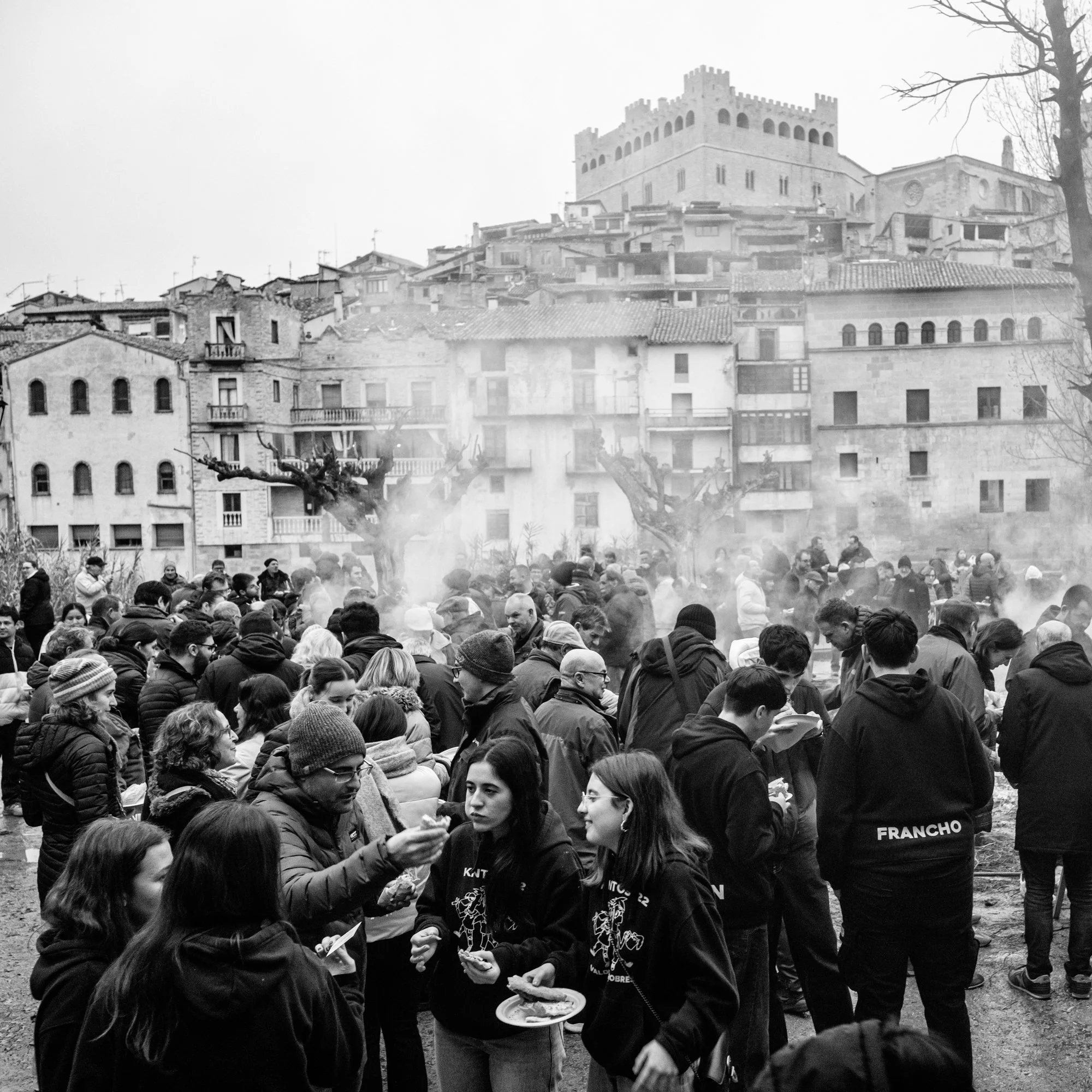
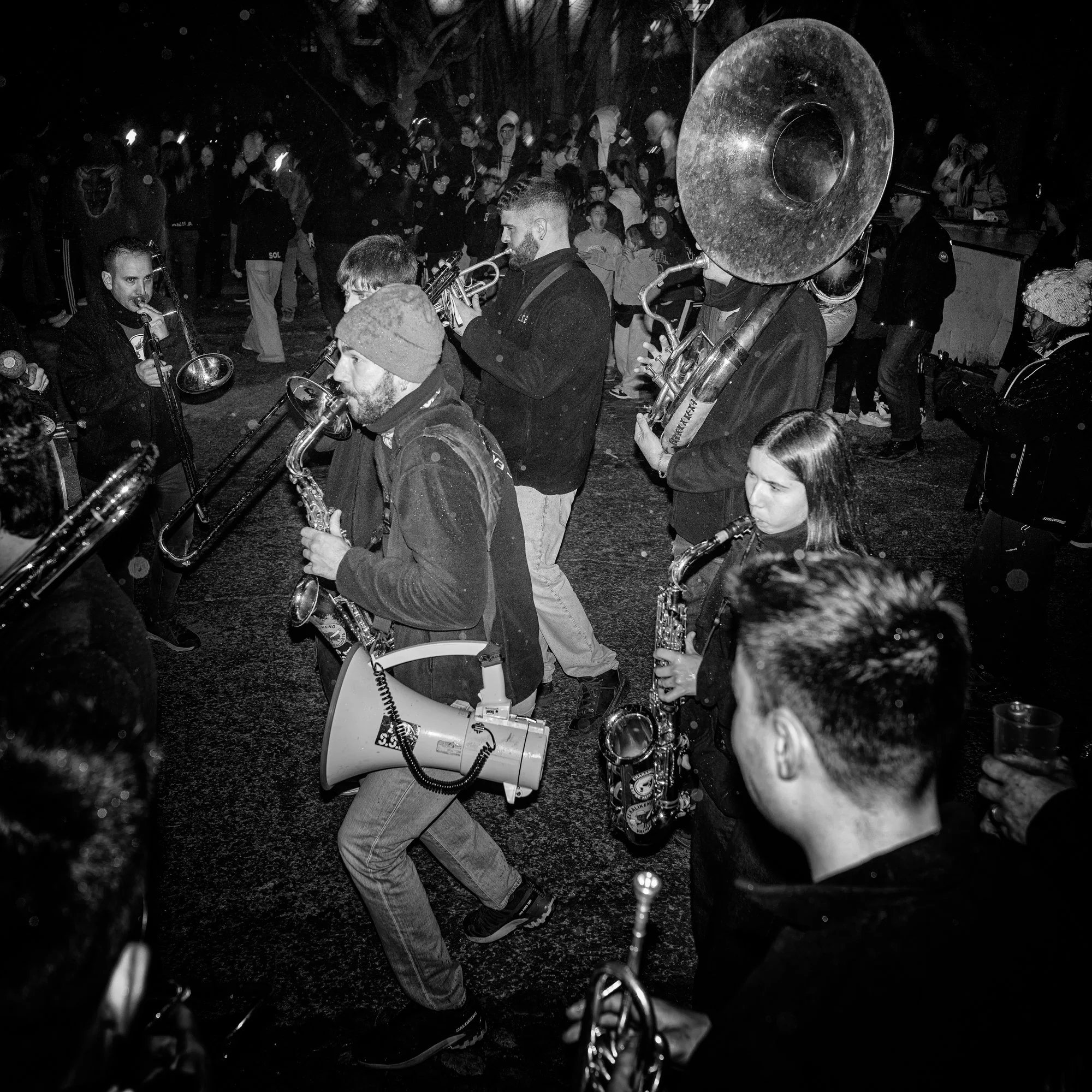
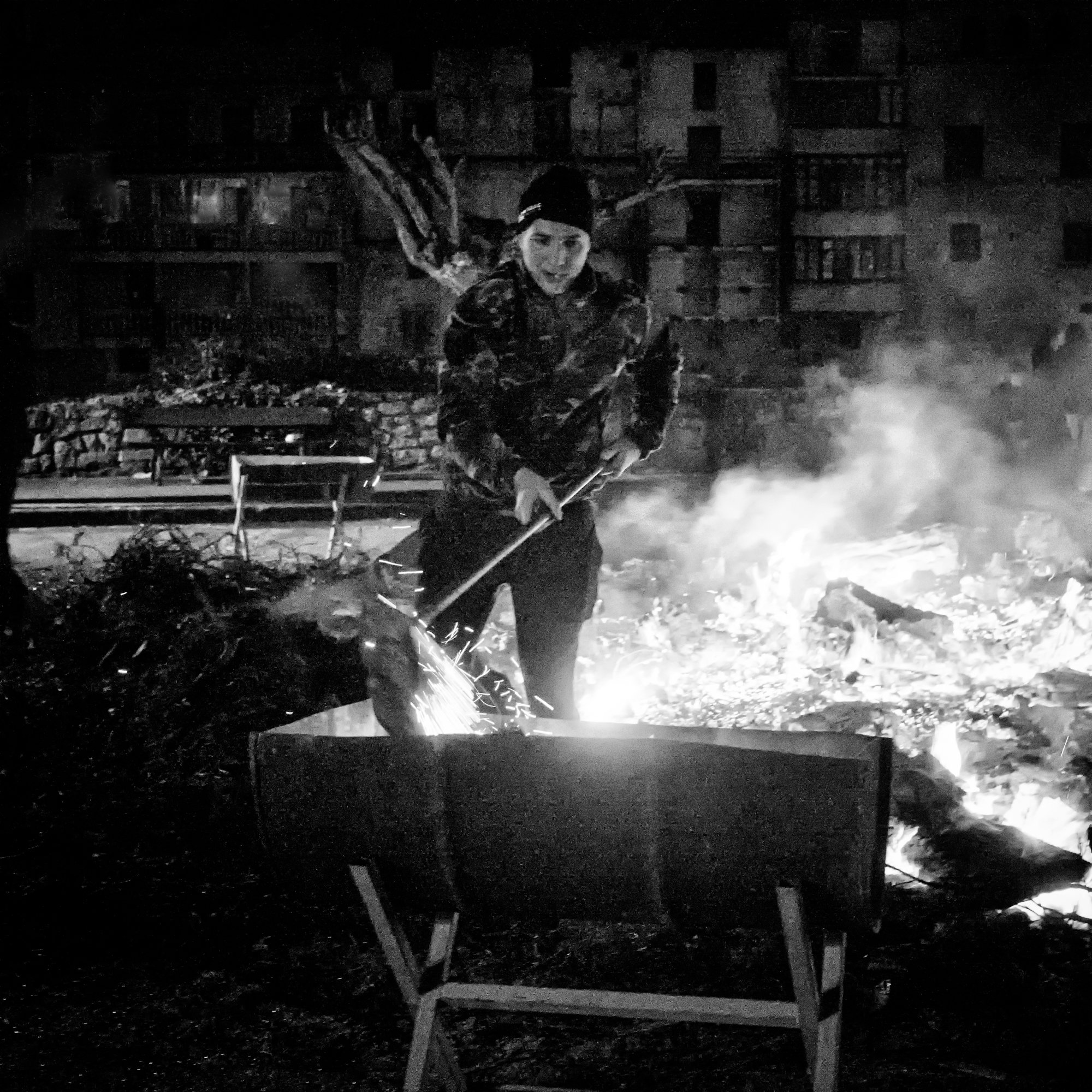
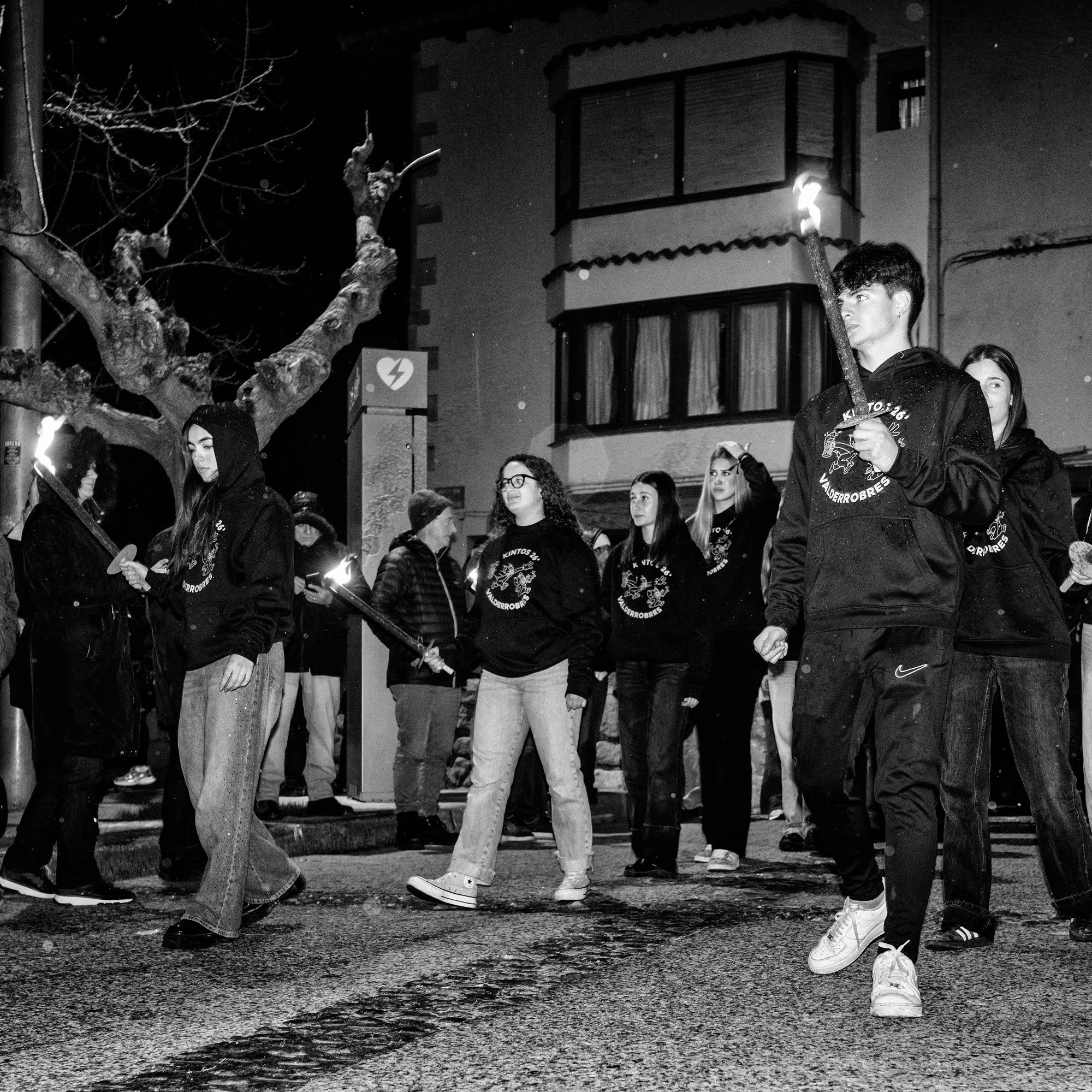
The festival begins on January 16 at 23:00hr, when the Christmas tree is set alight in the town square. Flames crackle, sparks drift into the cold night, and before you know it, the square turns into a living room under the stars. Music, laughter, food, and conversation keep the celebration going all night long.

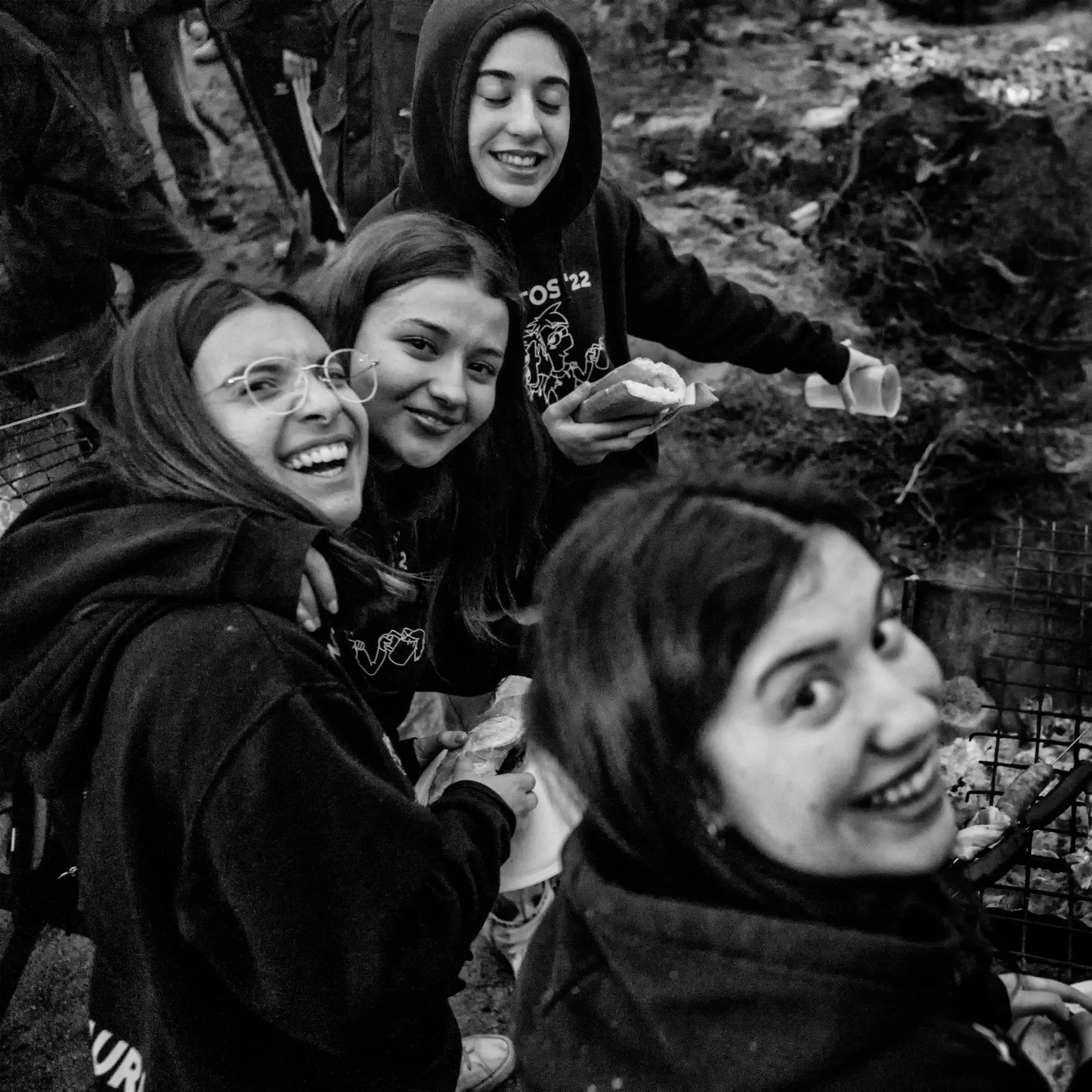
As morning arrives, the fire is not allowed to die in vain. Using the still-glowing embers of the Christmas tree, sausages and pancetta are grilled for a communal breakfast. Everyone eats. Everyone belongs. It is simple, generous, and deeply human.

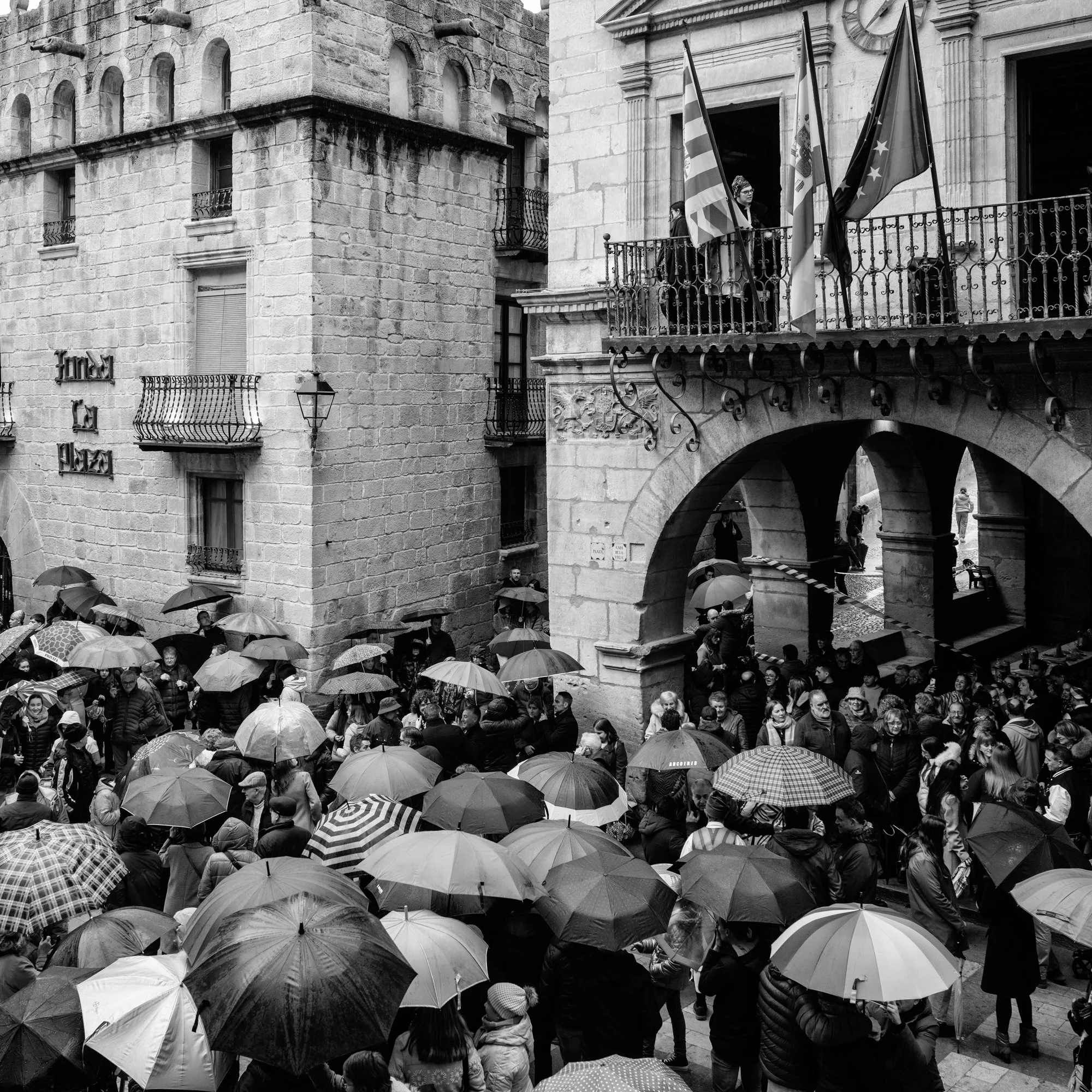
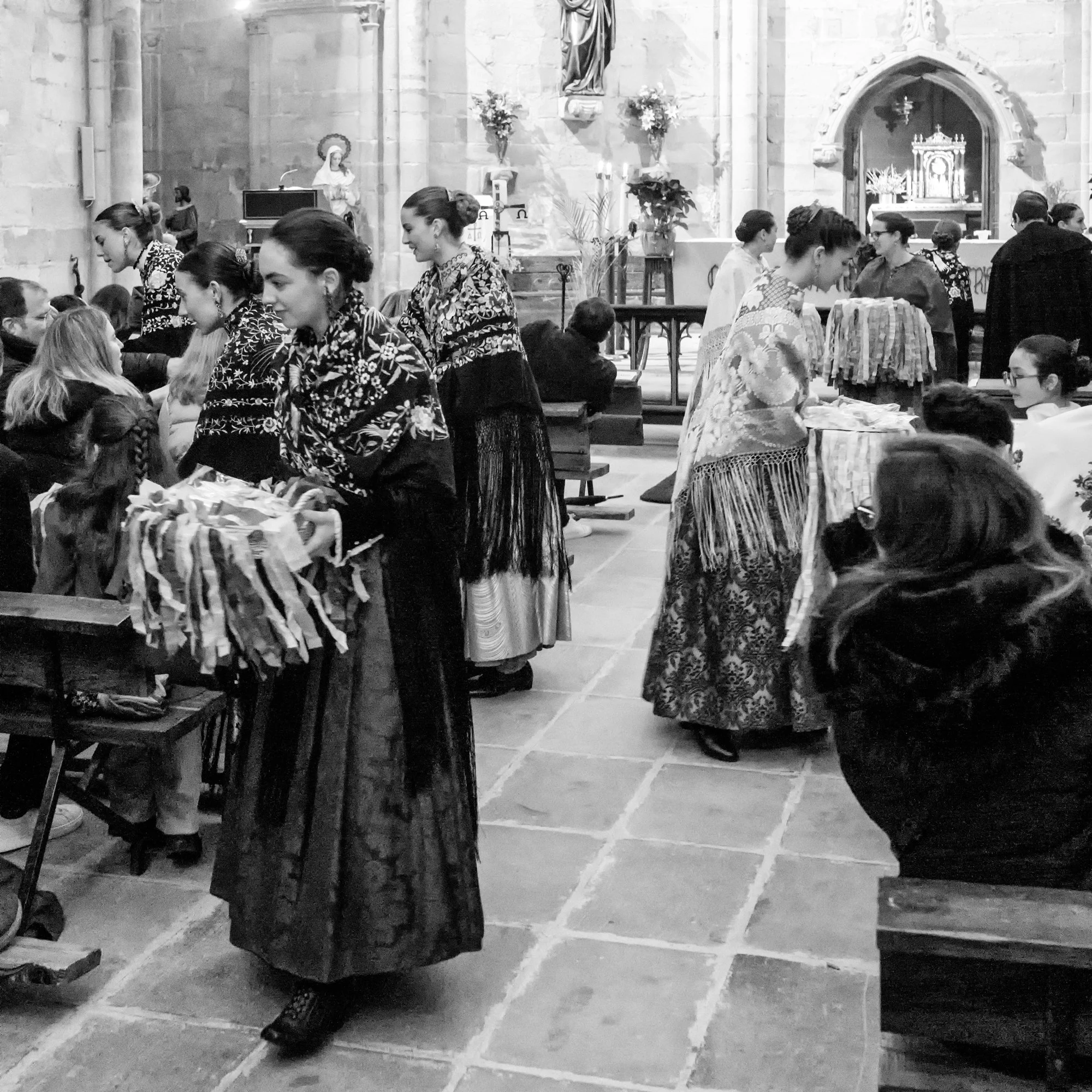
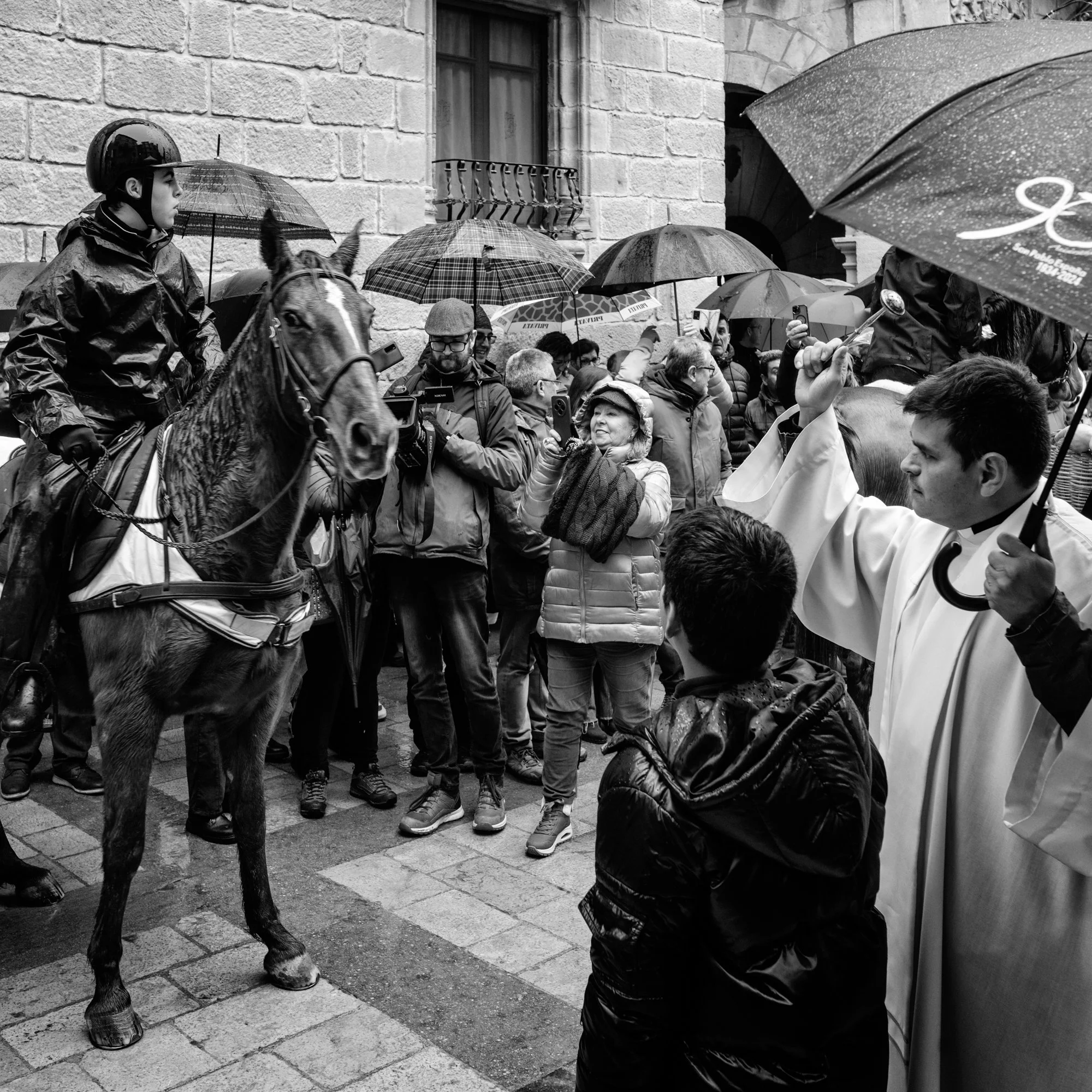
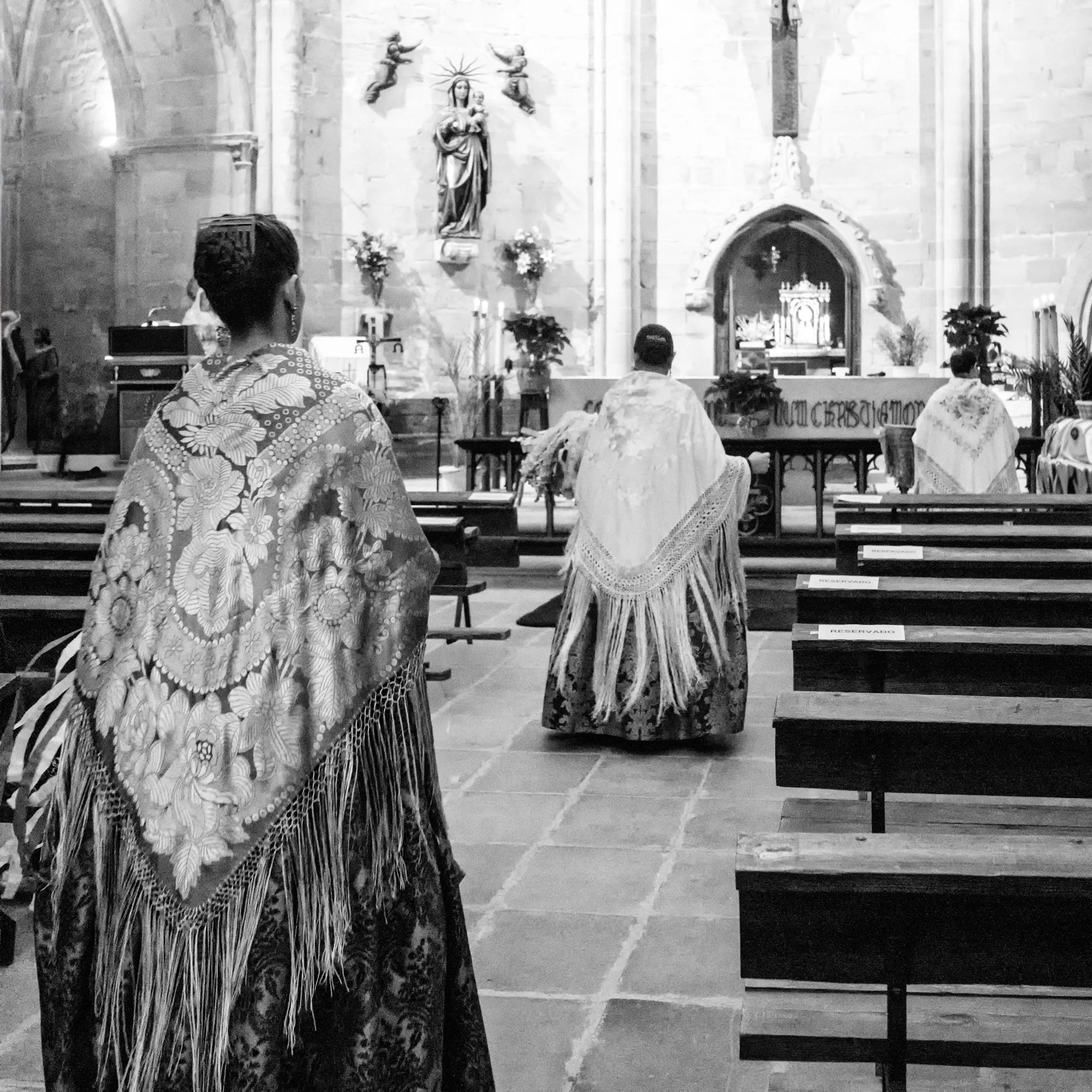
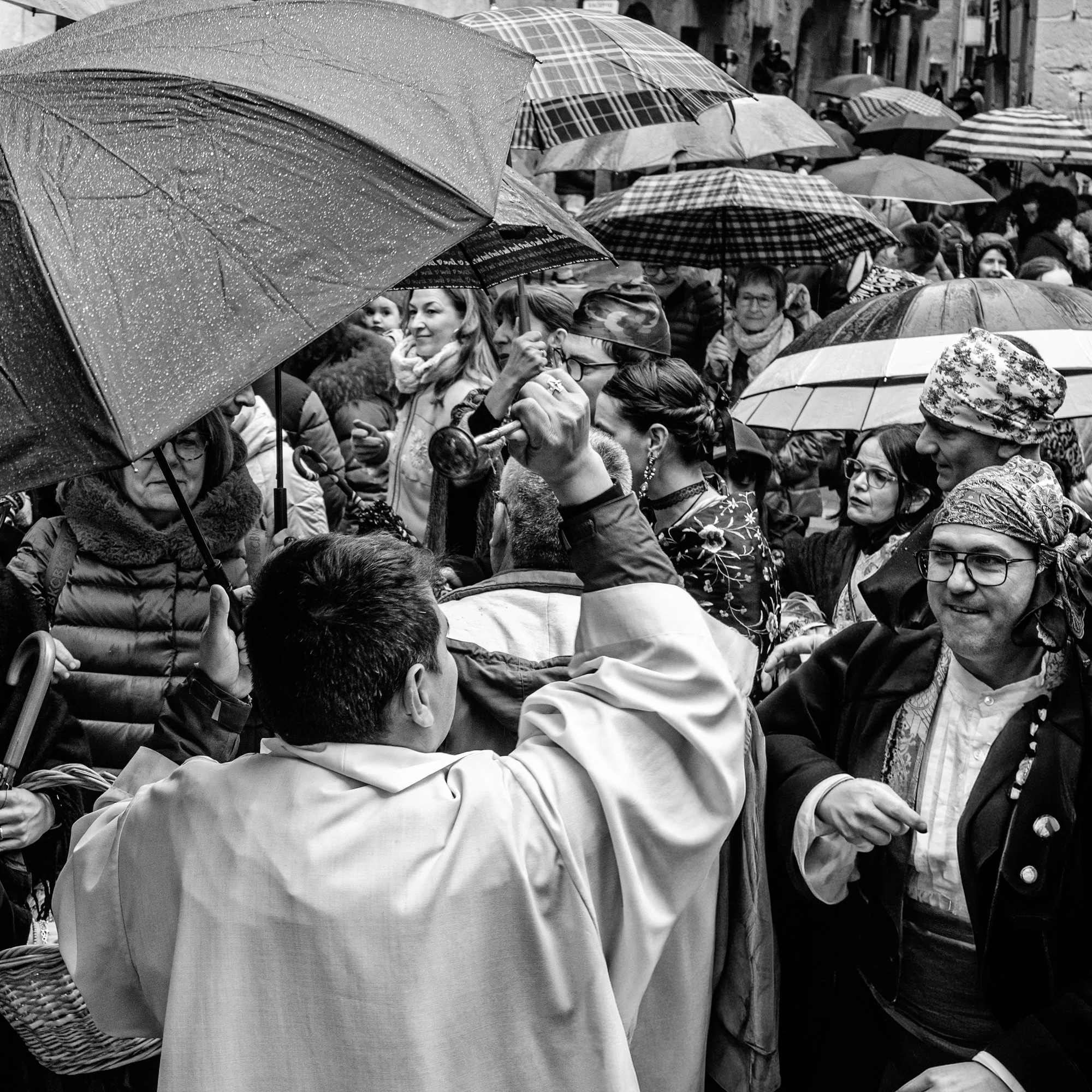
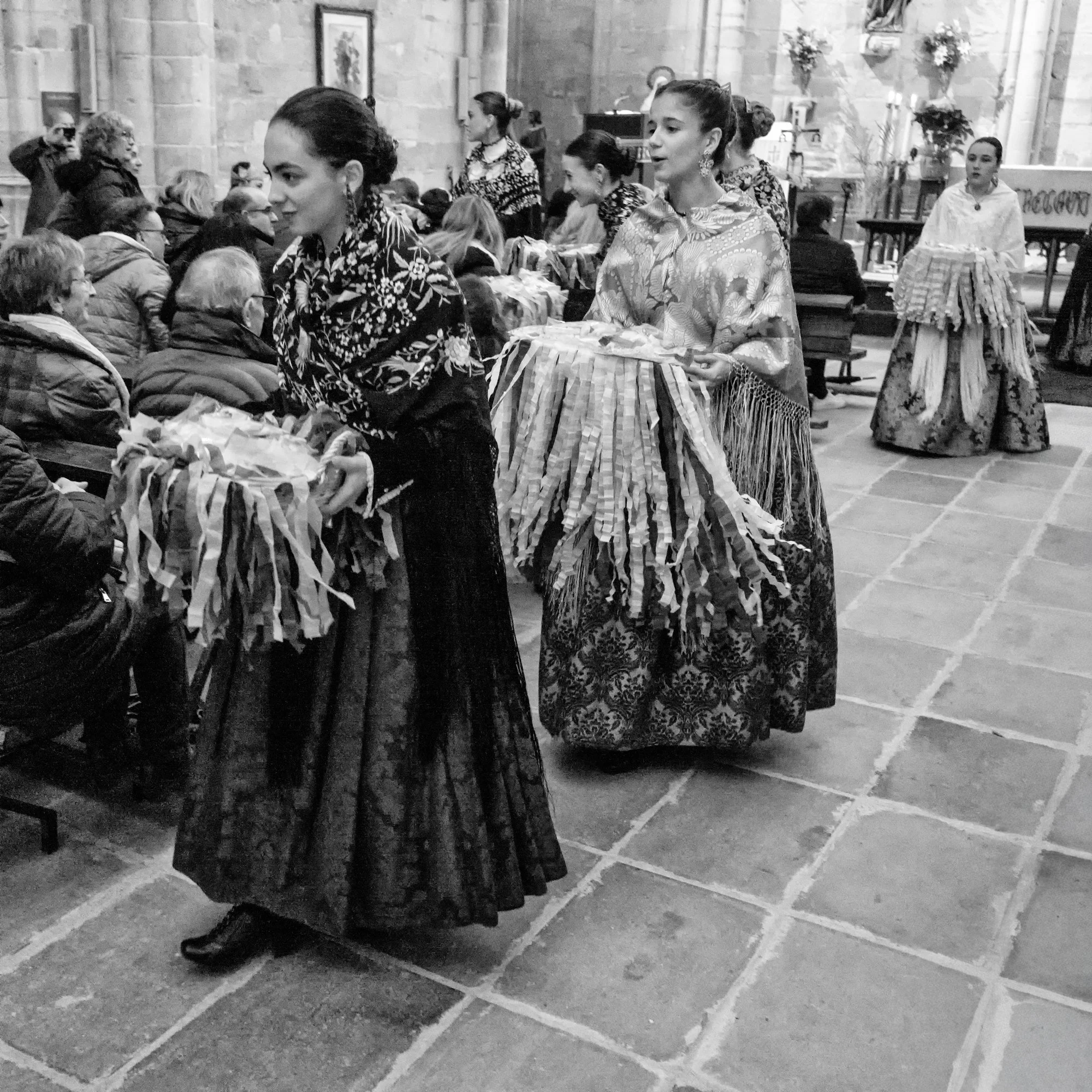
At 11:00hr in the morning, the rhythm slows. In a special mass at the church, the new kintos appear in traditional dress and receive a blessing. At the end of the service, blessed bread is shared with the congregation. Outside, on the square below, the priest continues with the blessing of the animals, honoring San Antonio Abad as the patron saint of animals and rural life.

What makes San Antón in Valderrobres so special is not just the rituals themselves, but the way the entire village carries them—by the village, for the village, passed on from generation to generation. Nothing feels staged. Everything feels lived.

For us, being allowed to witness and share in this celebration felt truly special. It was a rare glimpse into a tradition that still burns as warmly as the fire at its heart.
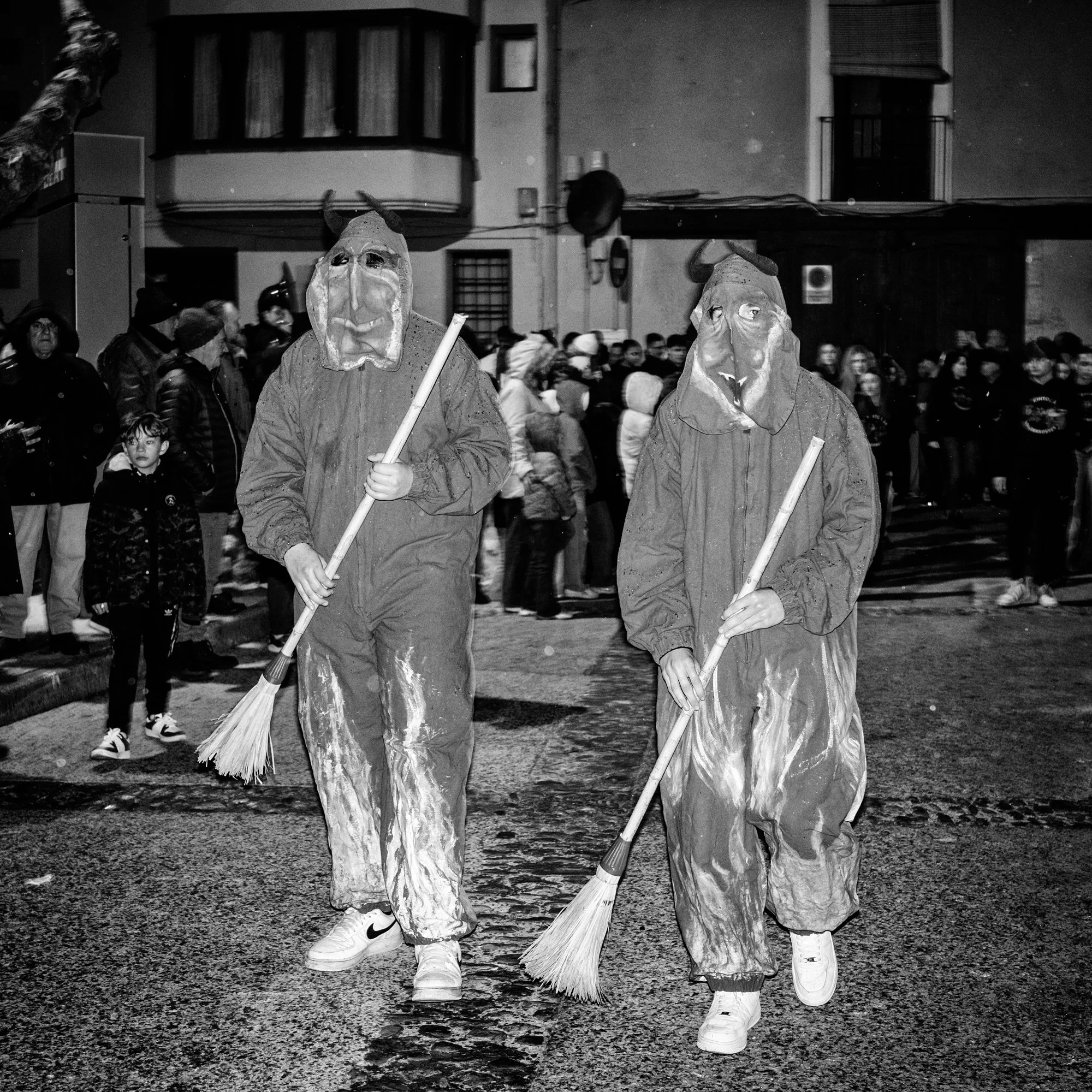
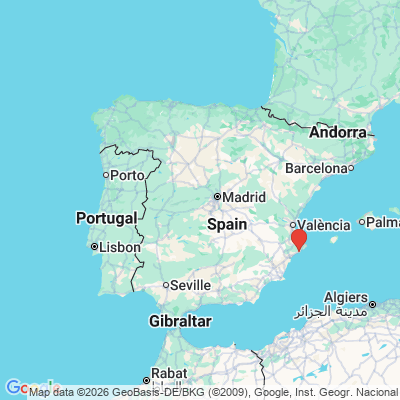
Benidorm in Winter: The Great Boulevard Parade

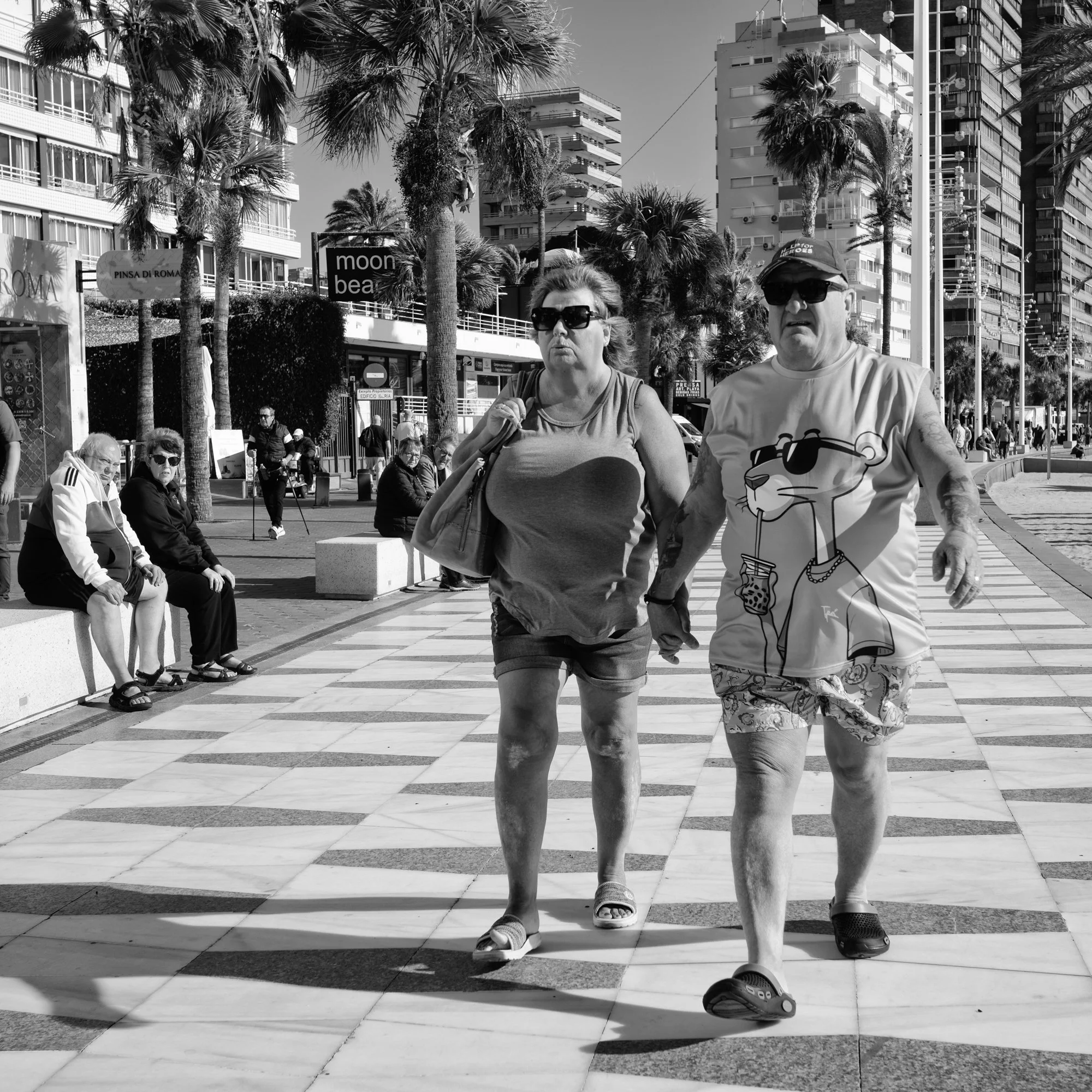
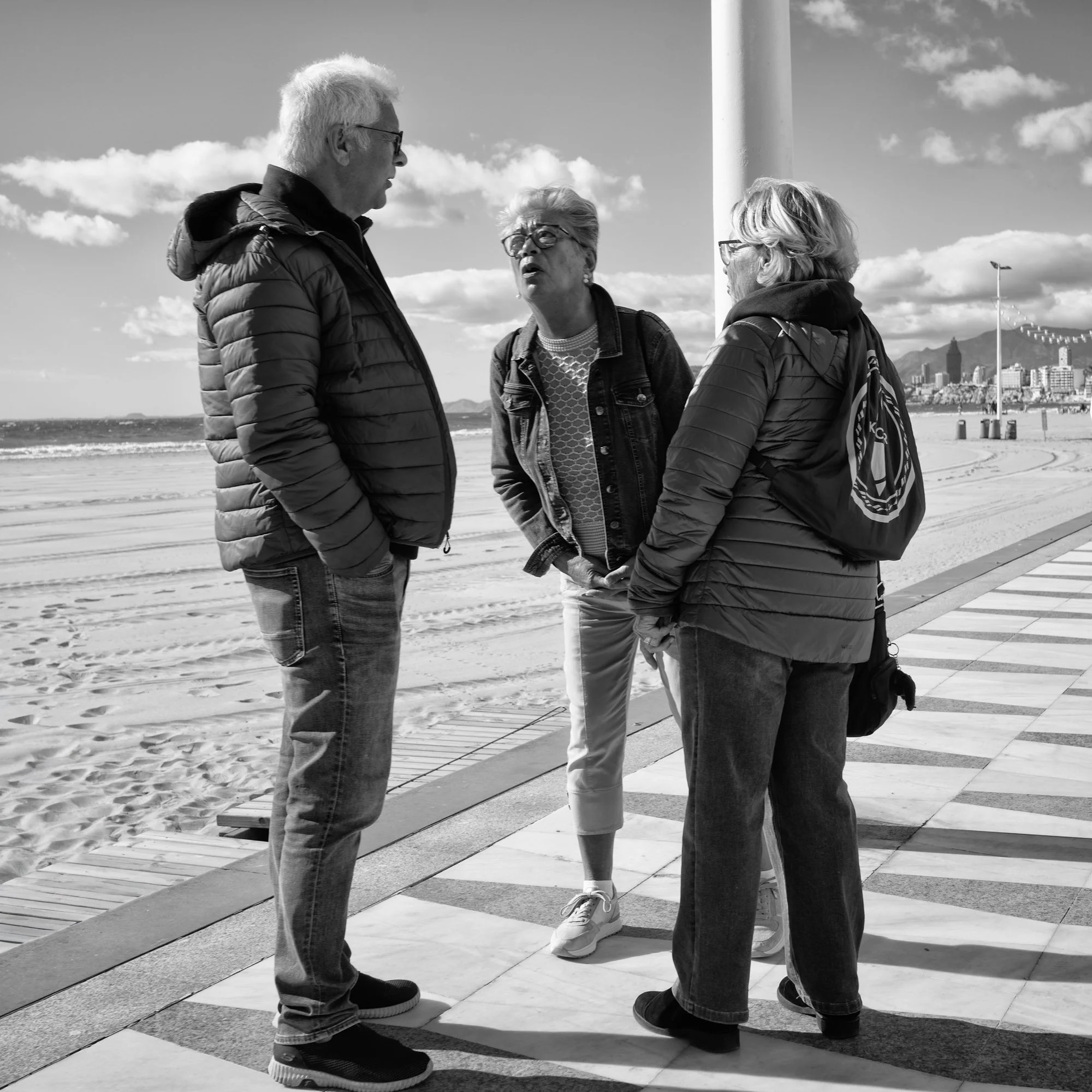
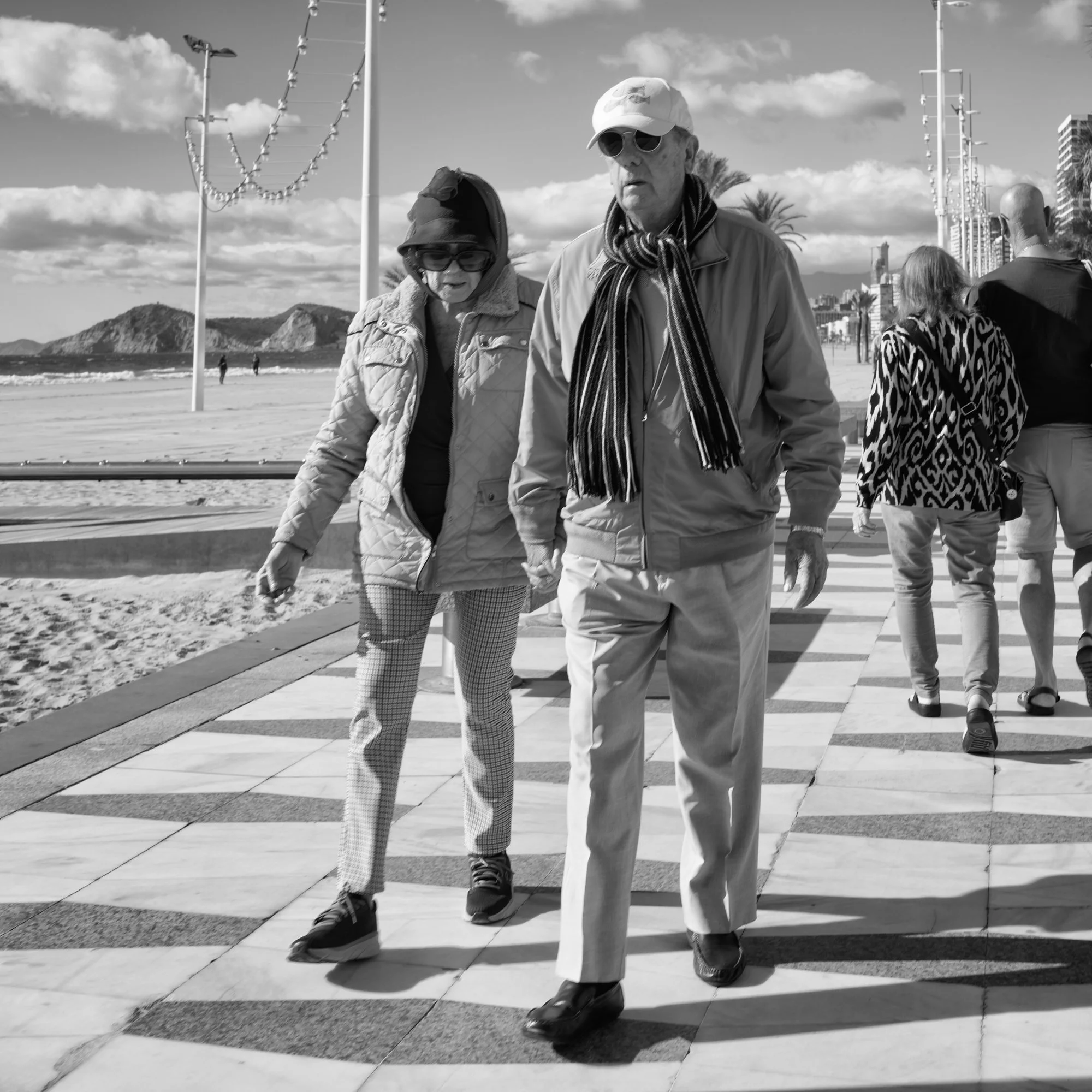
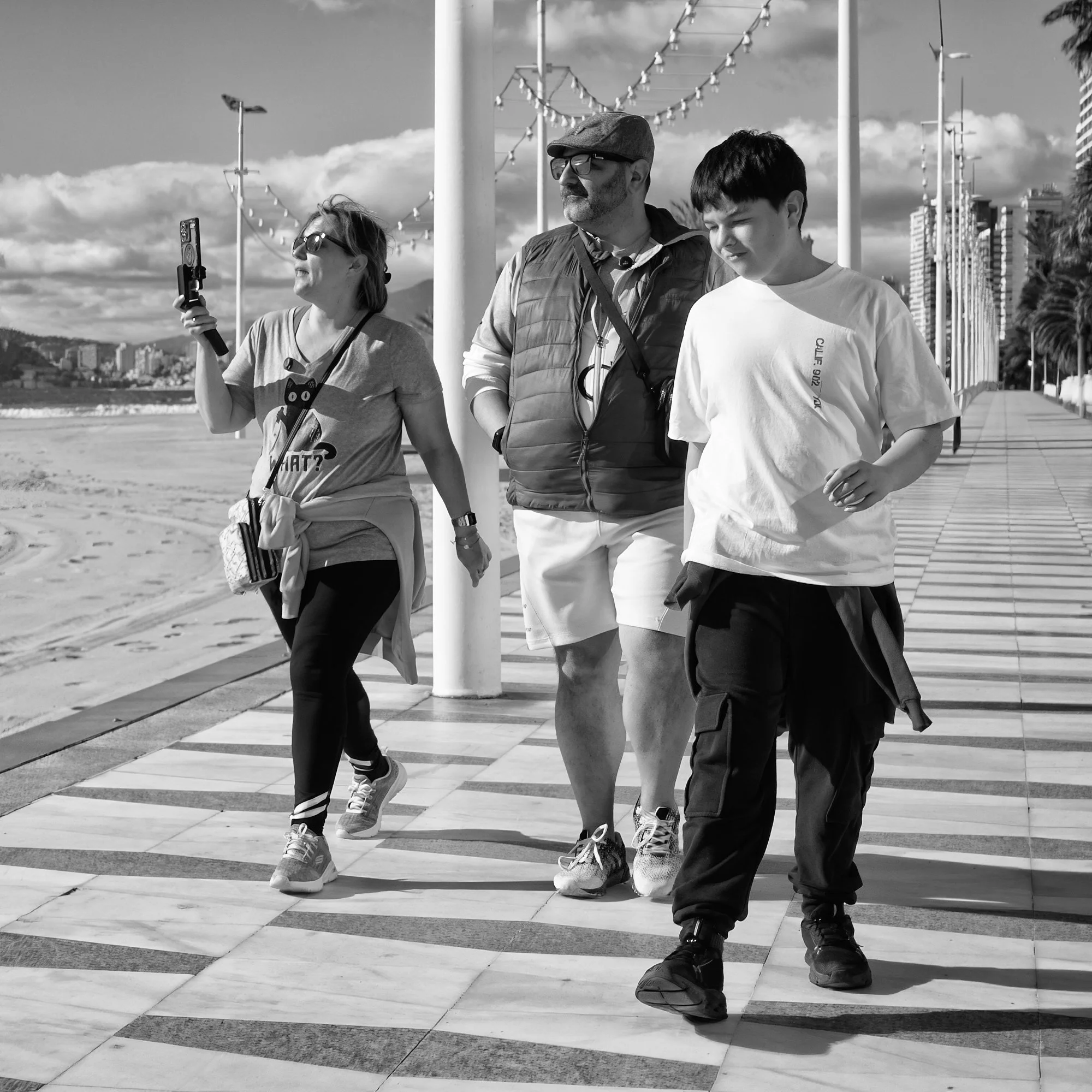
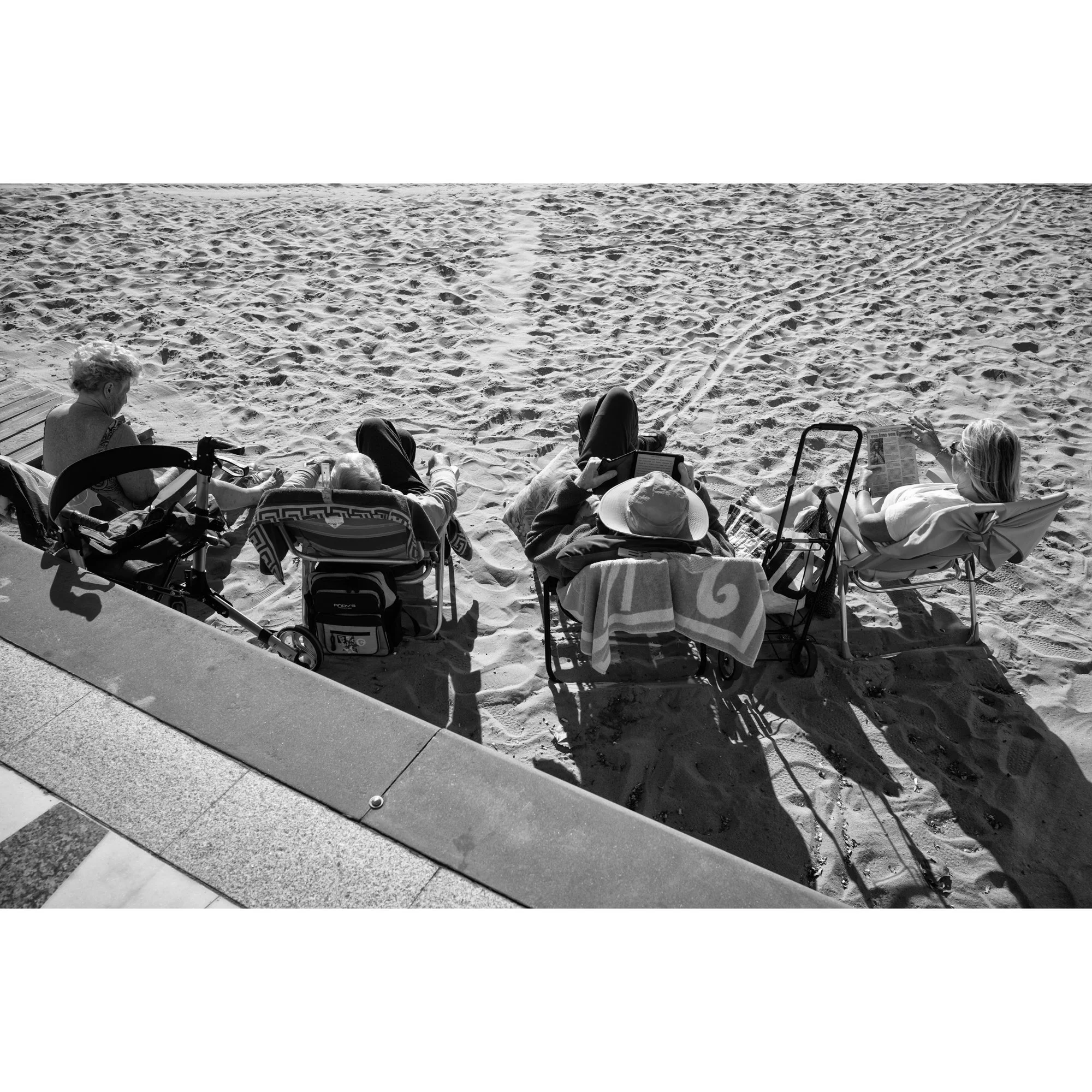
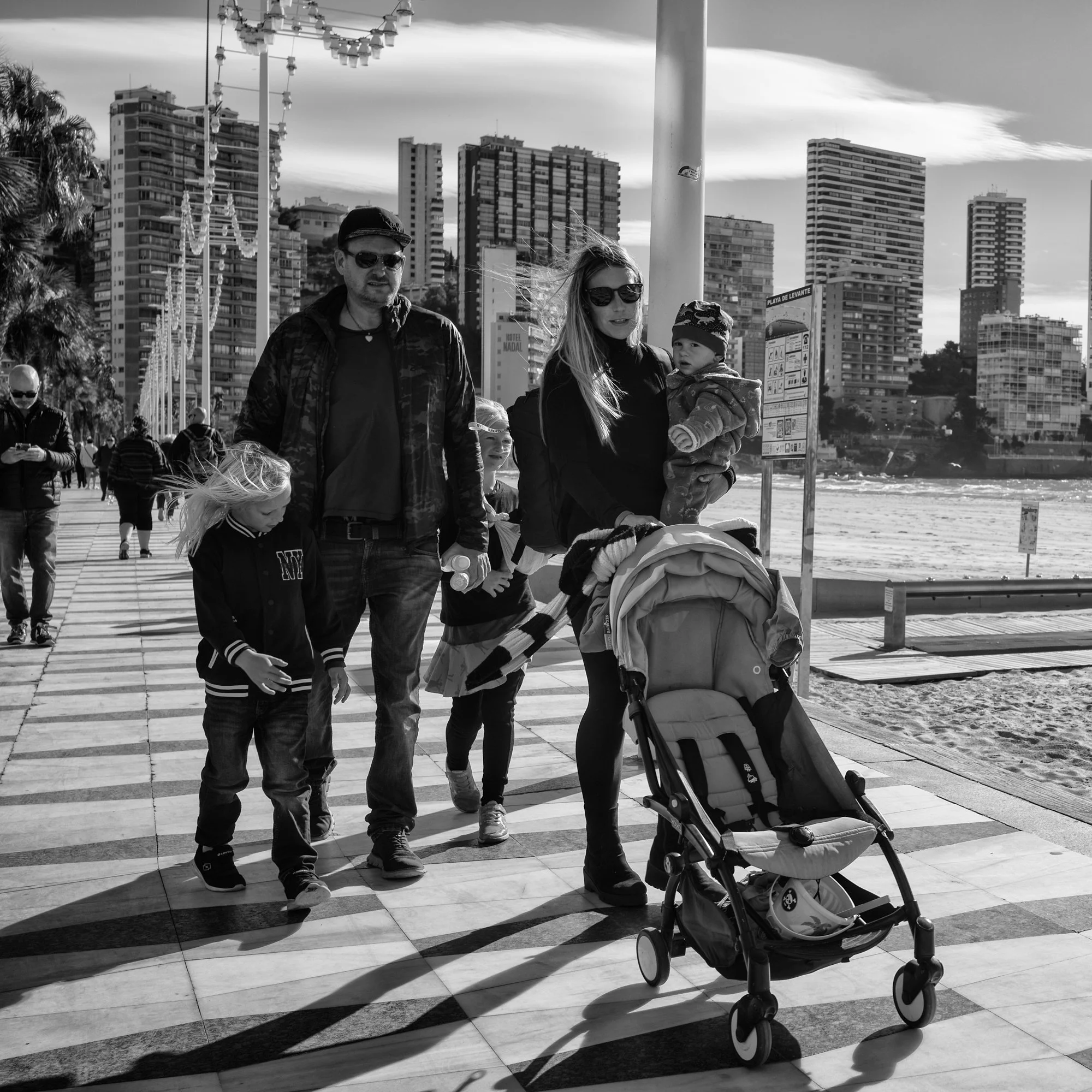
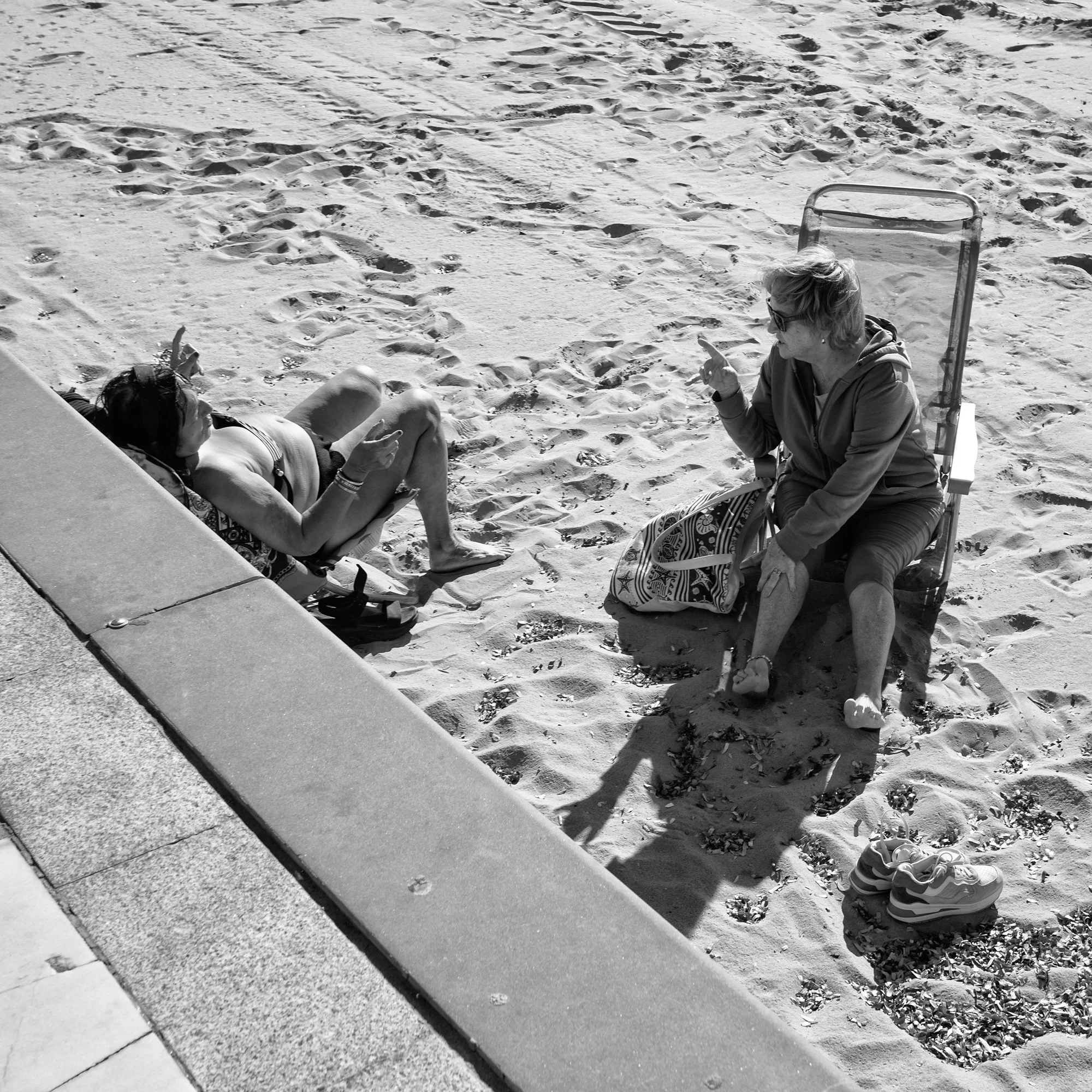
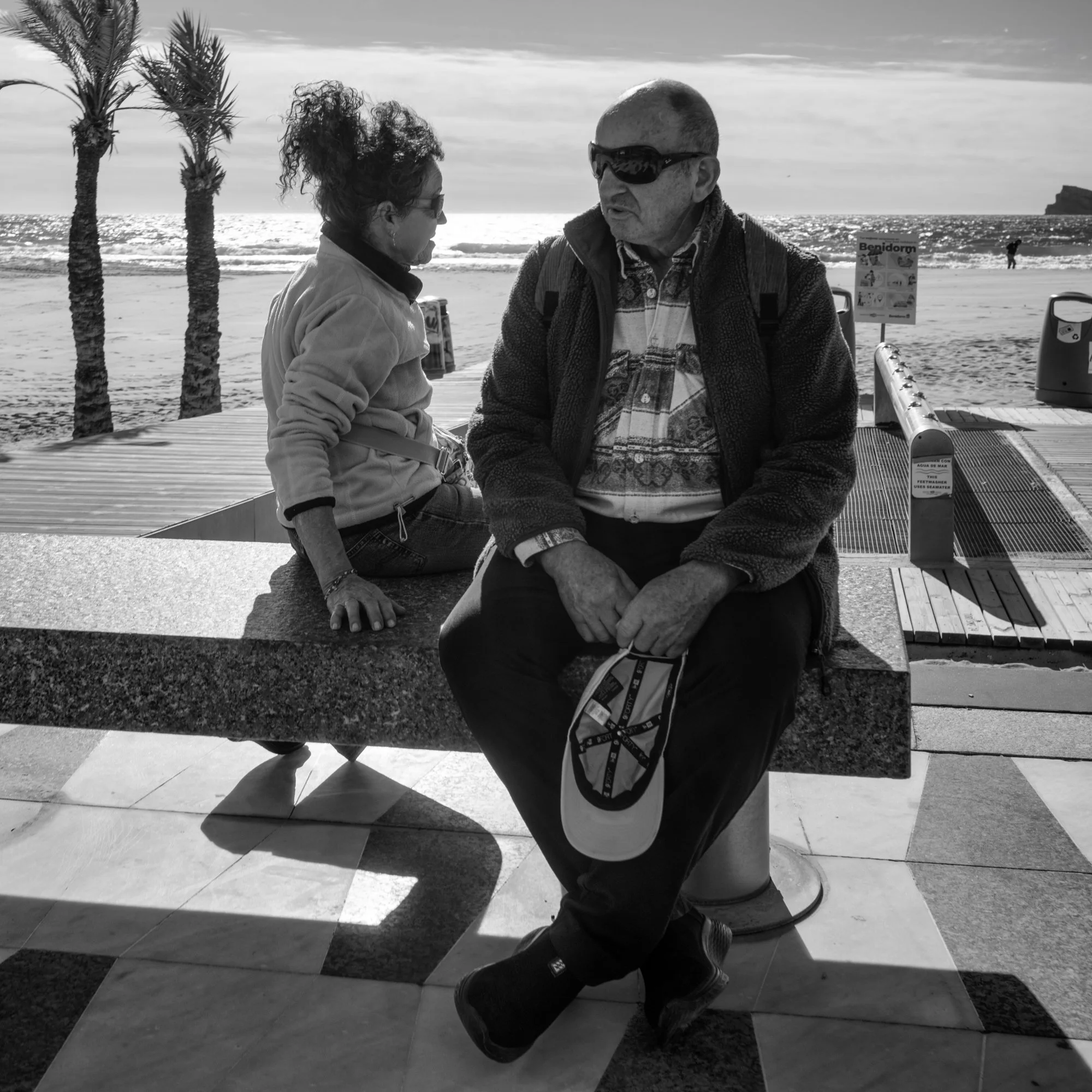
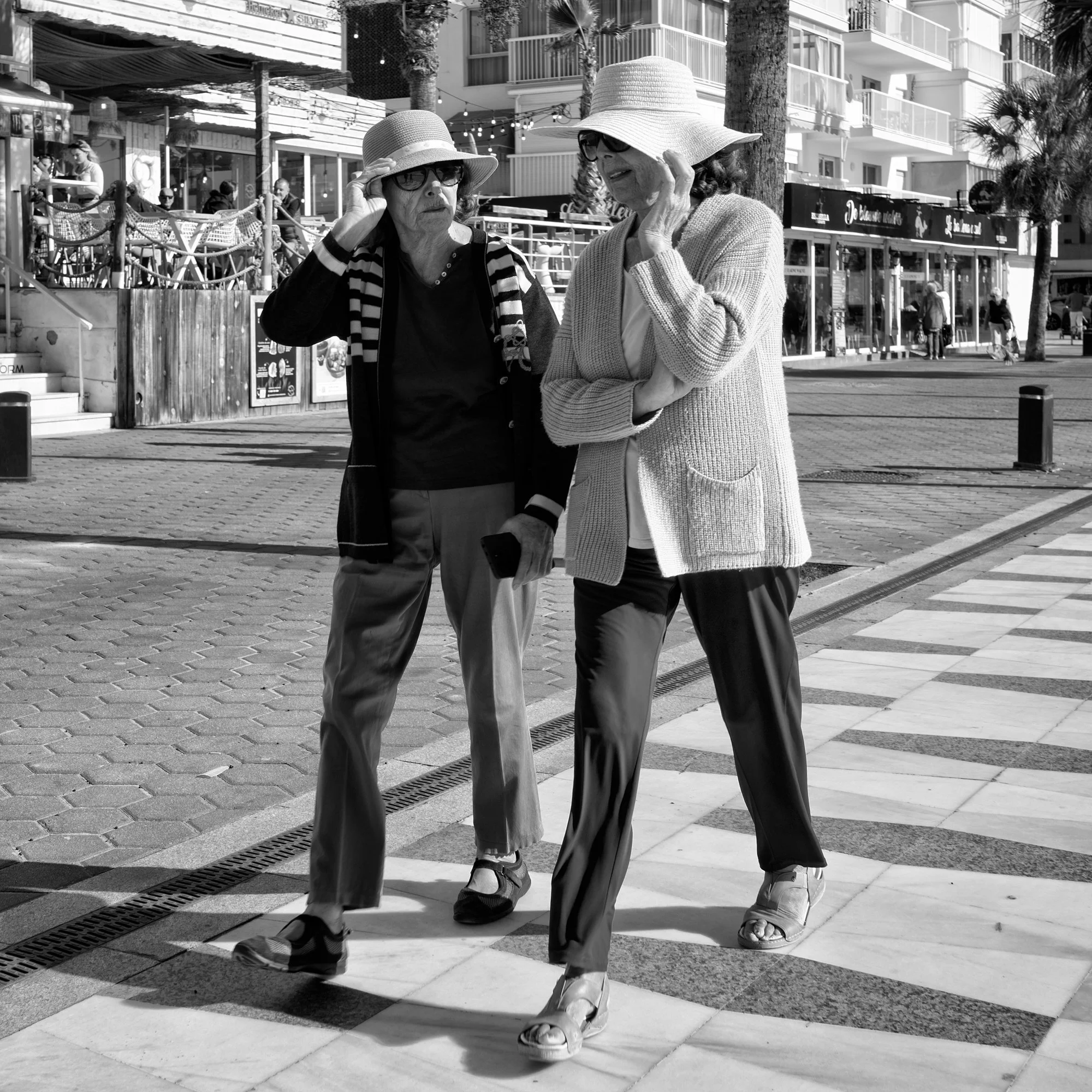
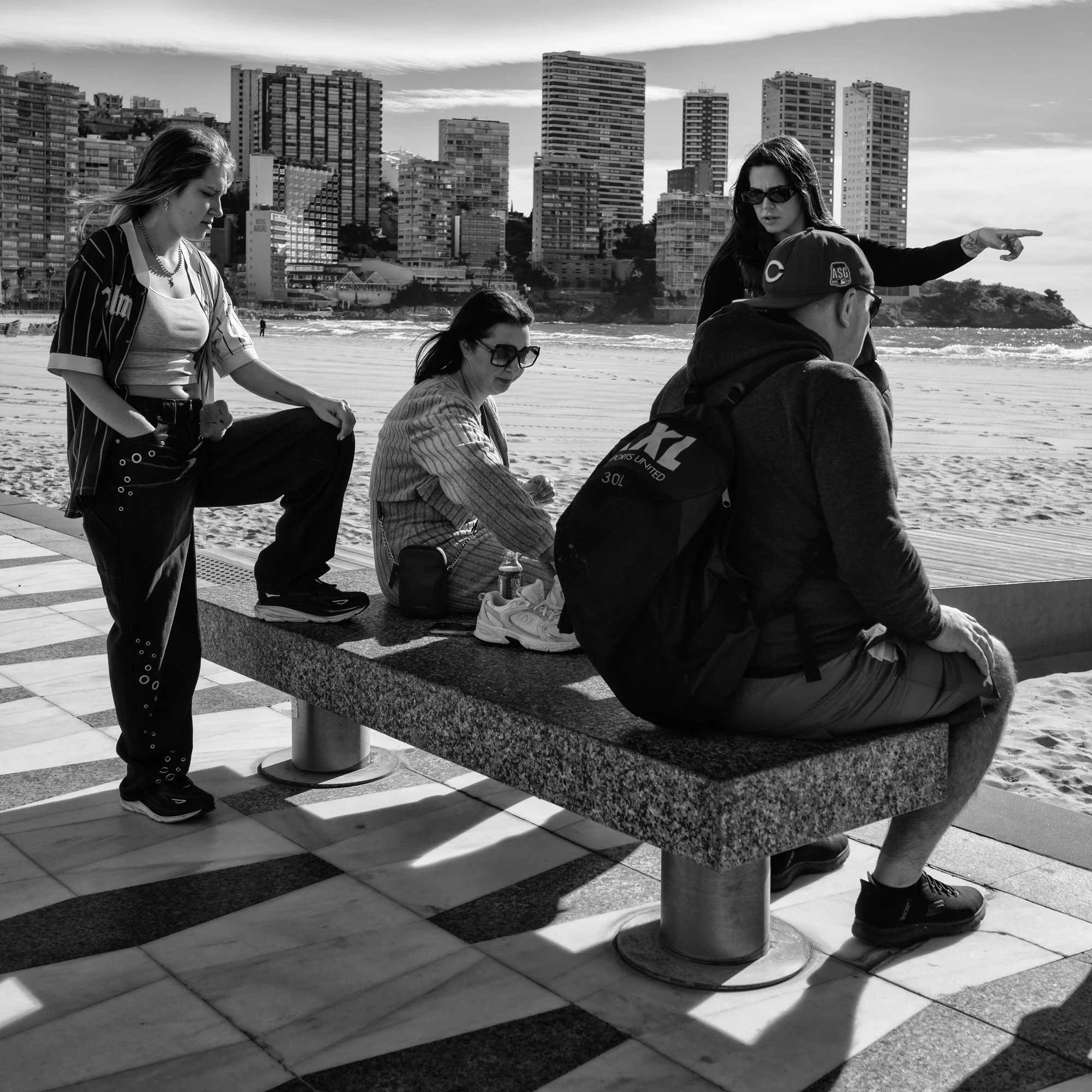
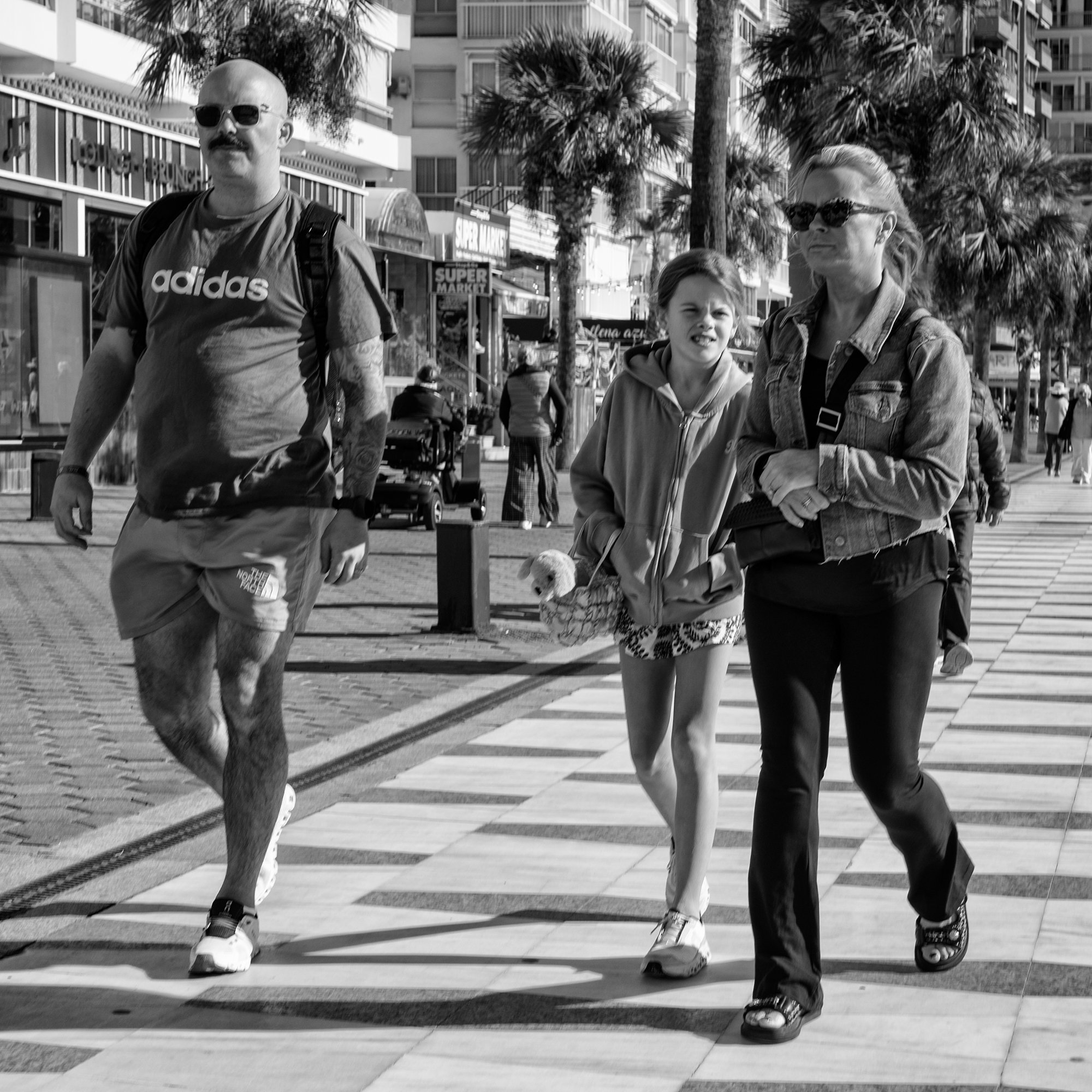
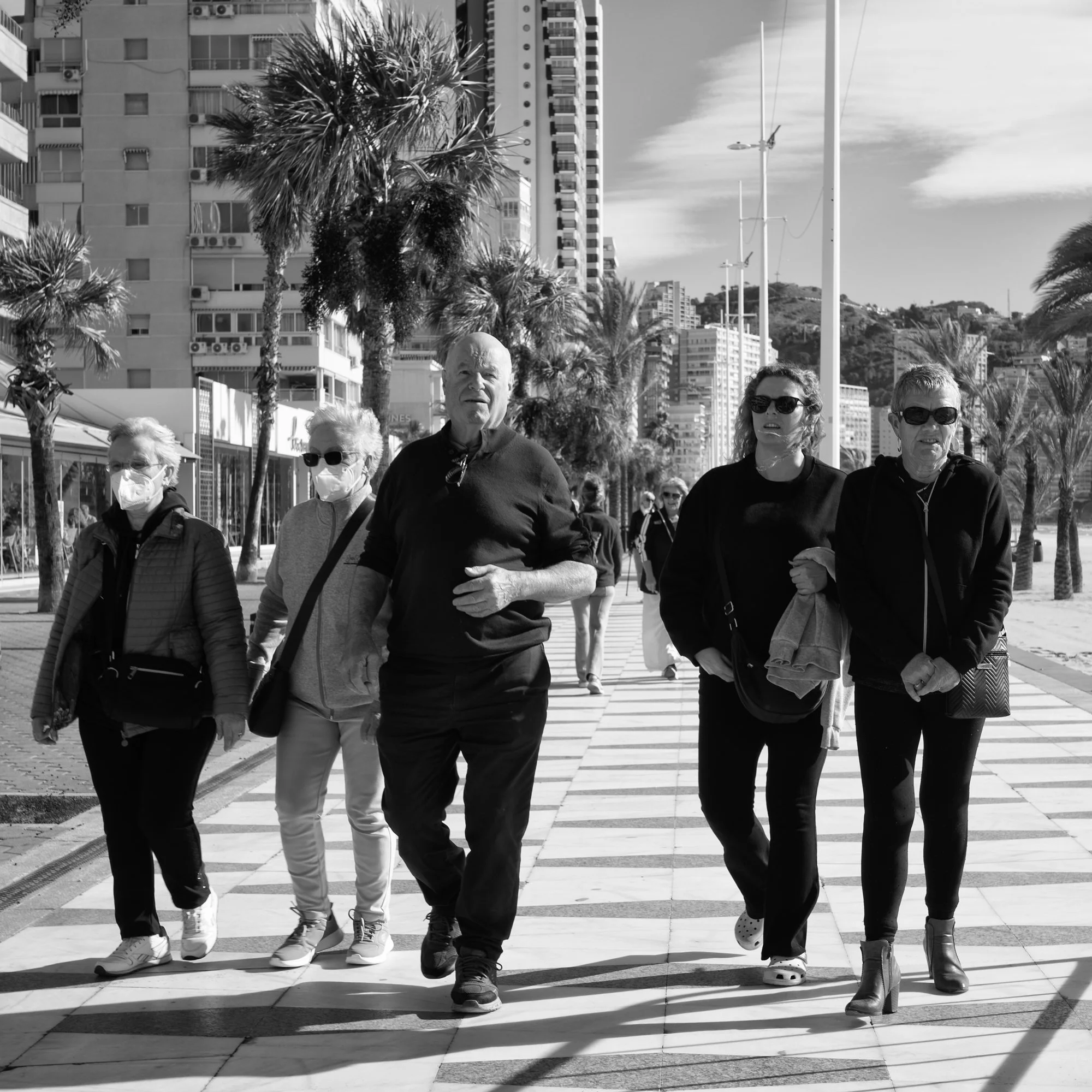
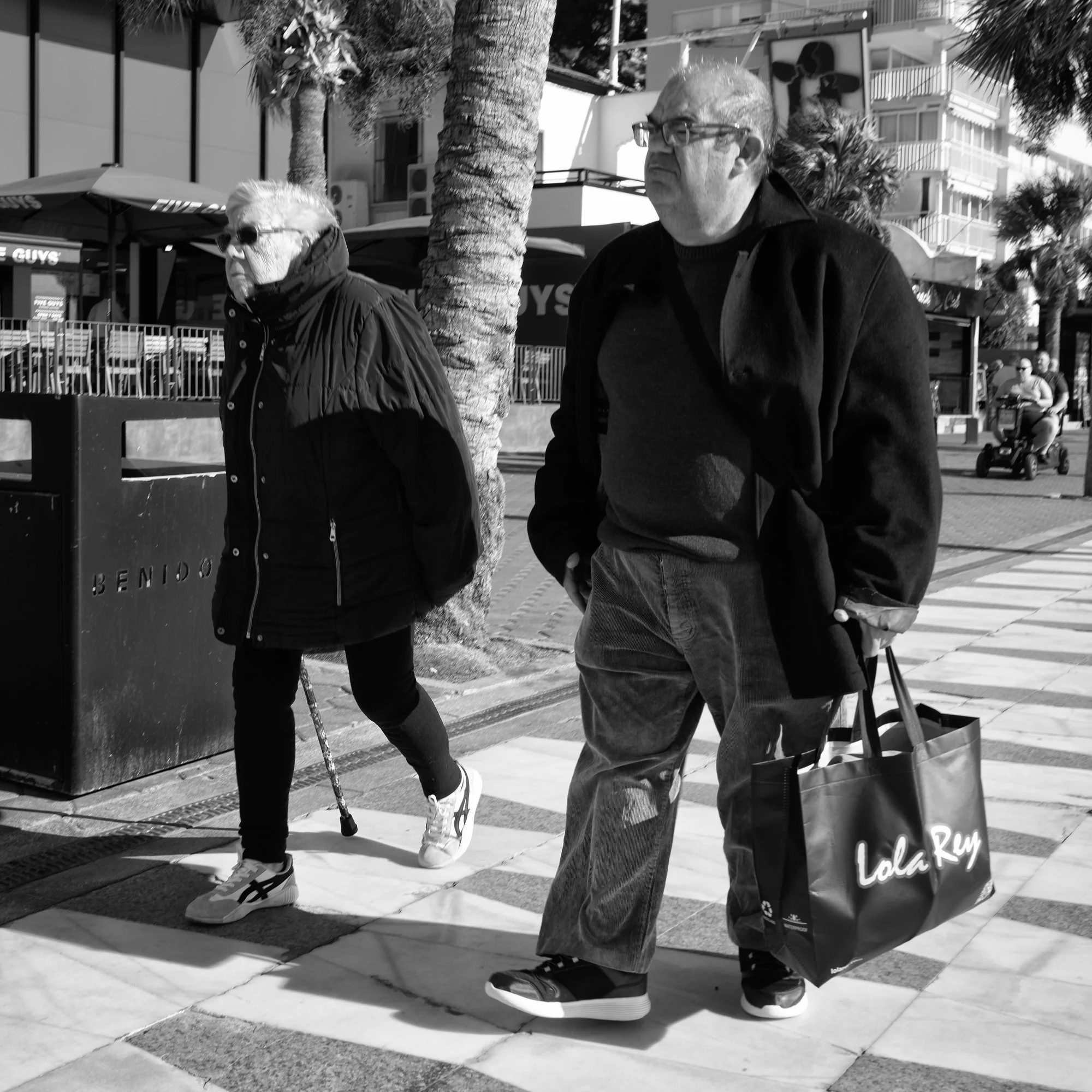
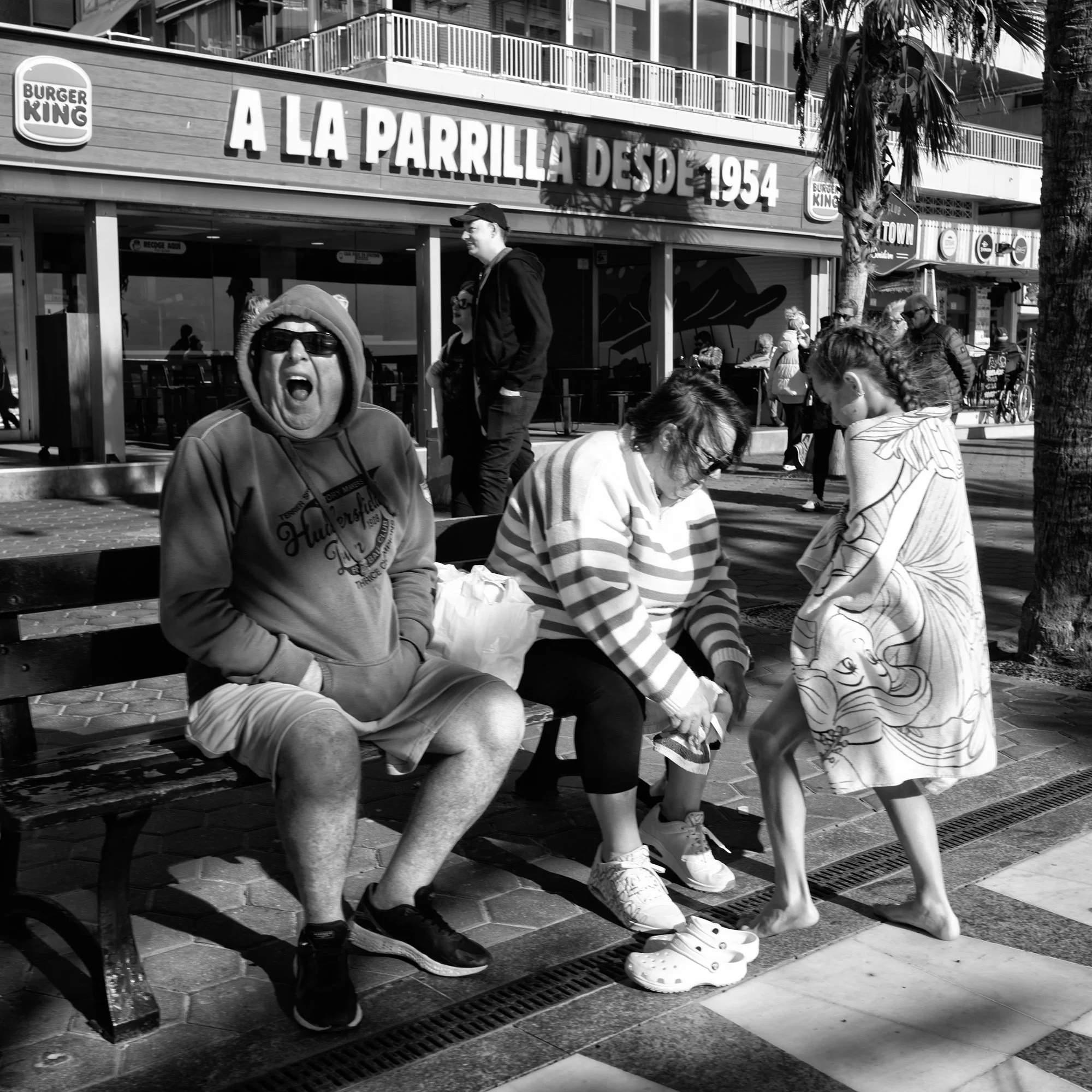
In winter, Benidorm turns into Europe’s sunniest retirement campus. While the rest of the continent pulls on scarves and curses the rain, thousands of cheerful seniors migrate south and take over the Levante boulevard like it’s their personal catwalk.

Every morning the parade begins. Trainers on, sunglasses ready, they march up and down the promenade with Olympic dedication. The route is always the same: walk, wave at familiar faces, pause for coffee, walk again — and then surrender to the irresistible pull of a sunny terrace.

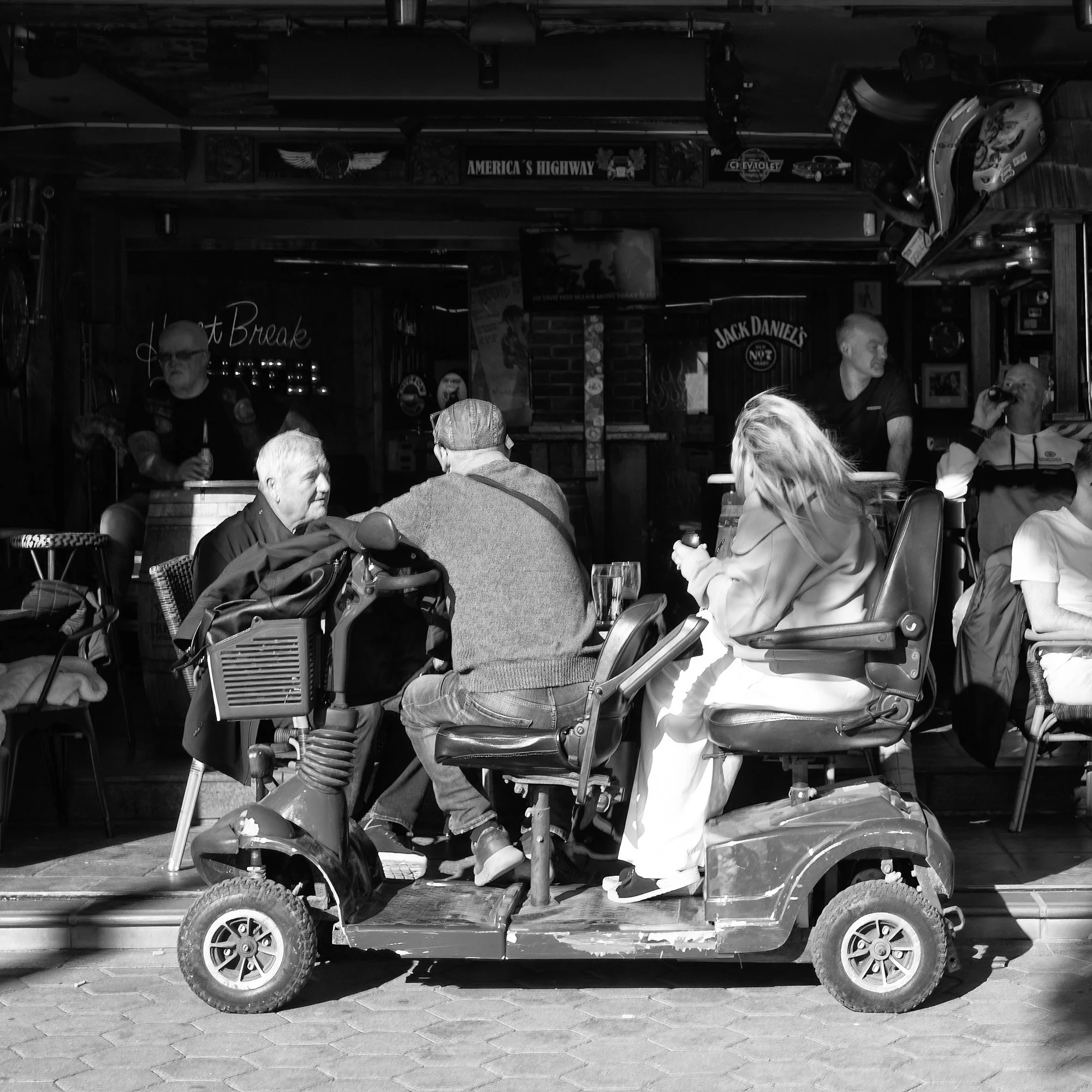
A beer becomes a wine. A wine becomes lunch. Preferably something that tastes like home: fish and chips, schnitzel, Sunday roast, or a heroic full English Breakfast that would make any cardiologist nervous.

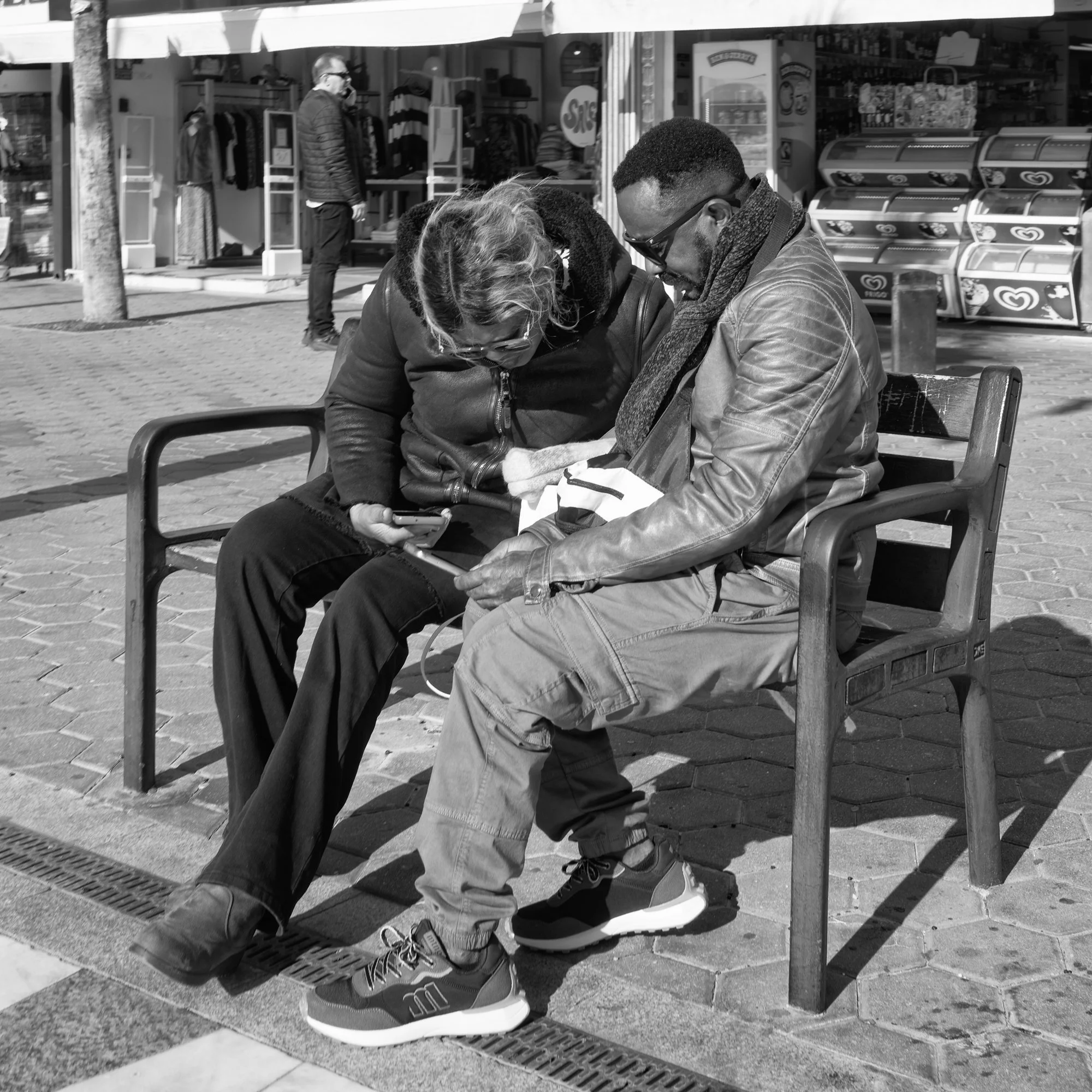
The terraces become open-air living rooms. Conversations float between football results, grandchildren, and the weather back home (“Still raining, of course”). The Mediterranean sun does the rest.

In Benidorm, winter isn’t a season. It’s a lifestyle — best enjoyed one boulevard lap and one glass of wine at a time.

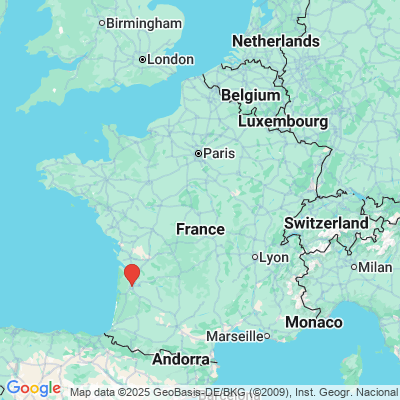
A Taste of Lisbon in Bordeaux: L’Atelier des Pastéis

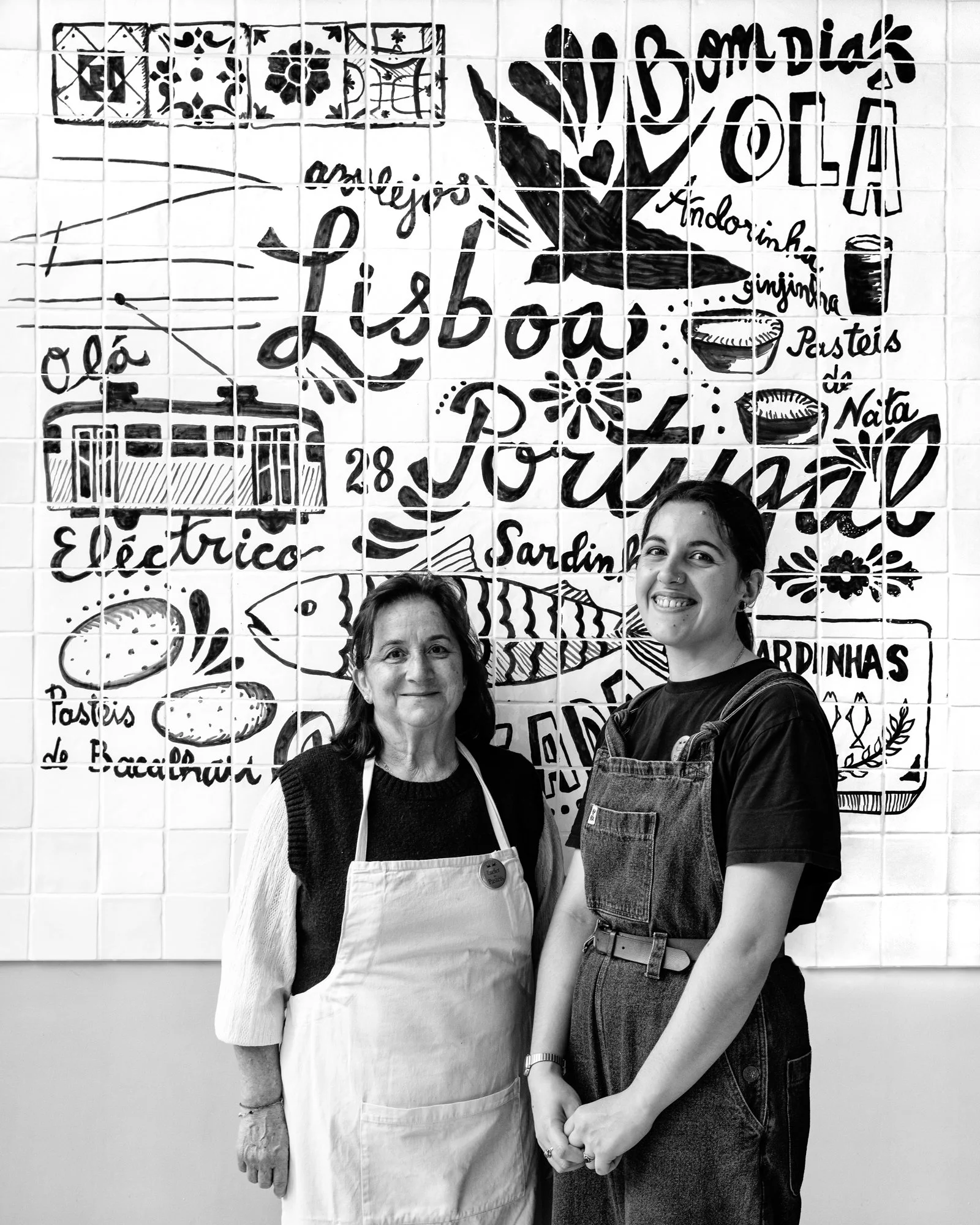
At L’Atelier des Pastéis in Bordeaux.

If you ever find yourself wandering through Bordeaux with a craving for something sweet, warm, and unmistakably Portuguese, step inside L’Atelier des Pastéis. This charming, family-run pastelaria has mastered one thing to near perfection: the iconic Pastel de Nata. And they bake them the way they should be baked — fresh, on site, all day long.

Why this little shop stands out

Freshly baked, all day
The pastéis are made and baked right in the shop, not frozen, not outsourced. The result? Flaky, buttery crusts that crack just right, and a velvety custard filling with that irresistible hint of caramelized sweetness.

A cosy slice of Portugal
The moment you walk in, you’re greeted by a warm, Lissabon-inspired interior. Soft colours, contemporary azulejo-style artwork, subtle Portuguese touches — it feels like a tiny café hidden somewhere in Belém.

Genuine hospitality
Reviewers consistently mention the kindness and warmth of the team. Whether you drop by for a takeaway treat or sit down with a coffee, you’re welcomed like a regular.

Affordable indulgence
A single pastel costs just a few euros, and multi-packs make it even more tempting to bring some home.

Our take — absolutely worth the stop

The pastéis we tasted were everything they should be: crisp on the outside, smooth and creamy inside, and still warm from the oven. It’s the sort of simple, perfect treat that brightens your day instantly.

If you’re visiting Bordeaux and want a quick edible escape to Lisbon, L’Atelier des Pastéis is a must-visit. Delicious, authentic, and full of heart — exactly what a pastelaria should be.

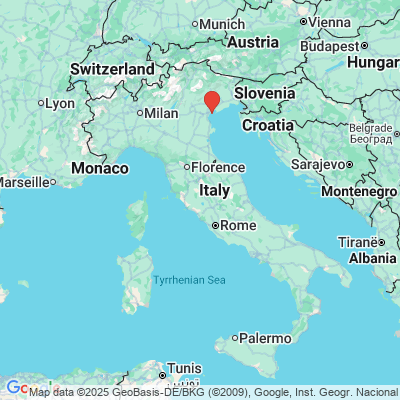
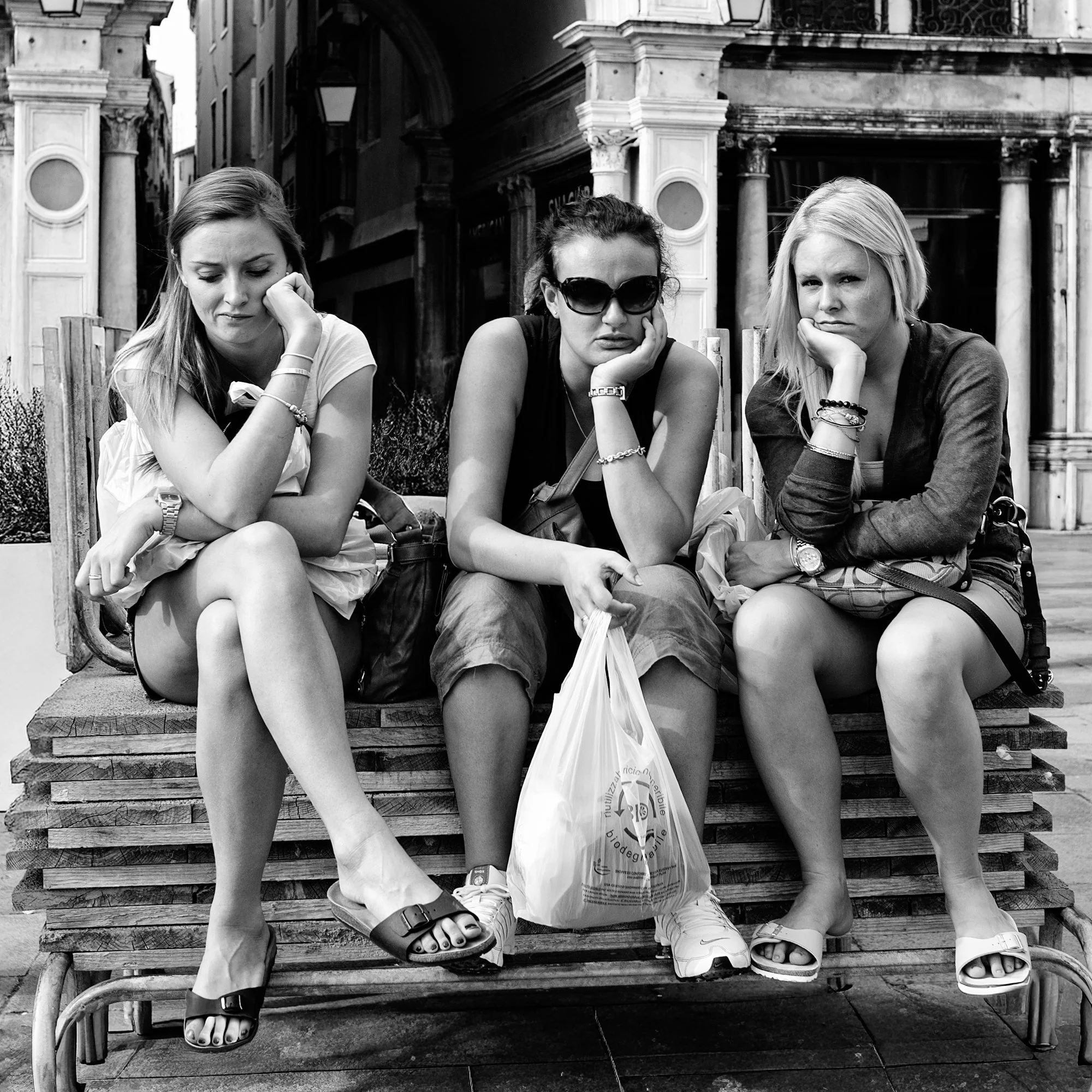
The Venice Art Biennale – Where the World Comes to Imagine

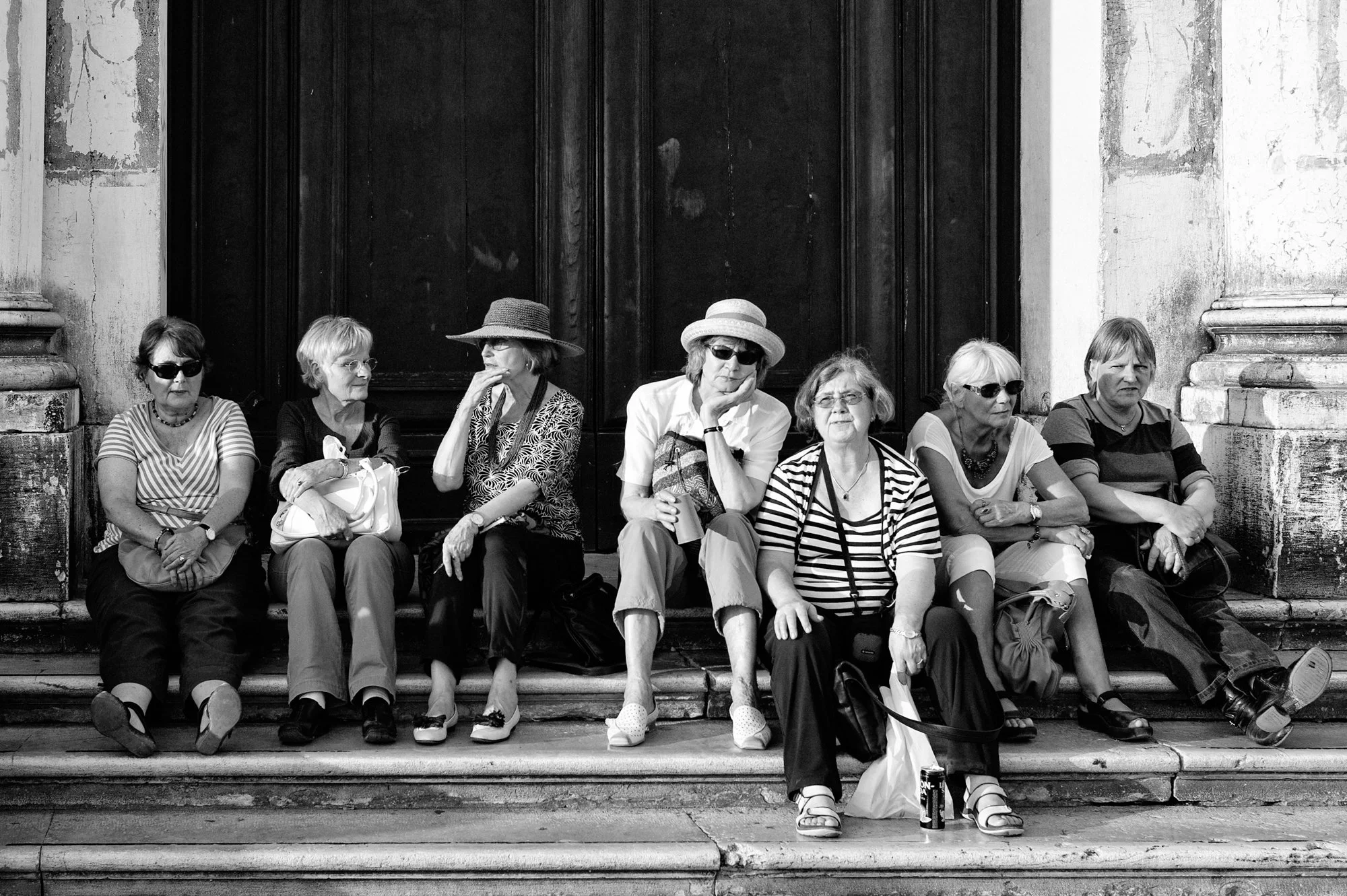
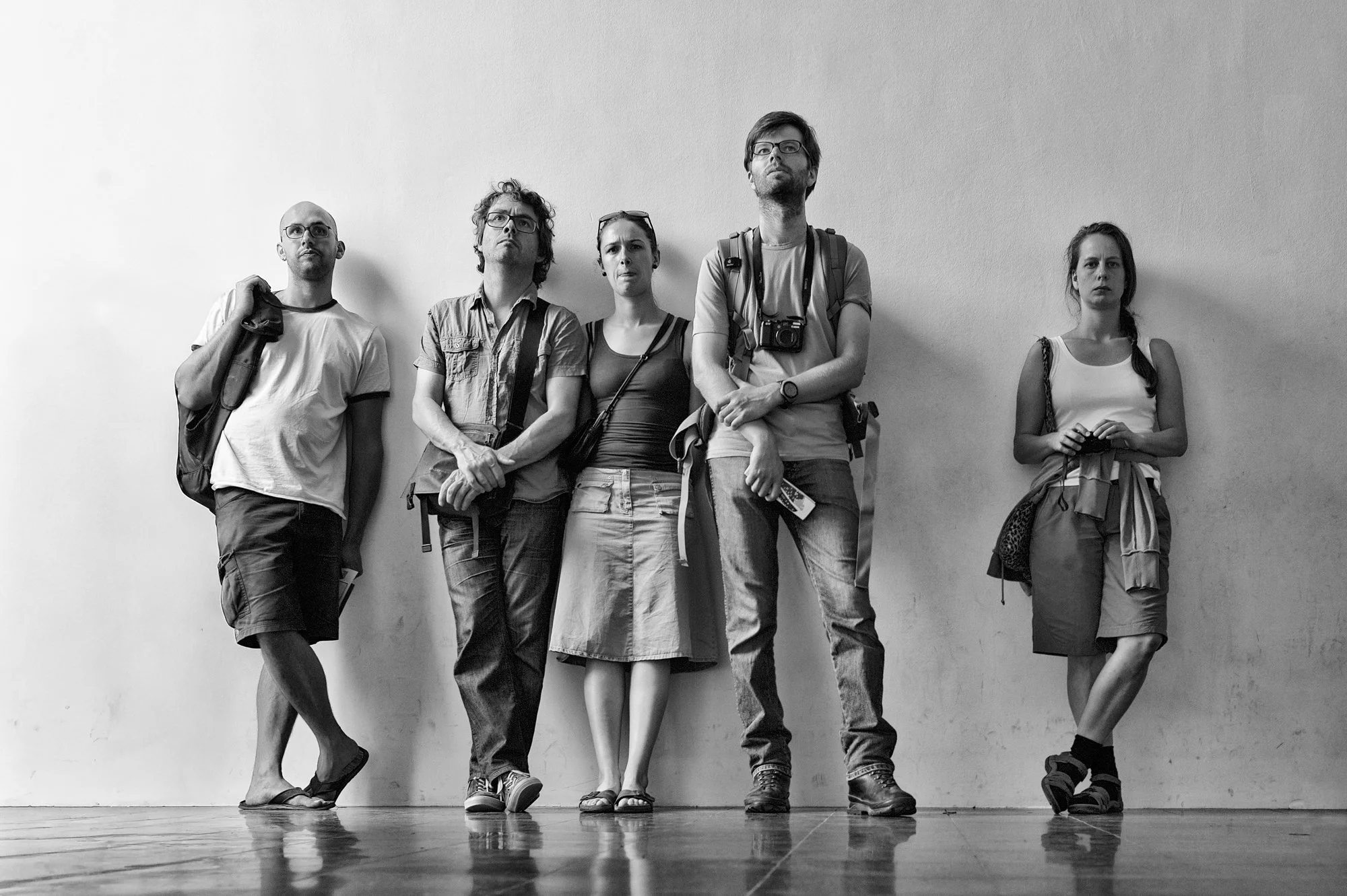
Visitors of the Venice Art Biennale of 2011.

Every other years, Venice transforms into a living map of contemporary art. The Biennale, founded in 1895, stretches across the city — from the historic pavilions of the Giardini to the vast halls of the Arsenale and countless palazzi scattered along its canals. It’s not a single exhibition but a city-wide conversation, where artists, curators, and visitors explore what art can still say about the world.

Each edition has its own theme, but the real magic lies in the contrasts: quiet installations beside theatrical spectacles, digital dreams across from centuries-old frescoes. National pavilions show pride, politics, and poetry side by side. Venice itself, half sinking and half eternal, adds its own commentary — a reminder that beauty and fragility often walk together.

The Biennale isn’t about answers. It’s about curiosity — about stepping into rooms that challenge, delight, or disturb, and leaving with more questions than before. In a city built on reflections, that seems perfectly fitting.

The Ferry at Coria del Río (Spain)

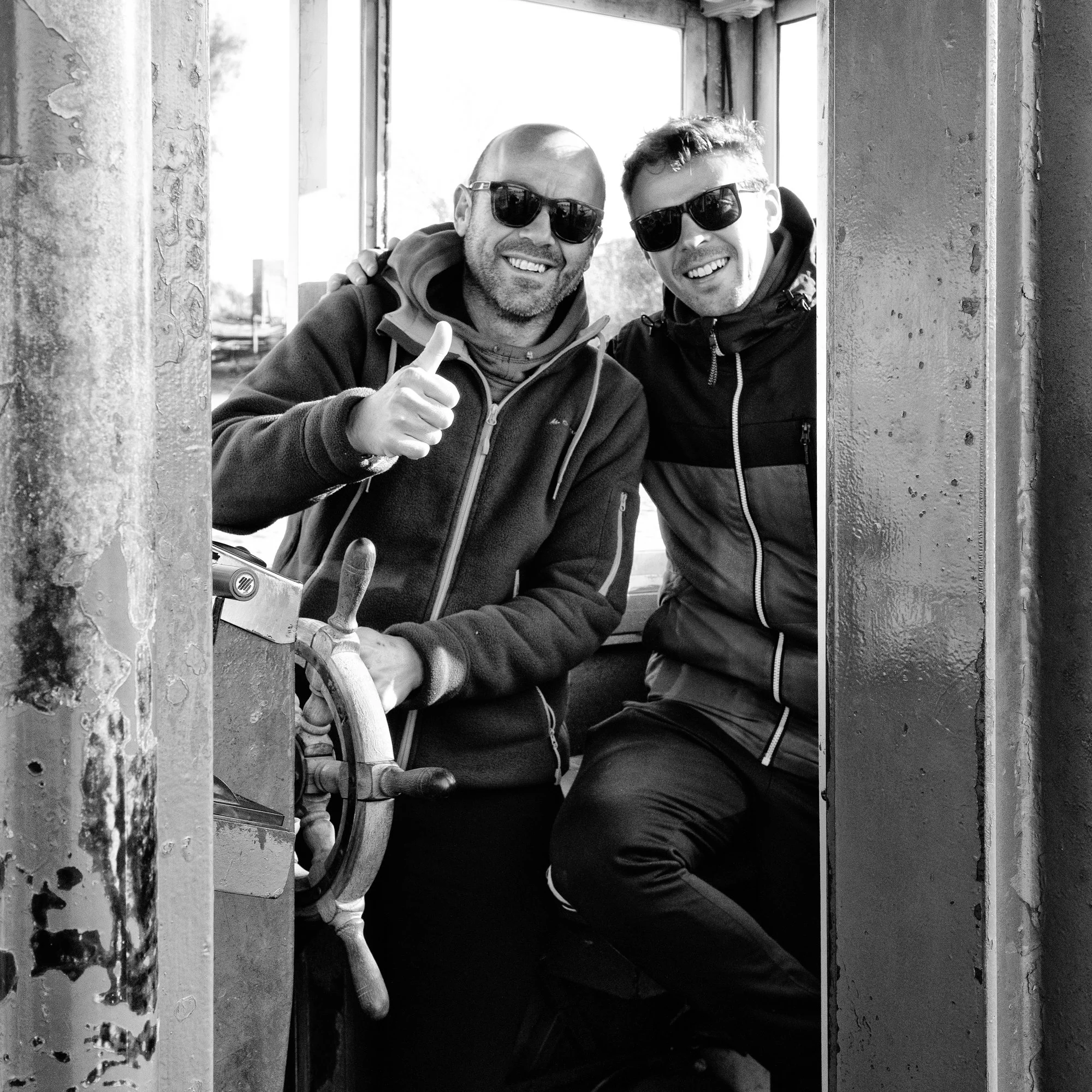
The ferrymen of the ferry over the Guadalquivir.

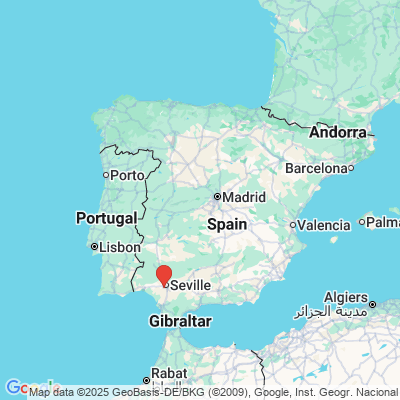
Downstream from Seville, at Coria del Río, the Guadalquivir widens and slows. Here, a small ferry still crosses the water — two men, a handful of cars, and the quiet rhythm of a river that has seen empires come and go.

The ferrymen move with practiced grace: one guides the rudder, the other collects the money. No hurry, no noise — just the hum of the engine and the slap of water against steel. In a world of speed and schedules, their crossing feels like a pause in time — a reminder that not every journey needs a bridge.
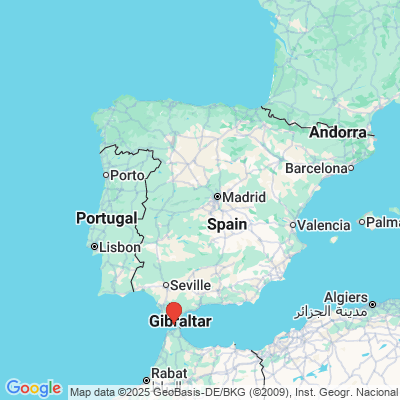
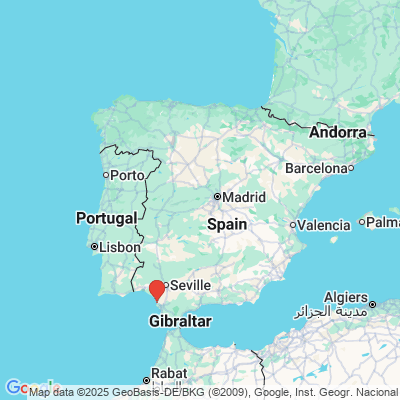
A December Weekend That Felt Like Summer in Tarifa (Spain)

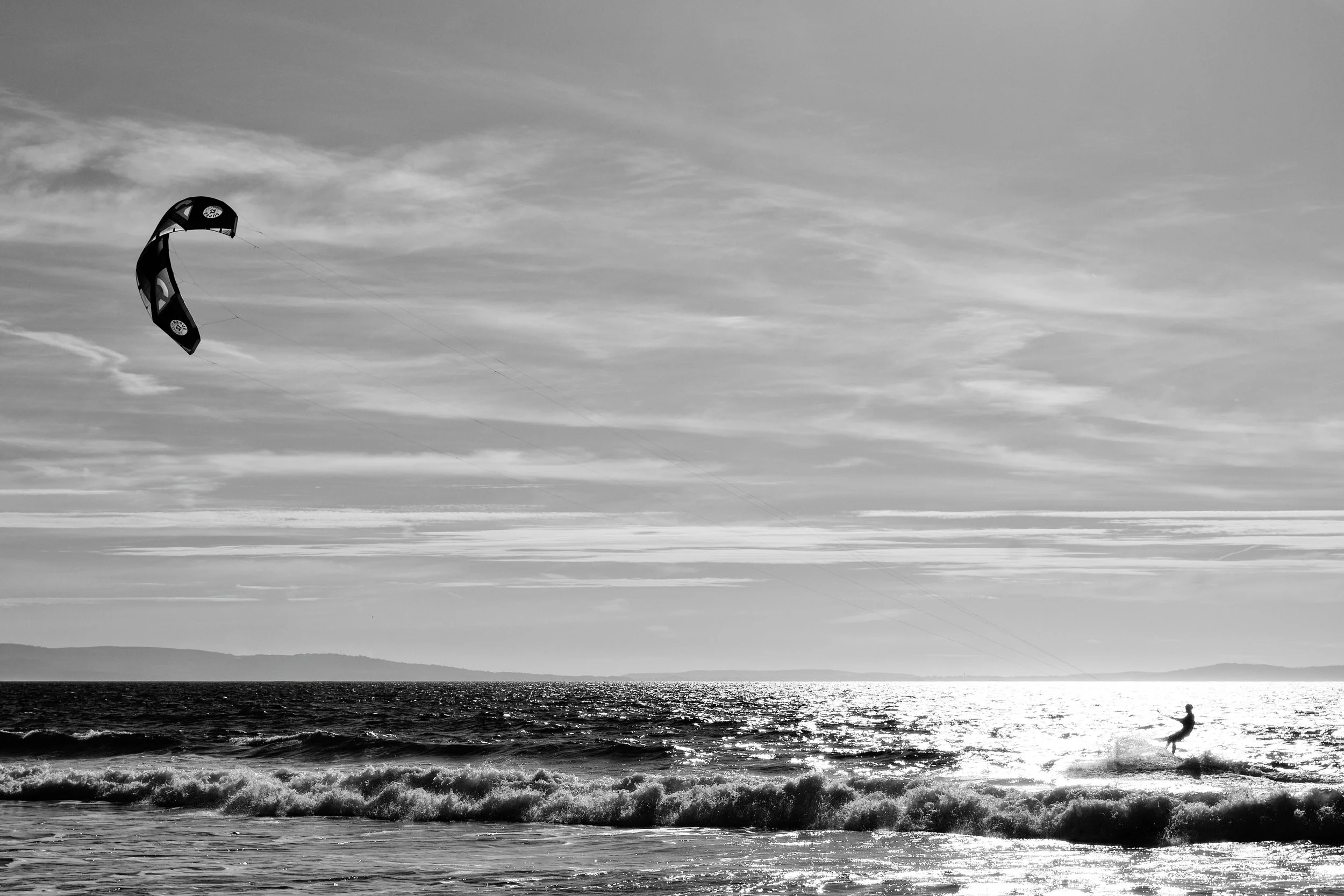
A kite-surfer on the Atlantic Ocean, Tarifa (Spain).

There are days in Tarifa when the calendar simply gives up and stops insisting it’s winter. This weekend was one of them. The sun stretched wide over the beach, and the whole town seemed to drift lazily along the boulevard.

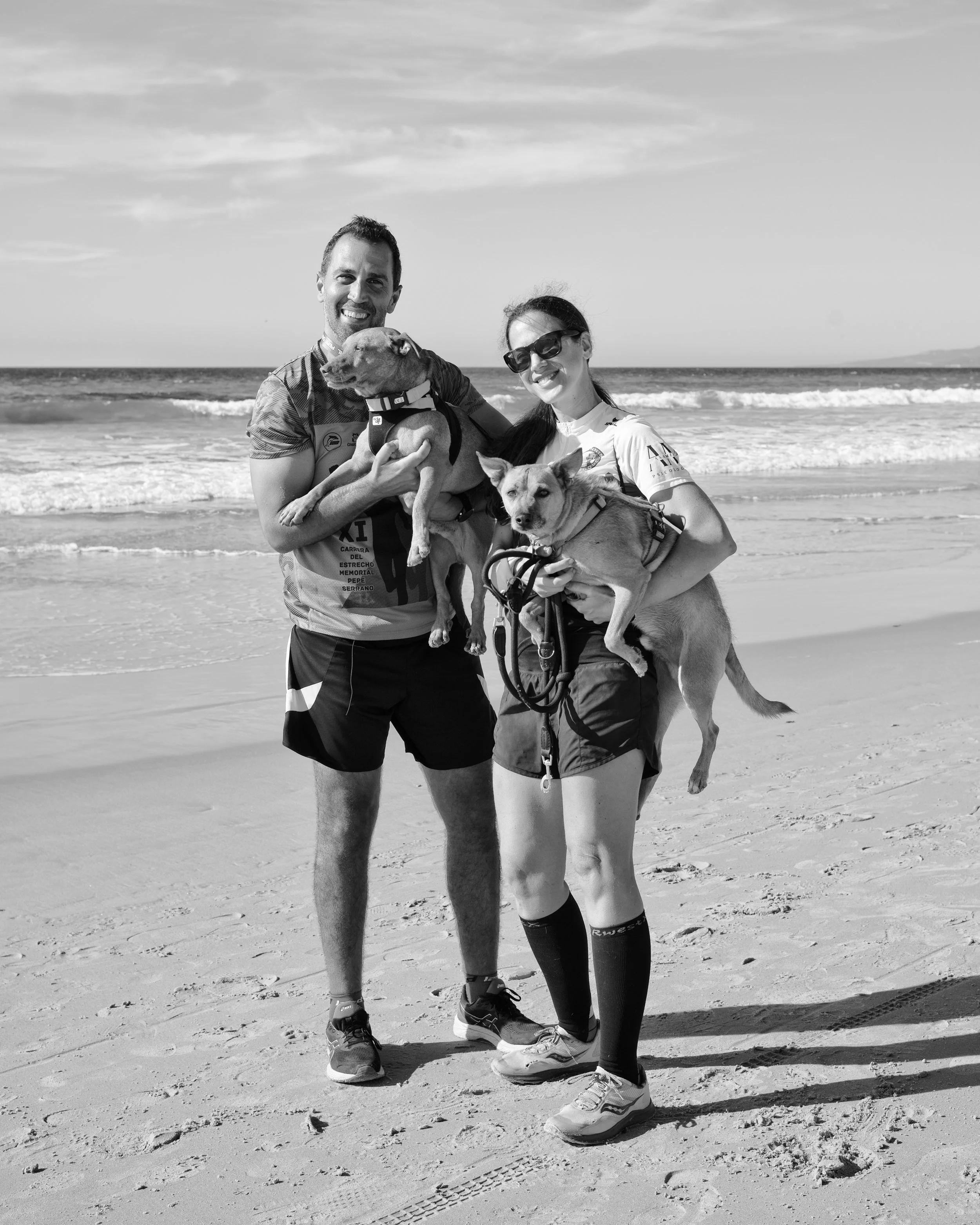
The first to claim the sand were the dogs—joyful, unstoppable, deliriously happy creatures. They chased each other in wild loops and invented elaborate games whose rules only they understood. Their owners could hardly keep up; the dogs were having the time of their lives.

Everyone walked with a little more lift in their step. Maybe it was the warmth, maybe the light, maybe the simple pleasure of having nowhere else to be. Conversations floated by—Spanish, French, German, English—woven together by the rhythm of the waves.

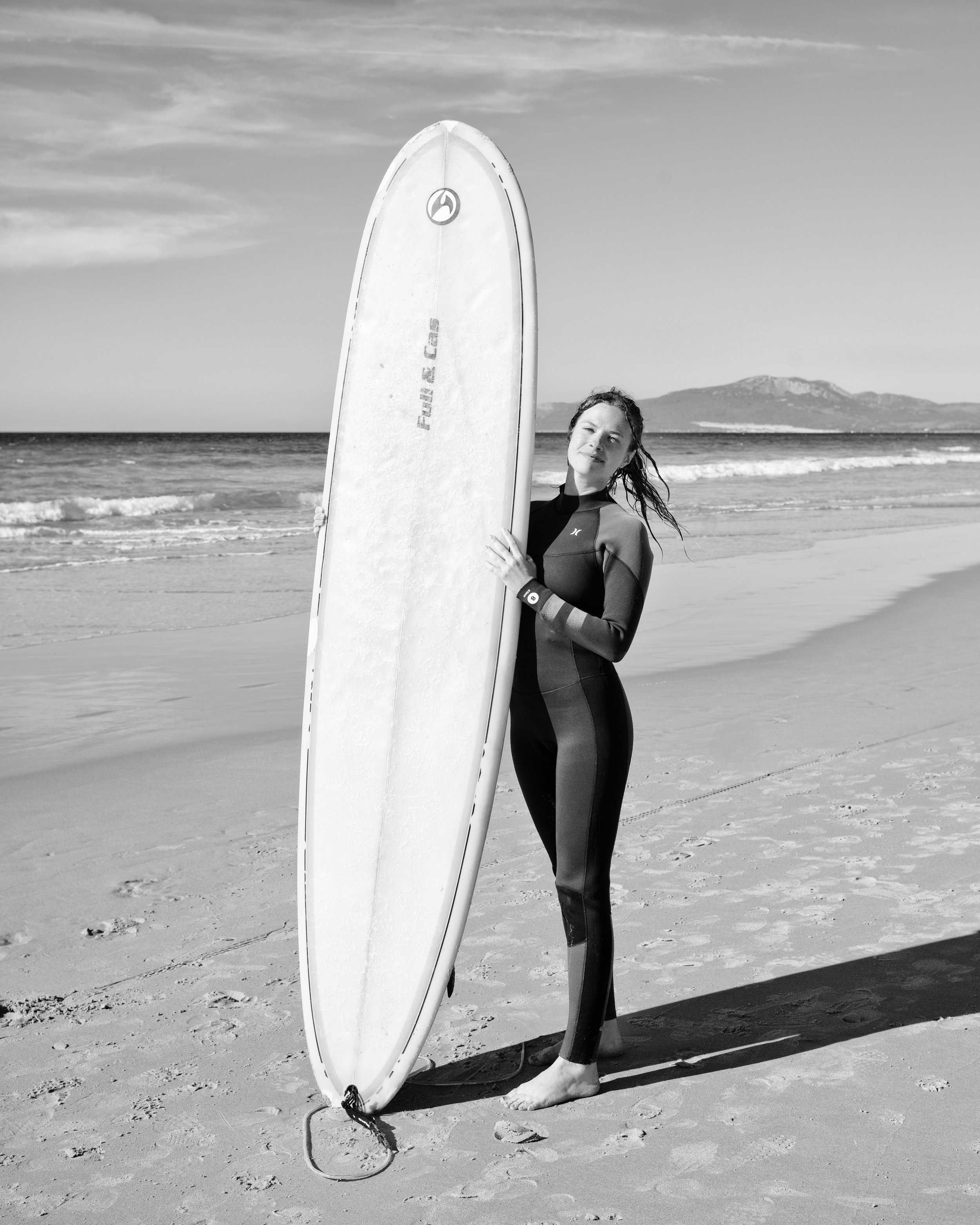
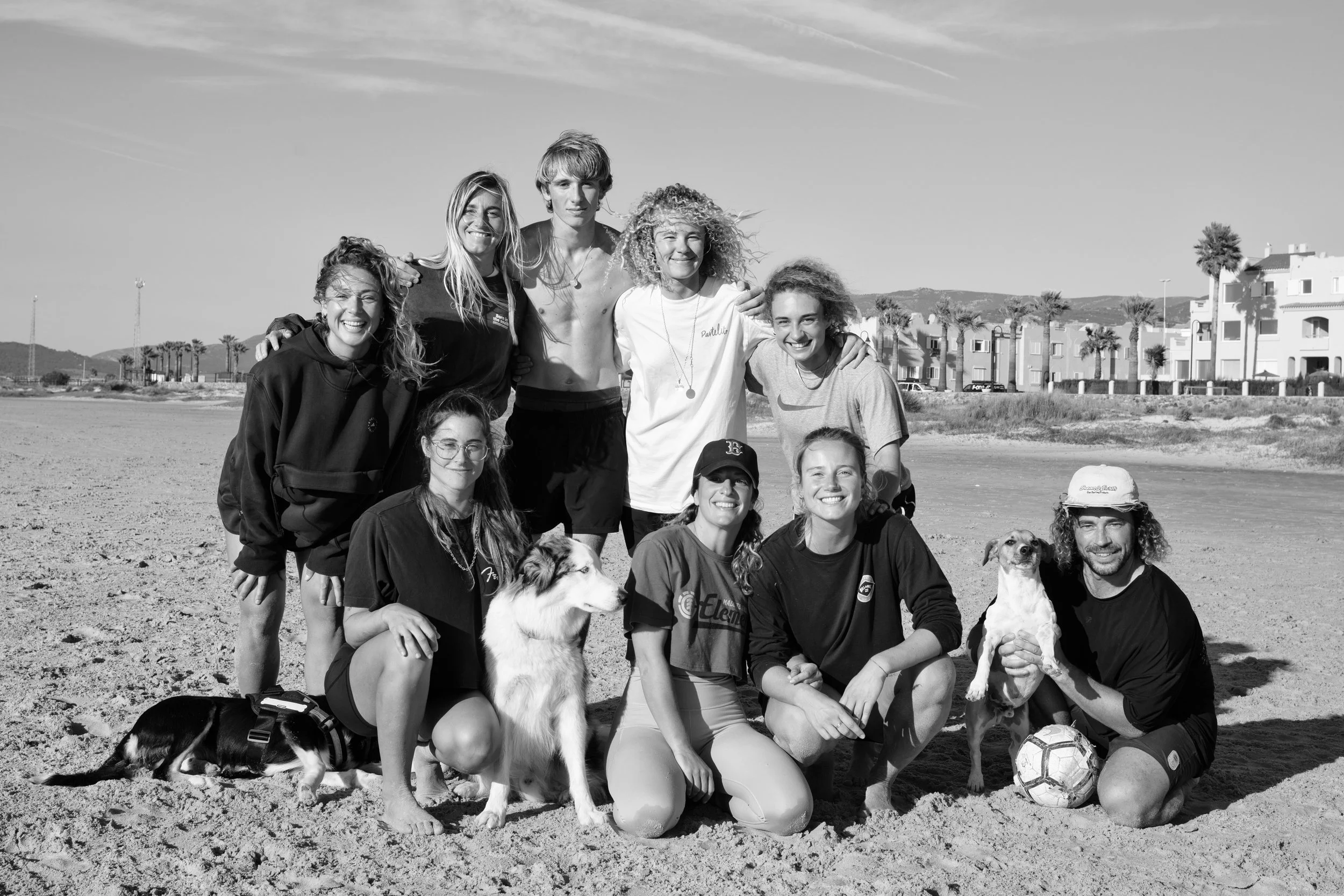
Out on the water, the usual Tarifa tribe was at it again. Surfers paddled into the ocean. Kite-surfers scanned the horizon, hopeful but not entirely convinced the wind would do them a favour. And when it didn’t, the beach turned into an impromptu football pitch: bare feet in the sand, improvised goals, laughter drifting far across the shore. It felt as if summer had quietly returned for a day.

The impromptu soccer team.

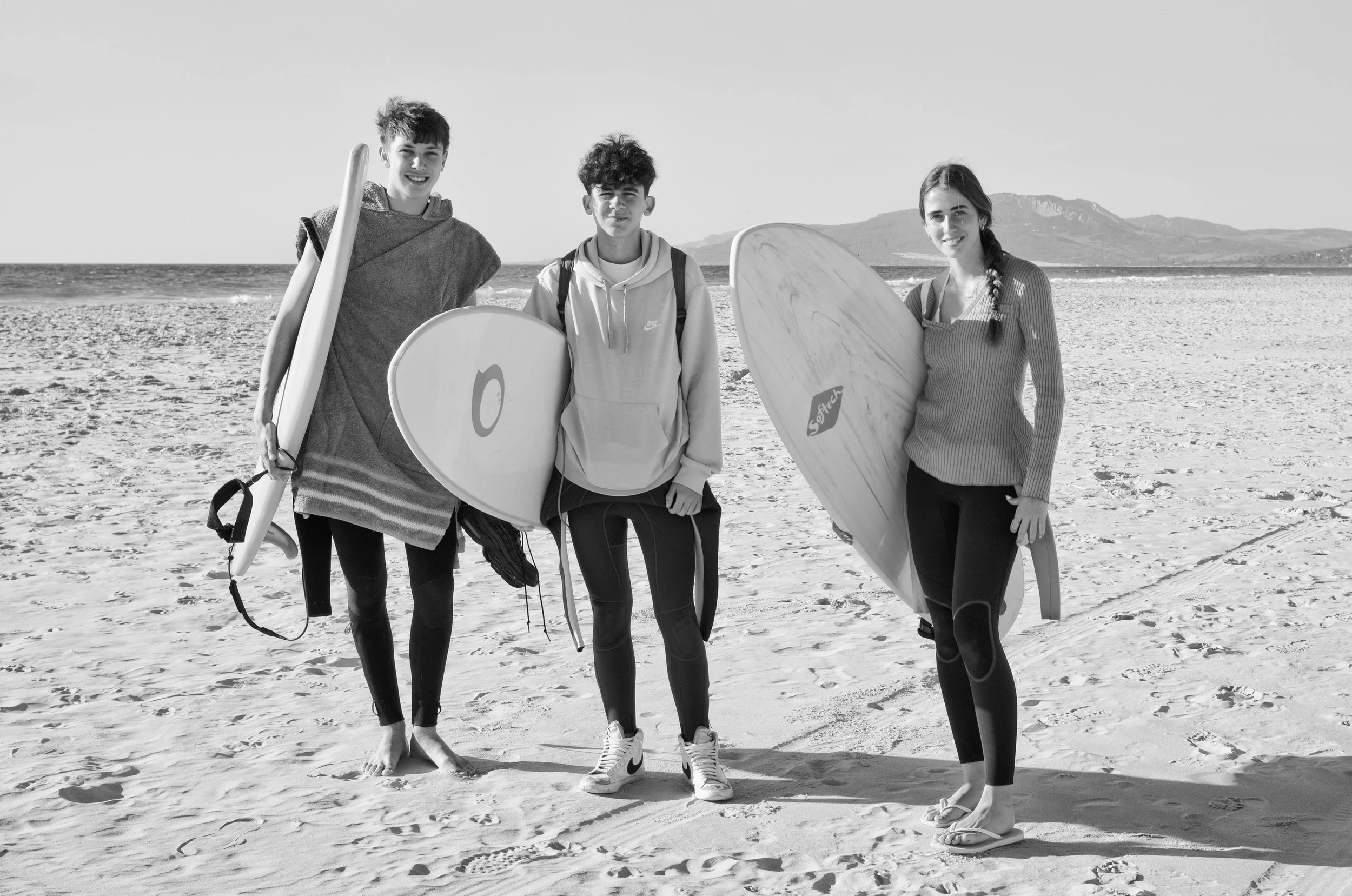
Three surfers ready to play with the waves.

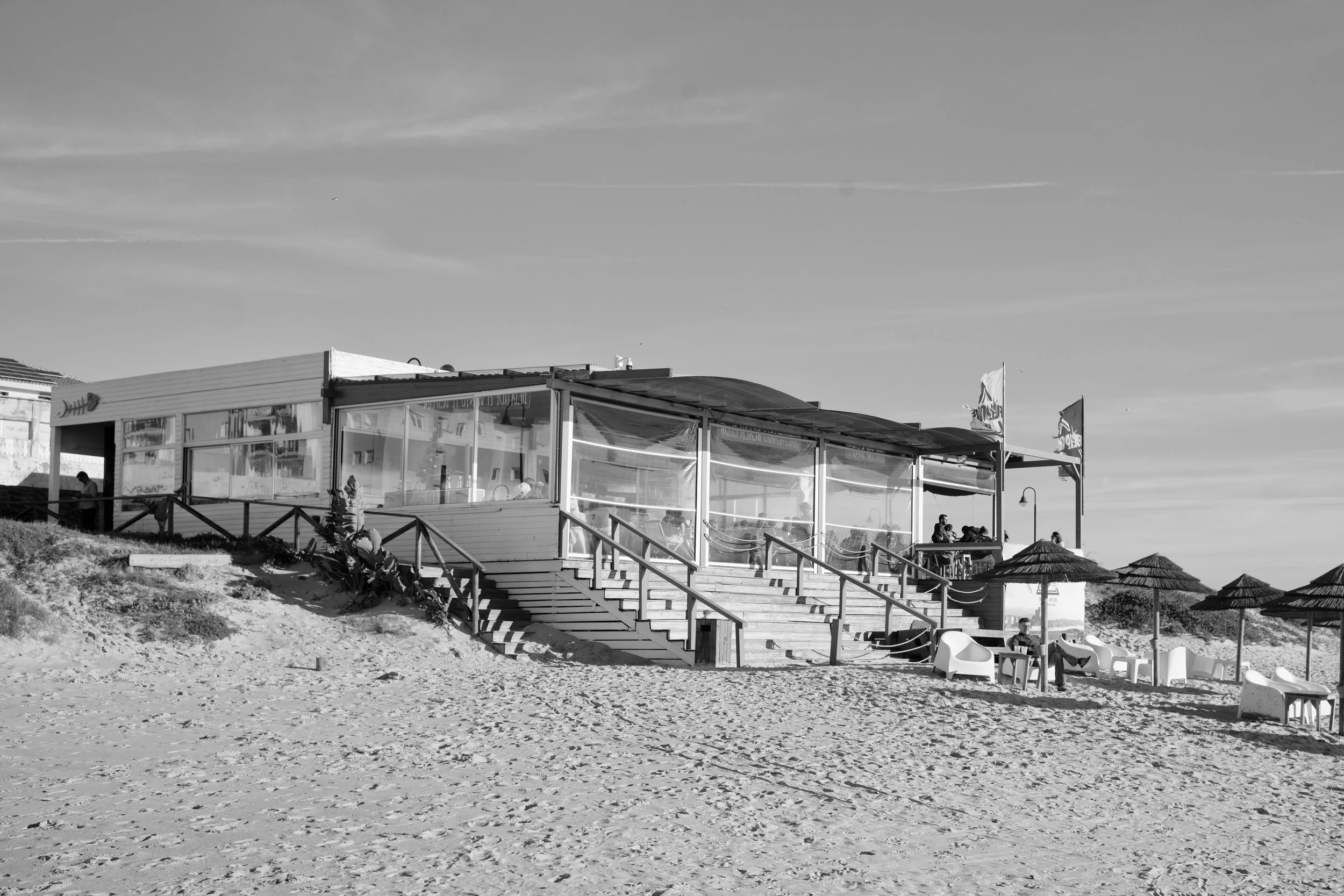
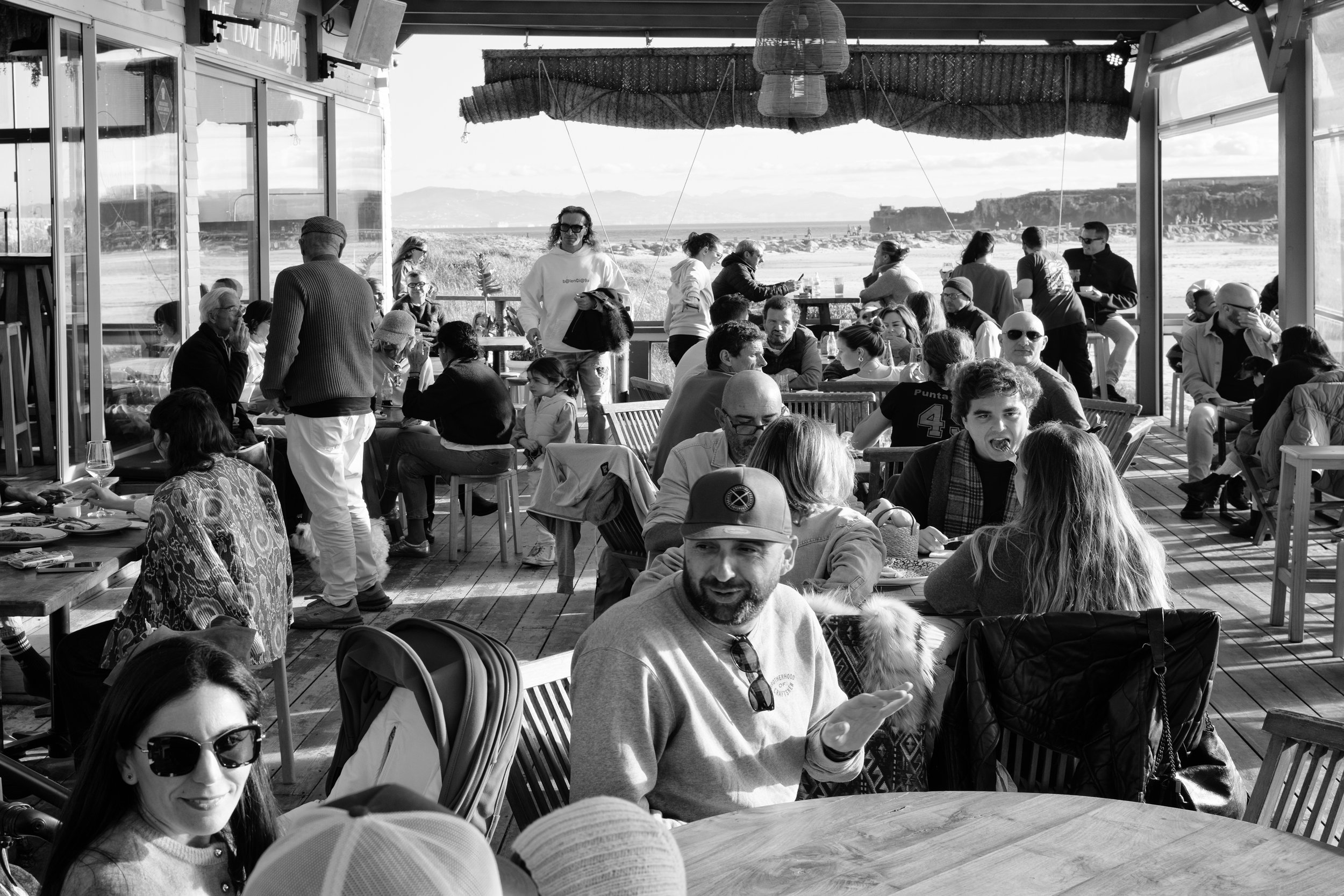
For some, the pull of Balneario Beach Club became irresistible. A plate of fresh fish, crisp and perfect. A glass of cold white wine catching the sun. Music drifting softly, almost lazily. A place to catch up with friends, to linger with family—because here, as in much of Europe, that’s what life is really about. The whole place breathed relaxation—the kind that makes you realise how important and precious such uncomplicated moments are.

The Balneario Beach Club Tarifa.

A December weekend in Tarifa, but honestly, it could have been June. And maybe that’s the real magic of this corner of Europe: time bends, moods lift, and for a little while, life feels wonderfully simple.

At the Balneario Beach Club Tarifa.

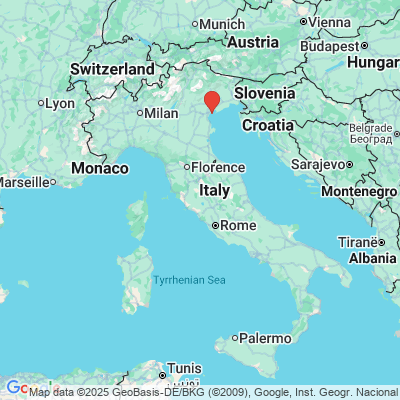
Holy Sightseers

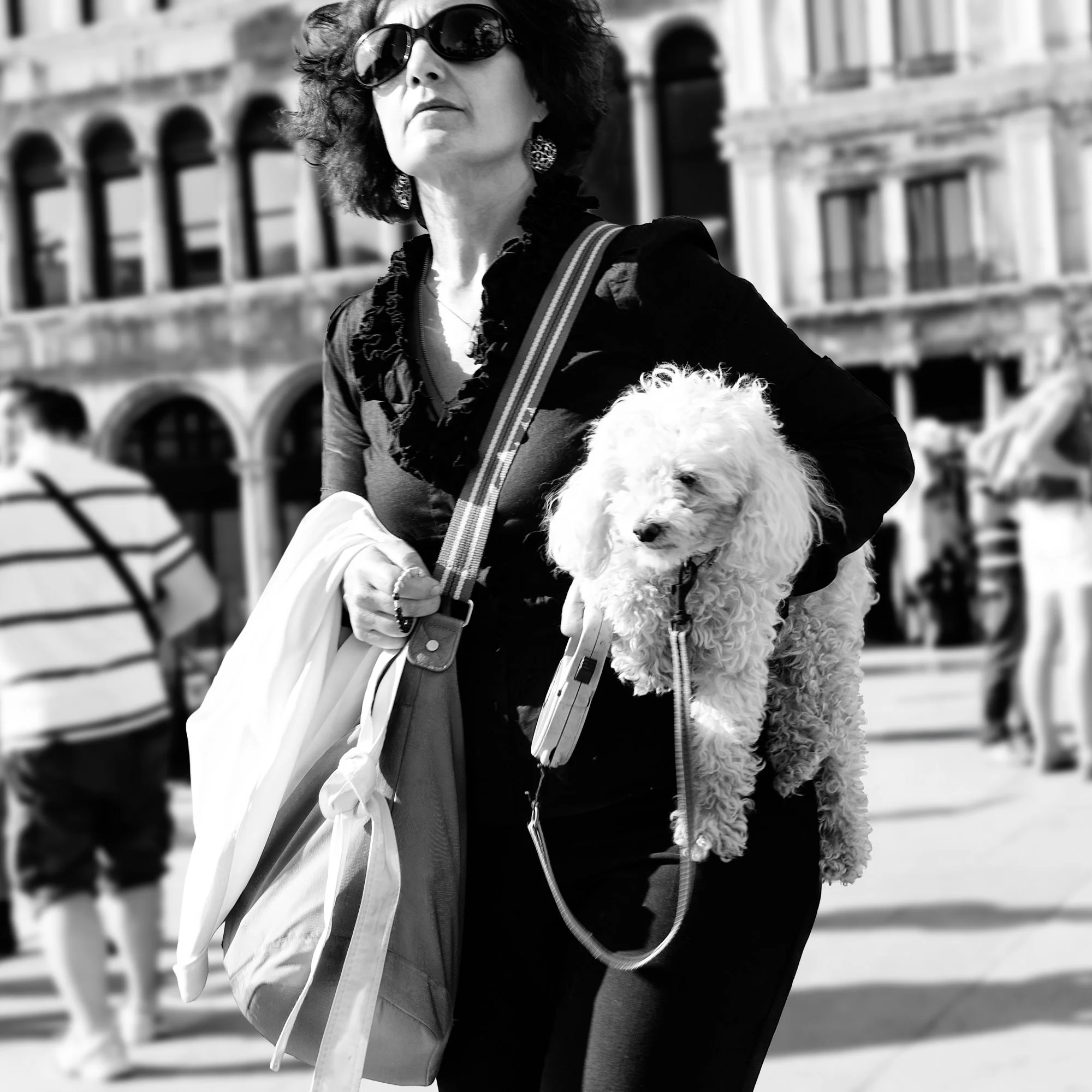
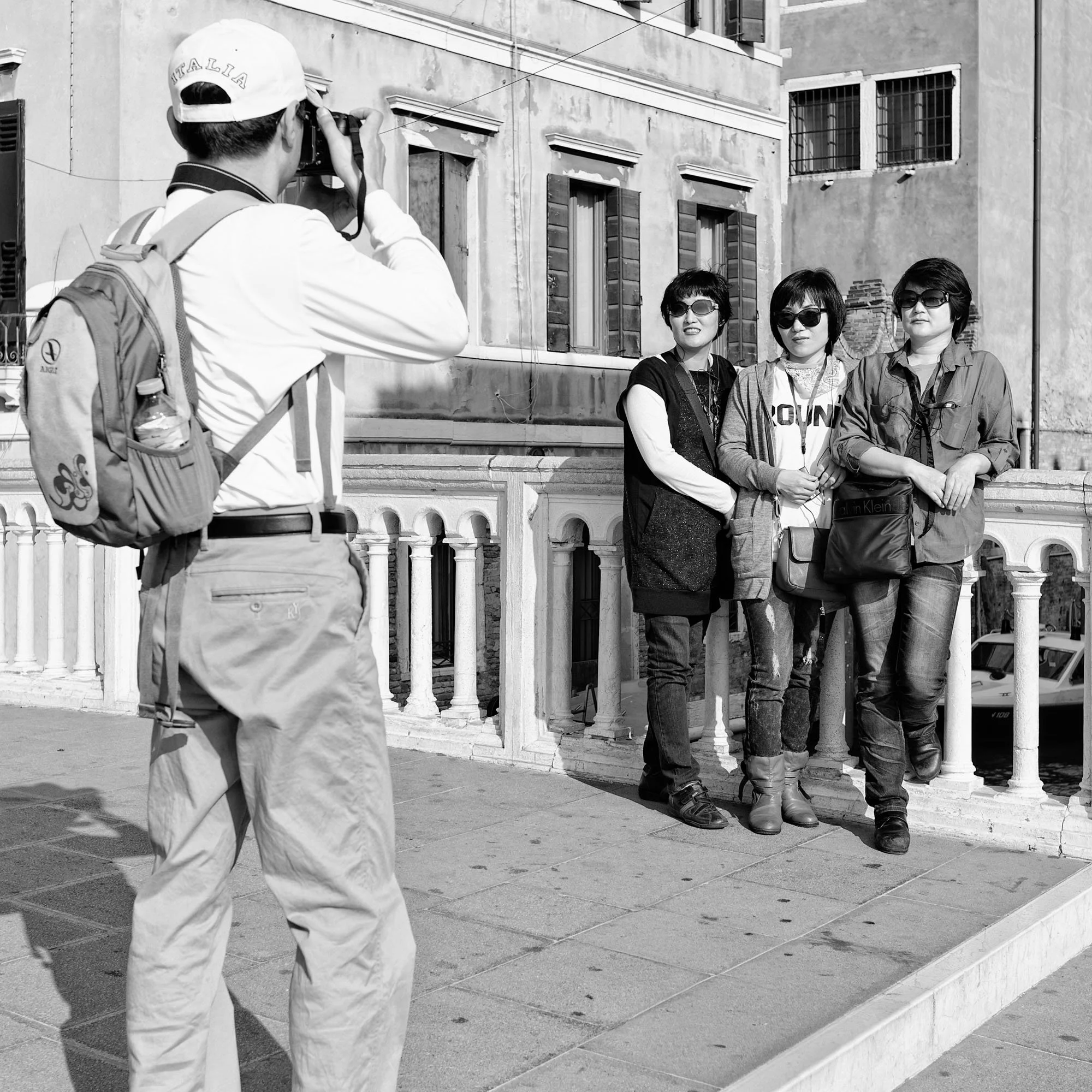
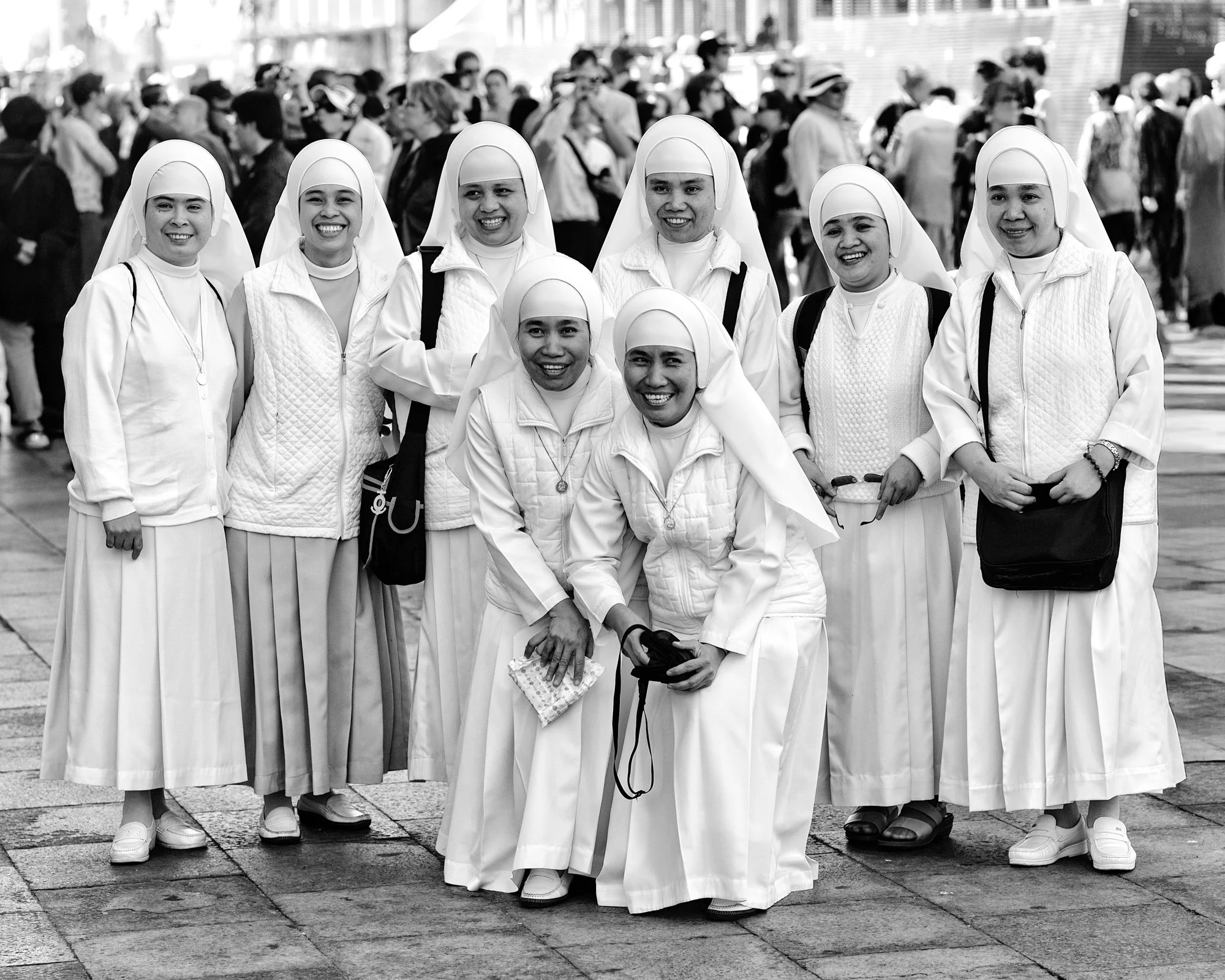
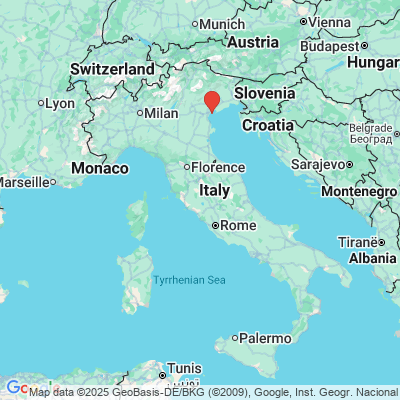
A group of Asian nuns on St. Mark’s Square, Venice (Italy).

Even nuns are tourists. Across Europe, they travel in small, smiling groups — cameras in hand, guidebooks tucked beneath their habits — tracing the footsteps of saints and centuries. On Piazza San Marco in Venice, amid selfie sticks and pigeons, their quiet laughter blends with the crowd’s hum. Faith meets curiosity; devotion meets delight.

A Flat Tyre, a Cappuccino, and the Kindness of Sanlúcar de Barrameda (Spain)

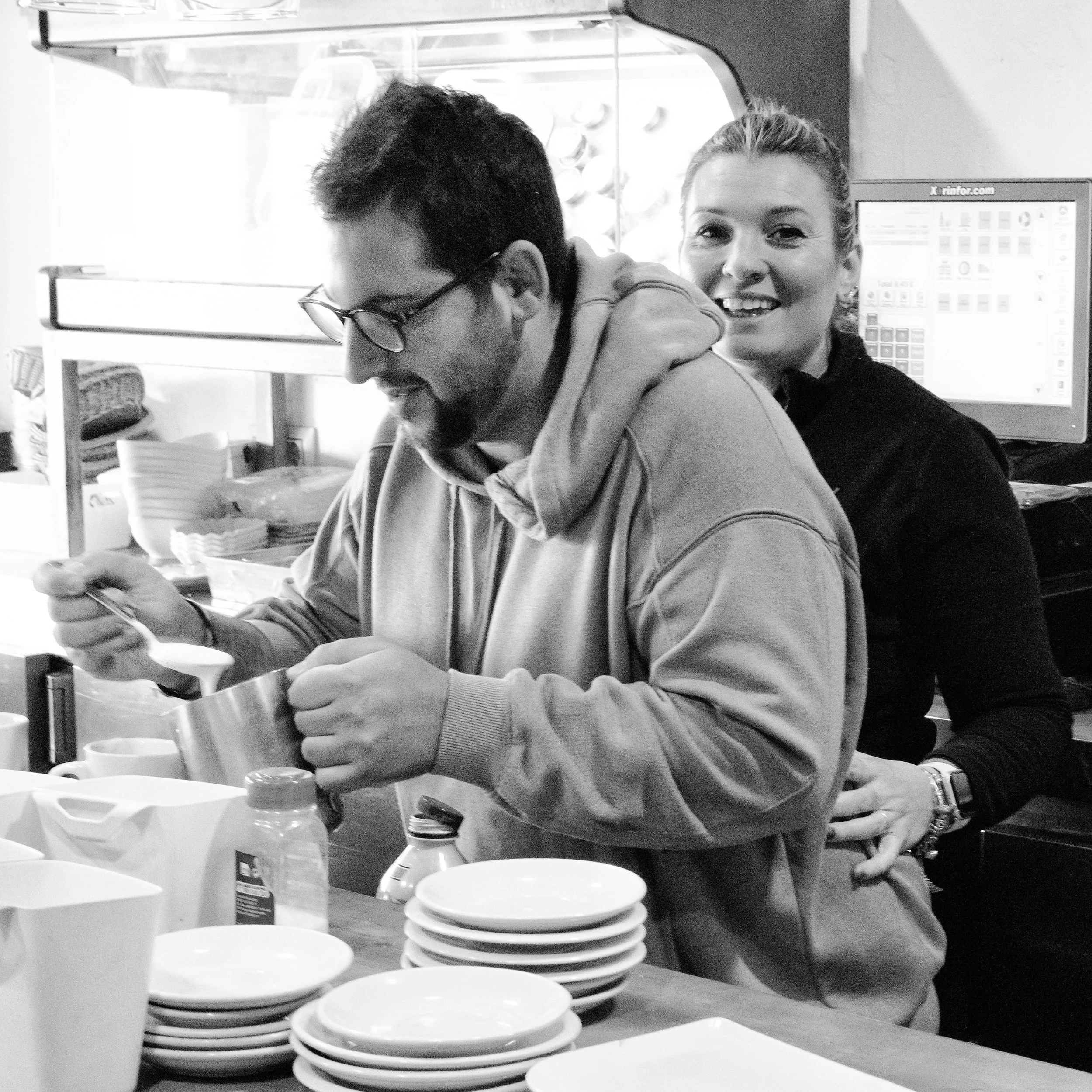
Pepe from Boguita Pepe and his wife working on our capuchinos (Sanlúcar de Barrameda, Spain).

We had planned a full day in Sanlúcar de Barrameda—sun, sea, tapas, the works. Instead, my bike decided to file an early complaint: pfffff, one flat tyre, right in the middle of town.

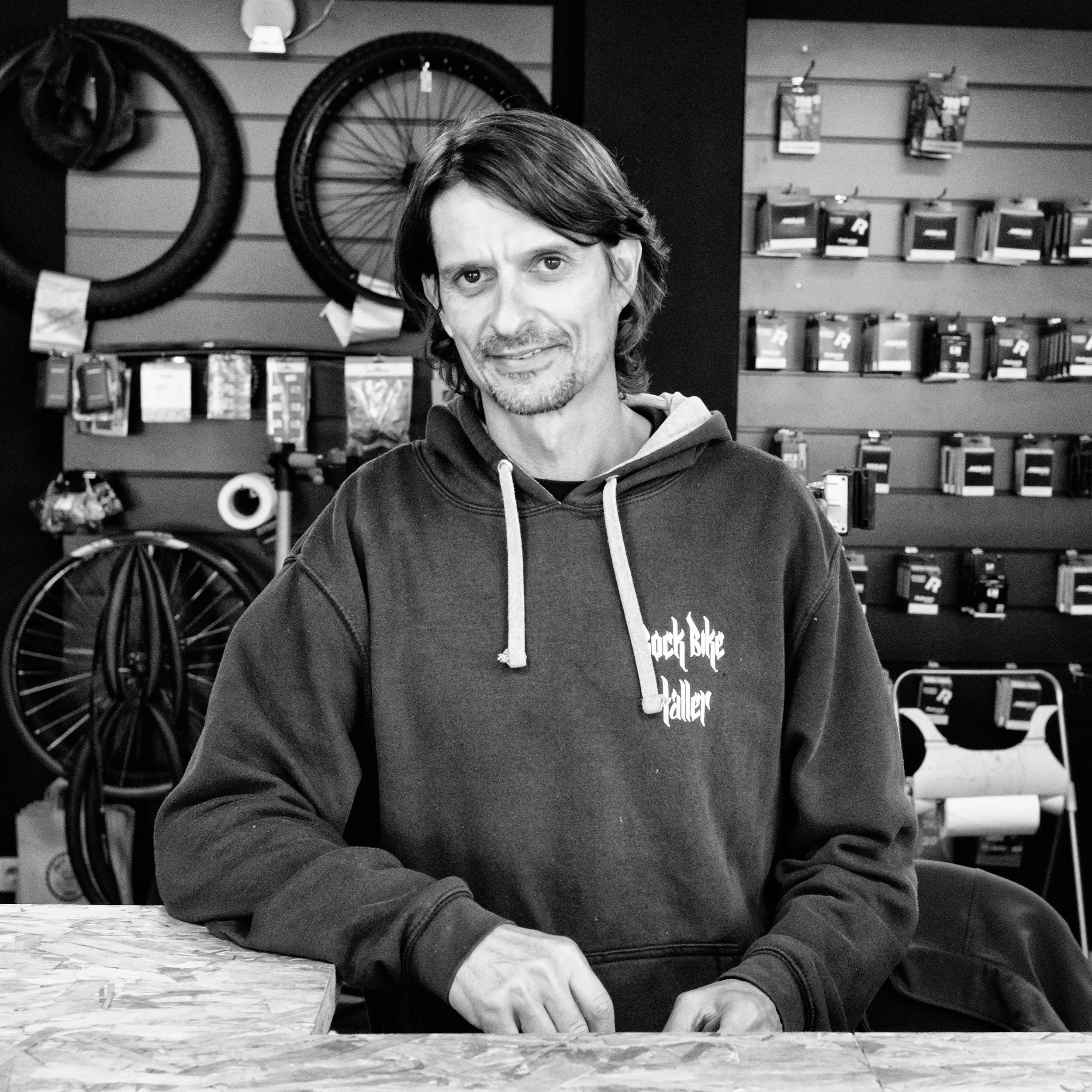
With the elegance of stranded tourists, we rolled the limp bicycle to the nearest coffeeshop—Bodeguita Pepe—where the owner took one look at the tyre, one look at us, and immediately pointed down the street. “Rock Bike Taller,” he said, with the confidence of someone sending us to salvation. And indeed: it was just around the corner.

Two minutes later my bike was in the hands of a mechanic who worked faster than most espresso machines. So we sat down for a cappuccino, pretending this was the plan all along. By the time we reached the bottom of our cups, the bike was fixed, inflated, and ready to go—possibly in better shape than we were.

In the end, our “problem” turned into a perfect Sanlúcar moment: warm people, strong coffee, and a city that somehow makes even a flat tyre feel like part of the adventure.

The mechanic from Rock Bike Taller in Sanlúcar de Barrameda (Spain).

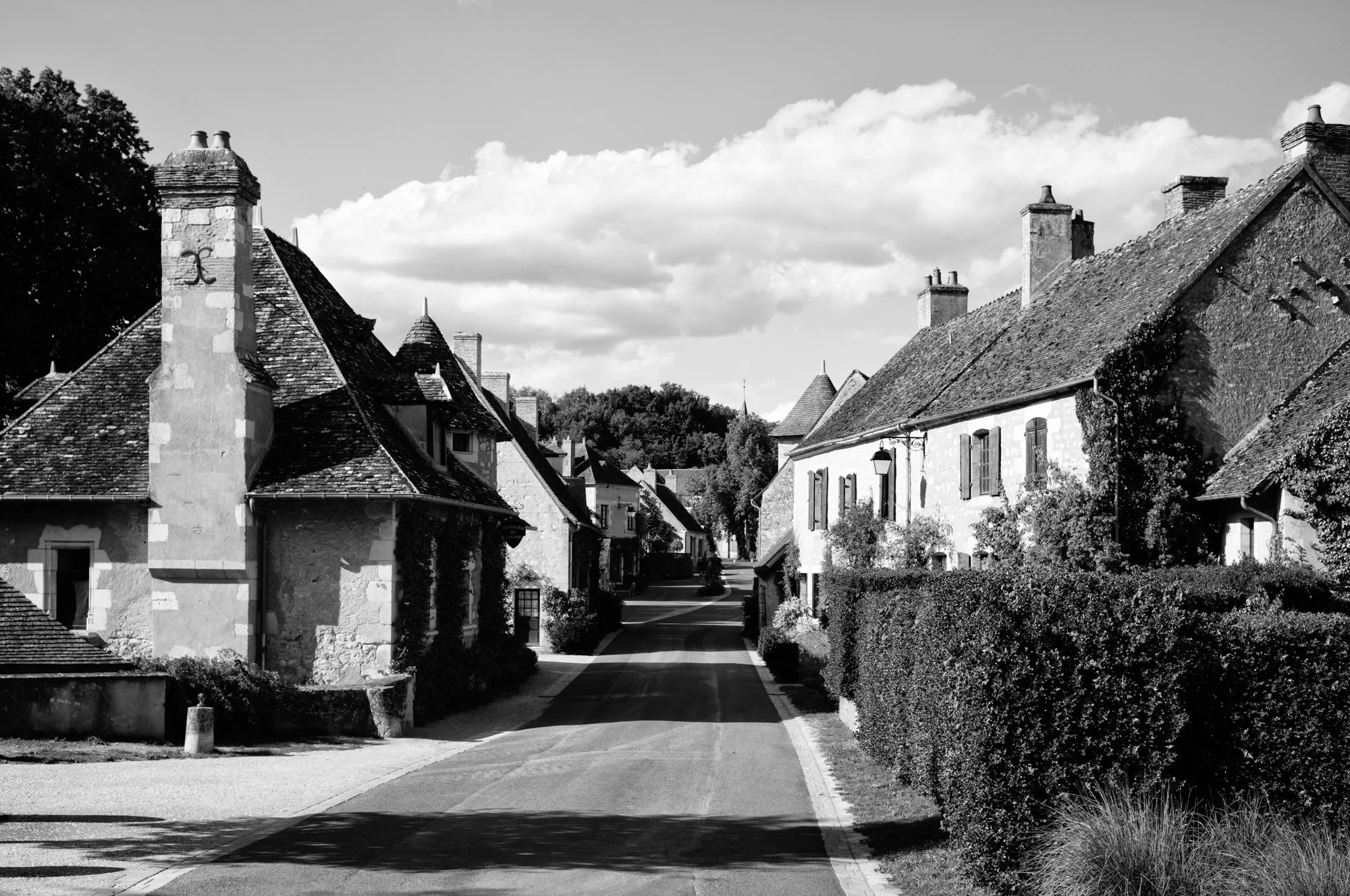
Apremont-sur-Allier (France)

Apremont-sur-Allier (France)

On a graceful bend of the Allier River in central France lies Apremont-sur-Allier, a village that feels lifted from a storybook. Golden-stone houses draped in roses and cobbled lanes that lead to the river create a setting so perfect that it belongs to Les Plus Beaux Villages de France. Once a medieval quarry village supplying stone for great cathedrals, it was lovingly revived in the early 20th century by industrialist Eugène Schneider, who restored and rebuilt it in a harmonious neo-medieval style.

The heart of Apremont is its Parc Floral, five hectares of ponds, pavilions and rare trees that change colour and scent with the seasons. Though the château itself remains private, its towers and ramparts frame the gardens like a painting. The village cafés and the gentle rhythm of the river invite slow afternoons and quiet walks.

About 20 kilometres from Nevers, Apremont-sur-Allier is easy to reach by car yet blissfully far from crowds. Come in spring or summer, when flowers explode and the gardens are open, and you’ll discover one of France’s most enchanting hidden retreats—a place to wander, breathe and simply stay.

The Guardian Angels of Notre Dame de l'Assomption in Apremont-sur-Allier (France).

Ukrainians in search of safety: Hanna and family

Hanna and her family in The Netherlands.

My name is Hanna and I’m from Dnipro, a large industrial city in eastern Ukraine. Until early 2022, I lived a full and successful life. I ran my own marketing and advertising agency, worked with major international brands, and was involved in social projects and campaigns. At the same time, I taught marketing, communication, and public relations at the university – something I truly enjoyed. Together with my husband and our three children, we lived a comfortable life. We were entrepreneurial, creative, and engaged in our city.

The unrest began already in 2014, during the Maidan Revolution. It affected me deeply. Young people flooded the streets, dreaming of a European future for Ukraine. That dream was violently crushed. I still remember crying every evening while watching the news. The deaths of young protesters felt personal. That was the moment I understood: we are a people who must fight for freedom, for justice.

When Russia invaded Ukraine on February 24, 2022, everything changed. Our whole family — sixteen people in total — took shelter in a basement. We didn’t live far from the Zaporizhzhia nuclear power plant, and when it came under fire, the fear really hit us. There were rumors of a possible nuclear disaster. Doctors gave instructions on television about how to apply iodine to children’s skin to protect them from radiation. My children saw the panic in my eyes. On the ninth day of the war, I made the decision: we had to flee.

We left Dnipro in five cars. Normally, the drive west would take ten hours — it took us five days. The roads were packed with people like us — desperate, afraid, heading into the unknown. We taped signs reading “CHILDREN” to our car windows, hoping Russian pilots would see we were innocent civilians.

Eventually, we made it to Roermond in the Netherlands, where an old friend offered us shelter. My husband stayed behind at first, to take care of his parents and our business. He only joined us in Roermond nine months later.

Once I arrived, I couldn’t sit still. That’s not who I am. I volunteered at my children’s primary school, working as an interpreter and piano accompanist. Later, I became a coach for Ukrainian employees at La Place, taught at Stedelijk College, and began working as a project leader at the Ukrainian House in Maastricht.

Since October 2023, I’ve been working as a counselor for Ukrainian families in Limburg. I help people integrate, with paperwork, schools, doctors, and government agencies. The work is intense, but rewarding. I know where they come from. I know what it means to leave everything behind.

I feel happy here. In Ukraine, we lived well, but life was stressful and competitive. Here, we’ve found peace. My children are integrated at school, my husband works as a chef, and we are slowly building something new. Still, the future is uncertain. I don’t know if we’ll be allowed to stay. That’s hard, but we do our best, we work, we contribute. We are happy here.

What I’ve experienced is not unique. Hundreds of thousands of Ukrainians carry stories like this. But I hope mine shows just how deeply war affects a human life — and how much strength it takes to start over, in a foreign land, with a foreign alphabet, but with the same hope: a safe life for our children.

Ukranians in search of safety: Sofiia

Sofiia and her mother in The Netherlands.

I’m Sofiia, 18 years old, and I’m from Kharkiv, a city in eastern Ukraine, close to the Russian border. Until February 2022, my life was what you’d expect for a 15-year-old girl. I went to school, played sports, had friends, made plans. My world felt safe and simple — or so it seemed.

That all changed on February 24. My mother woke me up that morning and said: “Sofiia, the war has started. You’re not going to school today. We have to pack.” At first, I didn’t understand. As a kid, I even thought: no school, maybe I can stay in bed a bit longer. But then we spent days sleeping in the bathroom, between two thick walls. I heard bombs. I saw tanks passing by. We lived on a major road from Russia. Anything could happen at any moment.

My parents and I fled westward. What should have been a one-hour drive took eighteen hours. We slept in gyms, schools, and in places where strangers opened their doors to those in need. Eventually, we arrived in Chernivtsi, near the Carpathian Mountains. That’s where we made a decision that split my life in two: my mother and I would go to the Netherlands, while my father stayed behind. He couldn’t abandon his company or his employees. It broke our hearts, but there was no other option.

Through a friend of my mother’s, we ended up in Roermond. My mother didn’t speak any English, so I took on all the responsibility — documents, meetings, housing. I was fifteen, but suddenly I was no longer a child. In Ukraine, I had never been especially ambitious. But something shifted. I started school at Nt2 Mundium College in Roermond, a school for newcomers. The teachers saw me, supported me, and believed in me. They gave me confidence. I began learning Dutch, took extra courses, and became interested in marketing and international business. Things started to go well.

I now work part-time in an outlet store and volunteer at the Holland Ukrainian House in Maastricht, and a volunteer social media assistant at Meet Maastricht. I’m also doing an online university degree from Ukraine while preparing for a new chapter: I’ve been accepted to Maastricht University to study International Business. The admission process wasn’t easy — I didn’t meet all the requirements, had to submit extra documents, file an appeal, and prove my motivation. But I made it!

And still… everything I’m building here, I carry with mixed feelings. My father still lives in Kharkiv. His company is still running, our old apartment is still there — as if an angel is watching over it, because several bombs have fallen nearby. He lives under constant stress. When he visits us in Roermond, he even says he misses the adrenaline of danger. “You get used to it,” he says. But I also see what it’s done to him — how his thinking has changed, how heavy it all is for him.

My mother struggles. She’s trying to learn the language, but with no clarity about whether she can stay in the Netherlands, it’s hard for her to make decisions about her life. She doesn’t know whether her future lies here or back in Ukraine. Everything is uncertain. I try to support her — as I’ve done from the beginning. But I see how hard it is for her to live in this world of insecurity, without her home, her friends, her husband, her sense of certainty.

My older sister now lives in Spain with her husband and three children. They happened to be there on holiday when the war started, so they didn’t have to flee in a panic. They’re building a new life in Valencia. My cousins are scattered across Europe. Our family has been torn apart.

I don’t know what the future holds. I’d like to stay in the Netherlands — I feel at home here. I’m learning, growing, and I want to give something back. But for now, I only make small plans. After the war, you learn that everything can change in an instant. You become flexible — maybe too flexible. I always need a plan B.

War doesn’t just change your country. It changes your mind, your heart, your family. And still, I try to look forward. Because I’ve learned to. Because I have no other choice. Because I believe that building — even in small steps — is the only way not to break.

Young Bordeaux: Open, Curious, and Surprisingly Fluent in English

On an ordinary weekday in November, I found myself talking with a few students in Bordeaux. The weather was unusually warm for the season, giving the city a light, almost weightless atmosphere.

What struck me most was how effortlessly they shifted to English the moment I asked if they spoke English. They were open, curious, and happy to talk—and even happier to be photographed. Many carried actual books rather than screens, a small but refreshing reminder that reading in public is still very much alive.

They stood for portraits with an ease and confidence that surprised me. No posing culture, no hesitation—just simple human exchange. I walked away with images that feel honest, warm, and grounded in the everyday rhythm of the city. Sometimes the most ordinary moments offer the clearest glimpse of a place and its people.