the netherlands

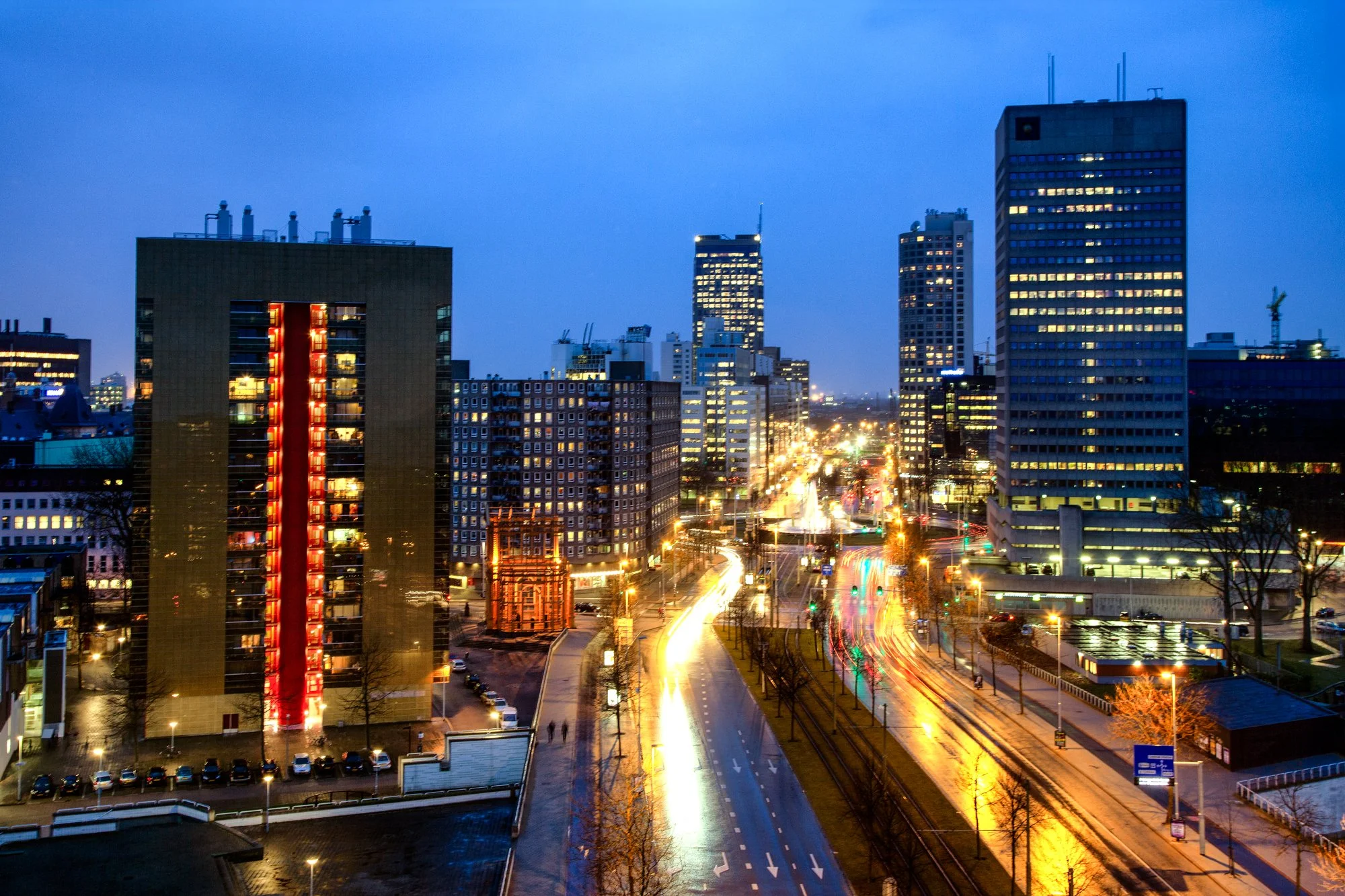
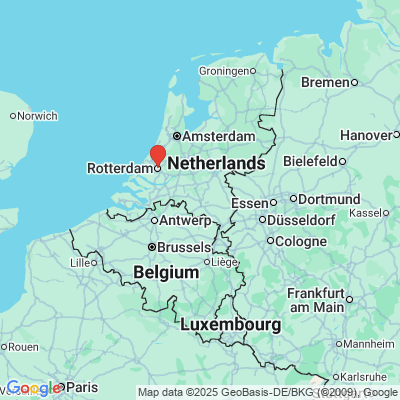
Rotterdam my City — The Heart Torn Out — Zadkine’s Monument in Rotterdam

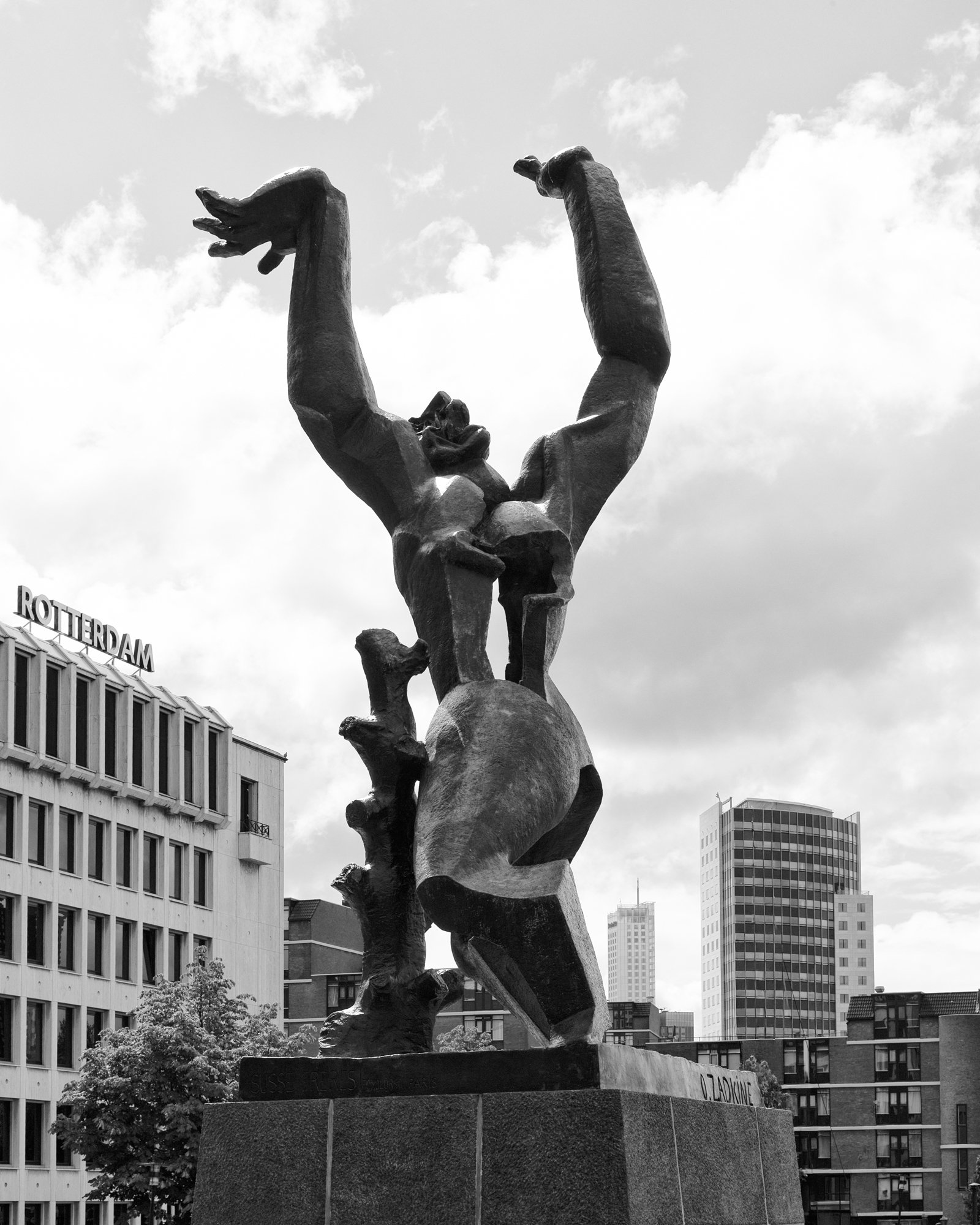
Ossip Zadkine’s “The Destroyed City” (1953): the figure cries to the sky, its heart torn away, mourning the loss that once defined Rotterdam.

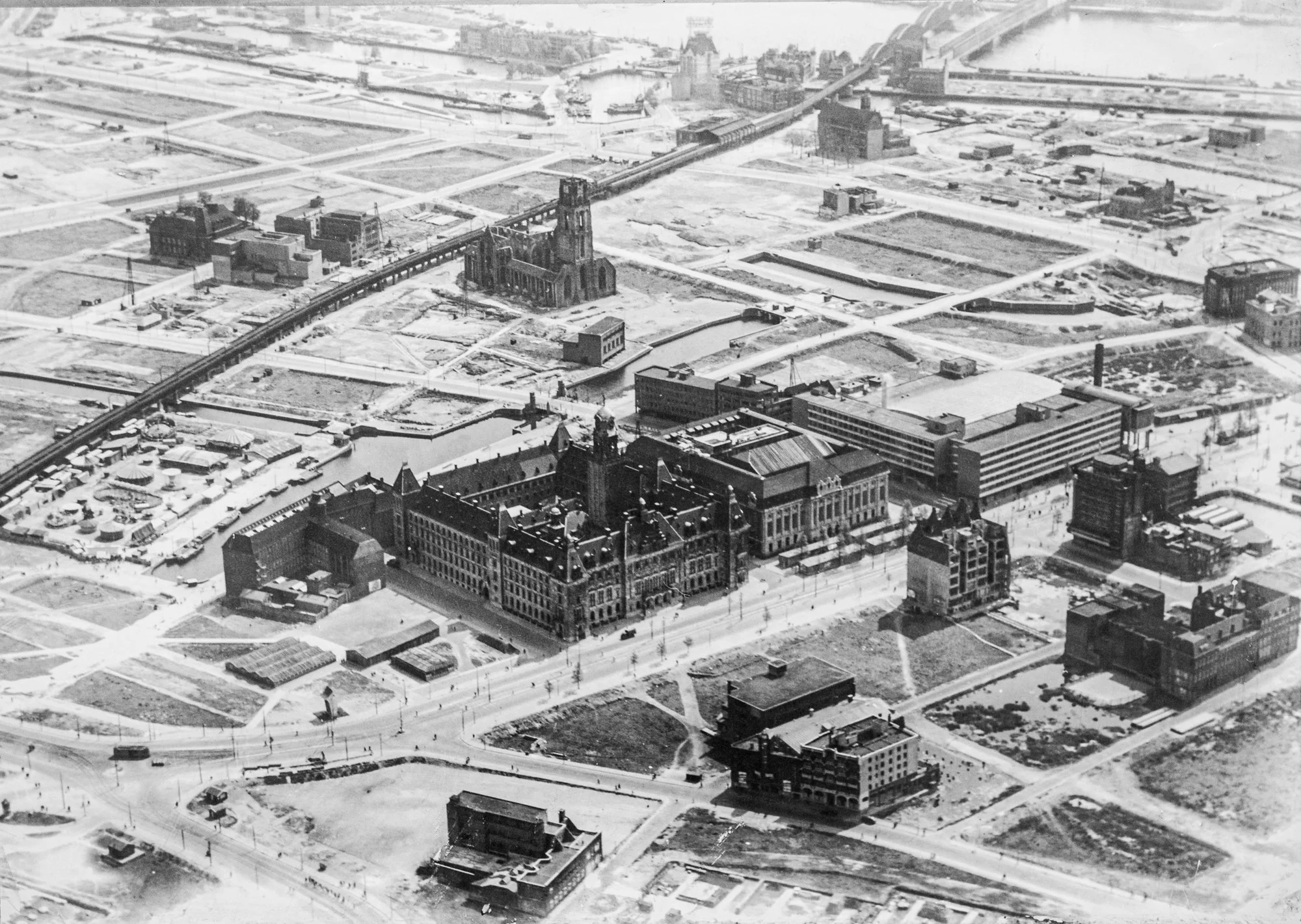
When the bombs fell on Rotterdam on May 14, 1940, the medieval heart of the city vanished in a single afternoon. The aerial photograph taken shortly after the war shows the shocking emptiness — blocks of rubble replaced by a grid of bare streets, with only fragments of buildings standing like teeth in a broken jaw.

A few years later, Ossip Zadkine gave this loss a body and a voice. His bronze sculpture De Verwoeste Stad (The Destroyed City, 1953) stands near the city’s current center, close to where that lost heart once beat. The figure’s body torn open and twisted, with its arms reaching out to the sky — crying out in anguish, its chest ripped apart, its heart gone. Zadkine, a Russian-born sculptor who lived in Paris, said he was inspired after passing through Rotterdam and feeling the pain of a “city without a heart.”

The monument does not celebrate triumph; it embodies grief. Yet within its contorted form lives a strange vitality — the cry that turns upward, transforming pain into defiance. Around it, a new city has risen: modern, vertical, and full of life. The statue remains as its conscience, reminding Rotterdam not only of what was destroyed, but of the courage to rebuild.

An aerial photo of the city center taken shortly after World War II (1 June 1946, KLM Aerocarto).

Rotterdam: Where Words Work as Hard as People Do

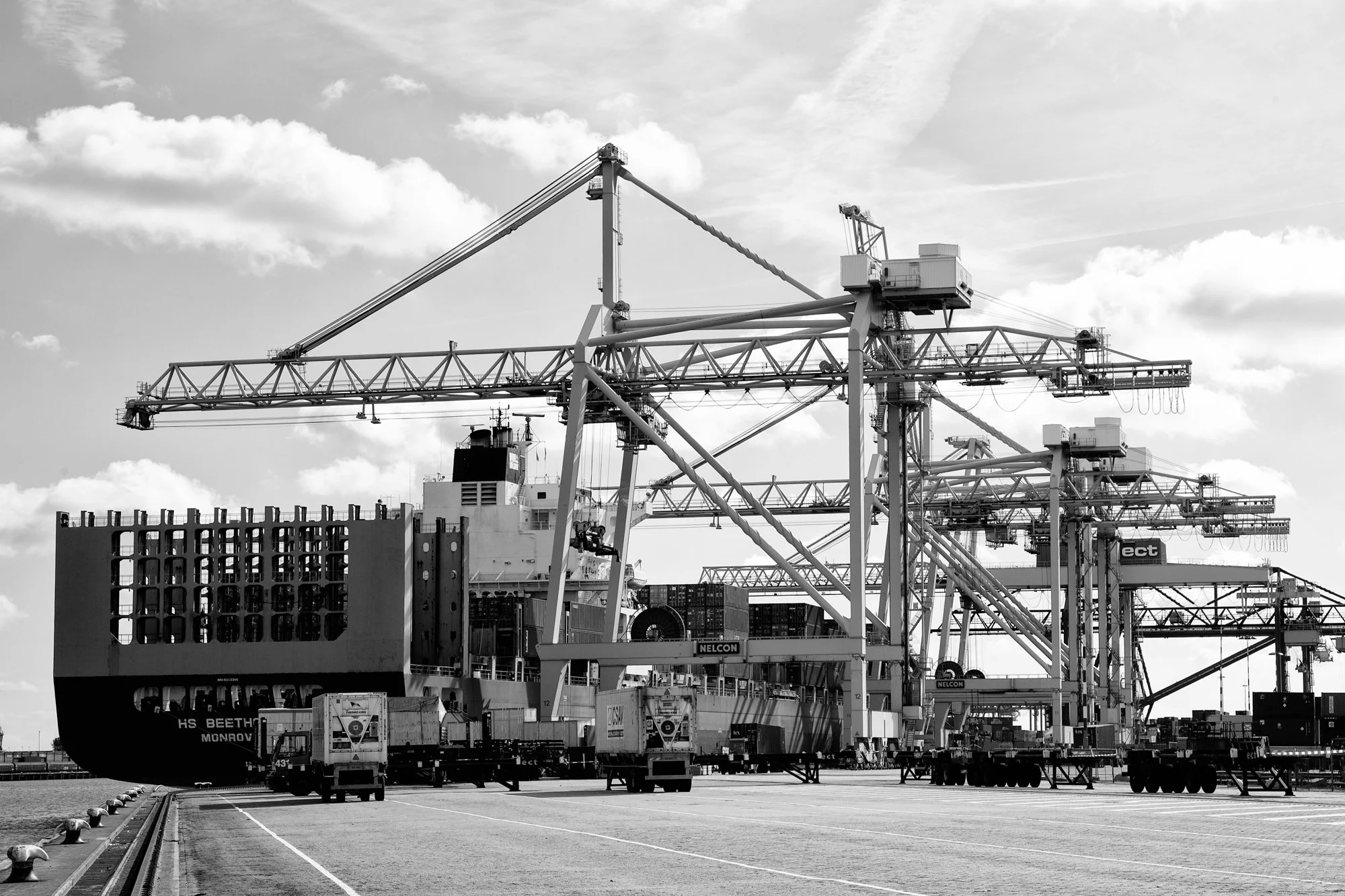
Rotterdam, the ECT container terminal.

In Rotterdam, language is rarely decorative. It’s a working tool—sharp, efficient, and stripped of unnecessary polish. The city’s direct way of speaking is often noted by visitors, sometimes mistaken for bluntness. But this tone was forged at the docks, not in drawing rooms.

Rotterdam is Europe’s largest port, a place built on movement and timing. Ships must be unloaded and reloaded as fast as possible, often within hours. The crews, dockworkers, and crane operators come from dozens of countries, speaking as many languages. There’s little time for nuance or ceremony. Orders must be clear, warnings unmistakable, responses immediate. In this world, words are like ropes and winches—tools that make things happen.

That linguistic economy has seeped into the city’s character. Even beyond the port, Rotterdammers tend to speak plainly, preferring action over ornament. It’s not rudeness but pragmatism—communication shaped by urgency and teamwork among people who might only meet once.

Contrast this with rural or agricultural communities, where language is part of long-term relationships. There, speech is softer, tuned to coexistence over generations. In Rotterdam, by contrast, speech is transactional and situational—designed for efficiency, not diplomacy.

Linguists and sociologists studying port cities have observed similar patterns elsewhere: directness as a form of linguistic adaptation to high-intensity, multicultural environments. When trust must be built in minutes, clarity becomes the highest form of respect.

Further reading

  • Johnstone, Barbara. Linguistic Individuality and Regional Speech Patterns.

  • Coupland, Nikolas. Style: Language Variation and Identity.

  • Labov, William. Sociolinguistic Patterns.

  • Hymes, Dell. Foundations in Sociolinguistics: An Ethnographic Approach.

After Shopping — Christmas in Roermond

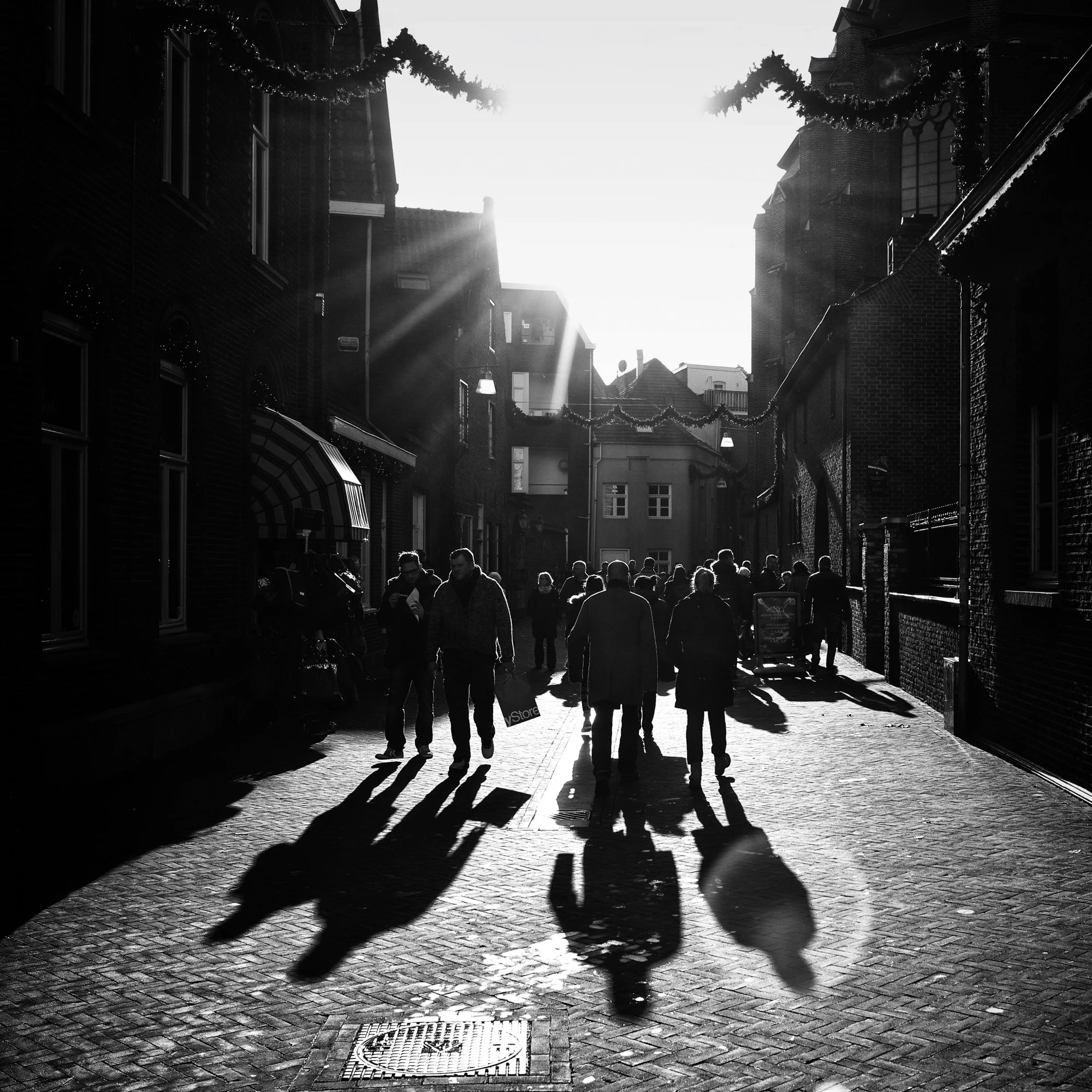
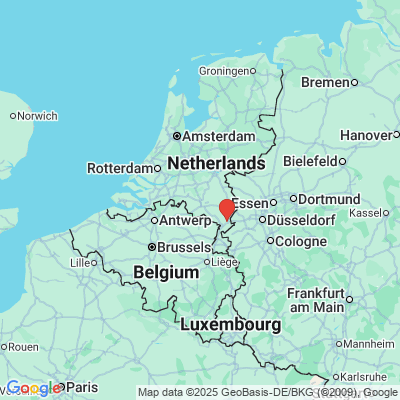
Shoppers in the Grote Kerkstraat in Roermond (The Netherlands).

The shopping is done. Arms heavy with glossy bags, faces flushed from cold and discounts, people drift out of the outlet — tired but pleased.

Through the pedestrian tunnel that links the outlet to the old town, the mood shifts. The glitter of commerce fades into the glow of Roermond itself. Along Grote Kerkstraat, the cobblestones shine with rain, and the air smells of fries, beer, and the faint spice of winter.

Laughter echoes between cafés. Coats unbutton, glasses clink. The shoppers have become celebrants — and for one bright evening, Roermond feels like a small city entirely at ease with itself.

Rotterdam my City — The Cube Houses of Rotterdam

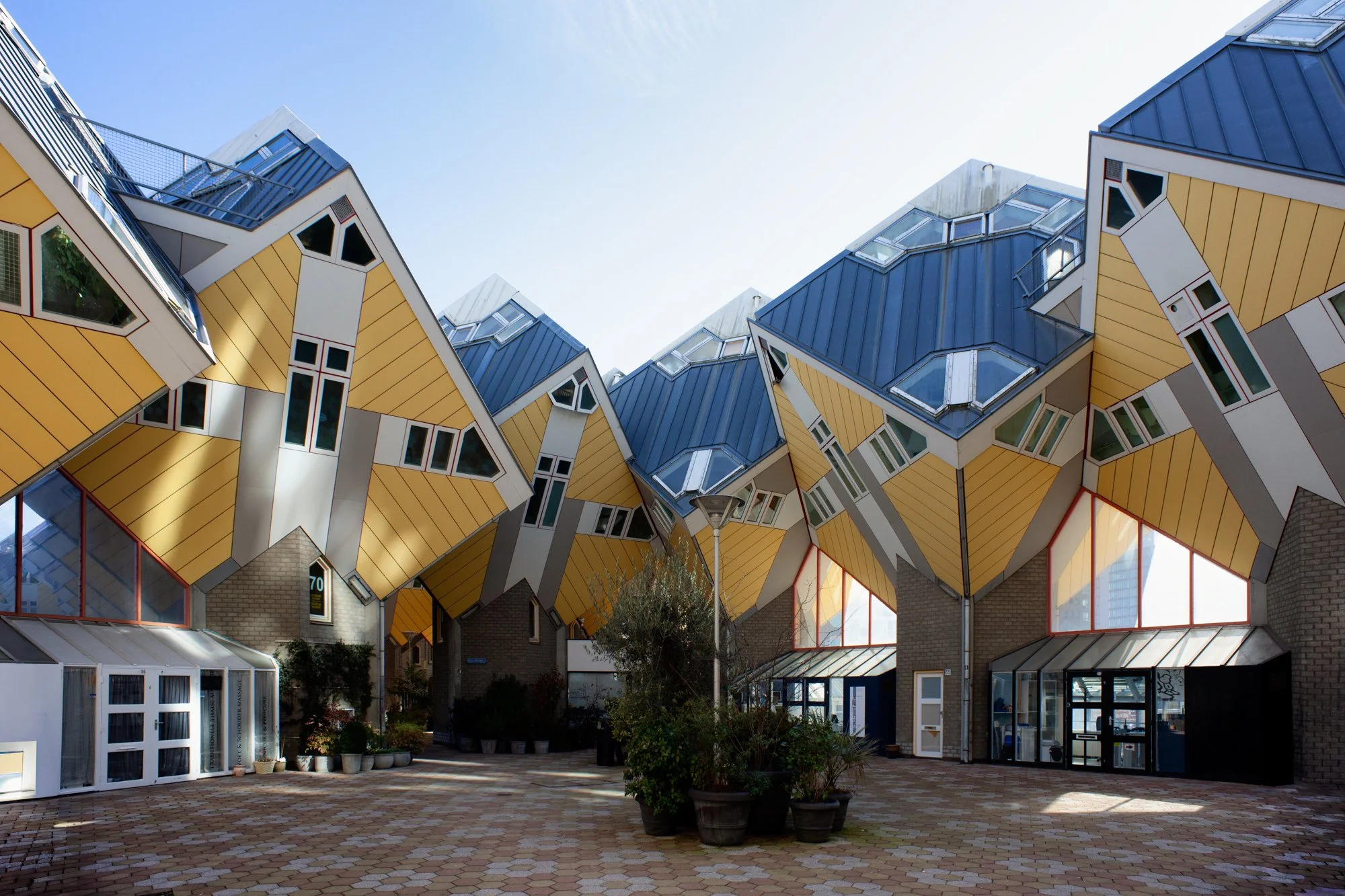
The Cube Houses of Rotterdam (The Netherlands).

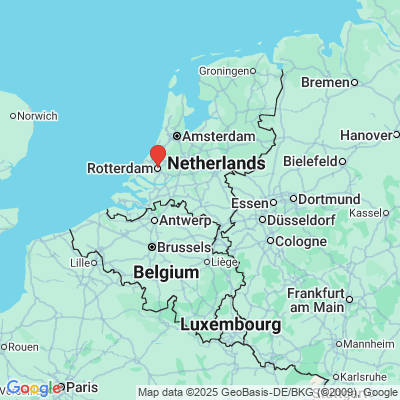
In the heart of Rotterdam, tilted above the busy streets near Blaak station, stand a row of yellow cubes that look as if they’ve tumbled from the sky and frozen mid-fall. These are the Cube Houses (in Dutch: Kubuswoningen), designed in the late 1970s by architect Piet Blom, who imagined each house as a tree — together forming an abstract forest of modern living.

Each cube rests on a hexagonal pillar and leans at a 45-degree angle. Inside, every wall becomes a surprise: windows are tilted, floors meet at odd corners, and space itself feels like an adventure in geometry.

Blom’s design was part of Rotterdam’s bold post-war identity — a city that rebuilt itself not by copying the past but by inventing the future. Today, one of the houses serves as a museum, and visitors step inside to experience what it’s like to live within a dream.

The Cube Houses aren’t just architecture; they’re a statement — proof that in Rotterdam, imagination can be built in concrete, glass, and bright yellow panels.

Why Some Art Grabs Us — and Some Wait for Us to Notice

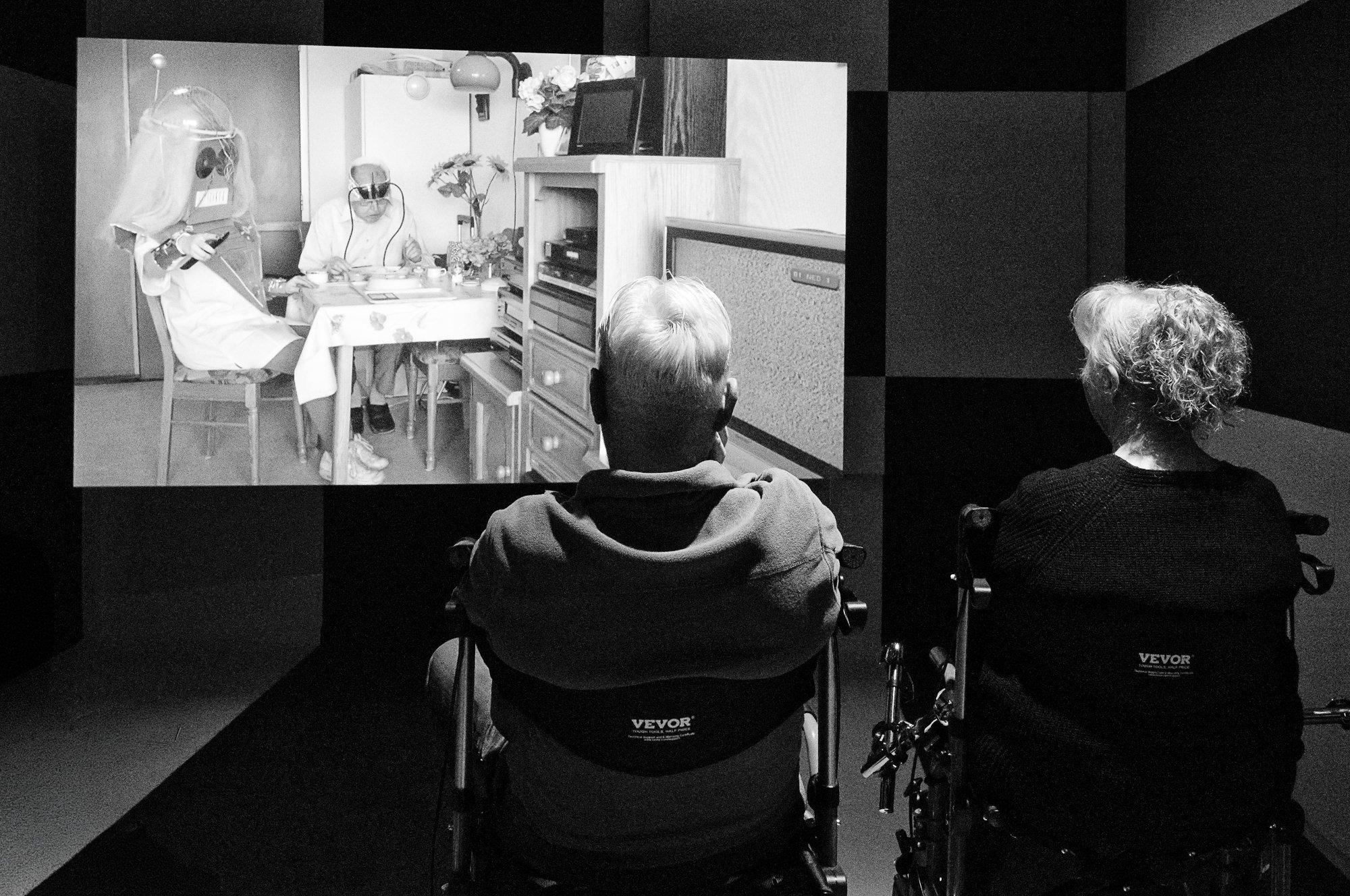
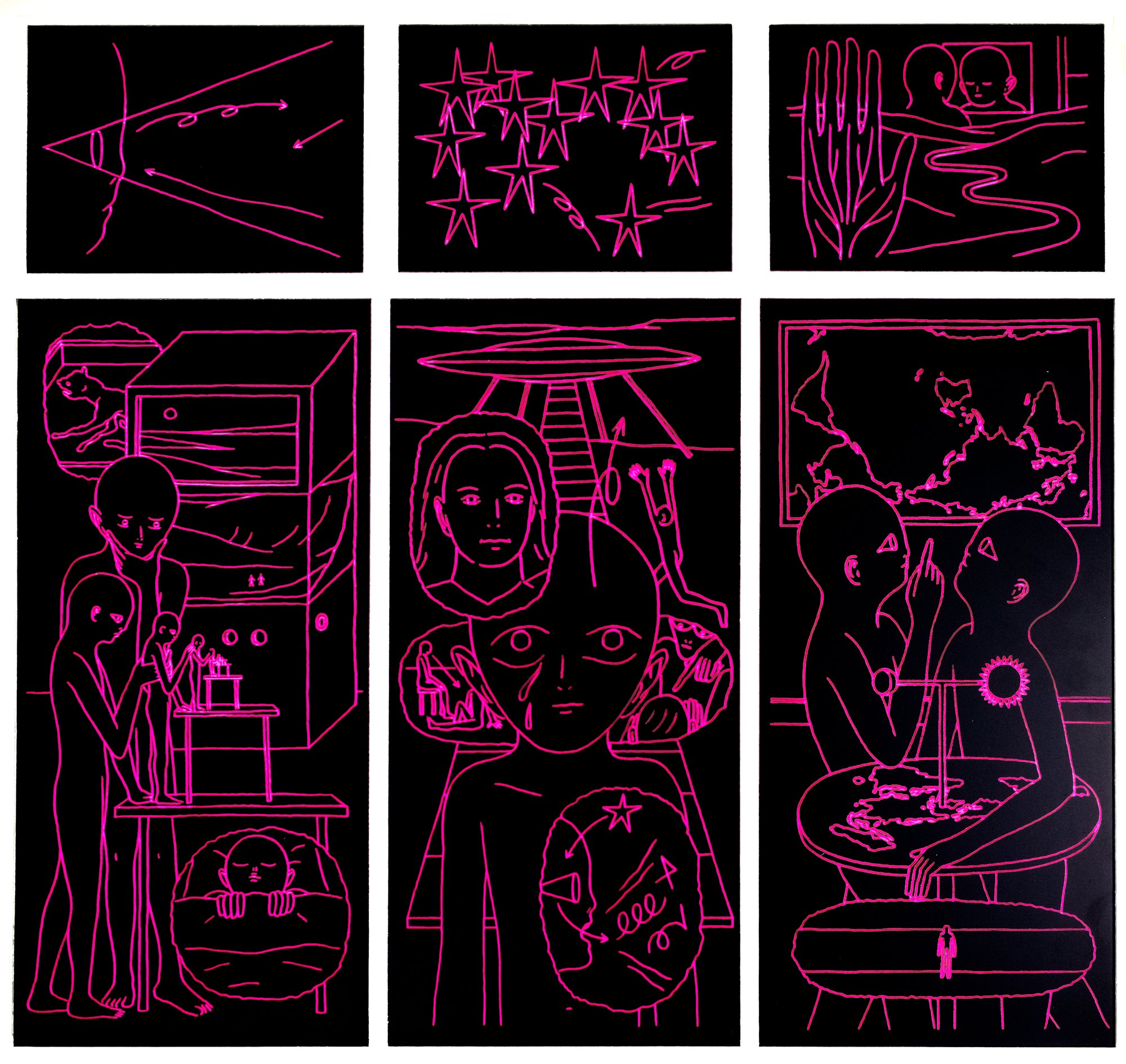
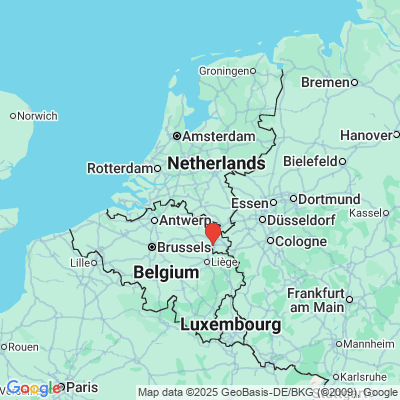
A work of Mattia Pajè, a resident of the Jan van Eyck Academie in Maastricht (October 2025). Mattia Pajè explores how truth is constructed and manipulated in an age of post-truth narratives, pseudoscience, and conspiracy theories. His work turns research and site-specific installations into layered spaces where images, ideas, and time overlap—questioning not only what we see, but how we come to believe it.

Ever stood in front of a painting and felt … nothing? And then, another time, been completely drawn in — as if the work was quietly speaking your language?

That spark we feel isn’t random. It’s the mind recognising a pattern it half-knows — something close enough to grasp, yet just beyond reach. When the familiar and the unfamiliar meet, we lean forward. That’s the space where learning, and art, begin.

Realistic art often hits that balance for many people easily. We recognise the world it shows us, so it feels natural to step inside. That’s why it can be instantly appealing: it speaks in a language we already know. Contemporary or conceptual art, on the other hand, often takes its time. Without shared references or context, it can feel distant — like a conversation we’ve walked into halfway through.

Artists and curators simply know more of those conversations. They’ve built broader frames of reference, so they see patterns and meanings that others might miss. But understanding can grow. A short explanation, a hint of context, or even a second look can turn confusion into connection.

Some works reach us immediately; others wait quietly until we’re ready to meet them halfway. That’s what makes art enduring — it doesn’t always shout for attention, but it’s always there, waiting to be seen.

Further Reading

  • Reber, Schwarz & Winkielman — Processing Fluency and Aesthetic Pleasure

  • Silvia — What Is Interesting?

  • Leder & Nadal — A Model of Aesthetic Appreciation

  • Loewenstein — The Psychology of Curiosity

  • Marin & Leder — Berlyne Revisited

Rotterdam Swim

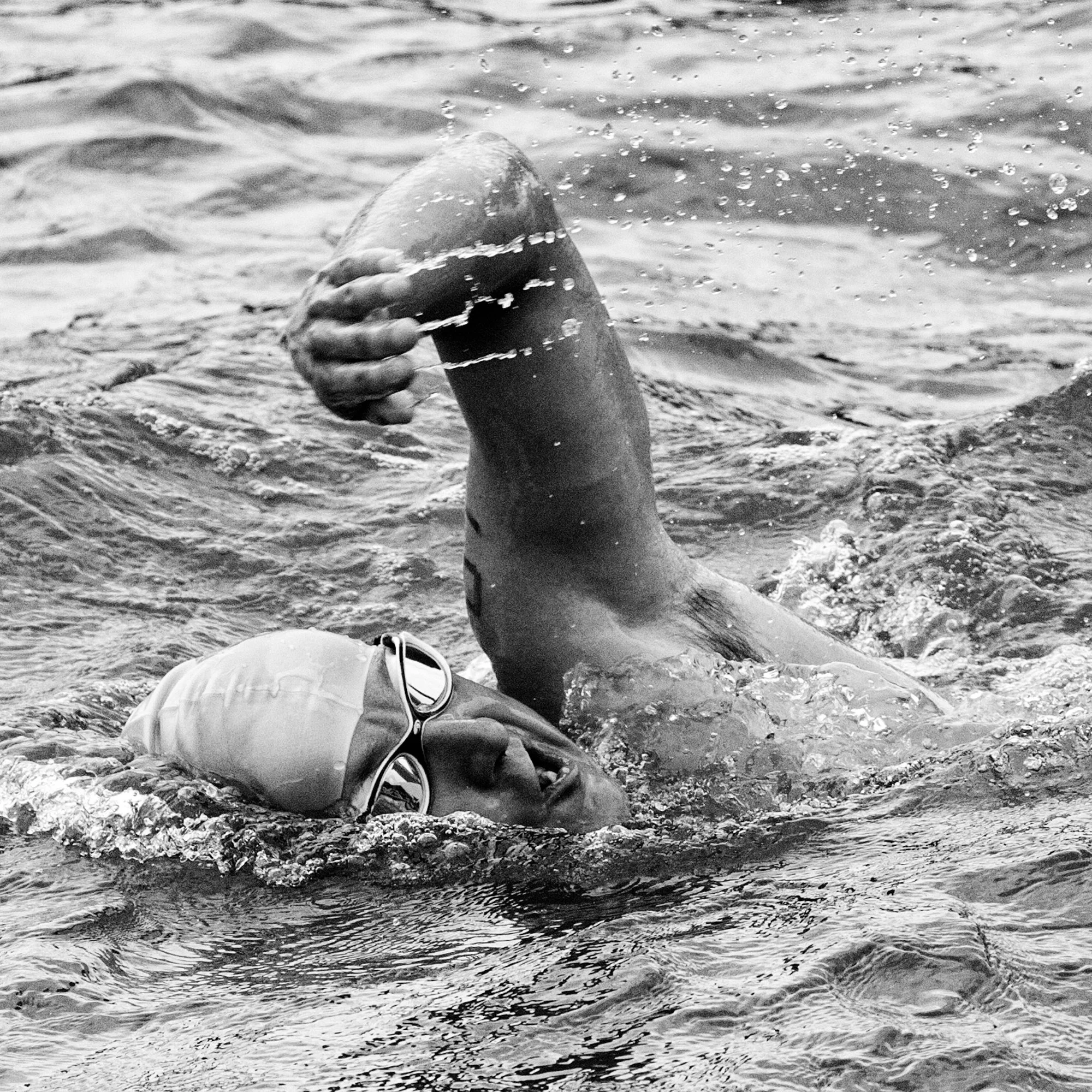
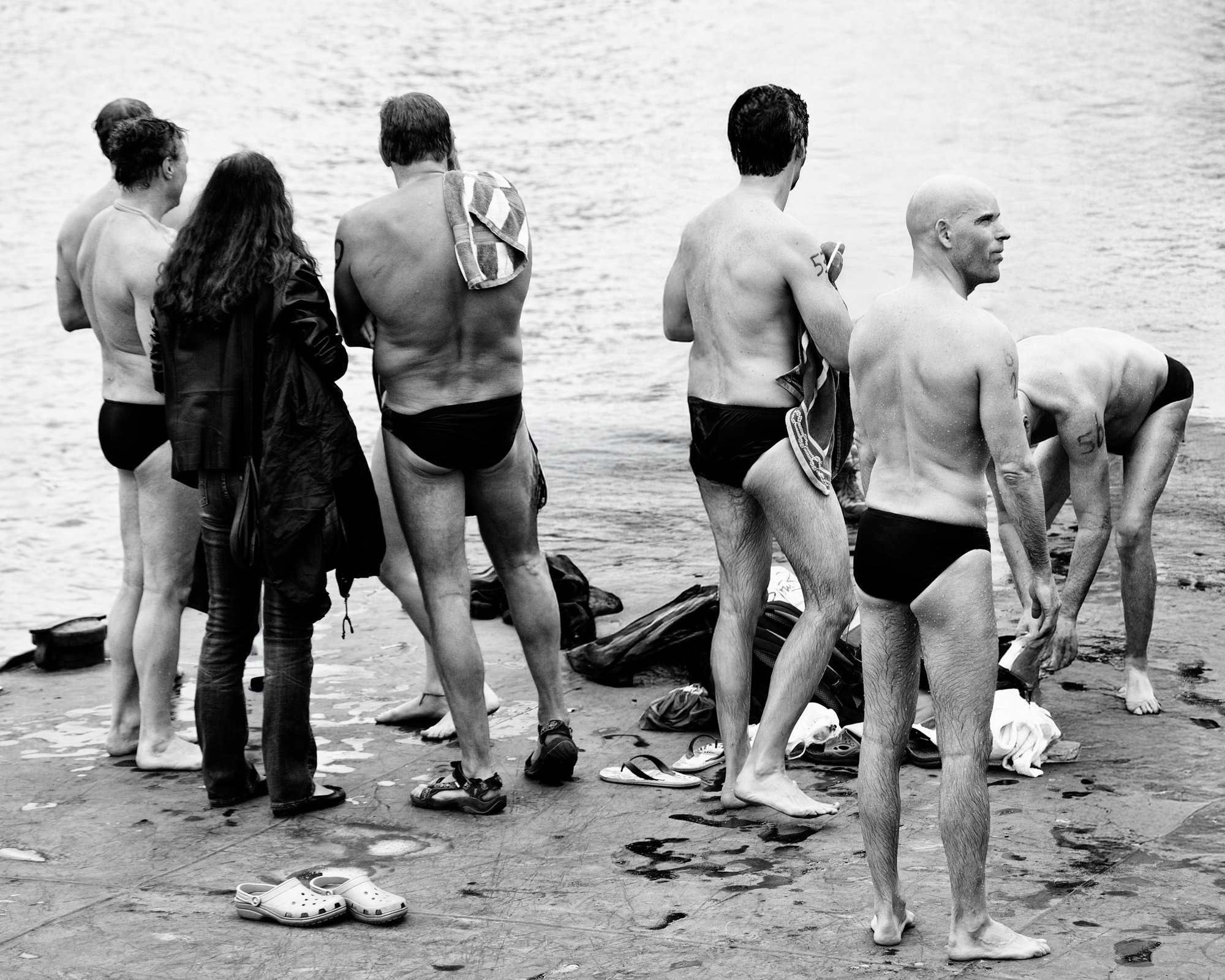
From 2010, when Rotterdam Swim was still Rondje Noordereiland.

Each summer in Rotterdam, when the tide slows and the Maas turns mirror-smooth, a few hundred brave souls slip into its grey-green waters to swim around the island that beats at the city’s heart — the Noordereiland. What began in 2008 as a daring challenge among a dozen enthusiasts, the Rondje Noordereiland has grown into the Rotterdam Swim, a beloved open-water tradition that binds swimmers, city, and river in one living current. For many participants, it’s not about speed but about the thrill — the taste of brackish water, the slap of waves, the sight of the skyline from water level.

Safety boats, kayakers, and “kantjeslopers” — volunteers running along the embankments — keep watch, but the real challenge is mental: trusting the rhythm of your stroke as the city hums above you. Over the years, the swim has become a symbol of Rotterdam’s grit and love for the river that defines it.

Every edition tells the same story in a different tide — of endurance, community, and the pure joy of diving straight into the city’s bloodstream.

From 2010, when Rotterdam Swim was still Rondje Noordereiland.

Encounters at the Jan van Eyck Academie (Maastricht, The Netherlands)

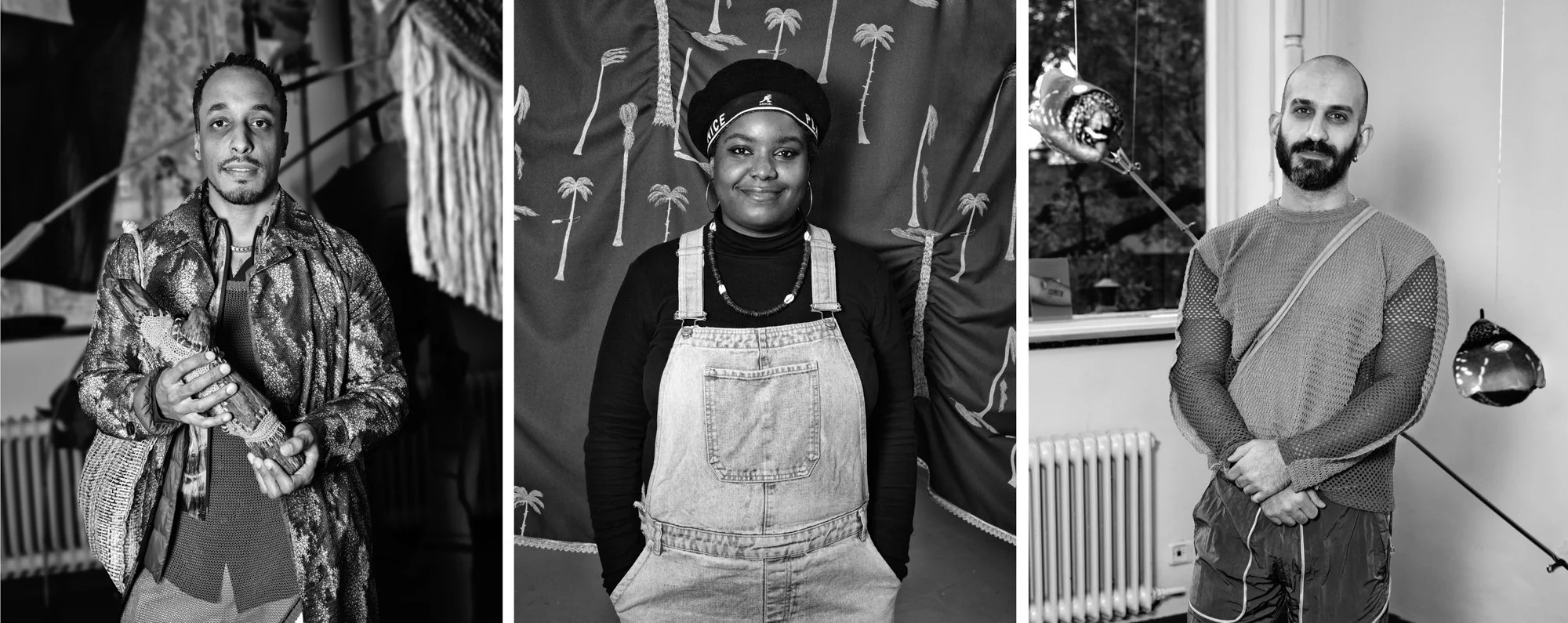
Rafael Edem Kouto, Gwladys Gambie, and Rouzbey Shadpey in their studios at the Jan van Eyck Academie (October 2025, Maastricht, The Netherlands).

In the heart of Maastricht, the Jan van Eyck Academie stands as a quiet yet potent sanctuary for contemporary thought and creation. It is not an art school, nor a gallery, but something in between: a place where artists, designers, and thinkers from all over the world come together to reimagine what art can be when given time, trust, and tools.

Walking through the studios during the Open Studios days feels like entering parallel worlds. Each resident unfolds a vision that stretches beyond their discipline—woven through questions of history, identity, and repair. Among them this year: Rafael Edem Kouto, Gwladys Gambie, and Rouzbeh Shadpey — three distinct voices united by a shared urgency to heal and reimagine.

Rafael Edem Kouto

Rafael Kouto, a Swiss creative director and fashion designer of Togolese and Ghanaian origin, builds his practice on the ethics of reuse and cultural continuity. His work, deeply rooted in West-African material culture, embraces upcycling as both method and message. By transforming discarded textiles and objects, Kouto turns what was once waste into a vehicle of memory and renewal.

His ongoing project Artefacts & Notes from Altared Futures – Temporarily Closed for Healing examines portable artifacts that once travelled across the Atlantic with the slave trade — talismans, fabrics, small objects that survived displacement. Through these, Kouto forges an emotional connection between craft and spirituality, between what is lost and what can still be made sacred again.

Gwladys Gambie

From Martinique, still formally a French colony, Gwladys Gambie brings to Maastricht a dreamlike yet defiant visual universe. Her work explores the representation of Caribbean black bodies and the female condition under the long shadow of colonialism. Through drawing, painting, writing, and performance — and lately through embroidery — she builds an oneiric space where fantasy and critique meet.

In her project Metaphor of the Coconut Tree, Gambie confronts “doudouism,” the exoticized image of the Caribbean perpetuated by literature and tourism. Her hand-drawn portraits of trees and textile installations challenge the coconut’s lazy association with paradise, instead revealing the violence of history embedded in its trunk and leaves. Each stitch, each line, becomes an act of reclaiming narrative — turning ornament into testimony.

Rouzbeh Shadpey

Physician, writer, and artist Rouzbeh Shadpey brings the language of the clinic into dialogue with the language of poetry. His research unpacks the aesthetics of chronic fatigue and the colonial legacy of medical power. Through video, sound, and text, Shadpey transforms the experience of illness into a site of resistance — a way of thinking that honours those whose suffering has been dismissed as “medically contested.”

In his installation Musique Chronique, he stages a scenography that may or may not unfold into performance — an unfinished ritual about the transformation of pain into music. Elsewhere in the academy, a second intervention mirrors the first: not music as healing, but music as illness, a meditation on the dissonance between harmony and violence. His work resonates as both a lament and a call for empathy — an appeal for recognition of human vulnerability in times of devastation.

A house for multiplicity

Together, these artists exemplify what the Jan van Eyck Academie does best: it shelters voices that speak from fracture, from history, from the desire to mend. Here, discarded fabric becomes altar cloth; embroidery becomes resistance; sound becomes protest.

The academy’s studios are not quiet after all — they hum with the slow, persistent work of reimagining the world.

Jan van Eyck Academie

Rotterdam my City — De Hef — A Bridge for Life Itself

The Koningshavenbrug (better known as “De Hef”) - Rotterdam, The Netherlands.

Across the northern edge of Rotterdam’s old harbor rises De Hef, the city’s iconic railway lift bridge — a monument of steel and symmetry. Built in 1927 to replace an older swing bridge destroyed in a ship collision, it was a marvel of its time: a vertical-lift bridge whose entire central span could rise to let ships pass beneath. For decades, trains thundered over it, carrying goods and passengers between north and south, its motion symbolizing the city’s pulse of progress.

When Rotterdam rebuilt after the Second World War, De Hef remained — scarred but standing, a survivor among ruins. It was finally decommissioned in 1993, after the construction of the rail tunnel that made it redundant. Yet public outcry saved it from demolition, and it became a protected monument, a silent figure in the skyline.

Then came a new dream. The Belgian architect Luc Deleu imagined giving De Hef an entirely different destiny — no longer a bridge for trains, but a bridge for life itself. In his visionary plan, the structure would become a civic platform suspended above the city: a place where every key event in human life — birth, marriage, death — would be officially declared. The bridge, with its 360-degree view over Rotterdam, would become a stage for existence, a place where the city could literally rise to mark its most intimate moments.

The plan was never realized, but its spirit endures. De Hef still towers over the water — a relic of movement, a monument to imagination, and a reminder that even in a city defined by rebuilding, some structures continue to lift not trains, but the human story itself.

Between Despair and Hope: The Sound of Ghanni Maastricht

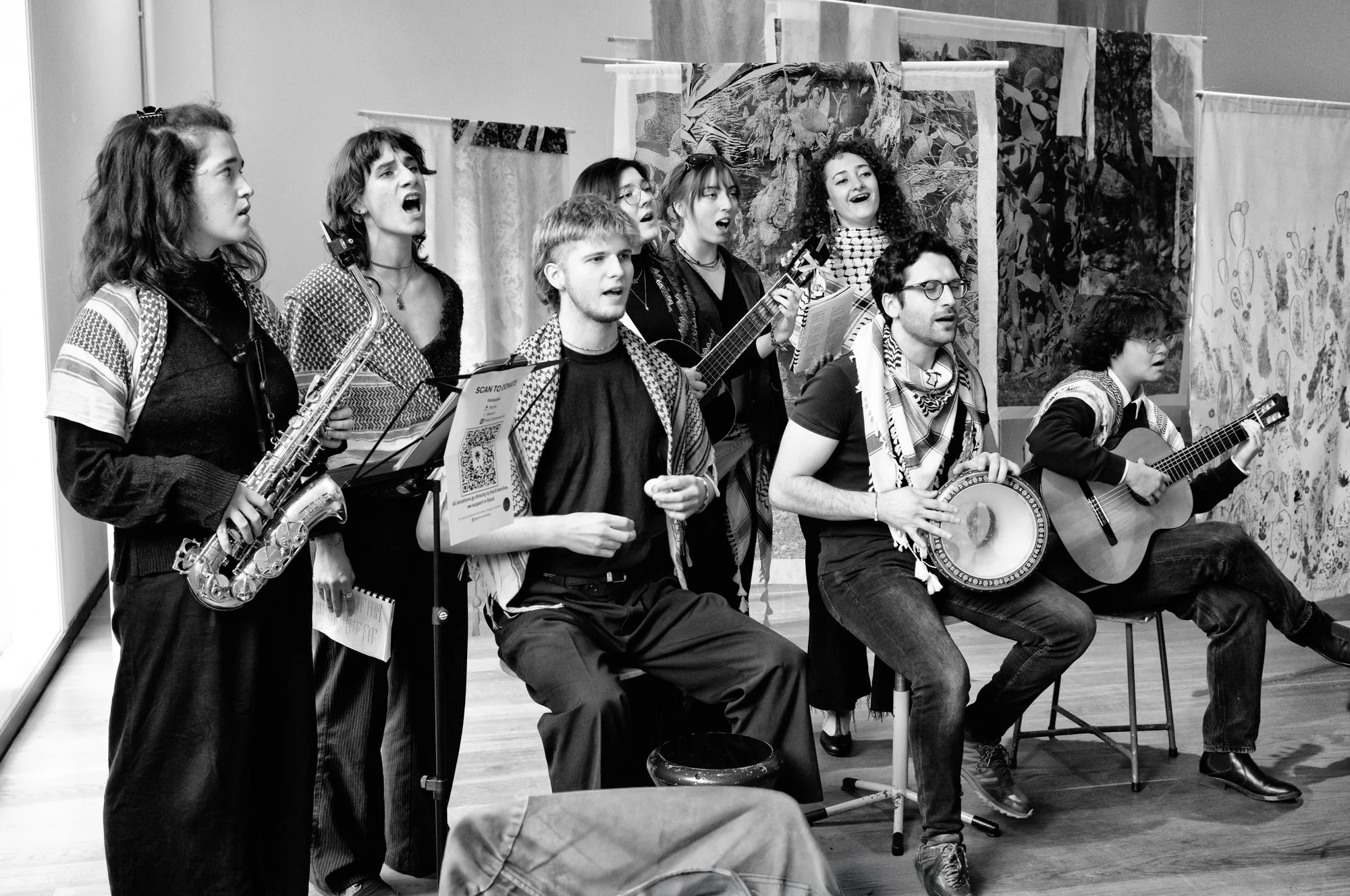
Ghanni Maastricht performing at the Jan van Eyck Academie Open Studios Days (October 2025).

At the Jan van Eyck Academie, voices rose in harmony — soft at first, then firm, like a tide refusing to retreat. The choir Ghanni Maastricht, a collective of “Musicians for Palestine”, filled the air with Holm — Arabic for Dream.

The song, originally by the Tunisian artist Emel, speaks of imagining a world rebuilt from pain — a place where love and hope can grow again. Its words were written long before the present war, yet in the shadow of Gaza’s devastation they resonate with unbearable clarity:

If I could close my eyes and the dreams take me by the hand,
I would rise and fly in a new sky and forget my sorrows.

Since the attack by Hamas on October 7, 2023, and Israel’s two year devastating response, Gaza has become a symbol of suffering and endurance. Today, amid a fragile ceasefire, peace remains elusive — the future of the Palestinian people uncertain, suspended between grief and survival.

Ghanni’s performance did not pretend to offer solutions. Instead, it offered a space for compassion, a reminder that art can keep our humanity alive when politics fails. In their voices, sorrow turned into resistance, and music became a fragile bridge between despair and hope.

Rotterdam's Old Harbor

Rotterdam’s Old Harbor (Oude Haven).

At the edge of the modern city, the Oude Haven still feels like Rotterdam’s heartbeat. Historic barges float quietly in the water, their polished wood and ropes recalling the time when this was a working port, filled with the smell of tar and salt.

Beside them rises Het Witte Huis, once Europe’s first skyscraper — elegant, white, and proud, a survivor of the old city that was lost in 1940. Behind it, the Willemsbrug ties the past to the present, its steel lines echoing the masts below.

Far in the distance, you can just make out De Hef, the old railway lift bridge — a reminder that Rotterdam’s story has always been about transport.

Today the Oude Haven is a place to linger: cafés along the quay, reflections on the water, and the sense that here, in this small harbor, the whole spirit of Rotterdam still comes home.

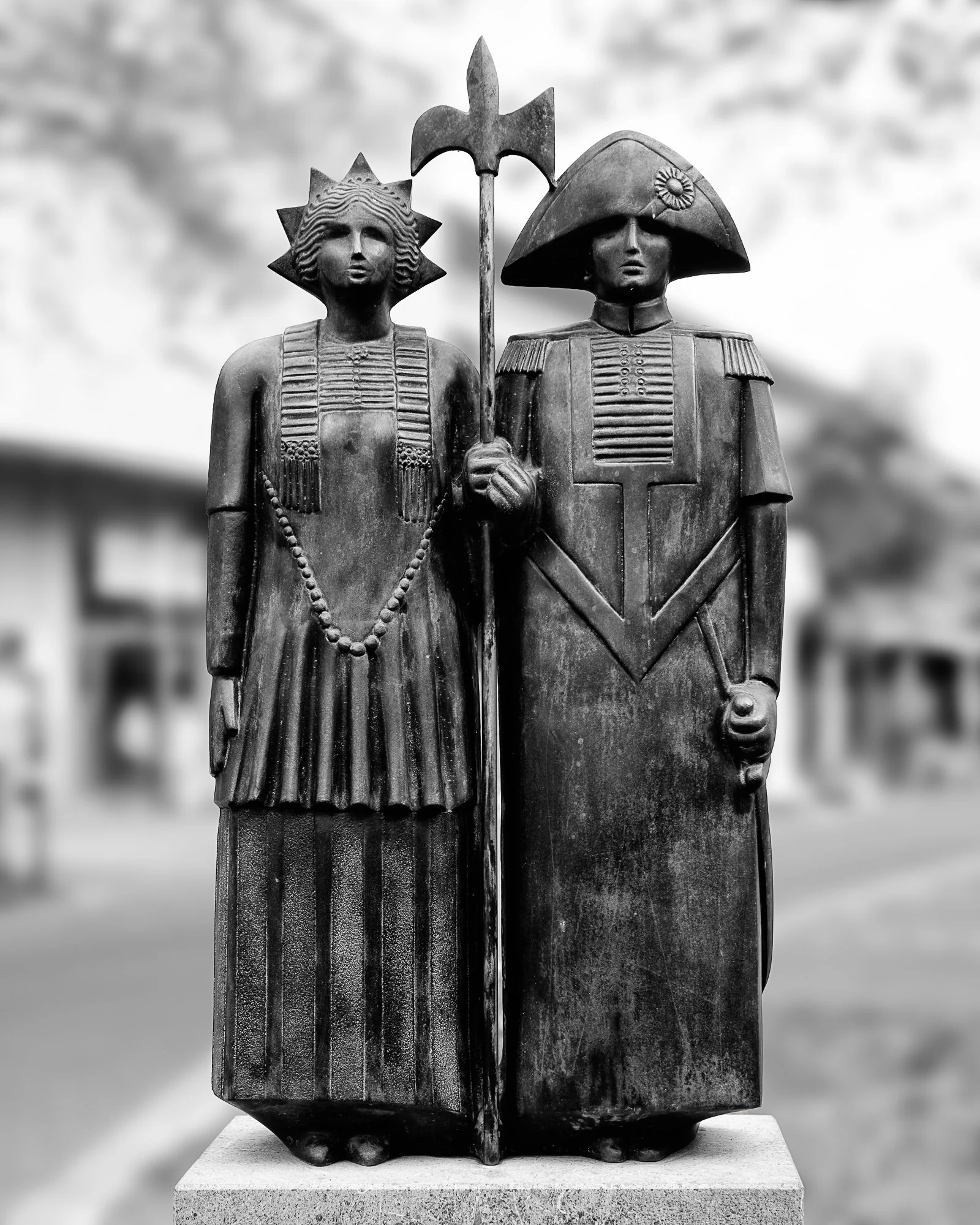
From the Archive: La Dama at the Lange Voorhout with Zoë Wijnsouw (The Hague, The Netherlands)

Zoë Wijnsouw with ‘La Dama’ from Manolo Valdés (2001) in The Hague, 2010, by Barend Jan de Jong.

In the summer of 2010, the stately trees of the Lange Voorhout in The Hague looked down on a remarkable guest: La Dama (2001), a three-metre-high bronze sculpture by Spanish artist Manolo Valdés. With her majestic circular headdress and calm, archaic face, she evoked one of Spain’s greatest archaeological treasures — the mysterious Dama de Elche, a limestone bust dating back to the 4th century BC.

Valdés did not attempt to copy the ancient figure. Instead, he reimagined her presence: monumental yet human, classical yet modern. The bronze surface captured the shifting Dutch light, turning gold in the morning sun and deep green by evening. Between the linden trees of the Voorhout, she seemed both visitor and guardian — a piece of Mediterranean memory grounded in northern soil.

The Pieterpad: A Journey Through the Heart of the Netherlands
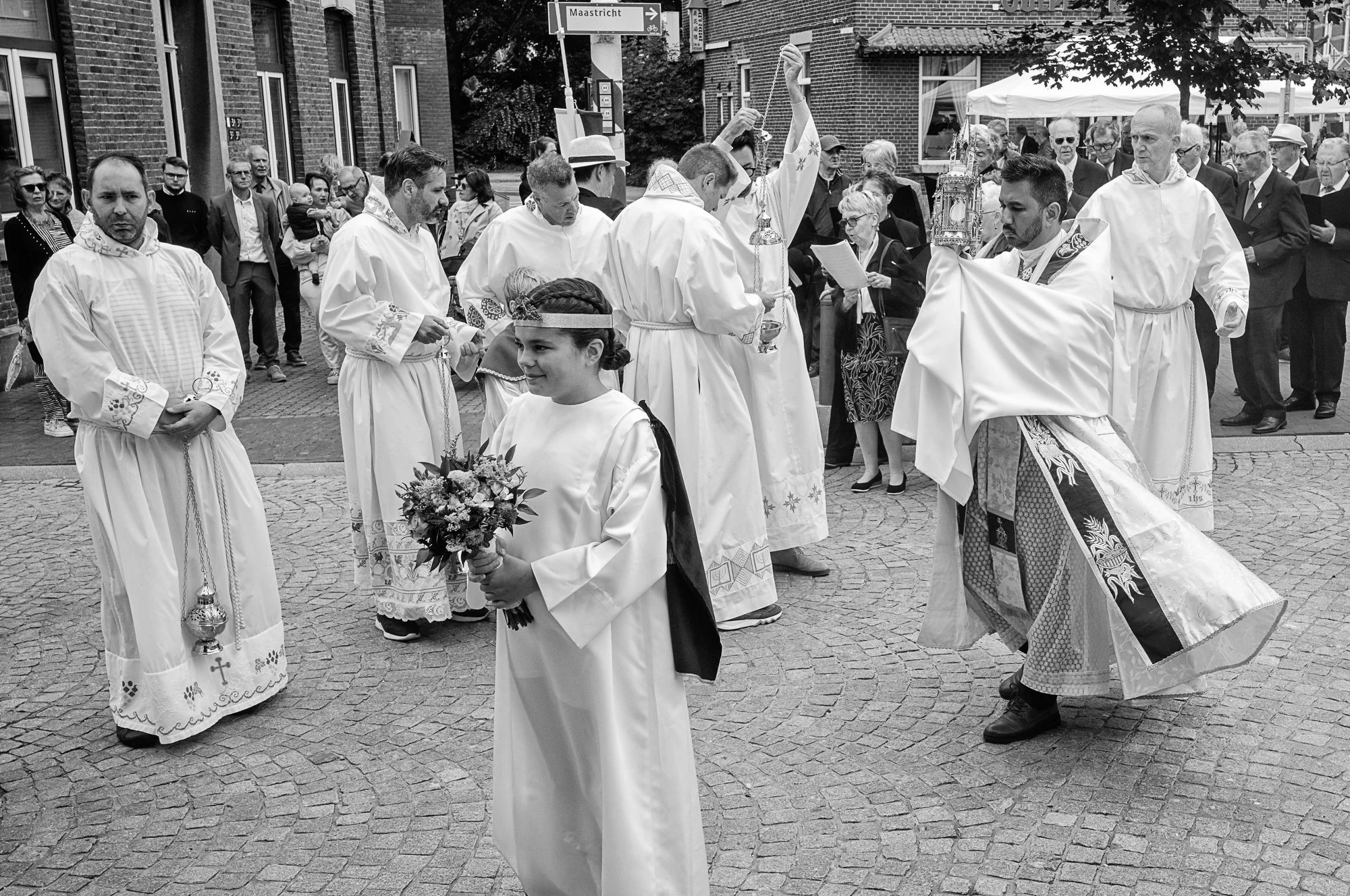
A group of friends hiking on the Pieterpad near Roermond.

Imagine standing in Pieterburen in northern Groningen on a crisp morning in northern Groningen, looking out over flat polders, salt air on your skin, and maybe a seal in the distance. Somehow, this quiet shore is the beginning of something grand: roughly 500 kilometres of trail winding south through woods, heathland, rivers, villages—finally ending at Sint-Pietersberg, just south of Maastricht. This is the Pieterpad, the most famous long-distance walking route in the Netherlands.

A Bit of History

  • The idea was born in the late 1970s, when two Dutch women—Toos Goorhuis-Tjalsma from Tilburg in the south, and Bertje Jens from Groningen in the north—grew frustrated by the lack of long-distance walking paths in their homeland.

  • From about 1978 to 1983 they explored, plotted, tested stages, connecting existing paths, picking landscapes that showed off the diversity of the land.

  • The route was officially opened in 1983. Since then it has slowly evolved: slight adjustments of stages, small detours when infrastructure shifts, and improvements to signage and accommodation.

What You’ll See & How It Feels

Walking the Pieterpad is rarely rugged or remote—it’s not about trail-blazing, but about experiencing the changing Dutch landscape up close. Northern flatness gives you wide skies and polders; heathlands and woodlands in the centre; then gentle hills, river valleys, even vineyards, in Limburg. You pass through small towns and villages where time seems slower, where B&Bs, farmhouses and local cafes offer rest and character.

The trail is marked well (with the white-red markers of Dutch long-distance walking paths), and is divided into 26 stages of approx. 15-25 km each, so it’s accessible even if you can’t walk nonstop.

Estimating how many people walk the Pieterpad each year is tricky, because many people do just part of it, or break it up over many trips, and there's no central registry of walkers. But here are the best figures we have:

  • Some 30,000-50,000 people annually walk one or more of the 26 stages.

  • With the COVID-19 pandemic, interest and usage spiked: guidebook sales doubled, and people booking lodging on popular stages reported full occupancy more often.

So, safe to say: tens of thousands of people walk parts of or the whole Pieterpad every year.

The Pieterpad is more than a trail—it’s a mirror of the Netherlands. It shows you its history, its many landscapes, its rhythms. It brings people out into nature, connects rural to urban, past to present. After 40+ years, it continues to grow in popularity—not just among older walkers, but among younger people, couples, families, foreign hikers—especially once people discovered how beautiful and varied “Dutch wilderness” can be.

For More Information

Without Knowing, on the Camino

Each morning he walks the same stretch of the Meuse — unaware that he follows the ancient route of pilgrims bound for Santiago de Compostela.

Every morning, as the mist still clings to the Meuse, people set out from Roermond for their daily walk. Some follow the dike for exercise, others to clear their minds — yet without knowing, their footsteps trace one of Europe’s oldest pilgrim routes.

The Camino de Santiago passes quietly here, unmarked by fanfare or faith, just a worn rhythm between river and sky. The man in the photo has walked this path for years, greeting the same geese, watching the same current. He may never carry a scallop shell or reach Santiago, but his devotion to the road is its own kind of pilgrimage.

The Church on Friesland’s Highest Mound (Hegebeintum, The Netherlands)

The church at Hegebeintum (The Netherlands).

In the tiny Frisian village of Hegebeintum, the church seems to float above the surrounding fields. It stands atop the highest terp—an artificial dwelling mound—in the Netherlands, rising about eight and a half metres above sea level. Built in the 12th century, the Romanesque church of brick and tuffstone replaced an earlier wooden structure, serving both as a place of worship and as a refuge during floods.

Over the centuries, the church was altered in Gothic style and fortified with a stout tower. Inside, you can still see medieval fresco traces and a richly carved 17th-century pulpit. The terp itself has its own story: much of it was dug away in the late 19th century for fertile soil, leaving the church standing even more prominently against the horizon.

Today, the church and terp together form a striking landmark—a meeting point of human resilience, medieval faith, and the ever-changing Frisian landscape.

The interior of the church at Hegebeintum (The Netherlands).

Coal, Catholicism, and Community: Henri Poels and the Social Fabric of South Limburg (1900–1930, The Netherlands)

Henri Poels.

When coal was discovered in South Limburg at the turn of the 20th century, it promised jobs, prosperity—and potential trouble. Across Europe, industrial regions had already shown how rapidly growing workforces could become hotbeds of labour unrest, socialism, and political radicalism. In The Hague and in church offices alike, there was quiet concern: how could Limburg’s mining communities grow without becoming a social powder keg?

That challenge found its champion in Monsignor Henri Poels, a priest from Venray who would become known as aalmoezenier van de arbeid—chaplain to the working class. Poels understood that keeping the peace in the mines meant more than sermons on Sunday. It required housing, leisure, and a sense of belonging firmly rooted in Catholic life. His mission was both pastoral and strategic: to “bind the worker to the soil,” as one famous slogan put it, by giving them a stake in stable, faith-based communities.

In 1911, Poels founded Ons Limburg, a cooperative housing association designed to tackle the chronic shortage of decent homes for miners and their families. Good housing, he believed, was a bulwark against the appeal of socialist promises. But bricks and mortar were only the beginning. Poels actively encouraged a dense network of Catholic associations—sports clubs, choirs, youth groups, and mutual aid societies—that would anchor miners’ lives in a shared moral and cultural framework.

His reach extended into the cultural sphere as well. Through initiatives like the NV Tijdig, he supported Catholic-friendly cinema and theatre, offering wholesome entertainment that kept people within the Church’s orbit even in their leisure hours. In the process, he helped shape a “pillar” of Catholic life in Limburg—parallel to, and often in competition with, socialist and liberal networks.

The results were tangible. Catholic miners’ unions provided an alternative to secular labour movements, offering advocacy on wages and conditions without breaking ranks with the Church. Housing cooperatives ensured that miners lived in neighbourhoods designed with parish life in mind—complete with churches, schools, and clubhouses. For decades, this model of faith-led community building kept Limburg’s mining region socially cohesive, even as it absorbed waves of migrant labour from other parts of the Netherlands, Belgium, Germany, and beyond.

By the 1930s, the coalfields of South Limburg were more than an economic engine; they were a laboratory for a uniquely Catholic approach to industrial society. Poels’ legacy still lingers in the brick façades of garden villages, in the archives of miners’ associations, and in the memory of a time when the Church was not only a place of worship, but the architect of an entire way of life.

Banner of the Dutch Roman Catholic Miners’ Union, Geleen branch in South Limburg (1920).

Further reading

  • BWSA, Henri Poels (Internationaal Instituut voor Sociale Geschiedenis)

  • Canon van Nederland, Limburg-venster: Ons Limburg and housing policy

  • T. Oort, Film en het moderne leven in Limburg (chapter on associations and cinema)

  • S. Langeweg, Mijnbouw en arbeidsmarkt in Nederlands-Limburg, 1900–1965

  • Katholiek Zuid-Limburg en het fascisme (Maaslandse Monografieën 19)

  • Open Universiteit, “Mijn en Kerk” thematic article

Limburg Torn Between Two Countries: Faith, Identity, and Relations with the New Order for the Low Countries after 1839

A map with the division of Limburg from the Treaty of XXIV Articles (London, 1839).

When revolution erupted in Brussels in 1830, Limburg found itself at the nexus of Europe’s great powers. For nine uneasy years, the province lived in political limbo. Belgium had declared independence; the Netherlands refused to let go. In the meantime, Limburg’s towns and villages experienced a tug-of-war not just between two capitals, but between two different worlds.
Much of Limburg’s population sided—openly or quietly—with the Belgian cause. Catholic to the core, many Limburgers felt culturally and spiritually closer to Belgium and its Church than to a Protestant-dominated Dutch state. The Catholic Church became both an anchor and a shield: an institution that spoke their language, celebrated their feast days, and upheld traditions that had shaped village life for centuries. In the uncertain 1830s, clinging to the Church was as much an act of identity as it was of faith.

Politically, the situation was volatile. In the early months of the Belgian Revolution, places like Sittard, Roermond, and Venlo joined the uprising; only Maastricht held out for the Dutch king, guarded by its fortress commander. Diplomacy played out in London’s conference rooms, with maps repeatedly redrawn—first in the so-called XVIII Articles of 1831, then in the far harsher XXIV Articles of 1839. These final terms carved Limburg in two, assigning the eastern half, including Maastricht, to the Netherlands.

The decision was met with resentment on the ground. Limburgers had grown accustomed to the broader freedoms they enjoyed under Belgian administration during the 1830–1839 interlude. Many resisted the new Dutch order: over 3,500 people formally opted for Belgian nationality, and thousands more quietly crossed the border. Even for those who stayed, the bond with “Holland” was thin. Daily life—markets, schooling, professional networks—often still pointed south to Liège, Hasselt, and Brussels rather than north to Amsterdam or The Hague.

In this climate, the Catholic Church’s role deepened. It provided continuity in a time when political allegiance was in flux. Parish life, religious festivals, and clergy influence became subtle markers of a Limburg identity distinct from the Dutch national narrative. For decades afterward, this sense of difference lingered. By the time Limburg was fully integrated into the Netherlands in the late 19th century, its Catholic heritage was not just a religious fact—it was a quiet statement of who they were, forged in the shadow of a political split.
Further reading

  • Piet Lenders, Honderdvijftig jaar scheidingsverdrag België–Nederland en de opsplitsing van Limburg, 1989

  • W. Jappe Alberts, Geschiedenis van de beide Limburgen, 1972

  • K. Schaapveld, Local Loyalties: South Limburg During the Belgian-Dutch Separation, 1998

  • L. Cornips, Territorializing History, Language, and Identity in Limburg, 2012