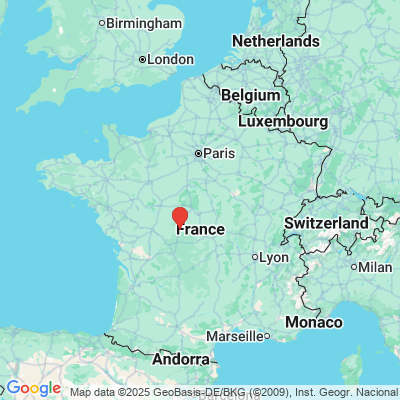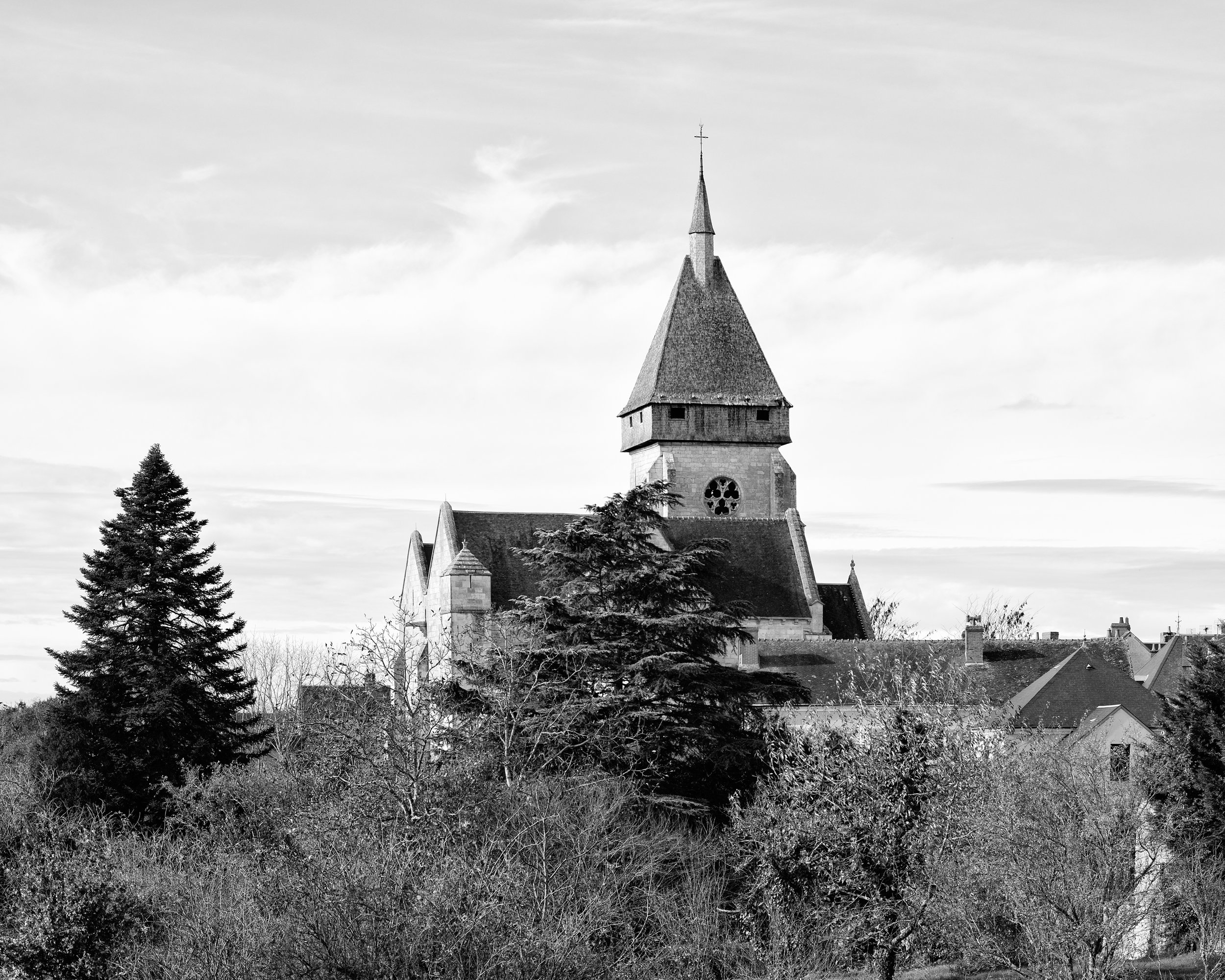
Église Saint-Marcel in Argenton-sur-Creuse (France).
A short walk from the Roman site of Argentomagus stands one of the most evocative rural churches in central France: the Église Saint-Marcel. Modest in size but rich in history, it brings together twelve centuries of architecture, devotion, and local craftsmanship — all in a peaceful village setting.
A Brief History
The church once belonged to a Benedictine priory linked to the Abbey of Saint-Gildas. Its oldest parts date from the 12th century, especially the Romanesque chevet with its thick stone walls and sturdy tower. Later additions — chapels, vaulting, and interior decoration — were carried out in the 16th century, giving the building its layered, time-worn character.
Highlights Inside
What makes Saint-Marcel stand out is the concentration of medieval and early-Renaissance artistry:
Romanesque architecture: A simple nave, a transept with three small apses, and a striking square tower that may once have had a defensive role.
The crypt: A rare survival beneath one of the chapels — atmospheric, intimate, and tied to early Christian worship in the region.
Carved choir stalls: Early-16th-century woodwork with delicate misericords showing the imagination of local artisans.
A 16th-century fresco of the Notre-Dame de Pitié above a side doorway, one of the few remaining wall paintings in the area.
Relics and liturgical treasures, including bust reliquaries associated with Saint Marcel and Saint Anastase, reminders of the church’s long devotional history.
Why It’s Worth a Visit
Saint-Marcel is the kind of place where different eras quietly overlap: Roman presence, medieval monastic life, and village spirituality. The church is never crowded, making it ideal for slow travel — a contemplative stop surrounded by old stone houses and the wooded slopes of the Creuse valley.
Just a few minutes away lies Argentomagus, one of France’s major Gallo-Roman archaeological sites. Visiting both in one day gives you a rare double insight: the world of antiquity and the world that replaced it.
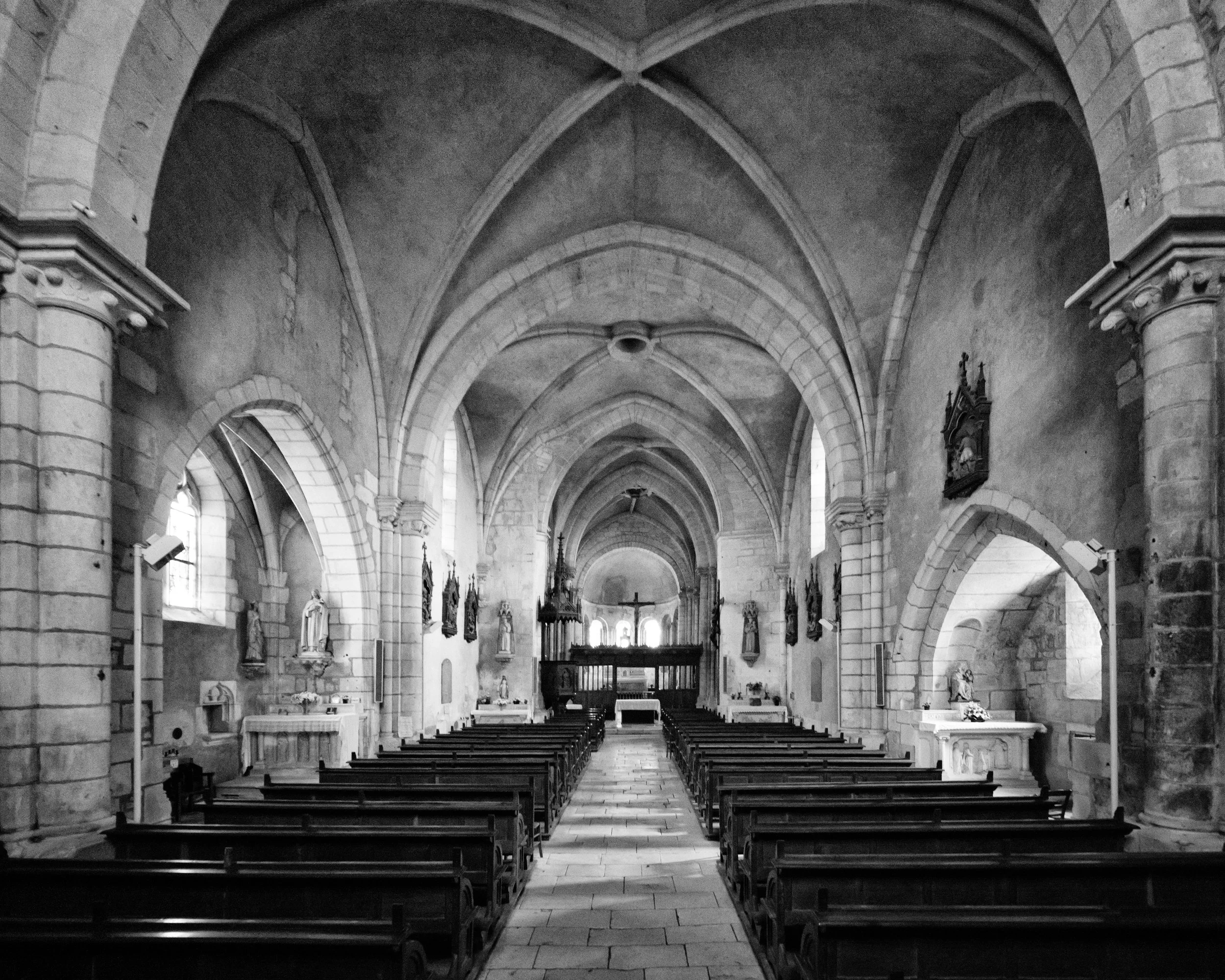
The interior of Église Saint-Marcel in Argenton-sur-Creuse (France).