cultural sites

Where Families Camp in the Middle Ages: Easter at Graefenthal

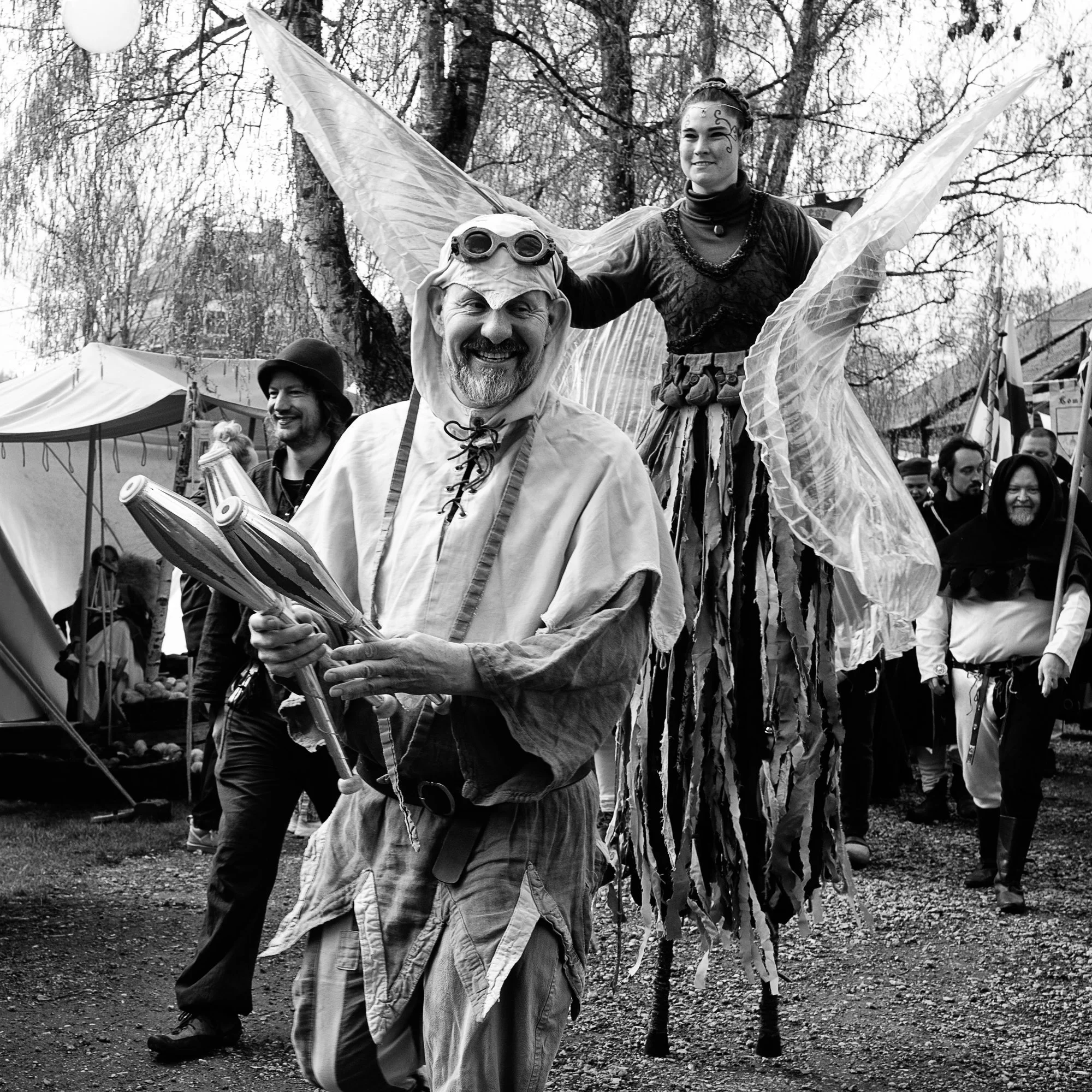
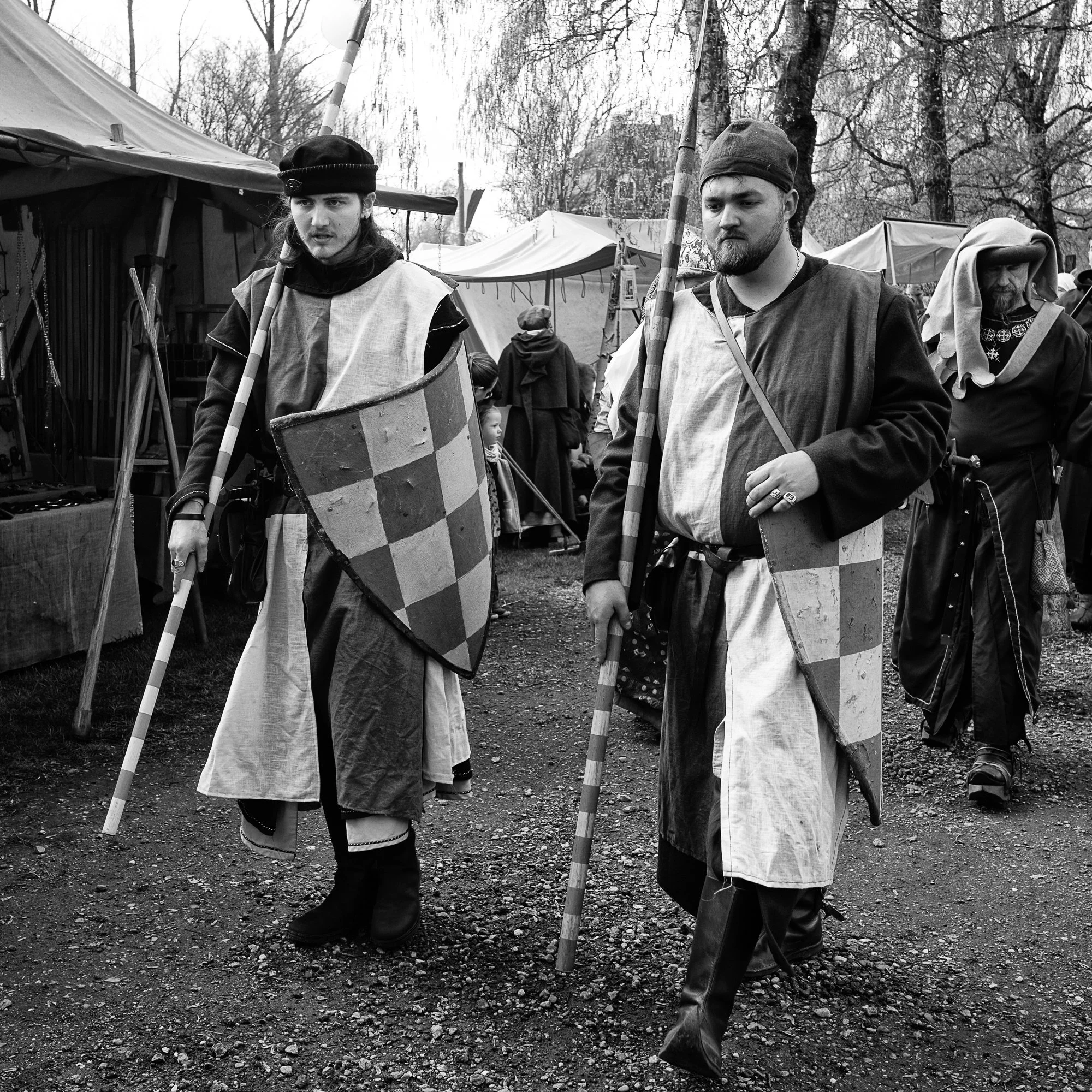
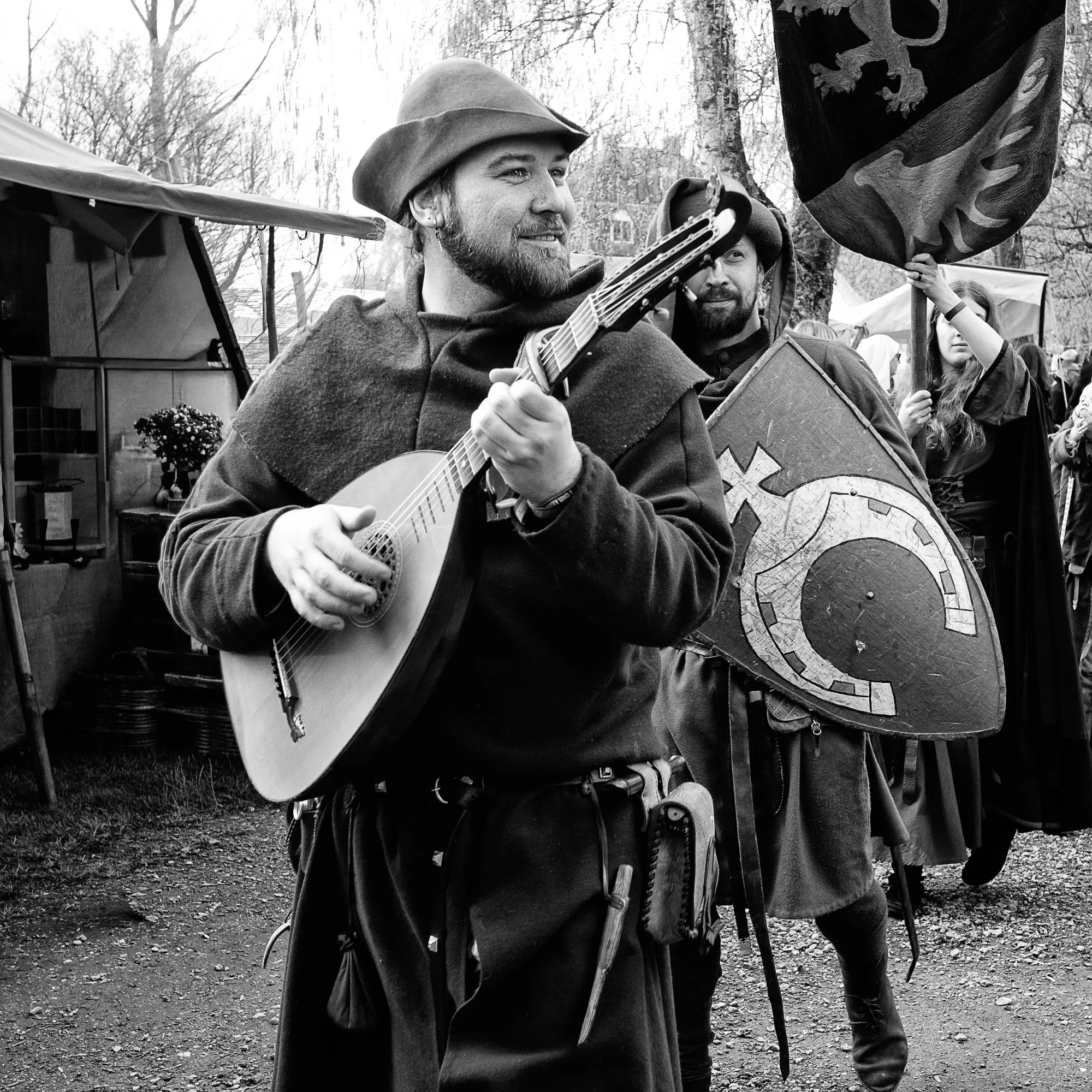
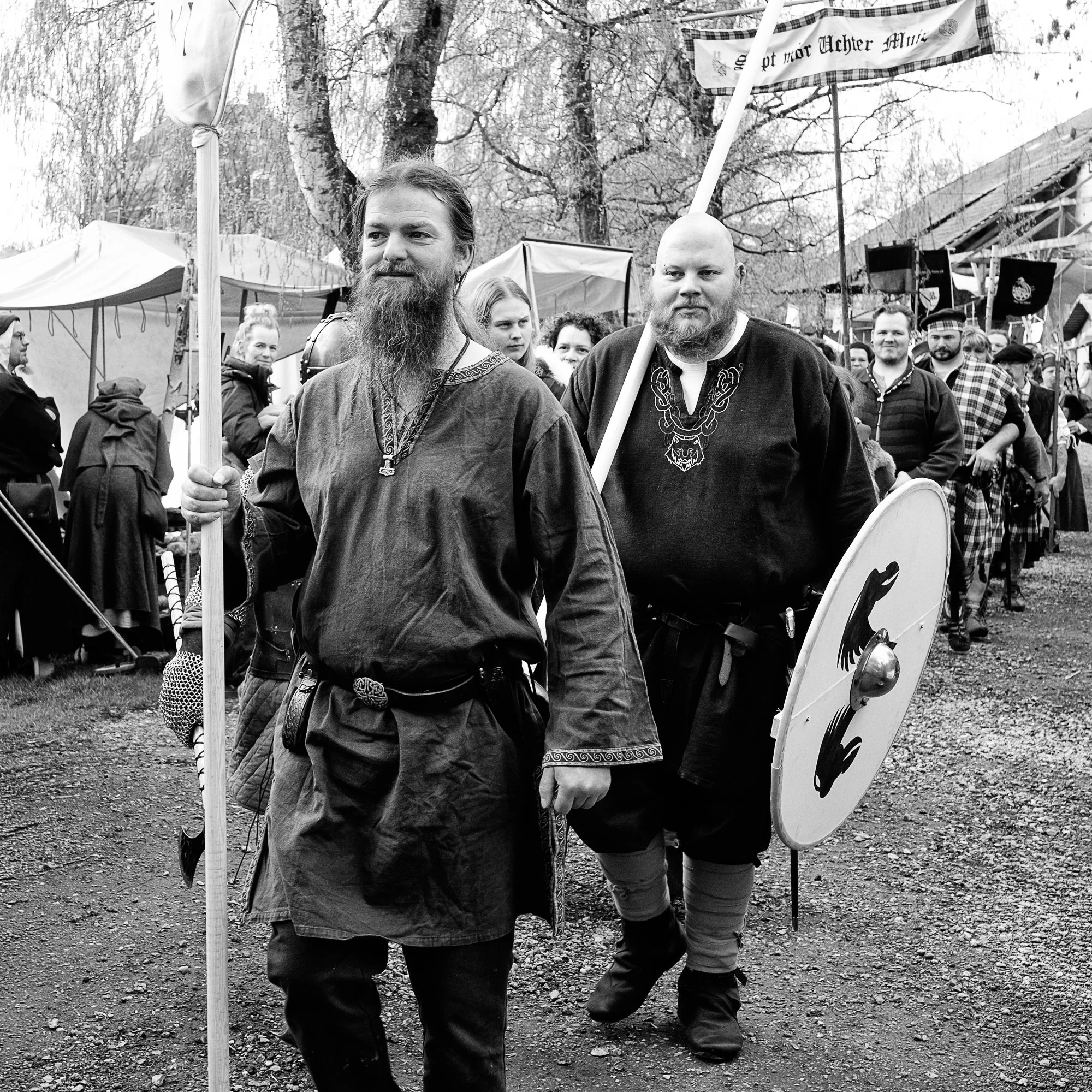
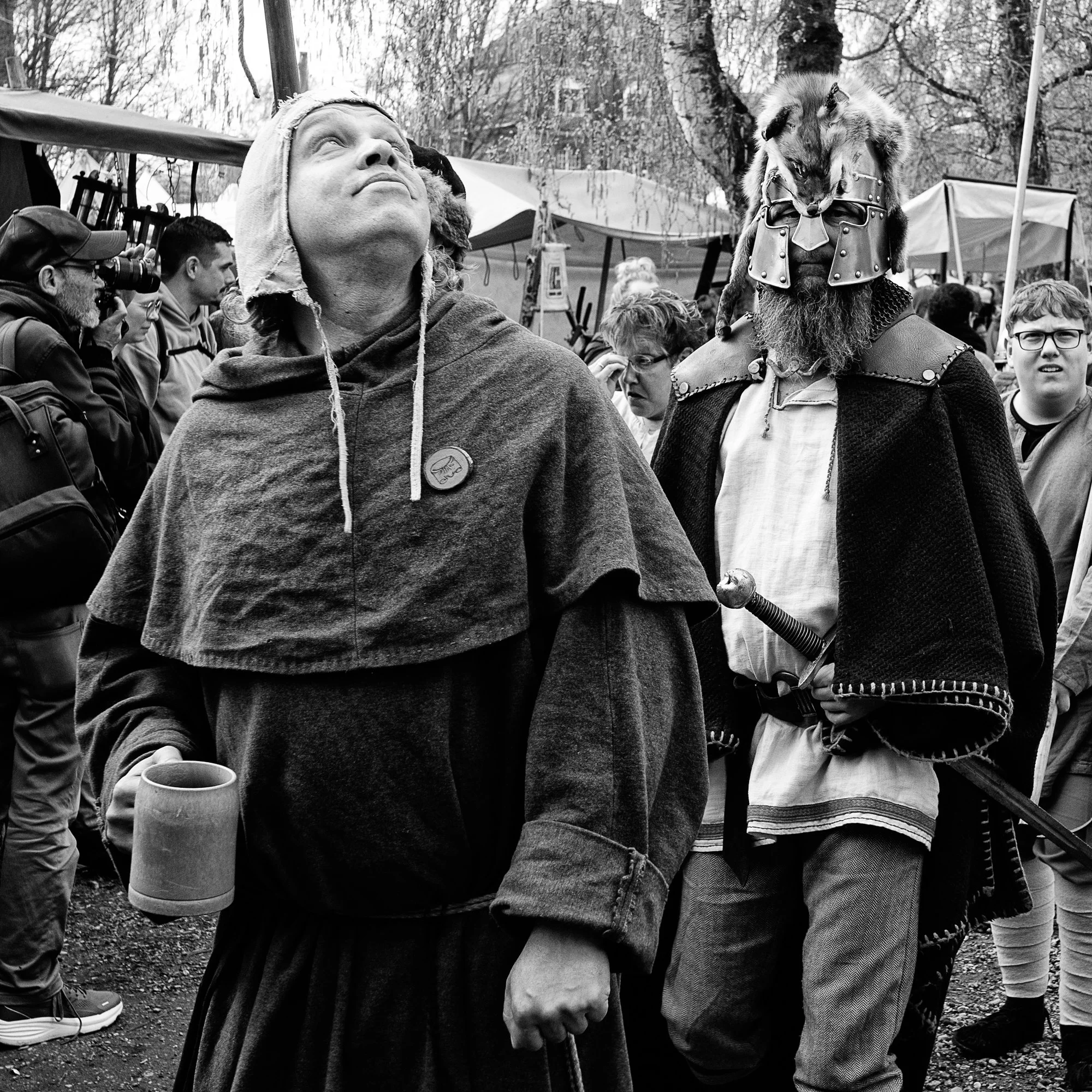
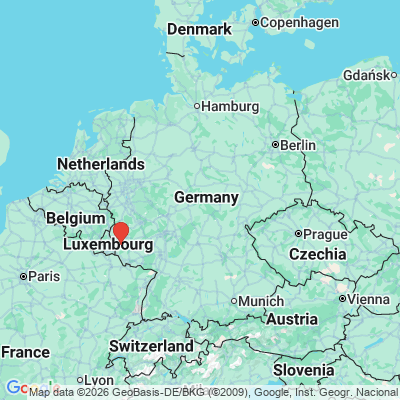
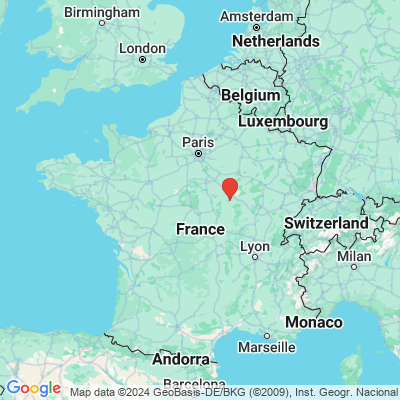
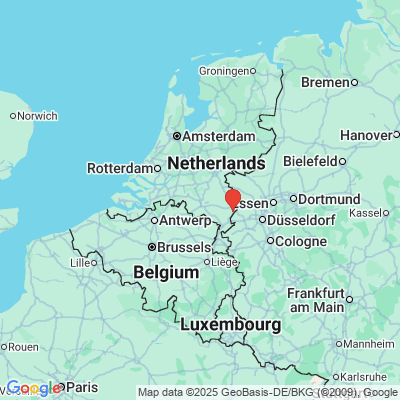
Just across the Dutch–German border, near Goch, something remarkable happens every Easter weekend. The quiet grounds of Kloster Graefenthal — a monastery founded in 1248 — transform into a living medieval world.

From April 4 to 6, 2026, the site once again hosts its well-known Easter market, one of the largest medieval-themed events in the region.

But this is not just a market. It is something far more immersive.

A Market That Feels Like a Village

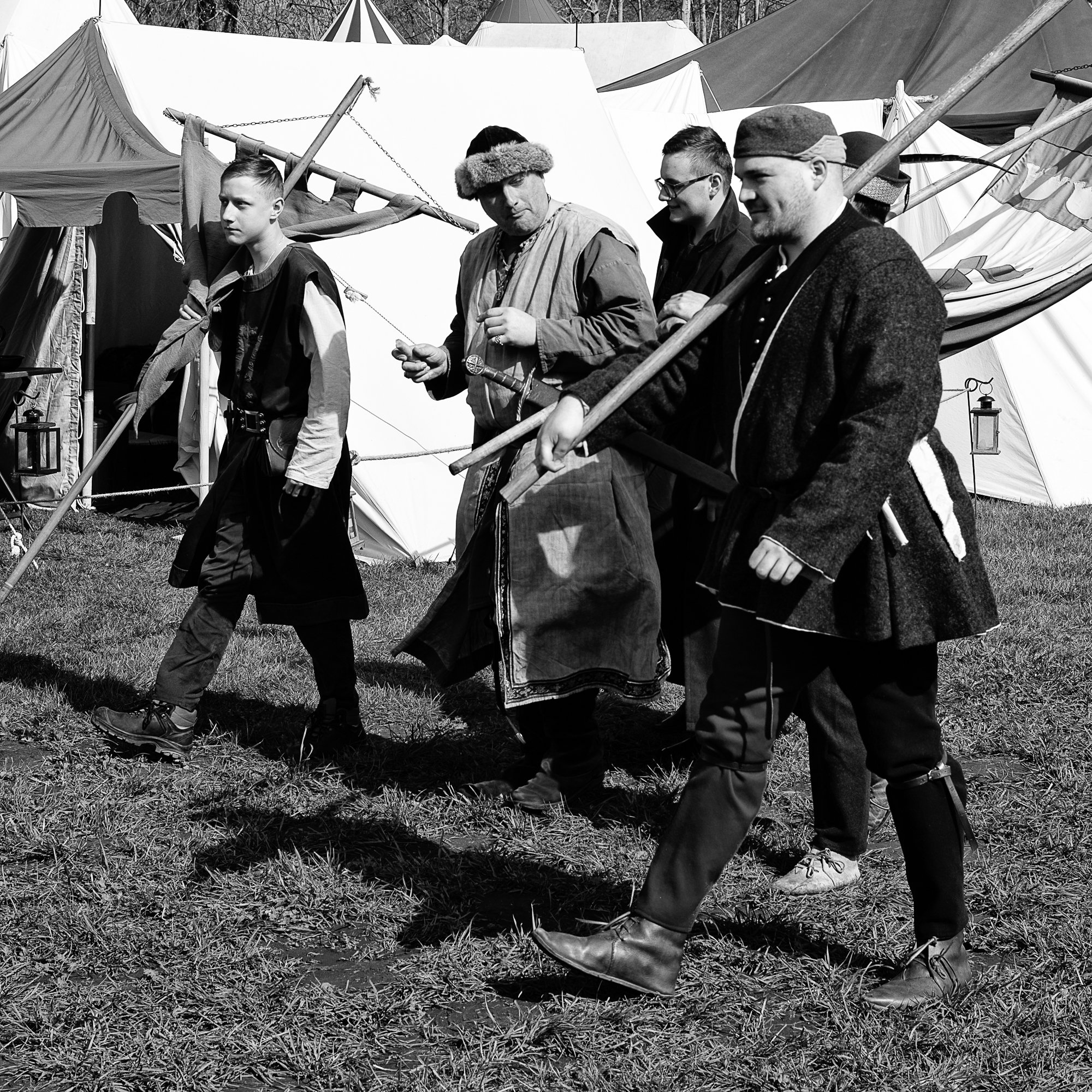
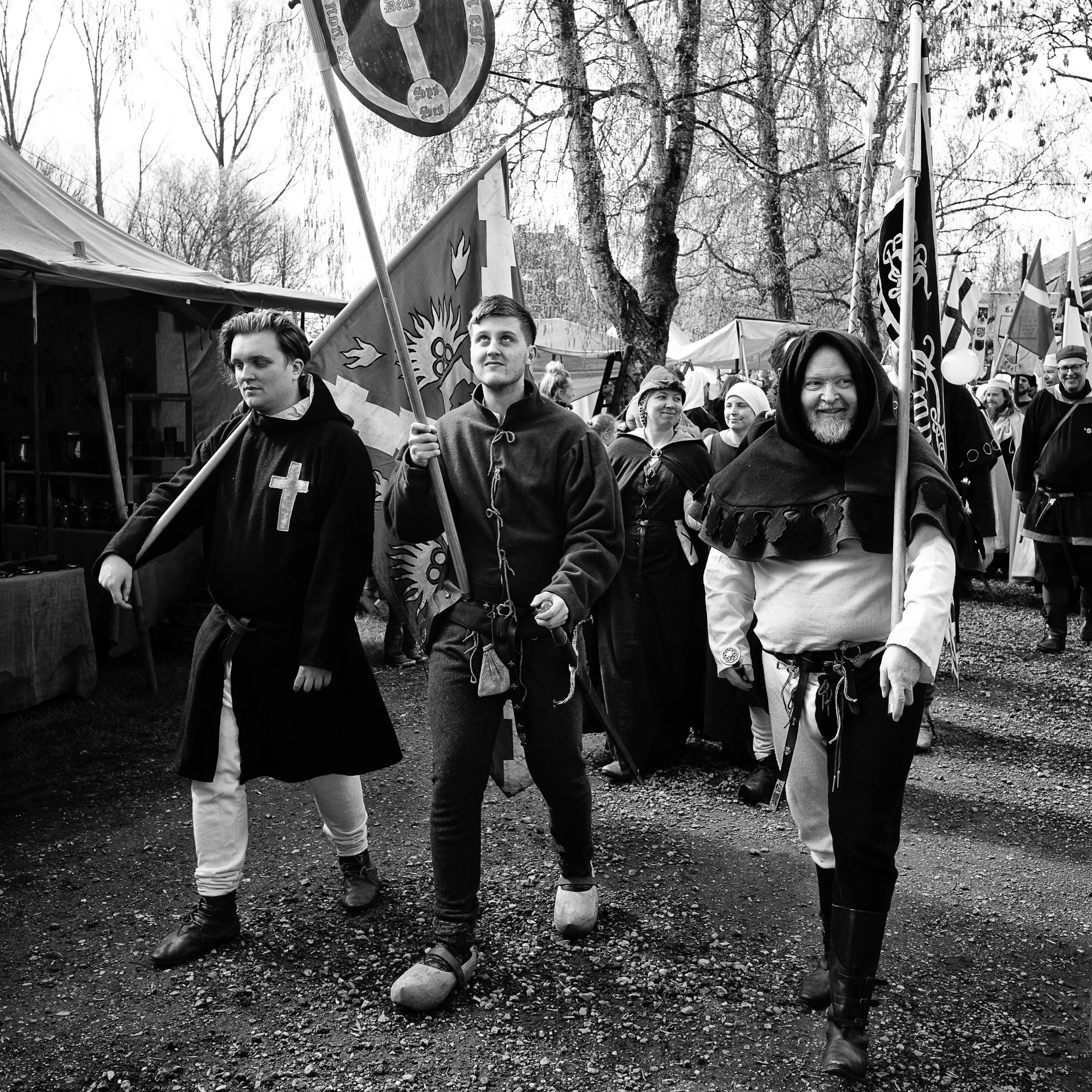
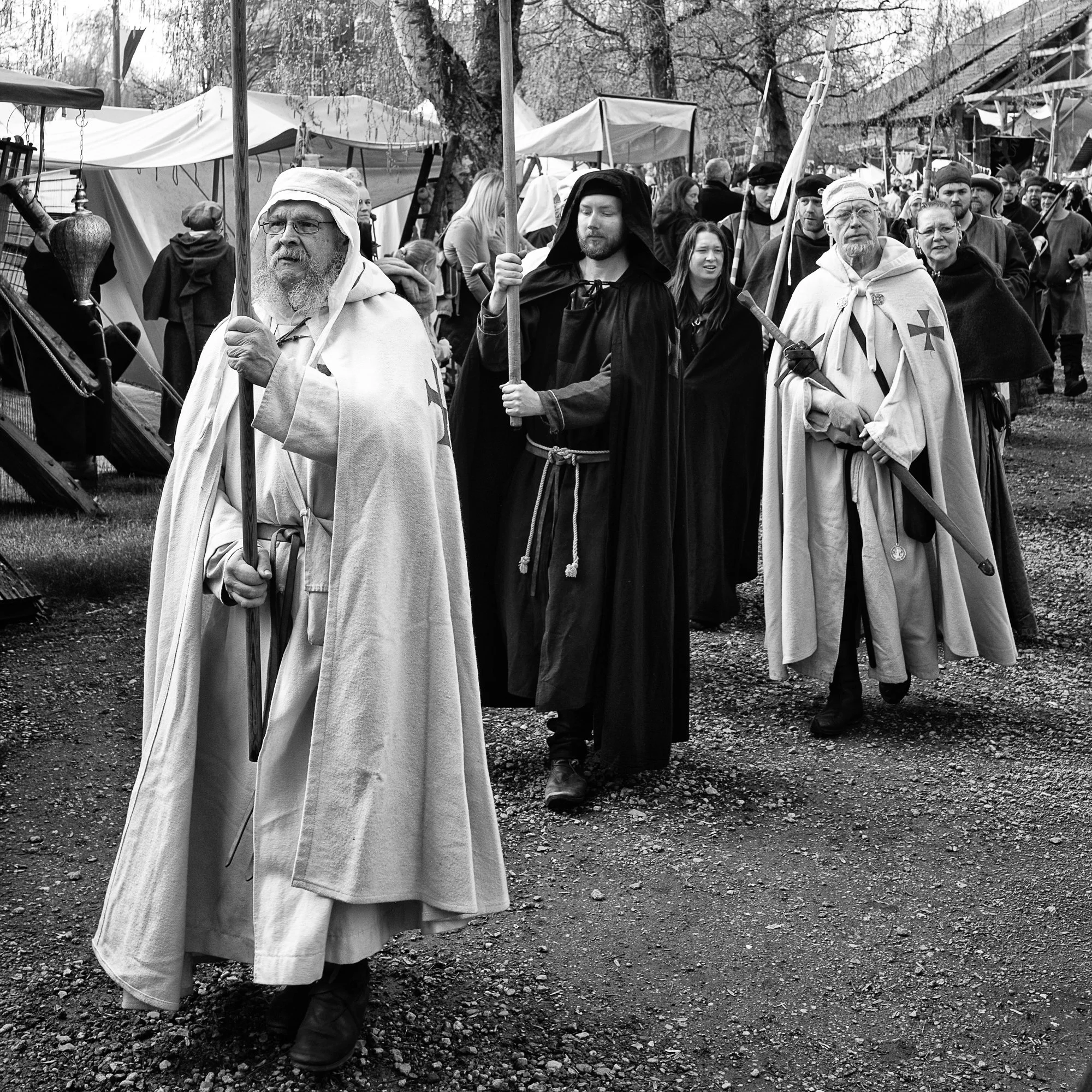
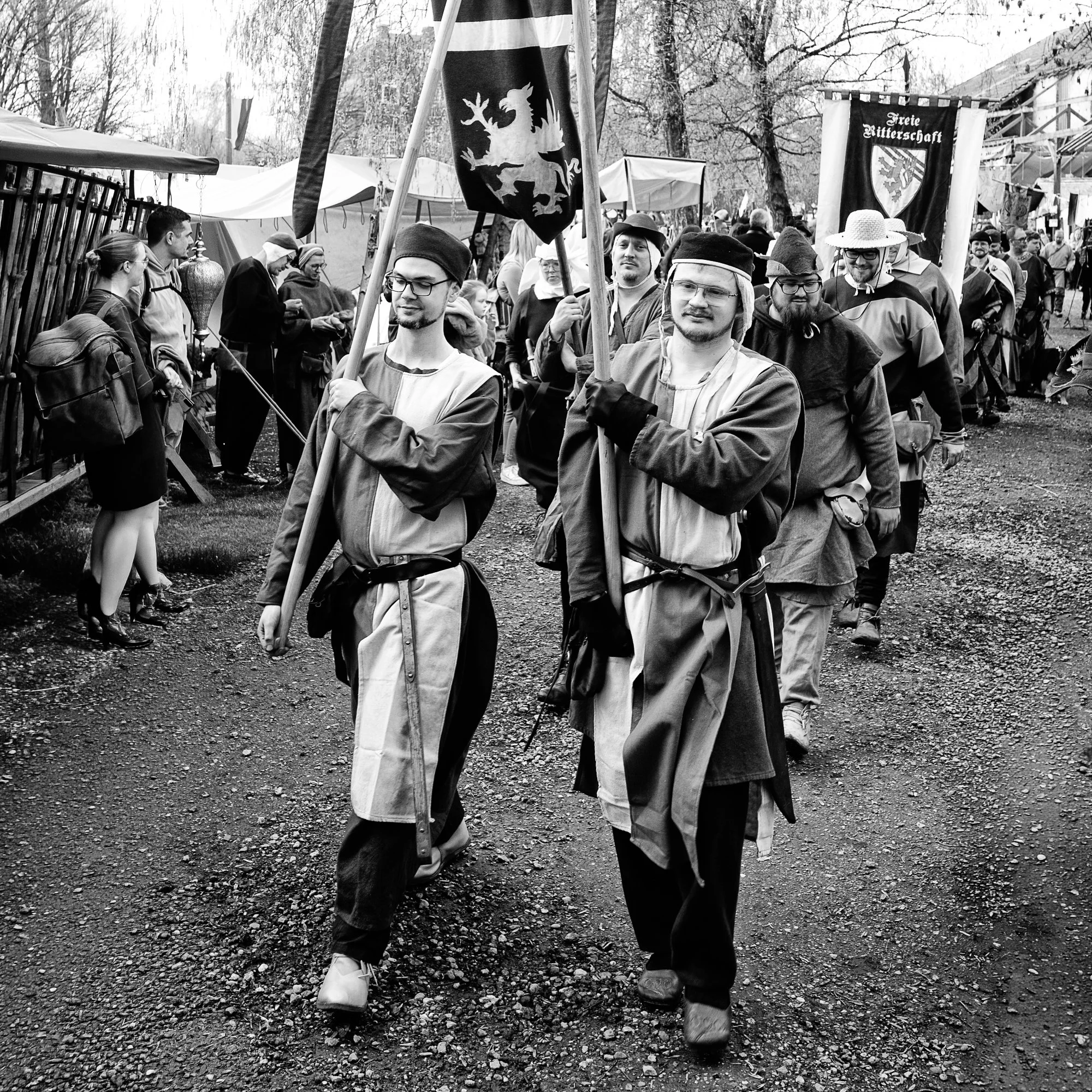
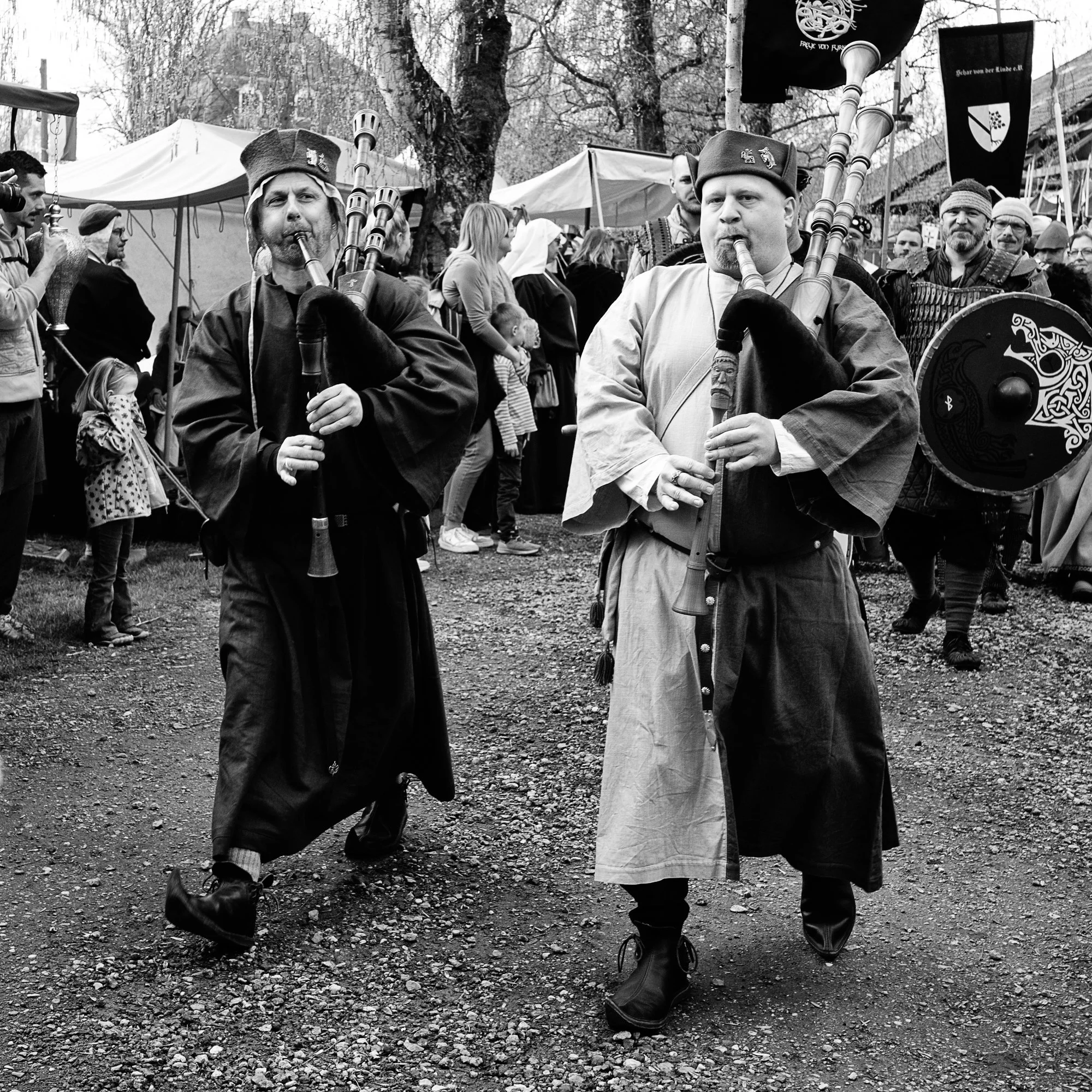
At first glance, you will see the familiar elements: wooden stalls, craftsmen, food, music. But then something shifts. Behind the market, beyond the crowds, entire medieval encampments appear — tents, campfires, cooking pots, banners moving in the wind.

Here, history is not displayed. It is lived.

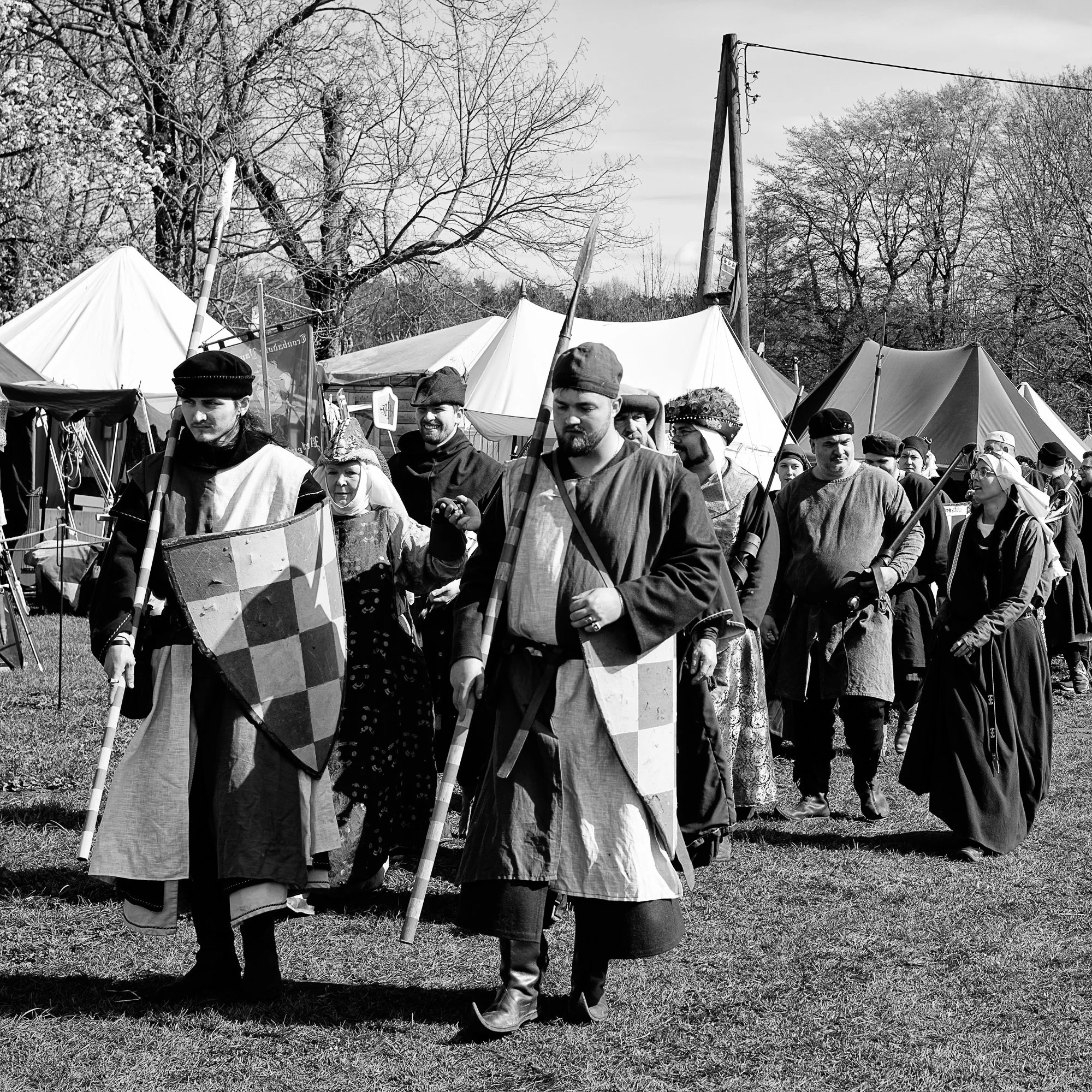
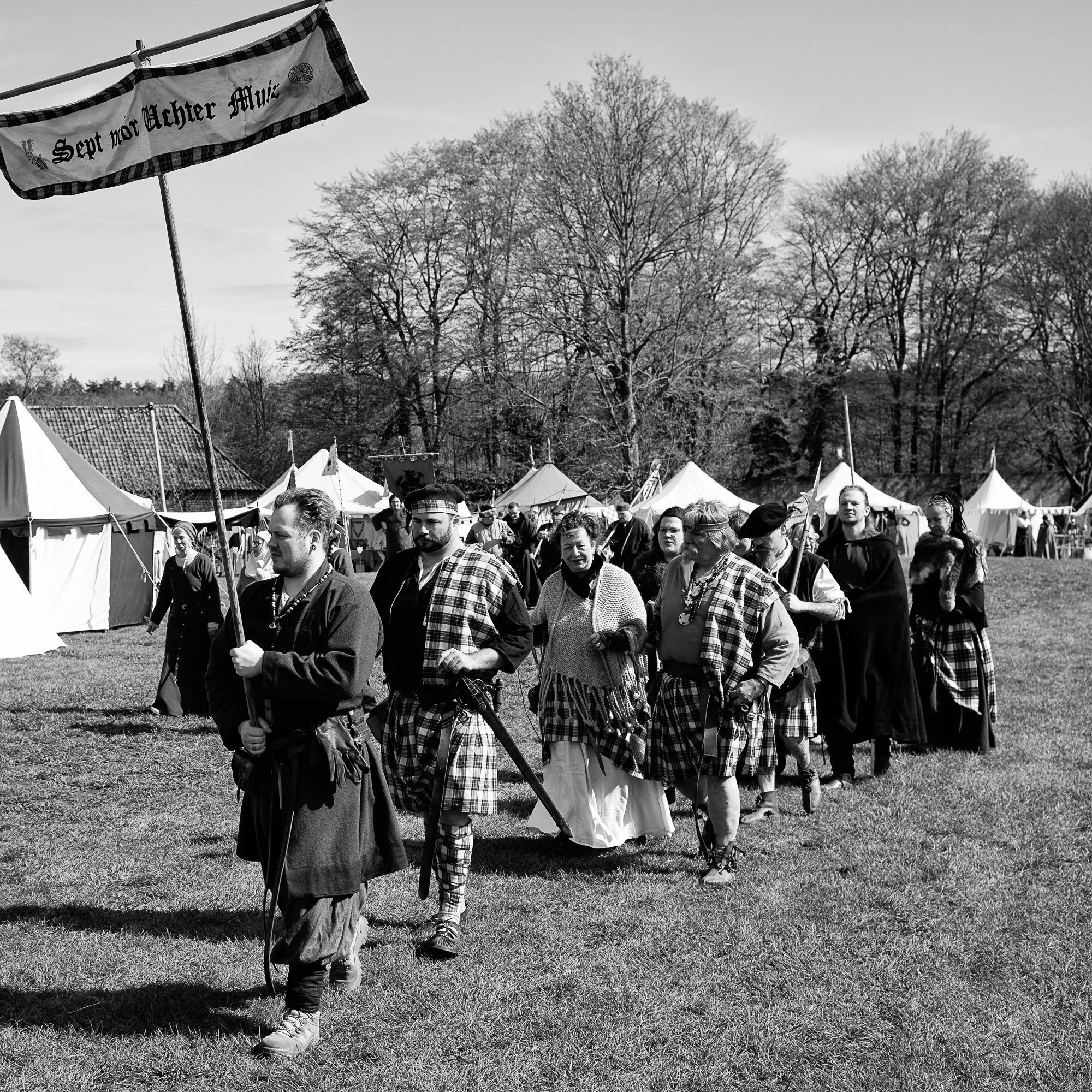
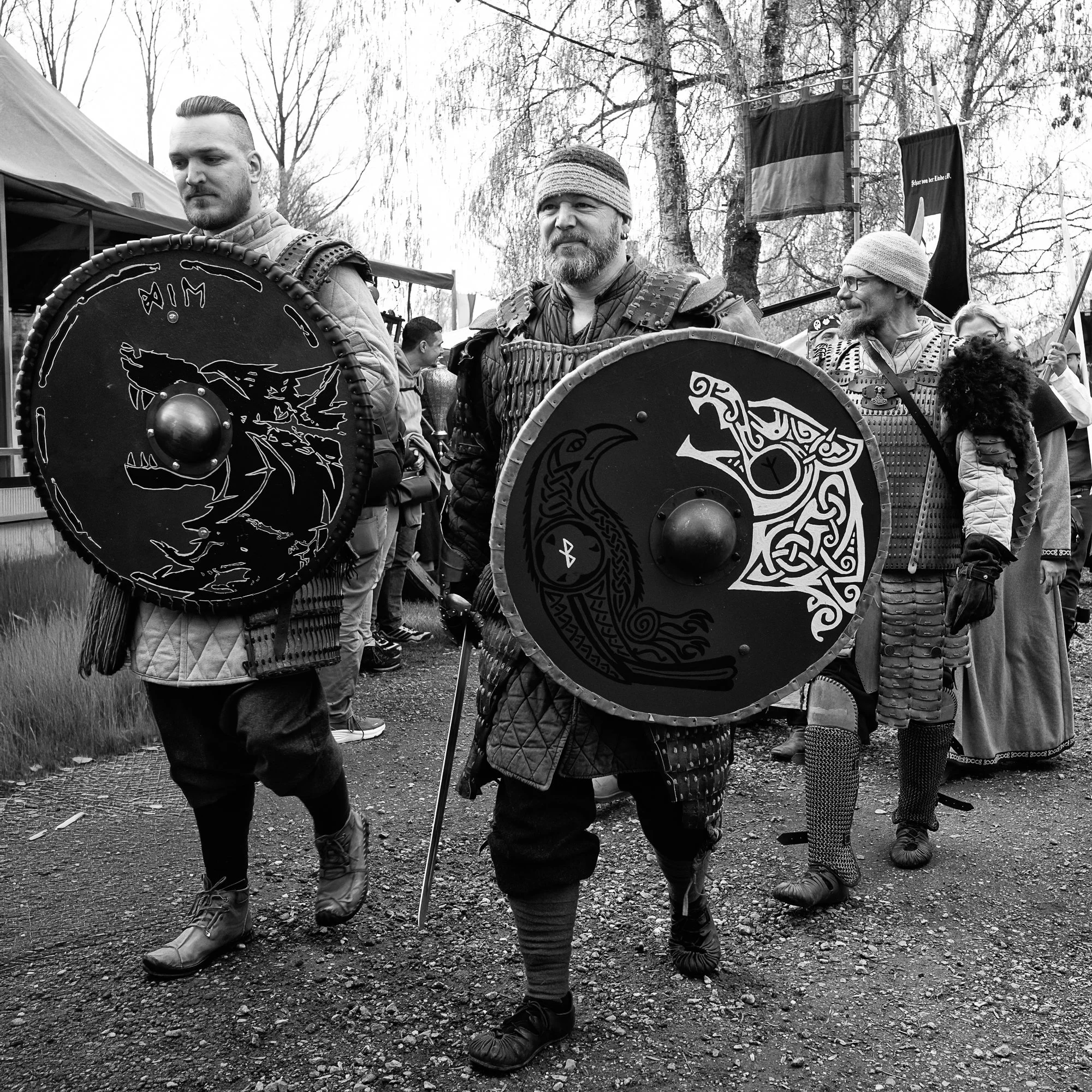
Groups of reenactors recreate daily life in the Middle Ages: cooking over open fire, practicing archery, forging metal, or preparing for mock battles. Visitors can walk straight into these camps, talk to the participants, and even try activities themselves.

And most striking of all: many participants do not come alone. They come as families.

Families Who Live the Past

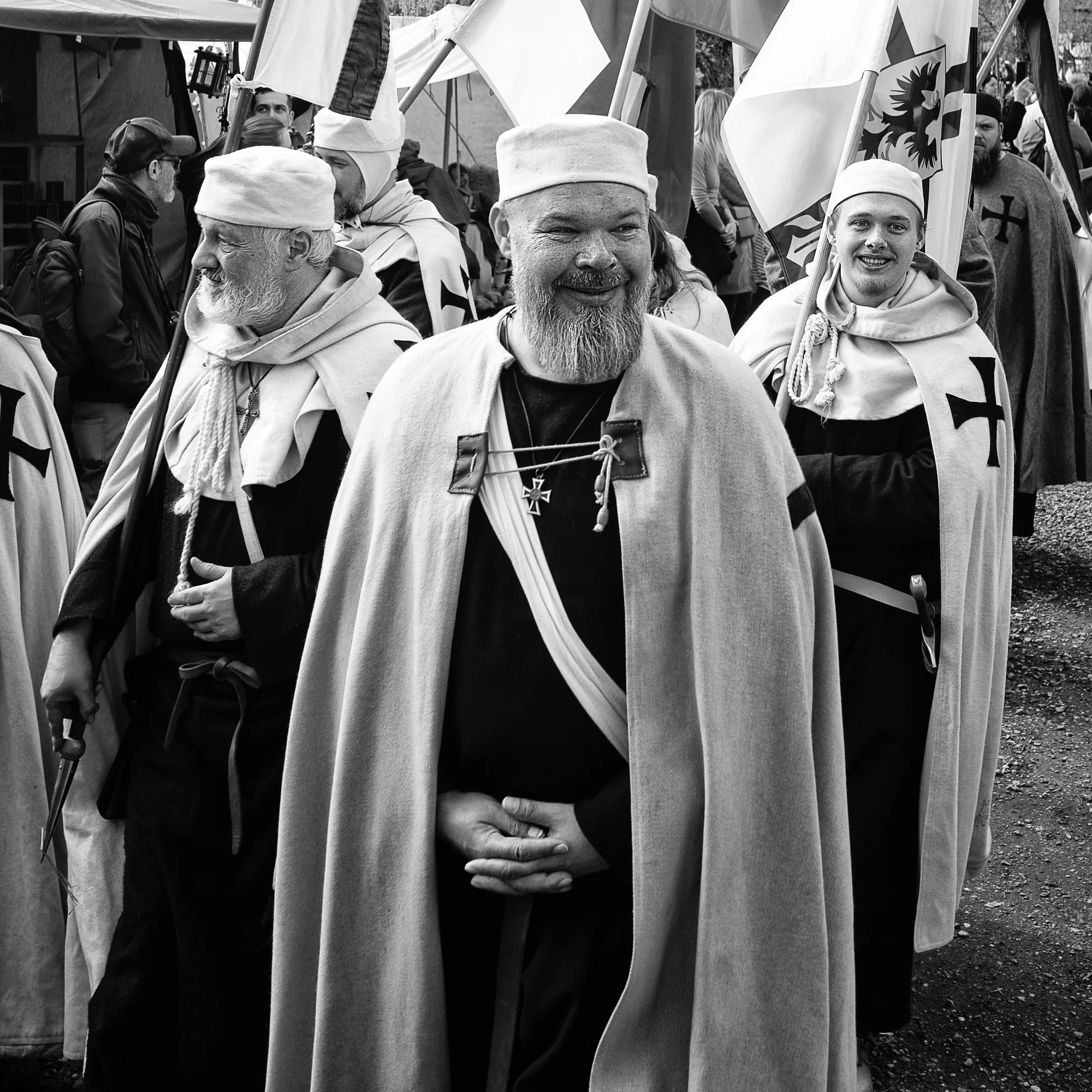
What makes Graefenthal special is not only the setting, but the people. Entire families — parents, children, sometimes even grandparents — dress in historically inspired clothing and spend the weekend together in their camp.

For them, this is not a performance. It is a shared passion.

Children grow up learning how to bake bread over fire, how to sew garments, how to handle simple tools. Evenings are spent around flickering flames, with music, storytelling, and a quiet sense of stepping outside modern time.

It is easy to forget, standing there, that you are only a few kilometres from the present.

A Wider Culture Across Borders

Graefenthal is part of a much larger European culture of medieval reenactment — a network of groups who travel from event to event throughout the year.

In Germany, similar events can be found at places like Manderscheid Castle, Waltrop (Gaudium festival), and Bad Rothenfelde.

In the Netherlands, you can encounter this world at the monastery site of Klooster Ter Apel or during events at Kasteel Teylingen, where reenactment groups set up similar encampments.

Belgium has its own tradition, with festivals in cities like Bouillon and Bruges, often linked to historical pageants and processions.

Across all these places, the pattern is the same: people gathering not just to watch history, but to inhabit it — if only for a few days.

Why It Matters

In a world of screens and speed, these events offer something rare: slowness, craft, and shared experience across generations.

The medieval market at Graefenthal is, on the surface, a festive outing — a day of music, food, and spectacle. But beneath that lies something deeper: a quiet movement of people who choose, again and again, to step into the past together.

Not because they have to. But because, for a moment, it feels more real.

Trier's Dom and the Liebfrauenkirche

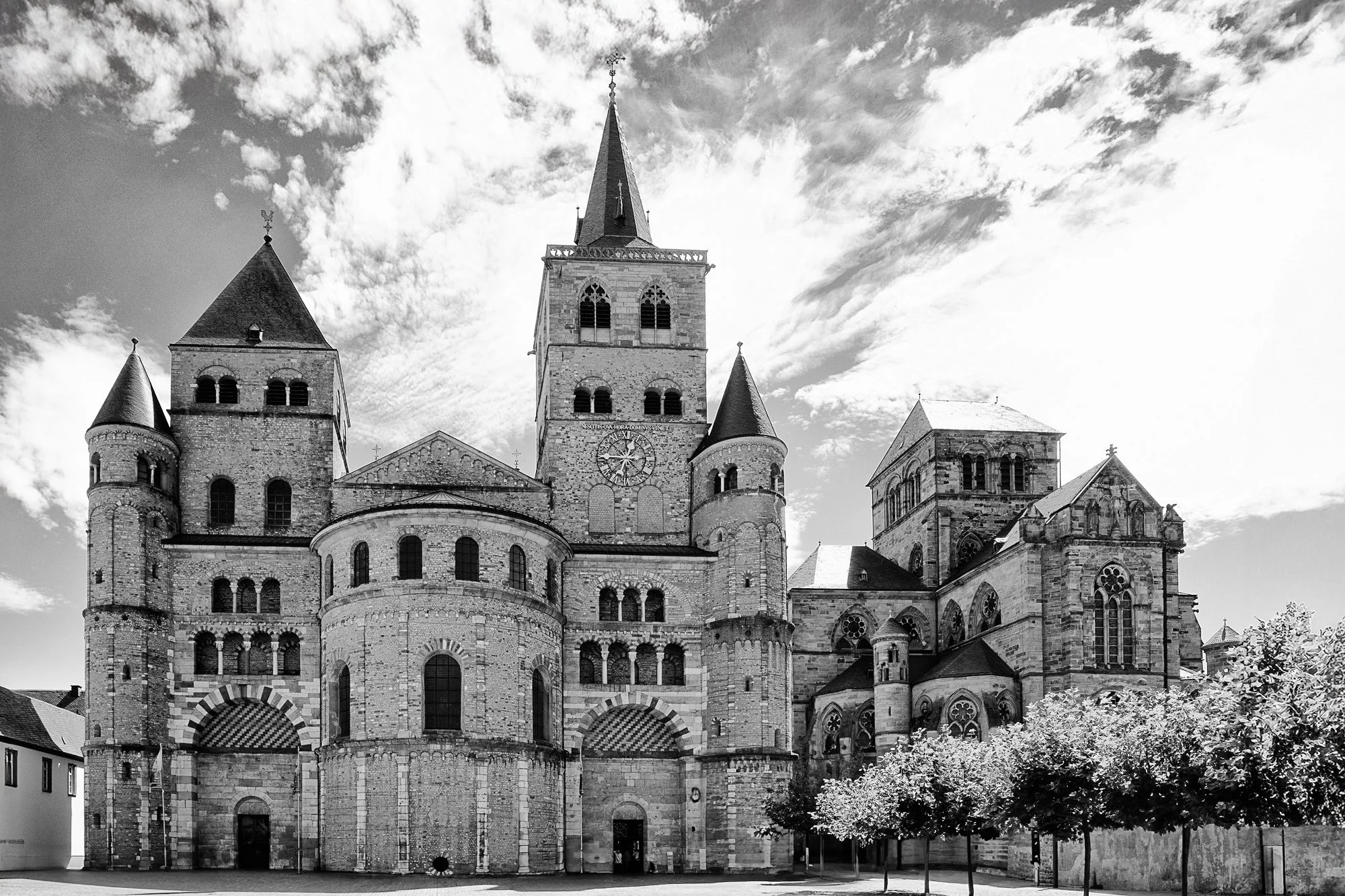
Trier’s Dom (left) and the Liebfrauenkirche (right).

Stand on the Domfreihof, squarely before the west front of Trier’s cathedral. The stones give off that old, cool breath. Bells roll somewhere above the roofs. In this one view—Dom St. Peter straight ahead, Liebfrauenkirche just to the right—the city’s whole timeline seems to unspool.

The Dom: Rome Repurposed, Empire Remembered

Beneath the Romanesque towers runs a core of 4th-century masonry: a Constantinian church complex raised after Christianity’s legalization. Trier—Augusta Treverorum, founded as a Roman city around 16 BCE—became an imperial residence in the early 300s; Constantine and his court were here c. 306–316. Around c. 326–330, palace ground and Roman brick were folded into a monumental double church. You’re looking at that antique skeleton wrapped in later skin.

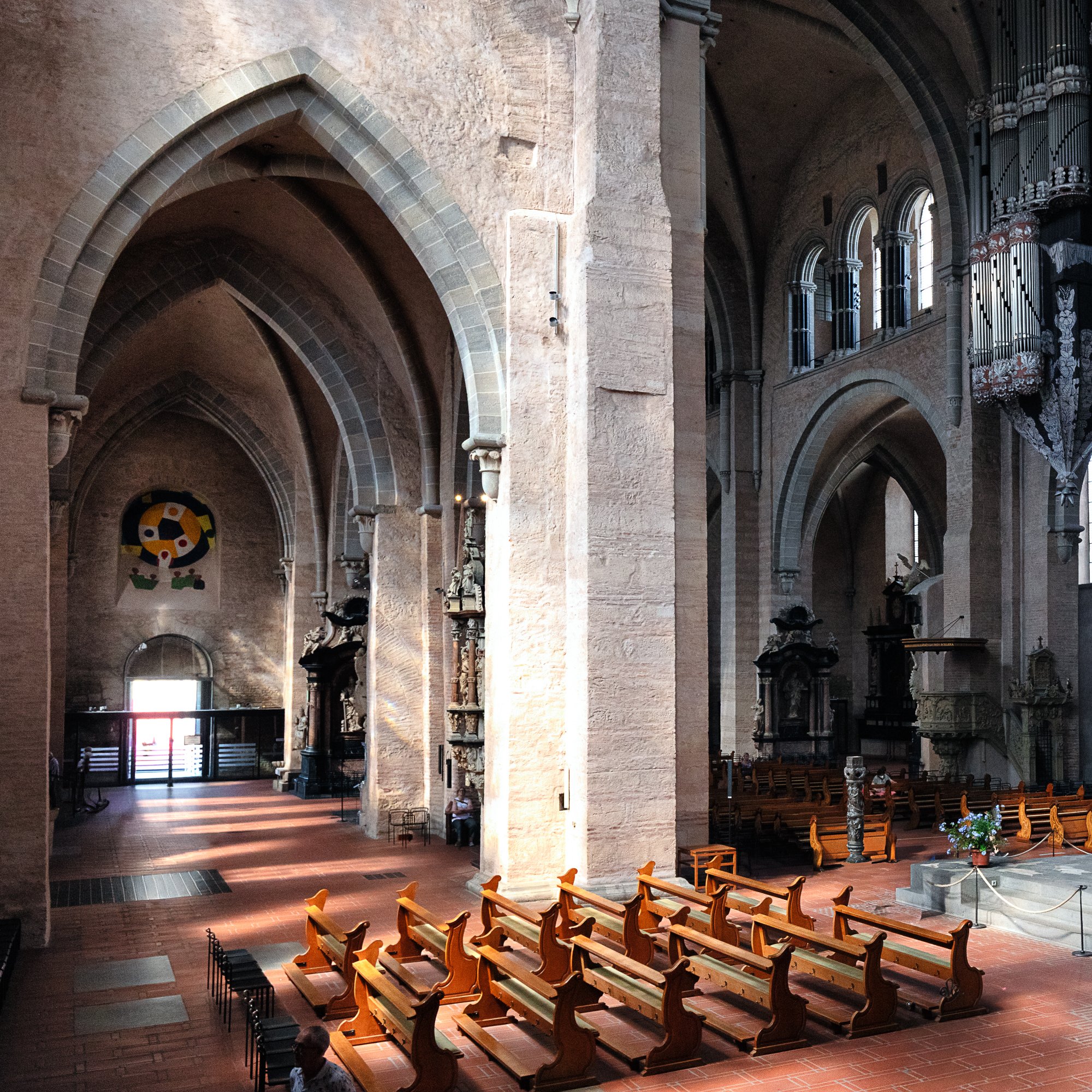
The rebuilds came in waves. 10th–12th centuries: Ottonian and Romanesque campaigns thickened the westwork and towers, giving the façade its fortress calm. 13th century: Gothic openings at the east drew more light into the choir. Late 17th–18th centuries: Baroque furnishings softened the interior. 1944 air raids cracked vaults; post-1945 restorations pared the space back to clarity.

The cathedral also reads like a ledger of power. By 1356, the Archbishop of Trier stood among the empire’s seven prince-electors under the Golden Bull, choosing kings of the Romans. From chancery to mint, from market tolls to monasteries, the cathedral chapter worked within government as much as alongside it. And devotion ran on its own clock: pilgrim surges for the Heiliger Rock (Holy Tunic) mark dates across the centuries—1512, 1844, 1891, 1933, 1959, 1996, 2012—each season swelling the square you’re standing in.

The interior of Trier’s Dom.

The Liebfrauenkirche: A Rose of Early Gothic

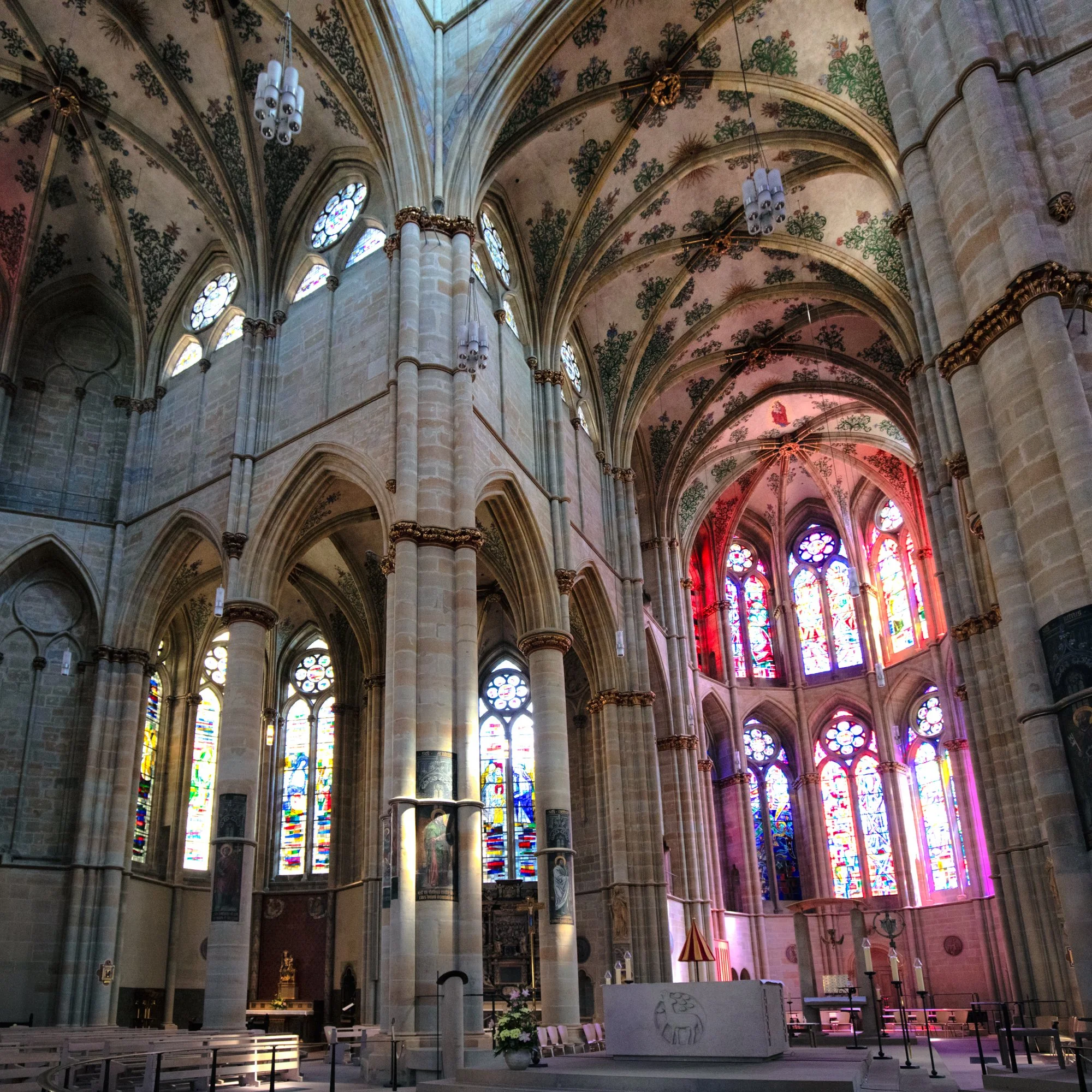
Glance right and the mood changes. Where the Dom plants its feet, Liebfrauen rises on tiptoe. Built c. 1227–1243 (with finishing work into the 1260s), it is among the earliest pure Gothic churches in Germany. Its plan—an interlaced cross inscribed in a circle—unfurls like a stone flower. Twelve main supports ring the center: apostles, months, tribes, the ordered cosmos in geometry. Tracery and pointed arches turn stone into lace; the portal frames shadow rather than mass. If the Dom is Rome baptized, Liebfrauen is France translated—Gothic ideas traveling the Moselle in the early 1200s and settling into local craft.

The interior of the Liebfrauenkirche.

One Square, Many Ages

From this spot you can pace the centuries with your eyes. The Dom’s antique core (c. 330) meets its medieval armor (1000s–1200s); Liebfrauen’s airy leap (1230s) stands almost shoulder-to-shoulder. Behind the façades lies a city that has practiced continuity: the Aula Palatina (Constantine’s throne hall, c. 310), the Imperial Baths (4th century), the Porta Nigra (c. 180–200). Power shifted—from emperors to bishops to electors to citizens—but the thread held.

War shook both churches; scaffolds grew like forests. When the dust of the 1940s settled, careful restorations returned them to the rhythm of daily use. The square filled again with processions and choirs; tourists folded into pews; a baptismal font caught candlelight as it had six hundred years earlier.

Reading the Façades from Left to Right

Let your gaze travel across the Dom’s west front: layered portals, blind arcades, the disciplined stacking of volumes—architecture meant to hold a crowd’s attention on a feast day. Slide to the right and the rhythm quickens. Liebfrauen’s tracery reads like script on vellum; its buttresses pull the eye upward; its plan—circle, cross, petals—seems to turn even while it stands still. Two voices, one conversation: memory and ascent, weight and light.

The Present Tense of Old Stones

In 1986, UNESCO folded these churches into the World Heritage listing “Roman Monuments, Cathedral of St. Peter and Church of Our Lady in Trier.” That inscription didn’t freeze them in amber; it simply named what you feel on the square. The Dom’s Roman bones and medieval muscle, Liebfrauen’s early Gothic inventiveness, the Roman city still breathing all around—each has taken its turn leading. They still do. Stand here long enough, and the bell that calls the hour will sound like a page turning.

From Iron Age Tribes to Digital Europe

The Turning Points That Changed Everything

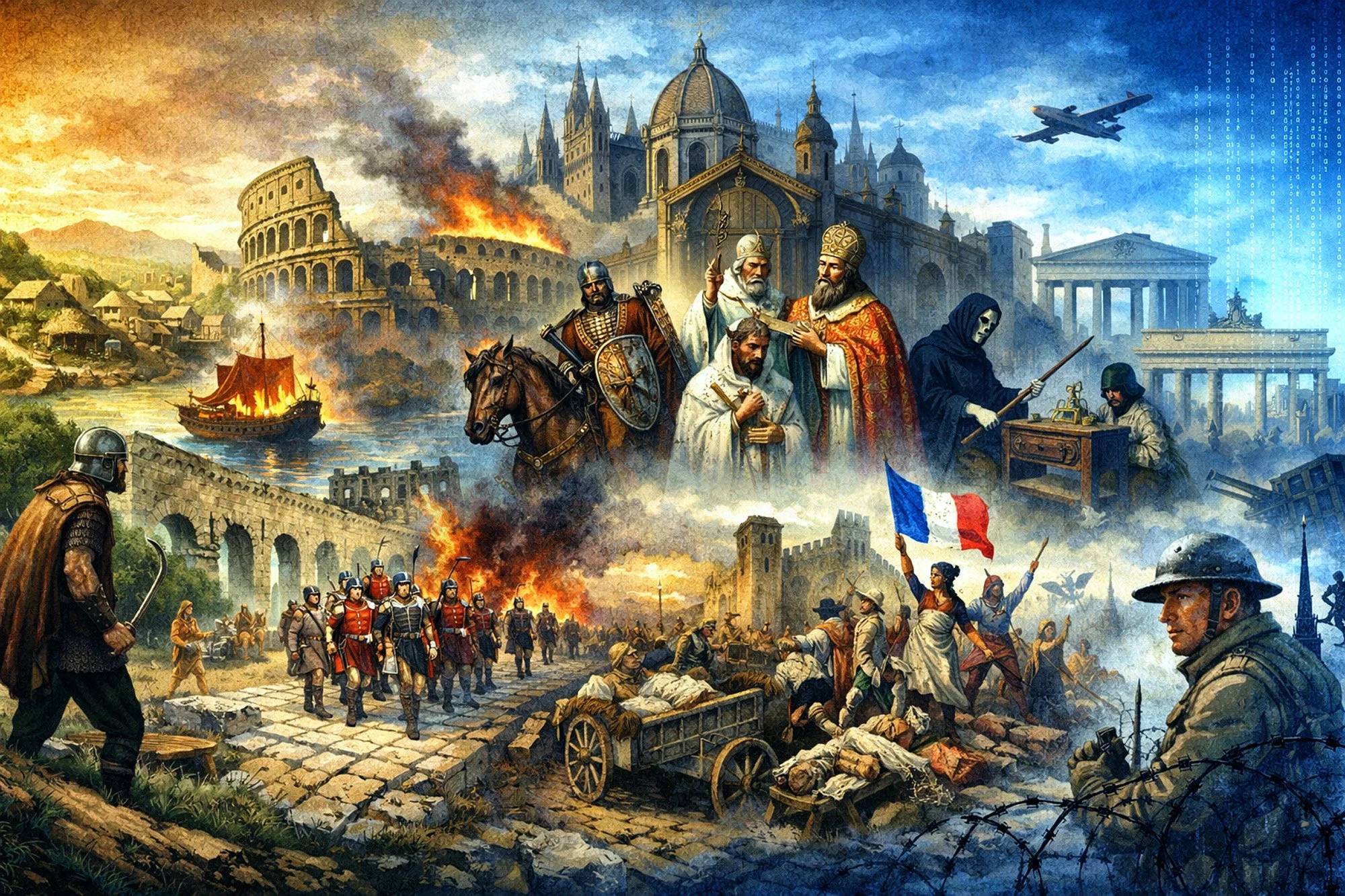
Image created with AI.

When we travel across Europe today, history often feels calm and continuous. Roman roads become medieval streets. Castles turn into hotels. Old kingdoms slowly transform into modern nations. Yet this impression is deceptive. Europe did not grow in a straight line. Again and again, long periods of tension built quietly beneath the surface. Then a relatively small event pushed societies over the edge.

If we want to understand Europe, we must look at these turning points.

The Iron Age and the Birth of European Diversity (around 800 BC)

Around 800 BC, Europe was not a unified civilisation but a mosaic of peoples and cultures. Celts, Iberians, Greeks, Etruscans and many others lived in networks of trade and rivalry. Iron technology spread, making tools and weapons more accessible. Trade routes connected the Mediterranean to the Atlantic and deep into the European interior. Wealth accumulated in new hands. Power became more concentrated.

This slow transformation was itself a tipping point. Europe moved from small, local communities to larger and more complex societies. Warfare became more organised. Long-distance exchange intensified. Cultural interaction increased. By the first millennium BC, Europe was already a connected world, restless and dynamic. The stage was set for a power capable of linking these regions into a single system.

Rome: Crisis as the Trigger for Empire

Rome was not destined to dominate Europe. For centuries it was simply one city among many in central Italy. Its rise was not inevitable. What changed was a series of existential crises that forced Rome to innovate. Surrounded by rivals, it developed flexible political institutions and a remarkable capacity to form alliances.

The decisive trigger came with the wars against Carthage in the third and second centuries BC. These conflicts pushed Rome beyond its limits. To survive, it mobilised unprecedented resources, built large fleets, and organised armies on a scale never seen before in the western Mediterranean. Victory over Carthage removed its greatest rival and gave Rome control over key trade routes and territories.

From that moment, the balance of power shifted. Expansion followed. Roads, colonies, and law spread across Europe. What had begun as a defensive struggle became an imperial system. For the first time, large parts of Europe shared infrastructure, administration and political frameworks. Cooperation and conquest became two sides of the same process.

The Fall of Rome and the Return of Fragmentation

The collapse of the Western Roman Empire in the fifth century is often imagined as a dramatic moment. In reality, decline had been gradual. Economic strain, migration, political instability and internal conflict slowly weakened the system. When a Germanic leader deposed the last Western emperor in 476, the event itself was almost symbolic. The real transformation had already taken place.

Yet the consequences were enormous. Europe fragmented into regional kingdoms. Local identities re-emerged. The central question became how to create order without empire. This challenge shaped the next thousand years.

Clovis and the Fusion of Cultures

Around the year 500, the Frankish king Clovis chose to adopt Catholic Christianity. Many other Germanic rulers followed different forms of the faith. His decision helped bridge the gap between Roman populations and new rulers. It strengthened cooperation between political power and the Church.

This was a small choice with large consequences. It laid foundations for medieval Europe and helped create a shared cultural framework that would endure for centuries.

Charlemagne and the Idea of Europe

In the year 800, Charlemagne was crowned emperor. His empire did not survive long, but the idea did. Europe began to see itself as a civilisation rooted in shared learning, religion and governance. Administration, education and communication were revived. The political geography of modern Europe began to take shape.

This moment shows how ideas can outlive institutions.

The Black Death: Catastrophe and Renewal

In the fourteenth century, plague devastated Europe. Yet it struck a society already under pressure. Population growth had strained resources. Feudal structures were rigid. The sudden loss of labour changed everything. Wages rose. Social mobility increased. Old hierarchies weakened.

Crisis became a catalyst for transformation. Europe emerged more dynamic and more flexible.

The Reformation and the Power of Networks

When Martin Luther challenged the Church in 1517, he did not intend a continental revolution. But printing, urban communication and political rivalry spread his ideas rapidly. Europe divided into competing systems. States gained strength. Individual belief became central.

Once again, long-term tensions combined with a triggering event.

Revolution and modern politics

The French Revolution transformed Europe. It introduced citizenship, rights and nationalism. Yet it grew from structural pressures: debt, inequality and social frustration. A political crisis ignited forces that reshaped the continent.

Modern Europe was born in this period of turmoil.

War and the Search for Cooperation

The twentieth century brought destruction on an unprecedented scale. Two world wars devastated Europe. Yet the response was not endless conflict. Instead, European leaders chose cooperation. Institutions replaced rivalry. Law replaced revenge. Integration became a strategy for survival.

This was perhaps Europe’s most surprising turning point.

1989 and the Reopening of the Continent

The fall of the Berlin Wall symbolised the end of division. Communist regimes had weakened for years, but small events accelerated change. Courage, communication and timing reshaped the political landscape. Europe reunited in ways few had predicted.

The Digital Age: a New Tipping Point

Today Europe faces another transformation. Globalisation, migration, climate change and digital technology are reshaping society. Social media amplifies emotions. Trust in institutions fluctuates. New communities emerge beyond borders.

The outcome remains uncertain. But history suggests that change will not be smooth. It will come through moments of crisis and renewal.

What Europe Teaches Us

Europe’s story is not only about conflict. It is about adaptation. Again and again, societies have faced collapse and uncertainty. Again and again, they have developed new forms of cooperation. Stability has never been permanent. Community has always had to be rebuilt.

For travellers, this perspective adds depth to every journey. Roads, villages and cities are not just heritage sites. They are the result of countless turning points. Europe is not a finished civilisation. It is an ongoing experiment.

And we are part of its next chapter.

Further Reading

  • Brian Klass, Fluke: Chance, Chaos and Why Everything We Do Matters

  • Christopher Dawson, The Making of Europe

  • Peter Heather, Empires and Barbarians

  • Ian Morris, Why the West Rules – For Now

  • Peter Turchin, Ages of Discord

  • Niall Ferguson, Civilization
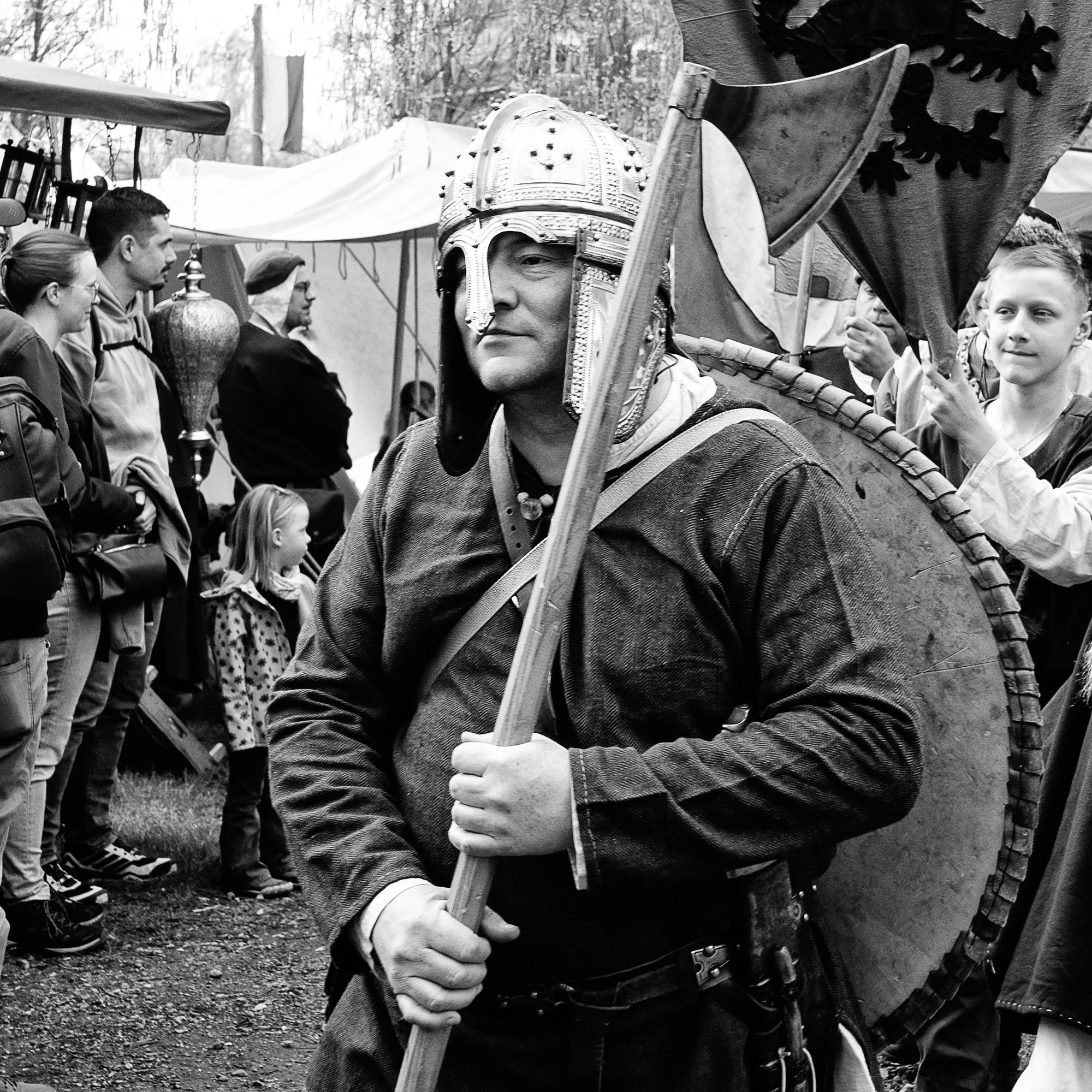
Myth, Memory, and Saintes-Maries-de-la-Mer

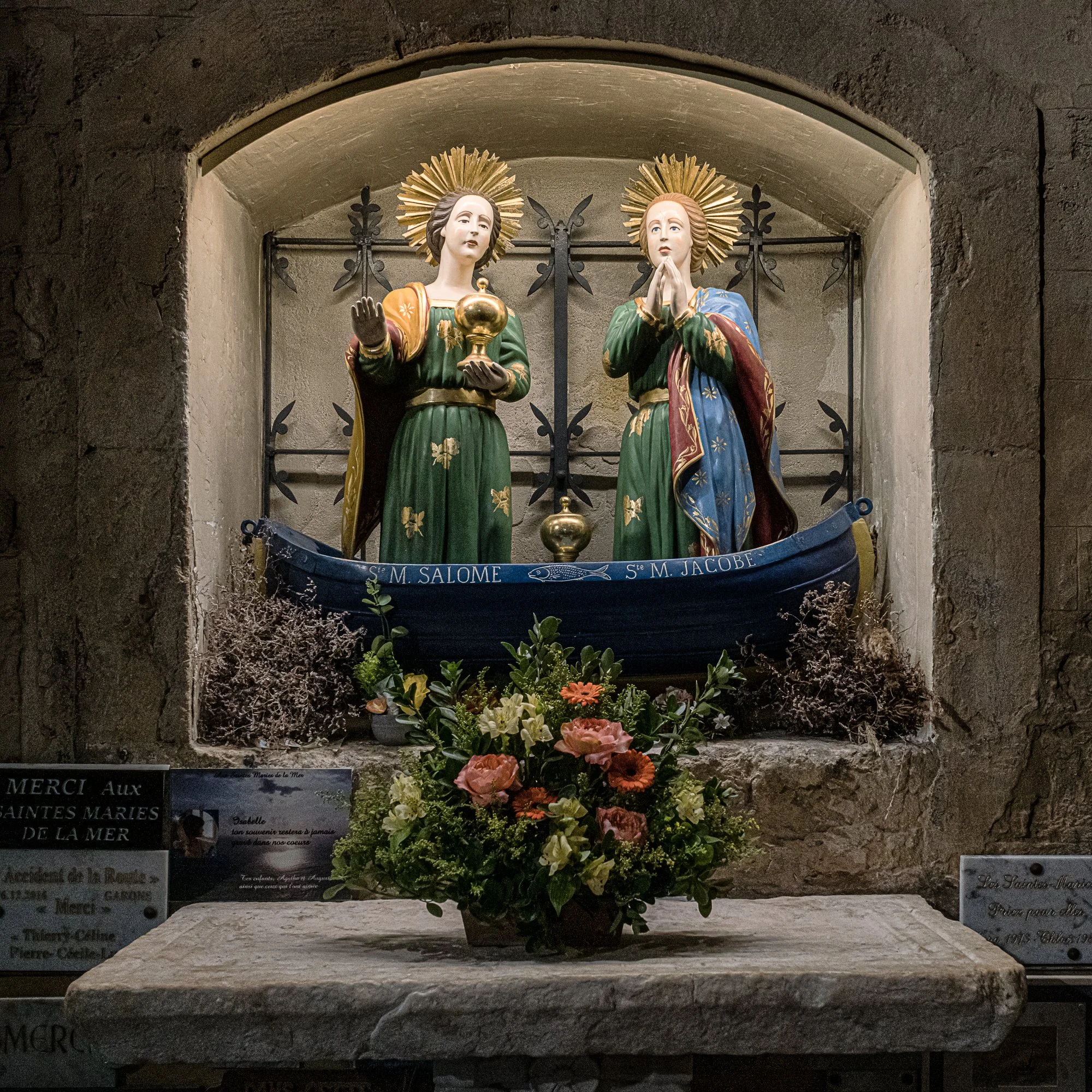
The two Marys in their boat, symbolizing the legendary arrival of early Christians on this shore.

A Story from the Sea

At the edge of the Camargue, where land fades into marsh and sea, stands a church that looks like a fortress. It is here that local tradition places a striking beginning.

The story does not start here, however, but far to the east, in the lands of Palestine. In the years following the death of Christ, his followers were increasingly under pressure—from both Roman authorities and local opposition. According to tradition, a small group of women and early believers were forced to flee. They were placed in a fragile boat, without sail or rudder, and cast out to sea.

Carried by currents rather than by human control, the boat drifted across the Mediterranean until it reached this remote coastline. On board were Marie Jacobé and Marie Salomé, close relatives of Jesus, and, in many versions, Mary Magdalene. With them was also a woman named Sara, whose story would take on a life of its own in the centuries that followed.

Whether history or legend, the power of the story lies in the journey itself: a passage from persecution to arrival, from uncertainty to landfall—here, at the edge of Europe.

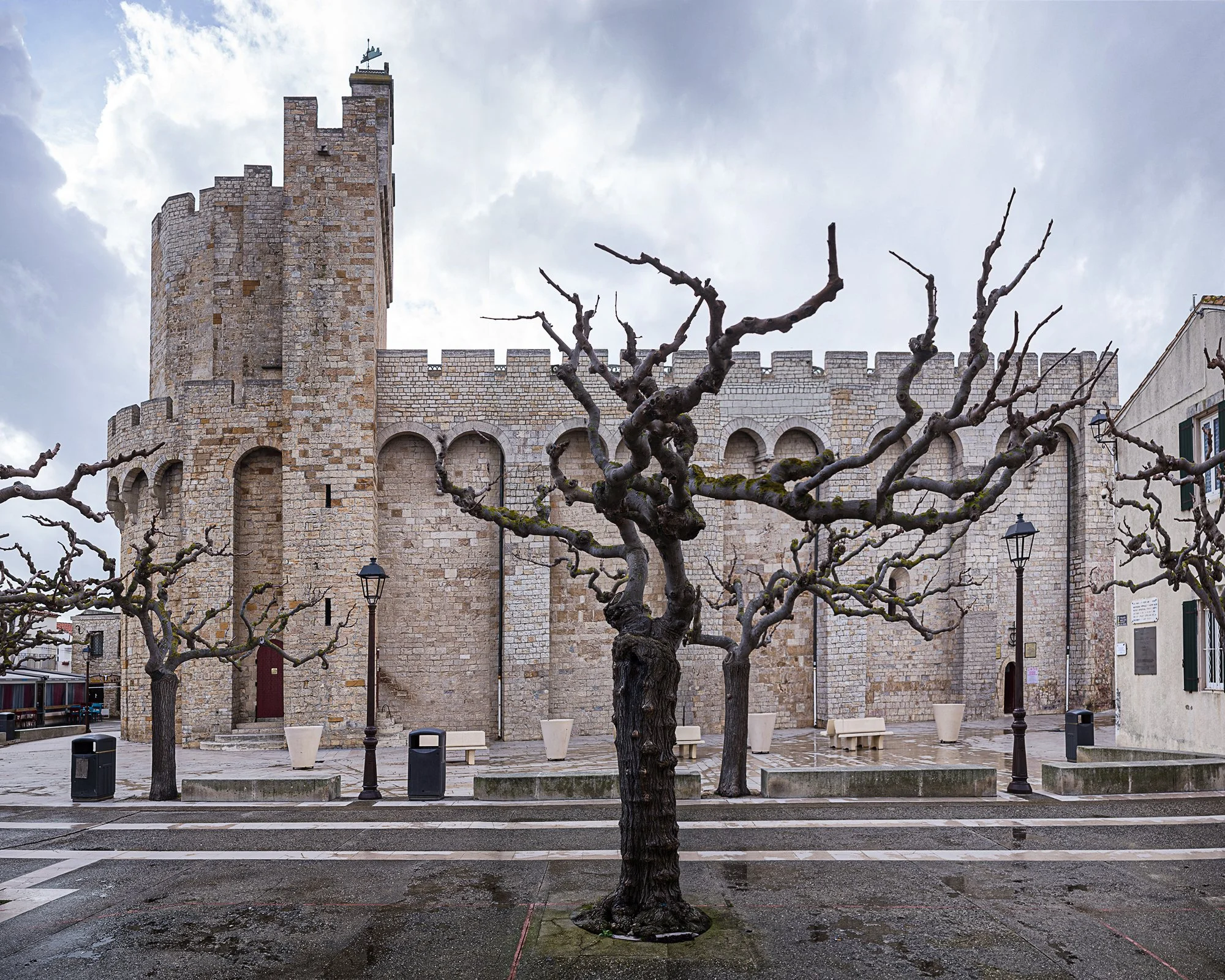
The fortified church of Saintes-Maries-de-la-Mer.

A Sanctuary of Stone and Presence

The church reflects both danger and refuge. Built as a defensive structure against attacks from the sea, it offered physical protection in turbulent times. Inside, however, the atmosphere softens. The Romanesque forms, filtered light, and quiet spatial rhythm create a sense of inward movement.

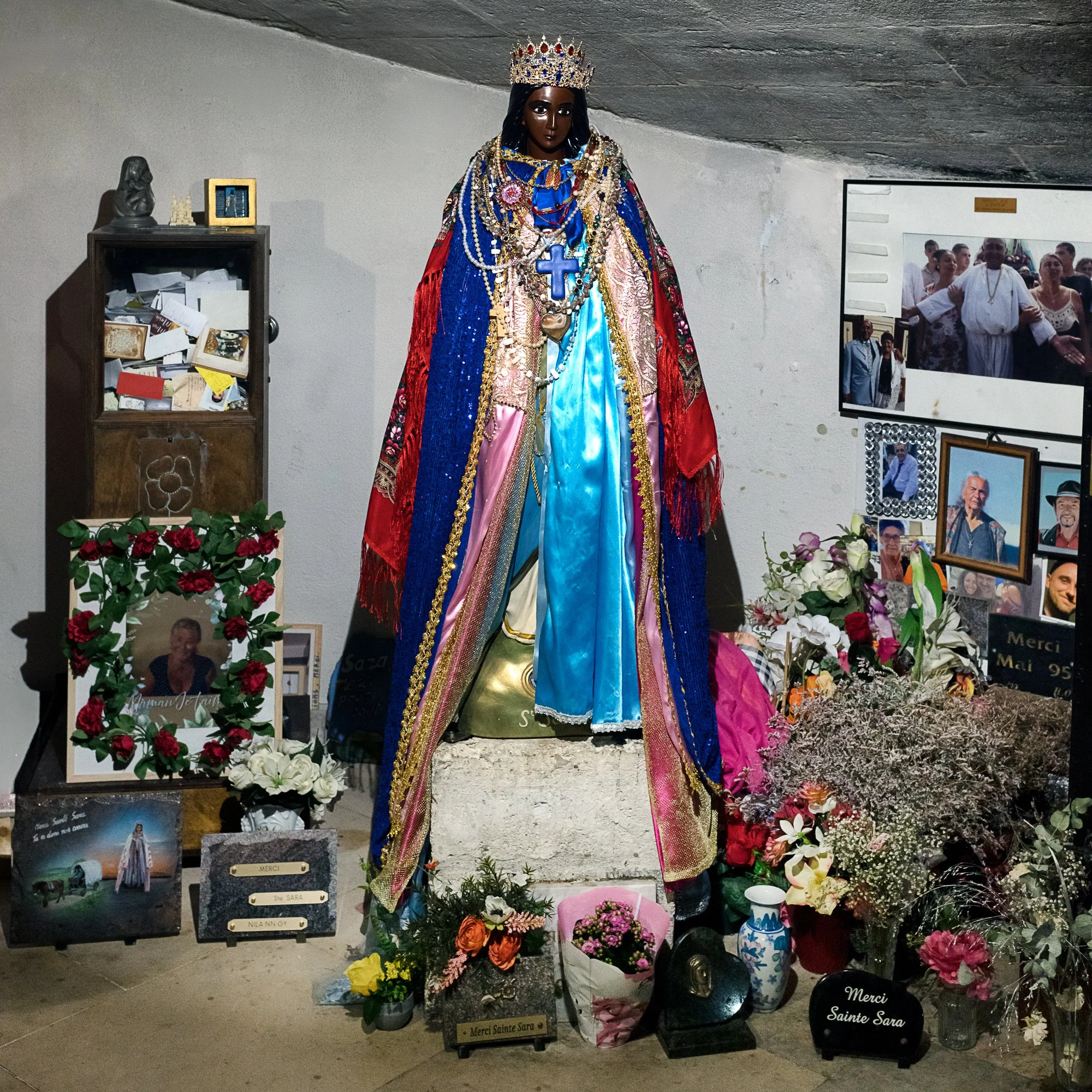
Above the altar, the two Marys are shown in a boat, a simple image that captures the essence of the story. Below, in the crypt, stands Sara—known as Sara la Noire—covered in layers of cloaks, jewelry, and offerings brought by pilgrims. These gifts are acts of gratitude or hope, not decoration.

The statue of Sara la Noire, covered in offerings from pilgrims—an enduring symbol of listening, protection, and devotion.

Sara’s origins are uncertain, but her meaning today is clear. She is especially revered by Roma and travelling communities, who see in her a figure of recognition and protection. She has been described as one who listens—a presence for those who feel unheard.

Ritual, Memory, and Mystery

Each year, especially in May, the town fills with pilgrims. Statues of the saints are carried from the church to the sea, and often into the water itself, recalling their legendary arrival. These processions are not simply reenactments; they are lived experiences, marked by strong emotion and a sense of shared participation.

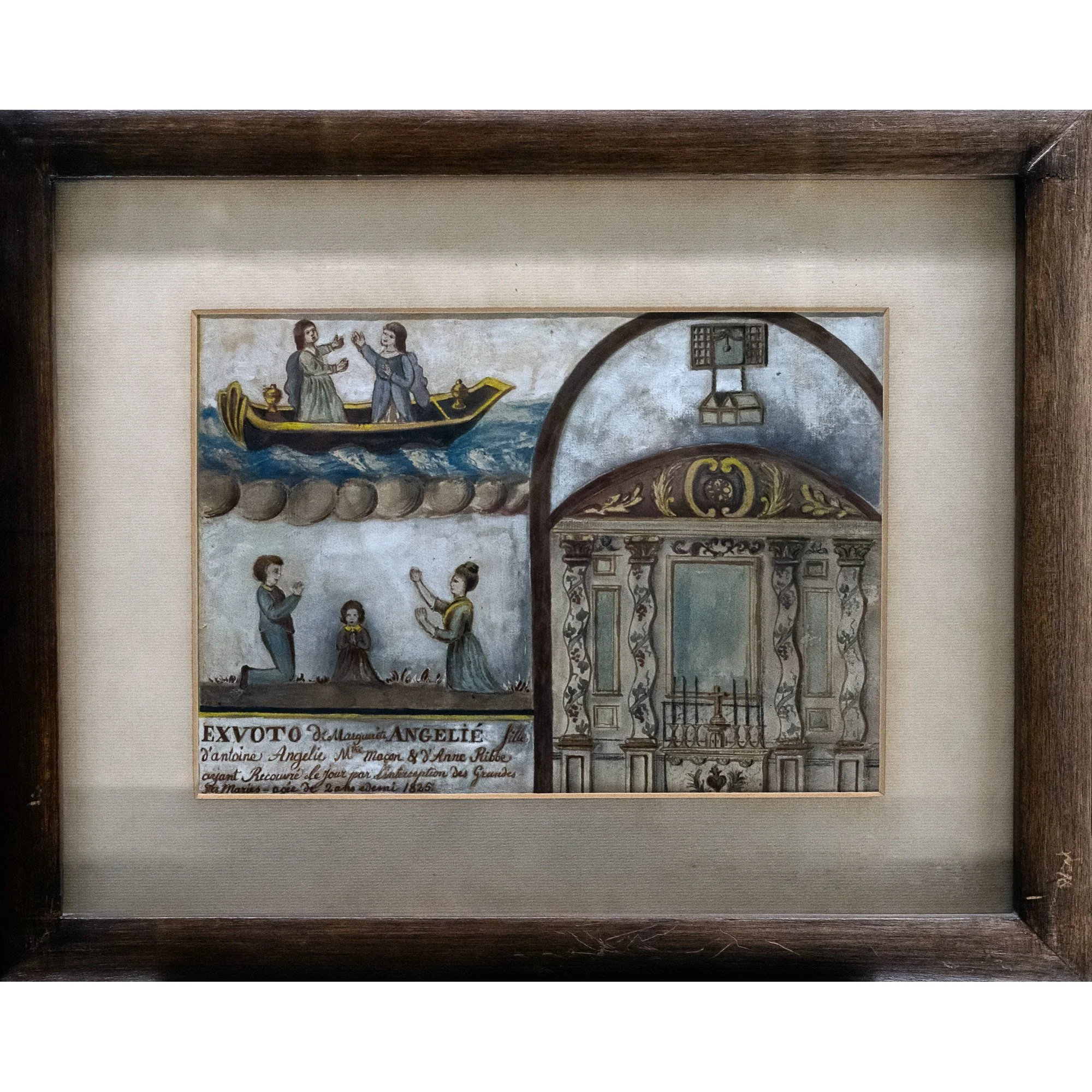
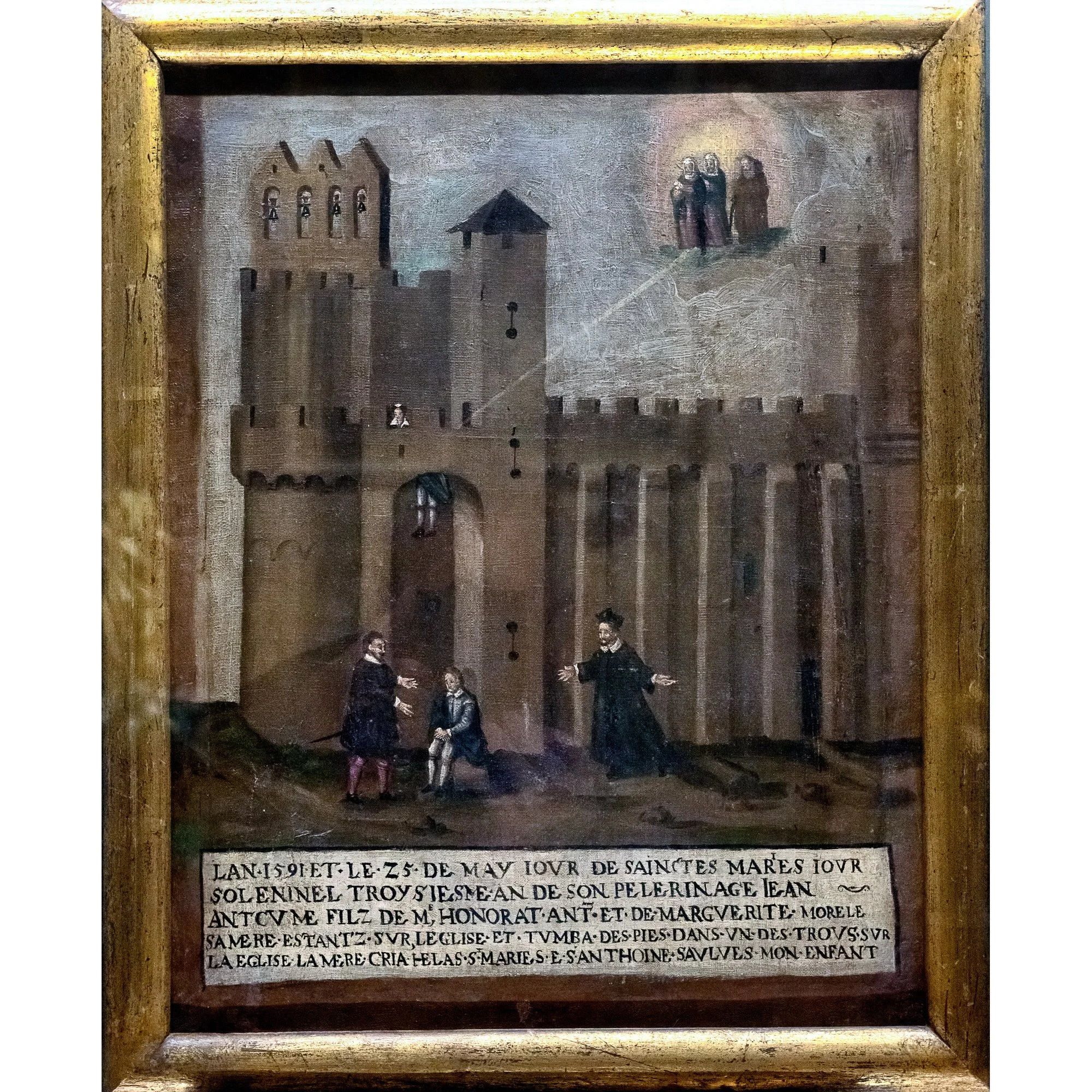
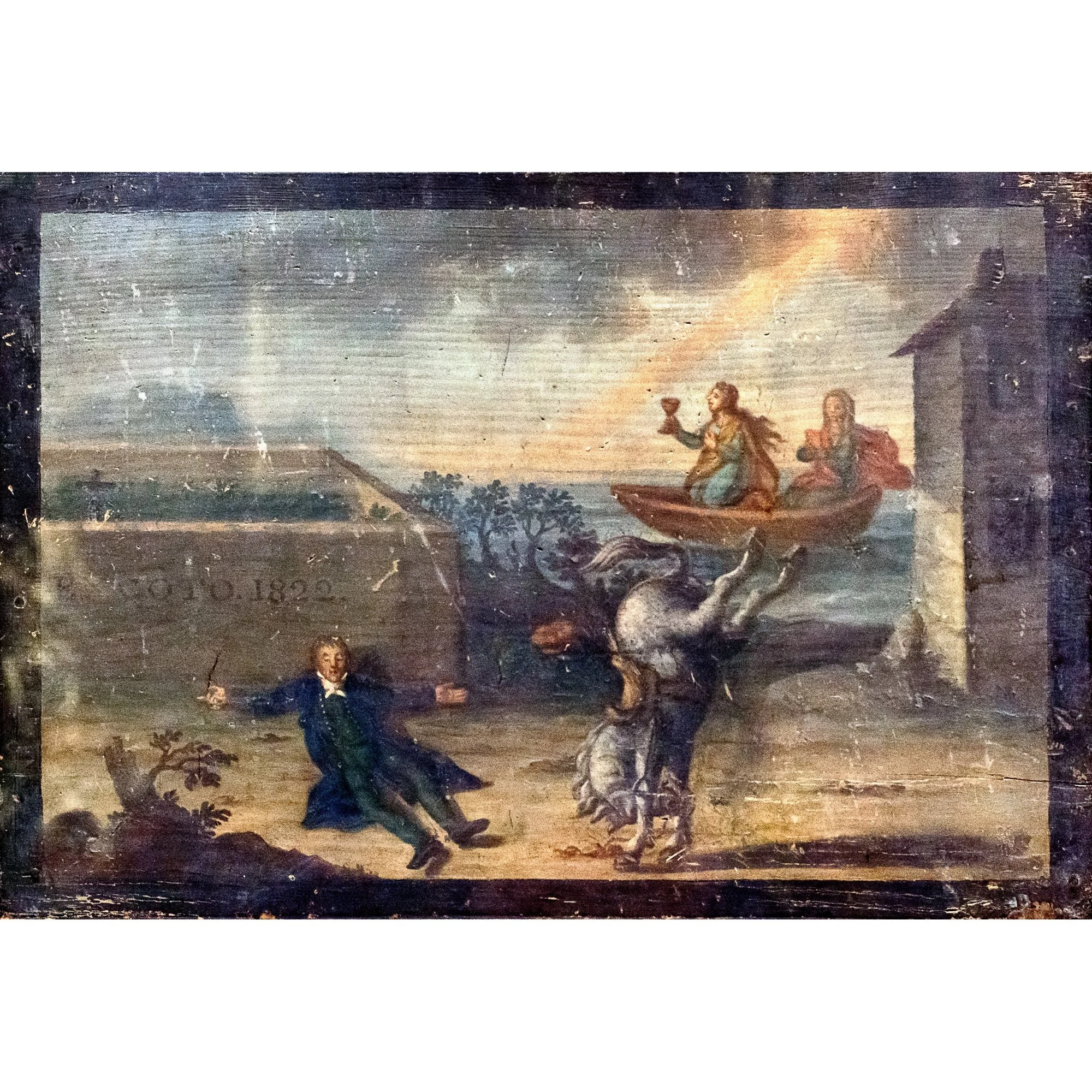
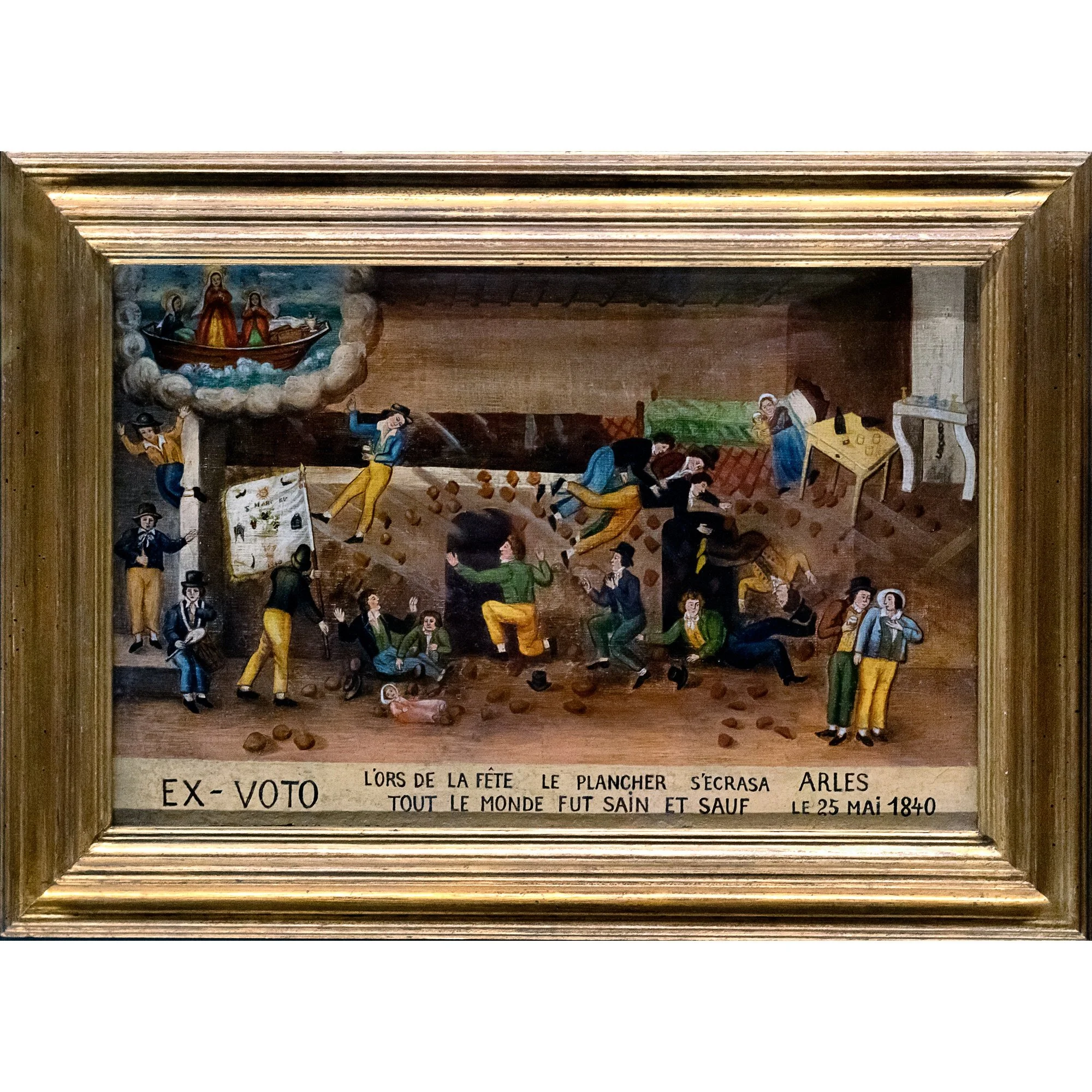
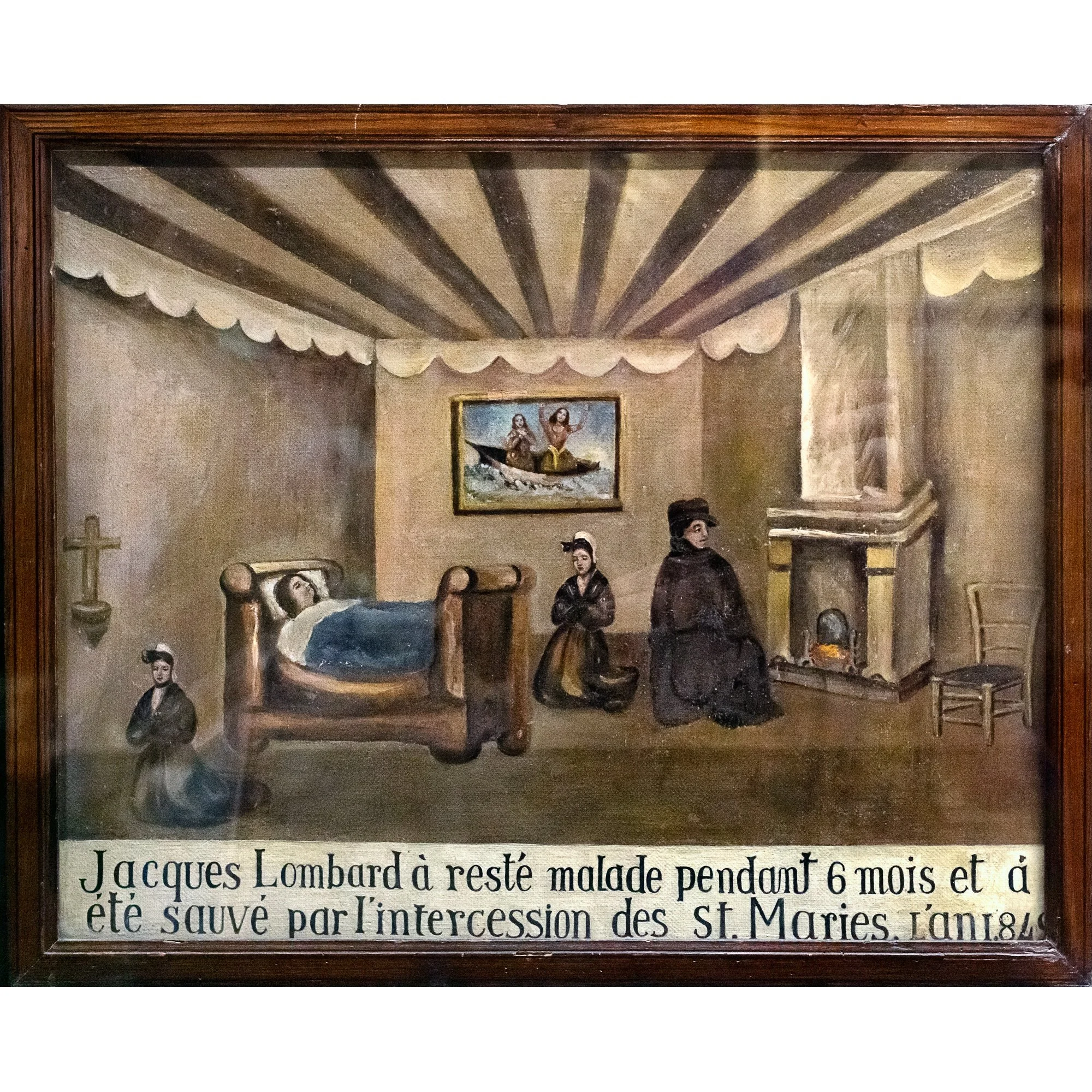
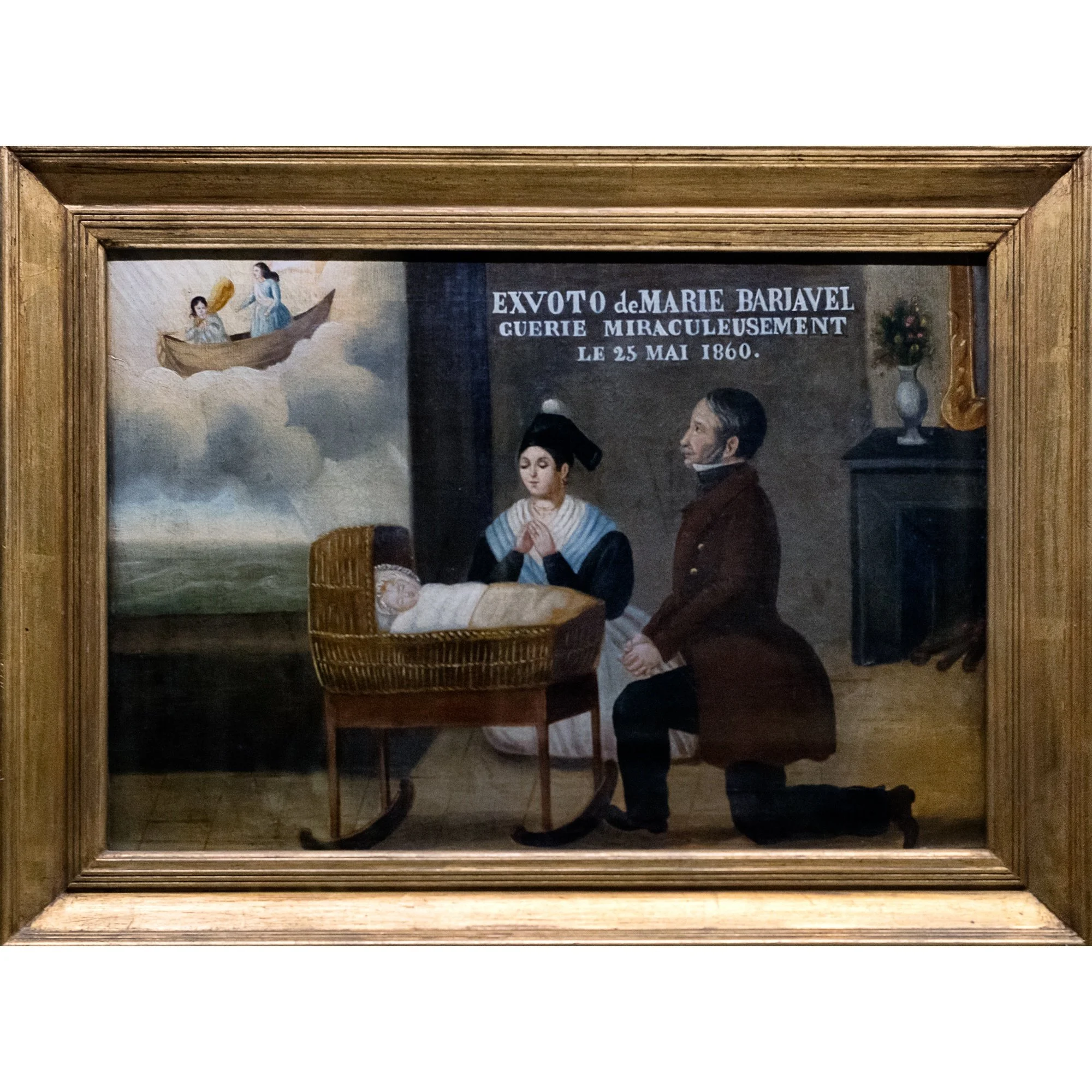
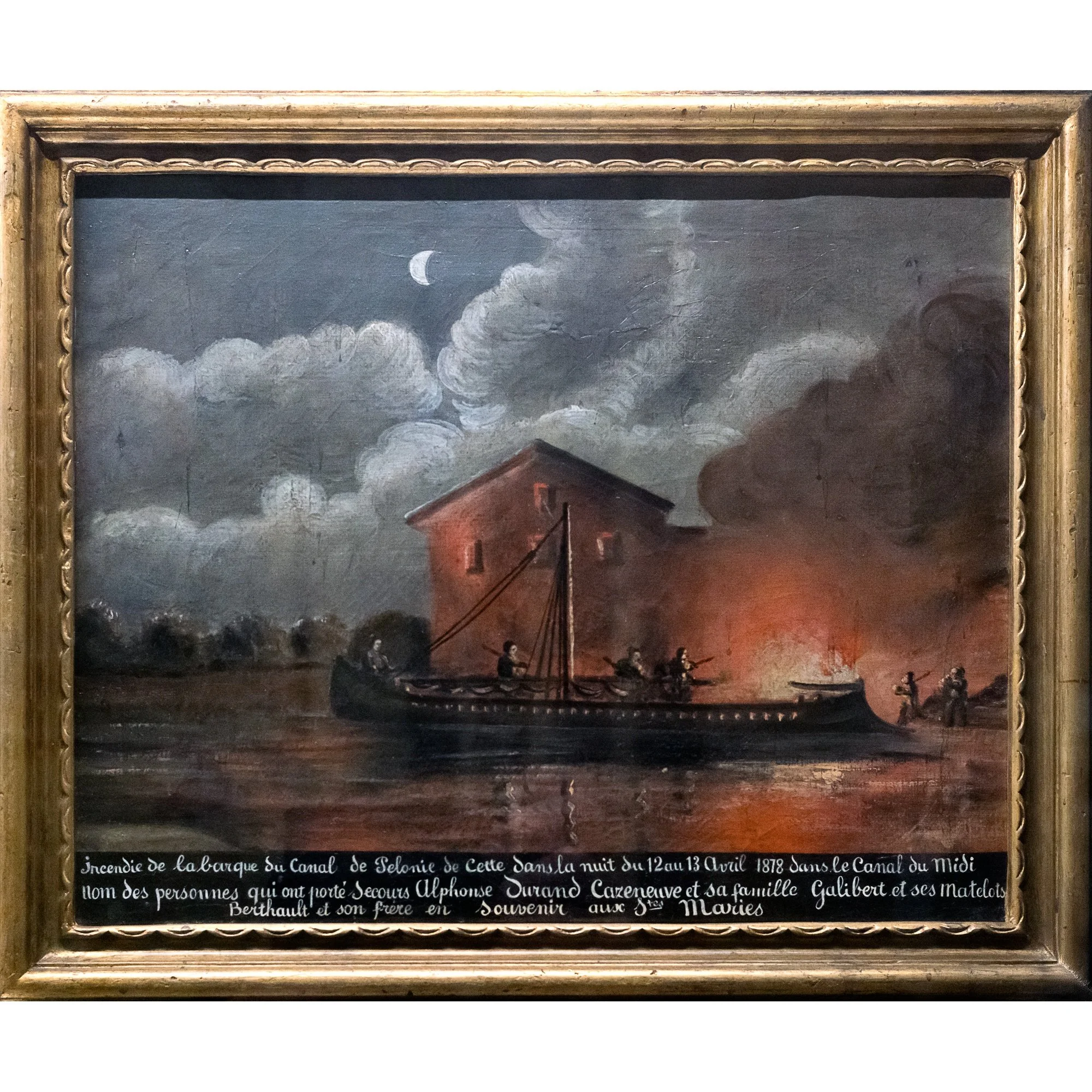
Throughout the church, ex-votos—small offerings left behind—tell personal stories of illness, survival, and gratitude. Together, they form a quiet testimony to the human need for meaning, connection, and hope.

Saintes-Maries-de-la-Mer resists simple explanation. It is a place where legend, history, and personal experience merge, and where the mystery itself becomes part of its power. People arrive out of curiosity or belief, but many leave with the sense that something has shifted—however slightly—within them.

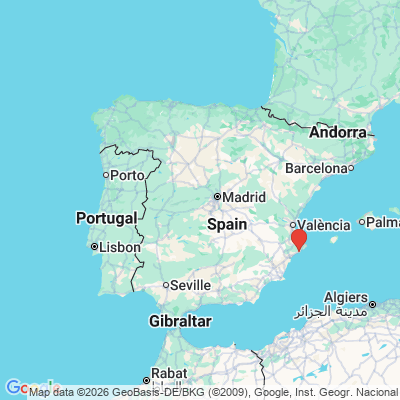
The Giant Clay Jars of Valdepeñas (Spain)

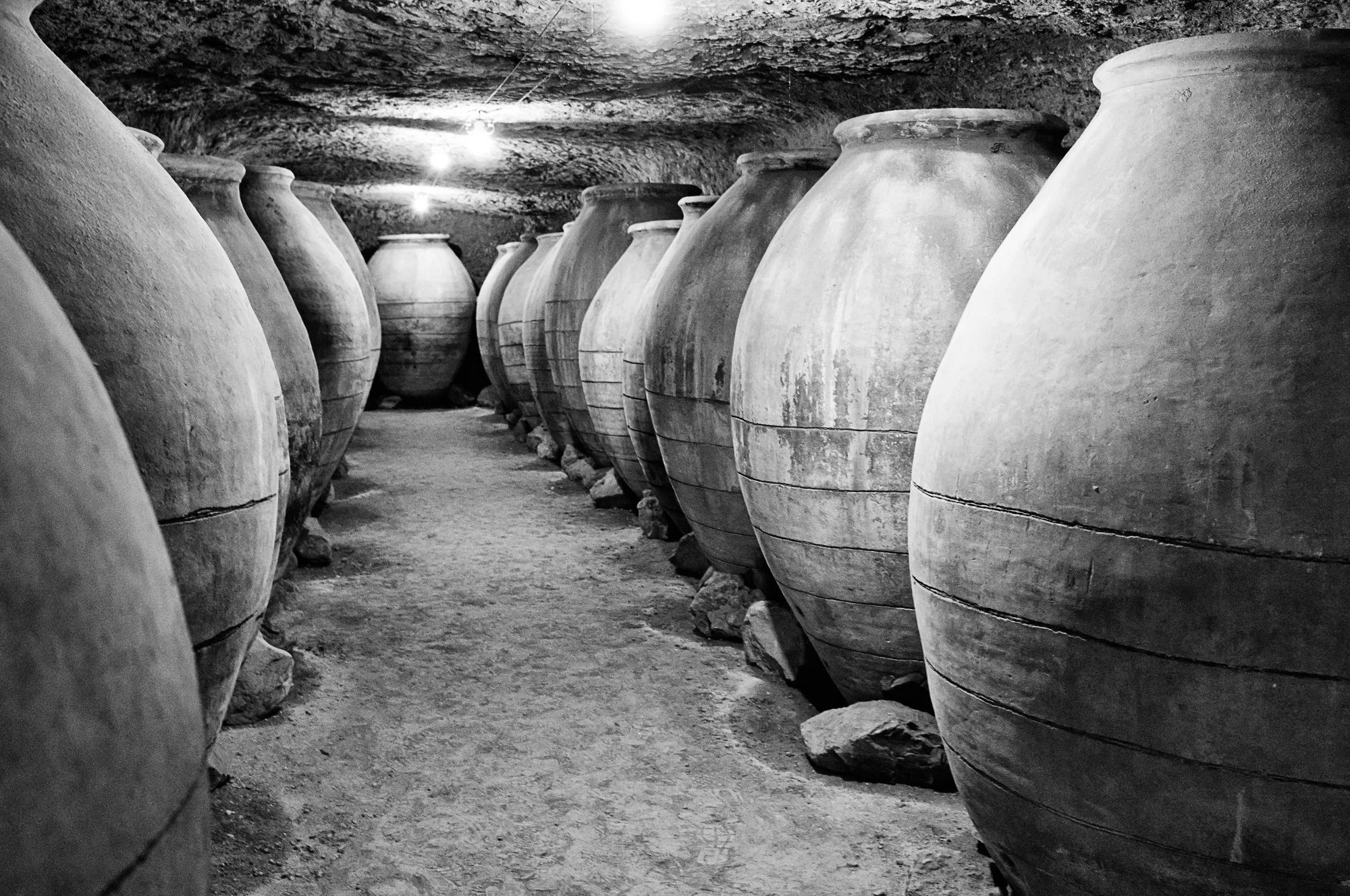
Rows of traditional clay tinajas in an underground cellar in Valdepeñas.

If you descend into one of the old wine cellars of Valdepeñas, you may find yourself walking through a silent forest of giant clay vessels. These monumental jars, called tinajas, once formed the heart of the region’s winemaking tradition. Some are taller than a person and can hold thousands of litres of wine.

Wine has been produced in this part of La Mancha for a very long time. Archaeological evidence suggests that vines were already cultivated here by Iberian peoples and later by the Romans. The written history of the town itself begins in 1243, when several small settlements in the “Valley of Stones” were united under the name Valdepeñas—a place already known for its wine culture.

By the early modern period, the region had become one of the major wine suppliers of central Spain. When Madrid became the royal capital in the 16th century, demand for wine increased dramatically, and the vineyards around Valdepeñas expanded to meet the needs of the growing city.

In those centuries, the wine was not stored in small oak barrels as we often imagine today. Instead, it was kept in enormous earthenware vats like the tinajas seen in the photo. Some traditional vessels held more than a thousand litres and were sometimes partly buried in the ground to keep the temperature stable during fermentation and storage.
The cellars themselves were often carved into the soft limestone beneath the town. In the cool darkness, rows of these giant jars stored the harvest of the surrounding vineyards. Wine could ferment slowly, settle naturally, and remain stable for long periods before being transported to other cities.

In the 19th century Valdepeñas entered a new phase. Railways connected the town to the rest of Spain, and large quantities of wine were shipped across the country and even overseas. The town became one of Spain’s best-known wine centres, a reputation that continues today with its protected designation of origin (D.O. Valdepeñas).
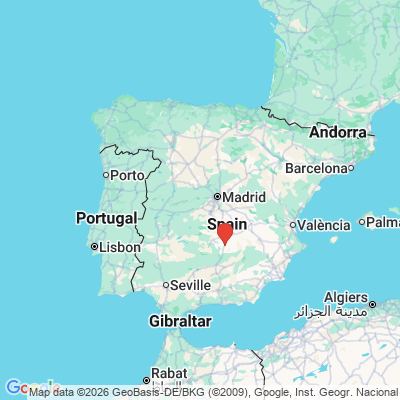
Modern wineries now rely mostly on stainless-steel tanks and smaller oak barrels. Yet many historic bodegas still preserve their old tinajas. Walking between them is like stepping back into an earlier chapter of European wine history—when wine was produced and stored on a monumental scale beneath the streets of Valdepeñas.
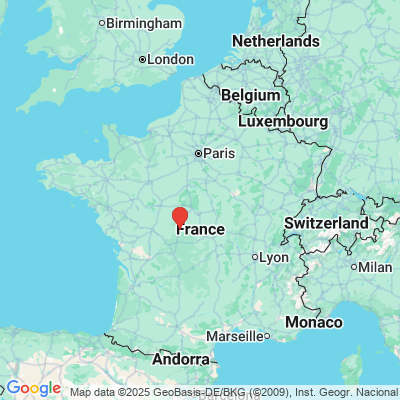
The Cathedral of Bourges: Gothic Architecture and its Messages Carved in Stone

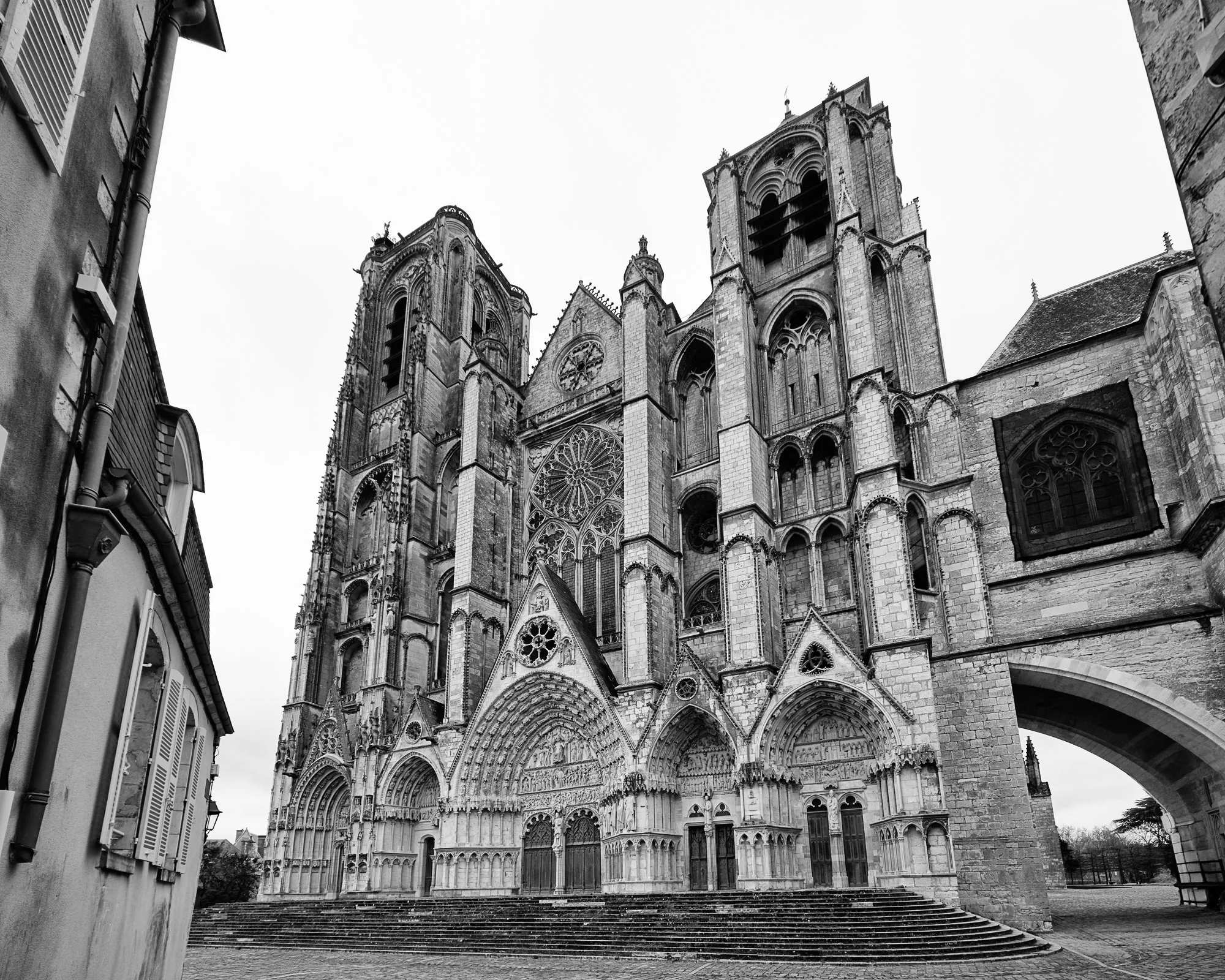
The façade of the Cathedral of Bourges rising above the narrow streets of the old town.

In the quiet center of France stands one of the most remarkable Gothic churches in Europe: Saint-Étienne Cathedral in Bourges.

At first sight it looks like many other medieval cathedrals—towers, flying buttresses, and stained glass rising above the rooftops of the old town. But Bourges reveals its uniqueness the moment you begin to explore it, both inside and outside.

The cathedral tells its story not only through space and light, but also through sculpture.

A Bold Vision of the Gothic Age

Construction of the cathedral began in 1195, under Archbishop Henri de Sully. The eastern end was built first, followed during the thirteenth century by the nave and façade. The church was finally consecrated in 1324.

What makes Bourges exceptional is its plan. Unlike most Gothic cathedrals, it has no transept. Instead of forming a cross shape, the building stretches forward in a continuous space composed of five parallel aisles running the full length of the church.

The central nave rises high above two layers of side aisles, creating a powerful sense of depth and perspective that draws the eye toward the choir.

Geometry in Stone

Medieval builders believed that geometry reflected the divine order of the world. At Bourges this idea becomes visible in the architecture itself.

The cathedral appears to follow a carefully structured system of proportions. The plan and the vertical structure are closely related, giving the building an extraordinary sense of unity. Even today, Bourges feels less like a collection of separate parts than like a single architectural idea carried consistently through the entire structure.

The Sculptures Above the Doors

Before you even enter the cathedral, however, one of its most striking features awaits you above the great portals of the west façade.

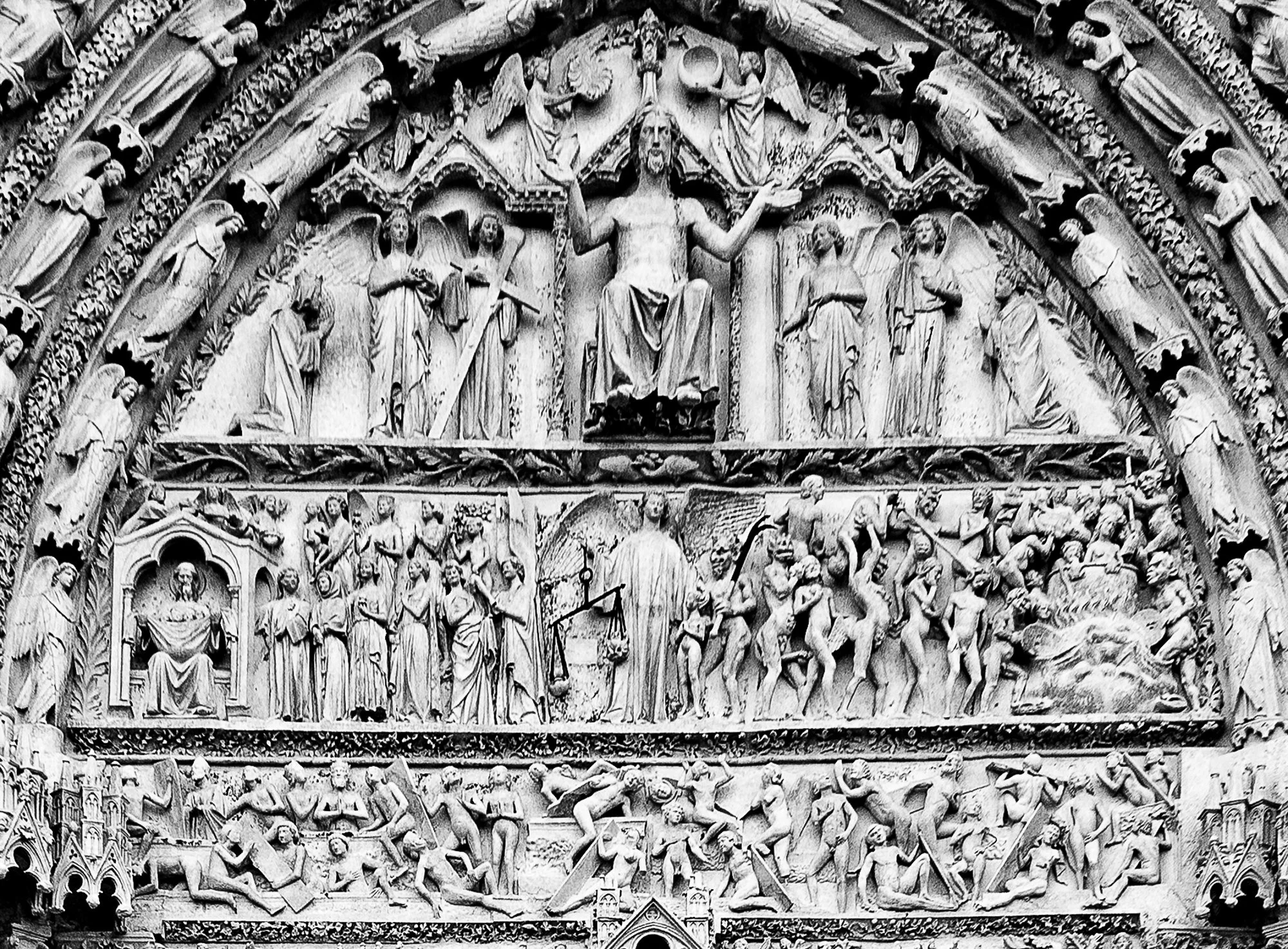
These sculpted scenes—known as tympana—form a vast stone narrative carved above the entrance doors. In the Middle Ages they functioned almost like a public book, telling biblical stories to a largely illiterate population.

The Last Judgment carved above the central portal of Bourges Cathedral.

The central portal presents a dramatic vision of the Last Judgment. Christ sits in majesty at the center while angels, saints, and resurrected souls fill the scene. Below, the dead rise from their graves while demons drag the damned toward hell. The imagery is both vivid and deeply human: fear, hope, redemption, and justice all appear in the carved figures.

The portals on either side depict other episodes from Christian tradition, creating a sculptural introduction to the sacred space inside.

For medieval visitors arriving in Bourges, the message would have been unmistakable: this building was not just a church, but a gateway between the earthly world and the divine.

Beneath the Cathedral

Below the choir lies another fascinating space: the vast crypt. Because the cathedral was partly built over an old ditch near the Roman city walls, medieval builders constructed a massive substructure to support the new church.

Today the crypt holds sculptures, fragments of earlier decorations, and the tomb of Jean, Duke of Berry, the great patron famous for the illuminated manuscript Les Très Riches Heures.

A Quiet Masterpiece

Bourges Cathedral is now recognized as one of the great achievements of Gothic architecture and has been listed as a UNESCO World Heritage Site.

Yet compared with more famous cathedrals such as Chartres or Notre-Dame in Paris, Bourges often feels surprisingly calm.

Perhaps that makes it easier to notice what medieval builders understood so well: that architecture, sculpture, geometry, and light can all work together to tell a story.

At Bourges, that story is still written in stone.