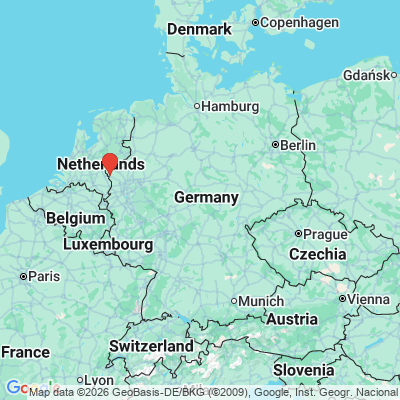
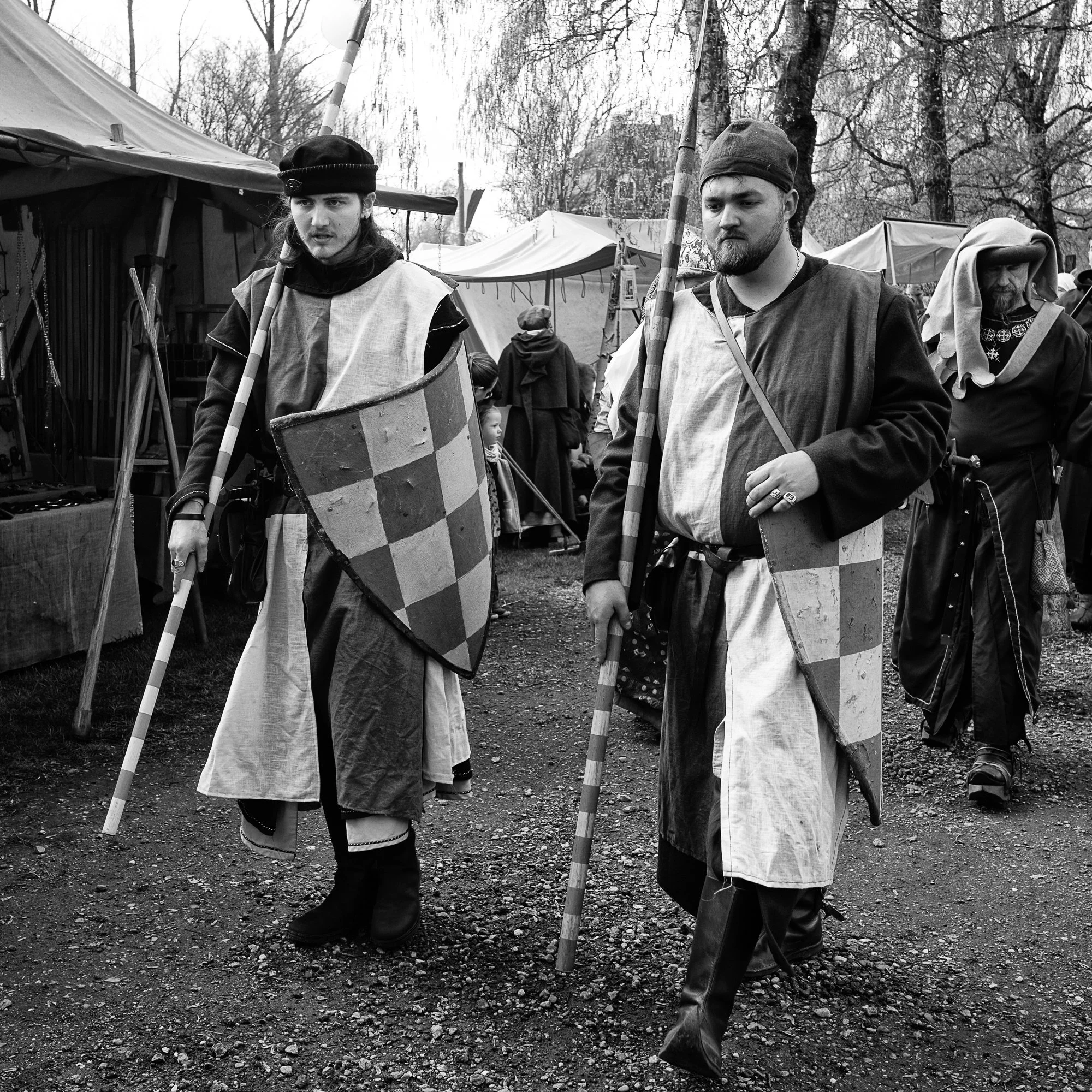
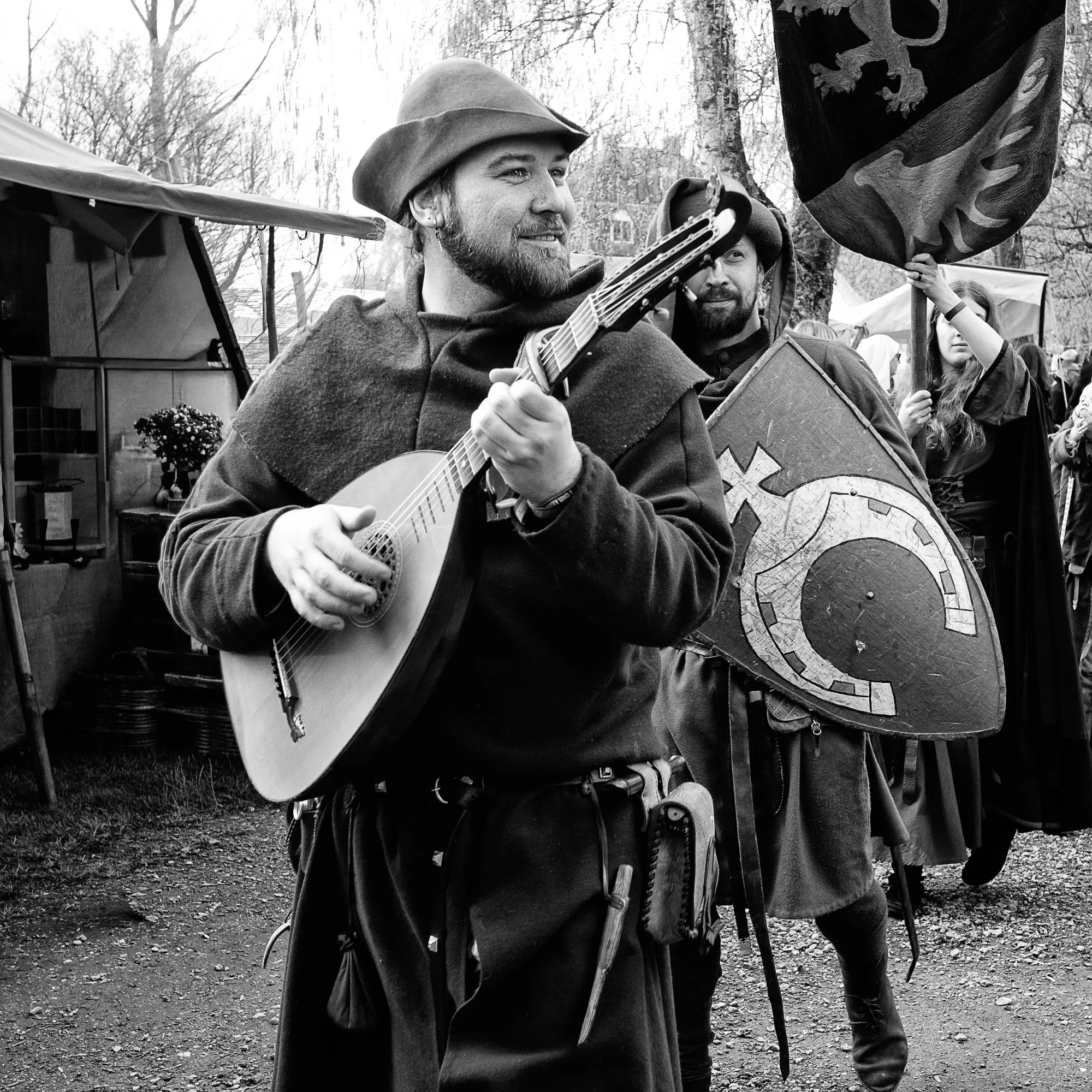
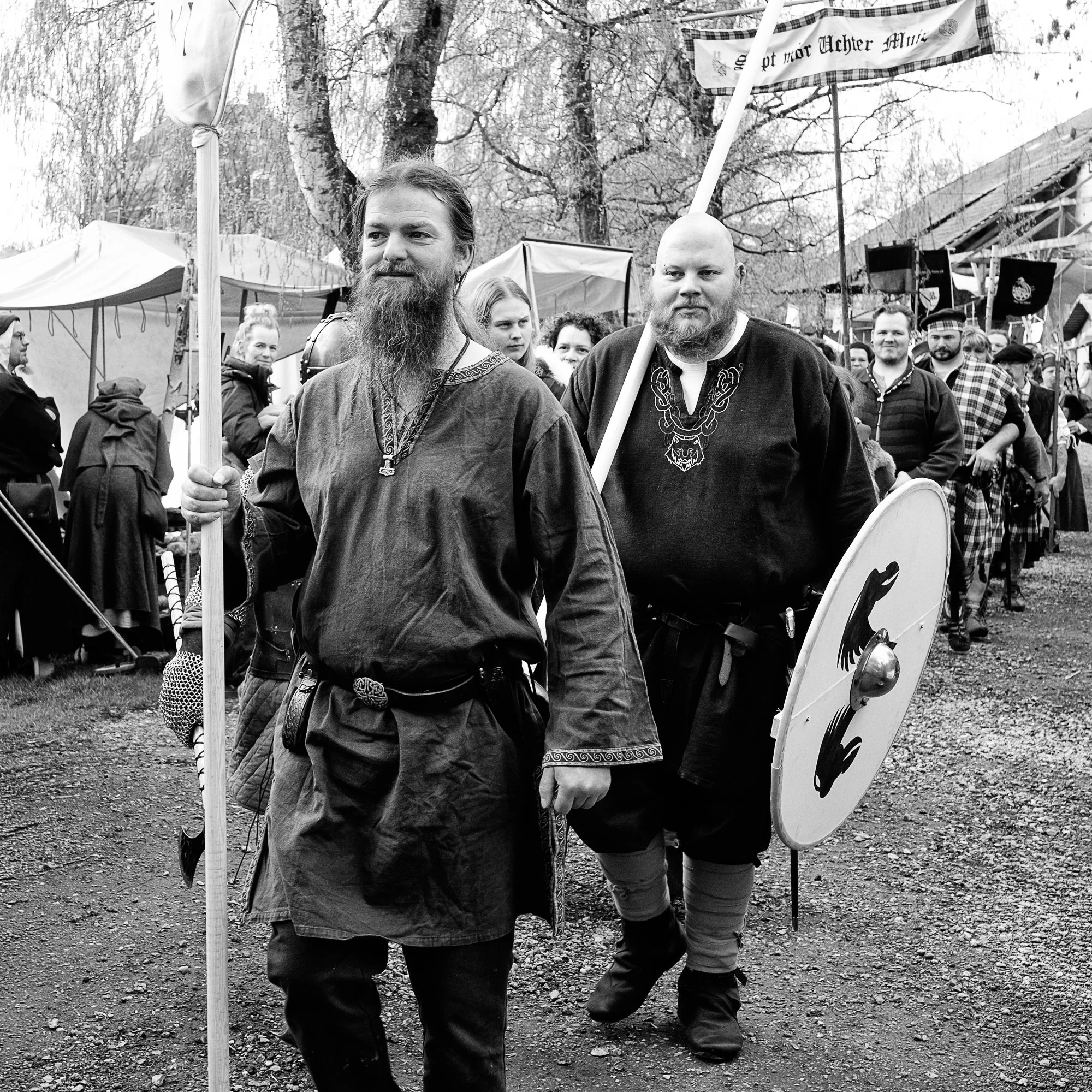
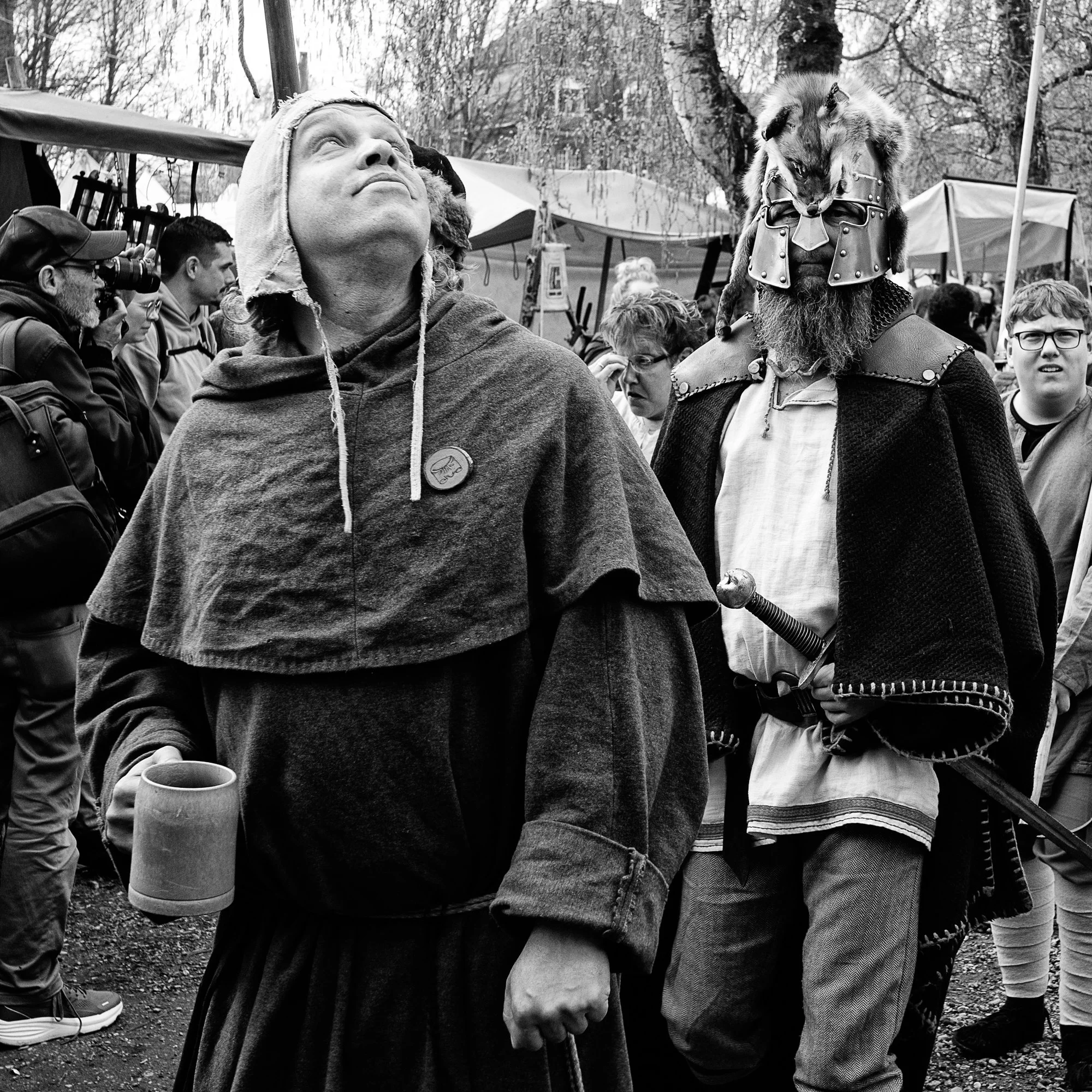
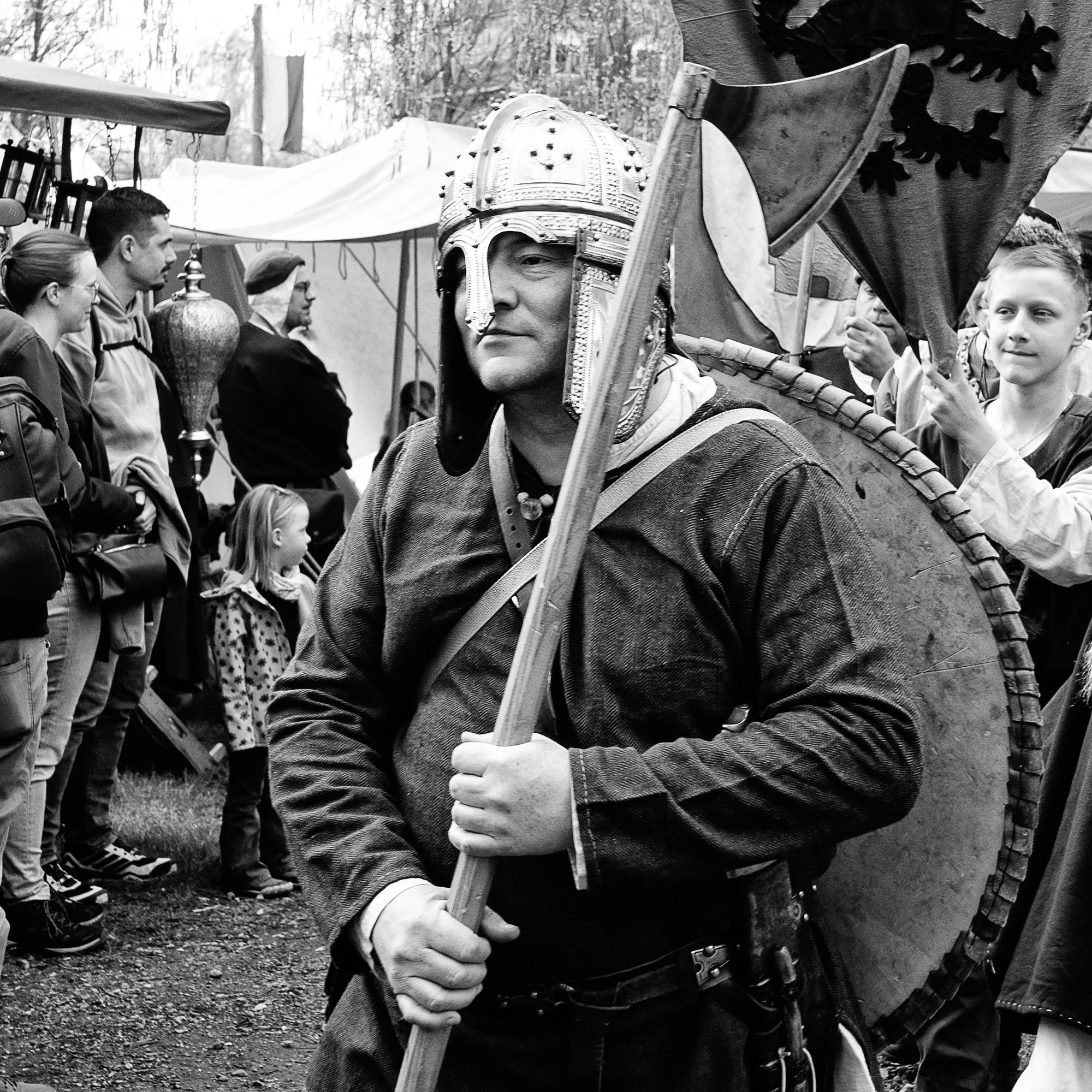
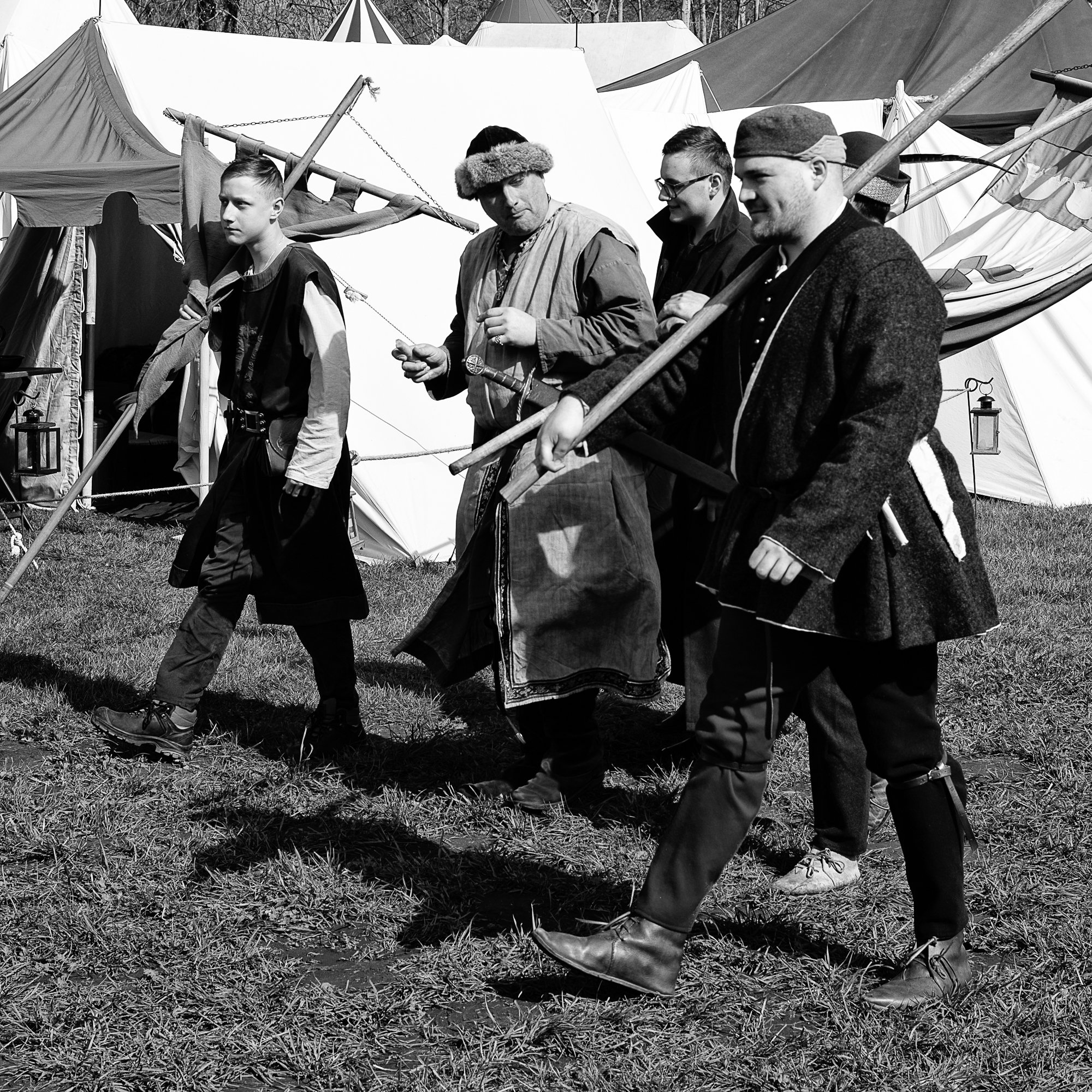
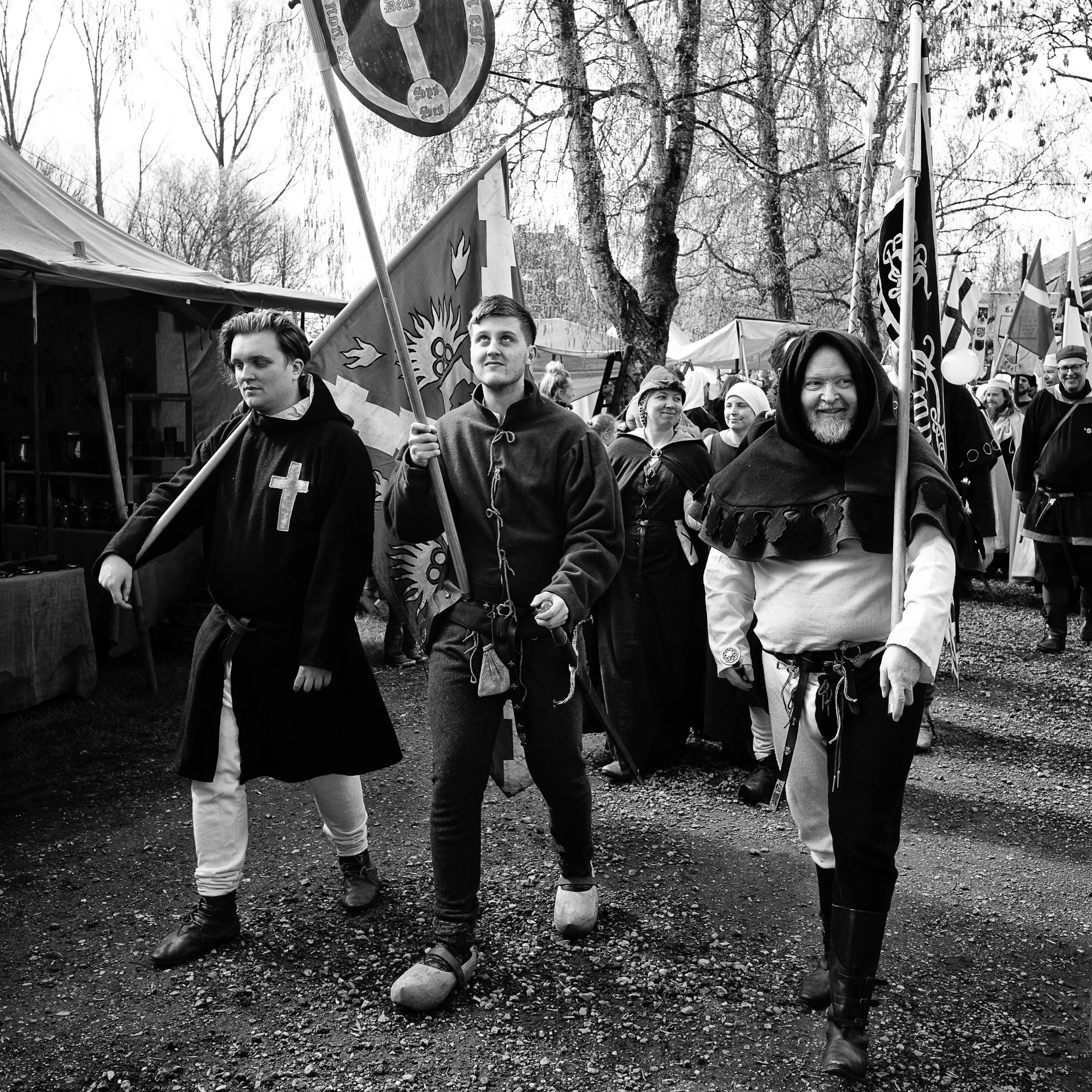
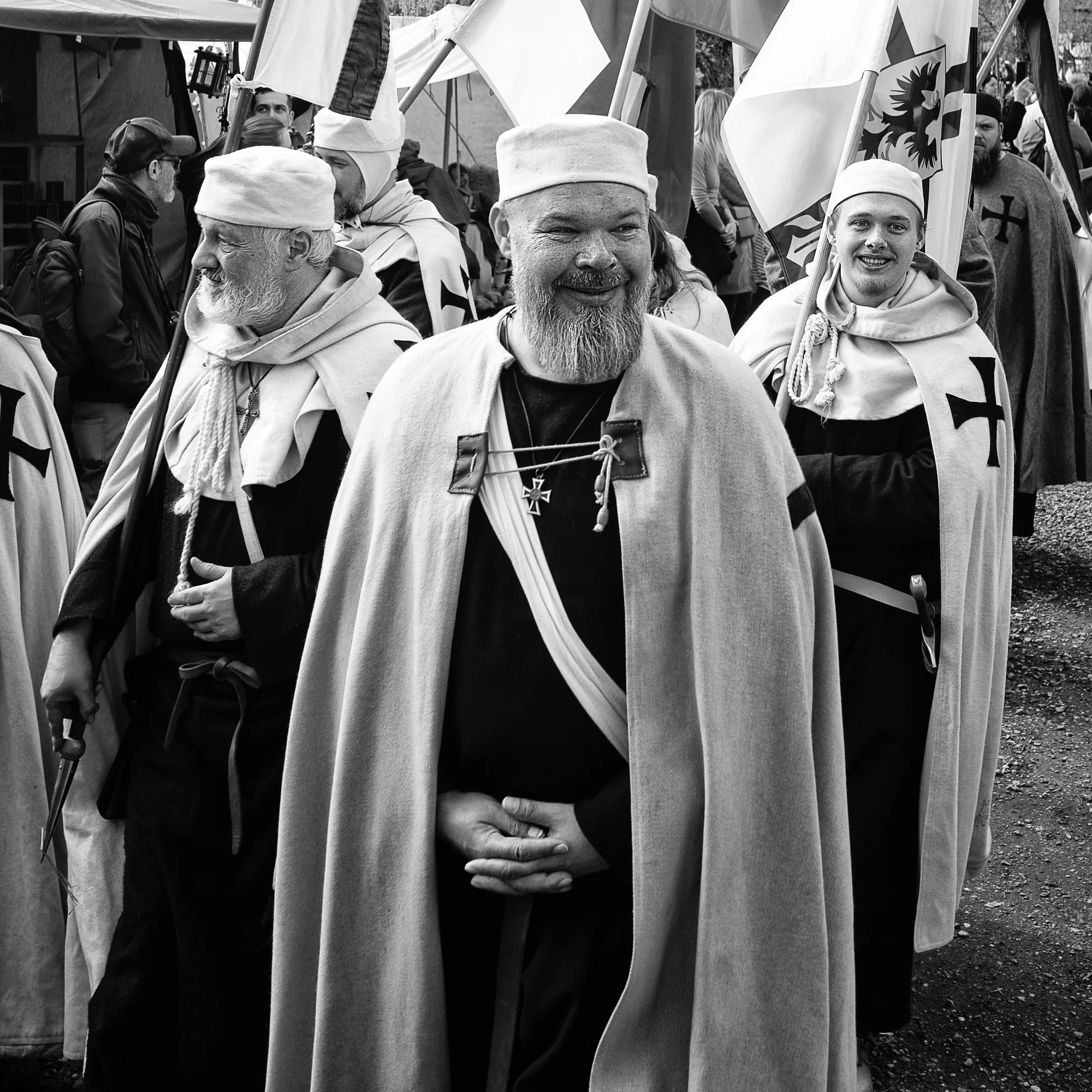
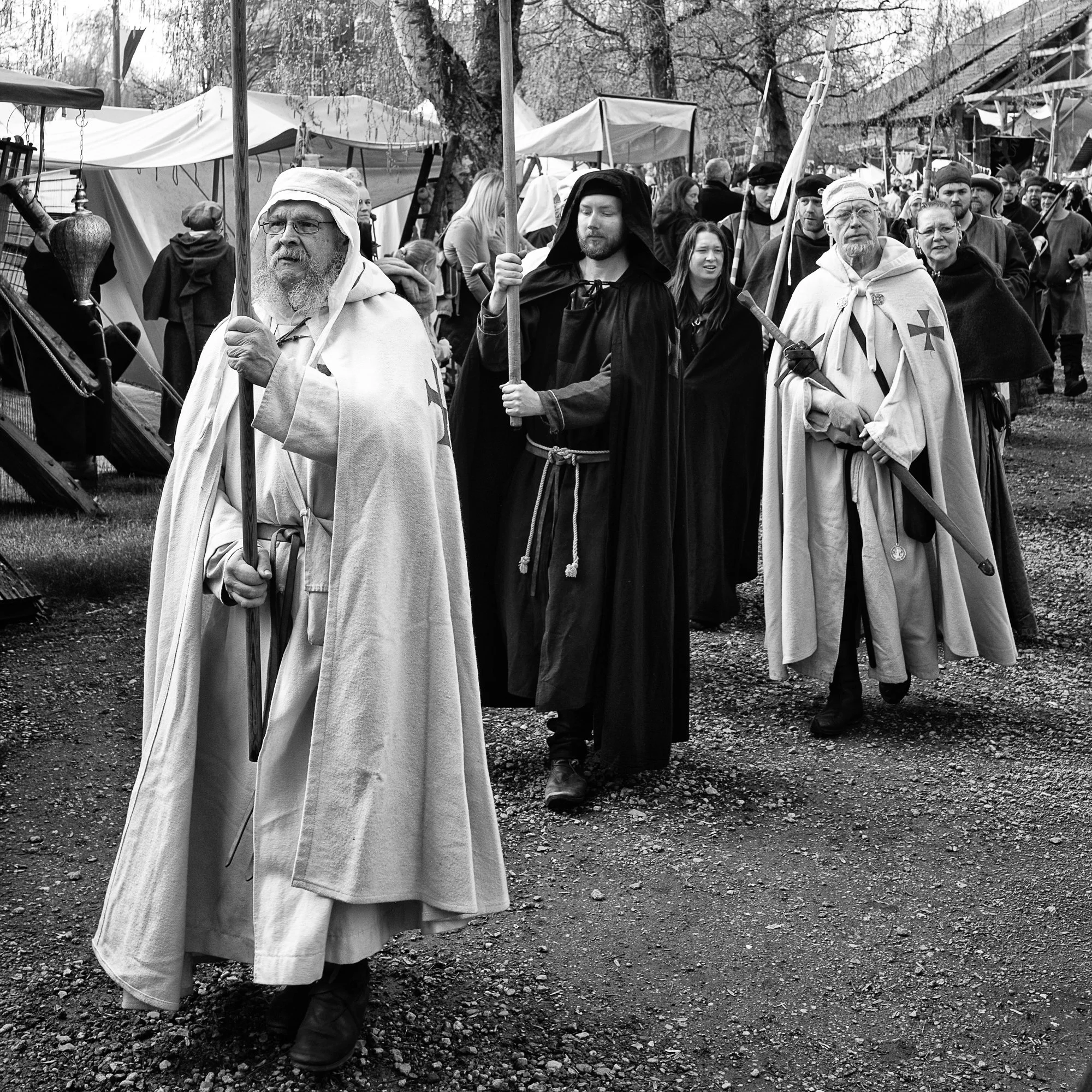
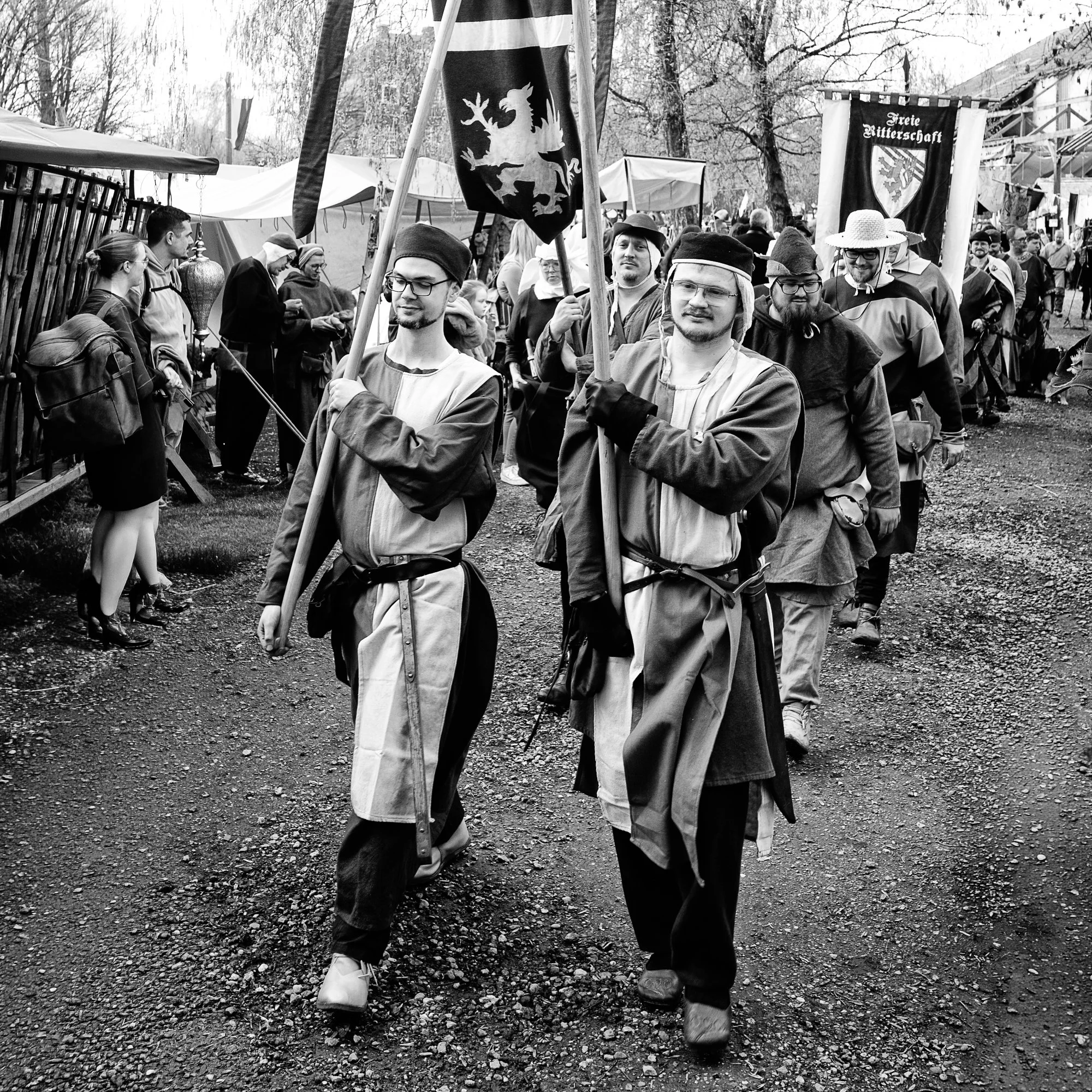
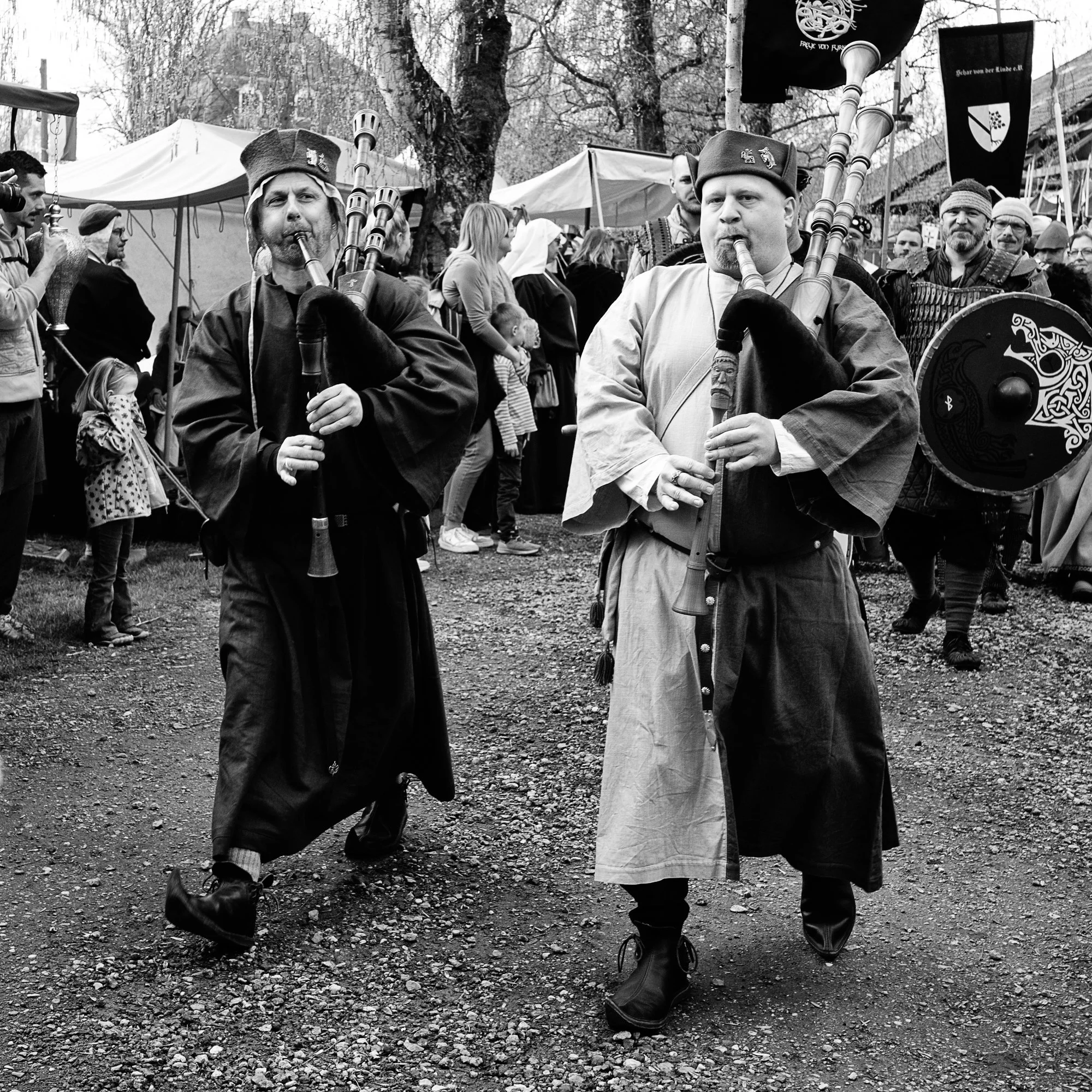
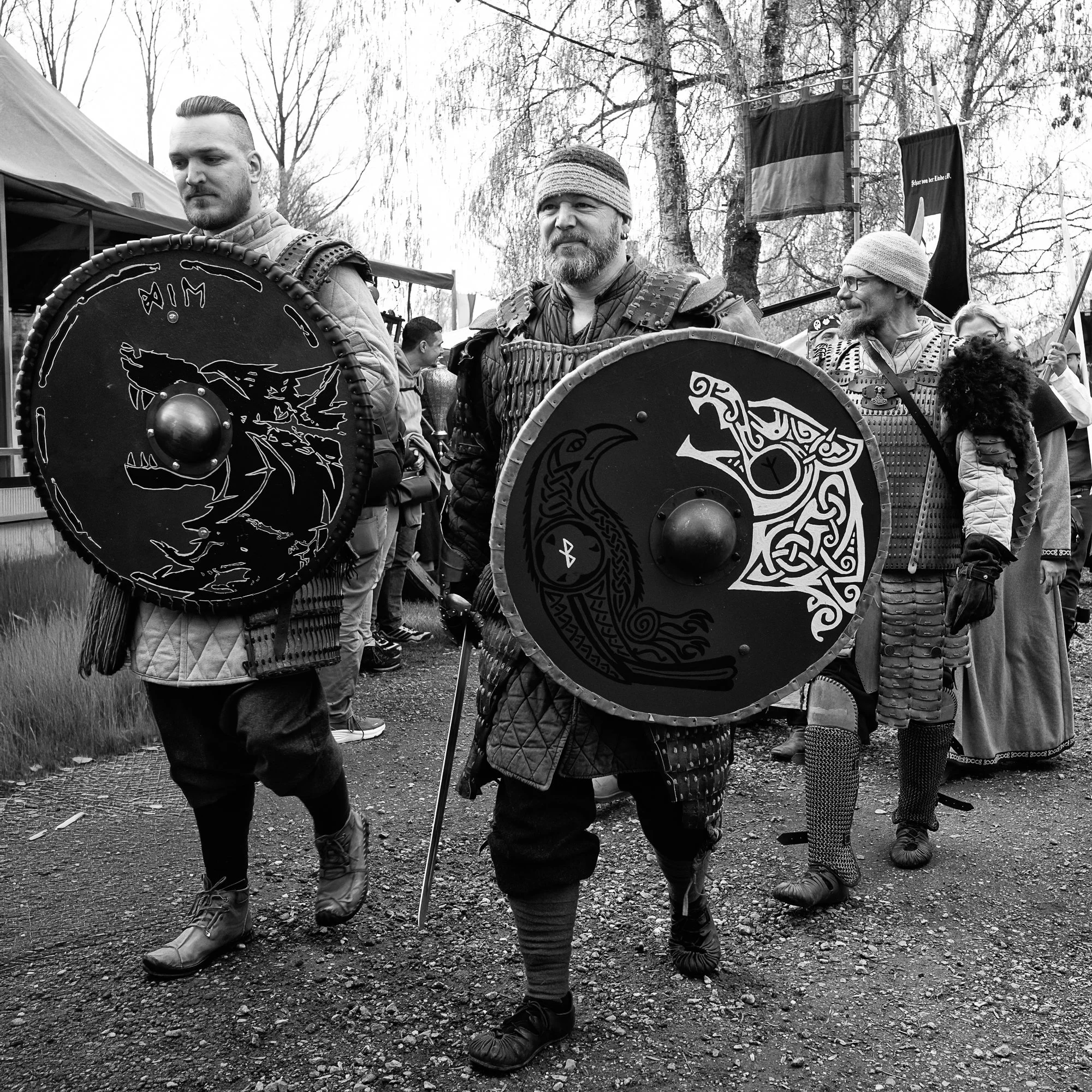
Just across the Dutch–German border, near Goch, something remarkable happens every Easter weekend. The quiet grounds of Kloster Graefenthal — a monastery founded in 1248 — transform into a living medieval world.
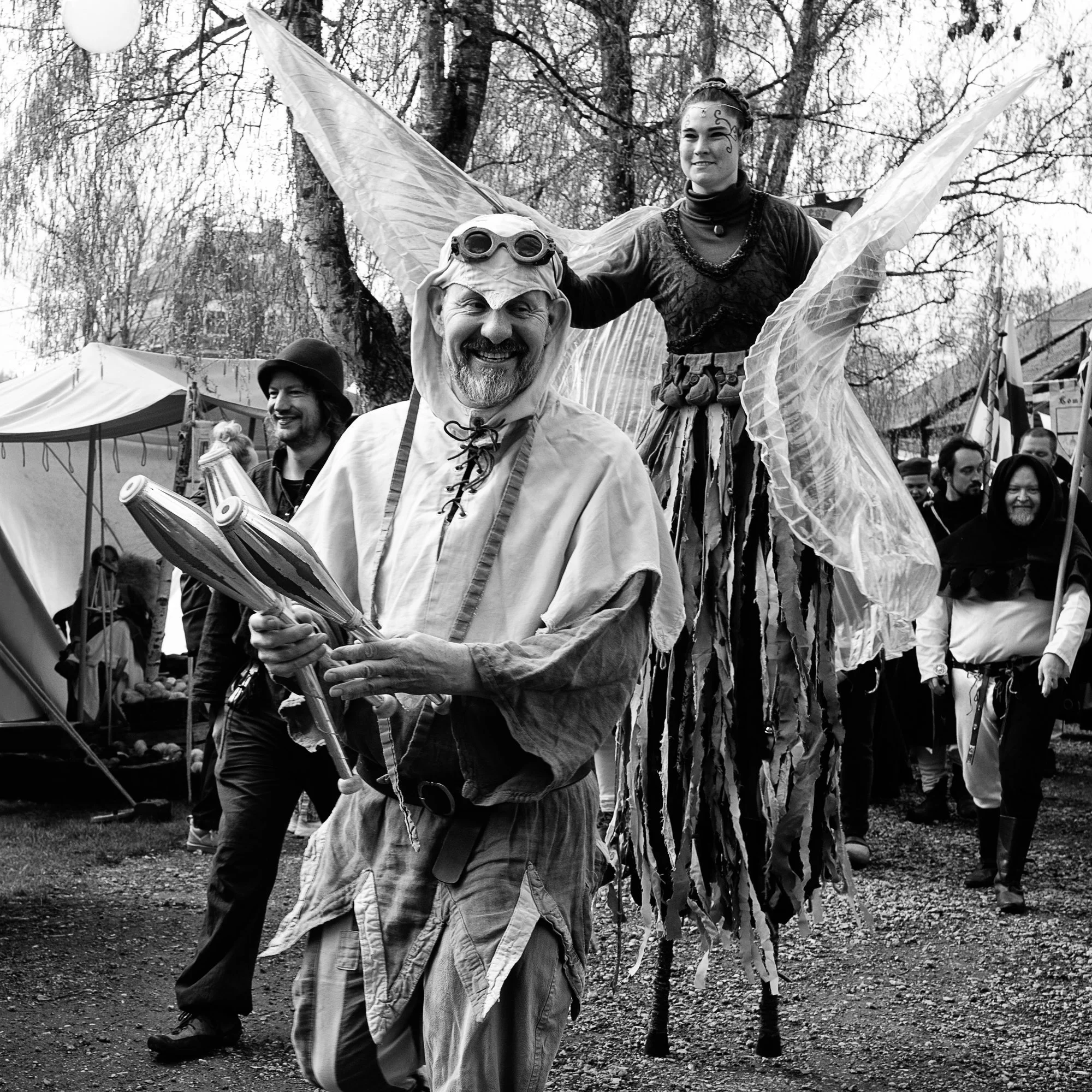
From April 4 to 6, 2026, the site once again hosts its well-known Easter market, one of the largest medieval-themed events in the region.
But this is not just a market. It is something far more immersive.
A Market That Feels Like a Village
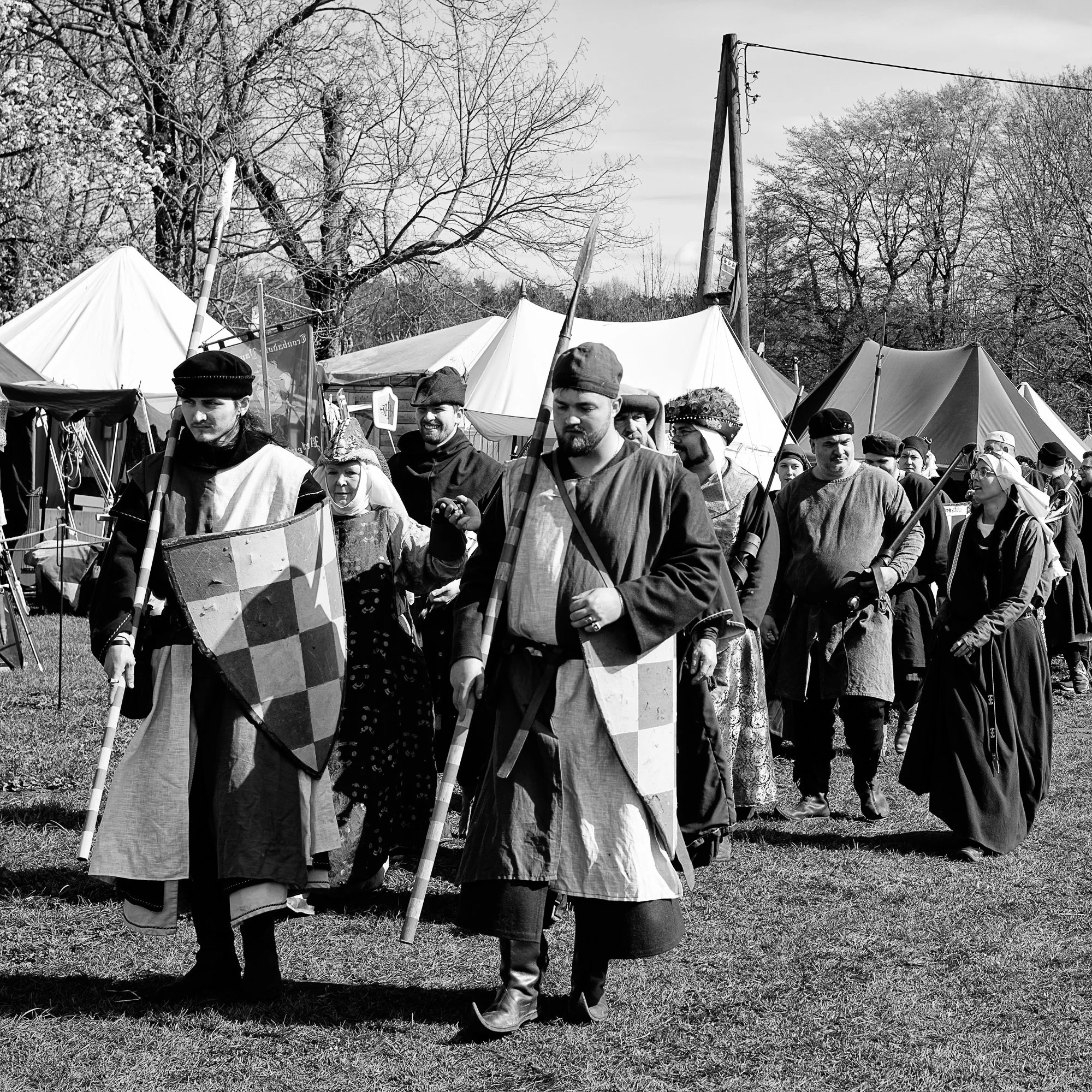
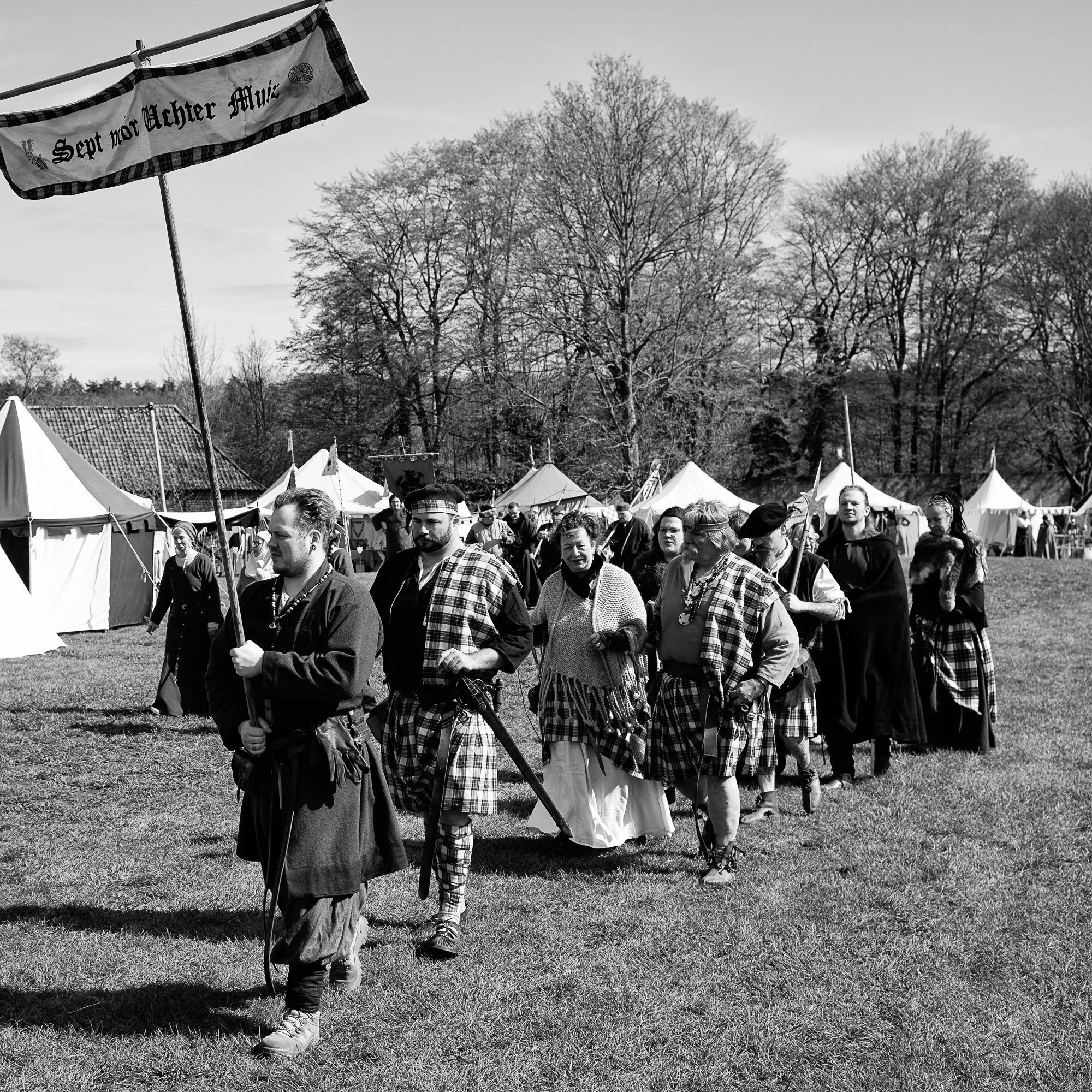
At first glance, you will see the familiar elements: wooden stalls, craftsmen, food, music. But then something shifts. Behind the market, beyond the crowds, entire medieval encampments appear — tents, campfires, cooking pots, banners moving in the wind.
Here, history is not displayed. It is lived.
Groups of reenactors recreate daily life in the Middle Ages: cooking over open fire, practicing archery, forging metal, or preparing for mock battles. Visitors can walk straight into these camps, talk to the participants, and even try activities themselves.
And most striking of all: many participants do not come alone. They come as families.
Families Who Live the Past
What makes Graefenthal special is not only the setting, but the people. Entire families — parents, children, sometimes even grandparents — dress in historically inspired clothing and spend the weekend together in their camp.
For them, this is not a performance. It is a shared passion.
Children grow up learning how to bake bread over fire, how to sew garments, how to handle simple tools. Evenings are spent around flickering flames, with music, storytelling, and a quiet sense of stepping outside modern time.
It is easy to forget, standing there, that you are only a few kilometres from the present.
A Wider Culture Across Borders
Graefenthal is part of a much larger European culture of medieval reenactment — a network of groups who travel from event to event throughout the year.
In Germany, similar events can be found at places like Manderscheid Castle, Waltrop (Gaudium festival), and Bad Rothenfelde.
In the Netherlands, you can encounter this world at the monastery site of Klooster Ter Apel or during events at Kasteel Teylingen, where reenactment groups set up similar encampments.
Belgium has its own tradition, with festivals in cities like Bouillon and Bruges, often linked to historical pageants and processions.
Across all these places, the pattern is the same: people gathering not just to watch history, but to inhabit it — if only for a few days.
Why It Matters
In a world of screens and speed, these events offer something rare: slowness, craft, and shared experience across generations.
The medieval market at Graefenthal is, on the surface, a festive outing — a day of music, food, and spectacle. But beneath that lies something deeper: a quiet movement of people who choose, again and again, to step into the past together.
Not because they have to. But because, for a moment, it feels more real.