cultural traditions

Where Families Camp in the Middle Ages: Easter at Graefenthal

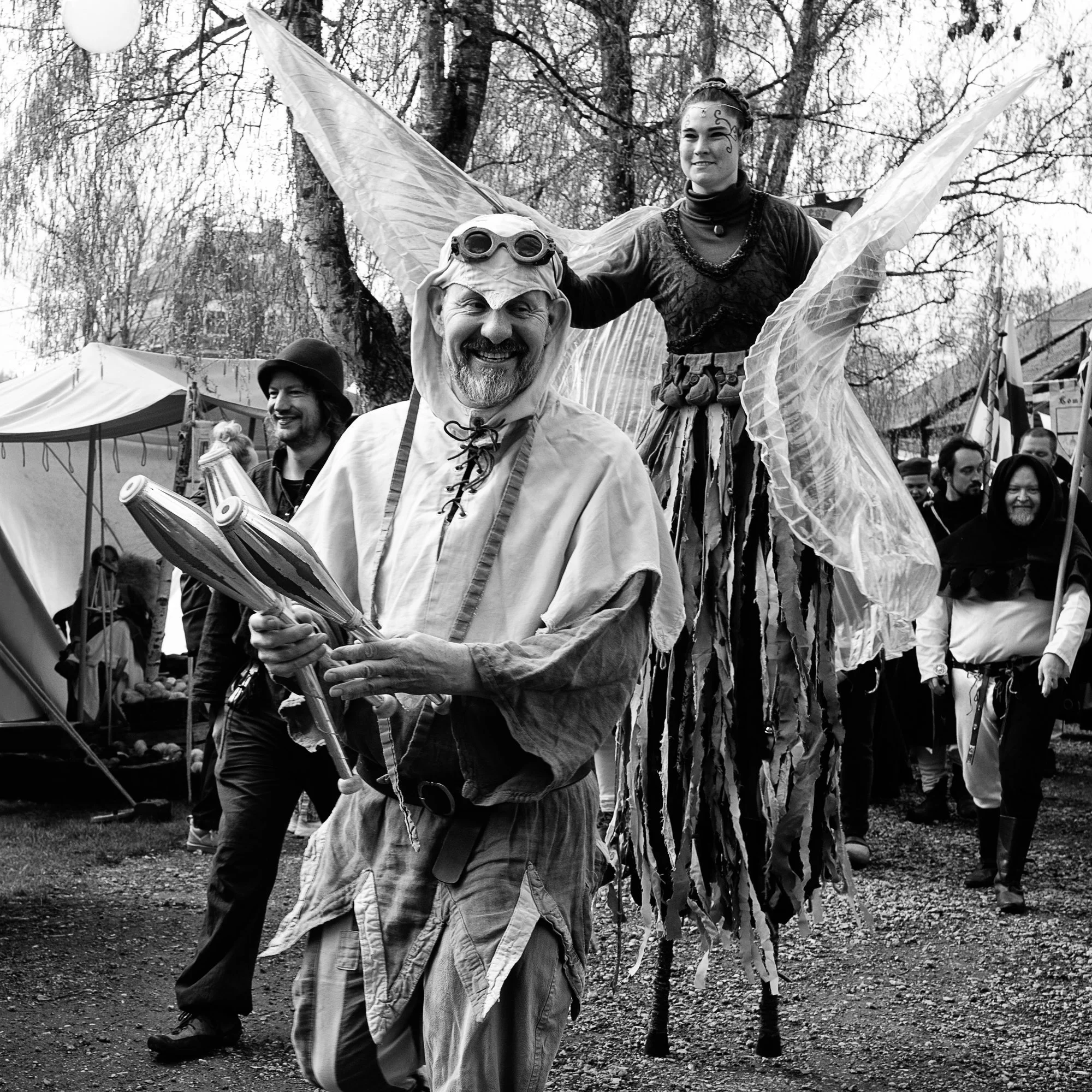
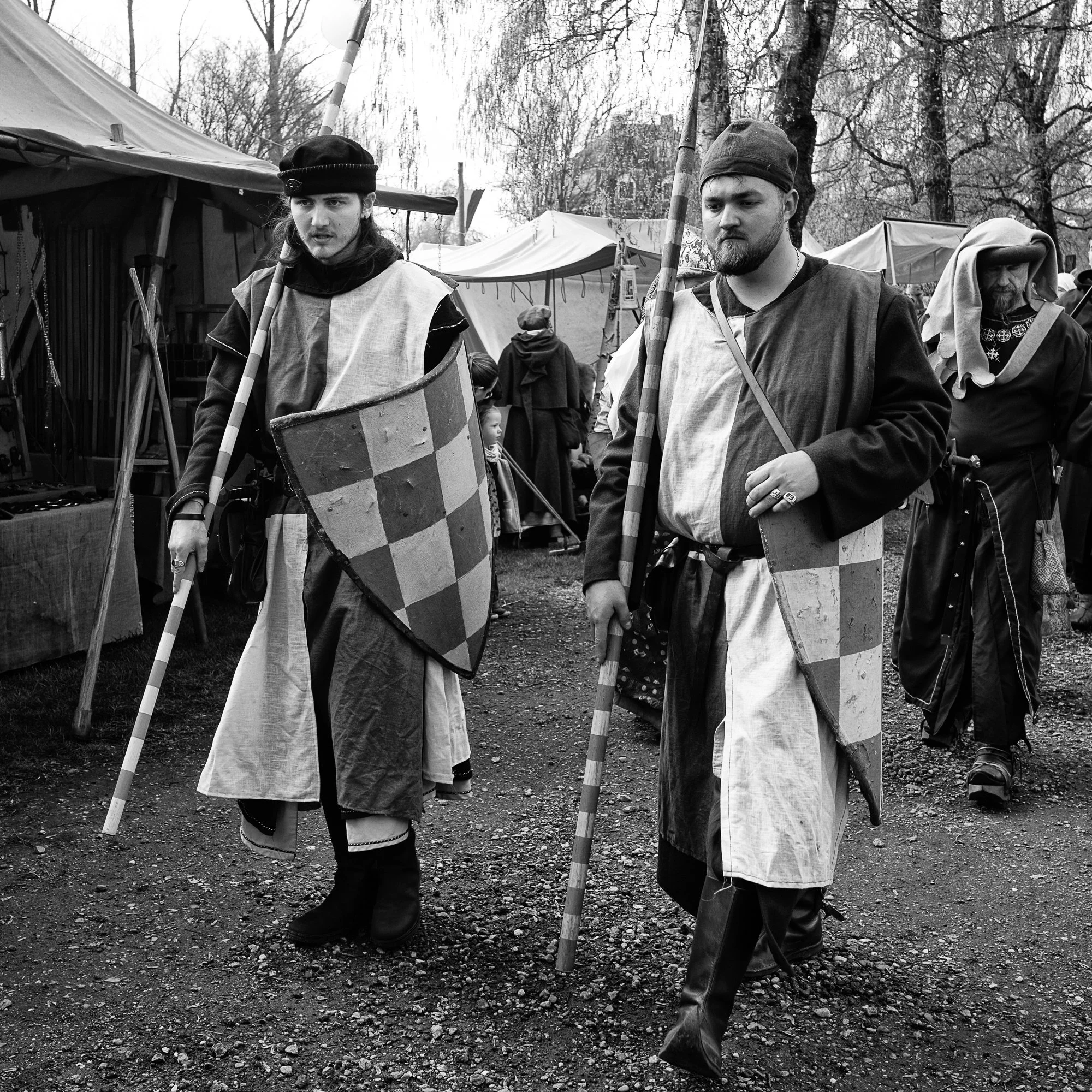
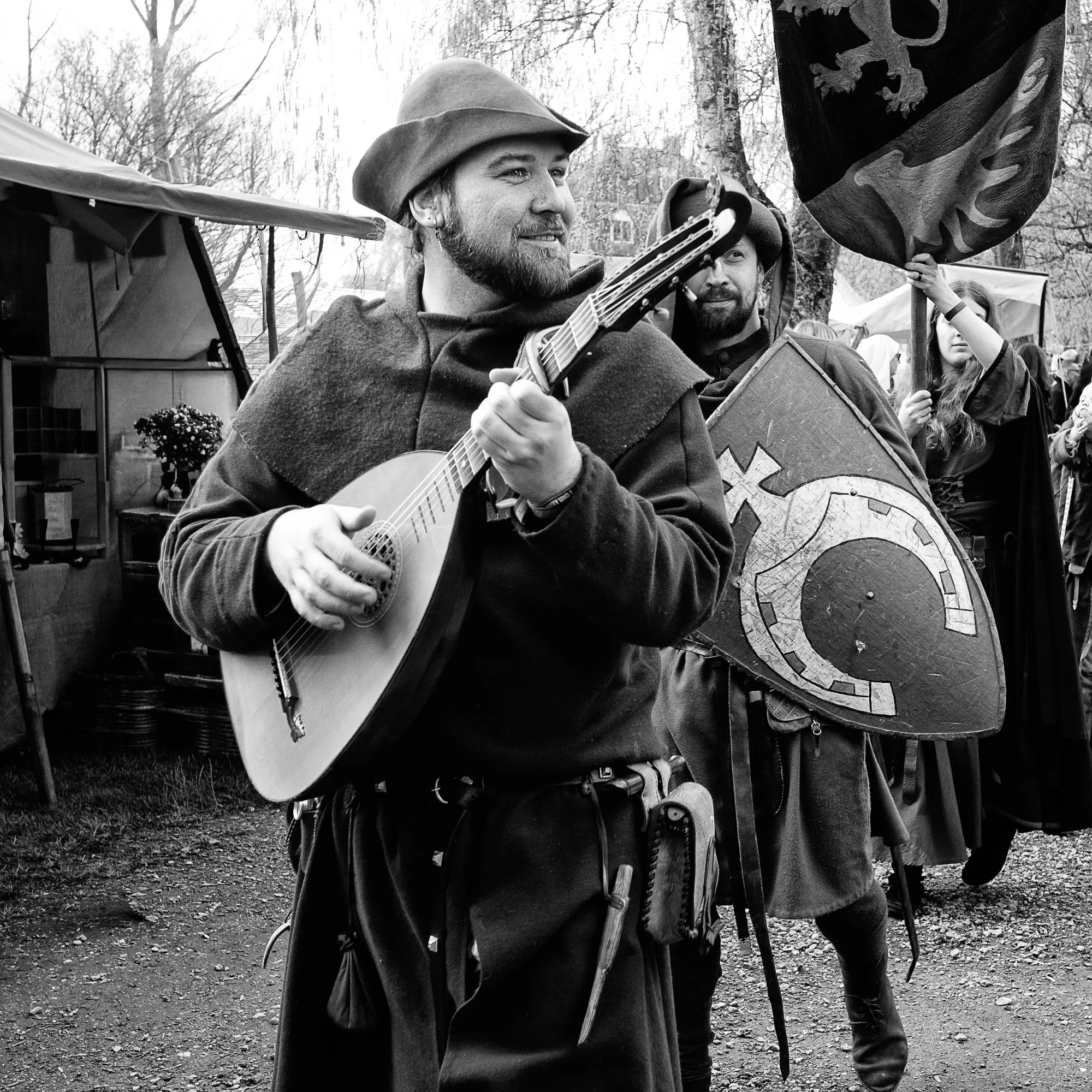
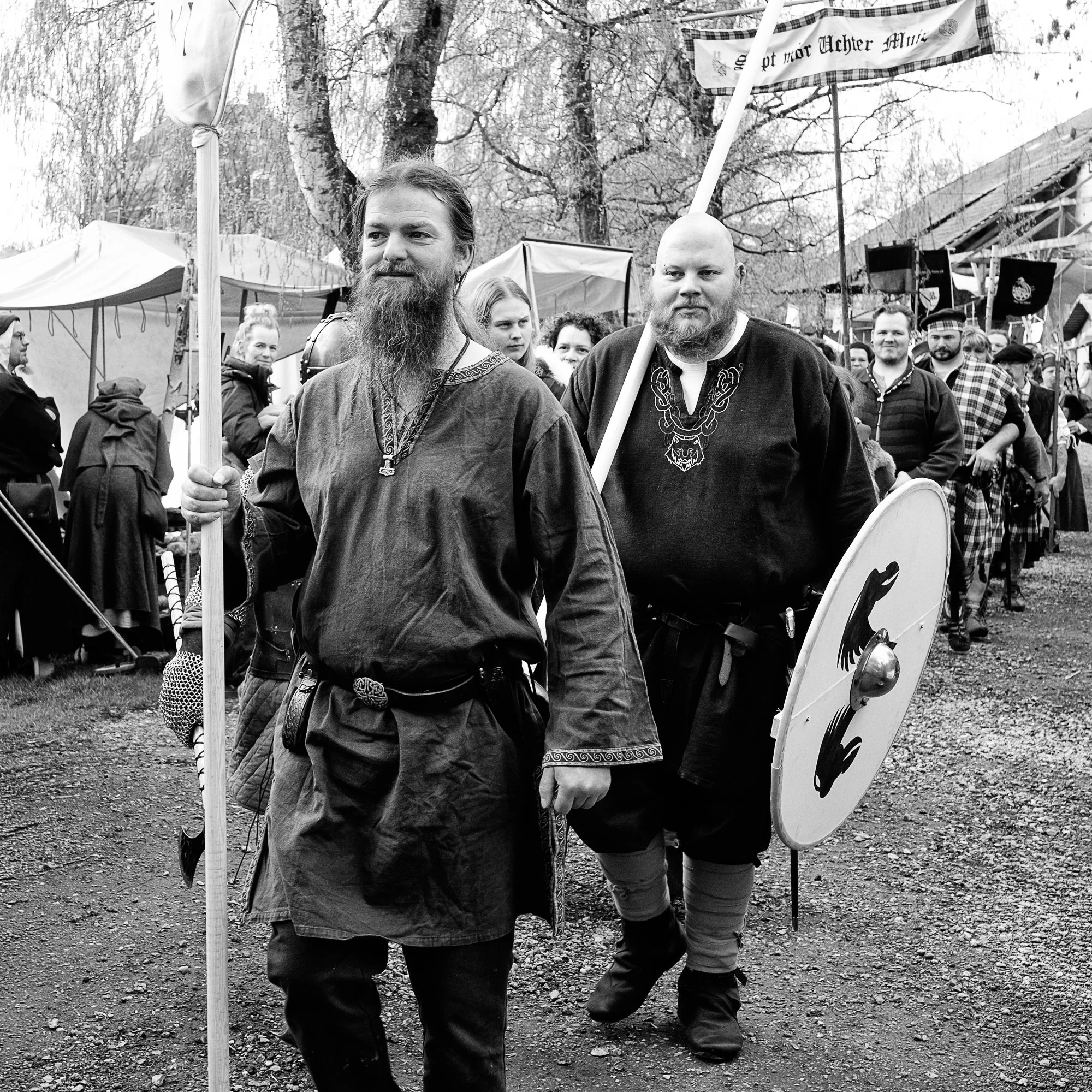
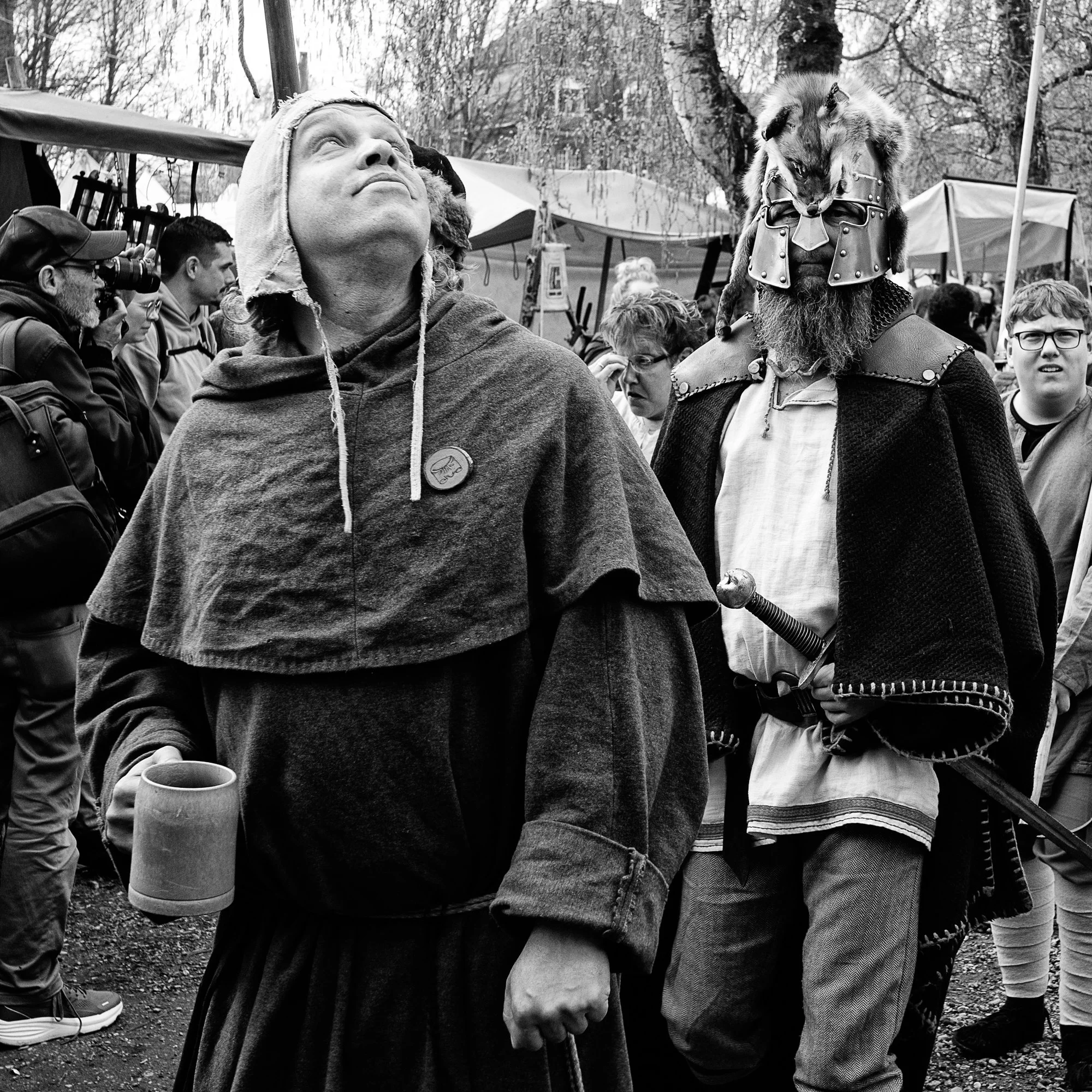
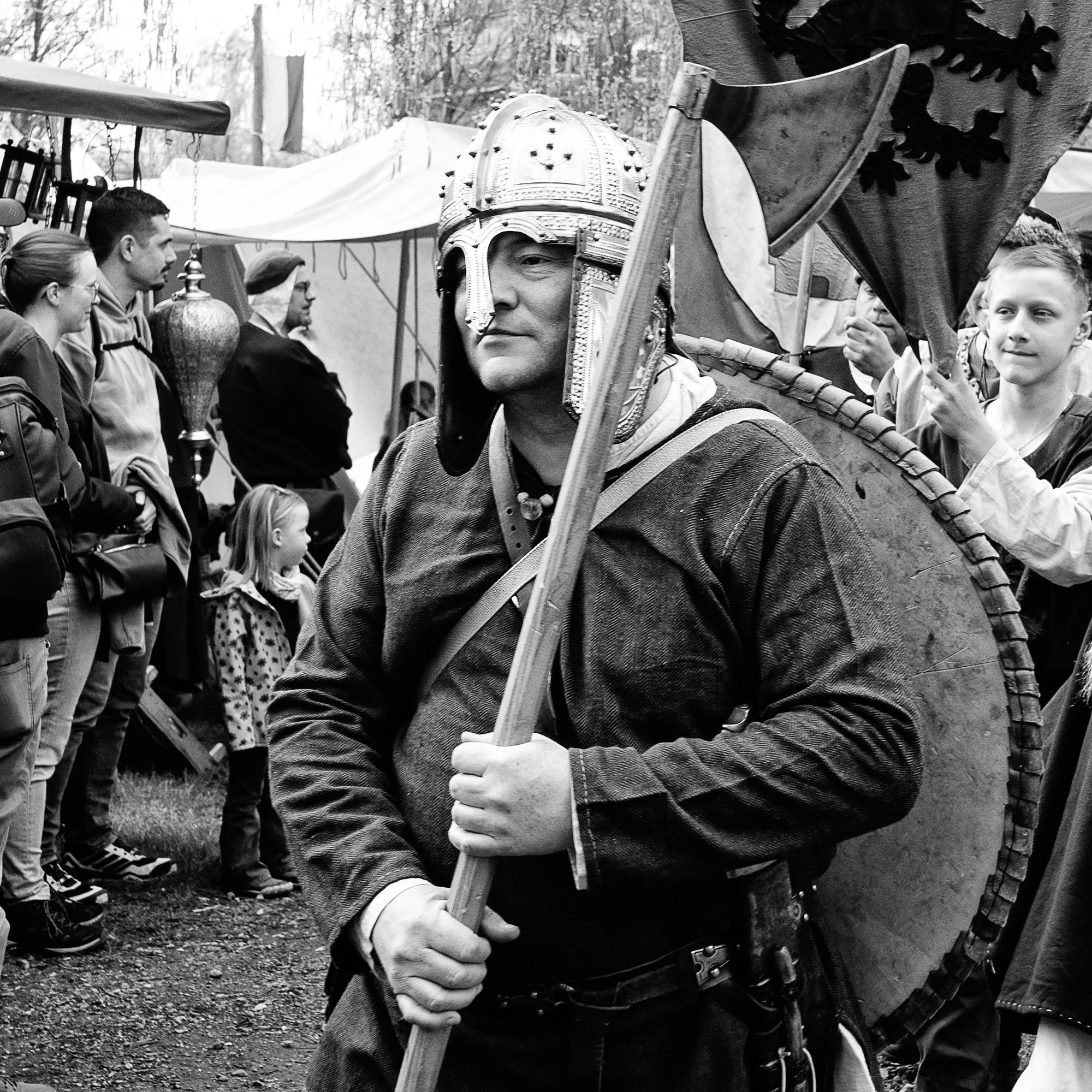
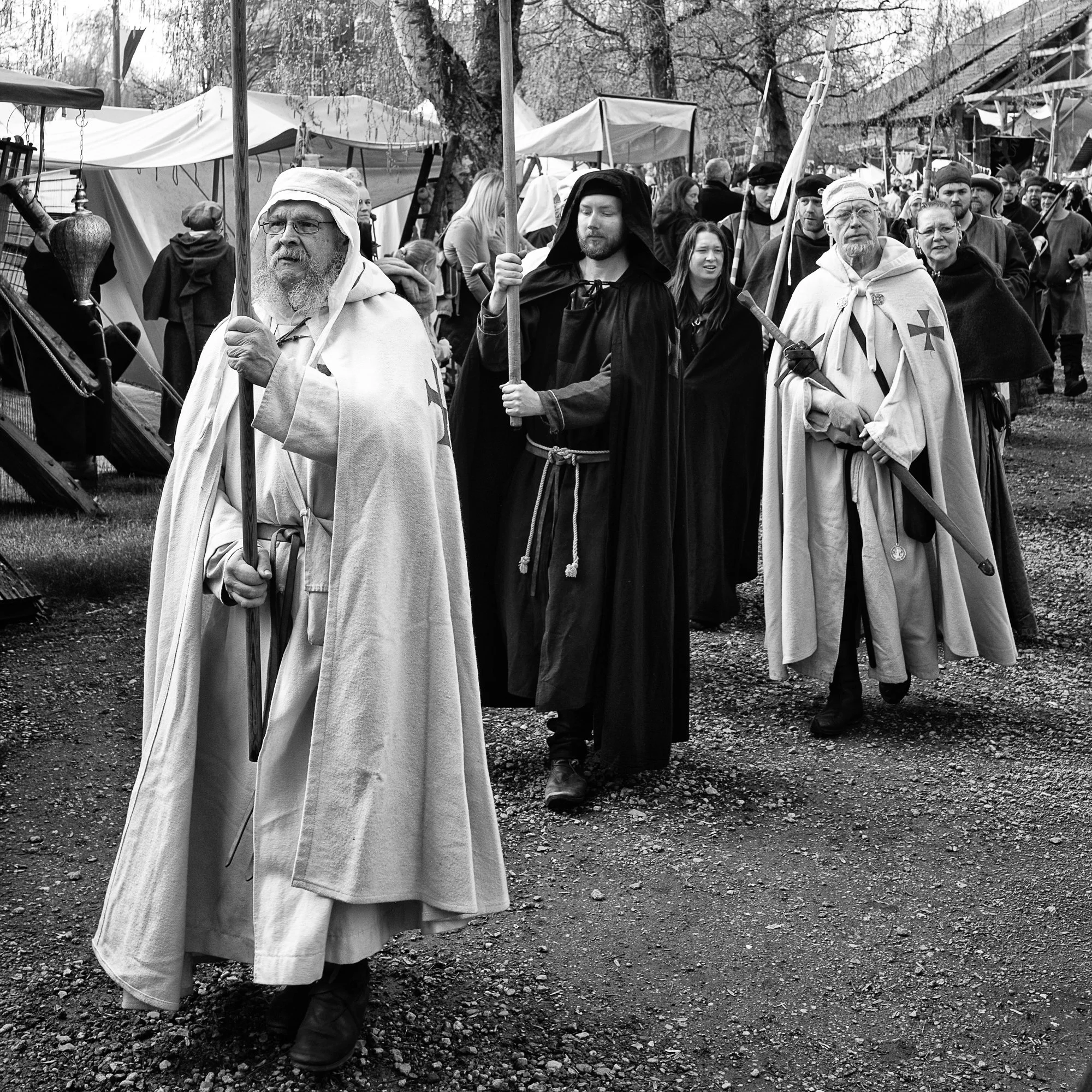
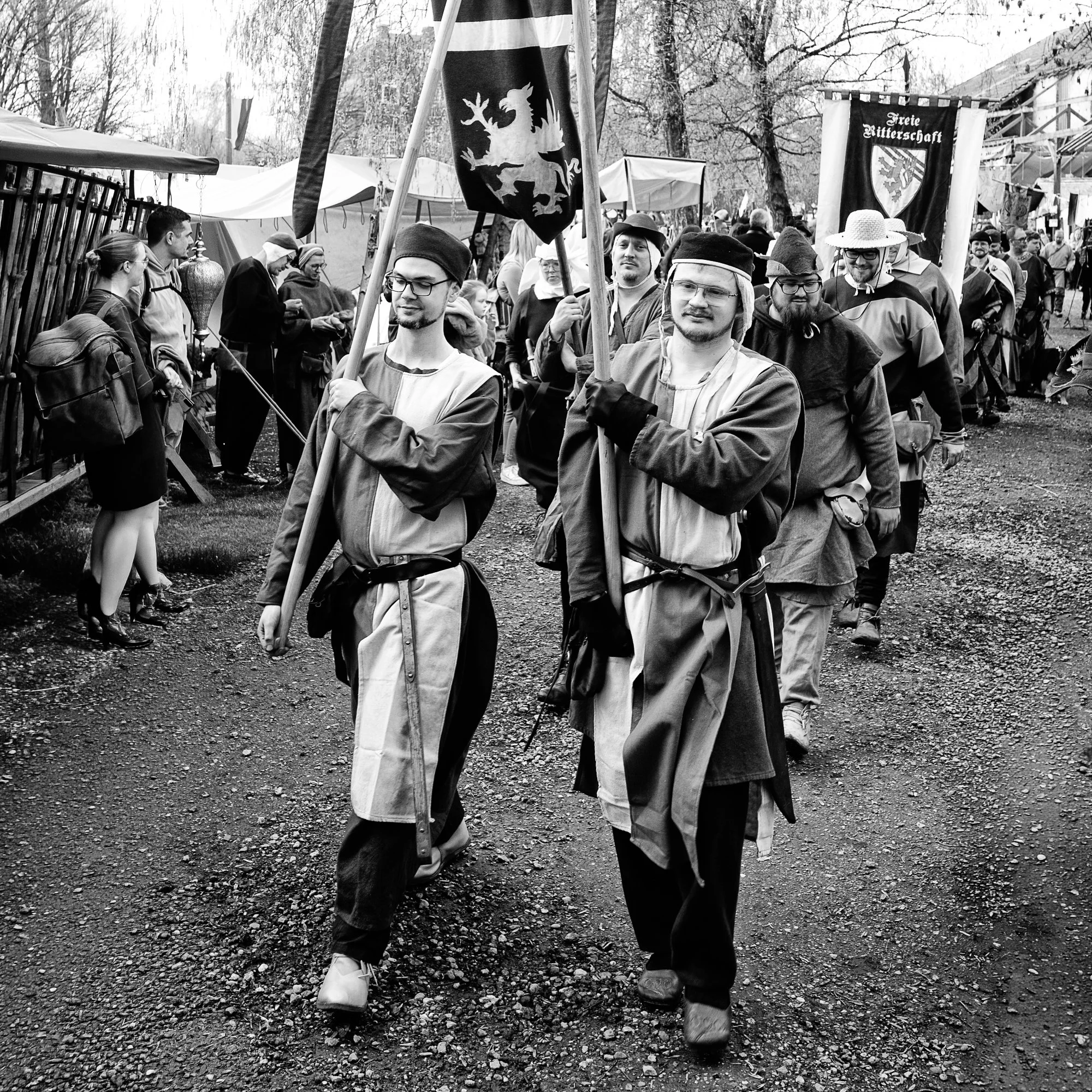
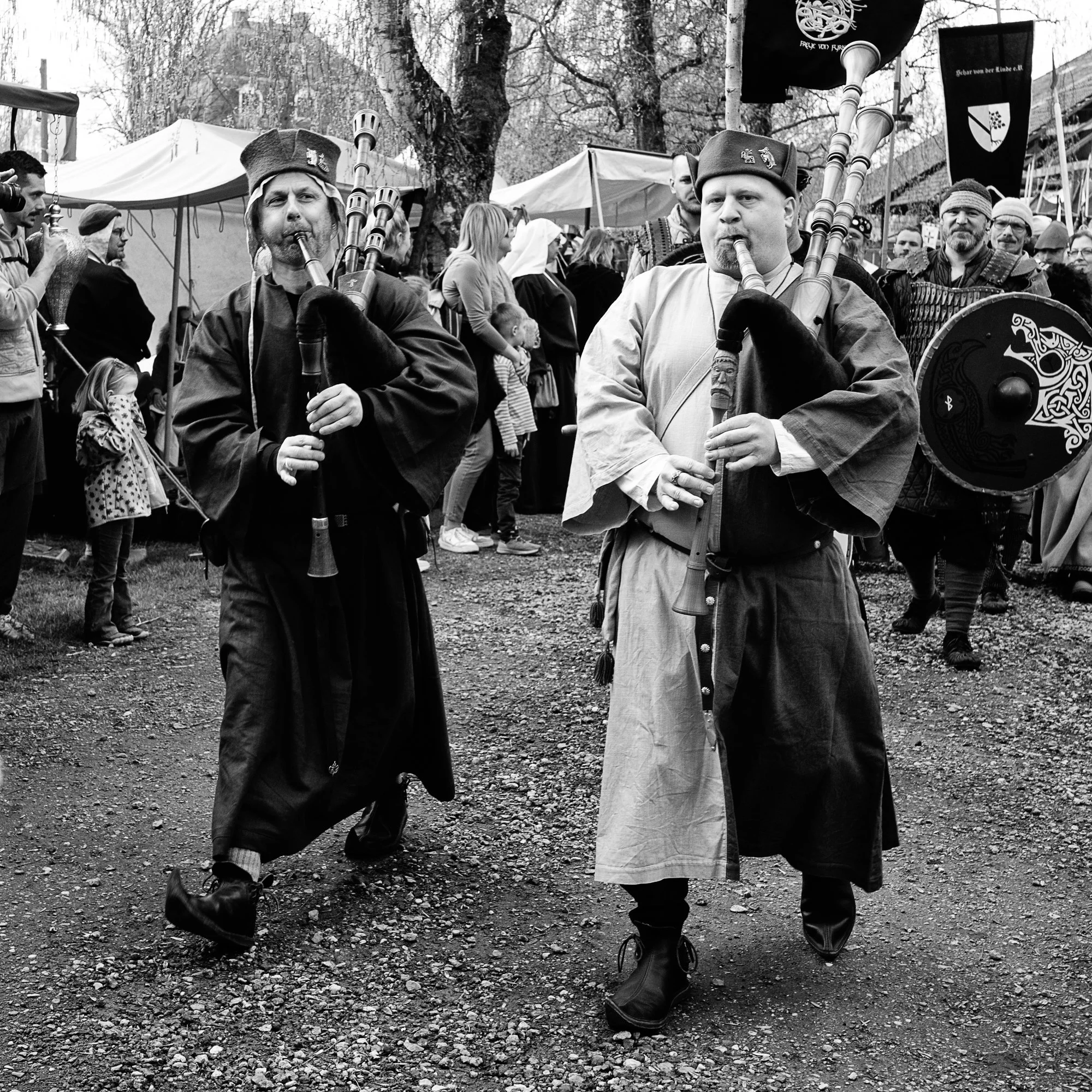
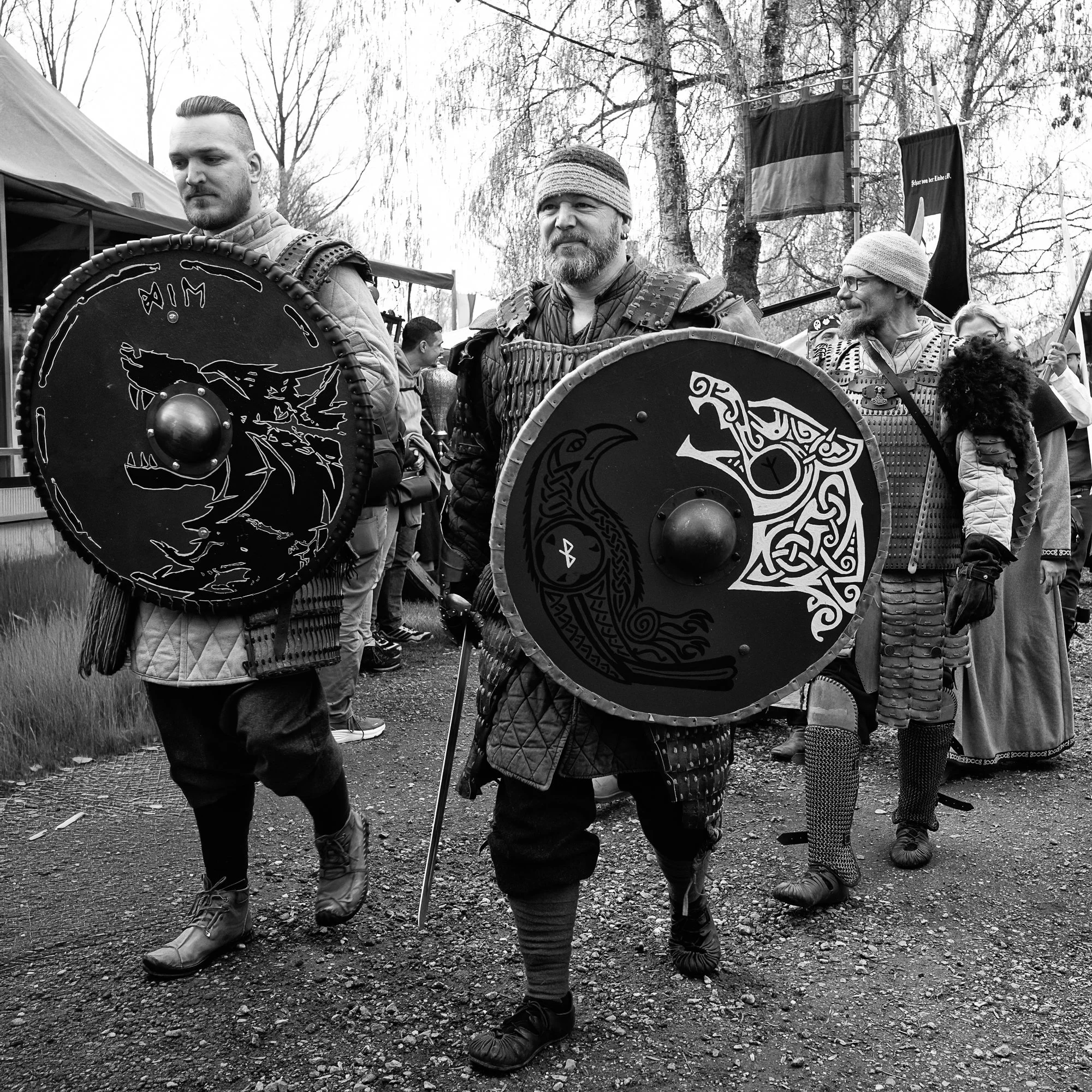
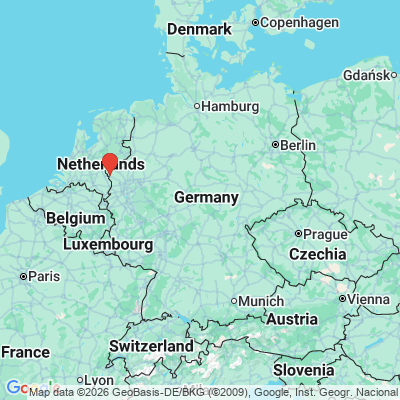
Just across the Dutch–German border, near Goch, something remarkable happens every Easter weekend. The quiet grounds of Kloster Graefenthal — a monastery founded in 1248 — transform into a living medieval world.
From April 4 to 6, 2026, the site once again hosts its well-known Easter market, one of the largest medieval-themed events in the region.

But this is not just a market. It is something far more immersive.

A Market That Feels Like a Village

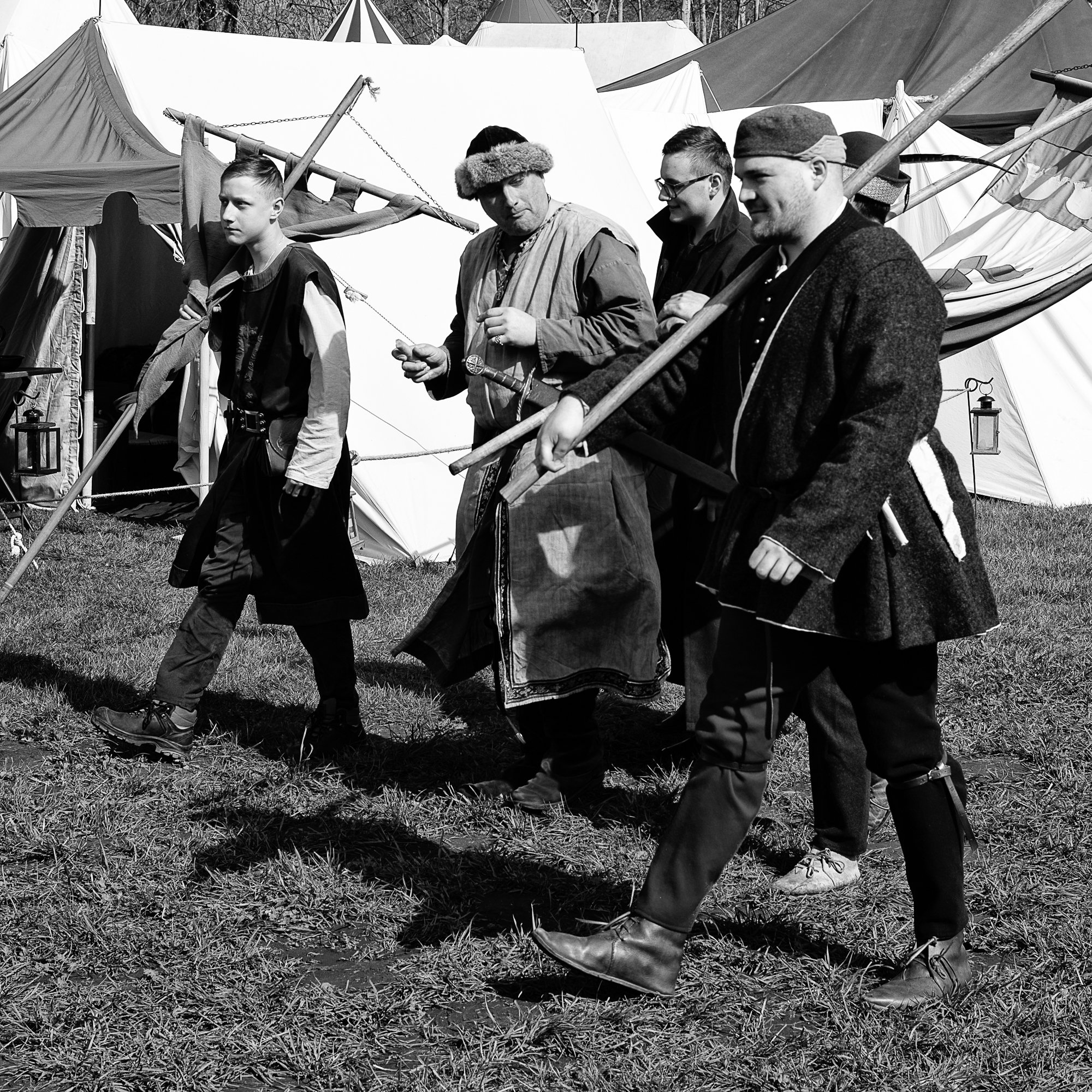
At first glance, you will see the familiar elements: wooden stalls, craftsmen, food, music. But then something shifts. Behind the market, beyond the crowds, entire medieval encampments appear — tents, campfires, cooking pots, banners moving in the wind.

Here, history is not displayed. It is lived.

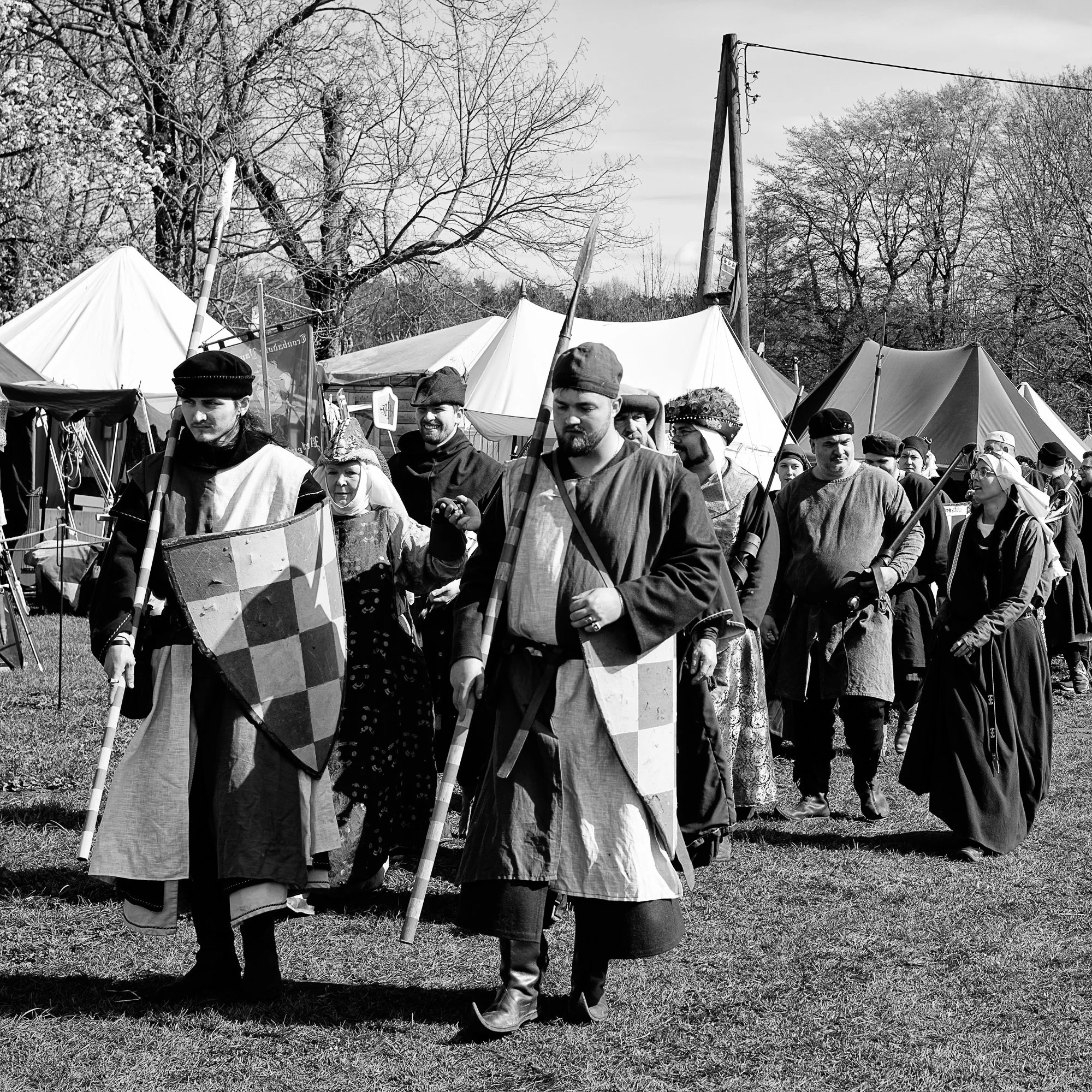
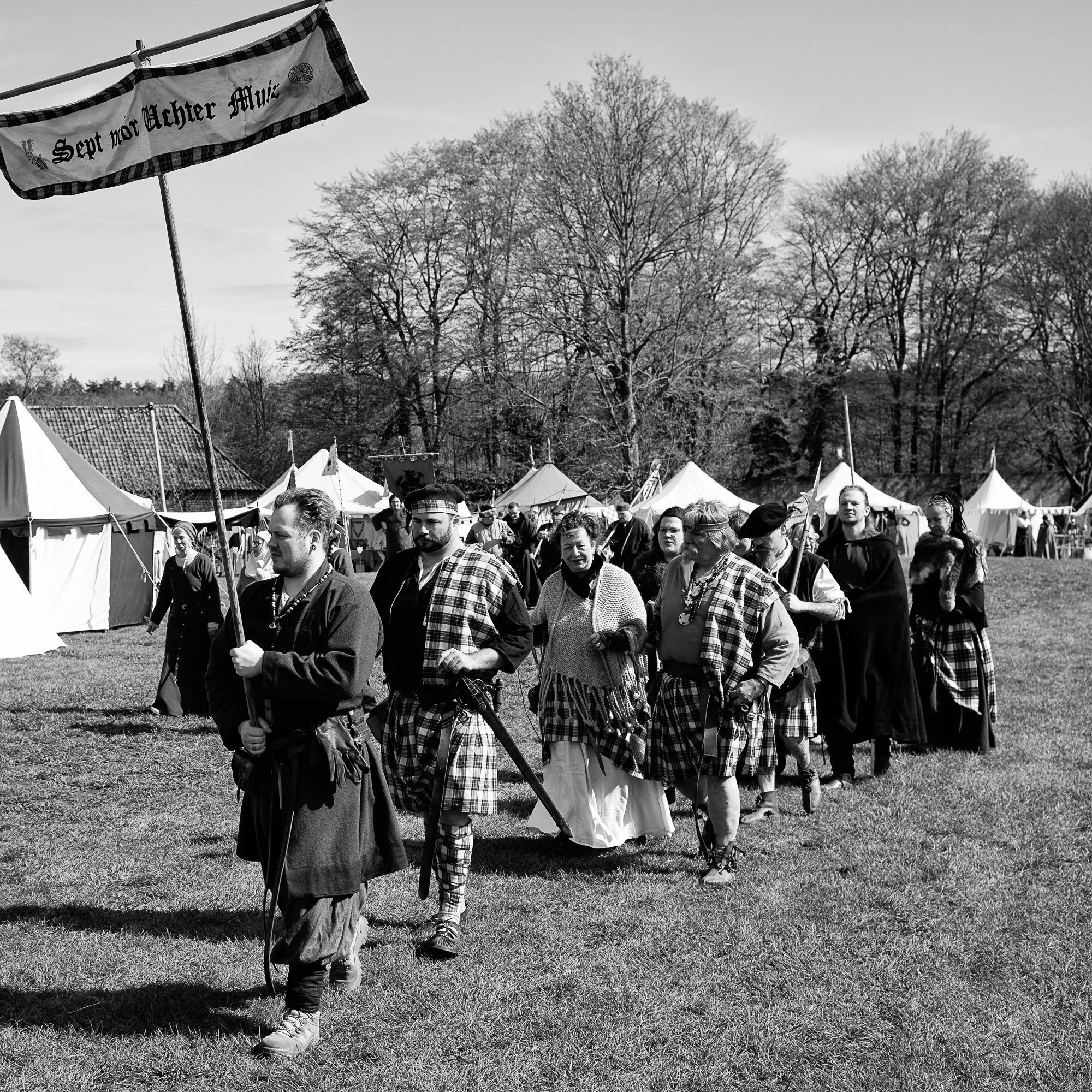
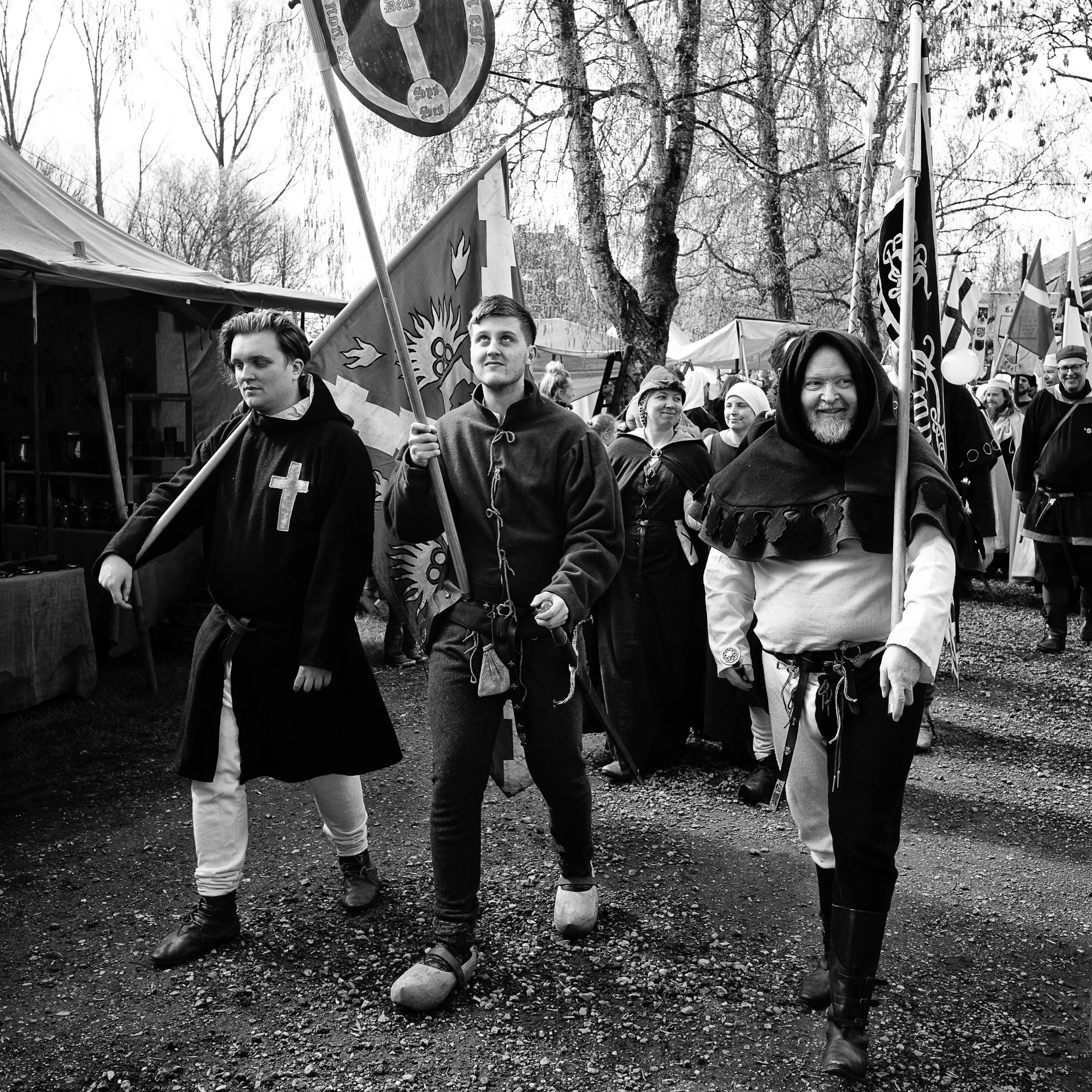
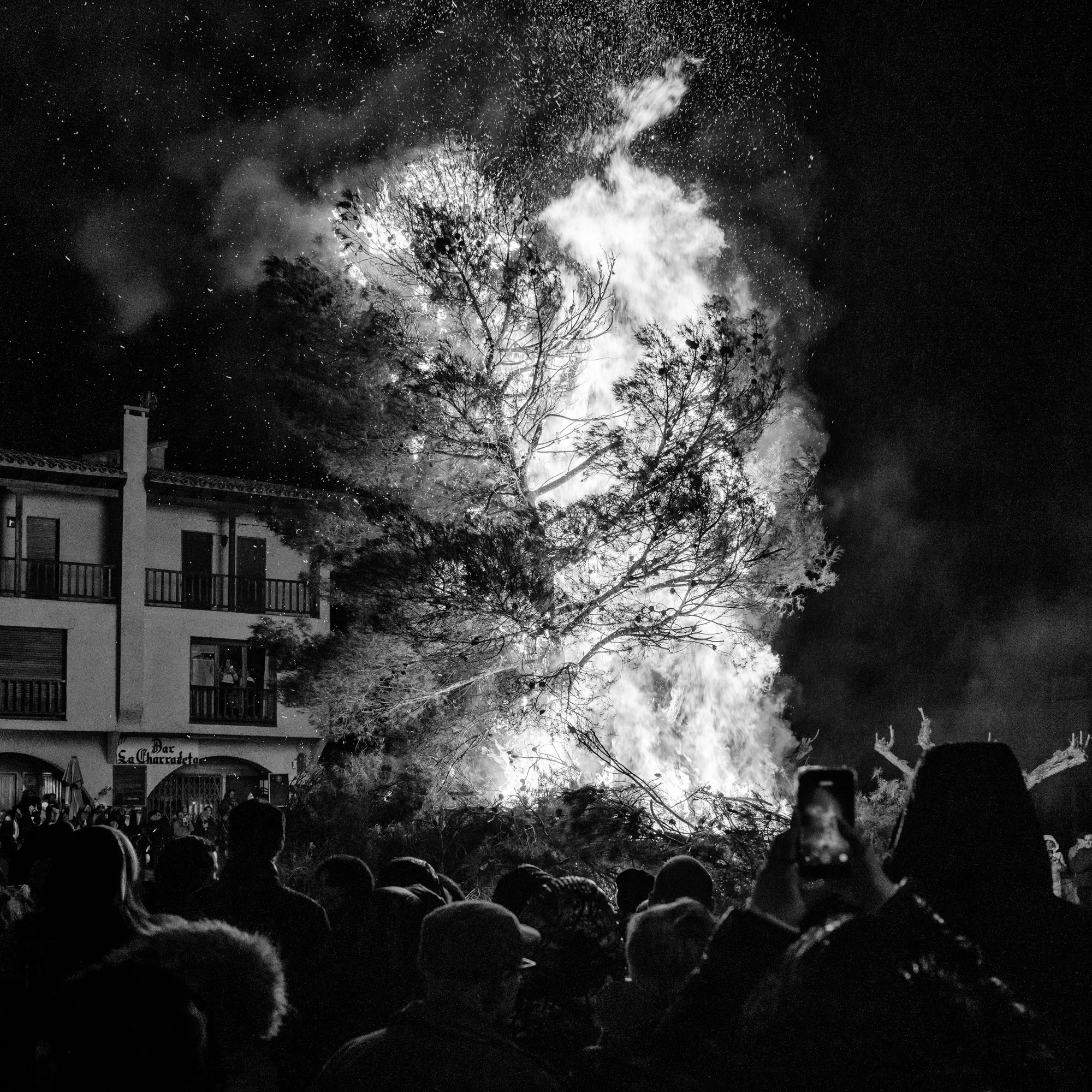
Groups of reenactors recreate daily life in the Middle Ages: cooking over open fire, practicing archery, forging metal, or preparing for mock battles. Visitors can walk straight into these camps, talk to the participants, and even try activities themselves.

And most striking of all: many participants do not come alone. They come as families.

Families Who Live the Past

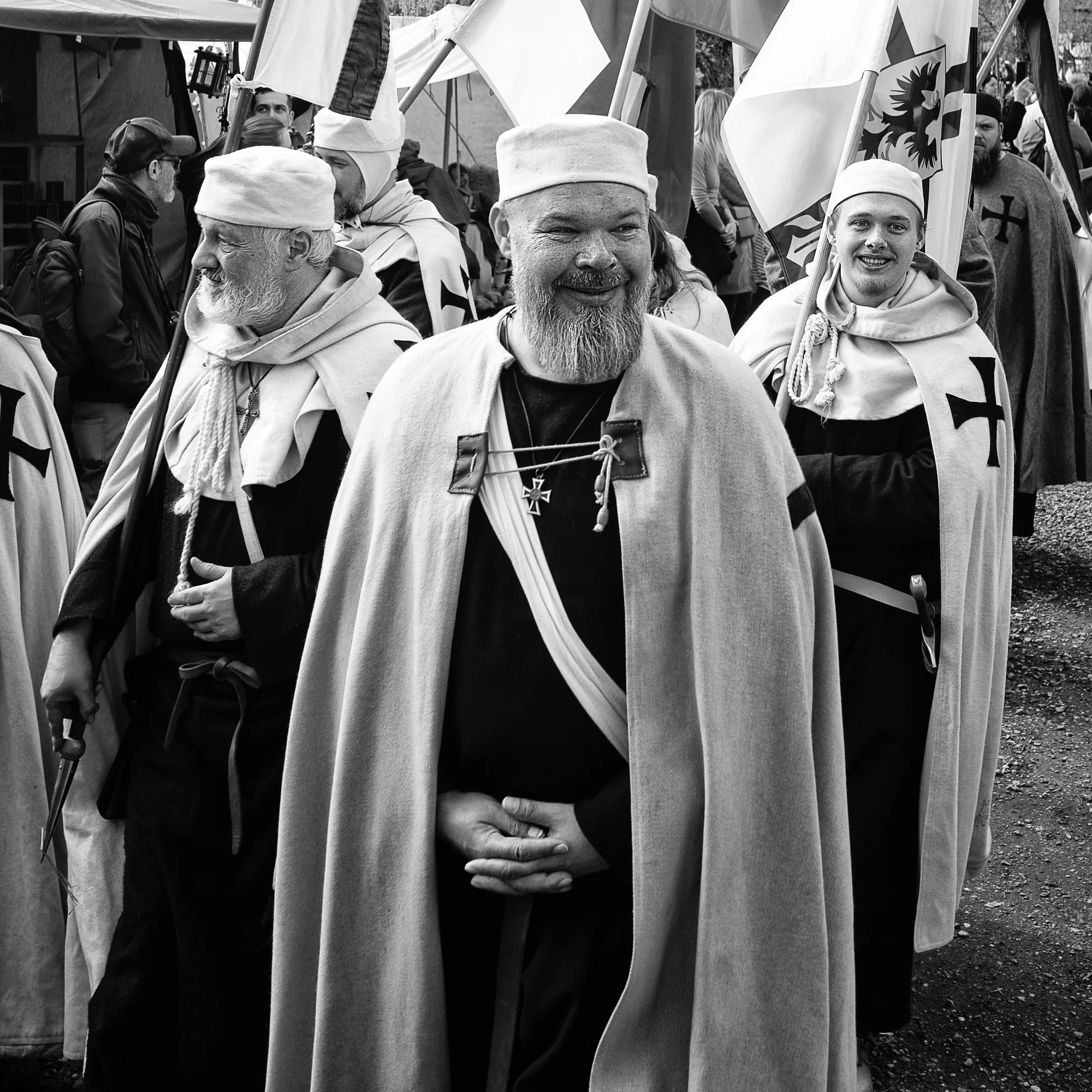
What makes Graefenthal special is not only the setting, but the people. Entire families — parents, children, sometimes even grandparents — dress in historically inspired clothing and spend the weekend together in their camp.

For them, this is not a performance. It is a shared passion.

Children grow up learning how to bake bread over fire, how to sew garments, how to handle simple tools. Evenings are spent around flickering flames, with music, storytelling, and a quiet sense of stepping outside modern time.

It is easy to forget, standing there, that you are only a few kilometres from the present.

A Wider Culture Across Borders

Graefenthal is part of a much larger European culture of medieval reenactment — a network of groups who travel from event to event throughout the year.

In Germany, similar events can be found at places like Manderscheid Castle, Waltrop (Gaudium festival), and Bad Rothenfelde.

In the Netherlands, you can encounter this world at the monastery site of Klooster Ter Apel or during events at Kasteel Teylingen, where reenactment groups set up similar encampments.

Belgium has its own tradition, with festivals in cities like Bouillon and Bruges, often linked to historical pageants and processions.

Across all these places, the pattern is the same: people gathering not just to watch history, but to inhabit it — if only for a few days.

Why It Matters

In a world of screens and speed, these events offer something rare: slowness, craft, and shared experience across generations.

The medieval market at Graefenthal is, on the surface, a festive outing — a day of music, food, and spectacle. But beneath that lies something deeper: a quiet movement of people who choose, again and again, to step into the past together.

Not because they have to. But because, for a moment, it feels more real.

Myth, Memory, and Saintes-Maries-de-la-Mer

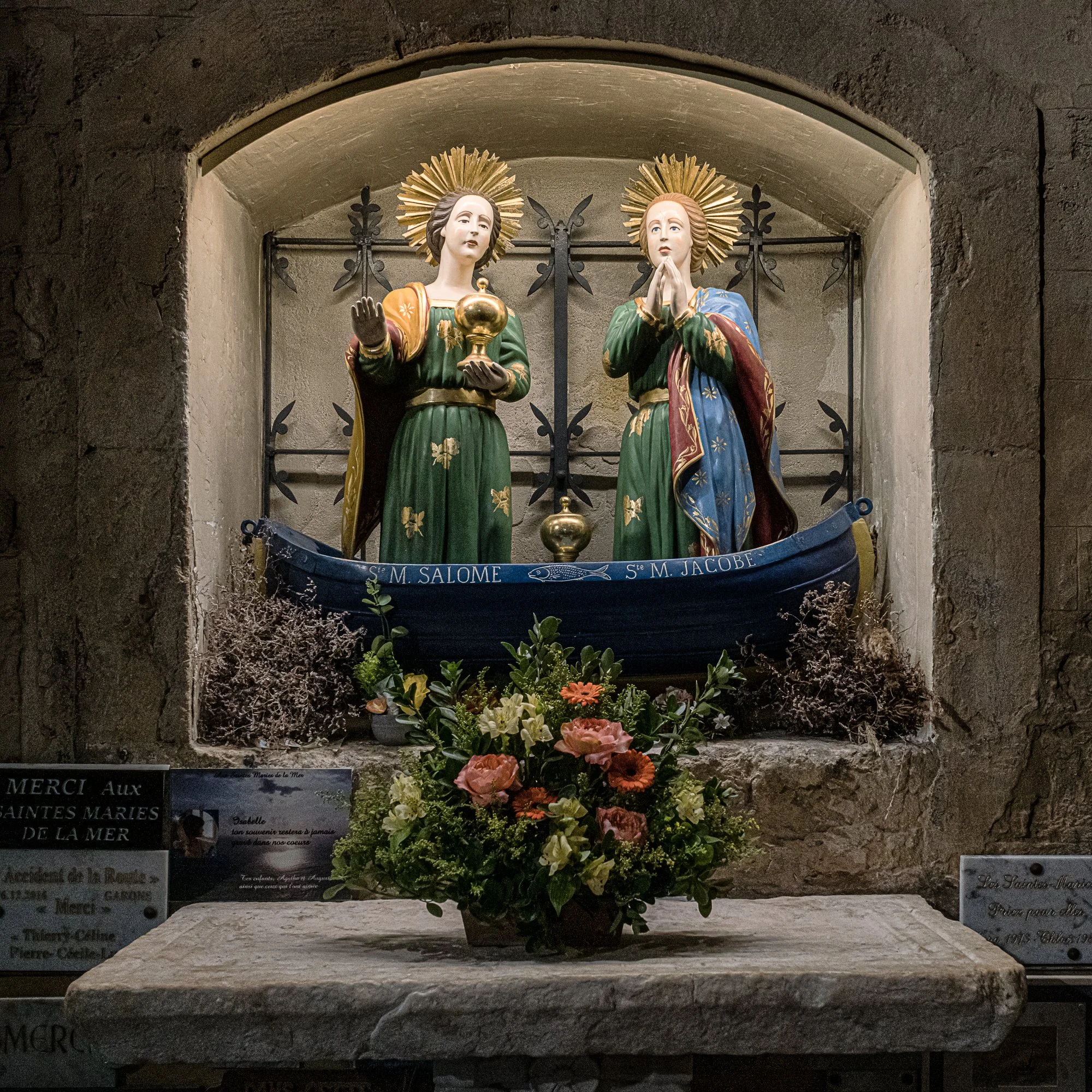
The two Marys in their boat, symbolizing the legendary arrival of early Christians on this shore.

A Story from the Sea

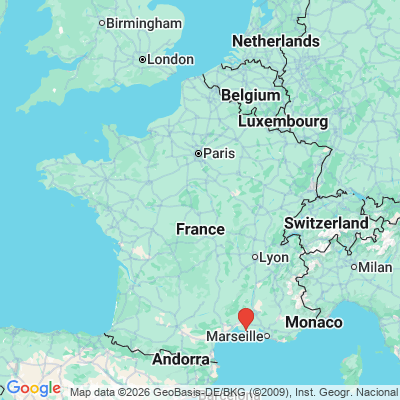
At the edge of the Camargue, where land fades into marsh and sea, stands a church that looks like a fortress. It is here that local tradition places a striking beginning.

The story does not start here, however, but far to the east, in the lands of Palestine. In the years following the death of Christ, his followers were increasingly under pressure—from both Roman authorities and local opposition. According to tradition, a small group of women and early believers were forced to flee. They were placed in a fragile boat, without sail or rudder, and cast out to sea.

Carried by currents rather than by human control, the boat drifted across the Mediterranean until it reached this remote coastline. On board were Marie Jacobé and Marie Salomé, close relatives of Jesus, and, in many versions, Mary Magdalene. With them was also a woman named Sara, whose story would take on a life of its own in the centuries that followed.

Whether history or legend, the power of the story lies in the journey itself: a passage from persecution to arrival, from uncertainty to landfall—here, at the edge of Europe.

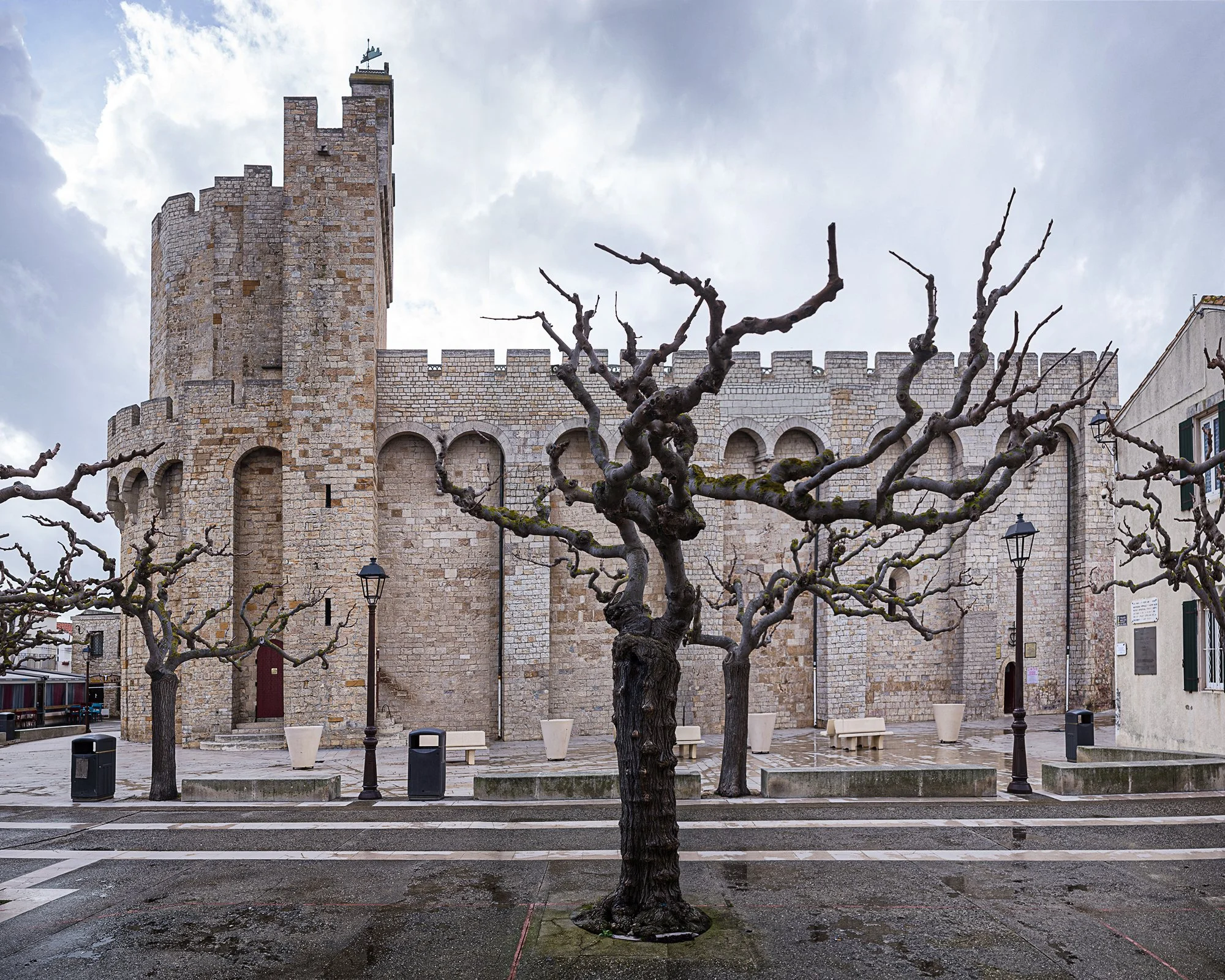
The fortified church of Saintes-Maries-de-la-Mer.

A Sanctuary of Stone and Presence

The church reflects both danger and refuge. Built as a defensive structure against attacks from the sea, it offered physical protection in turbulent times. Inside, however, the atmosphere softens. The Romanesque forms, filtered light, and quiet spatial rhythm create a sense of inward movement.

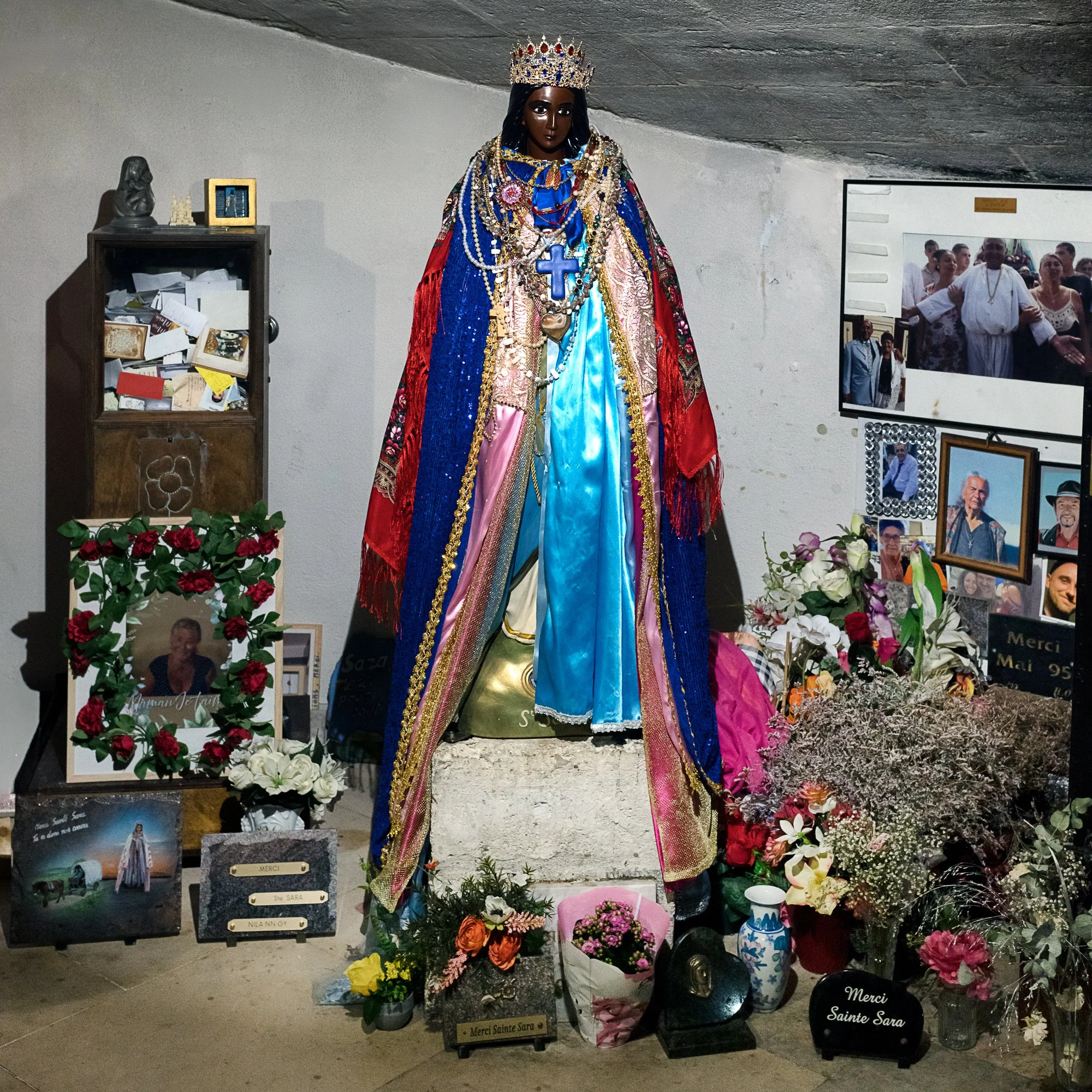
Above the altar, the two Marys are shown in a boat, a simple image that captures the essence of the story. Below, in the crypt, stands Sara—known as Sara la Noire—covered in layers of cloaks, jewelry, and offerings brought by pilgrims. These gifts are acts of gratitude or hope, not decoration.

The statue of Sara la Noire, covered in offerings from pilgrims—an enduring symbol of listening, protection, and devotion.

Sara’s origins are uncertain, but her meaning today is clear. She is especially revered by Roma and travelling communities, who see in her a figure of recognition and protection. She has been described as one who listens—a presence for those who feel unheard.

Ritual, Memory, and Mystery

Each year, especially in May, the town fills with pilgrims. Statues of the saints are carried from the church to the sea, and often into the water itself, recalling their legendary arrival. These processions are not simply reenactments; they are lived experiences, marked by strong emotion and a sense of shared participation.

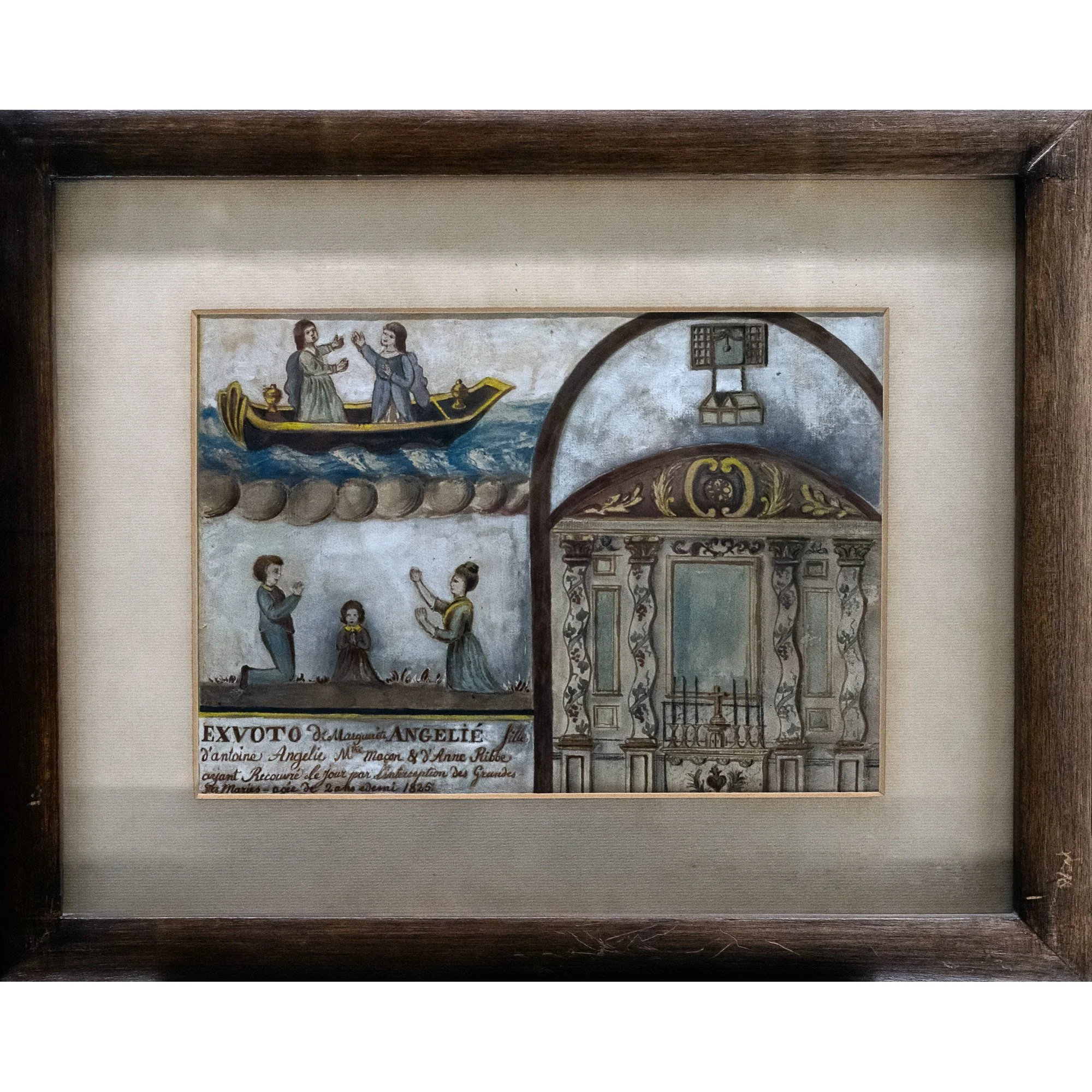
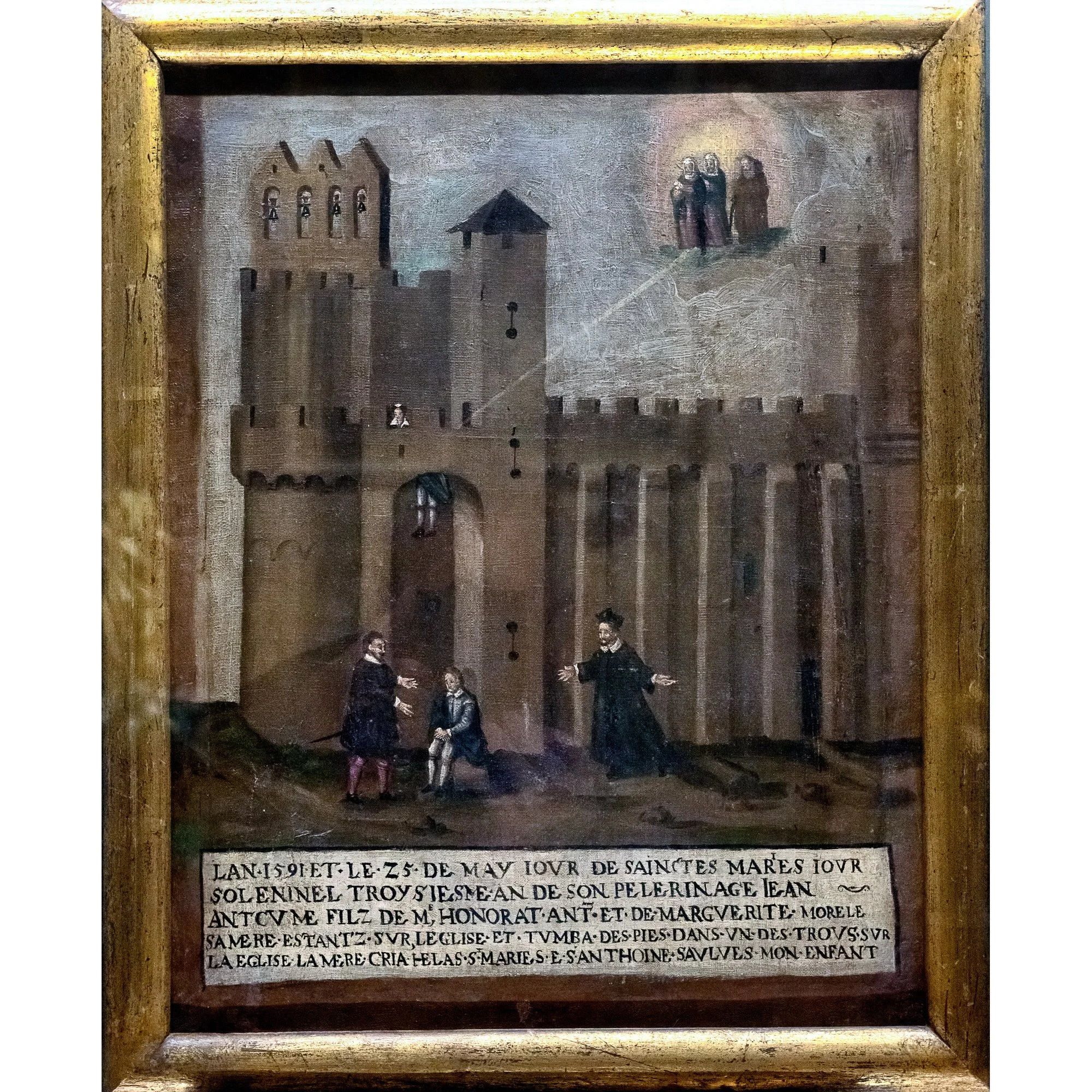
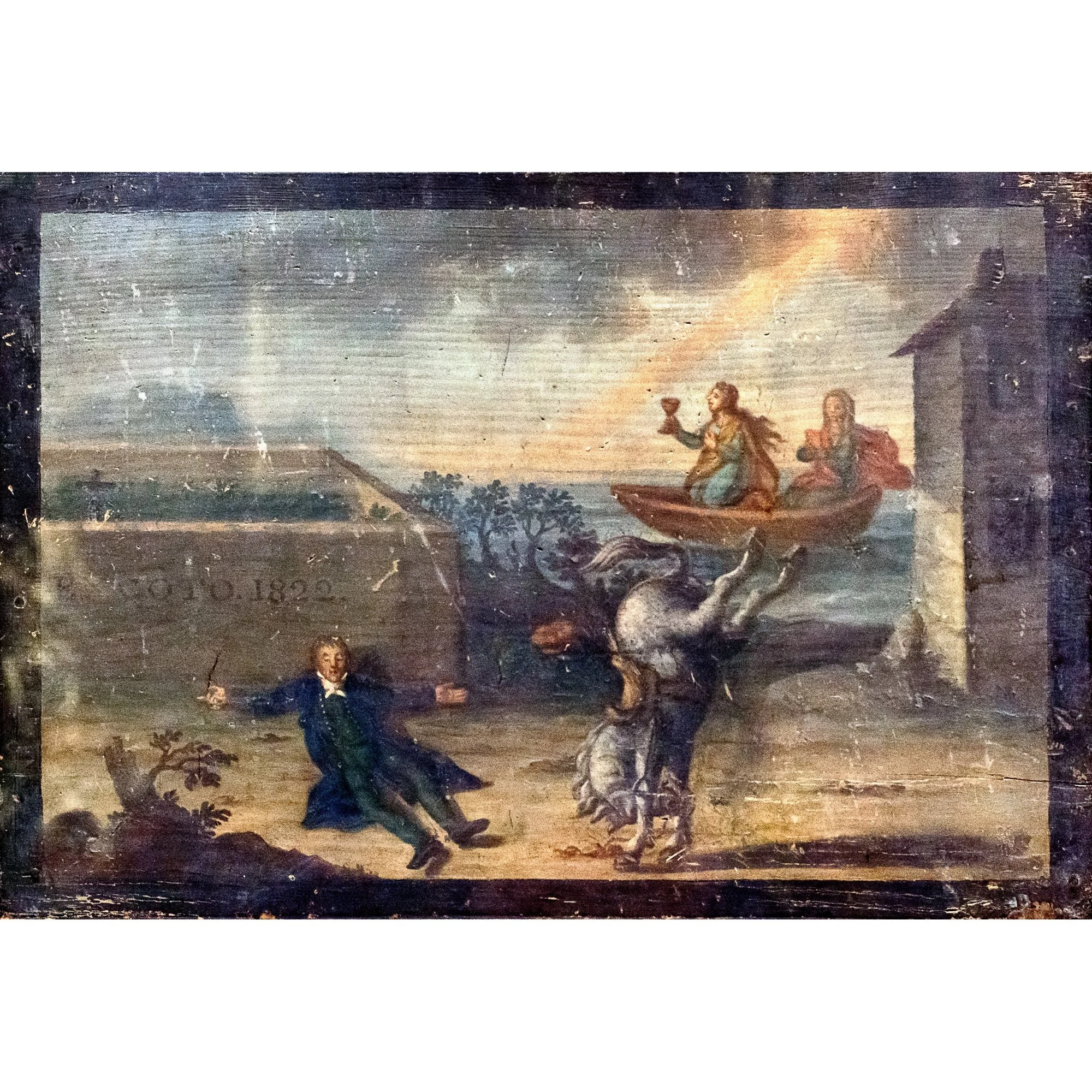
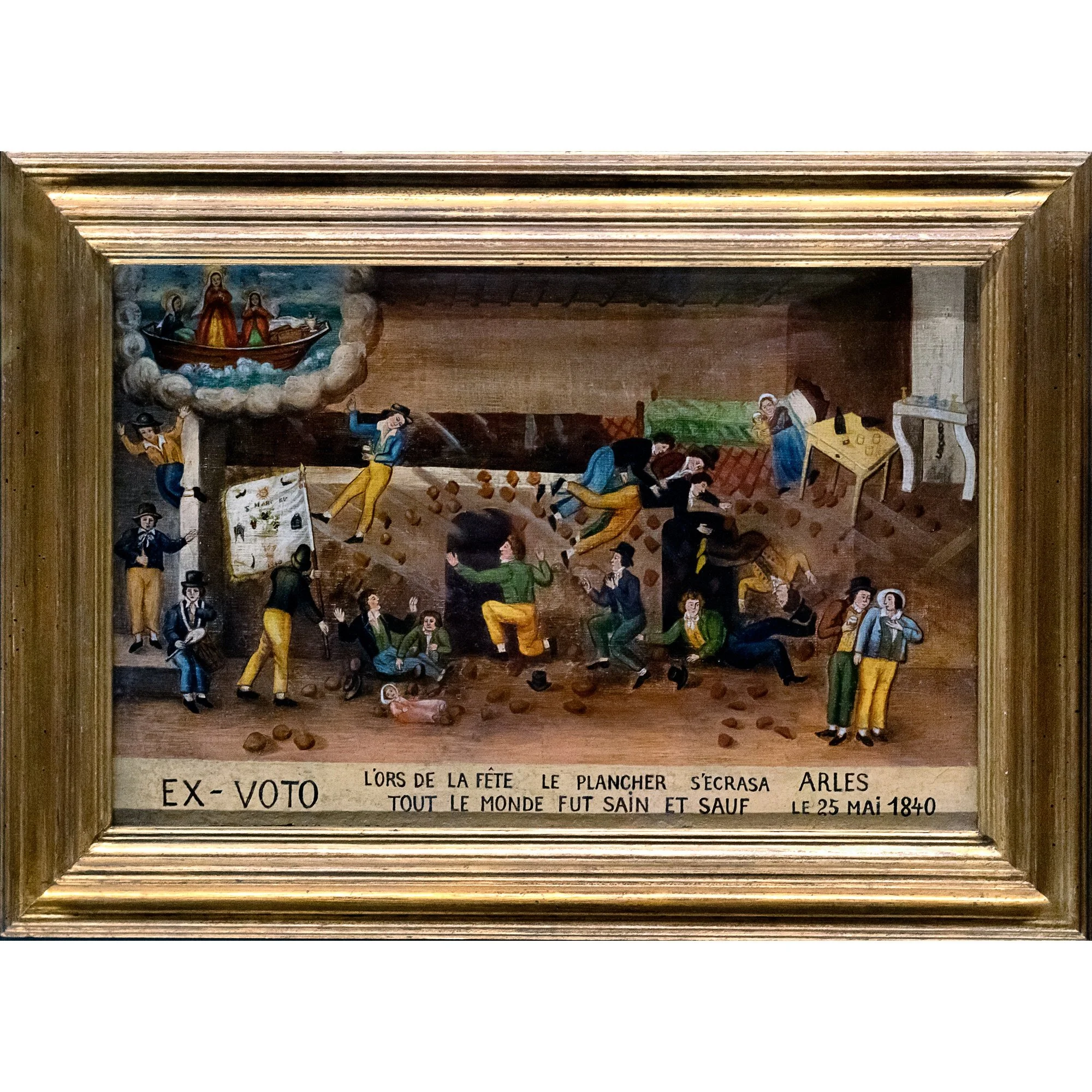
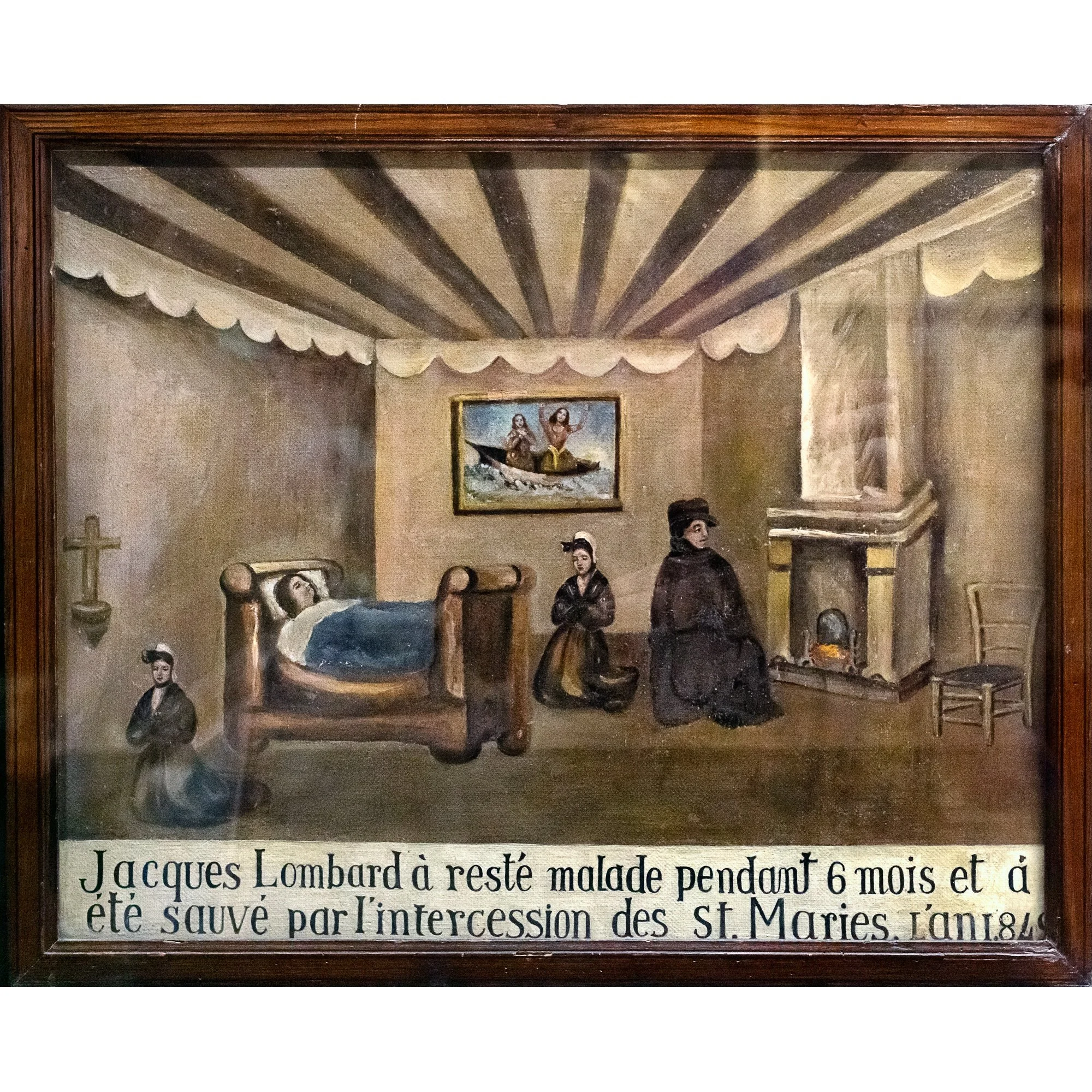
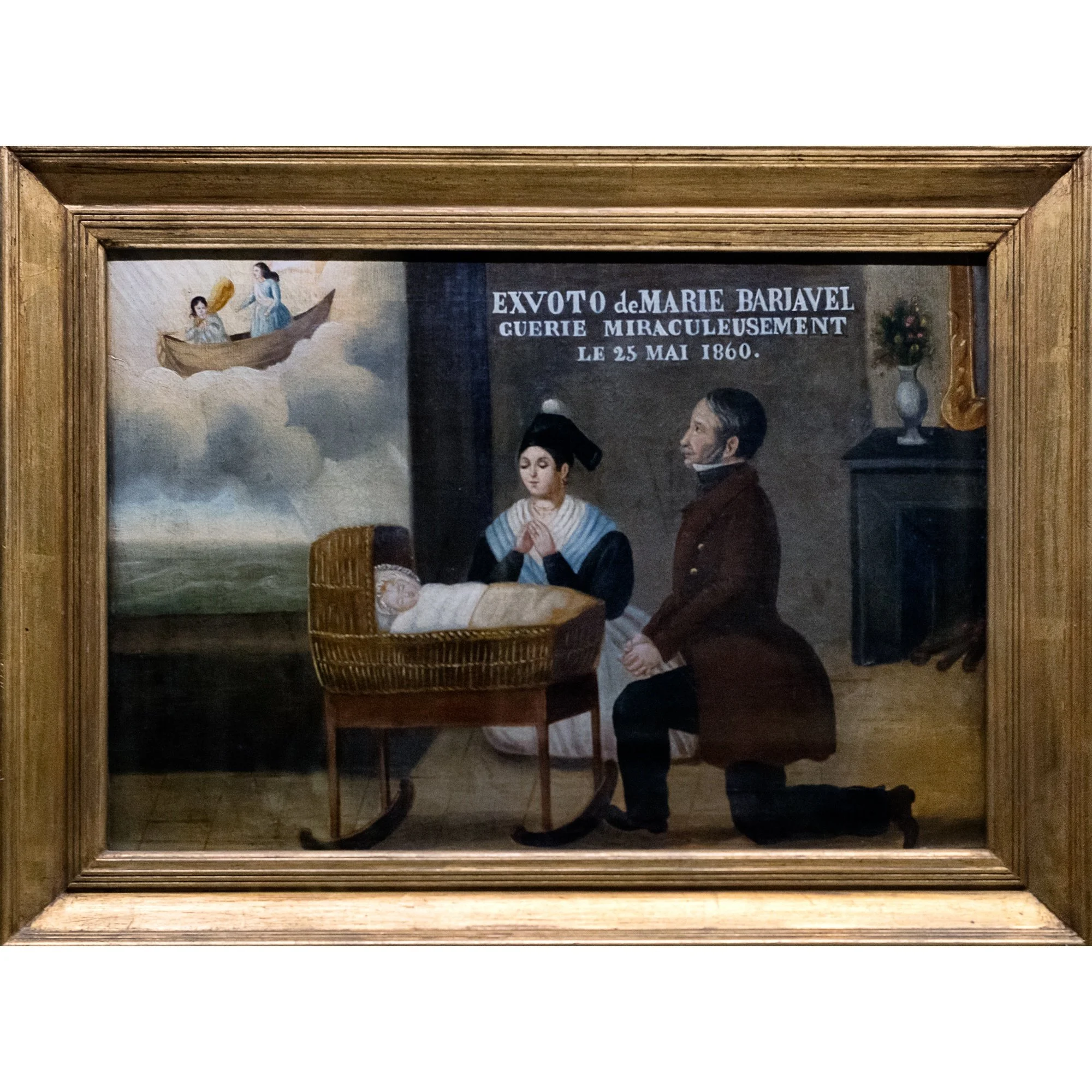
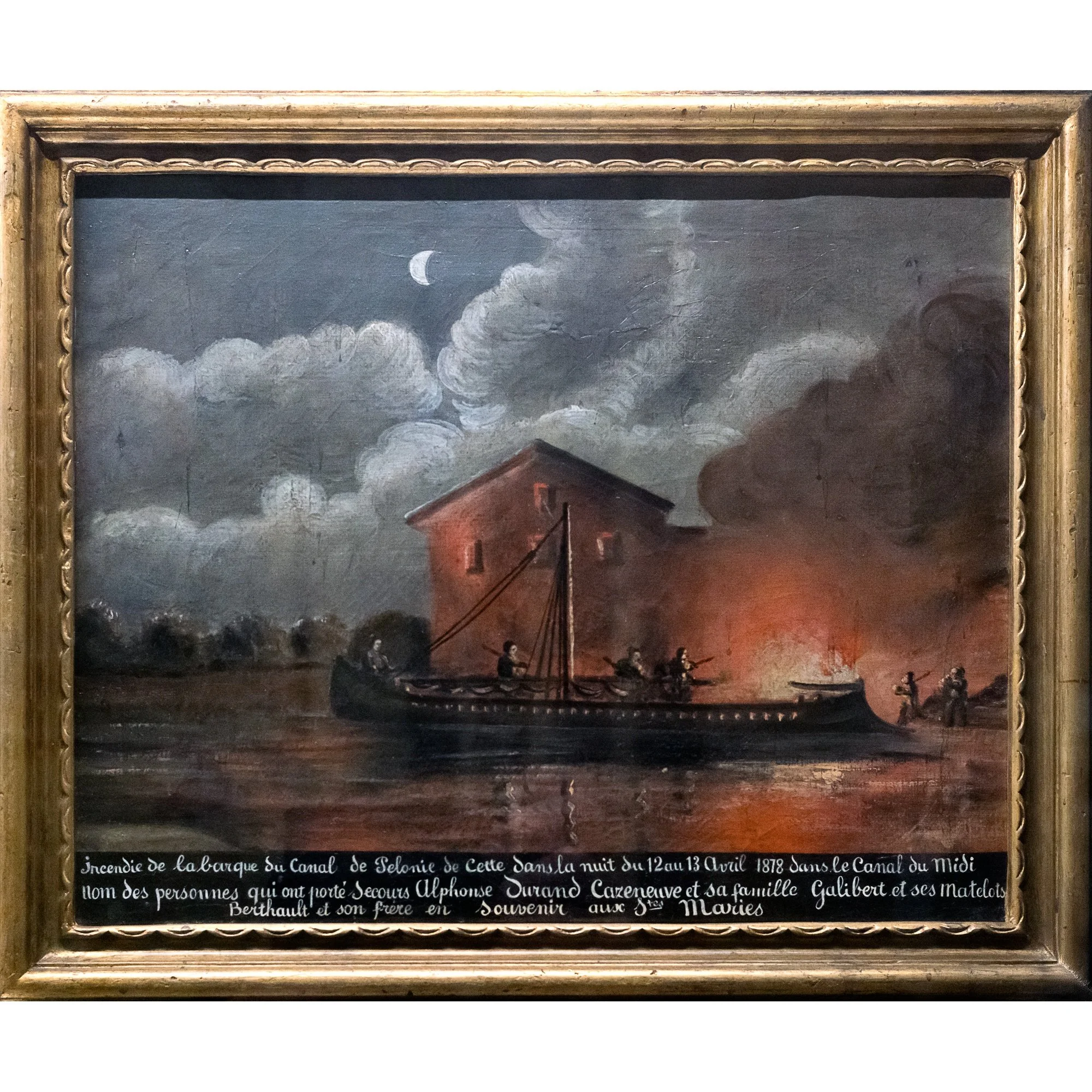
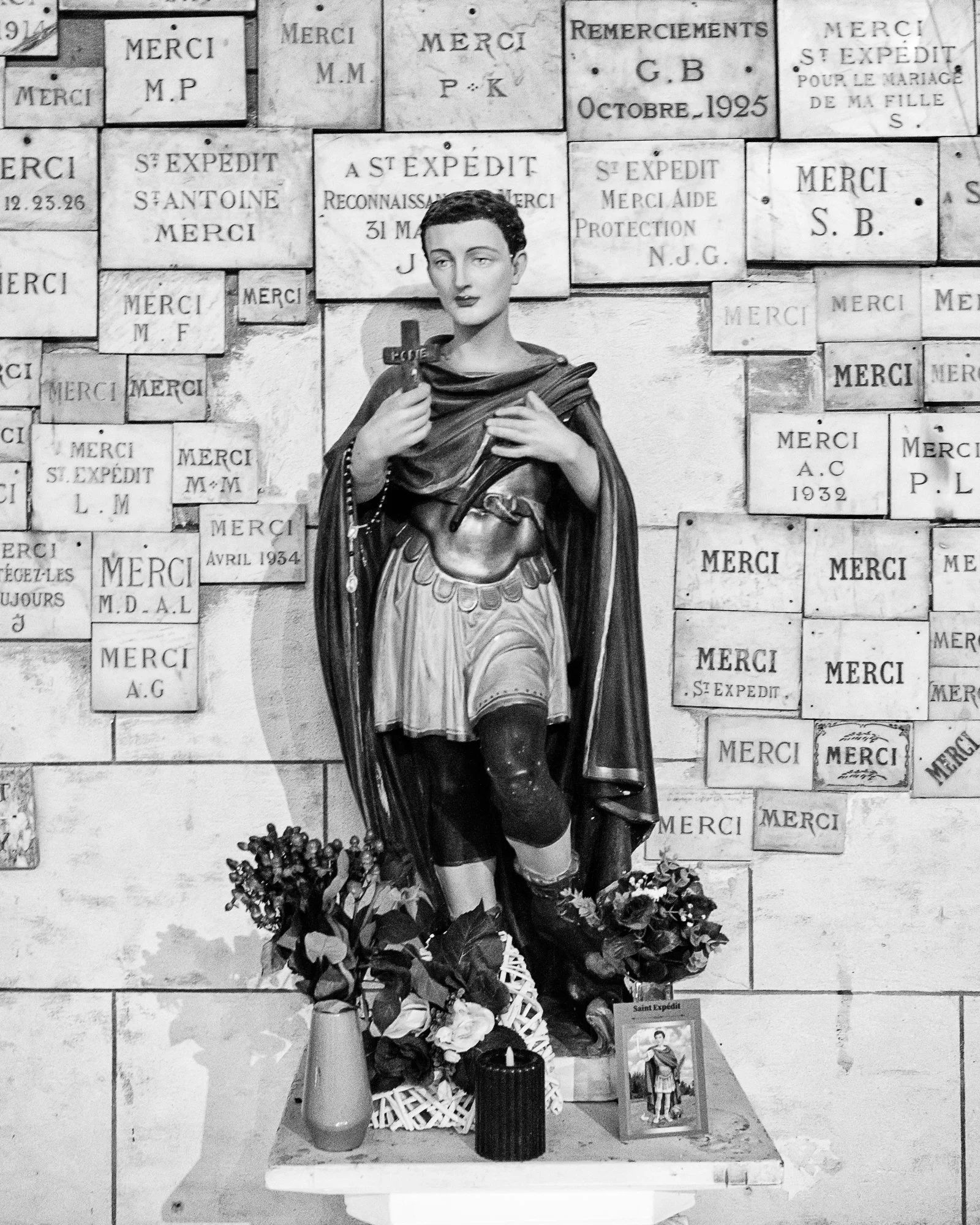
Throughout the church, ex-votos—small offerings left behind—tell personal stories of illness, survival, and gratitude. Together, they form a quiet testimony to the human need for meaning, connection, and hope.

Saintes-Maries-de-la-Mer resists simple explanation. It is a place where legend, history, and personal experience merge, and where the mystery itself becomes part of its power. People arrive out of curiosity or belief, but many leave with the sense that something has shifted—however slightly—within them.

The Celts: Europe’s First Cultural Network

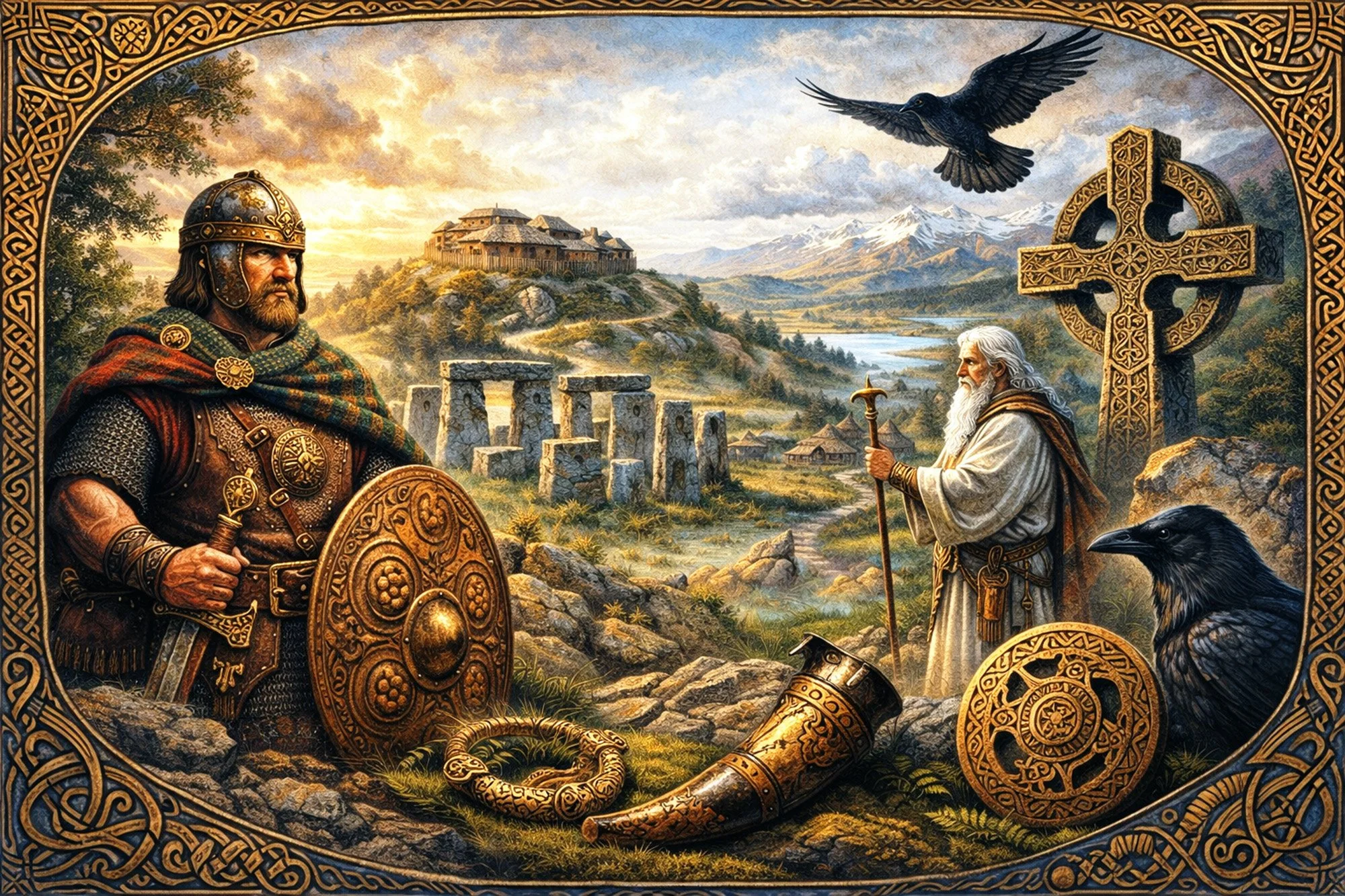
Image created with AI

When we travel slowly across Europe — as many culture lovers do — we begin to notice something curious. Landscapes change, languages shift, cuisines evolve. Yet certain patterns return: hilltop settlements, spiral motifs, sacred springs, warrior legends. Part of this shared layer goes back to a people who never built an empire and never wrote their own history, but who shaped Europe in lasting ways: the Celts.

A Cultural Europe Before Political Europe

The Celts were not one nation. They were a wide network of tribes who shared languages, beliefs, artistic styles and ways of life. At their height, they spread from Ireland to Anatolia in modern Turkey.

What they created was something like a cultural Europe long before any political unity existed. They travelled, traded, fought, and mixed with local populations. Rather than replacing earlier cultures, they blended with them. This is why so many regions in Europe still feel both different and strangely connected.

From Alpine Origins to a Continent

Their earliest roots lie in the Alpine world of the early Iron Age. These were skilled farmers, miners and traders. Salt, copper and tin brought wealth. Trade connected them to the Mediterranean, and prosperity encouraged expansion.

Over centuries, Celtic groups moved into Gaul, Iberia, the British Isles and Central Europe. They helped shape early versions of cities that would later become Paris, Lyon, Vienna and London. In many places, hybrid cultures emerged. In Spain, for example, Celtiberian societies combined Celtic and Iberian traditions.

Europe, even then, was a layered landscape.

Warriors, Poets and Craftsmen

Ancient writers often focused on Celtic warfare, but archaeology reveals a more complex society. The Celts valued beauty, craftsmanship and storytelling. Their jewellery and weapons were highly sophisticated. Poets and musicians held respected roles. Druids acted as religious leaders, judges and teachers.

Trade and craftsmanship were prestigious paths. Metalworkers and merchants enjoyed status close to that of elites. This world encouraged individuality and self-expression — something that still resonates in Europe’s regional cultures today.

Why They Never Built an Empire

Despite their vast reach, the Celts never formed a unified state. Loyalty remained local. Rivalries between tribes were frequent. When Rome expanded, Celtic resistance was fierce but fragmented.

The Romans brought organisation, discipline and long-term strategy. Gradually, most Celtic regions were absorbed. Yet conquest did not erase local traditions. Instead, Roman structures blended with Celtic cultures, creating new forms of society across Europe.

A Legacy That Never Disappeared

By the early centuries of our era, Celtic political power had faded. But their cultural influence remained. Languages survived in Ireland, Scotland, Wales and Brittany. Myths and artistic traditions shaped medieval Europe. Place names, landscapes and festivals still carry their imprint.

The Celtic story reminds us that Europe was never built only by empires. It grew through movement, exchange and cultural mixing. In that sense, the Celts were among the first to live the reality of a connected yet diverse continent.

If we travel with curiosity, we can still see their traces — not as isolated ruins, but as part of a shared European memory.

Further Reading

  • Barry Cunliffe — The Ancient Celts

  • Miranda Aldhouse-Green — The Celtic World

  • John Collis — The Celts: Origins, Myths and Inventions

  • Archaeological guides to major Celtic sites such as Hallstatt, Bibracte and Numantia

The Many Beginnings of Christianity

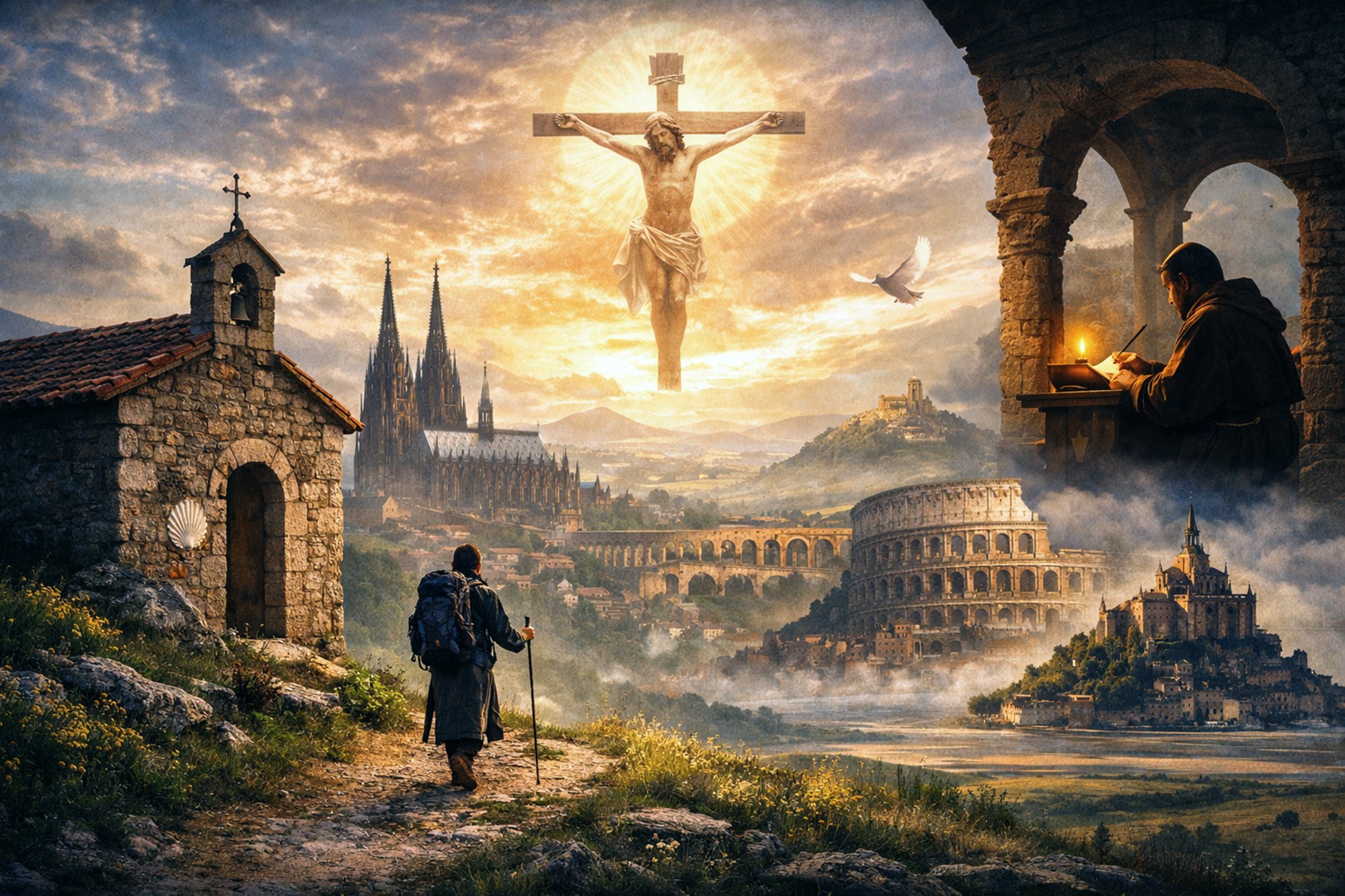
Image created with AI

When you travel through Europe, Christianity is everywhere. It is in the skyline of almost every town, in the rhythm of the calendar, in music, art, law, and even in the way communities organise care and solidarity. From the Camino routes to the monasteries of Cluny, from small village chapels to the great cathedrals of France, Germany, and Spain, Christianity shaped Europe for more than a thousand years.

To understand Europe, we need to understand how this religion developed. And that story is far more complex than many people assume.

One of the historians who has helped reshape this conversation is Elaine Pagels. Her work shows that early Christianity was not a single, unified movement. It was a landscape of competing ideas, interpretations, and spiritual paths. What we now call “Christianity” emerged only after centuries of debate, conflict, and adaptation.

In the first centuries, different groups tried to answer the same questions. Who was Jesus? What did his message mean? Some focused on faith, authority, and community. Others emphasised inner transformation and spiritual insight. Some believed the kingdom of God would soon arrive in dramatic historical events. Others saw it as a deeper awakening within the human person.

This diversity should not surprise us. Europe itself grew in the same way: through disagreement, exchange, and gradual consolidation. Cultural unity often came later, and rarely without conflict.

The early Christians also lived in a harsh and dangerous world. They were a small and vulnerable movement inside the Roman Empire. War, repression, and sudden political change shaped their experience. The destruction of Jerusalem in the first century forced followers of Jesus to rethink their identity and their future. In this environment, religious stories were not only spiritual. They were also tools for survival.

One of Pagels’ most striking insights concerns the development of ideas about good and evil. In earlier Jewish tradition, the figure of Satan played only a limited role. Over time, however, this figure became a powerful symbol of opposition. Religious language helped communities define boundaries: who belonged, and who did not.

Throughout European history, this pattern repeated itself. Christians divided among themselves. Catholics and Protestants fought devastating wars. Each side believed it defended truth against evil. These conflicts shaped the political and cultural map of Europe as much as kings and armies did.

Yet there was always another current. Alongside institutions and conflict, there were voices that focused on inner transformation. Some early Christian texts speak about discovering a deeper reality within oneself. This tradition echoes later in European mysticism, in monastic life, and in spiritual movements that emphasise experience rather than authority.

Eventually, a structured church emerged. It created stability, built institutions, founded universities and hospitals, and helped organise European societies. Without this framework, Europe would look very different today. At the same time, this process also narrowed the range of accepted beliefs. Many early voices disappeared from view.

When we travel through Europe now, we see the result of this long evolution. Every cathedral, pilgrimage route, and festival reflects centuries of debate, hope, fear, and imagination. Christianity did not simply shape Europe. It evolved together with Europe.

Understanding this makes travelling richer. The places we visit are not only monuments of faith. They are traces of the human search for meaning, community, and belonging.

Perhaps this is one of the deepest lessons Europe offers: culture is never fixed. It is always becoming.

Further reading

  • Elaine Pagels The Gnostic Gospels

  • Elaine Pagels The Origins of Satan

  • Elaine Pagels Revelations: Visions, Prophecy, and Politics in the Book of Revelation

  • Diarmaid MacCulloch Christianity: The First Three Thousand Years

  • Tom Holland Dominion

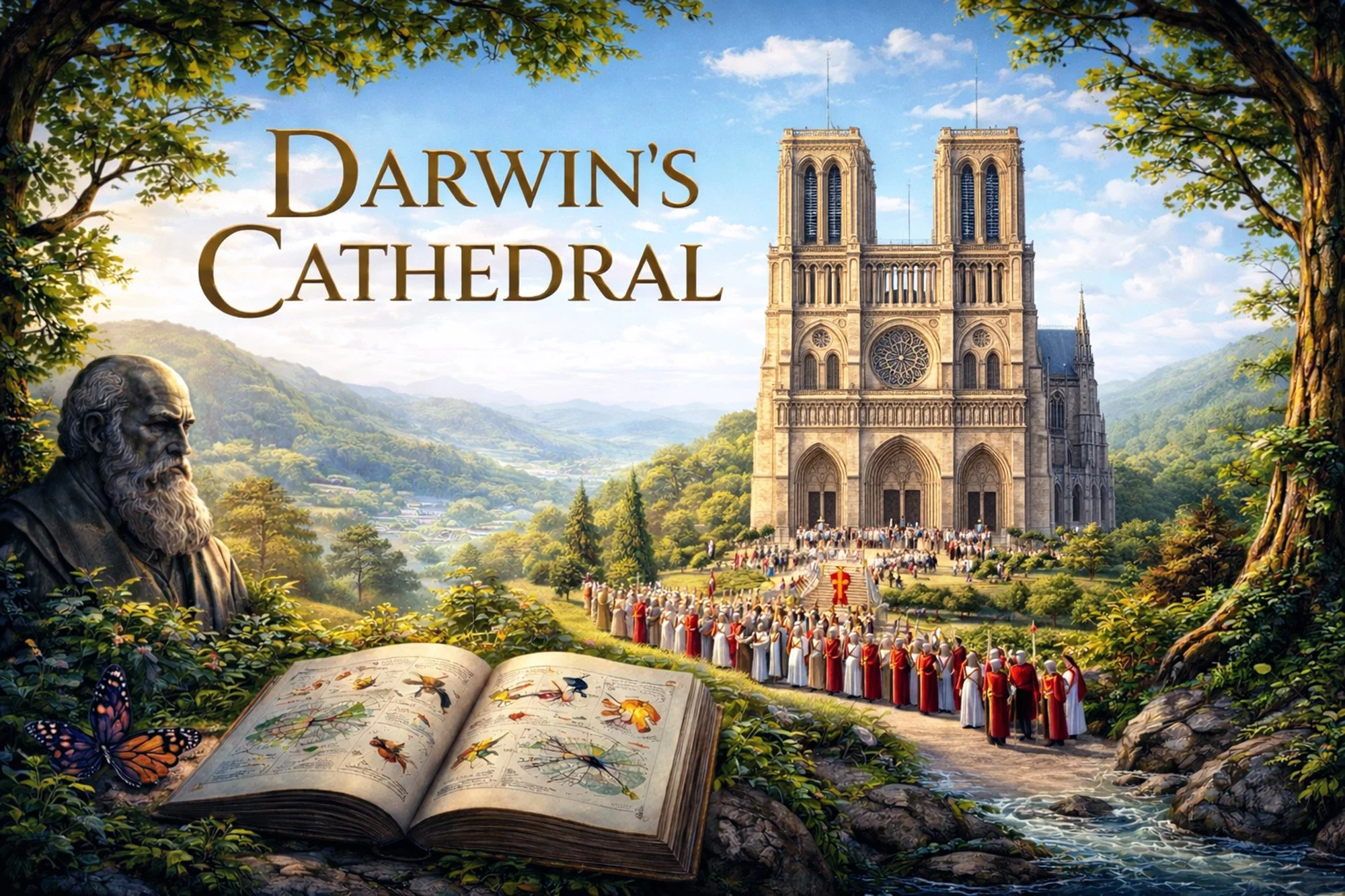
Darwin’s Cathedral: Seeing Religion Through an Evolutionary Lens

Image created with AI.

When we travel across Europe, it is almost impossible not to notice the presence of religion. Cathedrals shape skylines. Small shrines mark old roads. Processions still move through villages where people know each other. Whether in a Portuguese hamlet, a Spanish mountain town, or a Flemish square, religion has long shaped landscapes and identities.

But what if we look at religion not only as belief, but also as a way in which human communities learned to live together?

This is the central idea of Darwin’s Cathedral by evolutionary biologist David Sloan Wilson. The book invites us to see religion through the same lens we use to understand cooperation and social life. Not to dismiss it or defend it, but to ask why it has appeared in so many cultures and why it has lasted so long.

Religion and Cooperation

Humans survive by cooperating. We are not the strongest animals, but we are exceptionally good at forming groups. From early hunting bands to modern societies, working together has been our greatest strength.

Yet cooperation is fragile. Every community must deal with selfish behaviour. How do you build trust? How do you encourage people to contribute when no one is watching?

Wilson suggests that many religious traditions grew in part because they helped communities answer these questions. They created shared moral expectations, common stories, and a sense of belonging. They encouraged generosity and discouraged behaviour that harmed the group. People felt accountable not only to each other, but also to something greater than themselves.

Over generations, communities that were able to strengthen trust and solidarity were often more stable. Those that failed to do so tended to fragment or disappear. In this way, religious traditions were shaped by the practical challenges of everyday life.

The Power of Ritual

The book also highlights the importance of ritual. From chanting to pilgrimages, rituals may appear mysterious, but they create strong emotional bonds. Anyone who has witnessed a local feast or procession in southern Europe recognises their effect. They bring people together, reinforce memory, and strengthen identity.

Even today, societies that see themselves as secular use similar practices—national ceremonies, commemorations, and shared public events. These moments remind people that they belong to a larger story.

Belief and Behaviour

One of the most striking ideas in the book is that behaviour often matters more than doctrine. In practice, what counts is whether people act in ways that support cooperation and stability.

This helps explain why many religious traditions emphasise visible commitment. Charity, prayer, fasting, and other demanding practices signal loyalty. They show that someone is willing to invest time and effort in the community, which makes trust easier.

Religious communities have also often built strong networks of support. Many hospitals, schools, and welfare systems have roots in these traditions.

A Cultural Traveller’s Perspective

For travellers, this perspective opens a new way of seeing. A cathedral is not only an architectural masterpiece; it is the result of centuries of shared effort. A pilgrimage route is also a network that connected communities, trade, and culture.

Standing in Vézelay, Santiago de Compostela, or a small Romanesque church in rural France, you are looking at the long history of how people learned to organise their lives together. These places show how trust, identity, and cooperation were built across generations.

This approach encourages curiosity rather than judgement. Religion becomes part of an evolving cultural landscape that continues to shape Europe today.

Further Reading

  • David Sloan Wilson — Darwin’s Cathedral

  • Joseph Henrich — The WEIRDest People in the World

  • Pascal Boyer — Religion Explained

  • Scott Atran — In Gods We Trust