medieval europe

Faith, Power, and Justice: The Story of Saint Remy

The famous 16th-century tapestries depicting the life of Saint Remigius are housed in the Musée Saint-Remi (Reims, France), where they can still be admired today.
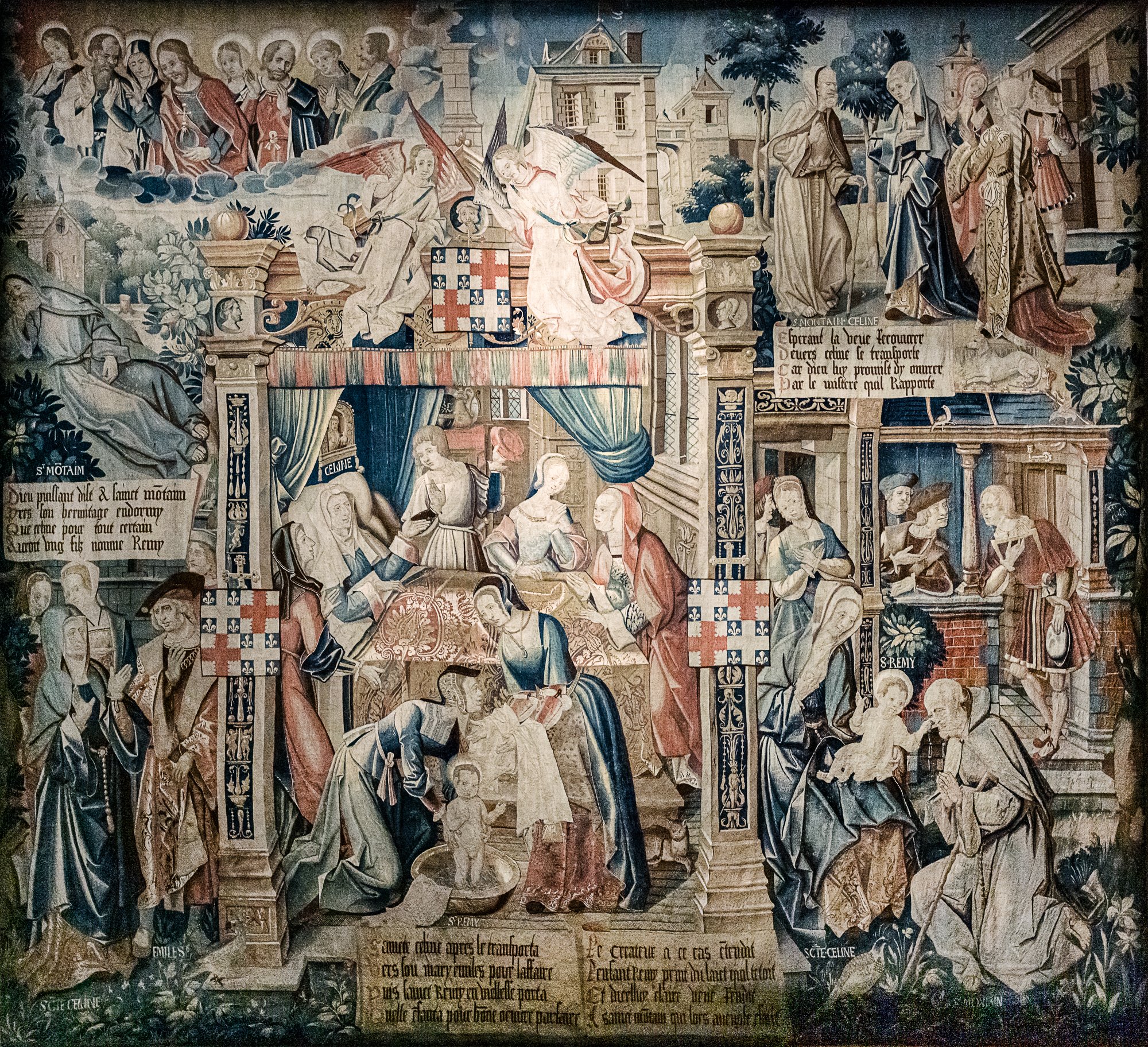
Birth of Saint Remy — The story unfolds in multiple scenes. At the center, Céline gives birth, surrounded by women attending both mother and child. Below, the infant is washed and presented. Around them, figures gesture and converse, suggesting that this is no ordinary birth. The imagery hints at prophecy and expectation: this child will grow into a figure of importance. The quiet domestic setting contrasts with the historical weight of what is to come.

The life of Saint Remy (Remigius of Reims) is not only preserved in texts—it was also woven, quite literally, into fabric.

In the early 16th century, a remarkable series of large tapestries was created for the city of Reims: the “Tentures de la vie de Saint Remi.” Comprising 10 monumental tapestries, the cycle tells the story of the bishop who baptized King Clovis and helped shape the religious and political identity of early medieval Europe.

These tapestries function like a visual narrative—almost like a medieval graphic novel. Each panel contains multiple scenes, accompanied by short texts in Middle French. Rather than showing a single moment, they unfold events step by step: birth, recognition, miracles, conflict, kingship, and justice.

What follows is the life of Saint Remy, told through these woven images—where history, legend, and moral teaching come together.

1. A Child Born into a Changing World

The story begins with the birth of Remy, presented as an event of quiet but profound significance. His mother, Céline, is surrounded by attendants, while the newborn child is carefully received and examined.

This is more than a domestic scene. It signals that this life is part of a larger design. In a world where the Roman order is fading, figures like Remy are presented as anchors—individuals through whom continuity and meaning are preserved.
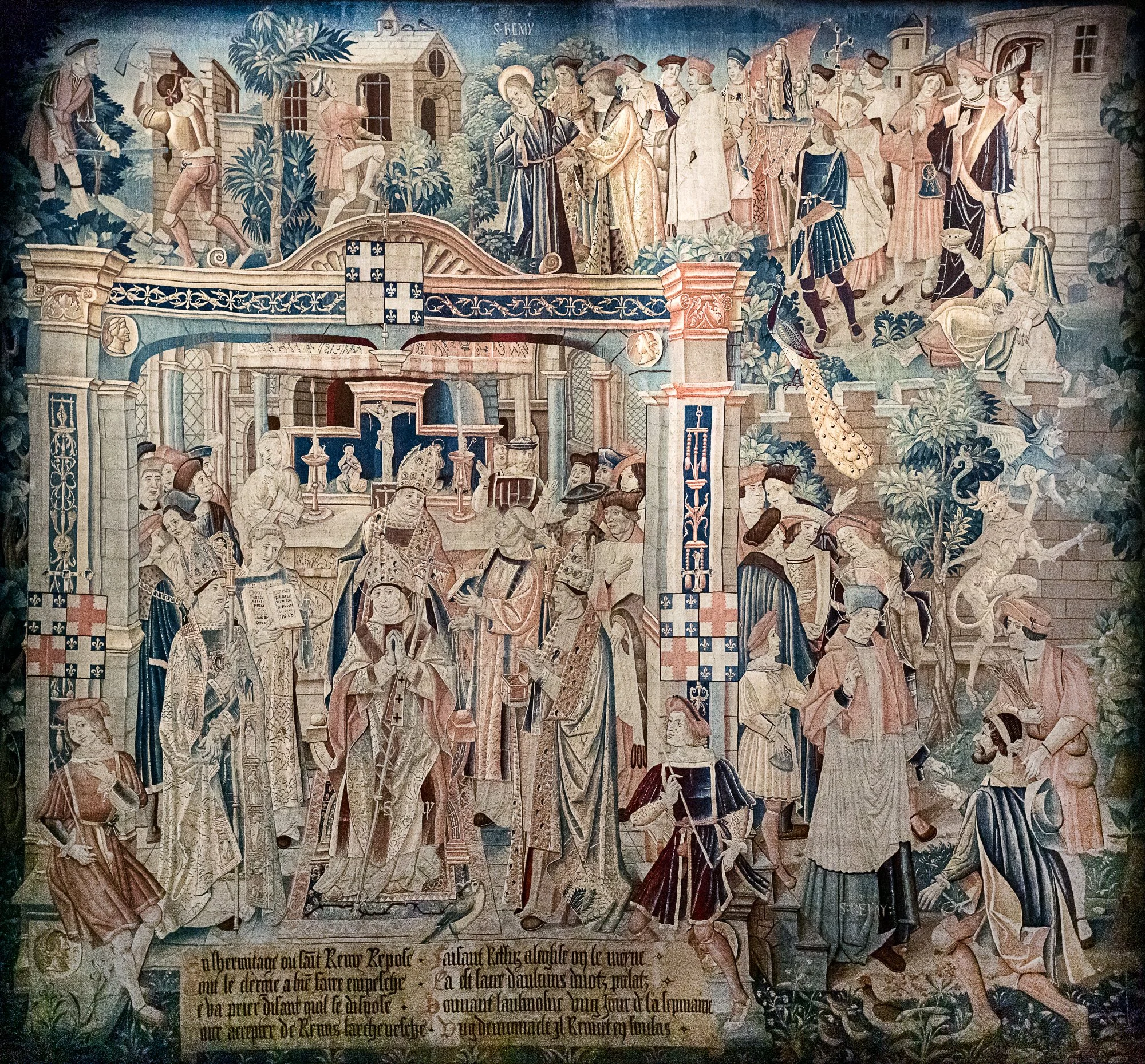
The Calling of Remy as BishopDifferent scenes show the recognition of Remy’s authority. Clergy gather, gestures indicate acceptance and blessing, and Remy is placed within a structured ecclesiastical setting. The architecture—columns, altars, and enclosed spaces—reinforces the institutional nature of the moment. This is not a sudden rise, but a collective acknowledgment. The young man becomes bishop, stepping into a role that is both spiritual and political.

2. Authority Recognised, Not Claimed

Remy’s elevation to bishop comes early and unexpectedly. The tapestries show a collective act of recognition: clergy and people gather, acknowledging his authority.

From this point onward, Remy is not only a religious figure. He becomes a mediator in a fragmented society—someone who can restore order where political structures are weakening.

His early miracles reinforce this role. Healing, intervention, and acts of restoration appear in sequence, building trust in a world where certainty is scarce.
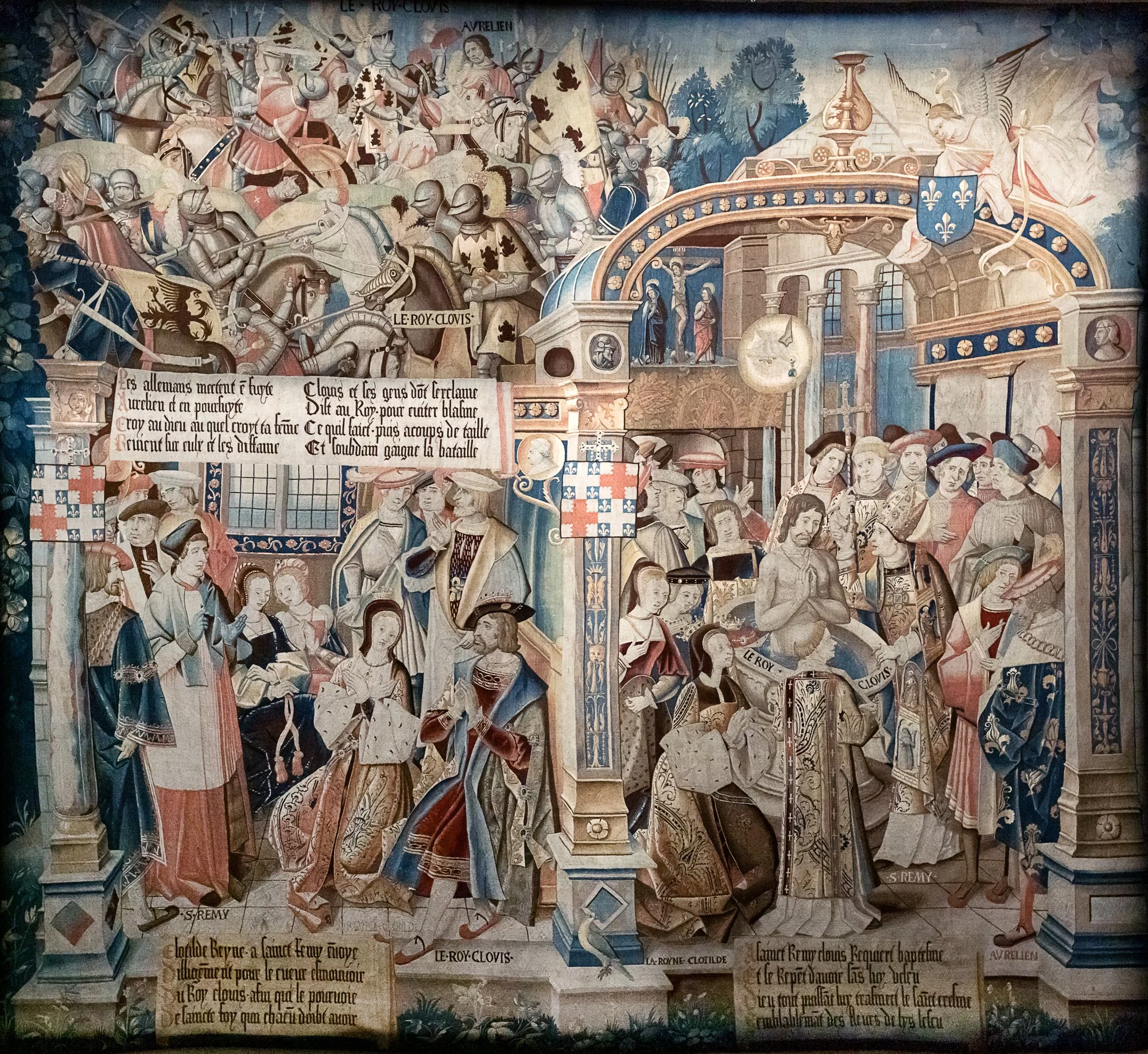
The Baptism of ClovisIn a richly structured interior, the baptism takes place. Clovis kneels, stripped of royal distance, as Remy performs the ritual. Around them, a carefully arranged audience witnesses the act—nobles, clergy, attendants. Architectural elements frame the scene, giving it a sense of permanence and order. This is both a religious ceremony and a political declaration: a king aligns himself with a new faith.

3. The King Who Changes Everything

The narrative shifts dramatically with the arrival of Clovis, king of the Franks.

The tapestries show a progression:

  • persuasion at court

  • crisis in battle

  • a vow made under pressure

At the Battle of Tolbiac, Clovis promises to convert if he is granted victory. The battle is won, and the promise is kept.

The baptism that follows—one of the most iconic scenes in the series—marks a turning point. In a carefully staged ritual, Clovis kneels before Remy. This is not just a spiritual act. It is a political transformation that will shape the future of Western Europe.
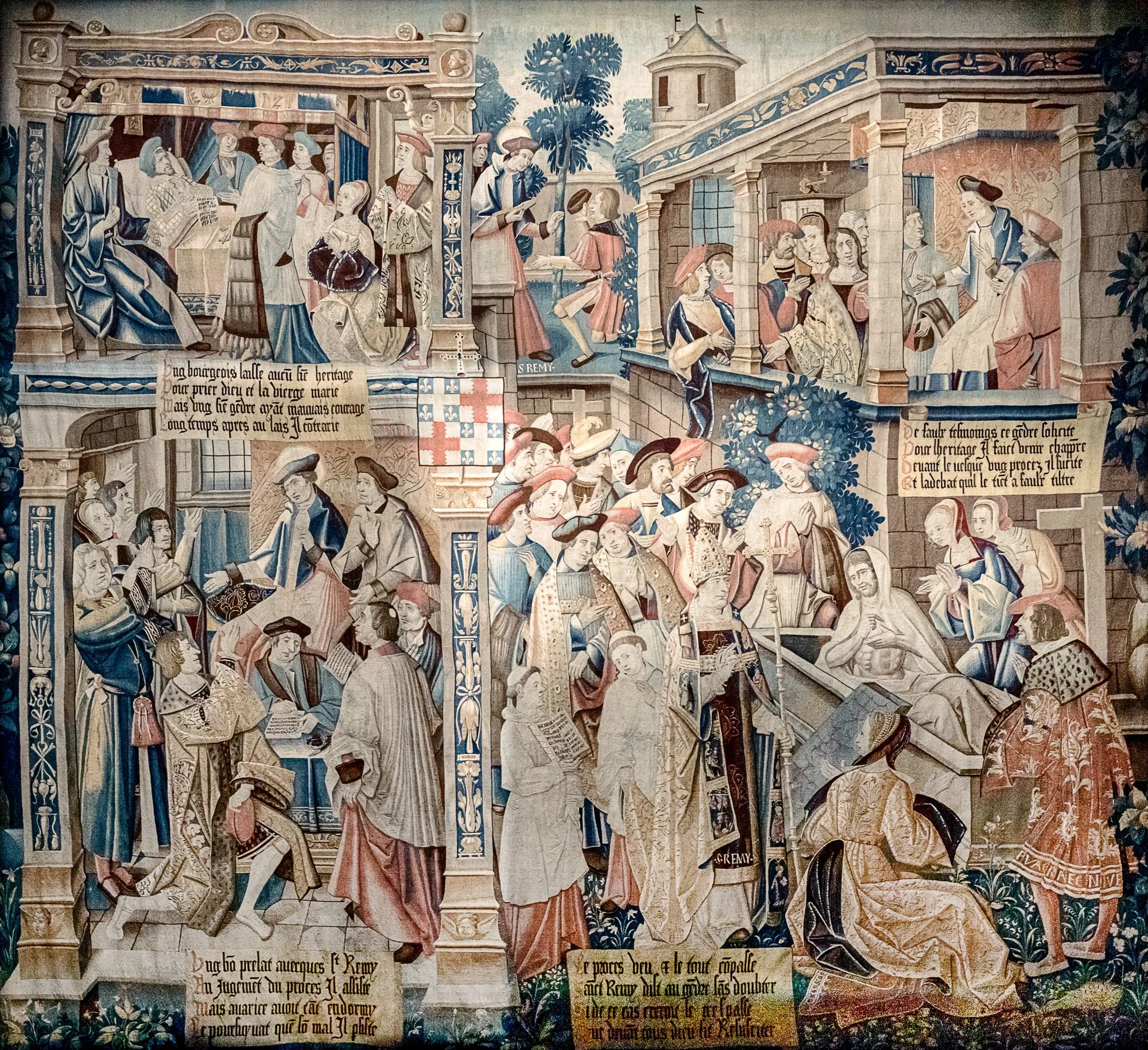
The Dispute Over the Inheritance —This tapestry unfolds like a legal drama. In one scene, a dying man lies in bed while family members gather—his wealth and intentions at stake. Elsewhere, documents are exchanged, and discussions take place around a table. Another scene shows a figure presenting arguments, possibly supported by false witnesses. Finally, authority intervenes—Remy and the king appear within a formal setting where judgment is rendered. The sequence moves from private death to public justice, revealing the fragile line between faith, property, and power.

4. Justice in a Human World

The final part of the story moves away from kings and into everyday life.

One tapestry presents a dispute over an inheritance. A dying man’s wishes are contested, false witnesses are brought forward, and legal arguments unfold. The scenes progress from private spaces—bedrooms and family gatherings—to public judgment.

Remy appears here not as a miracle worker, but as a moral authority. The case reaches royal power and is resolved. Justice is restored, but only after conflict and deception.

This closing note is significant. It reminds the viewer that holiness is not only about miracles or kings—it is also about how people act, argue, and live together.

A Life That Connects Worlds

Across the tapestry cycle, Remy stands at the intersection of worlds:

  • Roman and medieval

  • spiritual and political

  • divine intention and human action

His life is not told as a sequence of isolated miracles, but as a continuous engagement with society. These tapestries do not just celebrate a saint—they explain how order itself is created and maintained.
Where Families Camp in the Middle Ages: Easter at Graefenthal

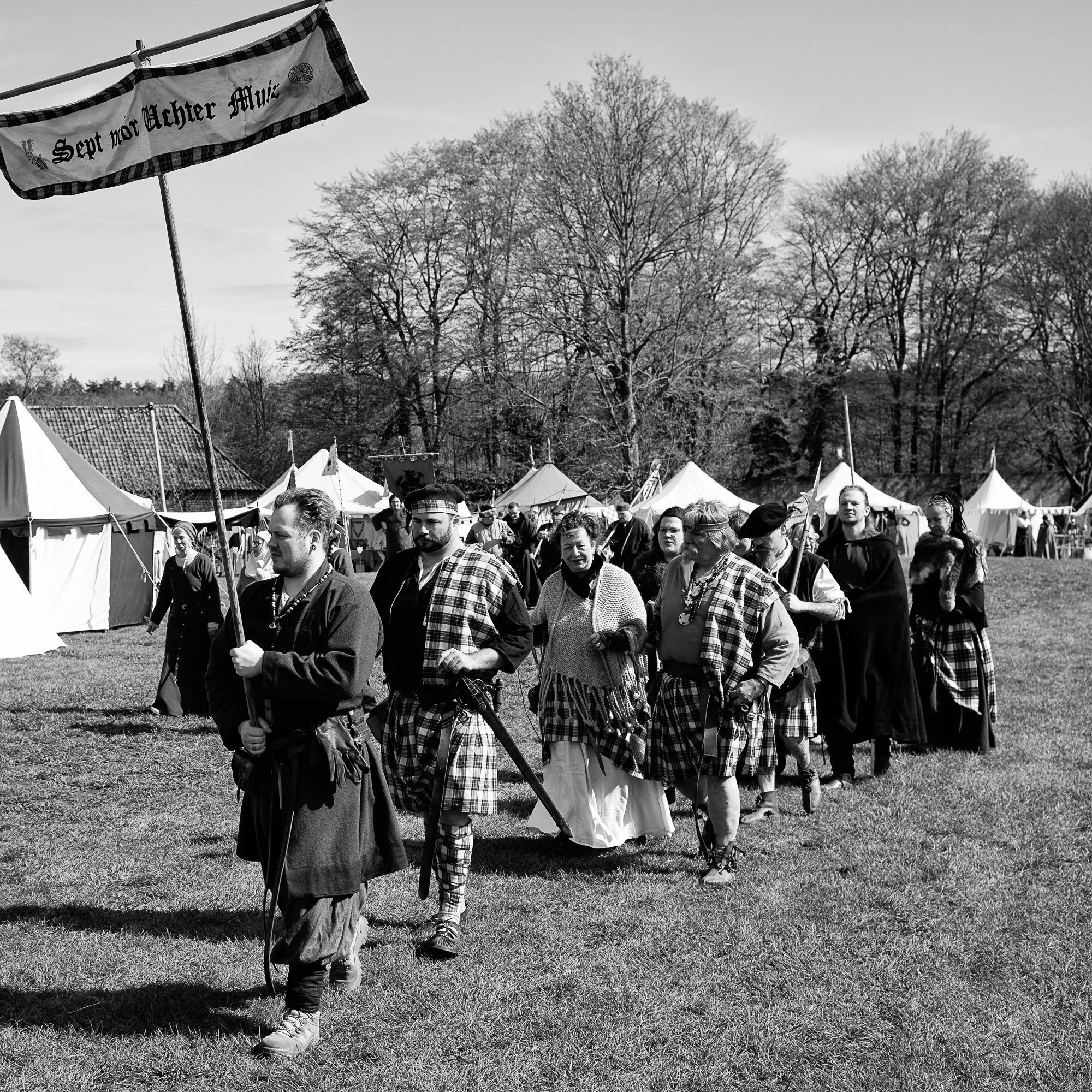
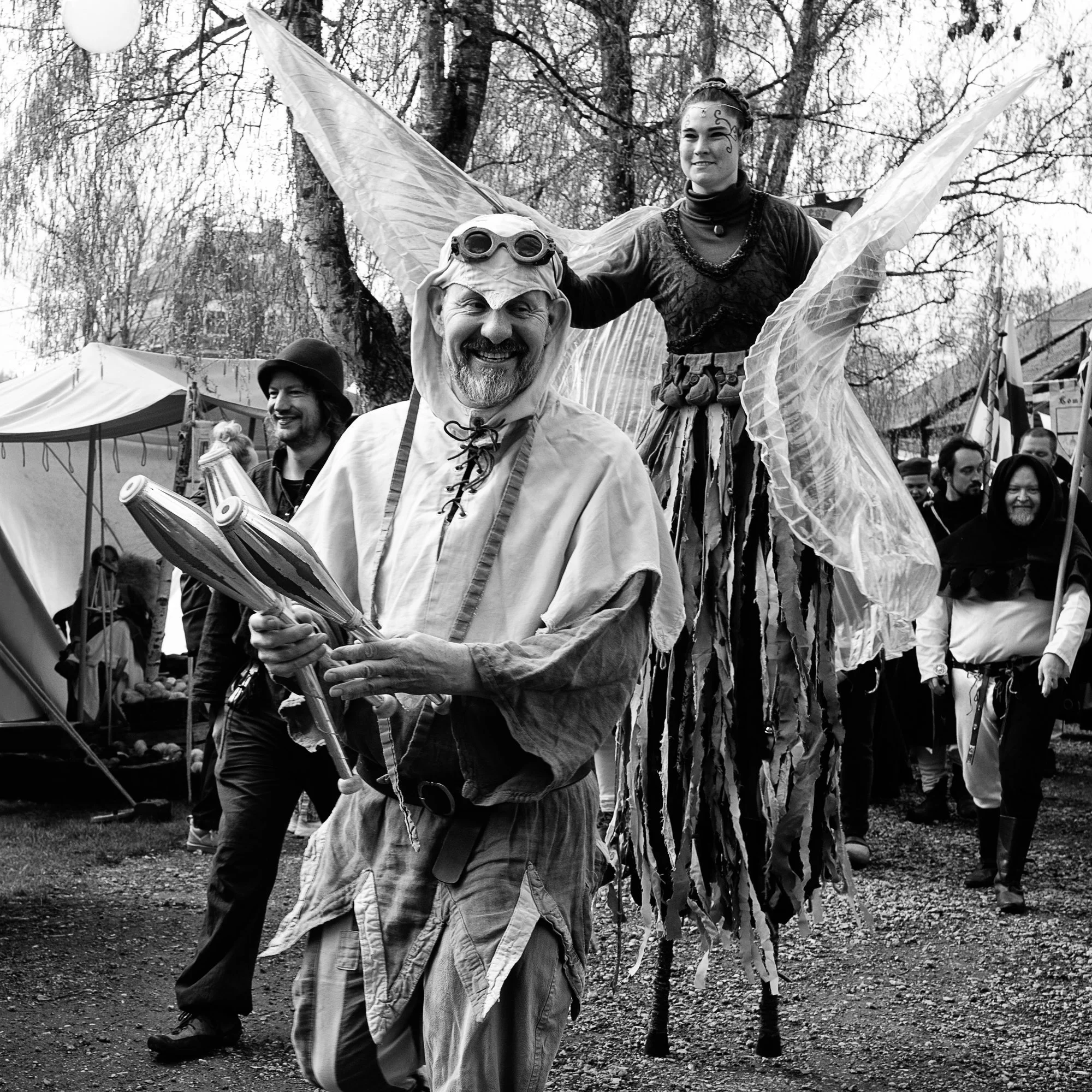
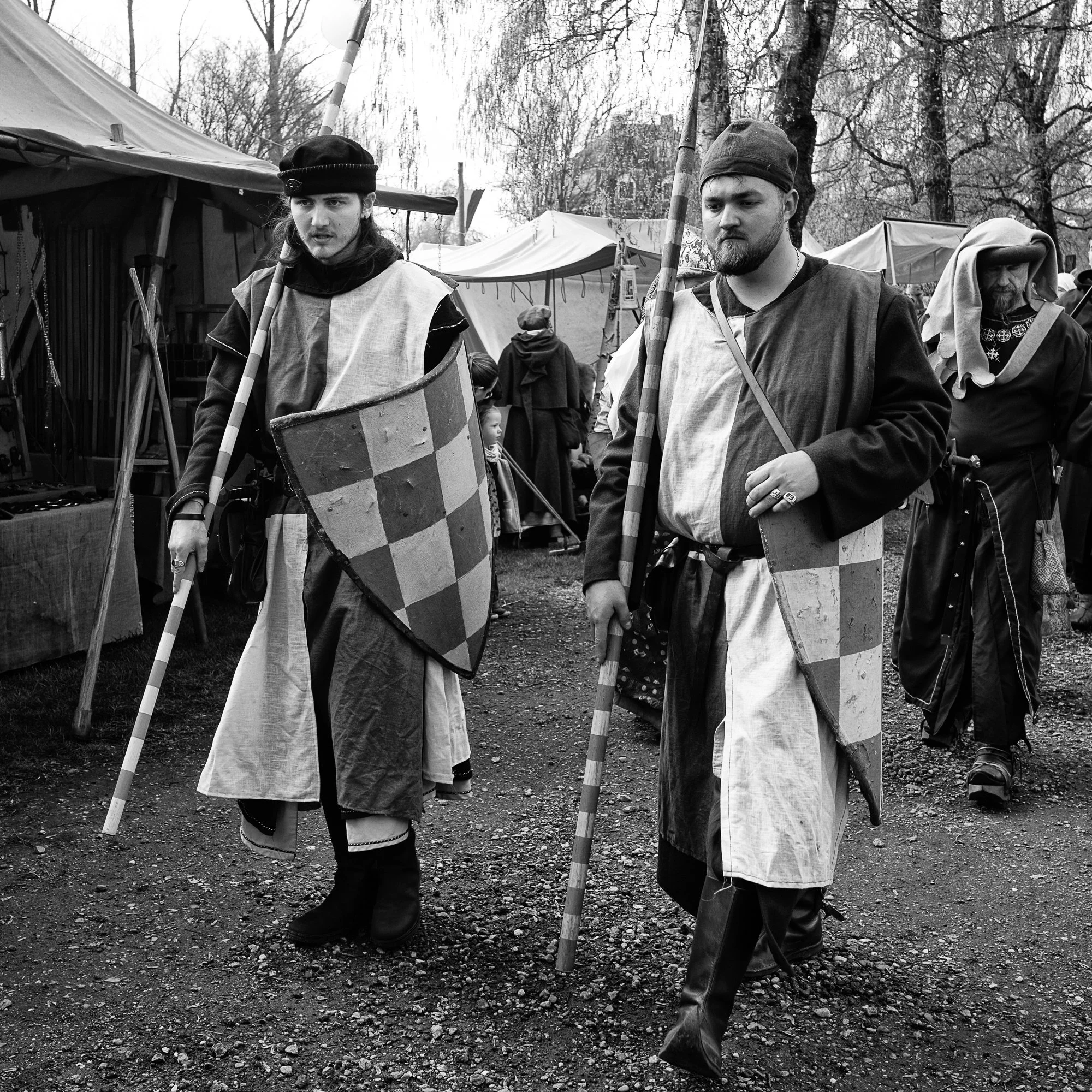
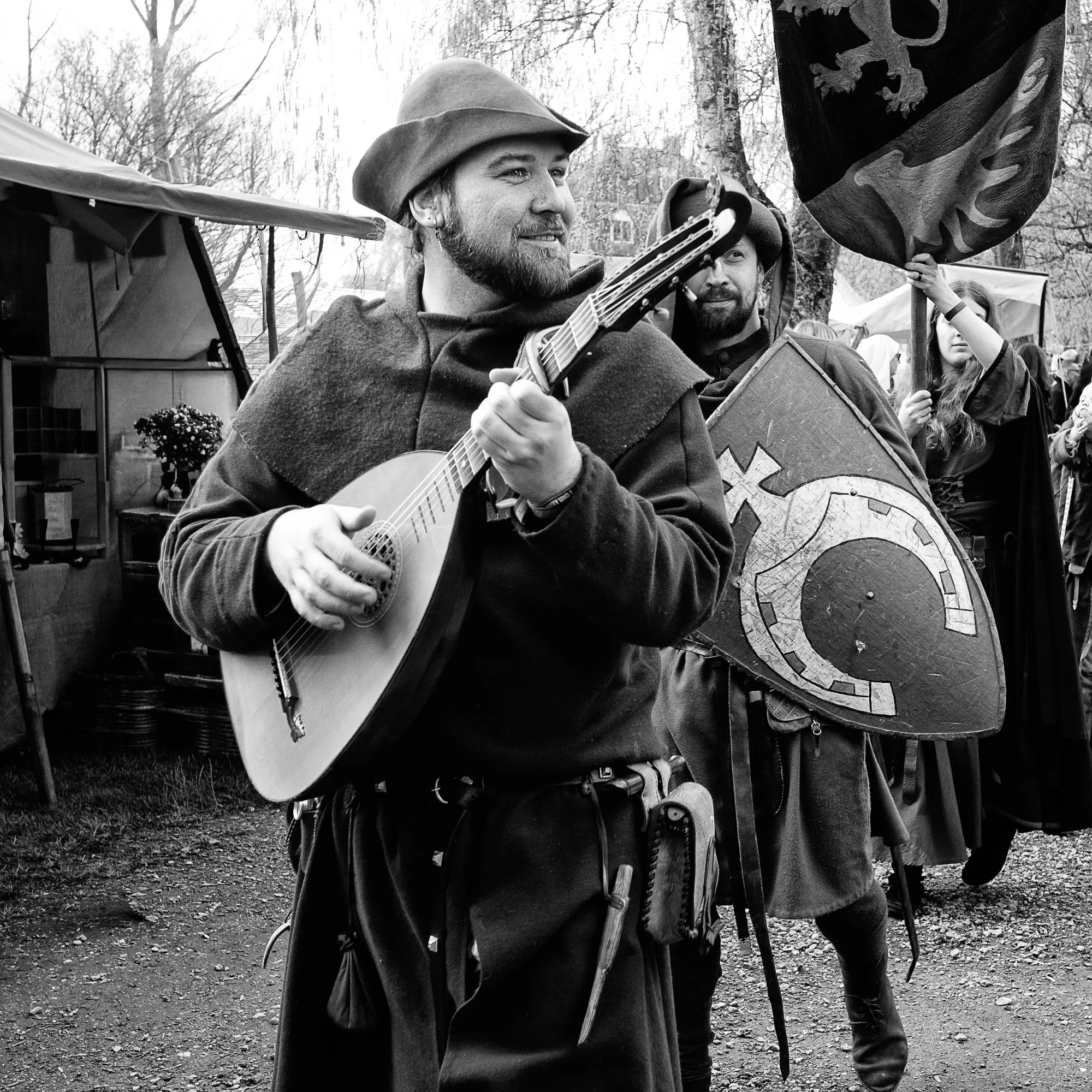
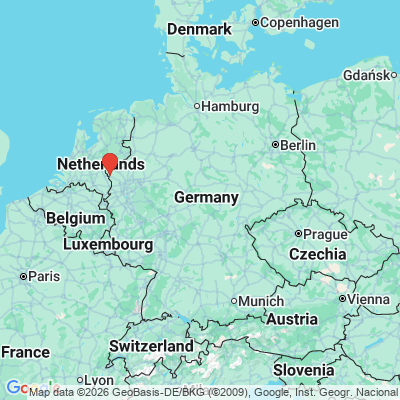
Just across the Dutch–German border, near Goch, something remarkable happens every Easter weekend. The quiet grounds of Kloster Graefenthal — a monastery founded in 1248 — transform into a living medieval world.

From April 4 to 6, 2026, the site once again hosts its well-known Easter market, one of the largest medieval-themed events in the region.

But this is not just a market. It is something far more immersive.

A Market That Feels Like a Village

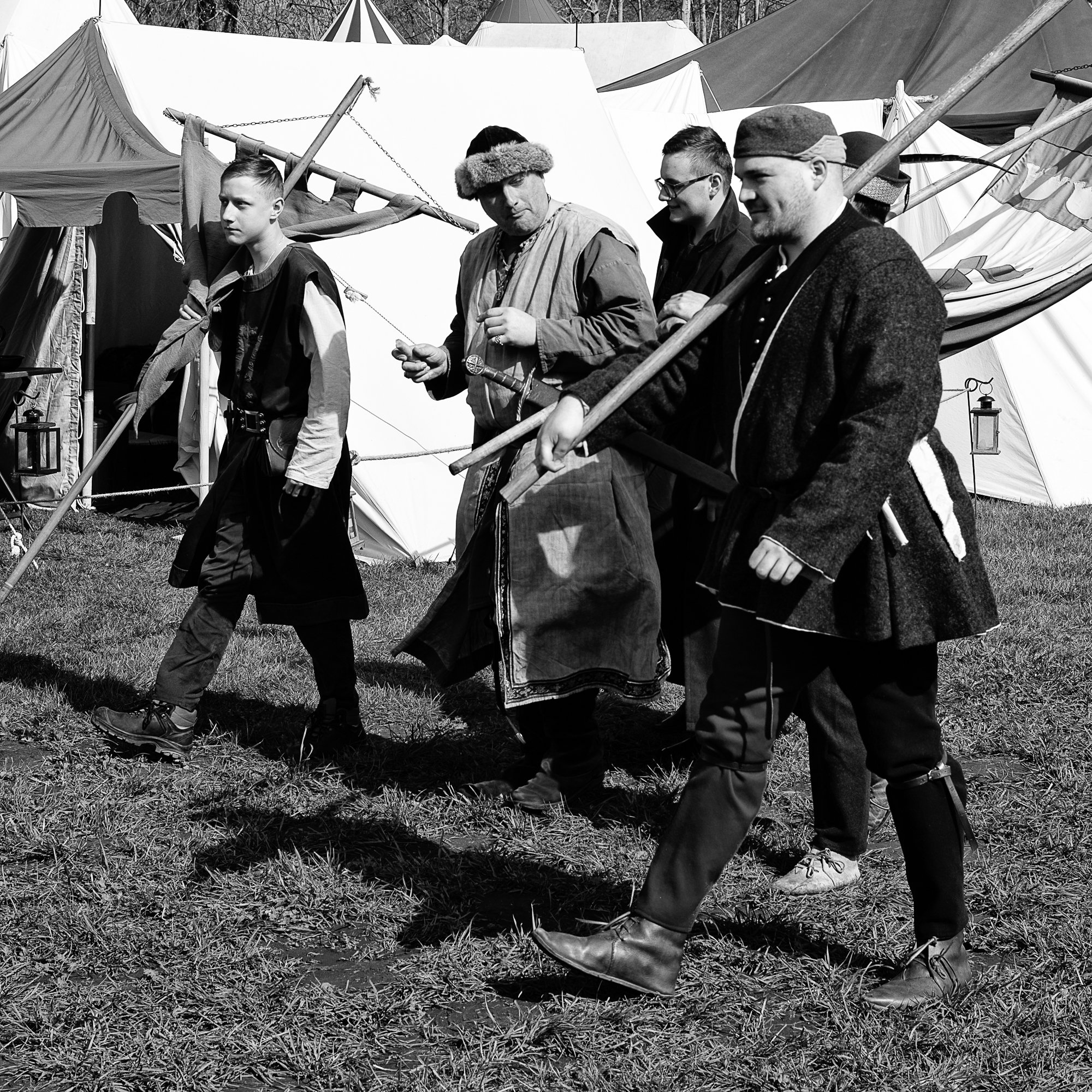
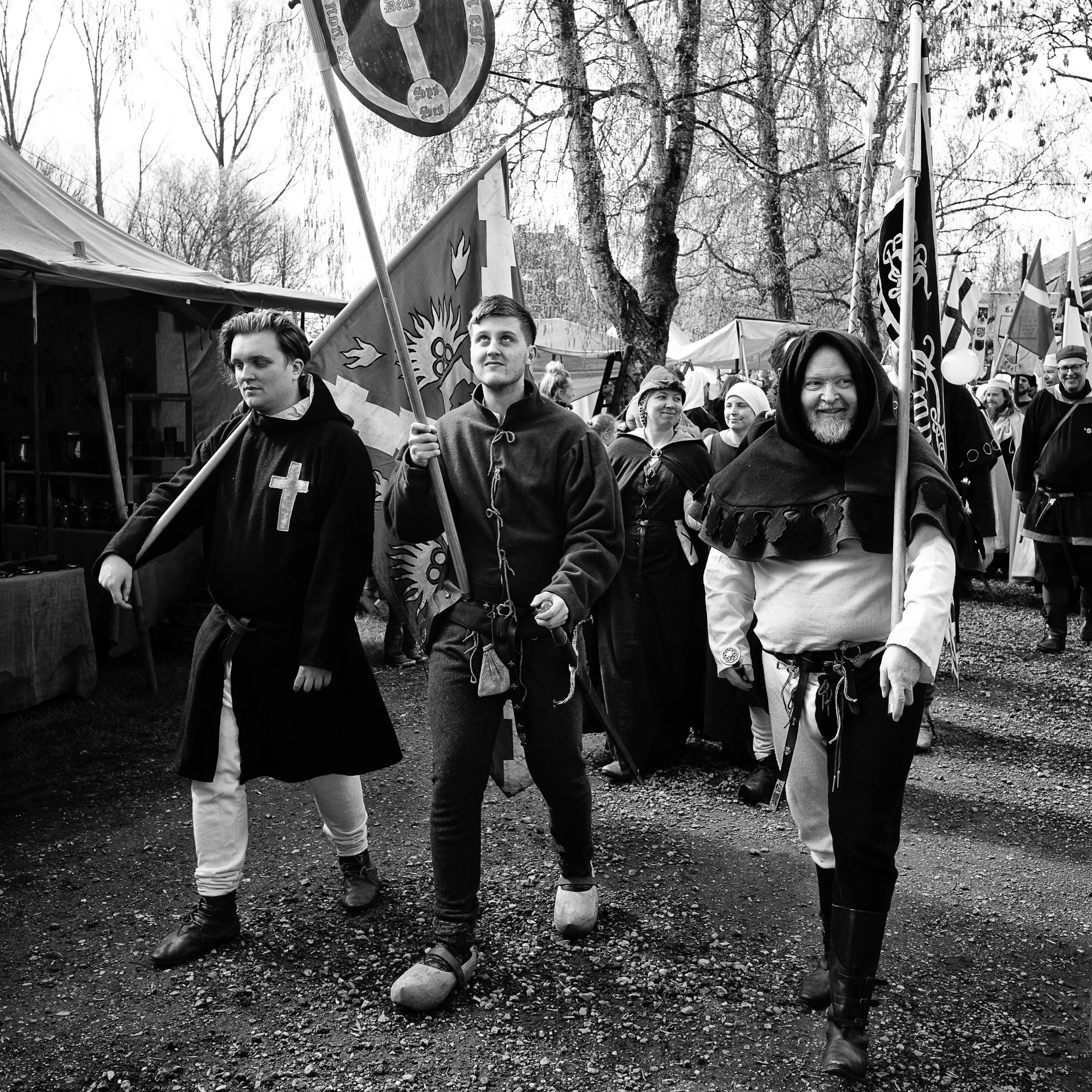
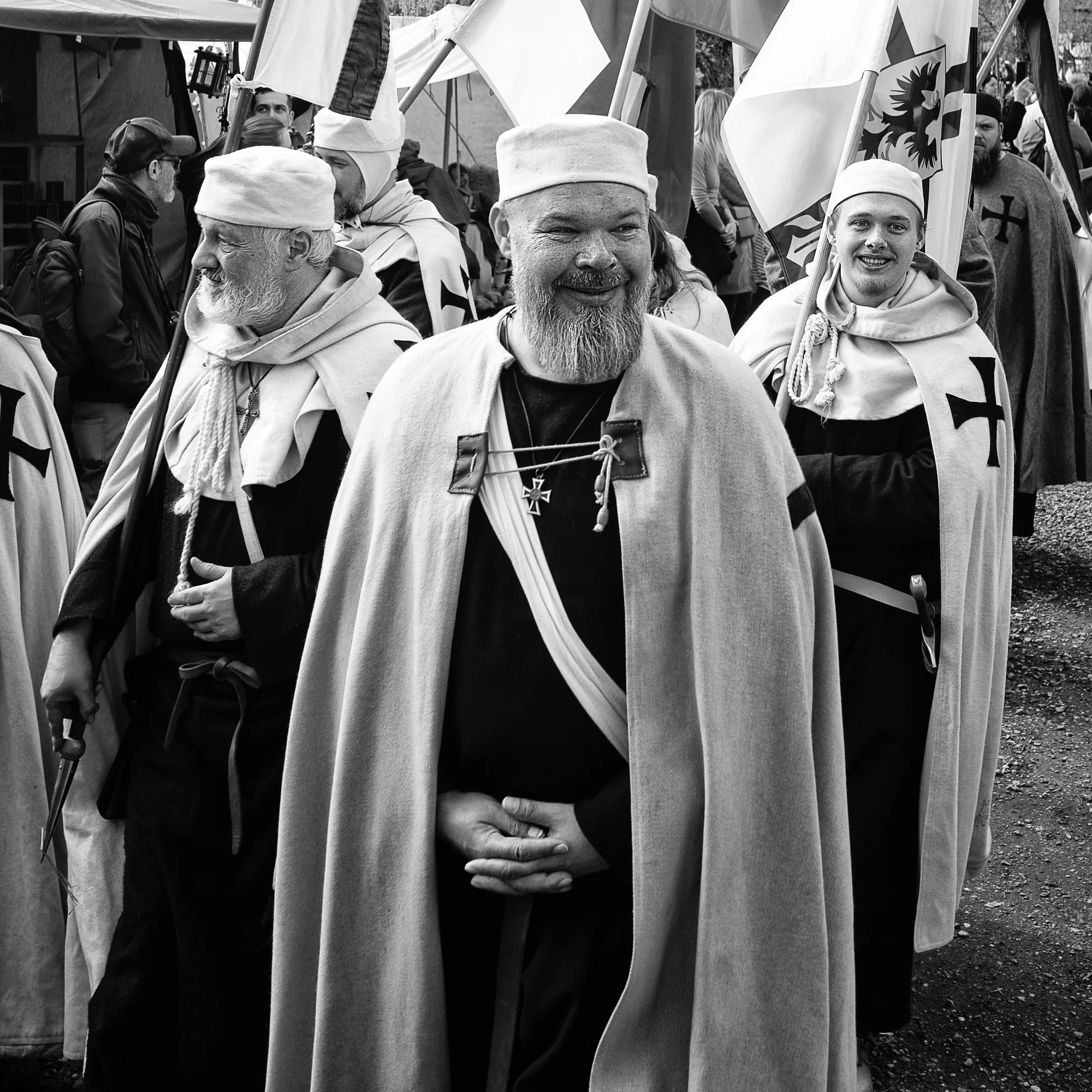
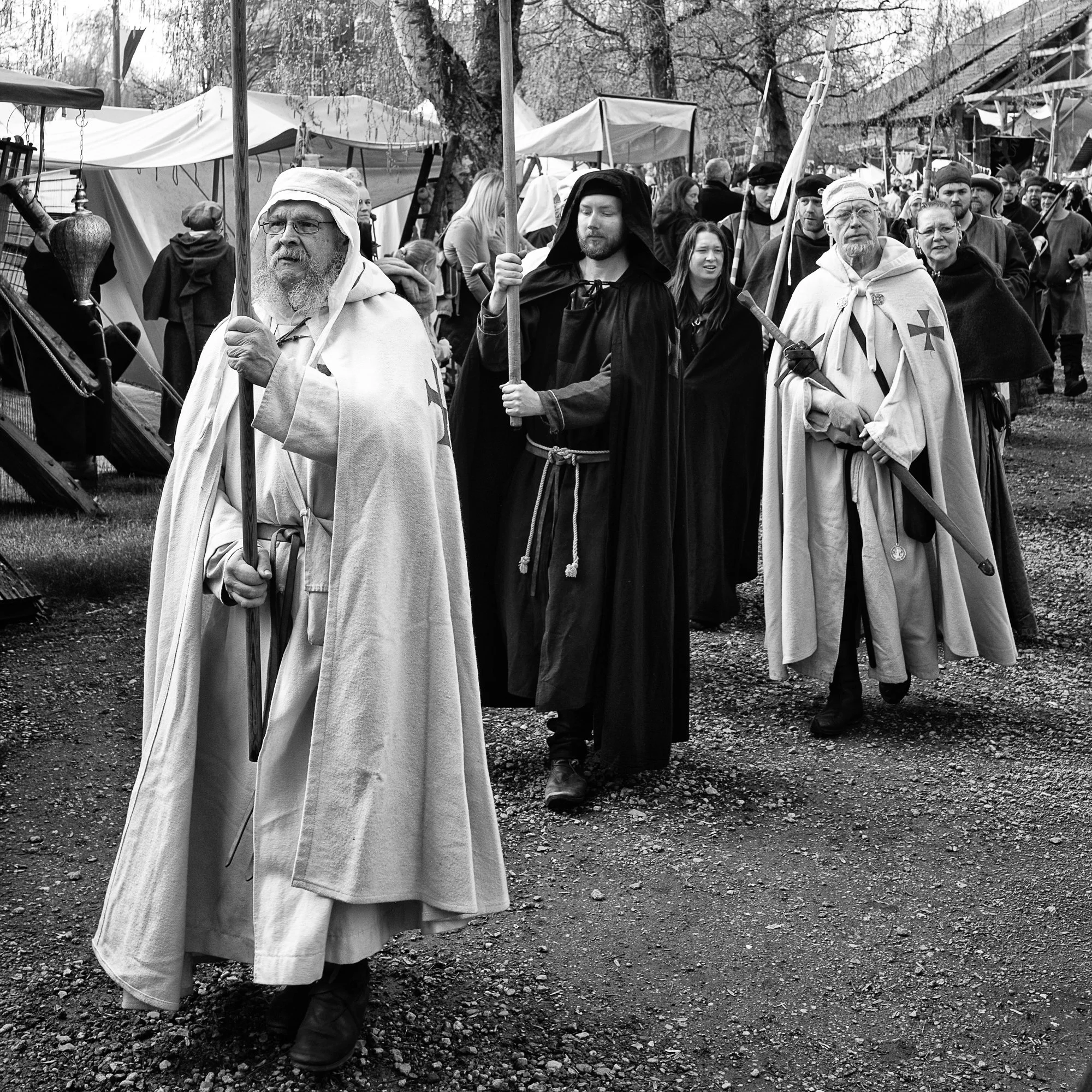
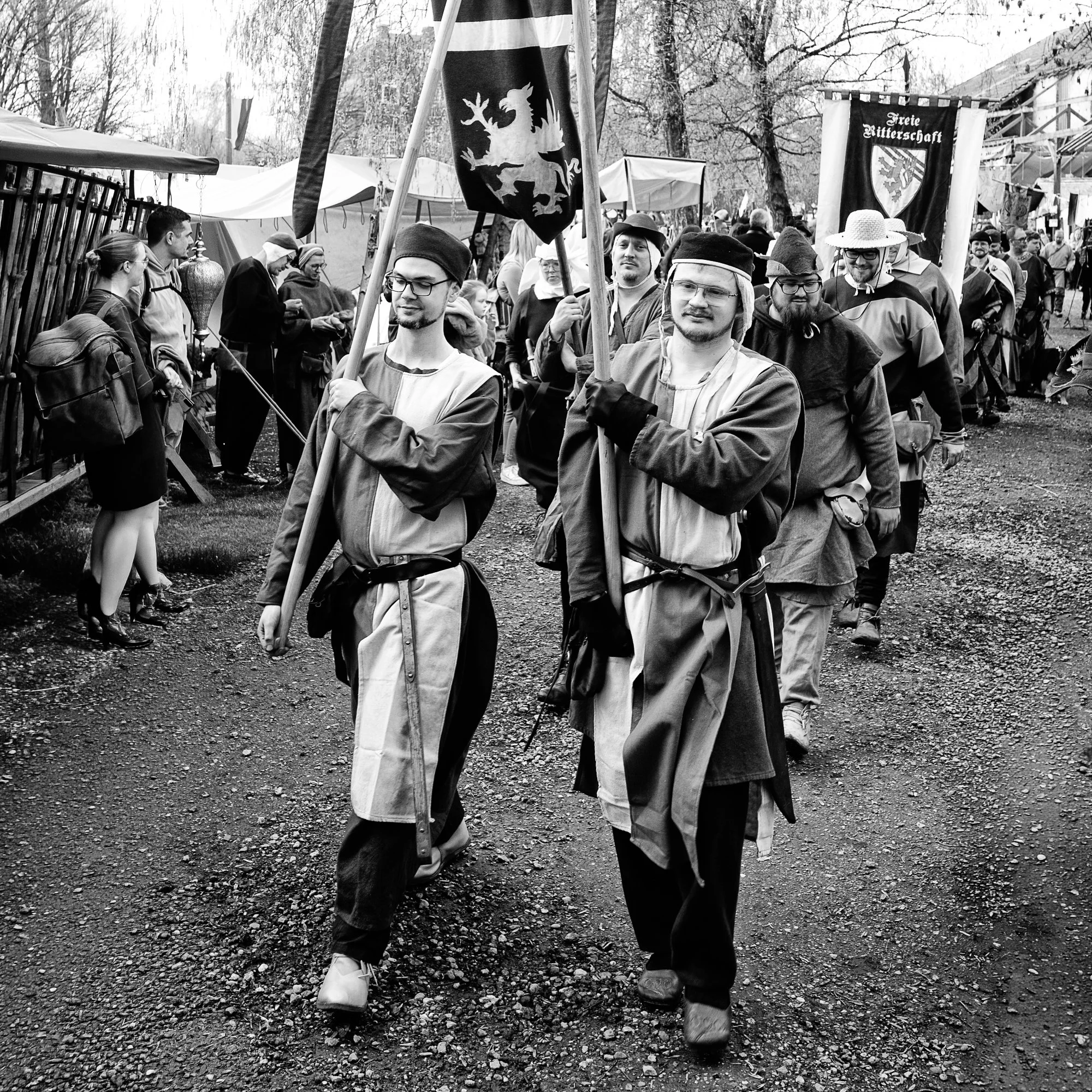
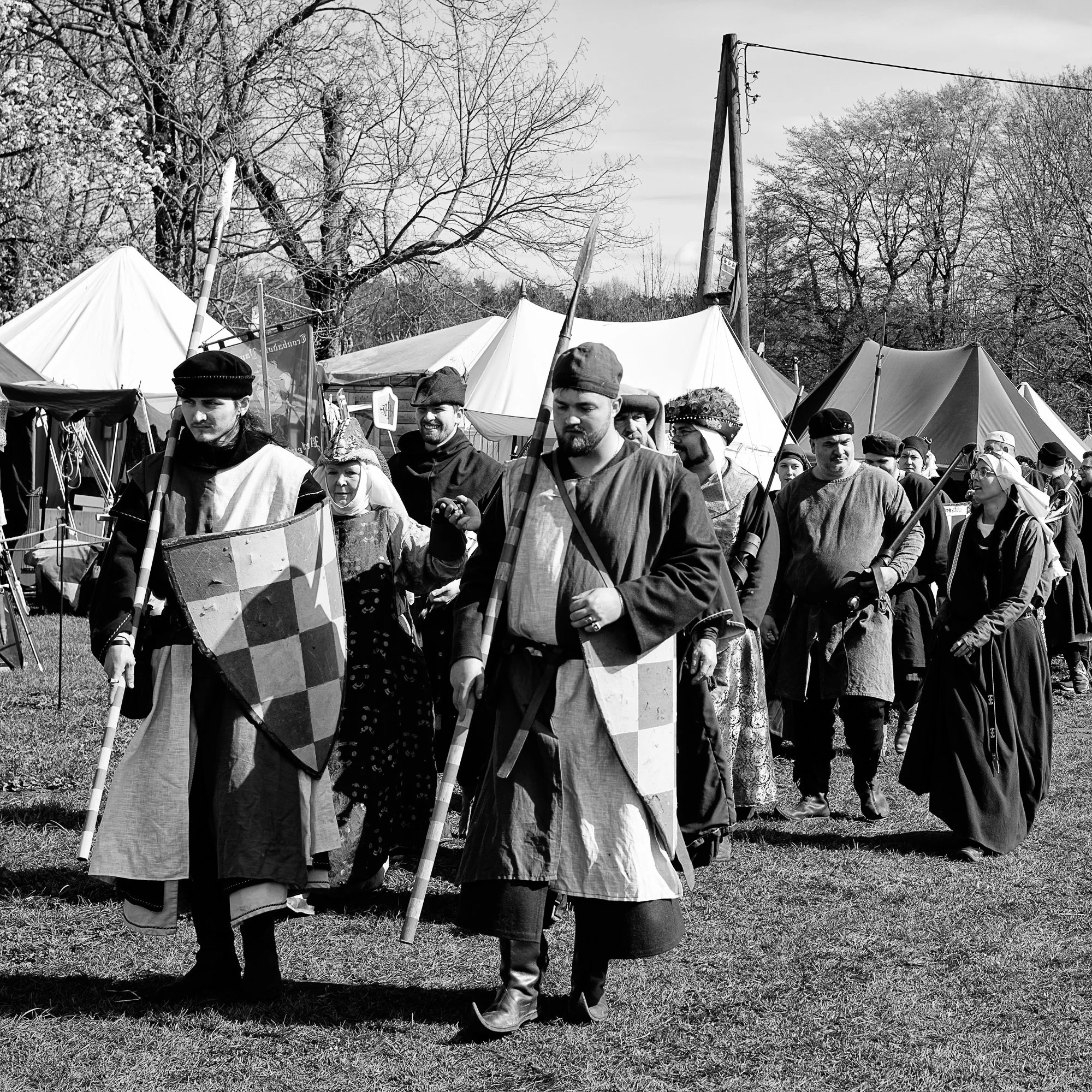
At first glance, you will see the familiar elements: wooden stalls, craftsmen, food, music. But then something shifts. Behind the market, beyond the crowds, entire medieval encampments appear — tents, campfires, cooking pots, banners moving in the wind.

Here, history is not displayed. It is lived.

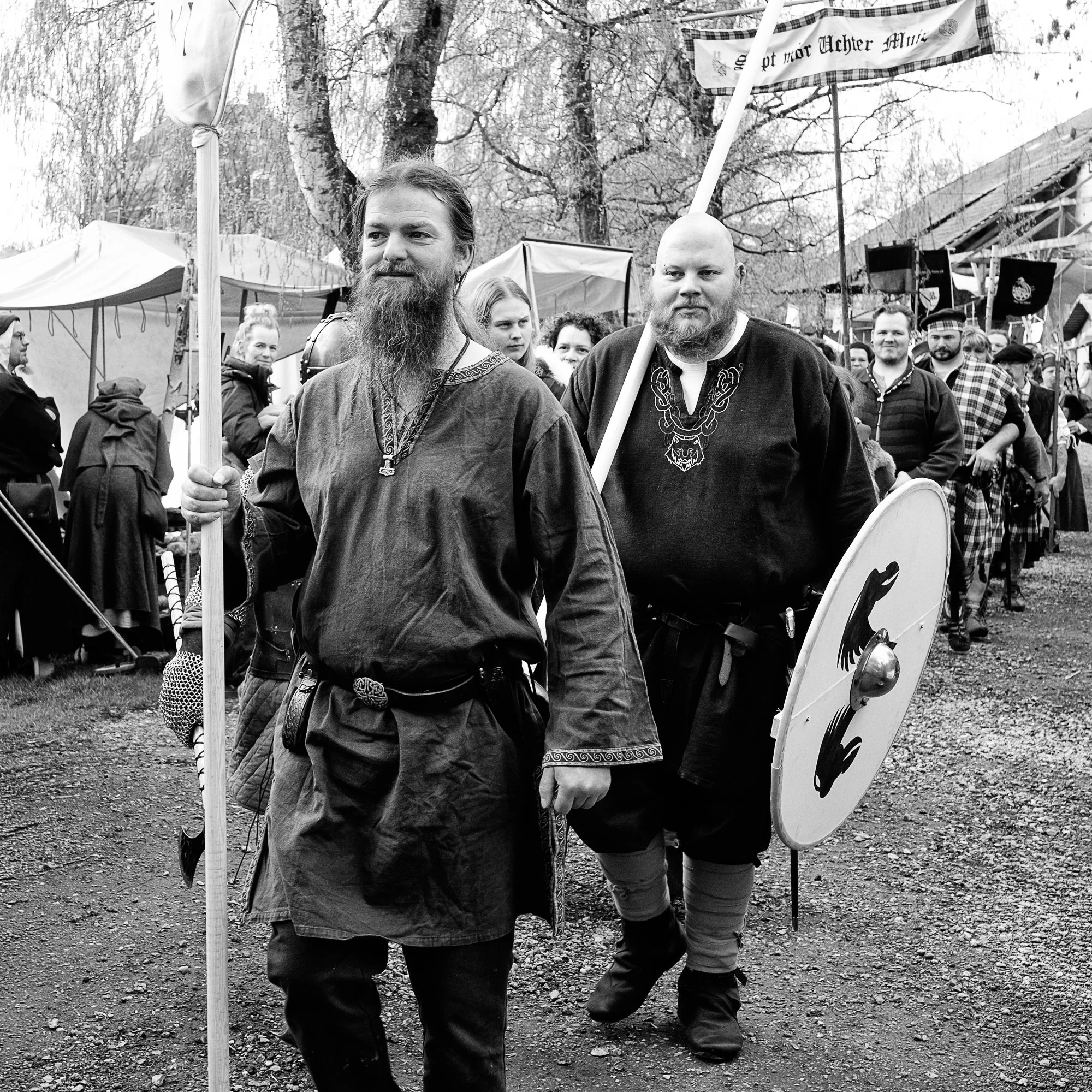
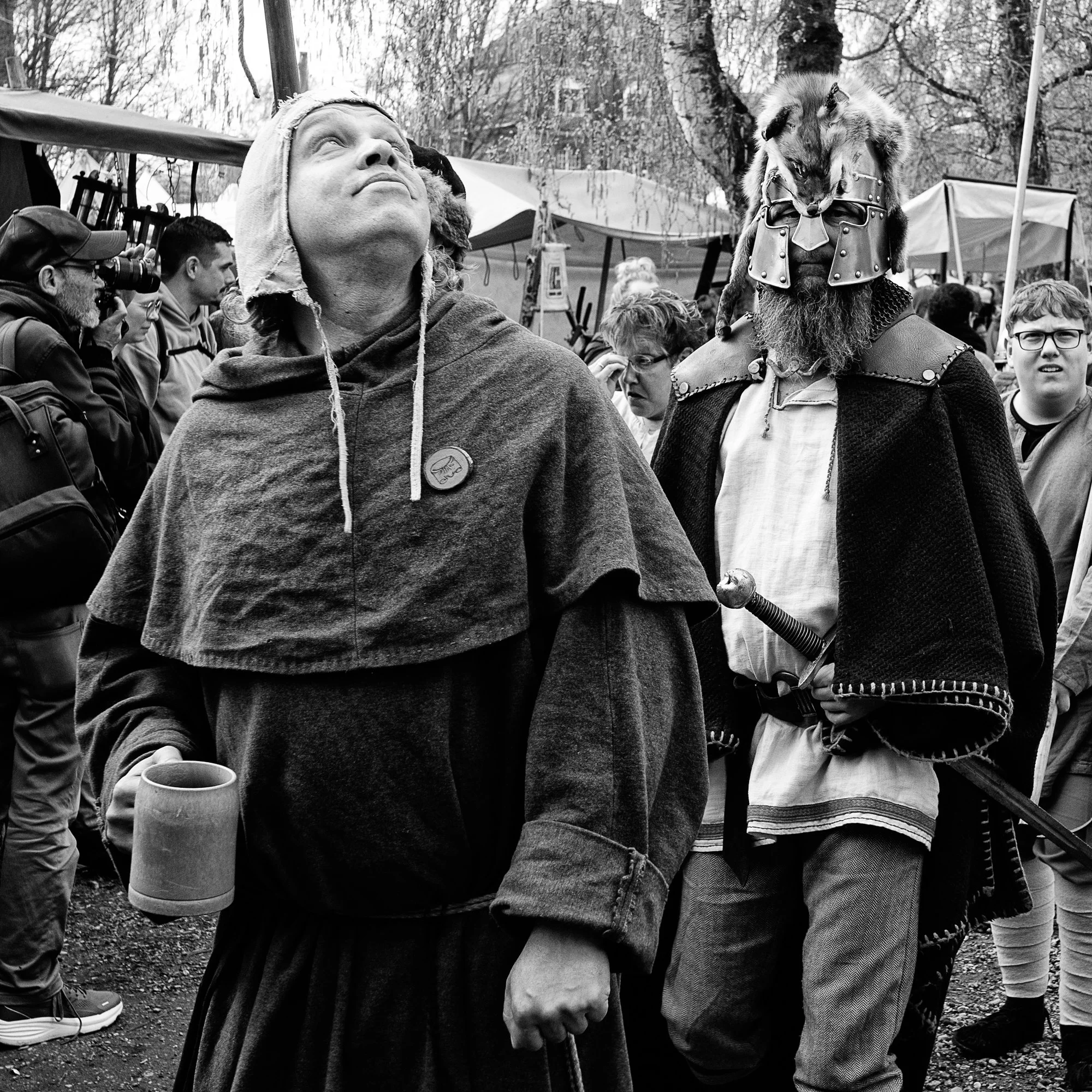
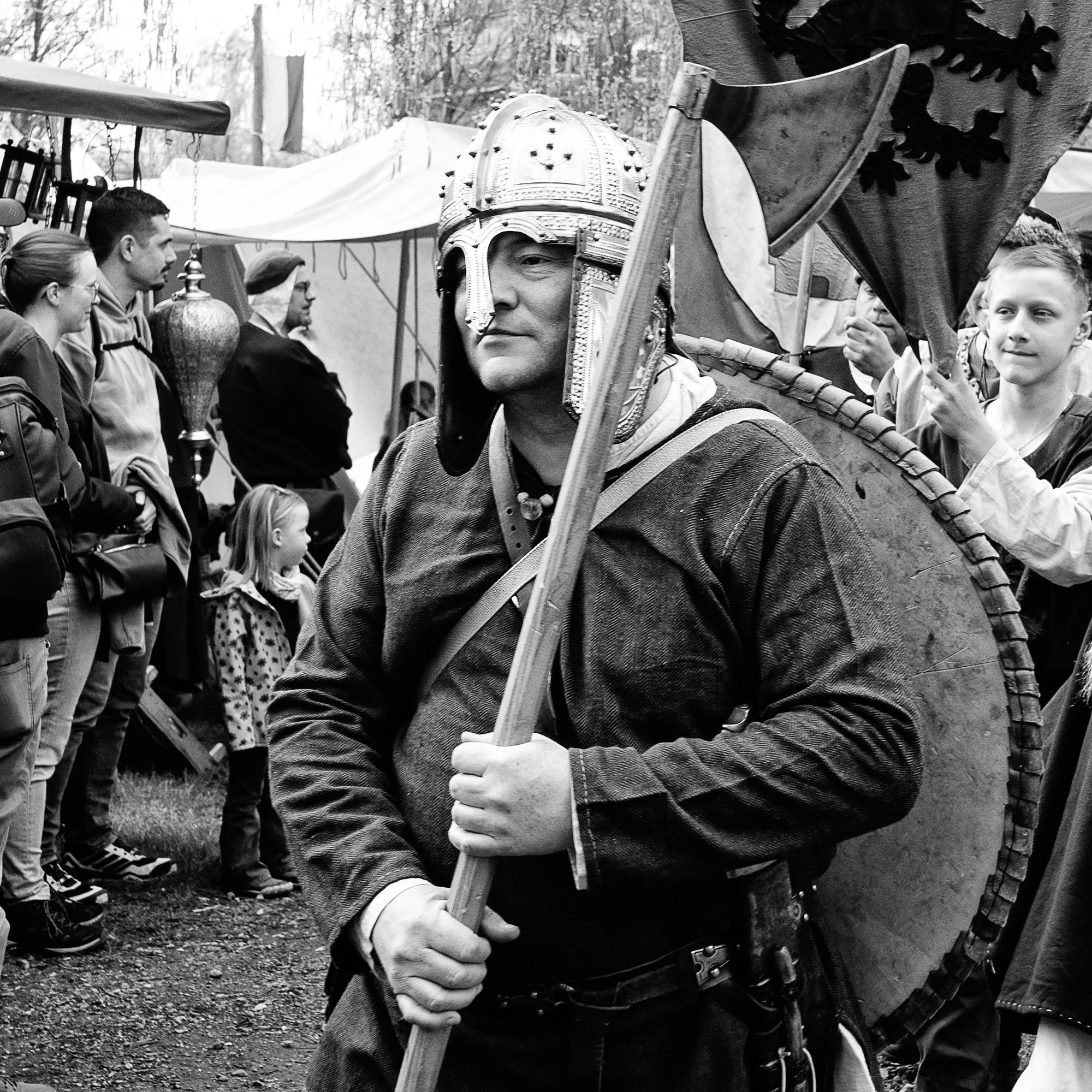
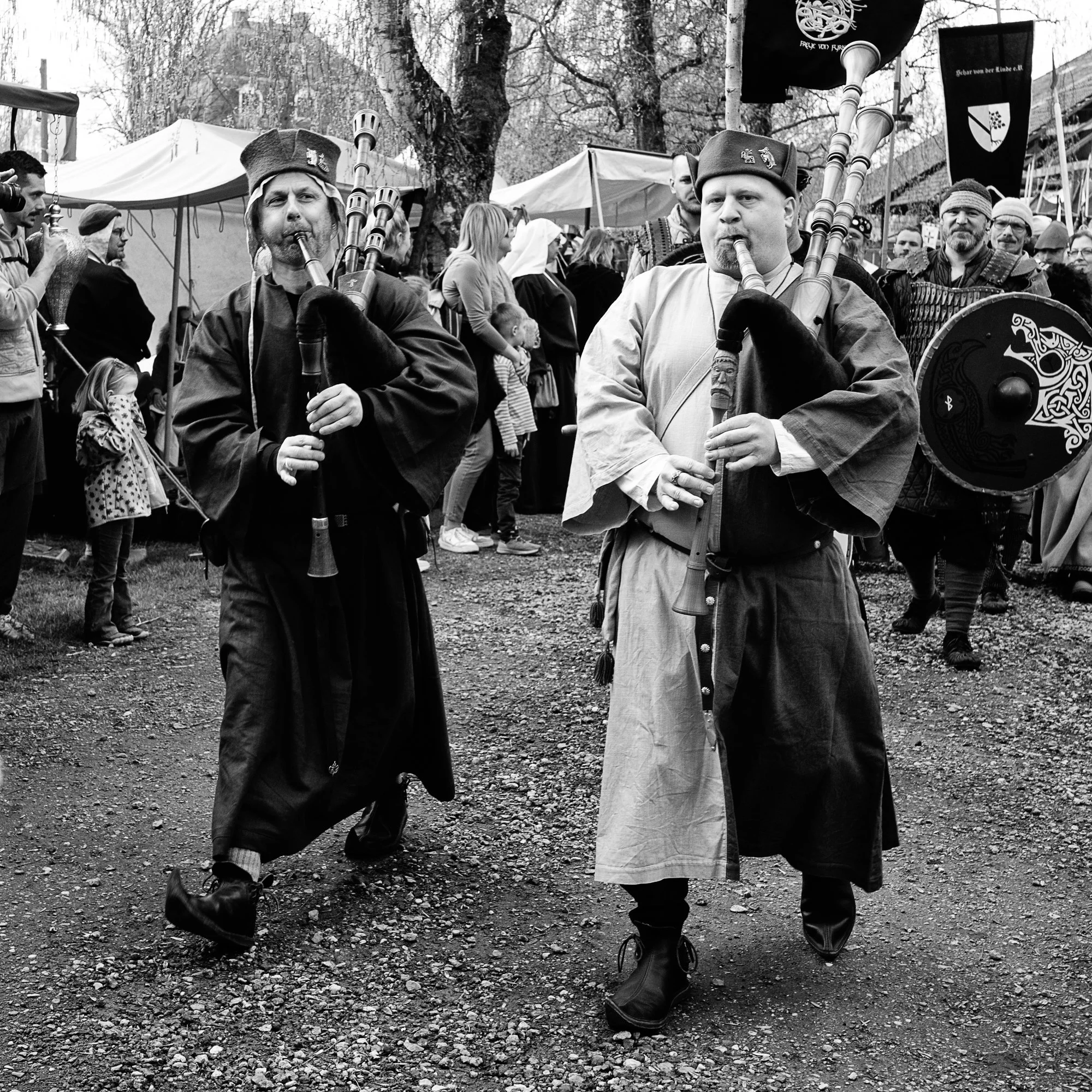
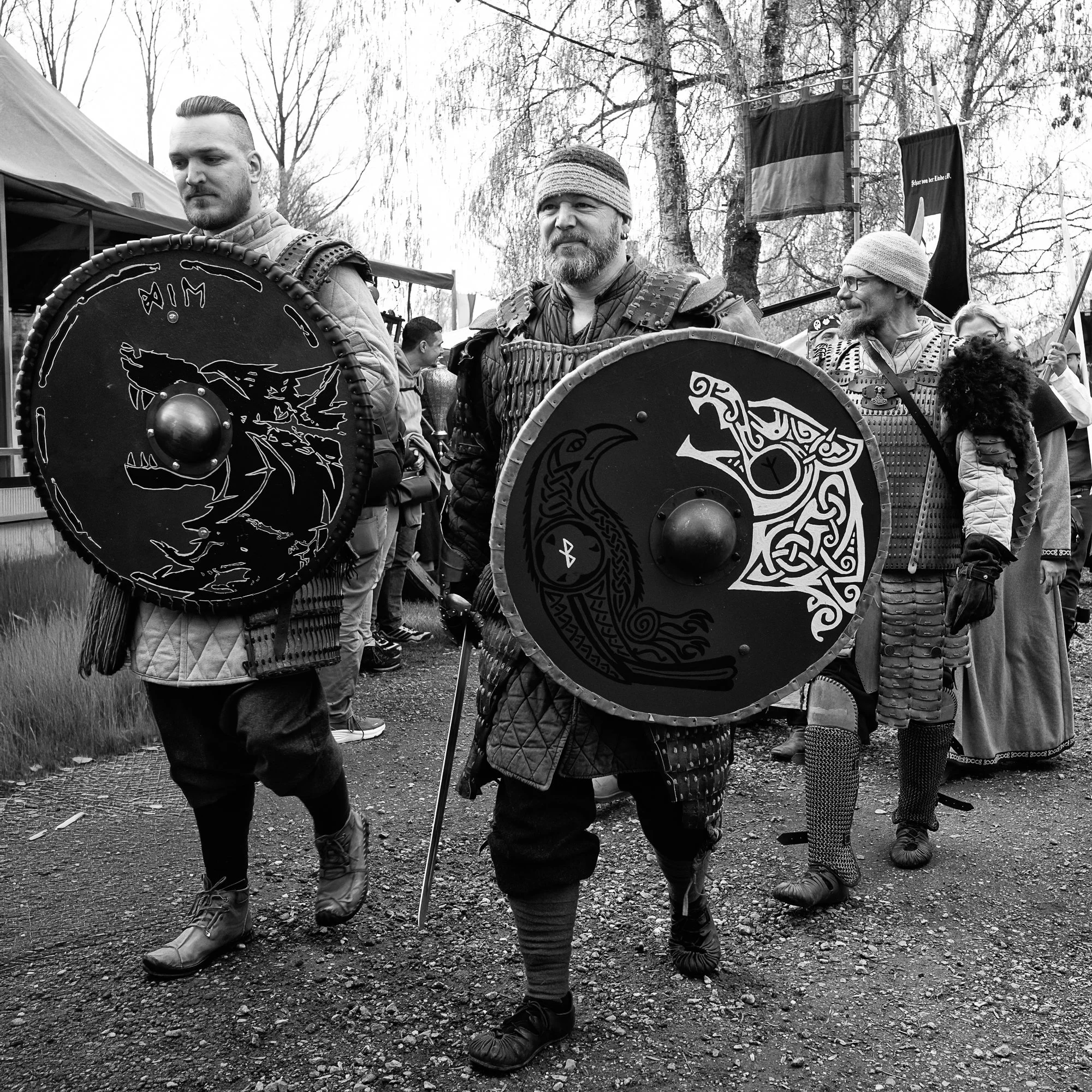
Groups of reenactors recreate daily life in the Middle Ages: cooking over open fire, practicing archery, forging metal, or preparing for mock battles. Visitors can walk straight into these camps, talk to the participants, and even try activities themselves.

And most striking of all: many participants do not come alone. They come as families.

Families Who Live the Past

What makes Graefenthal special is not only the setting, but the people. Entire families — parents, children, sometimes even grandparents — dress in historically inspired clothing and spend the weekend together in their camp.

For them, this is not a performance. It is a shared passion.

Children grow up learning how to bake bread over fire, how to sew garments, how to handle simple tools. Evenings are spent around flickering flames, with music, storytelling, and a quiet sense of stepping outside modern time.

It is easy to forget, standing there, that you are only a few kilometres from the present.

A Wider Culture Across Borders

Graefenthal is part of a much larger European culture of medieval reenactment — a network of groups who travel from event to event throughout the year.

In Germany, similar events can be found at places like Manderscheid Castle, Waltrop (Gaudium festival), and Bad Rothenfelde.

In the Netherlands, you can encounter this world at the monastery site of Klooster Ter Apel or during events at Kasteel Teylingen, where reenactment groups set up similar encampments.

Belgium has its own tradition, with festivals in cities like Bouillon and Bruges, often linked to historical pageants and processions.

Across all these places, the pattern is the same: people gathering not just to watch history, but to inhabit it — if only for a few days.

Why It Matters

In a world of screens and speed, these events offer something rare: slowness, craft, and shared experience across generations.

The medieval market at Graefenthal is, on the surface, a festive outing — a day of music, food, and spectacle. But beneath that lies something deeper: a quiet movement of people who choose, again and again, to step into the past together.

Not because they have to. But because, for a moment, it feels more real.

Clovis and the World He Lived In: Europe Between Empire and Kingdoms

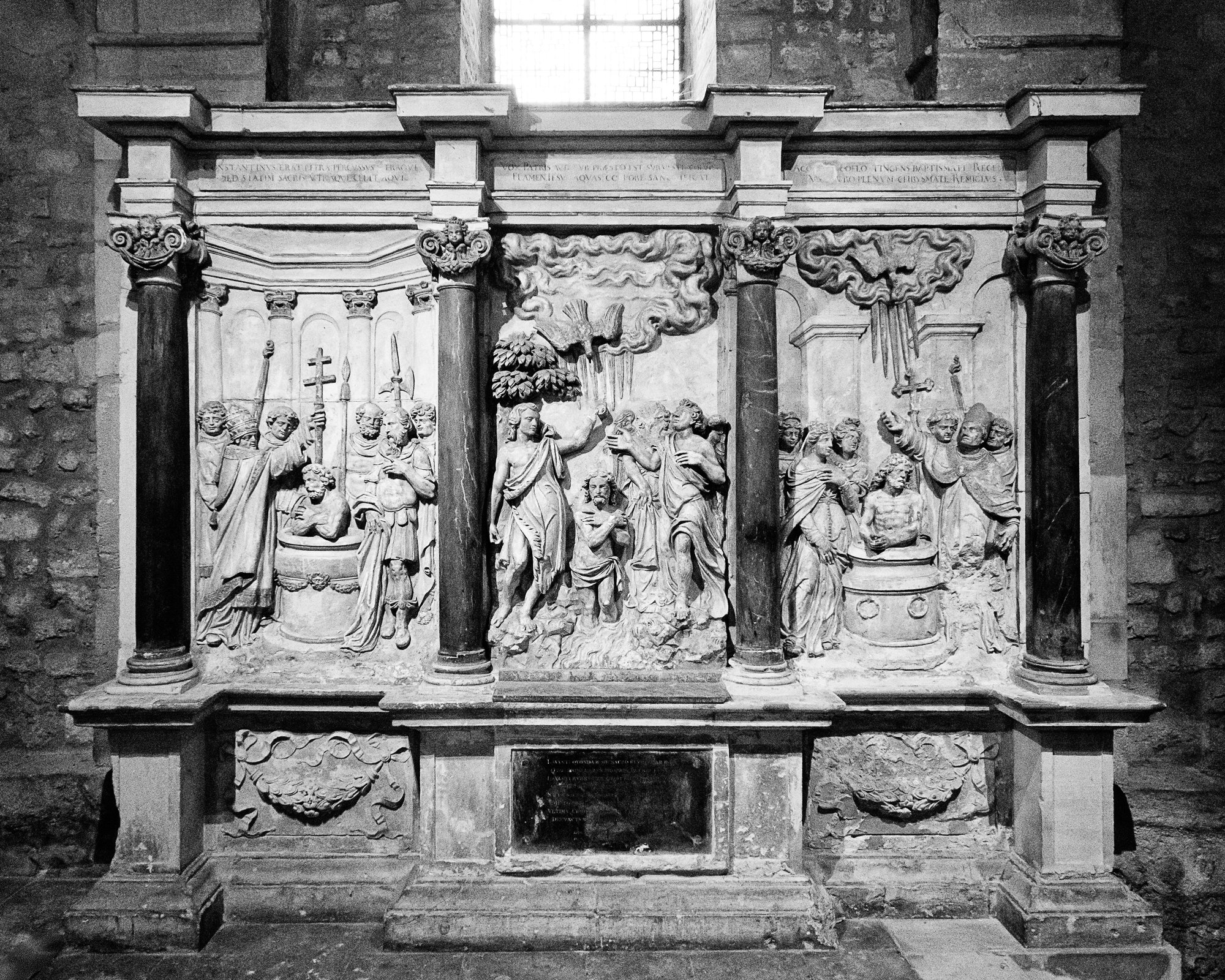
Retable des Trois Baptêmes, 1610 — Basilique Saint-Remi, Reims (France), attributed to Nicolas Jacques

This monumental altarpiece can be seen today in the Basilica of Saint-Remi in Reims, one of the most important historic churches of France. It was created in 1610 and is usually attributed to the local sculptor Nicolas Jacques. The work stands in the former baptistery area of the church, where generations of visitors have encountered it as both a religious and historical statement.

The altarpiece depicts three key baptisms that together tell a powerful story. In the centre, Christ is baptised in the River Jordan by John the Baptist, representing the spiritual foundation of Christianity. On the left, the Roman emperor Constantine receives baptism, symbolising the moment when Christianity moved from a persecuted faith to a religion supported by imperial power. On the right, the Frankish king Clovis is baptised by Saint Remi in Reims, an event traditionally seen as the birth of Christian France. The work therefore presents not only a religious message, but also a political one: it connects faith, authority, and the formation of European identity through a visual narrative that links the origins of Christianity to the emergence of Christian kingdoms in Europe.

If you travel across Europe today — from the Rhine valley to northern France — you move through landscapes shaped by a long and uncertain transformation rather than a single dramatic event. Somewhere between the fading structures of the Roman world and the emergence of medieval kingdoms, a young Frankish leader named Clovis rose to prominence. His name is often linked to the birth of France, but his real importance lies elsewhere. Clovis lived at a moment when old certainties were disappearing and new forms of power, identity and belief were still being invented.

A World in Flux

The centuries before Clovis were not simply the “fall of Rome.” They were a period of slow change. The Roman Empire did not collapse overnight. Instead, it adapted, fragmented and gradually lost direct control over large parts of its western provinces.

One symbolic moment often mentioned is the winter of 406. Groups such as Vandals, Suebi and Alans crossed the frozen Rhine. Yet this was not the first time such groups had entered the Empire. The crucial difference was that this time many stayed. New communities settled inside the Roman world and became part of it. The old frontier between “Romans” and “barbarians” began to dissolve.

Gaul, the region that roughly corresponds to modern France, became a mosaic of peoples. Goths ruled in the south, Burgundians in the Rhône valley, and various Frankish groups lived along the Rhine. Many of these leaders still served the Roman Empire as allies or military commanders. They were not outsiders attempting to destroy a civilisation. They were participants in a changing imperial system.

In this new world, identities were flexible. A man could be a Frank, a Roman citizen and a soldier at the same time. Borders mattered less than loyalties, alliances and opportunities.

Violence, Crisis, and Opportunity

The 5th century was a time of insecurity, but also of innovation. Wars, migrations and power struggles reshaped society. Local elites struggled to maintain order. Cities declined in the north. Central authority weakened.
At the same time, new political models emerged. Leaders who had once commanded Roman troops began to take on civil responsibilities. When imperial administration disappeared in some regions, local strongmen became protectors, judges and negotiators.
This was not universal collapse. In many areas daily life continued. People farmed, traded, prayed and adapted. Christianity spread and became a powerful source of cohesion. Bishops, monks and saints increasingly played roles once held by imperial officials.
The Roman Empire itself did not simply vanish. Even after the famous year 476, many rulers in the West still recognised the emperor in Constantinople. Coins, laws and political language continued to reflect Roman traditions.

The world was changing, but its foundations remained deeply Roman.

The Franks: Not One People, but Many

The Franks were not originally a single nation. The name itself was given by Roman authors to various groups living near the Rhine. These communities could unite or divide depending on circumstances. They were farmers, warriors, traders and often Roman soldiers.

Over time their leaders gained prestige. Some served the Roman army. Others fought against it. Many did both. Their world was shaped by constant contact with Rome: military organisation, wealth, religion and political ideas all flowed across the frontier.

Clovis inherited this complex world. His father, Childeric, was likely both a Frankish leader and a Roman military commander. He operated within the late Roman system even as it weakened.

Clovis in His Own Time

When Clovis came to power around 481, imperial authority in north-western Europe had already become regional and fragmented. The scale of his domain was modest compared with the Roman Empire, and for most of his contemporaries he was simply one regional leader among many.

His achievement was not the creation of a vast empire, but the consolidation of power in northern Gaul. He managed to unite different Frankish groups, defeat rival rulers and expand his influence. He built a durable political centre in a landscape where authority had become local rather than imperial.

Perhaps his most decisive move was religious.

The Conversion That Changed Europe

Most rulers in the post-Roman West were already Christian, but many followed Arian Christianity, which differed from the Catholic faith of most Roman communities in Gaul. Clovis’ decision was therefore not simply between paganism and Christianity, but between different forms of the faith. Influenced in part by his wife Clotilde, a Catholic Burgundian princess, he increasingly leaned toward Catholic Christianity. Around the year 500, he was baptised in Reims by Bishop Remigius, a moment that marked both a personal conversion and a political alignment with the Catholic elites of Gaul.

This was a strategic decision. It aligned him with the Roman elites, bishops and urban communities of Gaul. It gave him legitimacy among the population he ruled. It opened alliances that strengthened his position.

Yet this choice was not inevitable. His family was religiously diverse. Pagan traditions still existed. The religious world of the time was fluid and contested.

His conversion helped create a new political and cultural synthesis: Roman, Christian and Frankish.

From Imperial Regions to Medieval Europe

Clovis did not replace the Roman Empire, nor did he rule anything close to its scale. What makes his reign significant is that it illustrates a broader transformation. Across western Europe, imperial authority was giving way to regional kingdoms that preserved many Roman practices while adapting them to new realities.

Clovis’ kingdom was one of several such experiments. But it proved durable. His successors maintained and expanded it. Over time this political structure became the foundation for later Merovingian and Carolingian power, shaping the development of western Europe for centuries.

The importance of Clovis therefore lies less in conquest and more in continuity and adaptation. He worked within the inherited Roman world, but in a context where power was local, identities were layered and institutions were evolving.

Why Clovis Still Matters

Clovis lived in a transitional age. His story shows that history is rarely about sudden collapse. It is about people navigating uncertainty, combining old traditions with new opportunities.

The Europe we know today — with its mixture of continuity and change, shared heritage and regional diversity — emerged from this long process.

Understanding Clovis means understanding that transformation.

Further Reading

  • Jeroen Wijnendaele, The World of Clovis

  • Peter Brown, The World of Late Antiquity

  • Gregory of Tours, History of the Franks

  • Guy Halsall, Barbarian Migrations and the Roman West

  • Chris Wickham, The Inheritance of Rome

Columbus Before the Crossing

Preparation, Power, and the Ships at Muelle de las Carabelas

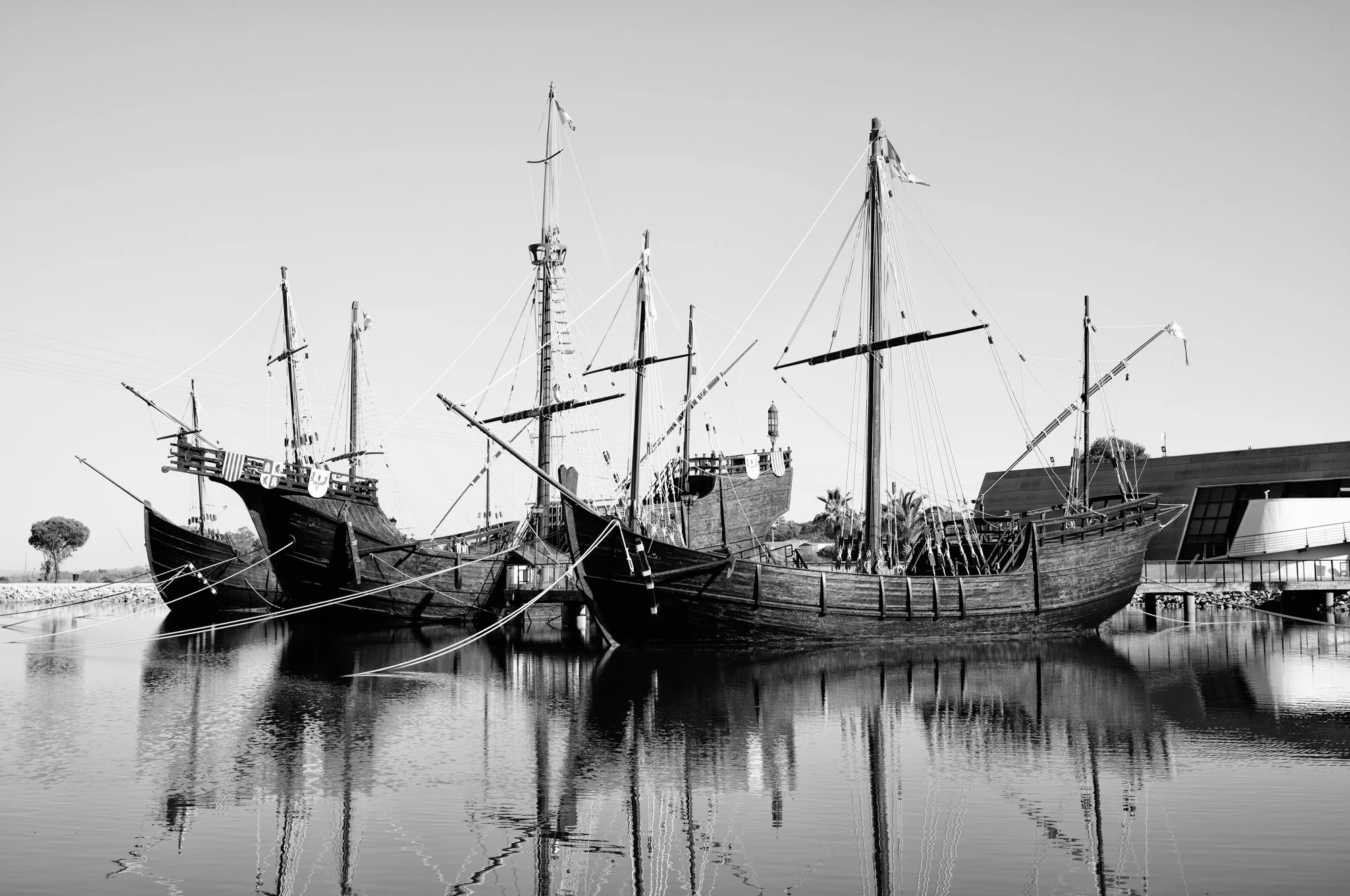
The replica’s of the “La Pinta”, the “Santa Maria”, and the “La Niñaat Muelle de las Carabelas; the three ships with which Columbus departed to the New World.

The story of Christopher Columbus does not begin with the open Atlantic, but with months of waiting, negotiation, and preparation along the rivers and monasteries of southern Spain. The Muelle de las Carabelas marks the physical end point of that long prelude: the place where plans, promises, and royal backing finally took shape as ships and crews.

Royal Backing at Last

Before arriving in Palos, Columbus had spent years trying to convince Europe’s rulers of his westward route to Asia. He was repeatedly rejected, until the decisive intervention of the Reyes Católicos—Isabella I of Castile and Ferdinand II of Aragon. Fresh from the conquest of Granada in early 1492, the Catholic Monarchs were consolidating power, expanding influence, and looking outward. Columbus’s proposal aligned with their ambitions: trade routes beyond Portuguese control, prestige, and the spread of Christianity.

The agreement reached in the Capitulations of Santa Fe granted Columbus titles, status, and a share of future profits. What remained was turning paper promises into seaworthy reality.

Waiting and Preparing in Palos

Columbus arrived in Palos de la Frontera in the spring of 1492 and remained there for several months. This was not idle time. Ships had to be found, repaired, and outfitted; provisions loaded; crews recruited—often reluctantly. Royal orders compelled the town to provide vessels, a sign that local enthusiasm was limited. Experienced sailors such as the Pinzón brothers proved crucial in making the expedition viable, lending both nautical expertise and local credibility.

This period of preparation is essential to understanding the voyage. Columbus was not simply a visionary setting sail; he was a man dependent on networks of power, coercion, negotiation, and practical maritime knowledge. The river port of Palos, modest and workmanlike, became a temporary hub of imperial ambition.

The Ships as Historical Evidence

Walking among the replicas at the Muelle de las Carabelas makes this preparatory phase tangible. The Santa María, larger and heavier, reflects royal expectations of command and control. The Niña and Pinta, agile caravels familiar to Atlantic sailors, reveal the practical compromises behind the expedition. These were not ideal vessels for a grand vision of Asia, but the best available tools for an uncertain gamble.

Their cramped interiors and exposed decks underline another truth: months of planning could not eliminate risk. Once these ships left the river mouth, royal authority, contracts, and titles meant little against wind, currents, and human endurance.

"The First Voyage", chromolithograph by L. Prang & Co., published by The Prang Educational Co., Boston, 1893.
An imaginary scene of Christopher Columbus bidding farewell to the Queen of Spain on his departure for the New World, August 3, 1492.

From Local River to Global Rupture

The Muelle de las Carabelas therefore represents more than a departure point. It is the place where royal policy, local obligation, and individual ambition converged. From here, in August 1492, three small ships carried not only Columbus westward, but Europe into a new Atlantic era—one marked by exchange, conquest, and profound violence.

Seen in this light, the ships are not merely symbols of discovery. They are the final material expression of months spent waiting, persuading, preparing, and assembling power on shore. Standing beside them today, it becomes clear that the so-called “voyage of discovery” was already deeply shaped by politics, monarchy, and negotiation long before the sails ever caught the wind.

See also: Columbus and the Catholic Monarchs: A Meeting That Changed History

Alfonso VIII and Leonor of England — A Royal Marriage Carved in Stone

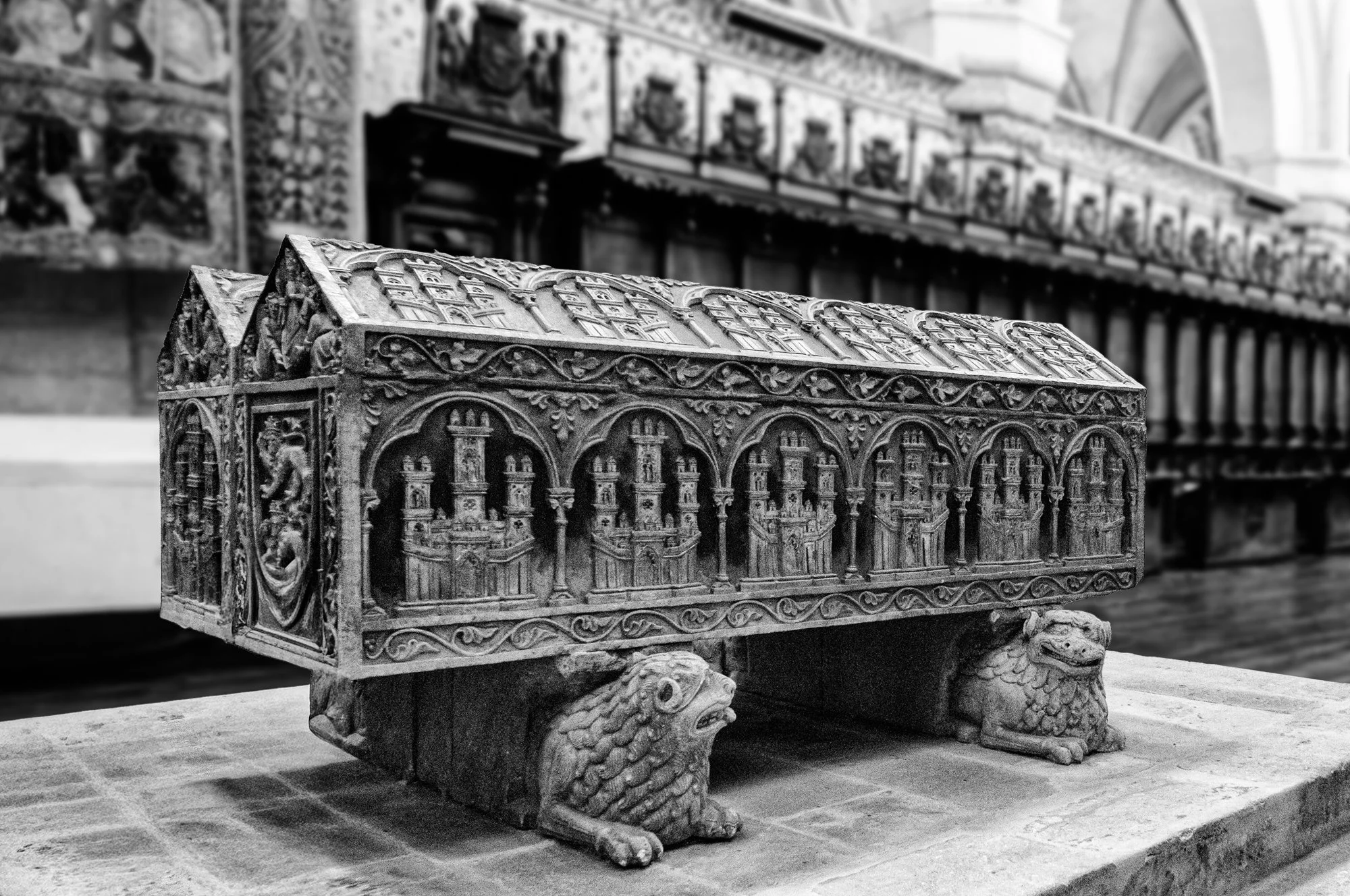
The painted limestone tombs of a Alfonso VIII and Leonor of England who shaped medieval Spain (Abbey of Las Huelgas in Burgos).

Among the many remarkable royal tombs in the abbey of Las Huelgas in Burgos, two stand out for both their artistry and their story: those of King Alfonso VIII of Castile and his wife Leonor Plantagenet, daughter of Henry II of England and Eleanor of Aquitaine. Their monumental sarcophagi, carved from polychrome limestone, still retain traces of medieval colour — a rare survival that adds warmth and humanity to these otherwise austere royal monuments.

Alfonso VIII (1155–1214) became king as a child after his father Sancho III died when he was only three. His early reign was marked by civil war and rival noble families fighting for control of Castile. Only in his late teens did Alfonso truly assume power, ruling with determination and political vision.

In 1170 he married Leonor of England, a princess raised in one of the most sophisticated courts of medieval Europe. Through her mother, Eleanor of Aquitaine, Leonor brought the cultural refinement of southern France and England into the Castilian court. Their marriage was both a political alliance and, by medieval standards, an unusually stable and effective partnership.

Together they ruled for more than forty years. Alfonso became one of the central figures of the Reconquista, culminating in the decisive Christian victory over the Almohads at the Battle of Las Navas de Tolosa (1212) — a turning point in Iberian history.

Leonor played an active role as queen. She founded monasteries, supported learning, and acted as a diplomatic bridge between Castile, England and France. Under their patronage, Las Huelgas grew into one of the most powerful abbeys in medieval Europe, closely bound to the royal dynasty.

They had eleven children, many of whom married into the royal houses of Europe, weaving Castile into a vast international network of alliances.

Alfonso died in 1214, Leonor only weeks later. They were laid to rest side by side beneath their painted limestone tombs — not just funerary monuments, but enduring witnesses to a reign that shaped the political and cultural future of medieval Spain.

In the cool silence of Las Huelgas, their story still rests in stone — coloured, carved, and quietly magnificent.

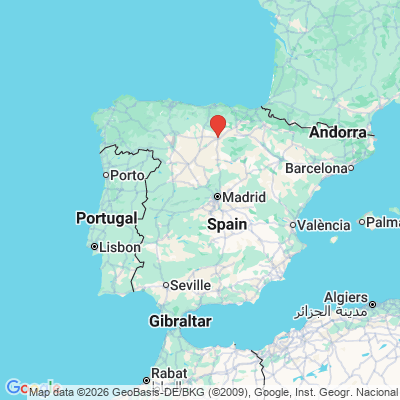
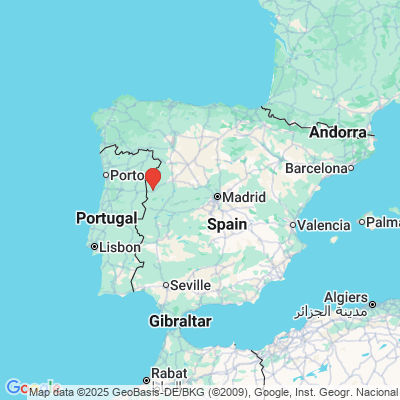
The Silent Prophets Above the Gate of Chains (Santa María de Ciudad Rodrigo, Spain)

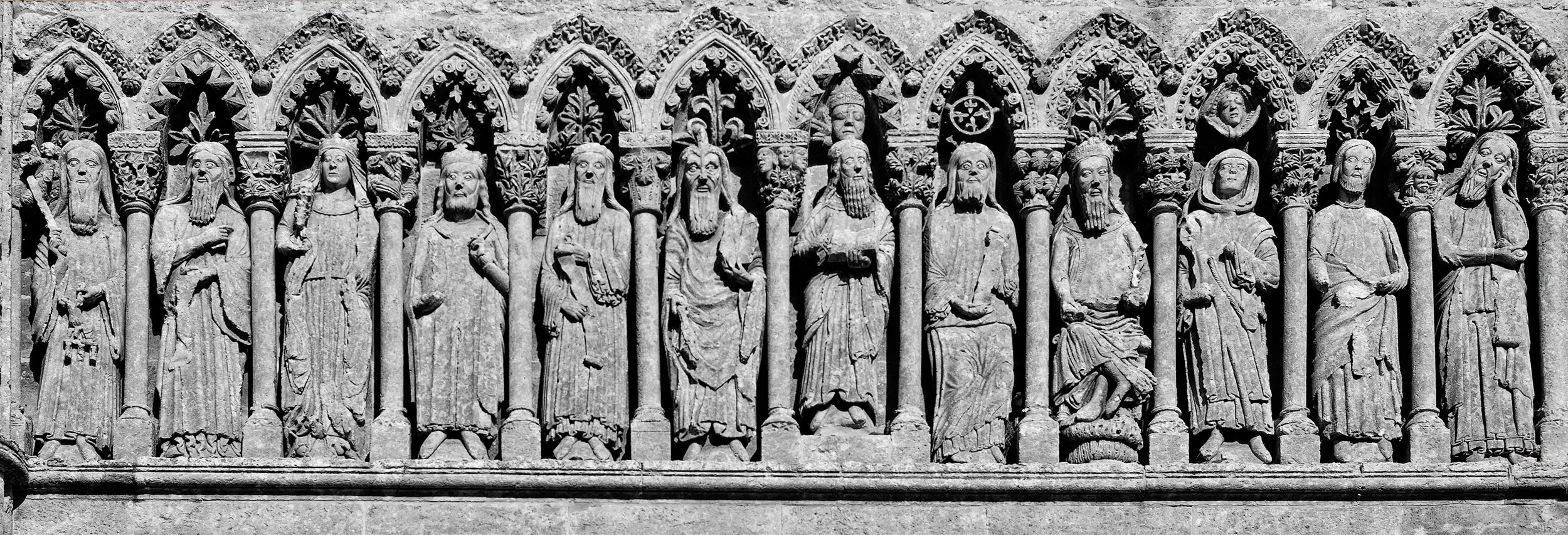
The silent guardians of the Puerta de las Cadenas of the Cathedral of Ciudad Rodrigo (13th century).

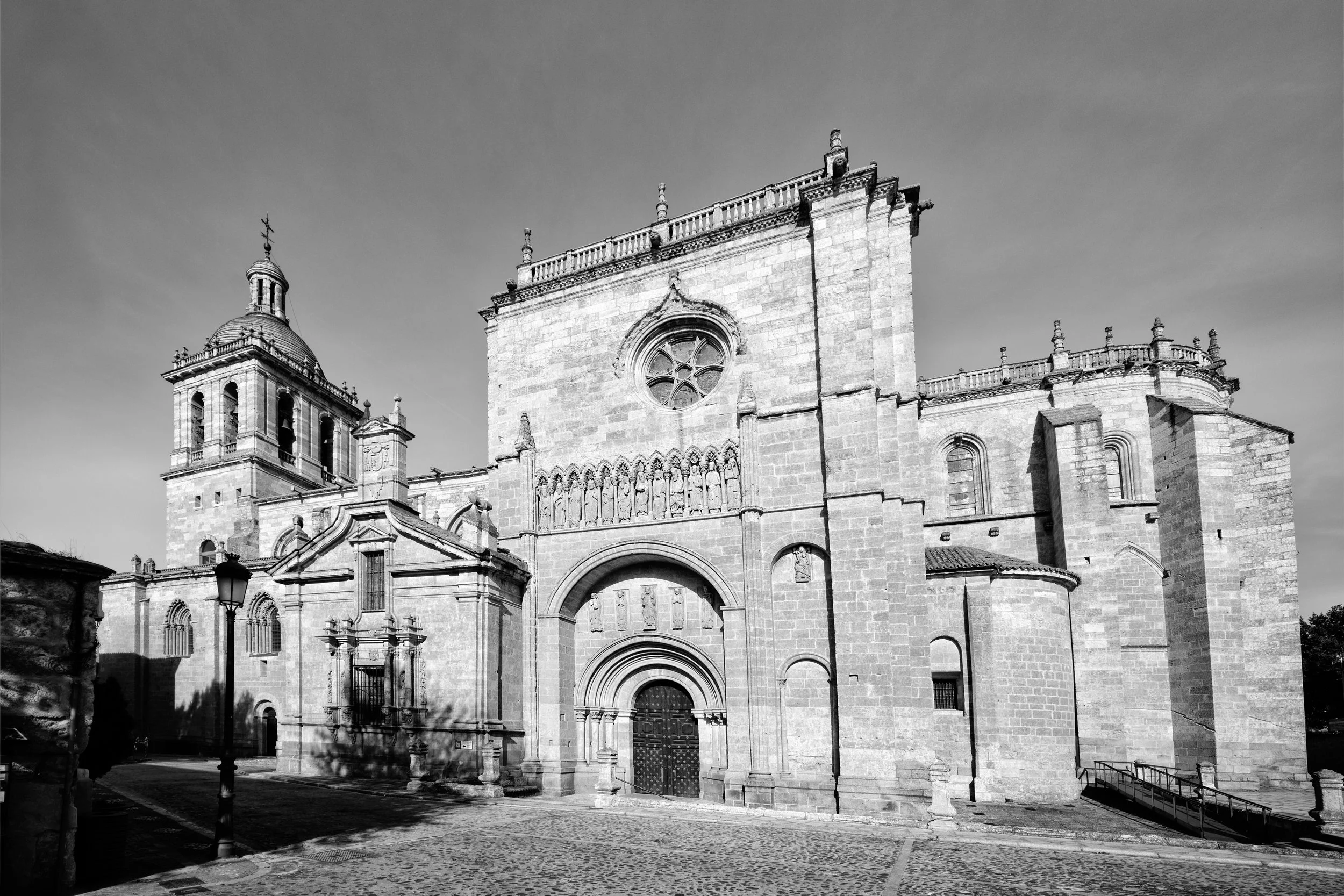
Above the Puerta de las Cadenas of the Cathedral of Ciudad Rodrigo stretches a striking frieze of Old Testament figures, carved in stone like a solemn assembly presiding over the cathedral’s northern entrance. According to Sendín, the sculptor gathered Abraham, Isaiah, the Queen of Sheba, Solomon, Ezekiel, Moses, Melchizedek, Balaam, David, Elijah, Saint John the Baptist, and Jeremiah—twelve figures who together trace the long arc of biblical history.

At the beginning stands Abraham, the patriarch of faith, followed by Isaiah holding the scroll of prophecy. The Queen of Sheba, crowned and elegant, brings a rare feminine presence, representing the nations recognizing divine wisdom; beside her, Solomon embodies that wisdom in royal calm. Ezekiel appears with the intensity of a visionary, while Moses—marked by his staff or the tablets of the Law—represents the covenant and its commandments.

Melchizedek, the mysterious priest-king who offered bread and wine, stands close to Balaam, the foreign prophet compelled to bless Israel. Their inclusion highlights the ways God’s voice, in medieval understanding, could emerge from unexpected places. David, with his crown and poetic bearing, re-establishes royal lineage before the frieze turns to Elijah, the fiery prophet taken to heaven in a whirlwind.

Only one figure belongs to the New Testament: Saint John the Baptist, the final herald before Christ, the bridge between old and new. The cycle closes with Jeremiah, carved in a gesture of lament, embodying the sorrow and longing that permeate Israel’s story.

Why place this assembly above a cathedral door? In the Middle Ages, façades were meant to teach. These prophets form a visual overture to the Gospel proclaimed inside, affirming that Christianity rises not in isolation but from a long, unfolding tradition. Together they create a threshold of memory and meaning: a carved chorus of voices preparing the visitor to step from the world into the sacred story beyond the gate.

The Cathedral of Ciudad Rodrigo (13th century) with the Puerta de las Cadenas.

Surviving Deception: The Picaresque World of Lazarillo de Tormes

Lazarillo de Tormes is a Spanish novel, published anonymously in 1554, that exemplifies the picaresque genre—a style of storytelling that follows the adventures of a roguish yet resourceful protagonist, often of low social standing, who must rely on wit and cunning to survive in a corrupt and unjust society. The story revolves around Lázaro, a poor boy born near the river Tormes, who, after losing his father at a young age, is sent by his mother to serve as an apprentice to a blind beggar. This cruel master forces him to endure hardship, but in doing so, also teaches Lázaro the harsh realities of life. Quickly, the boy learns that deception and trickery are sometimes his only means of survival.

Like many picaresque protagonists, Lázaro moves from one master to another, each encounter offering a glimpse into the different layers of Spanish society. He serves a miserly priest who hoards food while his servant starves, compelling Lázaro to develop clever ways to steal. Later, he becomes the attendant of a proud yet destitute nobleman who values his dignity above basic survival, leaving Lázaro to beg on his behalf. He also crosses paths with a corrupt seller of indulgences, whose manipulative schemes reveal the deep-seated hypocrisy within religious institutions.

Throughout his journey, Lázaro adapts, using whatever means necessary to improve his circumstances—whether through deception, strategic flattery, or sheer resilience. Eventually, he secures a stable position as a town crier and marries a woman with ties to a local priest, seemingly achieving some level of social respectability. However, true to the picaresque tradition, his success is tinged with irony, as it comes at the cost of his moral integrity and forces him to accept the very corruption he once struggled against.

With its sharp satire and unfiltered realism, Lazarillo de Tormes exposes the hypocrisy of the church, the rigid class divisions, and the daily struggles of the lower classes in 16th-century Spain. As one of the earliest and most influential picaresque novels, it presents a world where survival depends not on noble ideals, but on the ability to navigate a society built on illusion and deception.

Alfonso VIII of Castile: The Child-King Who Forged a New Castile

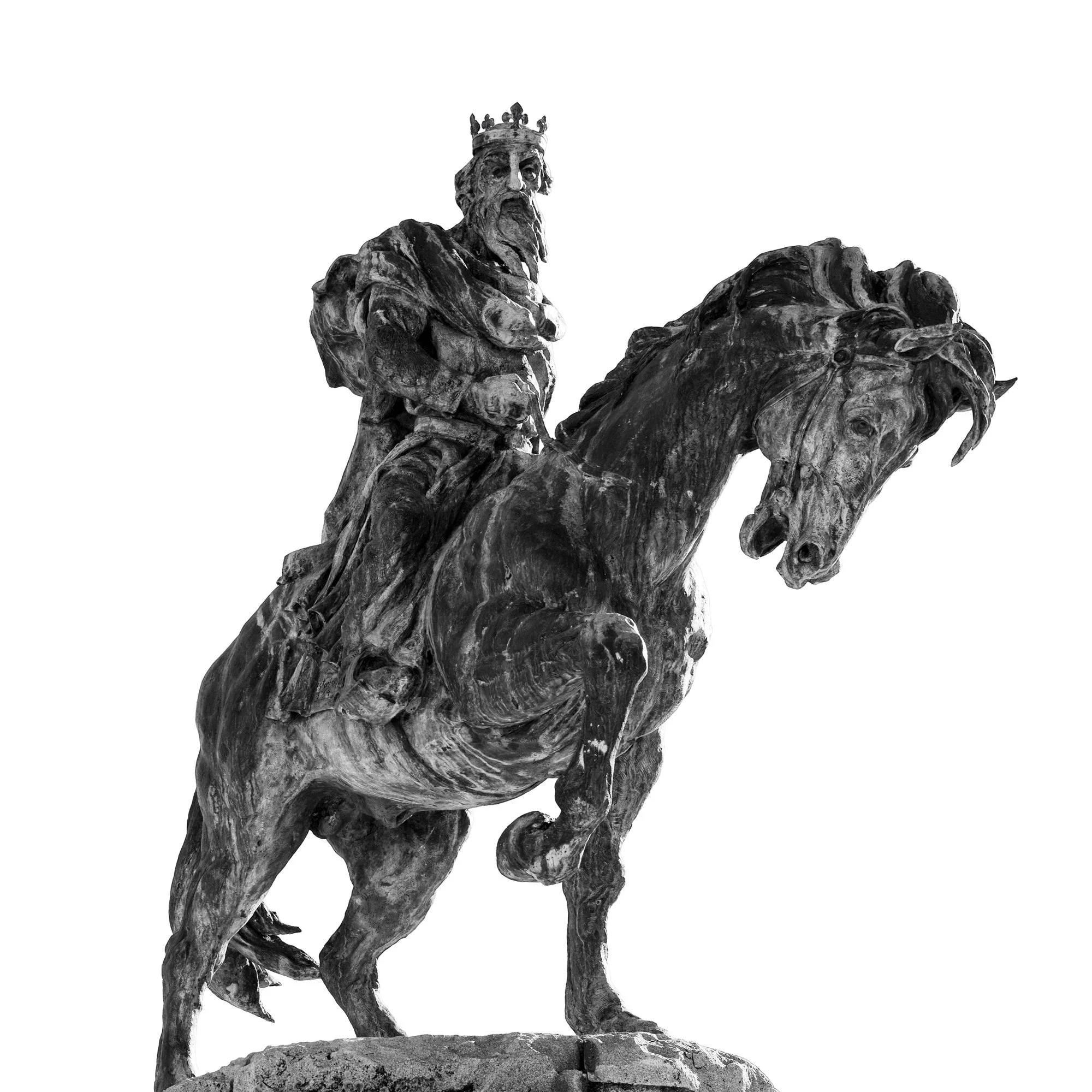
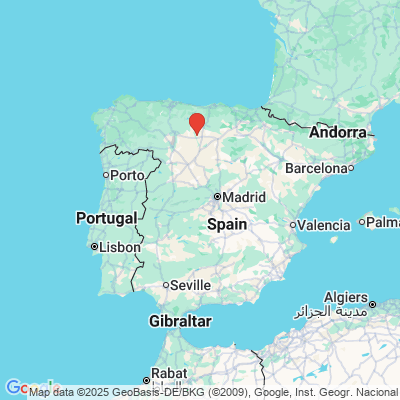
Alfonso VIII’s statue in Palencia (Spain).

Few medieval rulers left a deeper mark on Iberian history than Alfonso VIII of Castile (1155–1214). His life stretched from a fragile childhood as a contested child-king to a triumphant adulthood as the architect of a new political order on the peninsula. His reign was long, turbulent, and transformative — and the ripple effects reached far beyond Castile.

Born into Two Powerful Dynasties

Alfonso descended from two formidable bloodlines. On his father’s side, he belonged to the House of Ivrea, the dynasty that had shaped the kingdoms of León and Castile since the 11th century. His father, Sancho III of Castile, reigned only briefly, dying suddenly in 1158 and leaving the young Alfonso, barely three years old, as king.

His mother, Blanca of Navarre, connected him to the royal family of Pamplona, giving Alfonso political legitimacy on Castile’s northeastern frontier. But perhaps even more significant were the alliances forged through his marriage. In 1170, Alfonso wed Eleanor Plantagenet, daughter of Henry II of England and Eleanor of Aquitaine — two of the most influential figures in medieval Europe. This union tied Castile to the transcontinental Plantagenet empire and injected the Castilian court with new cultural and diplomatic currents.

A Kingdom He Fought to Keep

Alfonso’s early life was far from secure. Castile’s great noble houses — the Laras and the Castros — fought bitterly for control of the realm and for influence over the child-king. For years, Alfonso was moved between strongholds to keep him safe, and at one point he was even rumoured kidnapped. When he finally took full command in his teens, he inherited not a stable kingdom but a fractured one.

He spent the next decades imposing royal authority, building alliances, and expanding Castile’s reach. His conquest of Cuenca in 1177 marked one of the symbolic victories of his early reign, securing a strategic stronghold and cementing Castile’s position in central Iberia.

A Royal Family with Continental Echoes

Alfonso and Eleanor Plantagenet had a large family — at least ten children, many of whom played decisive roles in European politics:

  • Berengaria, his eldest daughter, briefly became Queen of Castile in her own right and then ensured the accession of her son, Ferdinand III, the monarch who would eventually unify Castile and León.

  • Blanche married Louis VIII of France; their son became Louis IX (Saint Louis), one of the most celebrated kings in French history.

  • Urraca, Leonor, and Constanza married into the royal families of Portugal, Aragon, and into major European noble houses, strengthening Castile’s diplomatic network.

  • Henry, Alfonso’s only surviving son, succeeded him as Henry I, though his reign was short.

Through these marriages, Alfonso became the patriarch of a web of dynastic ties that stretched across the continent, influencing France, Portugal, Aragon, England, and the future of united Spain.

The Battle That Changed Iberia

Nothing defined Alfonso’s reign more than the Battle of Las Navas de Tolosa in 1212. In a rare moment of unity, he persuaded the often-rival kingdoms of the peninsula — Castile, Navarre, and Aragon — to join forces, bolstered by crusading knights from across Europe. Their victory shattered the power of the Almohad Caliphate, the most formidable Muslim force in Iberia at the time.

This was no ordinary triumph. It ended a balance of power that had lasted generations and opened the door for the great southern conquests of the 13th century. After Las Navas, the Christian advance became almost unstoppable. Córdoba, Jaén, Sevilla — all would fall within decades. Alfonso VIII set the stage.

Why Alfonso VIII Matters for Spain

To understand the shape of medieval Spain, one must understand Alfonso. His reign marked the moment when Castile shifted from a contested frontier realm into the dominant force of the peninsula.

He was a stabilizer: a king who inherited chaos and methodically rebuilt authority. He was a diplomat: his Plantagenet marriage plugged Castile into the bloodstream of European power politics. He was a patron of learning: his foundation of the Studium Generale of Palencia signalled a dawning intellectual ambition. And above all, he was a strategist whose greatest victory reordered the Iberian world.

By the time he died in 1214, Alfonso had transformed Castile from a vulnerable kingdom ruled by baronial factions into a confident, outward-looking power — one whose heirs would eventually create a unified Spain.

A Legacy That Reaches into Modern Spain

Alfonso VIII’s life is a reminder that history often turns on the abilities of a single, determined ruler. His political instincts, his dynastic savvy, and his decisive military leadership reshaped Iberia’s future. Through his daughter Berengaria and his grandson Ferdinand III, his legacy lived on in the union of Castile and León — the nucleus of what would become the Spanish nation.

Alfonso VIII is more than a medieval king; he is a hinge in the story of Spain itself.

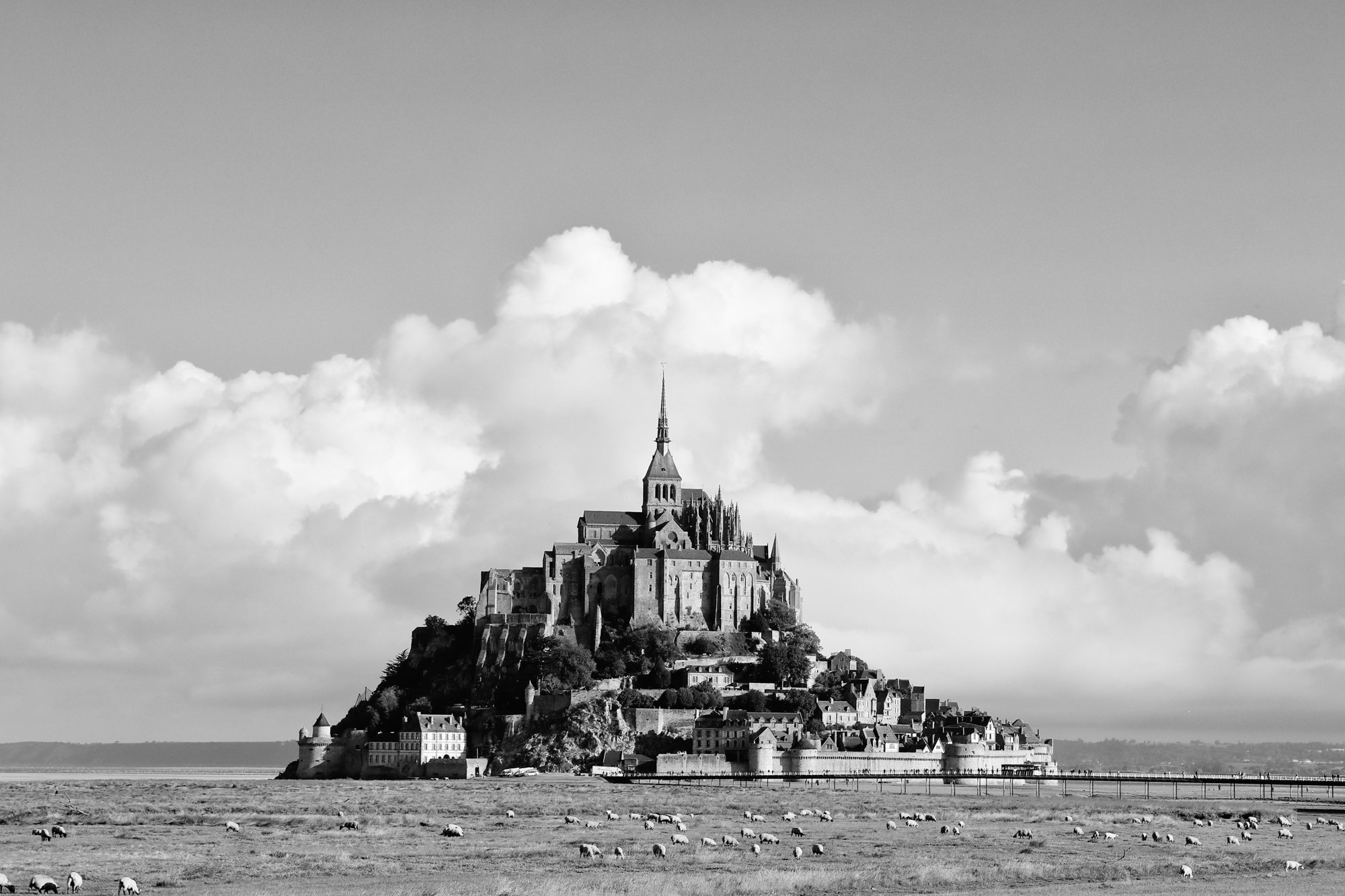
Mont-Saint-Michel

From restless tides a granite crown arose,
 Where Saint Michael’s trumpet through the ocean blows.
 To Aubert, bishop-abbot bold, the angel spoke by flame:
 “Raise me a house where heaven bears my name.”
Through storm and siege his monks obeyed,
 Stone upon stone a sky-bound fortress laid.
 Pilgrims crossed when tides lay low,
 Kings and warriors knelt below.
Vikings raided, Normans came,
 William of Volpiano shaped its frame.
 In Bayeux’s threads the conquest shone,
 Yet Michael’s rock stood all alone.
Empires raged, revolutions roared,
 Monks were scattered, faith implored.
 Victor Hugo’s voice renewed the fight,
 To guard the mount for truth and light.
Through war and shadow, Nazi years,
 The bells still rang through hopes and fears.
 Now sea and sky in wonder meet—
 A timeless crown where earth and heaven greet.

Radegonde: A Frankish Queen Who Chose the Cloister Over the Throne

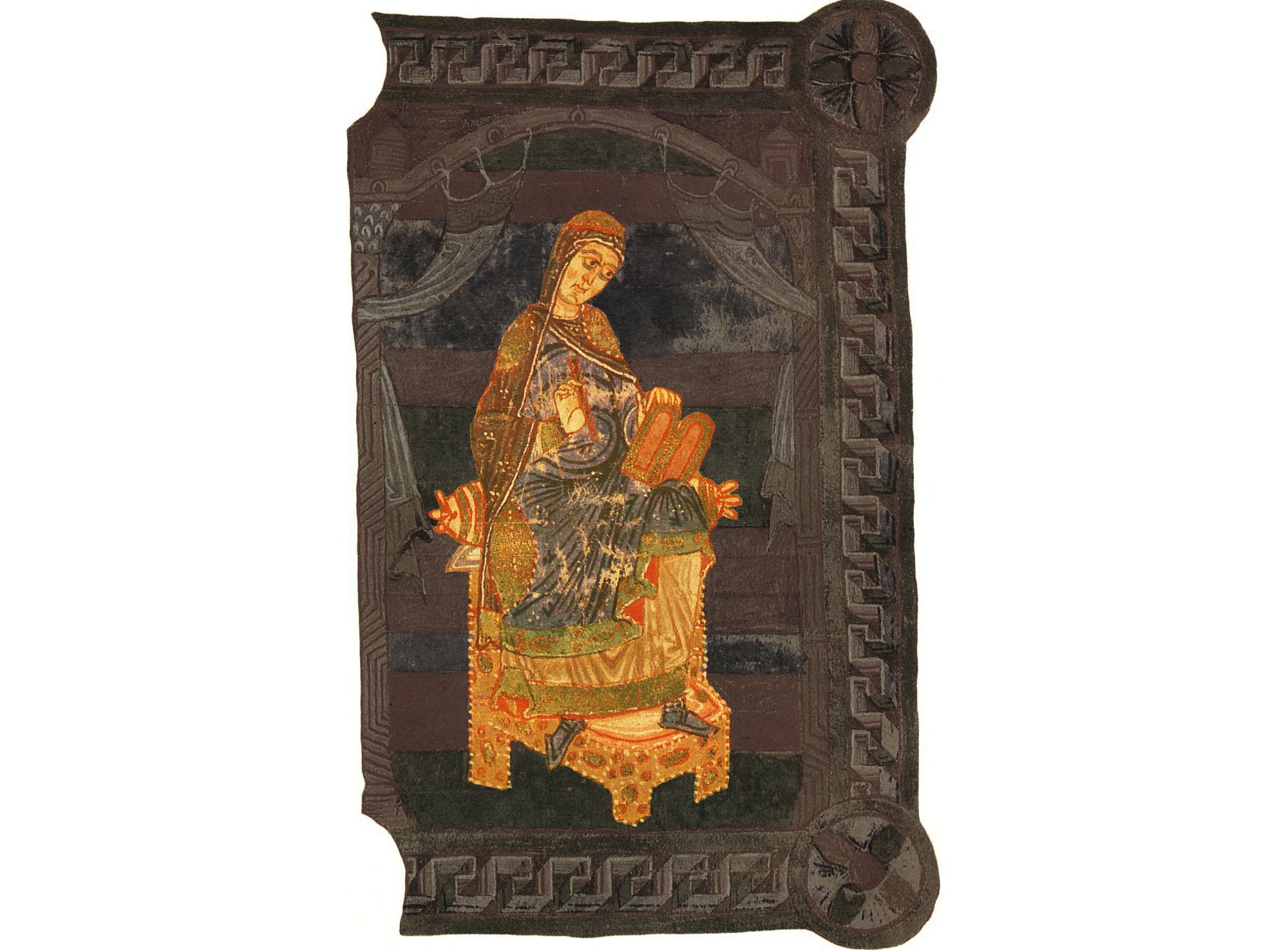
Saint Radegonde. Life of Saint Radegonde, 11th century. Poitiers Municipal Library.

When Radegonde was born around 520 CE, Western Europe was still reeling from the collapse of the Roman Empire. Gaul was ruled by the Merovingians—Frankish warrior-kings who wielded power through conquest, family alliances, and an often-brutal politics of survival. Amid these shifting frontiers, a young Thuringian princess would chart an extraordinary course that defied the expectations of her age.

Radegonde’s childhood was torn apart when Frankish armies under Clotaire I invaded her native Thuringia. Taken as a war prize to the royal villa of Athies near Soissons, she received a classical Latin education that sharpened her intellect and nourished an early Christian piety. Eventually Clotaire made her his queen. Yet the splendor of the Merovingian court—lavish feasts, precious jewels, and the intrigue of power—never captured her heart. She was known to slip away from banquets to pray on the cold stone floors of her chapel, a silent protest against the violent world around her.

That world turned bloodier still when Clotaire ordered the murder of her younger brother, fearing he might challenge Frankish rule. For Radegonde this was the breaking point. She fled the royal household and sought protection from Bishop Médard of Noyon, who, despite the king’s fury, consecrated her as a nun. Legend tells of a miraculous escape: as Clotaire’s men pursued her near Saix, newly sown oat fields suddenly sprang to full height, hiding her and two companions from view. The episode became known as the “miracle of the oats.”

Radegonde’s choice was more than a personal act of faith. It symbolized a profound shift in early medieval society. Across Merovingian Gaul, Christian monasteries were becoming alternative centers of authority—repositories of learning, wealth, and moral power that could rival kings. From her new foundation at Poitiers, the abbey of Sainte-Croix, Radegonde embodied this spiritual counterweight. She secured from the Byzantine emperor a fragment of the True Cross, turning her monastery into a major pilgrimage site and inspiring the hymn Vexilla regis, still sung in Holy Week liturgies.

Her influence reached far beyond cloister walls. By caring for the sick, feeding the poor, and mediating between warring Frankish princes, Radegonde became a broker of peace in a violent age. Gregory of Tours, the great historian-bishop of the Merovingians, portrays her funeral in 587 as a moment of immense popular devotion, the culmination of a life that had turned royal power inside out.

Radegonde’s story reminds us that the early Middle Ages were not merely an age of swords and dynasties. They were also an age when women, through the Church and the new monastic networks, could carve out spaces of autonomy and moral authority. In a world where kings ruled by might, a captive queen transformed her captivity into freedom—and in doing so became a saint whose influence outlasted the empire that once claimed her.

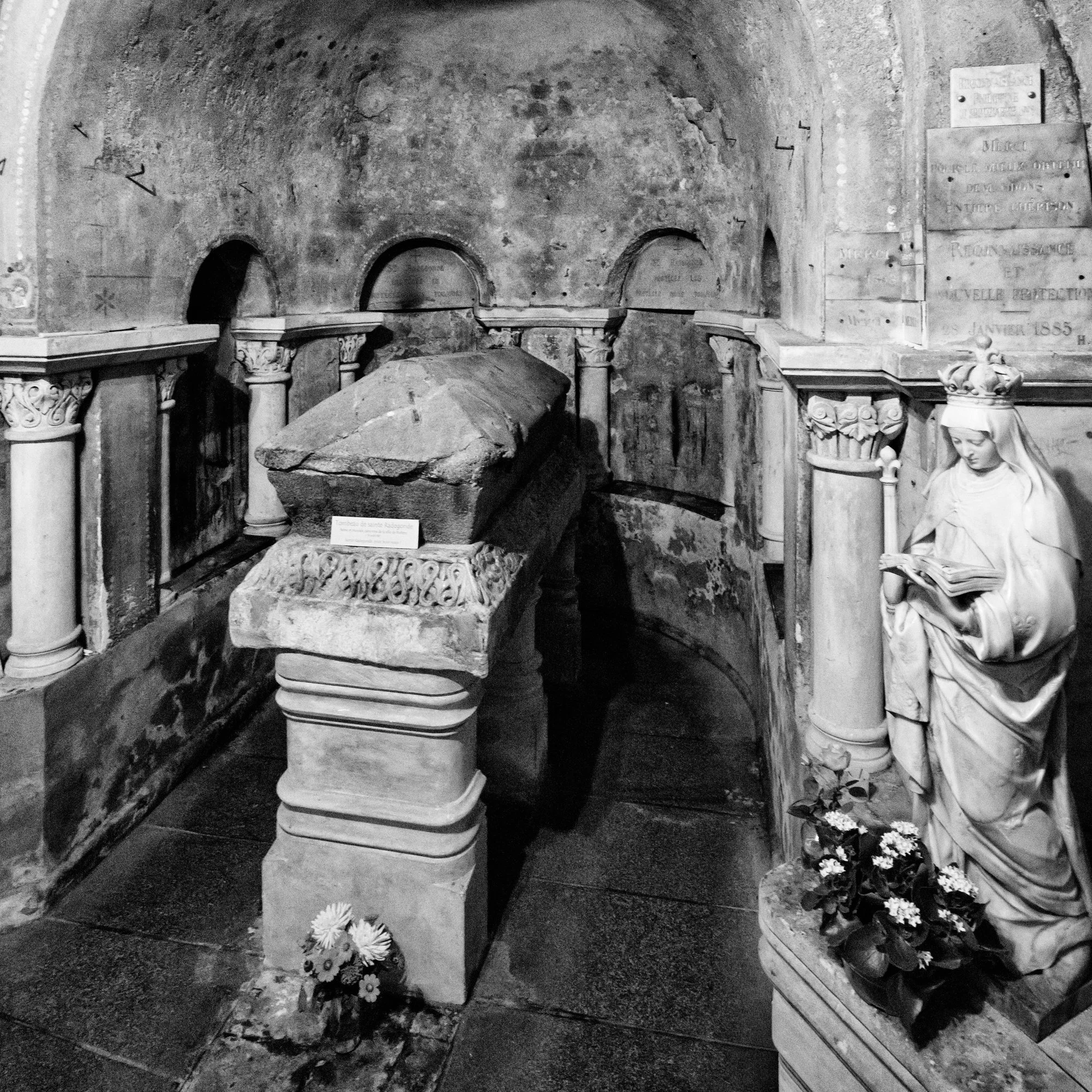
The casket of Saint Radegonde in the Church of Sainte-Radegonde in Poitiers.

Further reading

  • Gregory of Tours, History of the Franks

  • Ian Wood, The Merovingian Kingdoms, 450–751

  • Jo Ann McNamara, Sainted Women of the Dark Ages

  • Pauline Stafford, Queens, Concubines and Dowagers: The King’s Wife in the Early Middle Ages

The Castle of Vitré

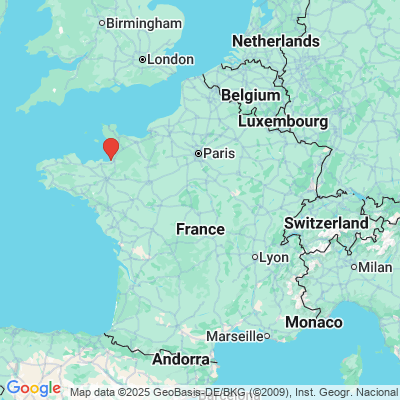
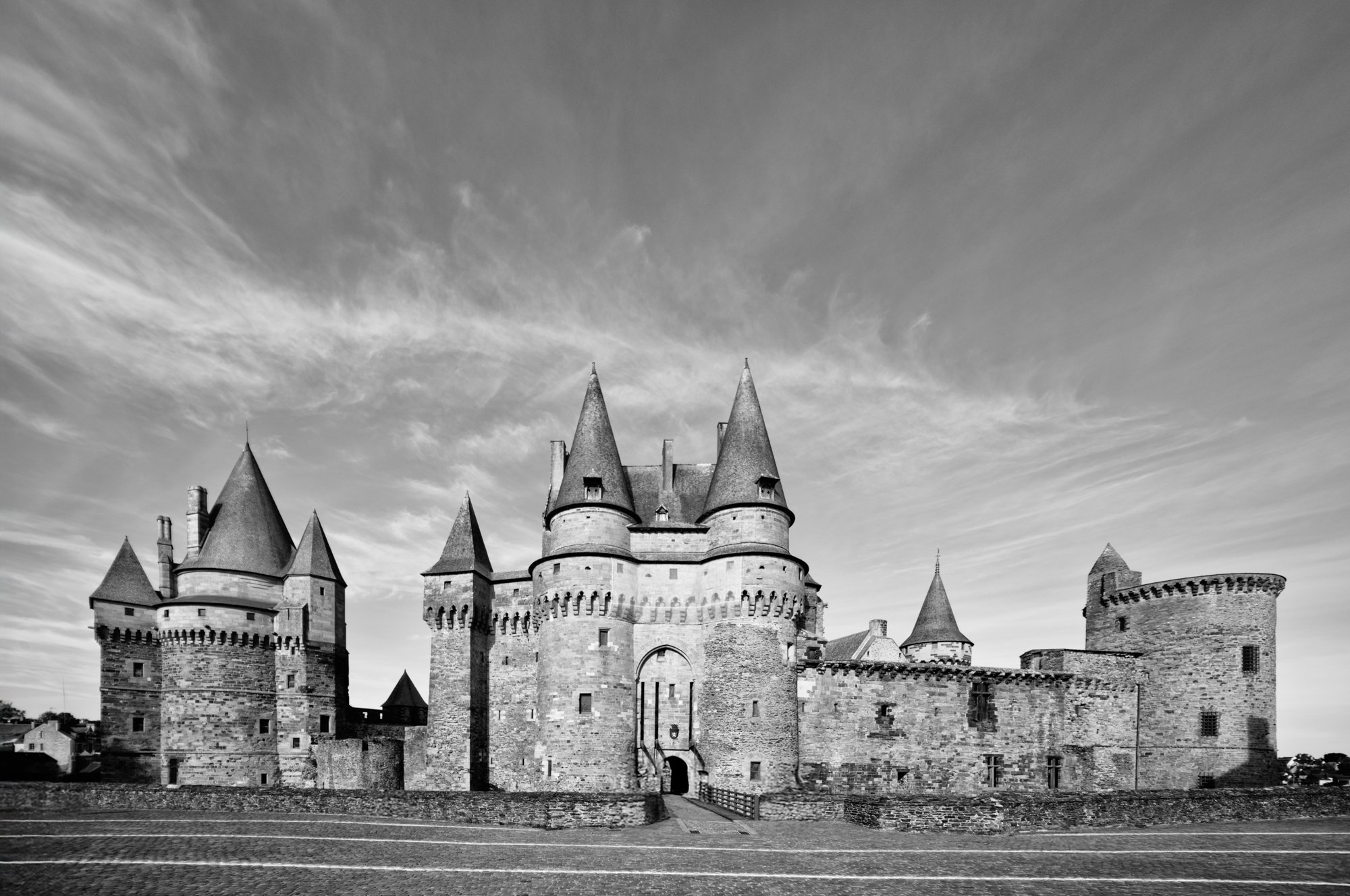
Rising above the Vilaine River in western France, Château de Vitré looks every inch the classic medieval fortress: high slate roofs, round towers with sharp conical caps, and massive granite walls that have witnessed nearly a thousand years of history. Its first stone castle was built around 1060, when the lords of Vitré needed a stronghold on the eastern frontier of the independent Duchy of Brittany.

During the 13th century, as conflicts between Brittany and the French crown intensified, the fortress was enlarged with the great gatehouse and round towers we see today. It became a keystone of the duchy’s defense. In the 14th century’s Breton War of Succession (1341–1364) the castle endured sieges and shifting alliances, holding fast as rival claimants and French armies struggled for control of Brittany.

By the 15th century, under the powerful Laval family, Vitré turned from a pure military post into a noble residence and a diplomatic stage. The Lavals—some of the richest nobles in Europe—hosted glittering feasts and negotiated marriages and alliances inside its walls. Local legend still speaks of a “Lady of Vitré” who wanders the ramparts on foggy nights, mourning battles and loves long past.

In later centuries the castle adapted to new realities. After Brittany was formally united with France in 1532, it served as an administrative center and, during the French Revolution (1789–1799), even as a prison. When romantic interest in the Middle Ages surged in the 19th century, Vitré’s fortress was carefully restored and opened to visitors.

Today its towers and halls house a museum that presents medieval arms, Renaissance furnishings, and the story of Brittany’s long struggle to keep its identity. Standing on the battlements, with the town’s tiled roofs below and the river curling beyond, you can feel how this granite sentinel once guarded a frontier—and how it now preserves the memories of nearly a millennium of French and Breton history.

The Moment I Missed — and Didn’t

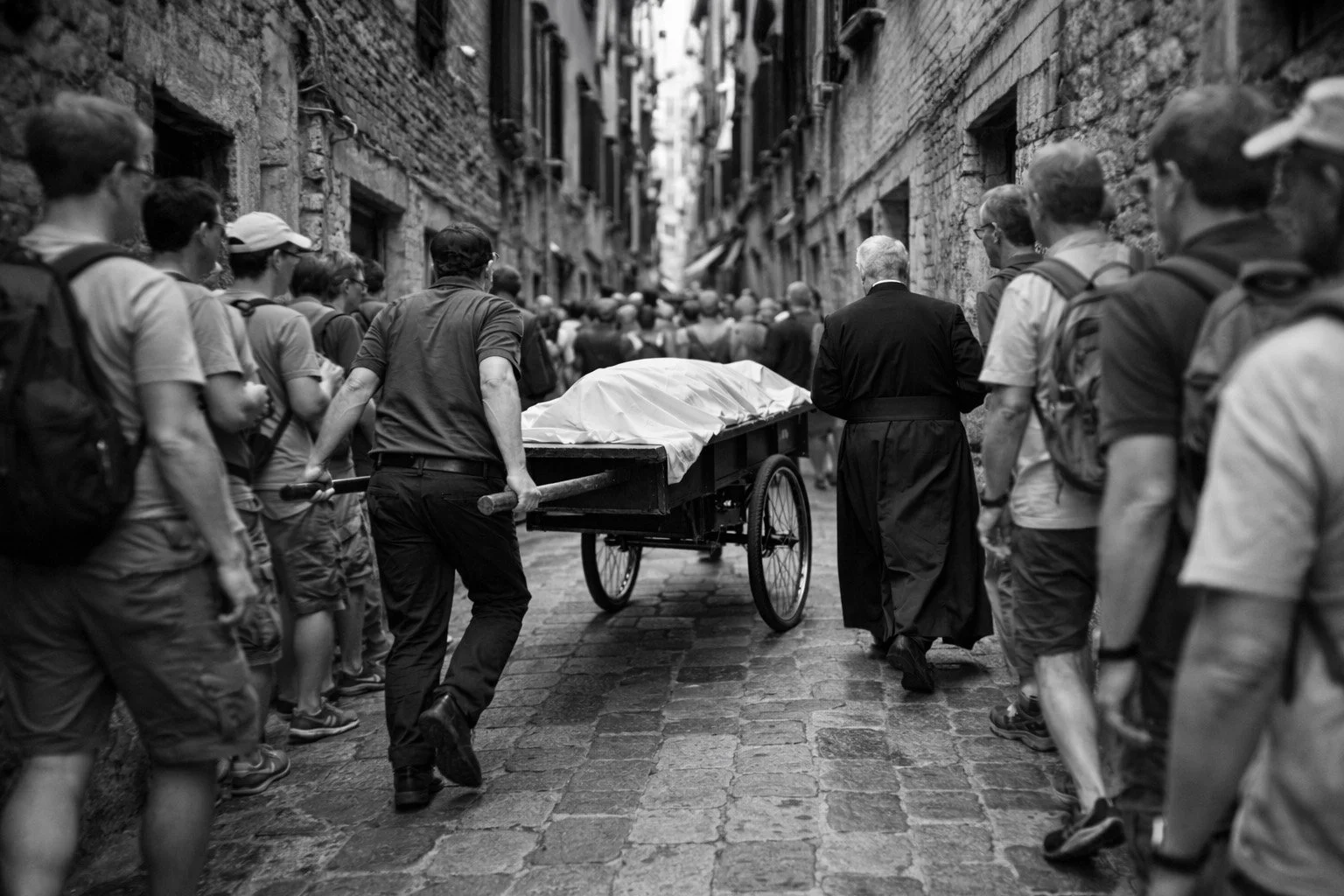
The bier in the streets of Venice (generated with AI).

Anyone who walks around with a camera knows this feeling.

You carry certain images in your head—scenes you saw clearly, moments that would have made an extraordinary photograph, if only you had been a second faster. But you weren’t. The camera was still in your bag, or your hands hesitated, or reality simply moved on. The moment vanished. The image, however, never does. It stays etched on your retina.

This time it happened in Venice.

Walking through the city as a tourist, drifting between alleys and canals, I was suddenly overtaken by something utterly unexpected: a bier mounted on bicycle wheels, pushed briskly forward. A body lay beneath a white shroud. A priest followed, visibly struggling to keep up with both the pace and his companion.

It passed in a flash.

I am convinced that more than half of the tourists around me didn’t even register what they had just seen. There were no sirens, no solemn procession—just a fleeting, almost surreal interruption of the Venetian rhythm. And then it was gone.

I never raised my camera in time. But the image lodged itself firmly in my mind.

Later, unable to let it go, I turned to AI to reconstruct the scene as faithfully as possible—not as a replacement for the photograph I failed to take, but as an attempt to give form to a moment that refused to disappear.

Some photographs are never taken. But that doesn’t mean they are lost.

Joanna’s Grief

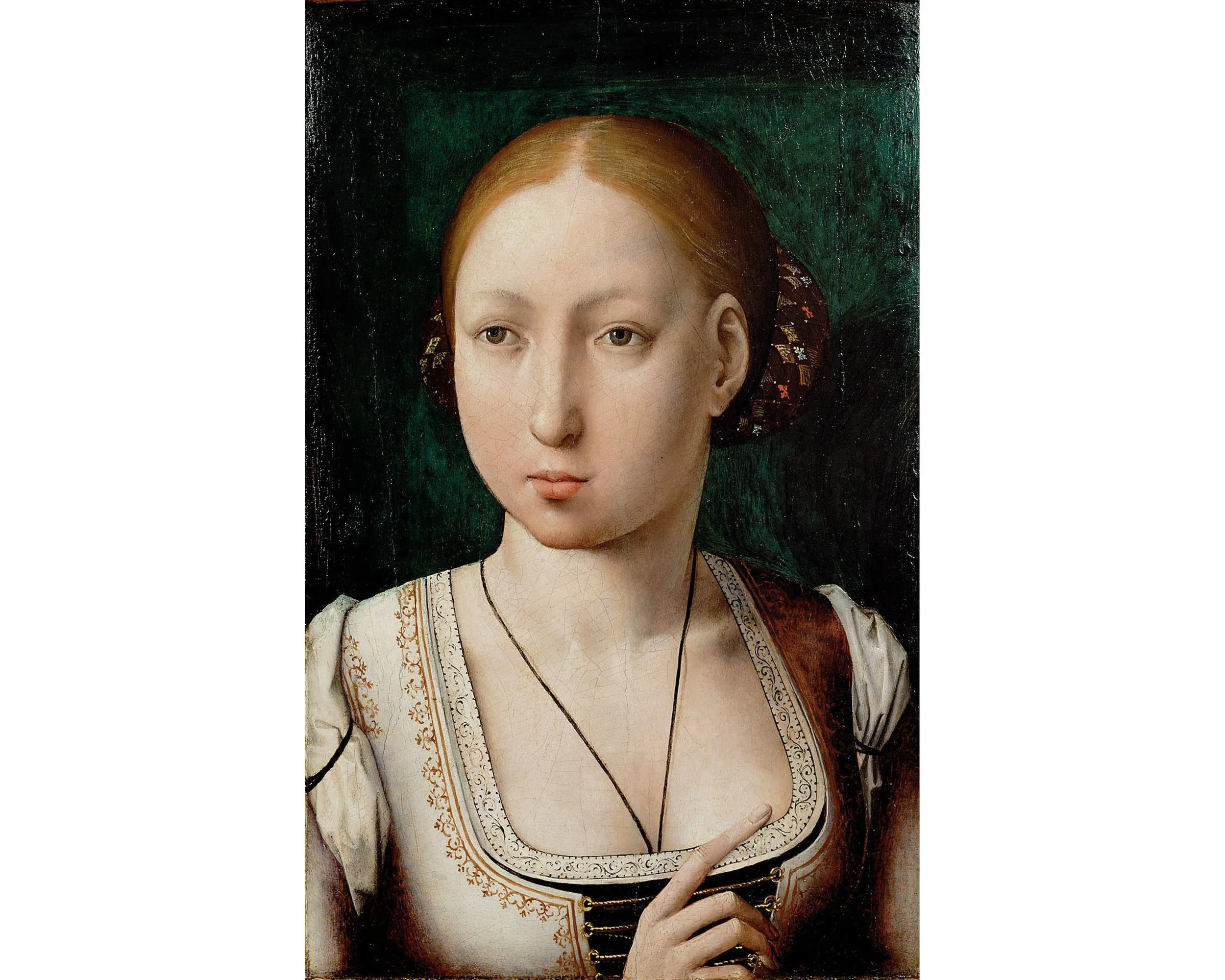
A portrait of Joanna of Castile by Juan de Flandes, ca. 1500.

As seen through the letters of Peter Martyr d’Anghiera. - Peter Martyr d’Anghiera (1457–1526) was an Italian humanist, scholar, and letter-writer who lived at the heart of the Spanish court during the reign of the Catholic Monarchs. Born in Lombardy and trained in Renaissance humanism, he came to Spain in the late 15th century, where he became tutor to princes, royal chronicler, and trusted observer of events that would change the world. His extensive correspondence (Epistolae) offers a rare, vivid view of court life, politics, exploration, and personal drama—written not as official history, but as thoughtful, often candid letters to friends across Europe.


When Philip the Handsome died suddenly in September 1506, Joanna of Castile was just twenty-seven years old. She was a young queen, newly widowed, already isolated, and the mother of several small children. Her eldest son, Charles—only six years old at the time—would one day become Emperor Charles V, but now he was a frightened child watching his mother collapse into grief. What followed shocked courts across Europe. In his Epistolae, the humanist Peter Martyr d’Anghiera describes not a legend of madness, but a human tragedy unfolding in public view.

A Grief That Would Not End

Peter Martyr was close enough to the Spanish court to witness events as they happened, and careful enough to record what he saw without turning it into rumor. In his letters, Joanna’s grief is not theatrical—it is consuming. She does not behave as a queen should. She does not follow the rituals expected of widows of rank. Instead, she clings to her dead husband with a devotion that unsettles everyone around her.

Philip’s body is embalmed, but Joanna refuses to let him be buried. Martyr writes that she keeps the coffin close, watches over it, and resists all pressure to part from it. This is not a symbolic delay. Days stretch into weeks, weeks into months. The court waits. Europe watches.

Traveling with the Dead

What most disturbed contemporaries—and what Martyr records with quiet astonishment—was Joanna’s decision to travel with Philip’s coffin. She orders the casket opened repeatedly, needing to see his face, to reassure herself that he is truly there. At night, she insists that no women be allowed near him, as if jealousy still bound her to the man she had lost.

The cortege moves slowly through Castile. Towns receive a queen accompanied by death. Priests whisper. Courtiers exchange glances. Martyr does not sensationalize the scene, but the strangeness is unmistakable. This is mourning without limits, grief that refuses containment.

A Court Without Patience

Peter Martyr’s letters make clear that sympathy quickly gave way to fear. Joanna’s behavior was not only emotionally troubling—it was politically dangerous. She was the rightful queen of Castile, yet increasingly incapable of fulfilling her role. Decisions were delayed. Authority slipped away from her hands.

Her father, Ferdinand of Aragon, watched closely. So did advisers, nobles, and foreign powers. In Martyr’s words, concern for Joanna’s soul slowly merged with concern for the stability of the realm. Compassion became calculation.

Madness or Despair?

What makes Martyr’s testimony so valuable is what he does not say. He does not call Joanna mad. He does not mock her, nor dismiss her as hysterical. Instead, his letters reveal a man deeply uncomfortable with what he is witnessing. He describes sorrow pushed beyond endurance, love turned inward, reason overwhelmed—but never erased.

Modern readers often forget how little space early-modern society allowed for uncontrolled grief, especially in women, and especially in queens. Joanna’s refusal to move on violated not only custom, but political necessity. Martyr seems to understand this tension, even as he struggles to name it.

Silence After the Coffin

Eventually, Philip is buried—against Joanna’s will. Not long after, she is declared unfit to rule. Her son Charles is separated from her and raised to govern an empire. Joanna herself will spend the next nearly fifty years confined in Tordesillas, alive but absent from power, a queen in name only.

Peter Martyr’s letters stop short of that long imprisonment, but they capture the moment when everything turns. In his Epistolae, Joanna of Castile is not yet “la Loca.” She is a young widow, devastated by loss, standing at the point where private grief becomes a public sentence.

A Human Voice in a Brutal Time

Through Peter Martyr’s eyes, Joanna’s story regains its humanity. His letters remind us that behind the labels of history—madness, incapacity, confinement—there was a woman who loved deeply and lost catastrophically. Her grief frightened a world that valued order over compassion, stability over empathy.

In that sense, Joanna’s tragedy is not only personal. It is a story about how power responds to vulnerability—and how history often mistakes sorrow for madness when it becomes inconvenient.