historic events

How a Story Sent Europe to War in 1095

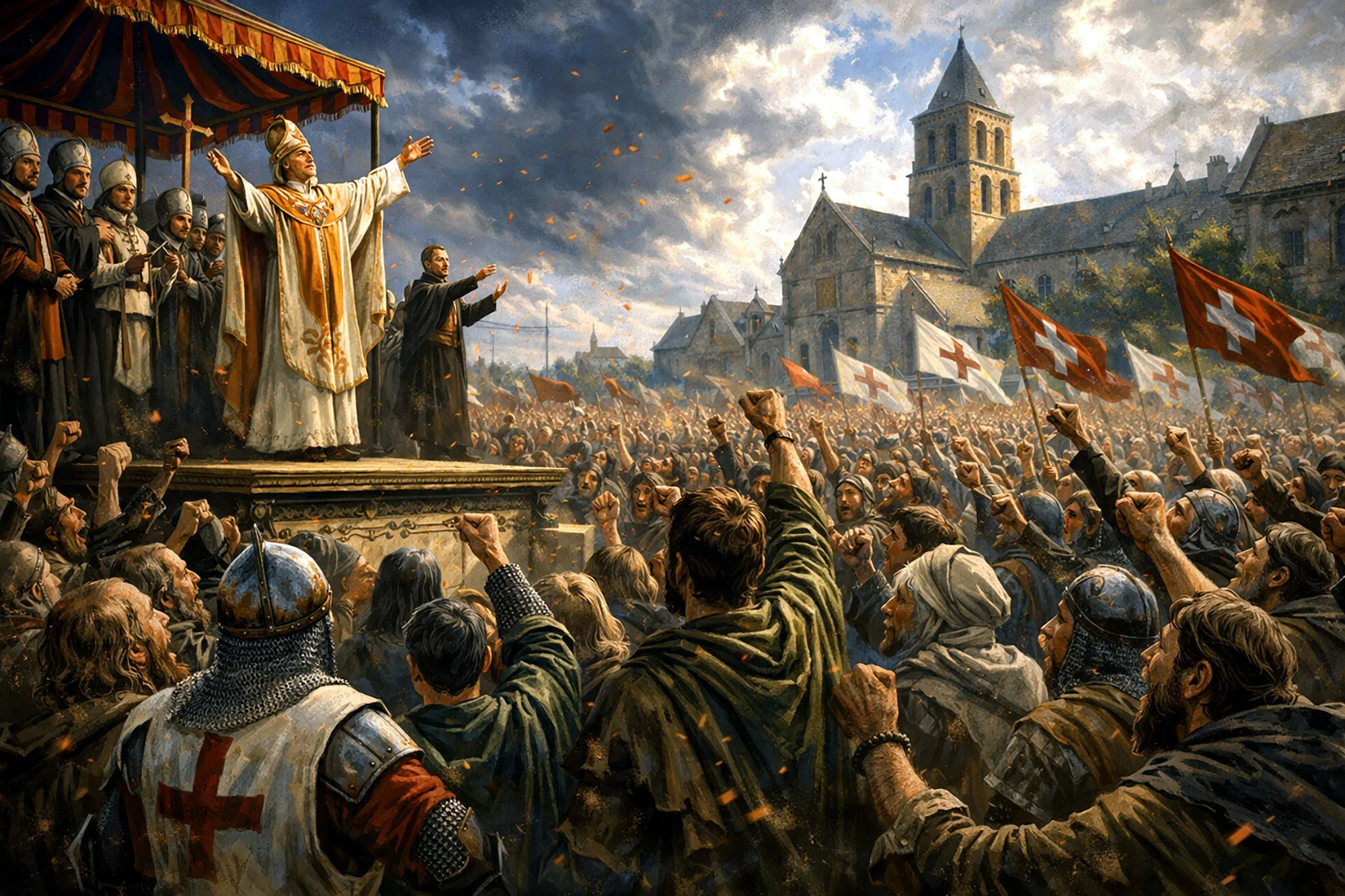
Pope Urban II addressing the crowd at Clermont, 27 November 1095 — the moment a story began to move Europe. (AI-generated image.)

Imagine a speech so powerful that within months, tens of thousands of people leave their homes, sell what they own, and begin a journey across continents — toward a war most of them do not fully understand.

No armies are conscripted. No states organise it. People simply decide to go.

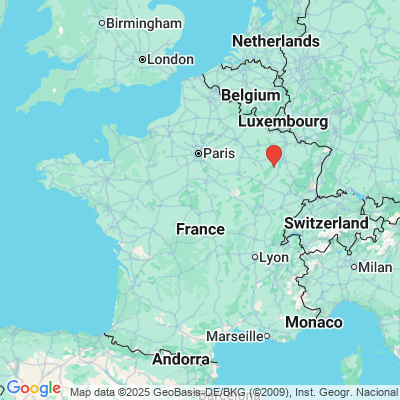
This is what happened in November 1095, when Pope Urban II addressed a large crowd in the French town of Clermont. It is often described as the moment the First Crusade began.

But there is a curious complication. We do not actually know what he said.

A Continent Ready to Move

To understand why this speech had such an impact, we need to look at Europe as it was at the end of the 11th century. Western Europe was fragmented and often violent. Local conflicts between lords and knights were common, and many men were trained for warfare with few outlets beyond small-scale disputes.

The Church had tried to contain this violence. Movements such as the “Peace of God” and the “Truce of God” aimed to limit when and where fighting could take place. These efforts had some effect, but they did not remove the underlying reality: Europe had a surplus of organised violence and a class of people skilled in using it.

At the same time, a request for help had arrived from the eastern Mediterranean. The Byzantine emperor, under pressure from advancing Turkish forces, appealed to Western Europe for military support. This created an opening — not just for a military expedition, but for something larger. It offered a way to redirect internal tensions outward and give them a new meaning.

The Speech We Never Heard

The speech at Clermont is one of the most famous moments in European history, yet no official transcript exists. What we have are several versions written years later by different authors. They broadly agree on the main ideas but differ in tone and detail.

In these accounts, Pope Urban II calls on his audience to help fellow Christians in the East. He describes suffering and danger, and in some versions, he emphasises acts of violence committed by their enemies. Most importantly, he offers something deeply compelling: spiritual reward. Those who take part will receive forgiveness of sins.

Taken together, these elements form a simple but powerful narrative. There are people like you who are suffering. Their enemies are cruel. You have the ability to help. And if you do, your actions will not only be justified, but rewarded.

We cannot reconstruct the exact words spoken that day. But we can recognise the structure of the message. It is a story that turns a distant conflict into a personal responsibility and transforms risk into meaning.

Why People Responded

The response to this call was extraordinary. Within a few years, tens of thousands of people from different regions of Europe had set out toward Jerusalem. Some were knights, others were peasants, and many had little idea of the journey ahead.

The appeal worked because it spoke to different motivations at once. For knights, it offered a new outlet for violence, one that was not only permitted but presented as virtuous. For ordinary people, it turned a dangerous expedition into a meaningful act with spiritual significance. For the Church, it helped channel internal conflict into a common cause.

But beneath these different motivations lies something more fundamental. People did not respond to a detailed analysis of the situation in the eastern Mediterranean. They responded to a story that made sense of the world as they saw it and offered them a clear role within it.

The narrative simplified a complex reality into something emotionally compelling and morally clear. That clarity made action possible.

The Power of a Story

Looking back, it is easy to focus on the events that followed: the marches across Europe, the sieges, and the eventual capture of Jerusalem. But the starting point was not a battle. It was a shared story.

The speech at Clermont shows how quickly such a story can align individual decisions into collective action. It also shows how moral framing can transform violence into something that feels necessary, even righteous.

Perhaps the most striking lesson is this: the power of the moment did not depend on precise wording. We do not know exactly what Pope Urban II said. Yet the impact was enormous.

History is often shaped not only by what happens, but by what people believe is happening — and by the stories that make those beliefs feel true.

In that sense, the First Crusade did not begin with an army. It began with a story that people chose to follow.

The Punic Wars: How Carthage Rebuilt Its Power in Iberia

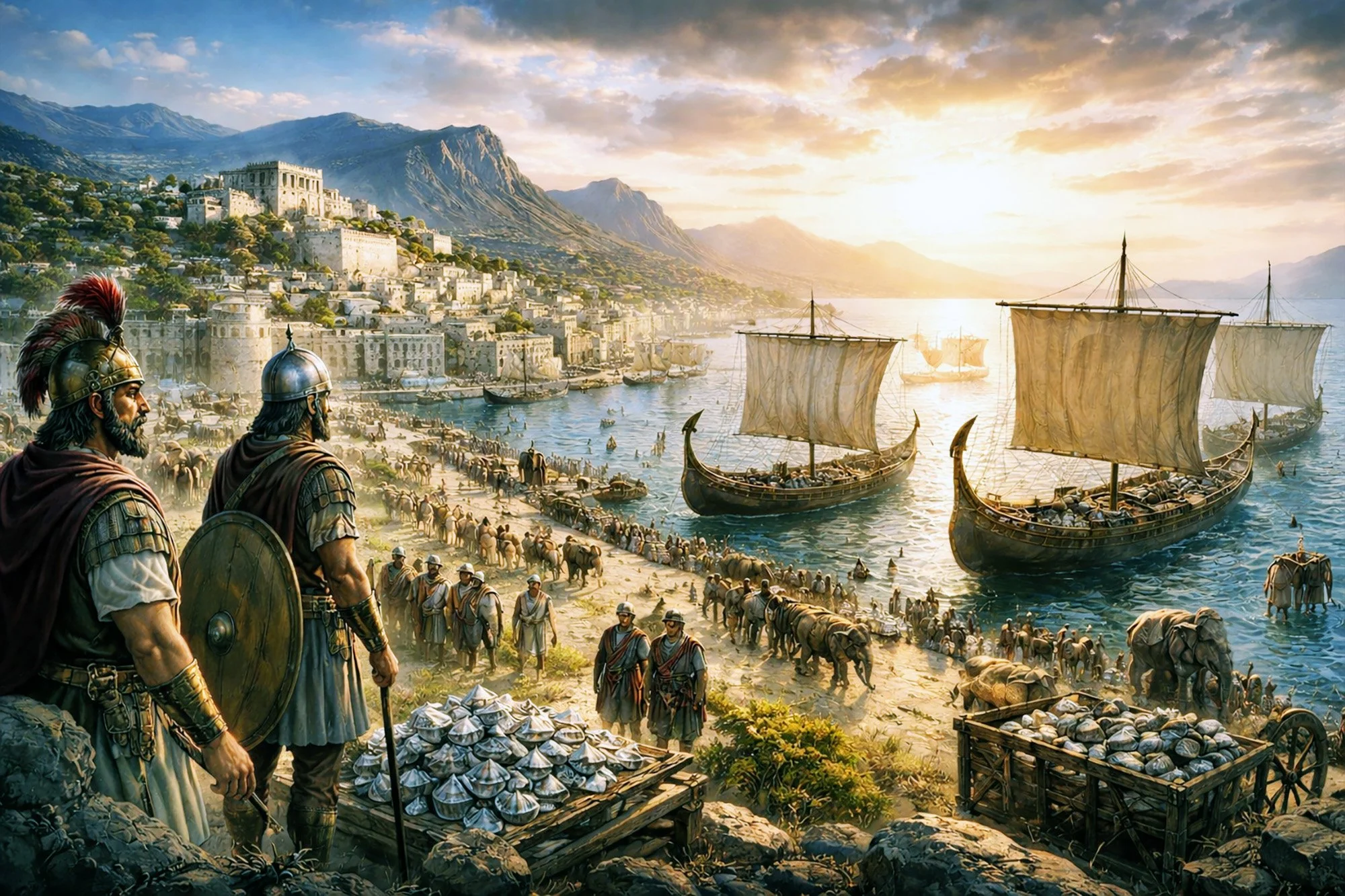
Image created with AI

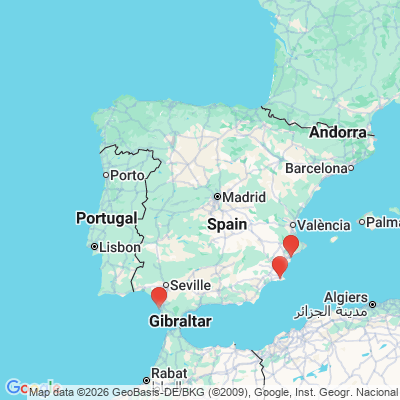
Travel today through southern and eastern Spain—from Cádiz to Cartagena, and along the coast near Alicante—and you are moving through landscapes that once played a central role in one of the greatest conflicts of the ancient Mediterranean.

Between 264 and 146 BC, Rome and Carthage fought three major conflicts known as the Punic Wars. These wars determined who would dominate the Mediterranean world for centuries. Yet one of the most important chapters of this story unfolded not in Italy or North Africa, but in Iberia, along the coasts and mining regions of what is now Spain.

The First Punic War

The rivalry began in 264 BC on the island of Sicily. Rome intervened in a local dispute and soon found itself at war with Carthage, the dominant maritime power of the western Mediterranean.

The conflict lasted 23 years. Rome, originally a land power, even built massive fleets to challenge Carthage at sea. In 241 BC, Rome finally won, forcing Carthage to surrender Sicily and pay a heavy indemnity. Soon afterwards Rome seized Sardinia, leaving Carthage weakened and humiliated. The First Punic War

But Carthage was not finished.

Turning to Iberia

After the war the city nearly collapsed during a rebellion of unpaid mercenaries. The general who saved it was Hamilcar Barca, a commander who had fought Rome in Sicily.

Hamilcar understood that if Carthage ever wanted to challenge Rome again, it needed new resources—especially money and soldiers. He found both in Iberia.

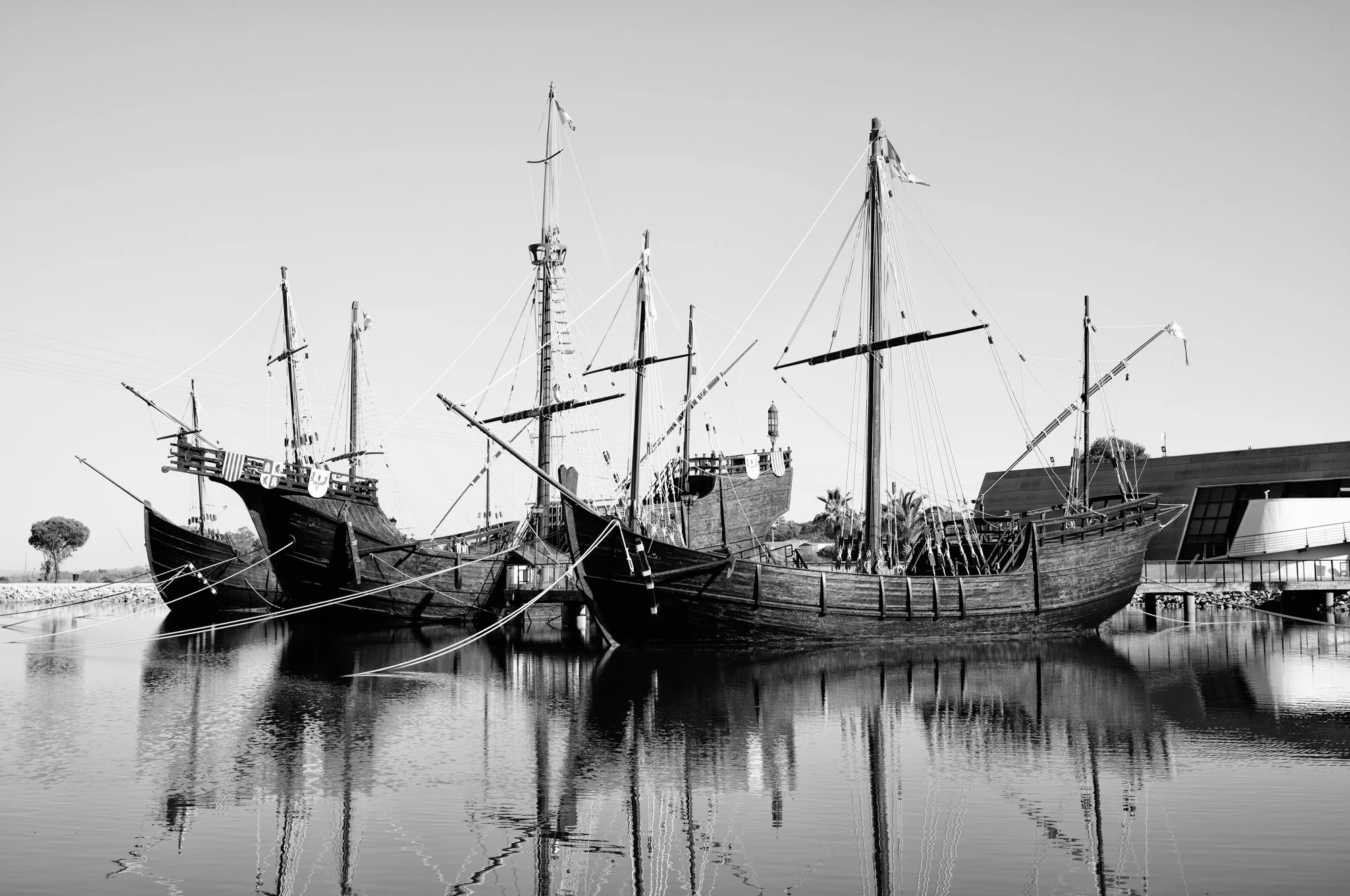
Phoenician traders had long been active along the Iberian coast. One of their oldest settlements was Gadir, modern Cádiz, founded centuries earlier as a trading port linking the Atlantic and Mediterranean. But in the 230s BC, Hamilcar began transforming Carthaginian influence in Spain into a real territorial power.

The region’s silver mines filled Carthage’s treasury, and Iberian warriors joined its armies.

Carthaginian Cities in Spain

Hamilcar’s successors continued this expansion. His son-in-law Hasdrubal the Fair founded a new Carthaginian capital in Iberia: Carthago Nova, today’s Cartagena.

The city had an exceptional natural harbor and lay close to the mining districts that financed Carthage’s growing power.

Further north along the coast lay Akra Leuke, usually identified with the area around modern Alicante. According to ancient sources, Hamilcar himself established a Carthaginian base here during his early campaigns in Iberia.

Together with Cádiz and Cartagena, these cities formed the backbone of Carthage’s Spanish power.

Among the young men growing up in this frontier world was Hamilcar’s son: Hannibal.

Hannibal’s Iberian War Machine

Hannibal spent much of his youth in Iberia, surrounded by soldiers and tribal allies from across the peninsula. The armies he would later command included large numbers of Iberian warriors, and Spain’s silver financed his campaigns.

In 218 BC, at the start of the Second Punic War, Hannibal marched from Carthaginian Spain across the Pyrenees and eventually over the Alps into Italy — accompanied, according to ancient accounts, by African forest elephants.

For years he defeated Roman armies, winning famous victories such as Cannae in 216 BC.

Yet even Hannibal could not destroy Rome.

Why Rome Survived

Rome’s strength lay in its political and military system. Roman commanders rotated regularly, creating a steady supply of competent leaders rather than relying on a single genius.

Even more important was Rome’s network of allies across Italy. These communities supplied vast numbers of soldiers, allowing Rome to rebuild its armies again and again.

Over time this system wore Hannibal down. Rome eventually defeated Carthage in 202 BC, and in 146 BC the city itself was destroyed.

Iberia’s Forgotten Role

Today the Punic Wars are often remembered for Hannibal’s dramatic march across the Alps.

But the deeper story runs through Spain.

From the ancient Phoenician port of Cádiz, to the Carthaginian stronghold of Cartagena, and the early military base near Alicante, Iberia became the place where Carthage rebuilt its power after defeat.

It was here that the silver, soldiers, and strategy emerged that allowed Hannibal to challenge Rome—and nearly change the course of Mediterranean history.

Stone Sentinels of the Pirate Coast (Costa Blanca, Spain)

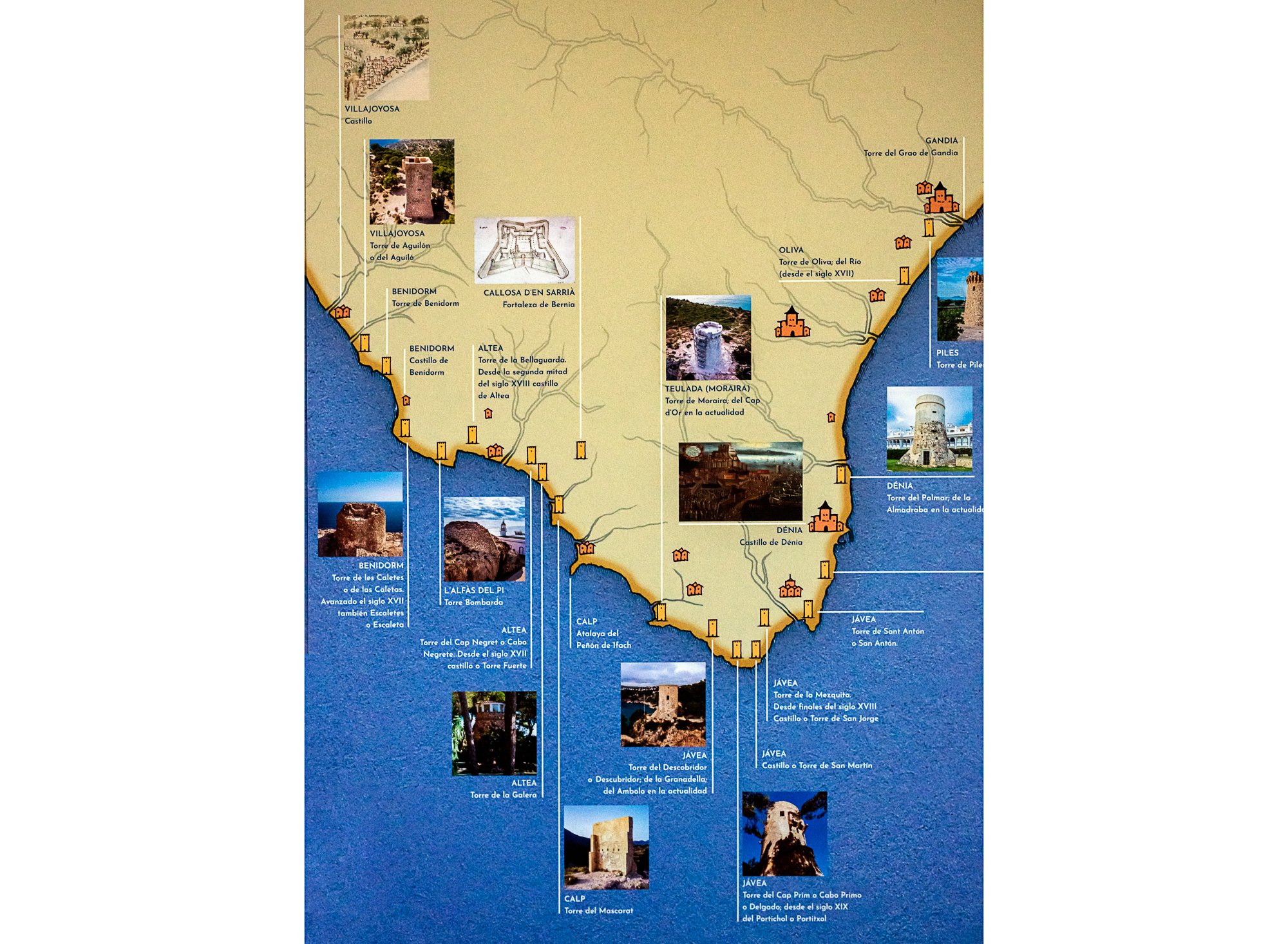
Part of a map showing the coastline of the Costa Blanca with its watchtowers. (Seen at the Museu de la Mar in Denia.)

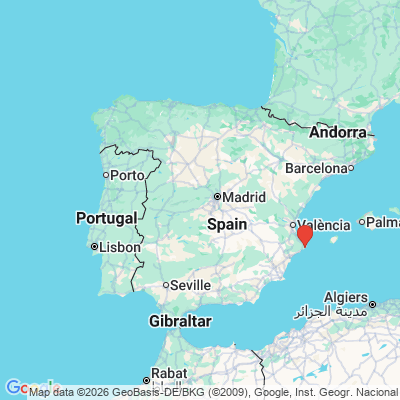
Standing on the cliffs of the Costa Blanca today, the old stone watchtowers look quiet and almost decorative. Many hikers pass them without realizing that they once formed part of a carefully designed defensive network. In the sixteenth century the Valencian coast was not a holiday destination. It was a frontier.

Across the Mediterranean lay the ports of North Africa where Barbary corsairs operated. Their ships appeared suddenly on the horizon, raiding coastal towns, looting houses and carrying captives away to slave markets. Communities along the Spanish Mediterranean lived with the constant fear that the next sail might bring disaster.

This fear was based on repeated attacks.

One of the most dramatic occurred in 1550, when the Ottoman corsair Turgut Reis (Dragut) attacked Cullera, south of Valencia. Corsair ships landed suddenly, overwhelmed the town’s defenses, and looted the settlement. Many inhabitants were captured and taken across the Mediterranean to be sold as slaves. The attack shocked the region and reinforced the urgency of improving coastal defenses.

Further south, Villajoyosa faced a similar threat in 1538, when Barbary corsairs attempted to land and plunder the town. The inhabitants managed to resist the attack, but the event revealed how vulnerable the coast was to sudden amphibious raids. It is still remembered today in the town’s Moros y Cristianos festival.

These raids were part of a wider Mediterranean conflict. Corsair fleets connected to the Ottoman world — commanded by figures such as Hayreddin Barbarossa and his lieutenants — regularly attacked Christian coasts. Their goal was often not conquest but profit: prisoners, livestock, goods and ransom.

Spain’s response was both practical and surprisingly modern.

In 1554, the Italian military engineer Giovanni Battista Antonelli travelled more than 500 kilometers along the Valencian coast with the viceroy of the kingdom. After inspecting the shoreline he proposed a coordinated defensive system built around roughly fifty watchtowers positioned on cliffs and strategic headlands.

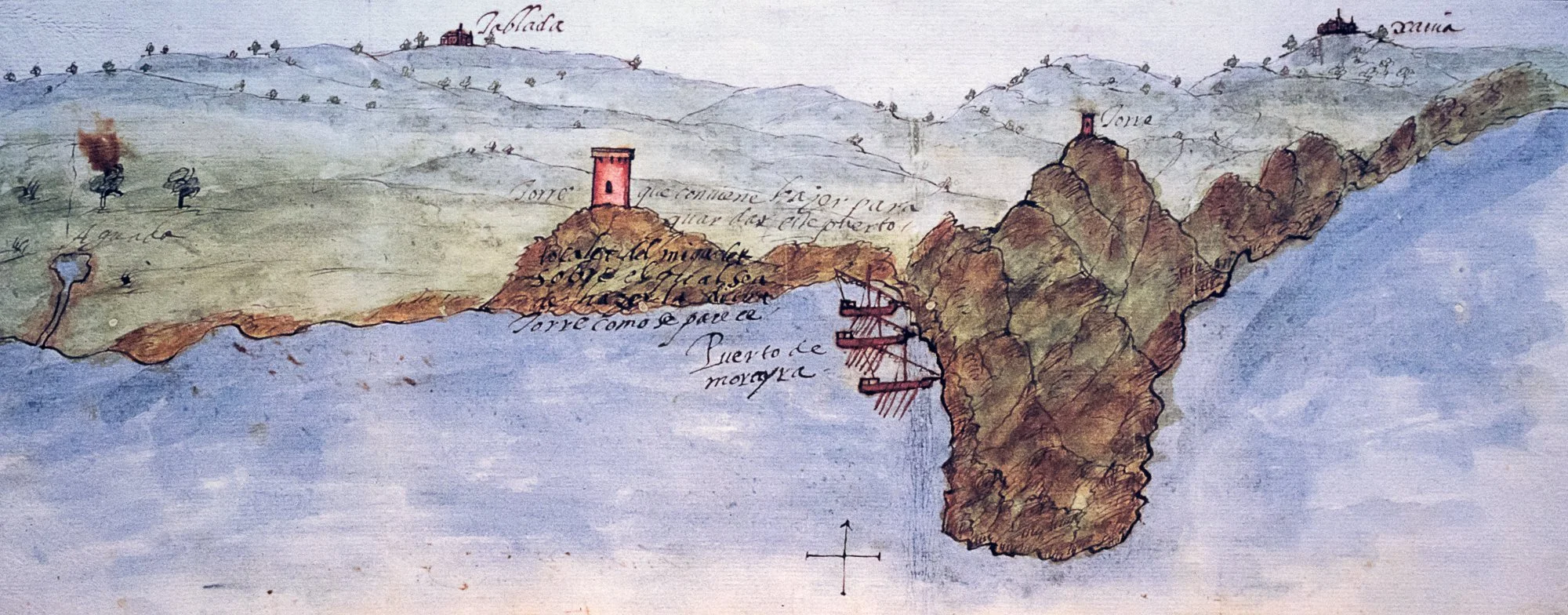
Drawing of the port of Moraira and a proposed watchtower for Moraira and the island of Benidorm Island, created in 1596 by the military engineer Cristóbal Antonelli. The document illustrates the planning of the coastal watchtower network built to defend the Kingdom of Valencia against Mediterranean corsair raids.

The concept was simple but effective.

Each tower had a clear line of sight to the next. When lookouts spotted suspicious ships, they lit signal fires or raised smoke signals. The warning travelled rapidly along the coast, alerting inland towns and castles. Within minutes an entire stretch of coastline could prepare for an attack.

What appear today as isolated ruins were once parts of a coastal communication network.

The project reflected the ambitions of Philip II, who invested heavily in mapping and documenting his territories. Engineers, surveyors and cartographers worked together to understand the landscape and strengthen its defenses. One of the first maps to show the system was produced in 1584 by the Flemish cartographer Abraham Ortelius, depicting the Kingdom of Valencia and its chain of coastal towers.

The towers themselves varied in shape. Some had circular bases with sloping walls designed to deflect cannon fire, while others were square. Most housed a small garrison and a signal platform from which guards scanned the horizon.

Financing such a system required substantial resources. The Crown coordinated the project, but much of the funding came from regional revenues and local communities. In Valencia, part of the money came from taxes linked to the thriving silk industry, whose trade enriched the region during the same period.

Over time the chain extended along much of the Valencian shoreline. Later maps from the seventeenth and eighteenth centuries still show more than fifty towers, demonstrating how long the system remained important.

Today many of these towers survive, scattered between modern resorts, pine forests and rocky headlands. Some have been restored, others stand as weathered fragments above the sea.

Seen from the cliffs today they may look like lonely monuments. In reality they were once the eyes and ears of an entire coastline — silent sentinels guarding a Mediterranean that was, for centuries, a pirate frontier.

Clovis and the World He Lived In: Europe Between Empire and Kingdoms

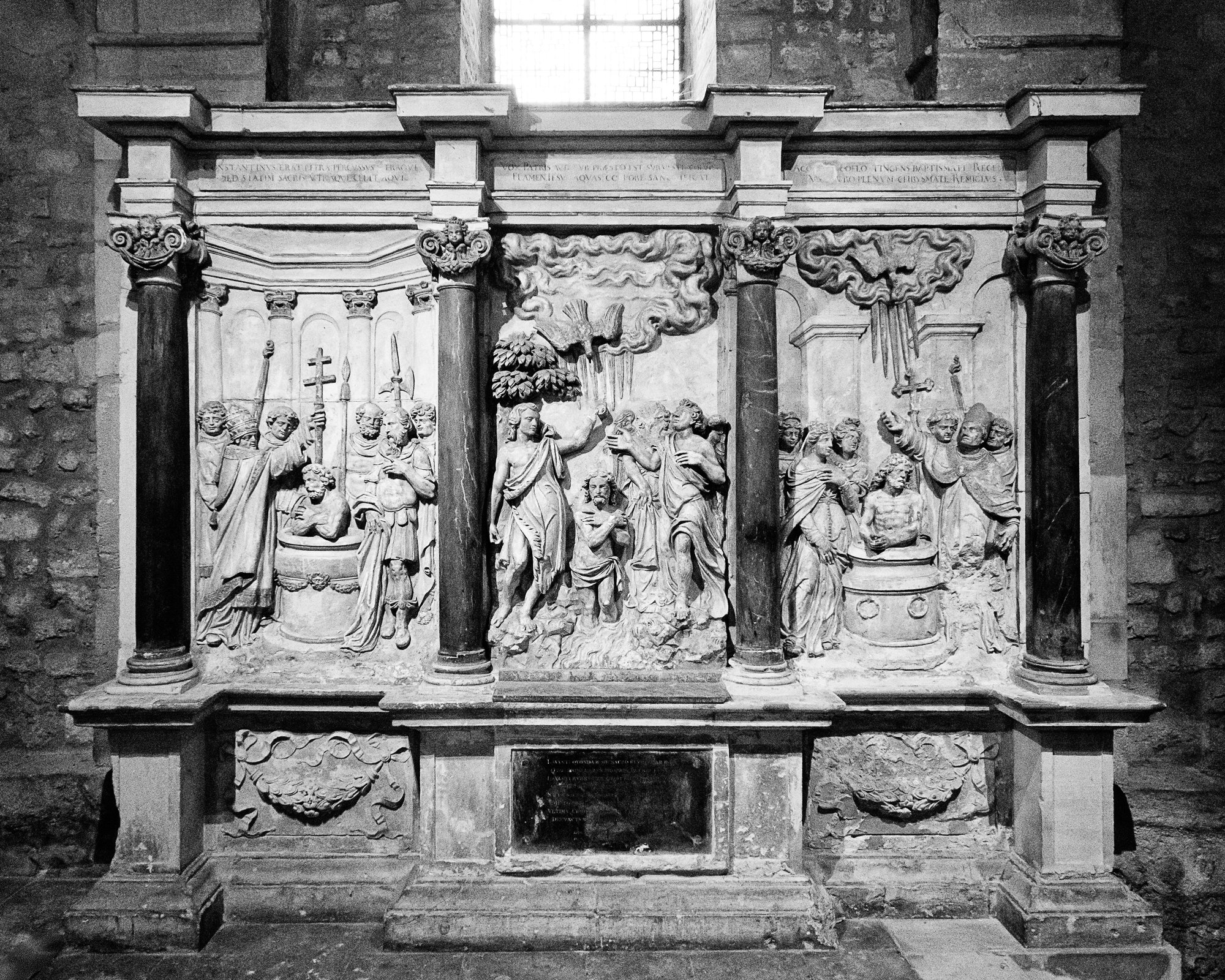
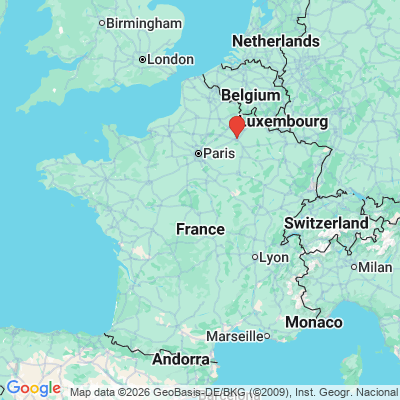
Retable des Trois Baptêmes, 1610 — Basilique Saint-Remi, Reims (France), attributed to Nicolas Jacques

This monumental altarpiece can be seen today in the Basilica of Saint-Remi in Reims, one of the most important historic churches of France. It was created in 1610 and is usually attributed to the local sculptor Nicolas Jacques. The work stands in the former baptistery area of the church, where generations of visitors have encountered it as both a religious and historical statement.

The altarpiece depicts three key baptisms that together tell a powerful story. In the centre, Christ is baptised in the River Jordan by John the Baptist, representing the spiritual foundation of Christianity. On the left, the Roman emperor Constantine receives baptism, symbolising the moment when Christianity moved from a persecuted faith to a religion supported by imperial power. On the right, the Frankish king Clovis is baptised by Saint Remi in Reims, an event traditionally seen as the birth of Christian France. The work therefore presents not only a religious message, but also a political one: it connects faith, authority, and the formation of European identity through a visual narrative that links the origins of Christianity to the emergence of Christian kingdoms in Europe.

If you travel across Europe today — from the Rhine valley to northern France — you move through landscapes shaped by a long and uncertain transformation rather than a single dramatic event. Somewhere between the fading structures of the Roman world and the emergence of medieval kingdoms, a young Frankish leader named Clovis rose to prominence. His name is often linked to the birth of France, but his real importance lies elsewhere. Clovis lived at a moment when old certainties were disappearing and new forms of power, identity and belief were still being invented.

A World in Flux

The centuries before Clovis were not simply the “fall of Rome.” They were a period of slow change. The Roman Empire did not collapse overnight. Instead, it adapted, fragmented and gradually lost direct control over large parts of its western provinces.

One symbolic moment often mentioned is the winter of 406. Groups such as Vandals, Suebi and Alans crossed the frozen Rhine. Yet this was not the first time such groups had entered the Empire. The crucial difference was that this time many stayed. New communities settled inside the Roman world and became part of it. The old frontier between “Romans” and “barbarians” began to dissolve.

Gaul, the region that roughly corresponds to modern France, became a mosaic of peoples. Goths ruled in the south, Burgundians in the Rhône valley, and various Frankish groups lived along the Rhine. Many of these leaders still served the Roman Empire as allies or military commanders. They were not outsiders attempting to destroy a civilisation. They were participants in a changing imperial system.

In this new world, identities were flexible. A man could be a Frank, a Roman citizen and a soldier at the same time. Borders mattered less than loyalties, alliances and opportunities.

Violence, Crisis, and Opportunity

The 5th century was a time of insecurity, but also of innovation. Wars, migrations and power struggles reshaped society. Local elites struggled to maintain order. Cities declined in the north. Central authority weakened.

At the same time, new political models emerged. Leaders who had once commanded Roman troops began to take on civil responsibilities. When imperial administration disappeared in some regions, local strongmen became protectors, judges and negotiators.

This was not universal collapse. In many areas daily life continued. People farmed, traded, prayed and adapted. Christianity spread and became a powerful source of cohesion. Bishops, monks and saints increasingly played roles once held by imperial officials.

The Roman Empire itself did not simply vanish. Even after the famous year 476, many rulers in the West still recognised the emperor in Constantinople. Coins, laws and political language continued to reflect Roman traditions.

The world was changing, but its foundations remained deeply Roman.

The Franks: Not One People, but Many

The Franks were not originally a single nation. The name itself was given by Roman authors to various groups living near the Rhine. These communities could unite or divide depending on circumstances. They were farmers, warriors, traders and often Roman soldiers.

Over time their leaders gained prestige. Some served the Roman army. Others fought against it. Many did both. Their world was shaped by constant contact with Rome: military organisation, wealth, religion and political ideas all flowed across the frontier.

Clovis inherited this complex world. His father, Childeric, was likely both a Frankish leader and a Roman military commander. He operated within the late Roman system even as it weakened.

Clovis in His Own Time

When Clovis came to power around 481, imperial authority in north-western Europe had already become regional and fragmented. The scale of his domain was modest compared with the Roman Empire, and for most of his contemporaries he was simply one regional leader among many.

His achievement was not the creation of a vast empire, but the consolidation of power in northern Gaul. He managed to unite different Frankish groups, defeat rival rulers and expand his influence. He built a durable political centre in a landscape where authority had become local rather than imperial.

Perhaps his most decisive move was religious.

The Conversion That Changed Europe

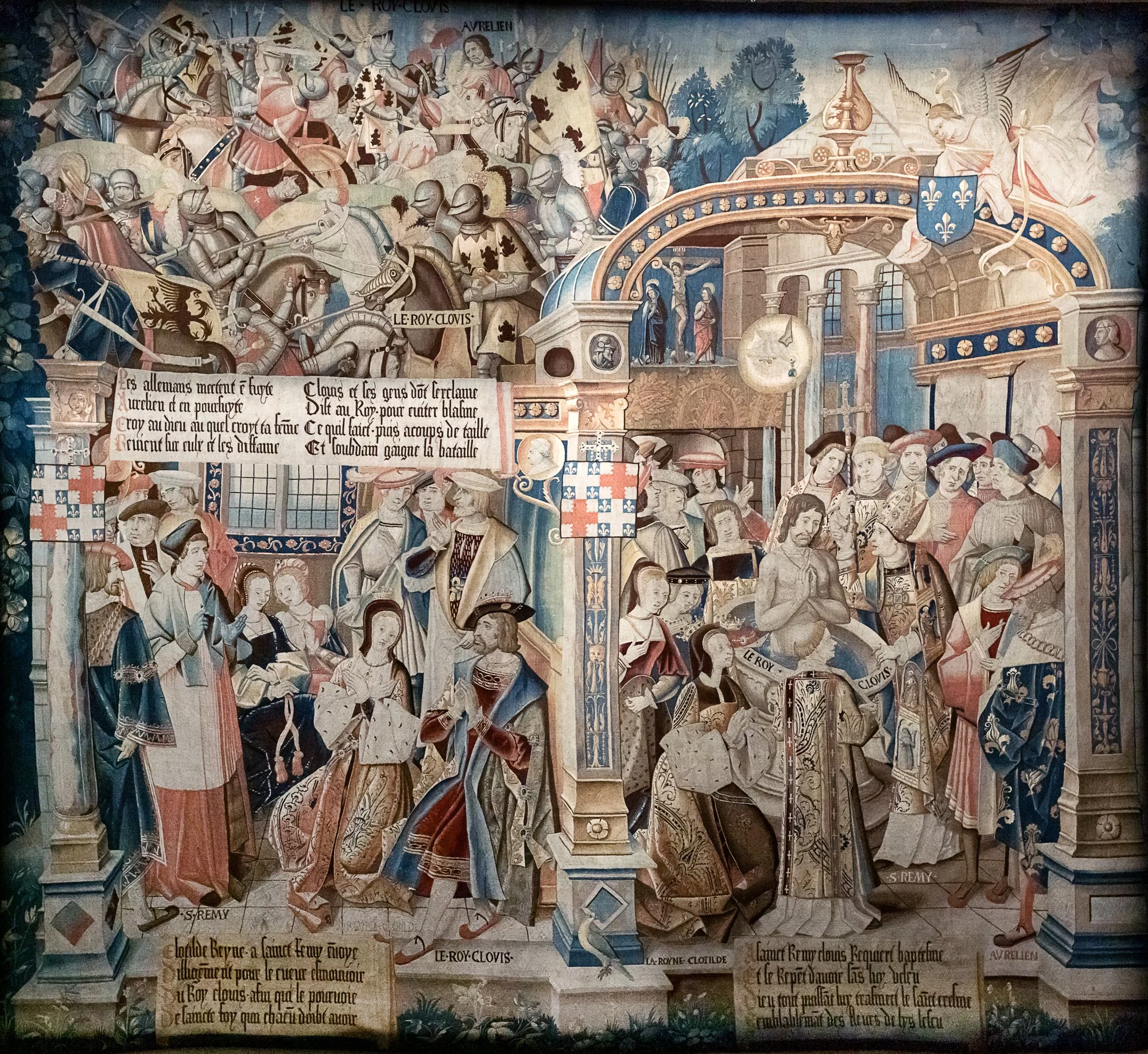
Most rulers in the post-Roman West were already Christian, but many followed Arian Christianity, which differed from the Catholic faith of most Roman communities in Gaul. Clovis’ decision was therefore not simply between paganism and Christianity, but between different forms of the faith. Influenced in part by his wife Clotilde, a Catholic Burgundian princess, he increasingly leaned toward Catholic Christianity. Around the year 500, he was baptised in Reims by Bishop Remigius, a moment that marked both a personal conversion and a political alignment with the Catholic elites of Gaul.

This was a strategic decision. It aligned him with the Roman elites, bishops and urban communities of Gaul. It gave him legitimacy among the population he ruled. It opened alliances that strengthened his position.

Yet this choice was not inevitable. His family was religiously diverse. Pagan traditions still existed. The religious world of the time was fluid and contested.

His conversion helped create a new political and cultural synthesis: Roman, Christian and Frankish.

From Imperial Regions to Medieval Europe

Clovis did not replace the Roman Empire, nor did he rule anything close to its scale. What makes his reign significant is that it illustrates a broader transformation. Across western Europe, imperial authority was giving way to regional kingdoms that preserved many Roman practices while adapting them to new realities.

Clovis’ kingdom was one of several such experiments. But it proved durable. His successors maintained and expanded it. Over time this political structure became the foundation for later Merovingian and Carolingian power, shaping the development of western Europe for centuries.

The importance of Clovis therefore lies less in conquest and more in continuity and adaptation. He worked within the inherited Roman world, but in a context where power was local, identities were layered and institutions were evolving.

Why Clovis Still Matters

Clovis lived in a transitional age. His story shows that history is rarely about sudden collapse. It is about people navigating uncertainty, combining old traditions with new opportunities.

The Europe we know today — with its mixture of continuity and change, shared heritage and regional diversity — emerged from this long process.

Understanding Clovis means understanding that transformation.

Further Reading

  • Jeroen Wijnendaele, The World of Clovis

  • Peter Brown, The World of Late Antiquity

  • Gregory of Tours, History of the Franks

  • Guy Halsall, Barbarian Migrations and the Roman West

  • Chris Wickham, The Inheritance of Rome