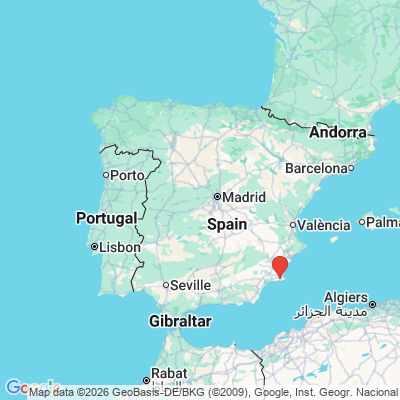
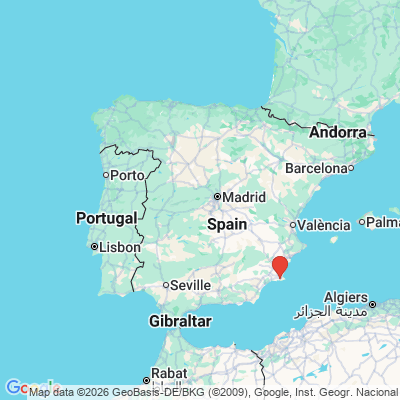
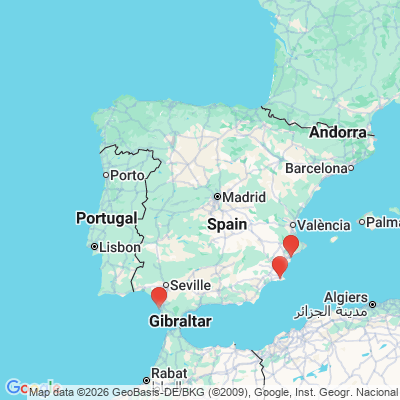
Travel today through southern and eastern Spain—from Cádiz to Cartagena, and along the coast near Alicante—and you are moving through landscapes that once played a central role in one of the greatest conflicts of the ancient Mediterranean.
Between 264 and 146 BC, Rome and Carthage fought three major conflicts known as the Punic Wars. These wars determined who would dominate the Mediterranean world for centuries. Yet one of the most important chapters of this story unfolded not in Italy or North Africa, but in Iberia, along the coasts and mining regions of what is now Spain.
The First Punic War
The rivalry began in 264 BC on the island of Sicily. Rome intervened in a local dispute and soon found itself at war with Carthage, the dominant maritime power of the western Mediterranean.
The conflict lasted 23 years. Rome, originally a land power, even built massive fleets to challenge Carthage at sea. In 241 BC, Rome finally won, forcing Carthage to surrender Sicily and pay a heavy indemnity. Soon afterwards Rome seized Sardinia, leaving Carthage weakened and humiliated. The First Punic War
But Carthage was not finished.
Turning to Iberia
After the war the city nearly collapsed during a rebellion of unpaid mercenaries. The general who saved it was Hamilcar Barca, a commander who had fought Rome in Sicily.
Hamilcar understood that if Carthage ever wanted to challenge Rome again, it needed new resources—especially money and soldiers. He found both in Iberia.
Phoenician traders had long been active along the Iberian coast. One of their oldest settlements was Gadir, modern Cádiz, founded centuries earlier as a trading port linking the Atlantic and Mediterranean. But in the 230s BC, Hamilcar began transforming Carthaginian influence in Spain into a real territorial power.
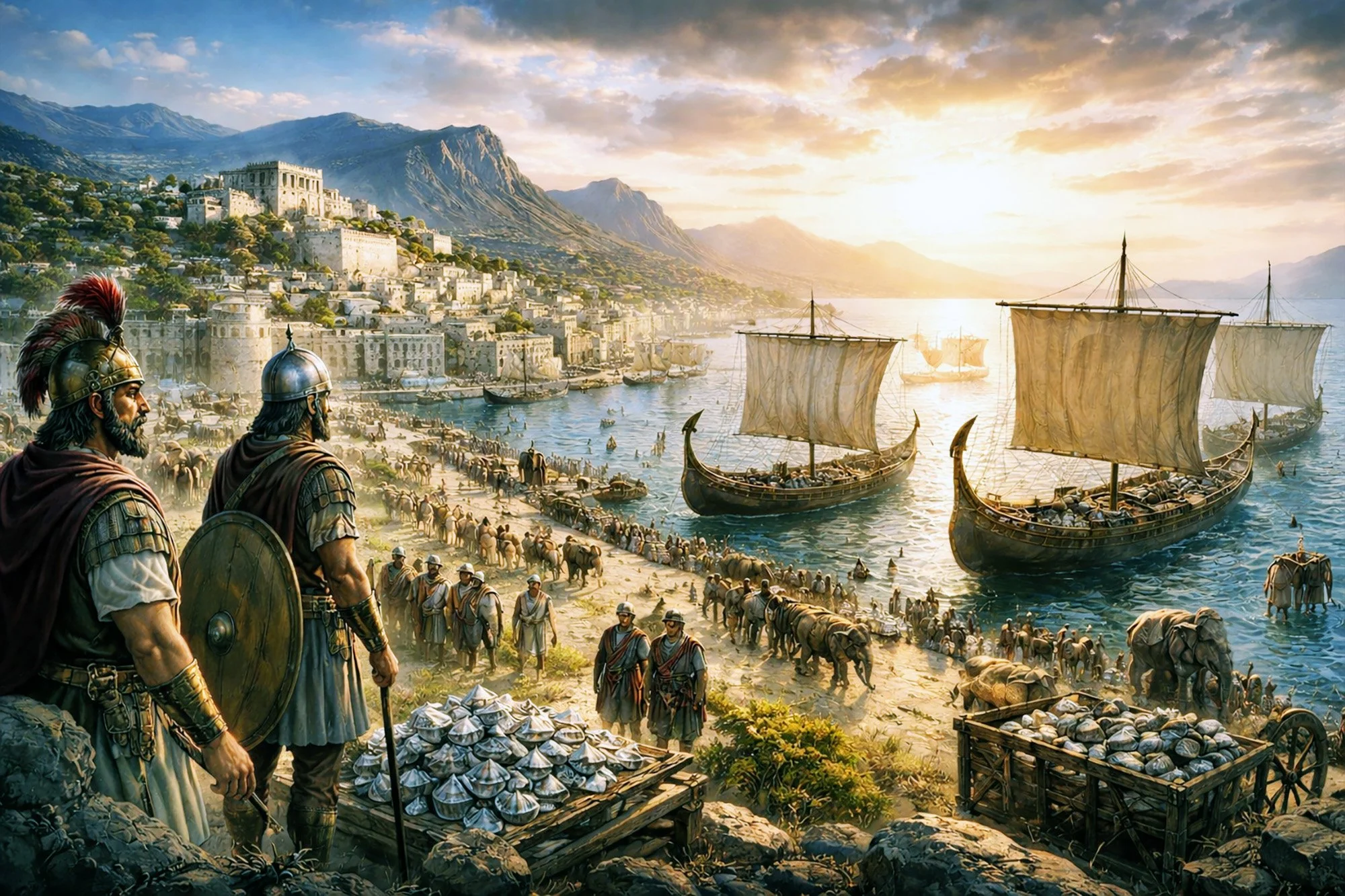
The region’s silver mines filled Carthage’s treasury, and Iberian warriors joined its armies.
Carthaginian Cities in Spain
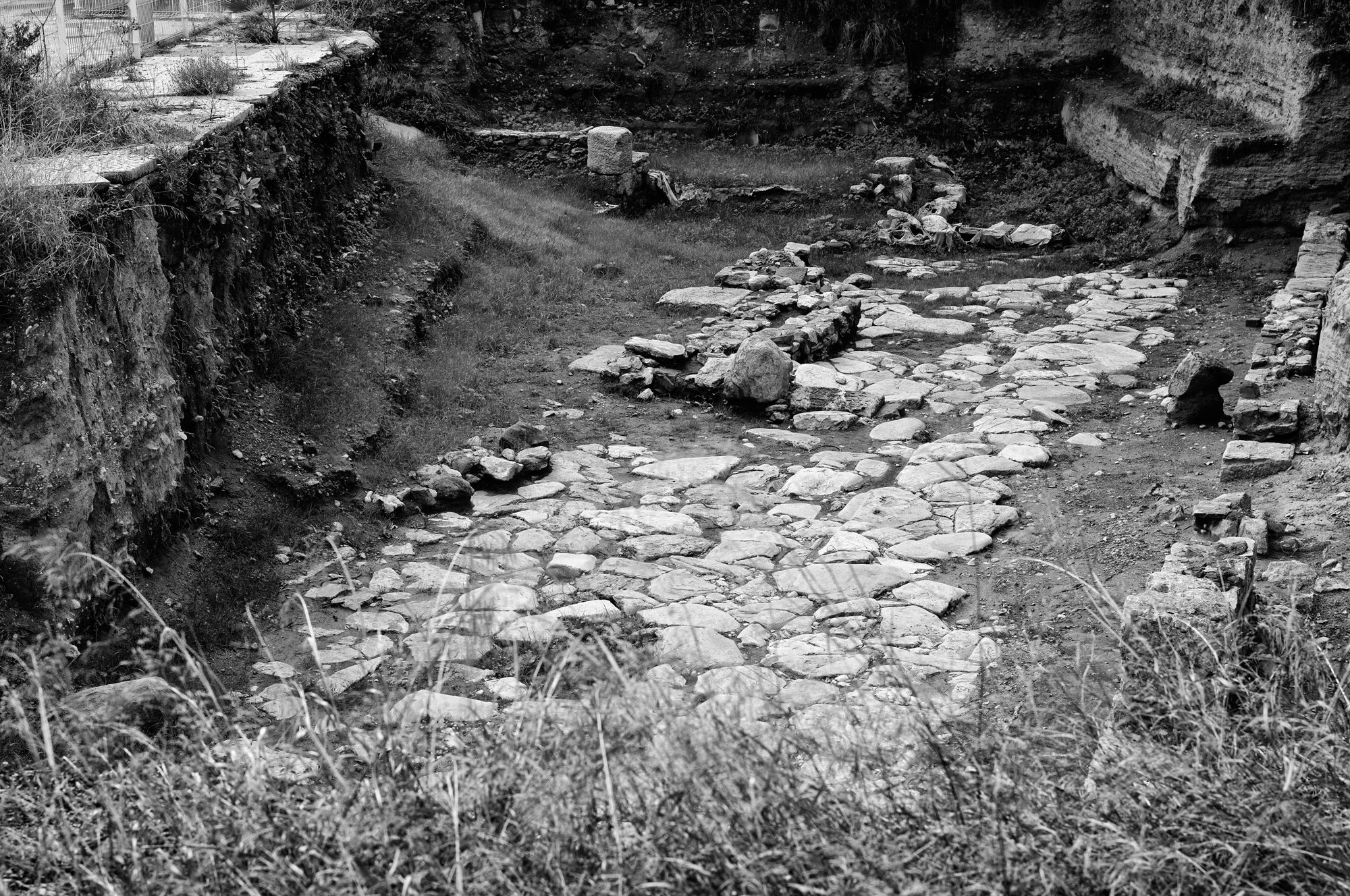
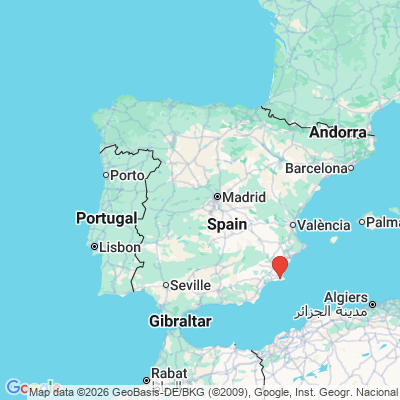
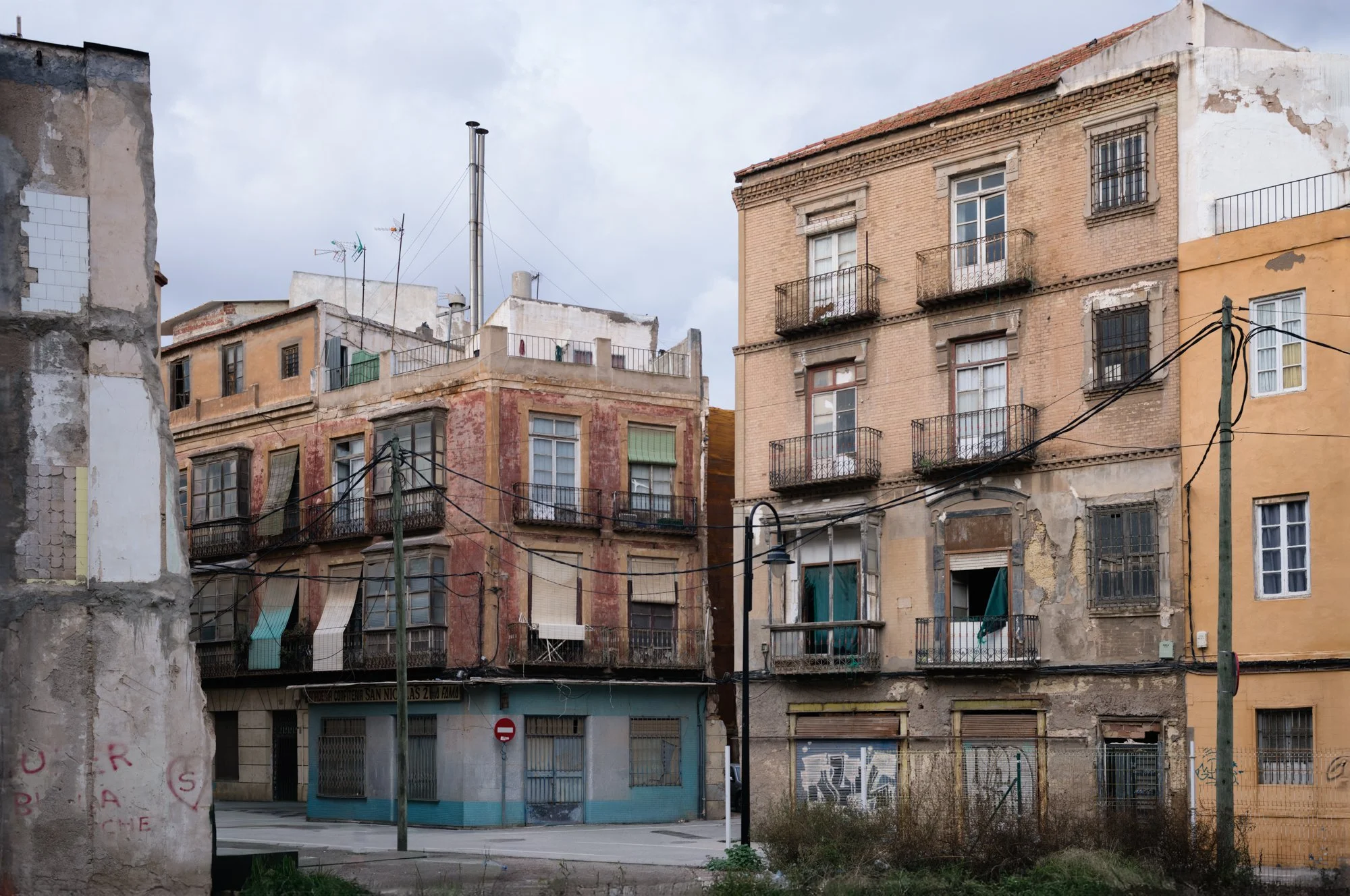
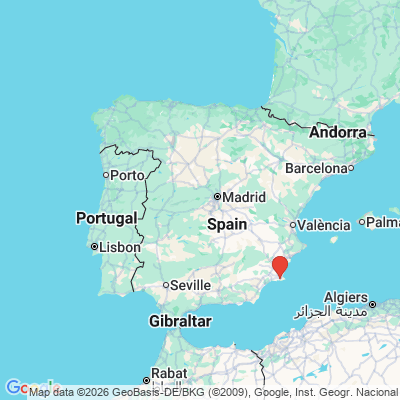
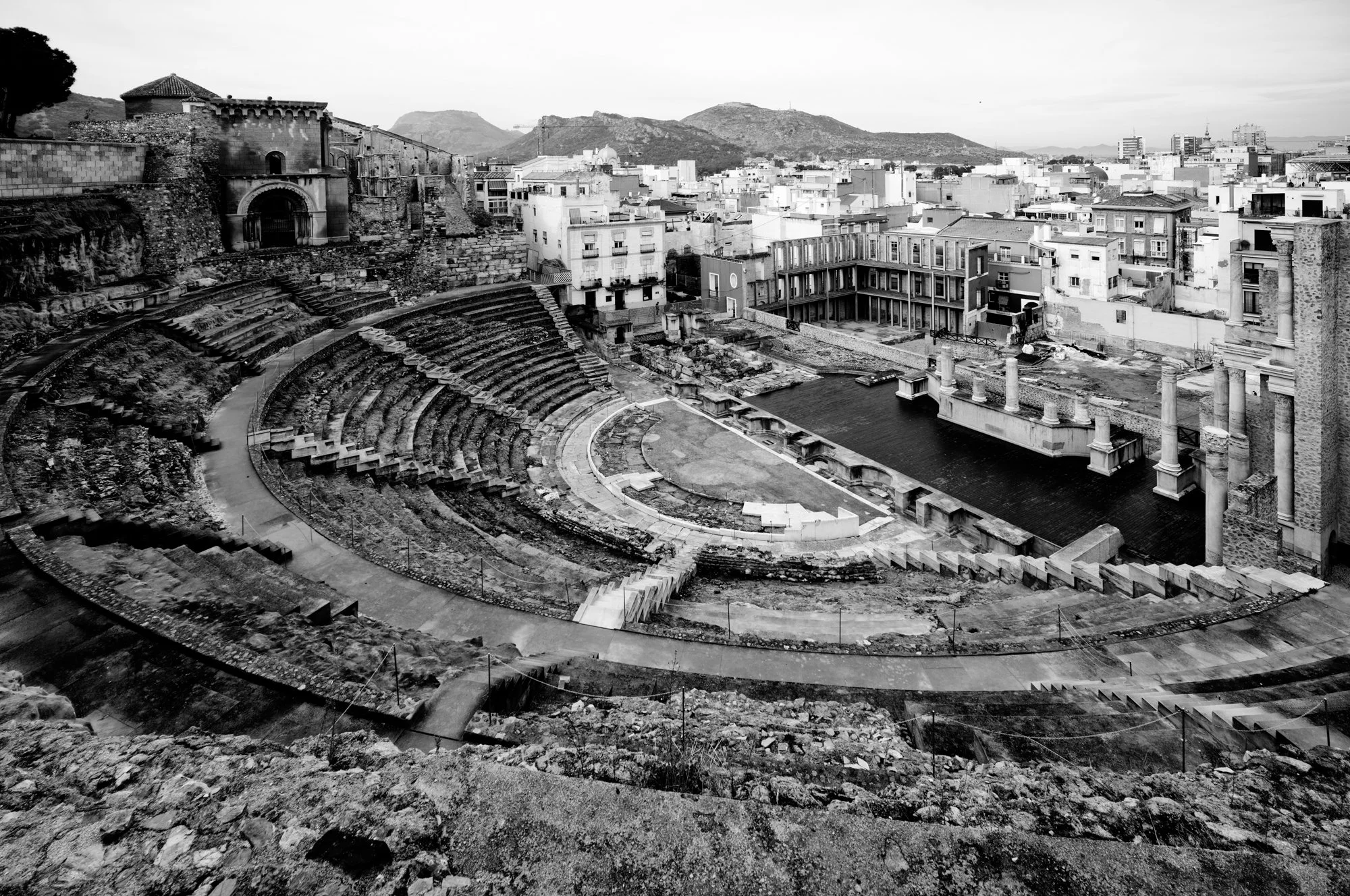
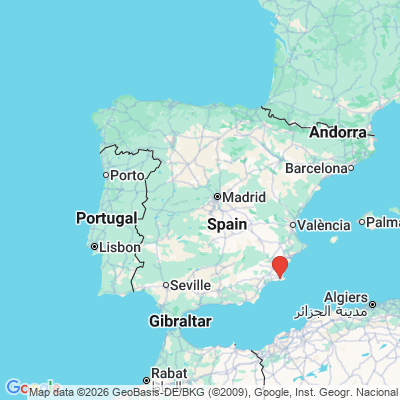
Hamilcar’s successors continued this expansion. His son-in-law Hasdrubal the Fair founded a new Carthaginian capital in Iberia: Carthago Nova, today’s Cartagena.
The city had an exceptional natural harbor and lay close to the mining districts that financed Carthage’s growing power.
Further north along the coast lay Akra Leuke, usually identified with the area around modern Alicante. According to ancient sources, Hamilcar himself established a Carthaginian base here during his early campaigns in Iberia.
Together with Cádiz and Cartagena, these cities formed the backbone of Carthage’s Spanish power.
Among the young men growing up in this frontier world was Hamilcar’s son: Hannibal.
Hannibal’s Iberian War Machine
Hannibal spent much of his youth in Iberia, surrounded by soldiers and tribal allies from across the peninsula. The armies he would later command included large numbers of Iberian warriors, and Spain’s silver financed his campaigns.
In 218 BC, at the start of the Second Punic War, Hannibal marched from Carthaginian Spain across the Pyrenees and eventually over the Alps into Italy — accompanied, according to ancient accounts, by African forest elephants.
For years he defeated Roman armies, winning famous victories such as Cannae in 216 BC.
Yet even Hannibal could not destroy Rome.
Why Rome Survived
Rome’s strength lay in its political and military system. Roman commanders rotated regularly, creating a steady supply of competent leaders rather than relying on a single genius.
Even more important was Rome’s network of allies across Italy. These communities supplied vast numbers of soldiers, allowing Rome to rebuild its armies again and again.
Over time this system wore Hannibal down. Rome eventually defeated Carthage in 202 BC, and in 146 BC the city itself was destroyed.
Iberia’s Forgotten Role
Today the Punic Wars are often remembered for Hannibal’s dramatic march across the Alps.
But the deeper story runs through Spain.
From the ancient Phoenician port of Cádiz, to the Carthaginian stronghold of Cartagena, and the early military base near Alicante, Iberia became the place where Carthage rebuilt its power after defeat.
It was here that the silver, soldiers, and strategy emerged that allowed Hannibal to challenge Rome—and nearly change the course of Mediterranean history.