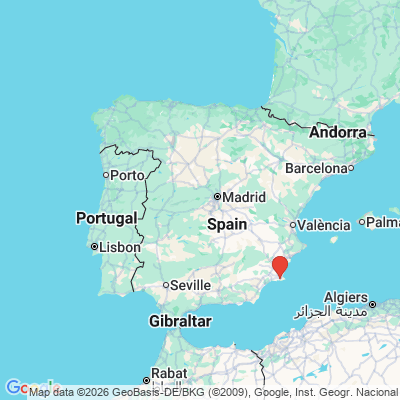
Cartagena (Spain).
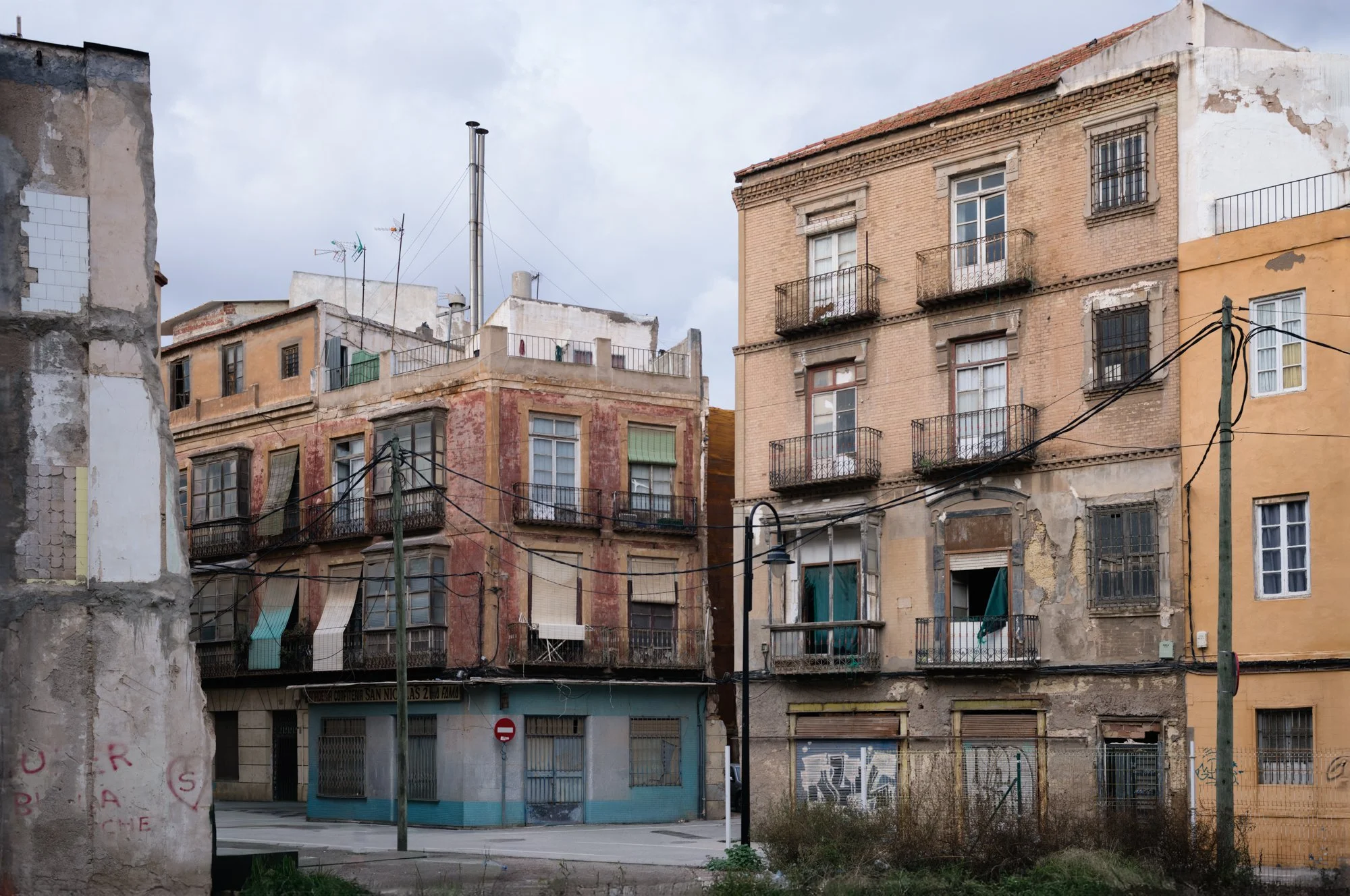
Cartagena is not a city that flatters you on arrival. You don’t walk into a polished museum town. You arrive in a working port — with container ships, naval docks, faded façades and whole neighbourhoods that seem forgotten by time. Peeling paint, shuttered balconies and crumbling walls sit next to grand buildings that hint at former wealth. The history is everywhere, but it hides behind neglect, dust and industry.
And yet, few cities in Spain carry a deeper past.
Founded by the Carthaginians as Qart Hadasht and later reborn as Roman Carthago Nova, Cartagena became one of the great cities of Hispania, enriched by silver mines and protected by a perfect natural harbour. Romans built theatres, temples and forums — much of which still lies beneath today’s streets.
After Rome came Byzantines, Visigoths and Moors. In the 18th century, the city rose again as Spain’s main Mediterranean naval base. Warships, fortresses and arsenals reshaped the harbour. Cartagena became a military city — and remains one.
Mining brought another boom in the 19th century, followed by decline. When industry faded, whole districts slipped into decay. Only recently has restoration begun, slowly uncovering the buried layers.
Cartagena does not hand you its story. You have to walk its hills, descend into its Roman ruins, explore its civil-war shelters and stand on its harbour quays to understand its power.
It is not pretty in a postcard way. It is raw, complex and monumental.
A city that doesn’t seduce — but rewards.
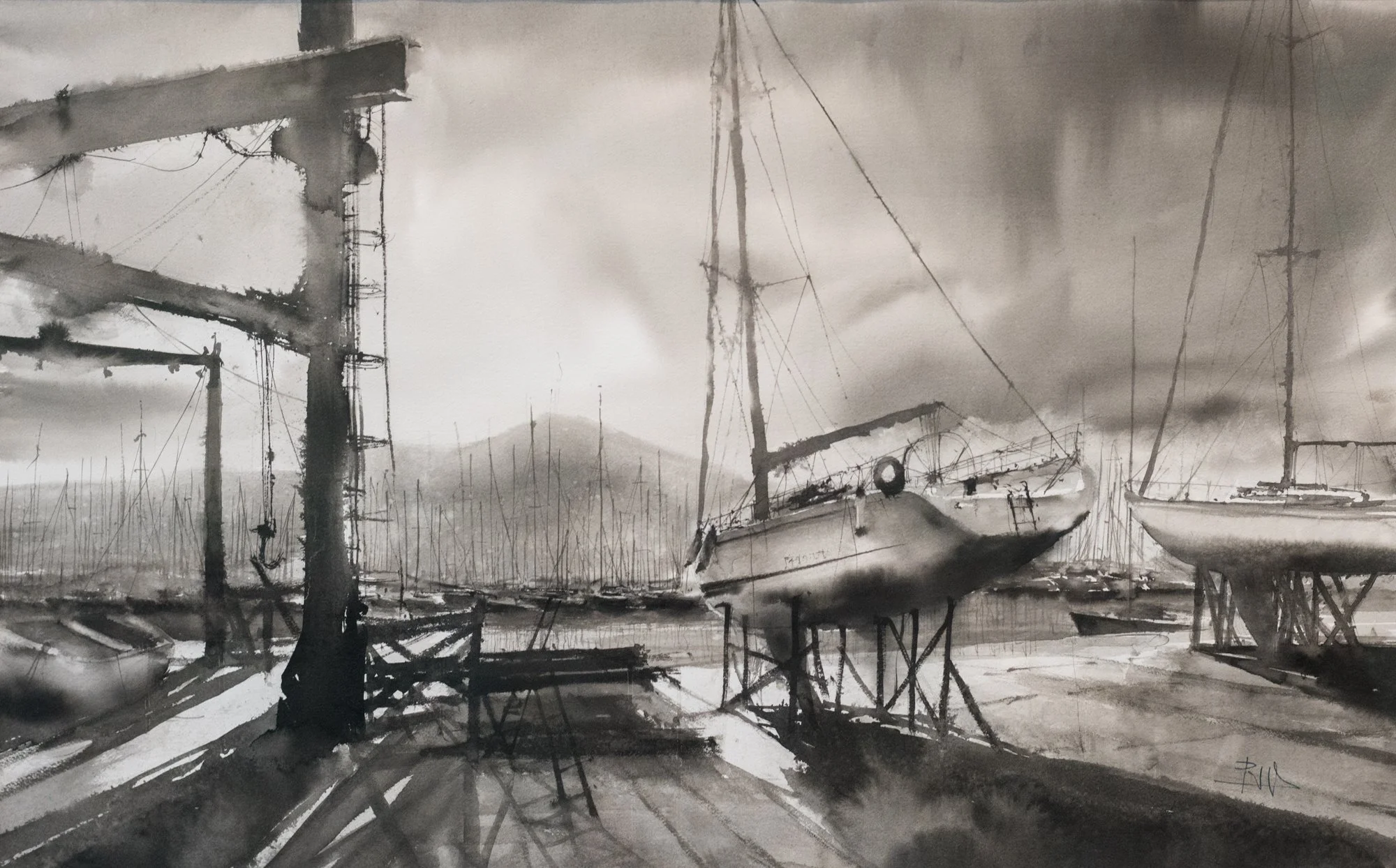
Sailboats captured against the backlight of the sun, by Pedro Jimenez Vicario. Seen at the Roman Theatre Museum of Cartagena.