street art

Street Art in Cartagena

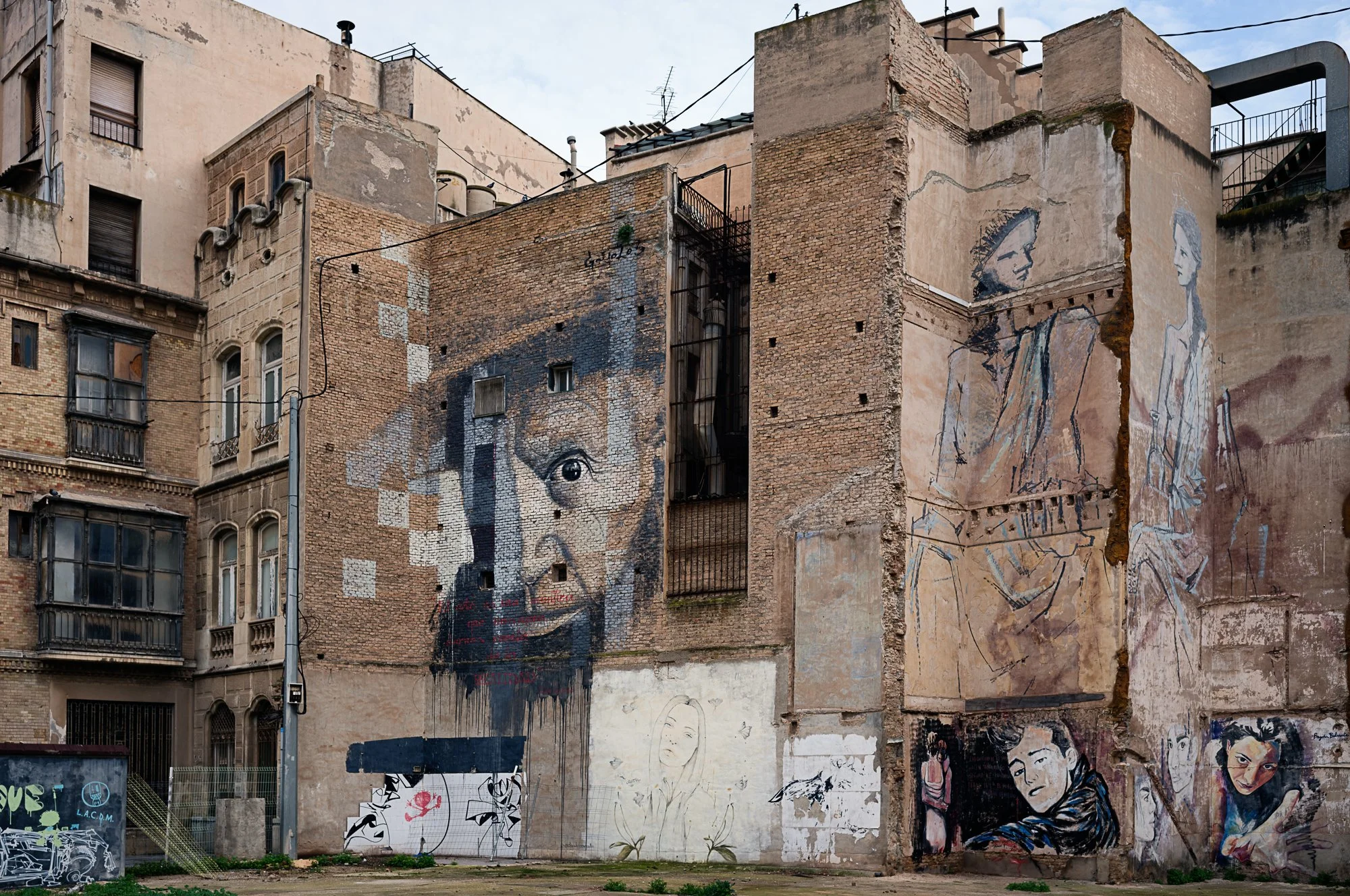
Street art in Cartagena.

At first glance this corner of Cartagena looks like a forgotten place: crumbling brick walls, fragments of demolished houses, and empty urban space. But look again and the wall begins to speak.

Across the surface runs a collage of murals. A large, fragmented face dominates the centre, emerging from the brickwork as if the building itself were revealing a memory. Around it appear sketch-like figures and smaller portraits, some bold and recent, others faded and partially erased.

Cartagena is a city built on layers of history. Founded by the Carthaginians as Qart Hadasht, it later became the Roman port of Carthago Nova. Yet the wall in this photograph tells a much more recent story.

During the late twentieth century parts of the historic centre declined, leaving empty plots and exposed walls. These surfaces gradually became canvases for urban artists. Festivals such as Mucho Más Mayo helped encourage this transformation, turning neglected corners into open-air galleries.

What makes scenes like this fascinating is their unfinished quality. The murals interact with cracks, repairs and old brickwork. Art and architecture blend together, creating a living canvas that changes over time.

In Cartagena, even a broken wall can become part of the city’s cultural landscape.
Cartagena — A City That Doesn’t Reveal Itself at First Glance

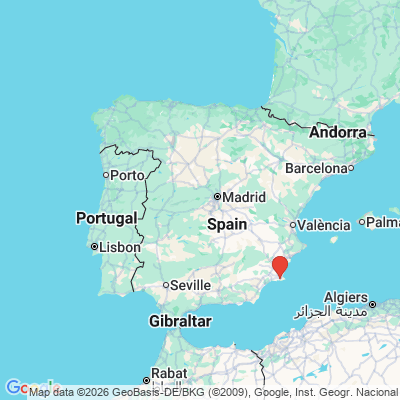
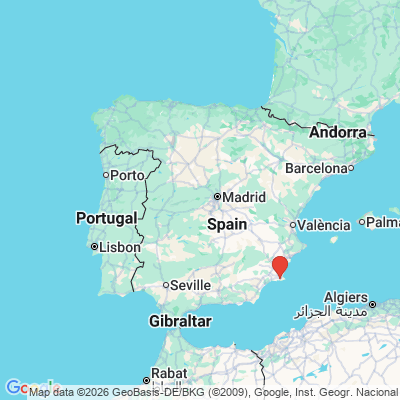
Cartagena (Spain).

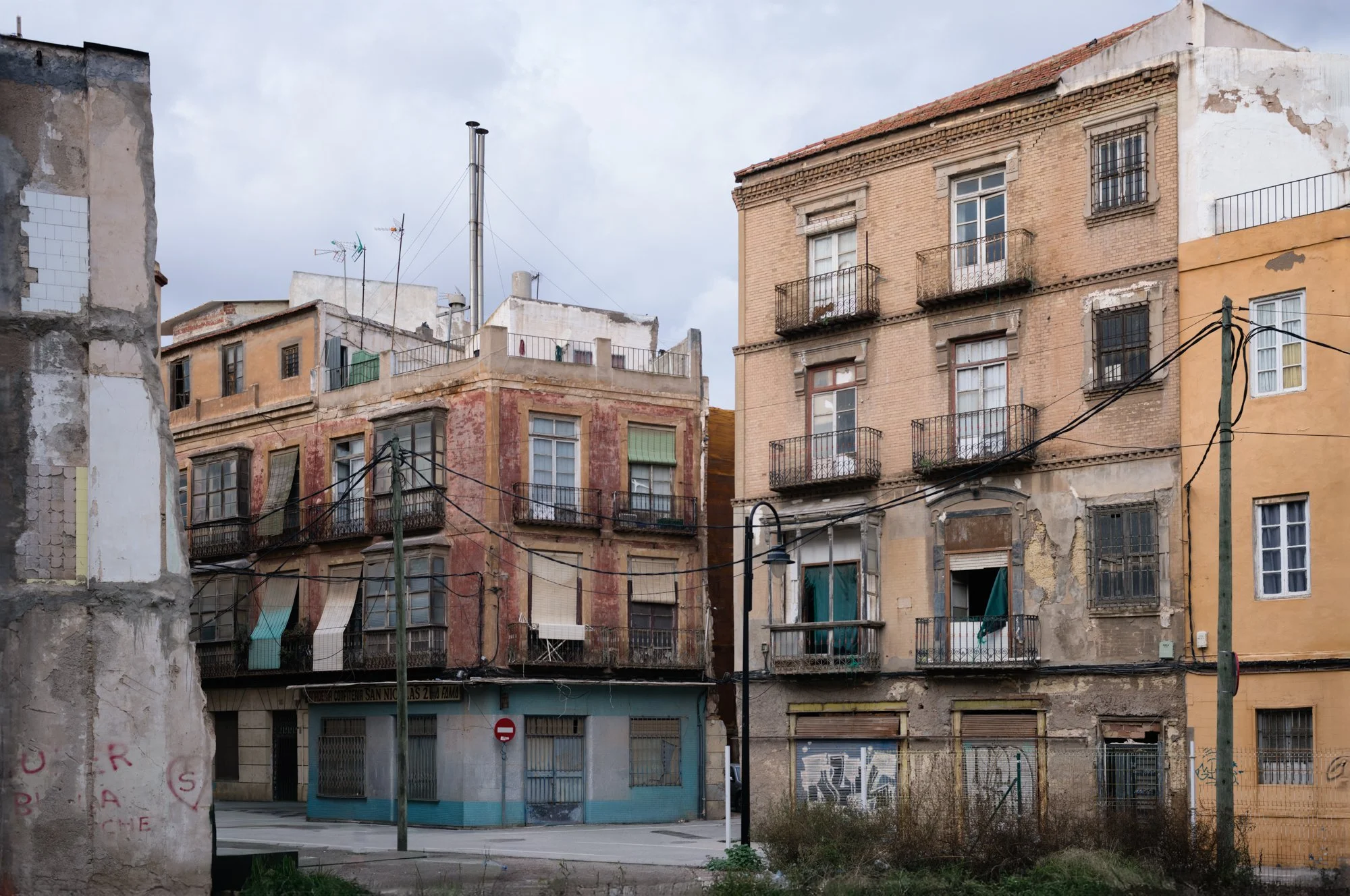
Cartagena is not a city that flatters you on arrival. You don’t walk into a polished museum town. You arrive in a working port — with container ships, naval docks, faded façades and whole neighbourhoods that seem forgotten by time. Peeling paint, shuttered balconies and crumbling walls sit next to grand buildings that hint at former wealth. The history is everywhere, but it hides behind neglect, dust and industry.

And yet, few cities in Spain carry a deeper past.

Founded by the Carthaginians as Qart Hadasht and later reborn as Roman Carthago Nova, Cartagena became one of the great cities of Hispania, enriched by silver mines and protected by a perfect natural harbour. Romans built theatres, temples and forums — much of which still lies beneath today’s streets.

After Rome came Byzantines, Visigoths and Moors. In the 18th century, the city rose again as Spain’s main Mediterranean naval base. Warships, fortresses and arsenals reshaped the harbour. Cartagena became a military city — and remains one.

Mining brought another boom in the 19th century, followed by decline. When industry faded, whole districts slipped into decay. Only recently has restoration begun, slowly uncovering the buried layers.

Cartagena does not hand you its story. You have to walk its hills, descend into its Roman ruins, explore its civil-war shelters and stand on its harbour quays to understand its power.

It is not pretty in a postcard way. It is raw, complex and monumental.

A city that doesn’t seduce — but rewards.

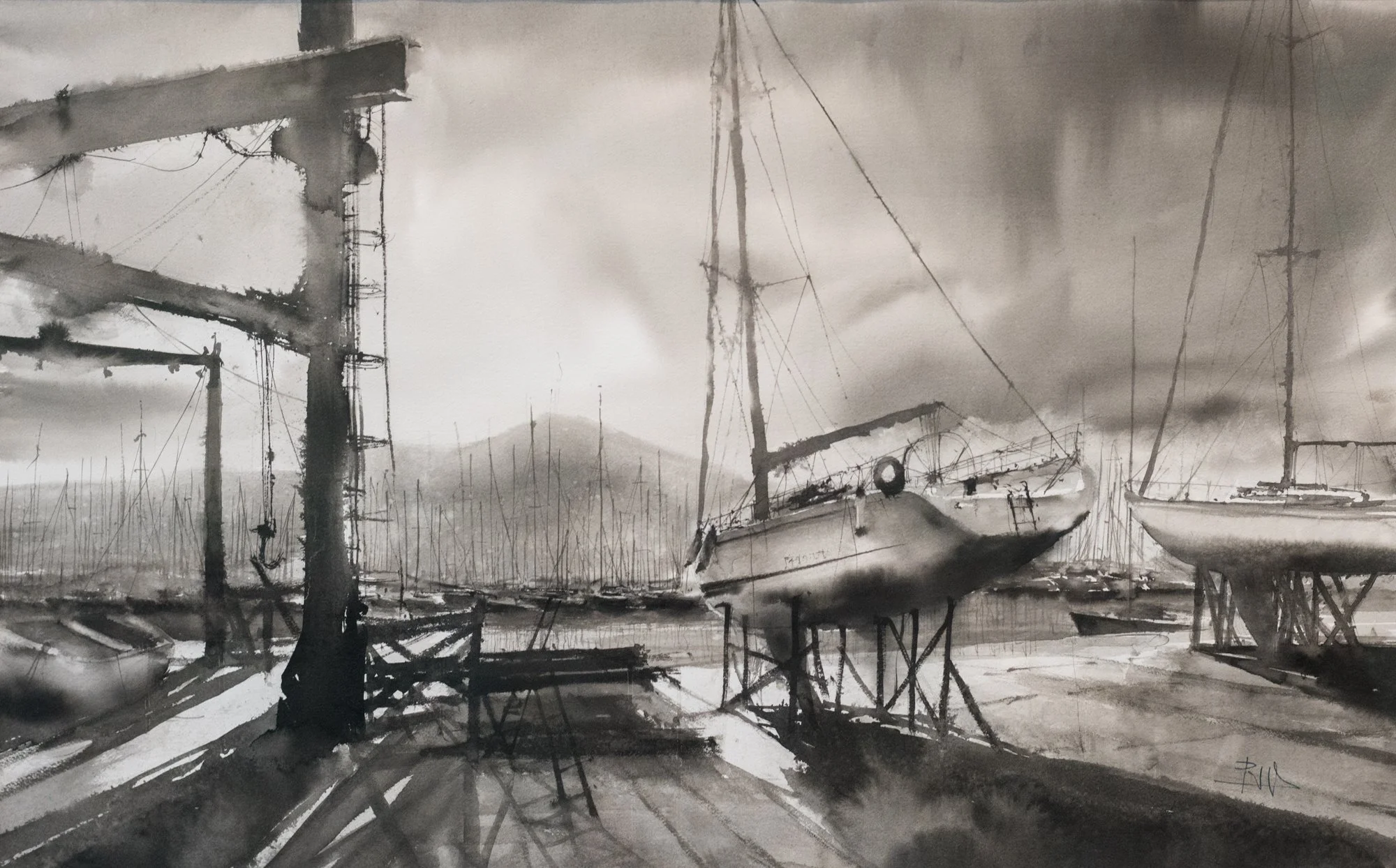
Sailboats captured against the backlight of the sun, by Pedro Jimenez Vicario. Seen at the Roman Theatre Museum of Cartagena.

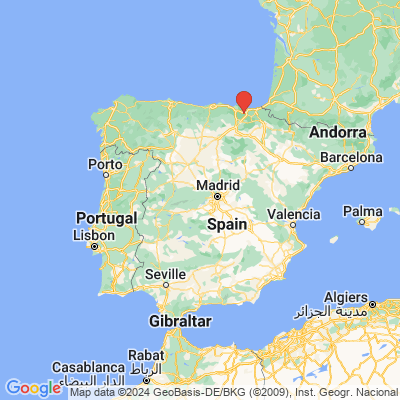
Almendro, Elorrio (Spain)

Oh, almond blossom, in your blush of pure delight,
Dancing on the branches, in the soft and golden light.
Petals like confetti, a celebration in the air,
A tapestry of beauty, beyond compare.

Winter's slumber broken, by the almond's gentle kiss,
A promise of renewal, in each petal's bliss.
White and pink cascades, a floral ballet,
Nature's poetry unfolding, in the warmth of spring's array.