power & conflicts

How a Story Sent Europe to War in 1095

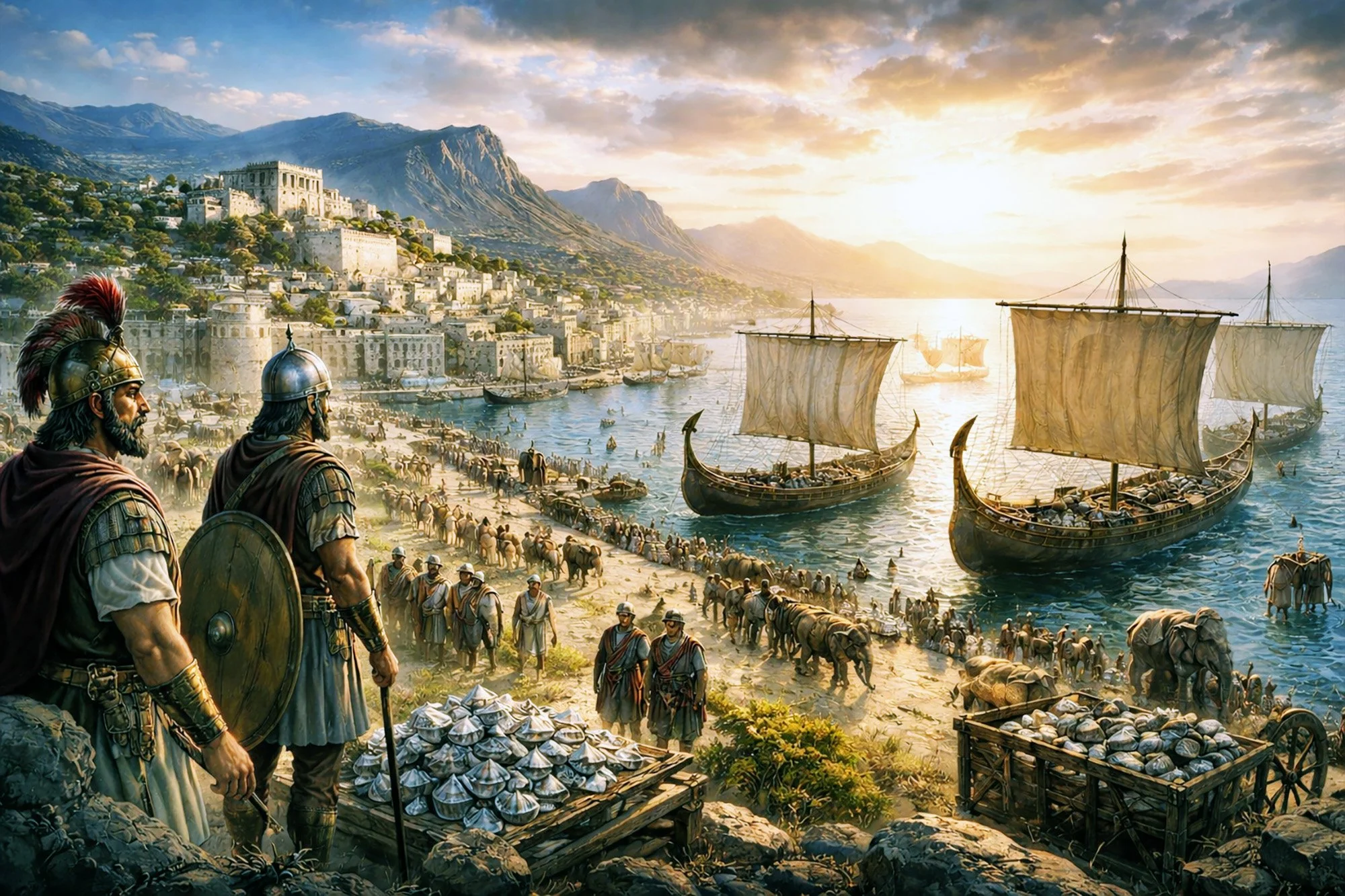
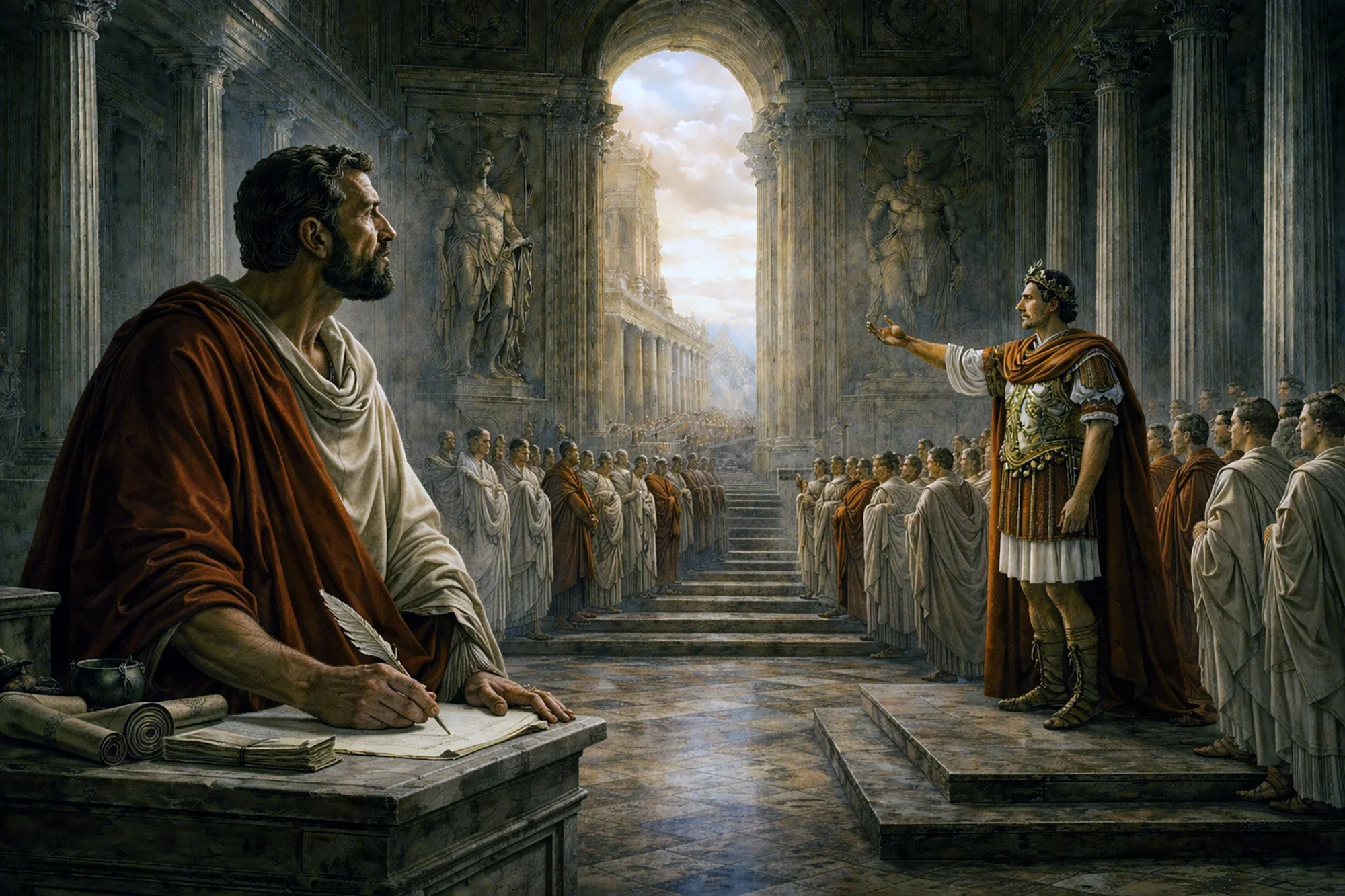
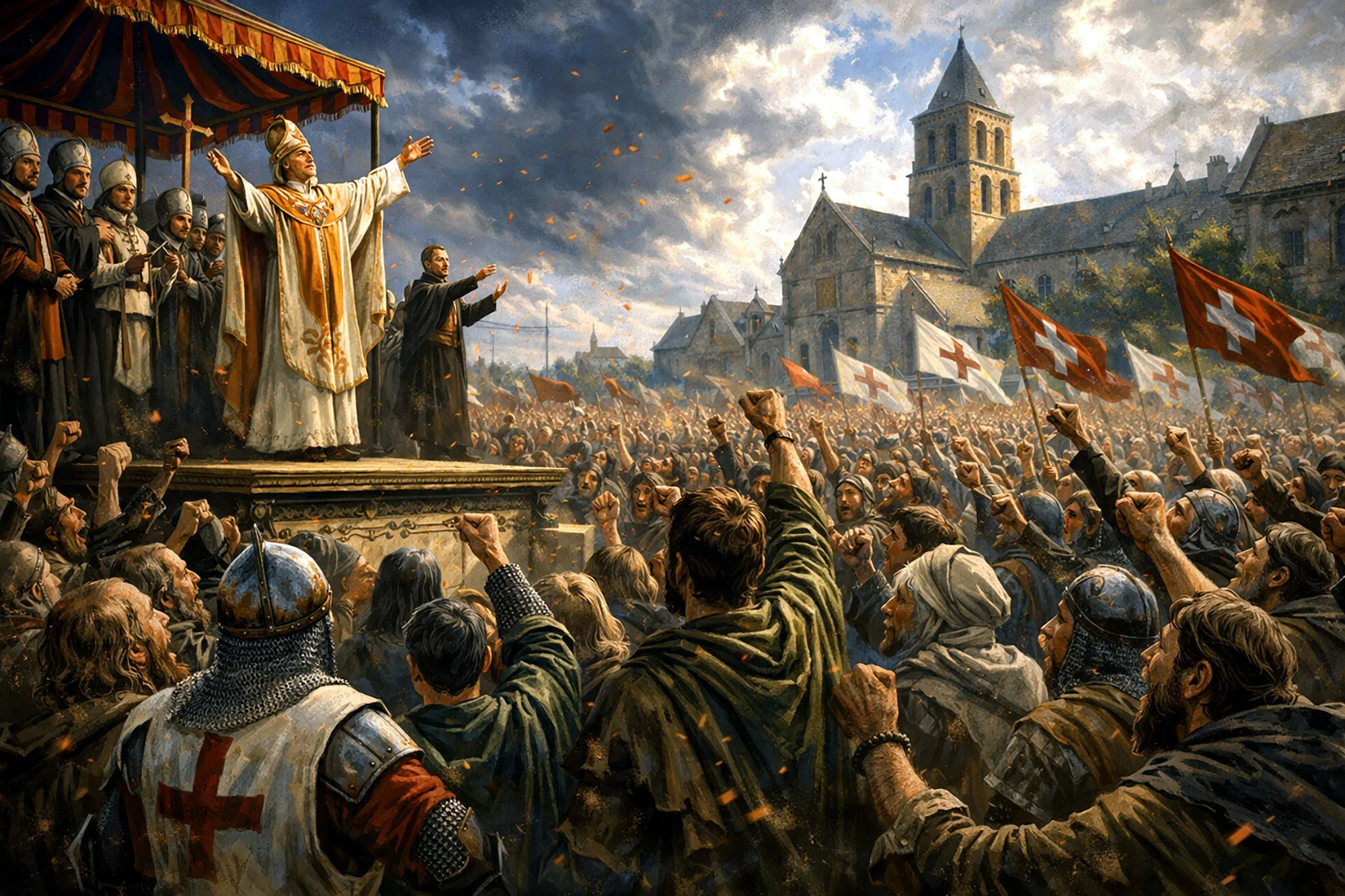
Pope Urban II addressing the crowd at Clermont, 27 November 1095 — the moment a story began to move Europe. (AI-generated image.)

Imagine a speech so powerful that within months, tens of thousands of people leave their homes, sell what they own, and begin a journey across continents — toward a war most of them do not fully understand.

No armies are conscripted. No states organise it. People simply decide to go.

This is what happened in November 1095, when Pope Urban II addressed a large crowd in the French town of Clermont. It is often described as the moment the First Crusade began.

But there is a curious complication. We do not actually know what he said.

A Continent Ready to Move

To understand why this speech had such an impact, we need to look at Europe as it was at the end of the 11th century. Western Europe was fragmented and often violent. Local conflicts between lords and knights were common, and many men were trained for warfare with few outlets beyond small-scale disputes.

The Church had tried to contain this violence. Movements such as the “Peace of God” and the “Truce of God” aimed to limit when and where fighting could take place. These efforts had some effect, but they did not remove the underlying reality: Europe had a surplus of organised violence and a class of people skilled in using it.

At the same time, a request for help had arrived from the eastern Mediterranean. The Byzantine emperor, under pressure from advancing Turkish forces, appealed to Western Europe for military support. This created an opening — not just for a military expedition, but for something larger. It offered a way to redirect internal tensions outward and give them a new meaning.

The Speech We Never Heard

The speech at Clermont is one of the most famous moments in European history, yet no official transcript exists. What we have are several versions written years later by different authors. They broadly agree on the main ideas but differ in tone and detail.

In these accounts, Pope Urban II calls on his audience to help fellow Christians in the East. He describes suffering and danger, and in some versions, he emphasises acts of violence committed by their enemies. Most importantly, he offers something deeply compelling: spiritual reward. Those who take part will receive forgiveness of sins.

Taken together, these elements form a simple but powerful narrative. There are people like you who are suffering. Their enemies are cruel. You have the ability to help. And if you do, your actions will not only be justified, but rewarded.

We cannot reconstruct the exact words spoken that day. But we can recognise the structure of the message. It is a story that turns a distant conflict into a personal responsibility and transforms risk into meaning.

Why People Responded

The response to this call was extraordinary. Within a few years, tens of thousands of people from different regions of Europe had set out toward Jerusalem. Some were knights, others were peasants, and many had little idea of the journey ahead.

The appeal worked because it spoke to different motivations at once. For knights, it offered a new outlet for violence, one that was not only permitted but presented as virtuous. For ordinary people, it turned a dangerous expedition into a meaningful act with spiritual significance. For the Church, it helped channel internal conflict into a common cause.

But beneath these different motivations lies something more fundamental. People did not respond to a detailed analysis of the situation in the eastern Mediterranean. They responded to a story that made sense of the world as they saw it and offered them a clear role within it.

The narrative simplified a complex reality into something emotionally compelling and morally clear. That clarity made action possible.

The Power of a Story

Looking back, it is easy to focus on the events that followed: the marches across Europe, the sieges, and the eventual capture of Jerusalem. But the starting point was not a battle. It was a shared story.

The speech at Clermont shows how quickly such a story can align individual decisions into collective action. It also shows how moral framing can transform violence into something that feels necessary, even righteous.

Perhaps the most striking lesson is this: the power of the moment did not depend on precise wording. We do not know exactly what Pope Urban II said. Yet the impact was enormous.

History is often shaped not only by what happens, but by what people believe is happening — and by the stories that make those beliefs feel true.

In that sense, the First Crusade did not begin with an army. It began with a story that people chose to follow.
Epstein — and the Silence That Made It Possible

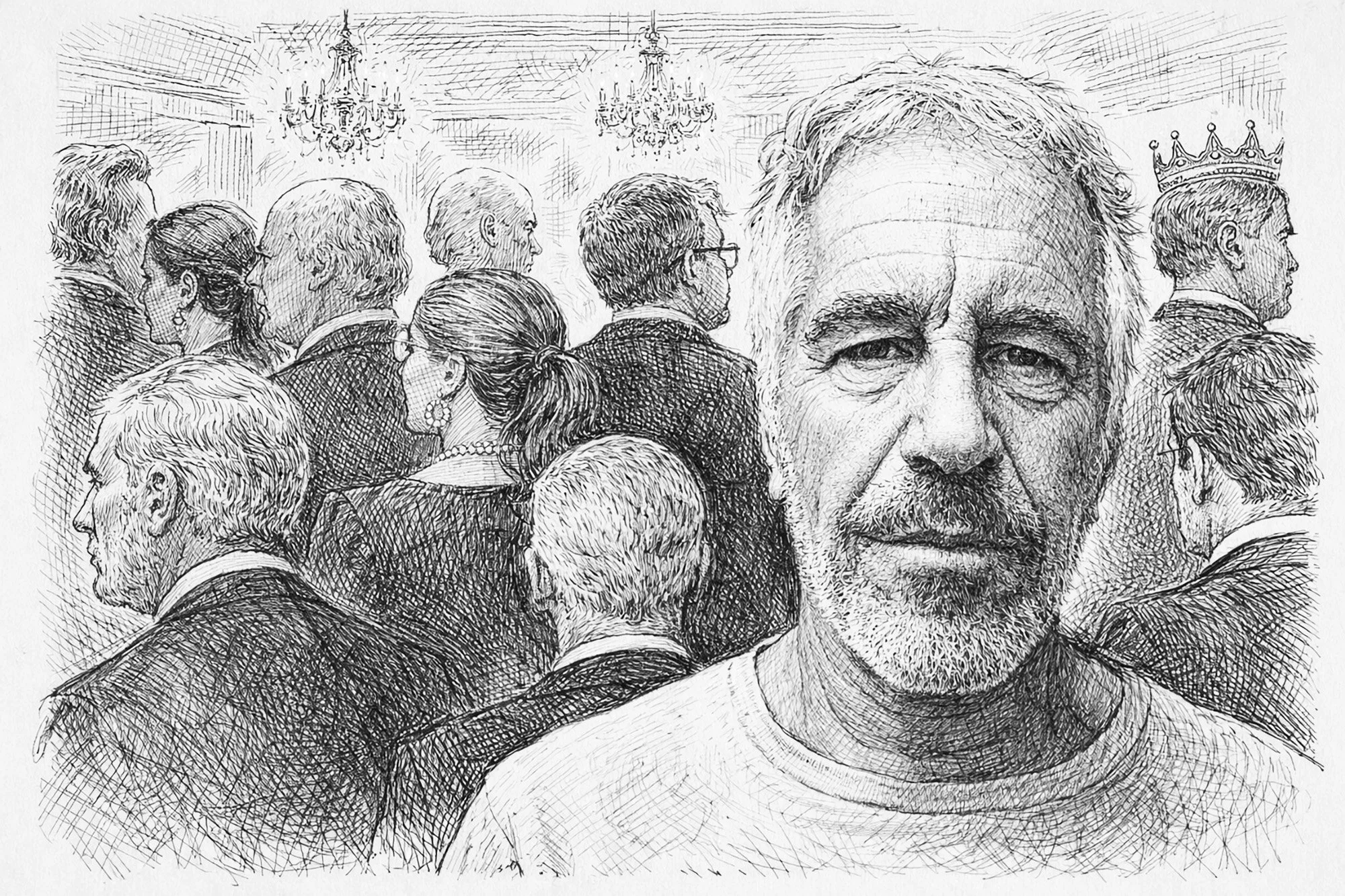
Image created with AI

The story of Jeffrey Epstein is, first and foremost, a story of abuse. Young women were manipulated, exploited and harmed, and that fact should remain at the centre; nothing in what follows diminishes it.

What continues to linger, however, is not only how this could happen, but how it was able to continue for so long — in plain sight, in the presence of people and institutions that should have known better. It is tempting to frame this as a series of failures: failures of judgement, of oversight, of justice. Those failures were real, but the explanation remains incomplete, because it suggests that, had a few individuals acted differently, the outcome would have changed.

What the Epstein case reveals is something more uncomfortable: not just that people failed, but that the environment in which they operated made those failures easier, more likely — and, for a long time, less costly than acting.

The Network

Epstein did not build a conventional empire. He was not a celebrated innovator or a clearly successful financier. Yet he moved with ease among billionaires, politicians, academics and royalty. He hosted, introduced, connected. He was present in rooms where reputations were shaped and opportunities were created.

That presence — more than any asset he owned — was the source of his power.

He positioned himself at the intersection of worlds that rarely meet directly. He connected financiers to politicians, academics to donors, business leaders to social circles they could not easily enter on their own. He understood what each group needed and what the other could offer.

And, at times, he offered something far darker.

Young women — often very young — were drawn in with promises of opportunity: a modelling career, financial support, a pathway into a world that appeared closed to them. What began, in some cases, as access or assistance could shift into dependency and control. The abuse that followed did not exist outside the network; it was, in part, enabled by it.

Because Epstein did not operate alone. He operated within a web of relationships that gave him legitimacy, and that legitimacy allowed him to continue. It softened suspicion, created doubt, and made disengagement more complicated than it should have been.

To walk away from Epstein was not only a moral act. It could mean stepping away from access, from influence, from opportunity. And so, in many cases, people did not leave. Not necessarily because they approved, but because the cost of disengagement was real.

This is not a justification.
It is a description of how such systems sustain themselves.

The Broker

To understand Epstein’s position, it helps to focus less on who he was and more on what he did.

He functioned as a broker.

A broker does not need to be the most powerful person in the room. He only needs to stand between those who are. He identifies gaps — between industries, between social circles, between spheres of influence — and positions himself as the link that makes exchange possible.

Epstein did this with unusual effectiveness. By connecting people who lacked either the time, the trust, the resources, or the access to meet directly, he created value. And once someone creates value within a network, tolerance tends to follow.

This helps explain why reputational damage does not always lead to exclusion. Even after his conviction in 2008, some relationships did not disappear; they adapted. They became quieter, more cautious, but they did not always end. Within a dense network, reputation is rarely judged on its own. It is filtered through relationships, softened by proximity, and sometimes overridden by usefulness.

No conspiracy is required for this to happen. It is enough that individuals, each acting in their own interest, choose not to sever ties that still benefit them.

The broker thrives in precisely this space — where clarity gives way to ambiguity, and where connections matter more than conclusions.

A Pattern Older Than the Present

Seen in this light, the structure surrounding Epstein is not new.

In ancient Rome, political life revolved around patronage. Wealthy patrons offered protection and opportunity; clients offered loyalty in return. Formal rules existed, but outcomes were shaped by relationships.

In Renaissance Florence, families like the Medici built influence not through titles alone, but by connecting finance, politics and religion. Their strength lay in occupying the spaces between these worlds.

In 18th-century Paris, salons functioned as informal centres of power. They were not official institutions, yet they shaped reputations, alliances and ideas. Access mattered as much as authority.

And at the court of Louis XIV, proximity itself became a form of influence. To be present was to count; to be excluded was to fade.

Across these contexts, the pattern is consistent: power is embedded in networks, and those networks tend to stabilise themselves. What has changed is not the logic, but the scale. Today’s networks are global, faster and more opaque — but they still rely on the same mechanisms: trust, reciprocity, access, and, when necessary, silence.

Epstein did not invent this system.
He moved within it — and, for a time, benefited from it.

The Mirror

It is tempting to see this as a story about distant elites — a world of private jets and exclusive circles, far removed from everyday life.

But the mechanisms that sustained Epstein’s network are not confined to that world. They exist, in quieter and more benign forms, much closer to home. We all operate within circles of trust. We introduce people to one another, favour those we know, and hesitate to confront individuals who are well connected, respected or useful. In doing so, we constantly balance principles against relationships, often without fully recognising it.

At a small scale, these behaviours are not only harmless, they are essential. A society cannot function without networks of trust. Cooperation depends on them. Economic exchange depends on them. Even ordinary social life depends on them.

From an evolutionary perspective, this is not accidental. Human beings evolved in small groups where survival depended on cooperation, reciprocity and reputation. The instinct to maintain relationships, to protect alliances, and to avoid exclusion is deeply embedded. It is what allows groups to function — and individuals to belong.

But these same mechanisms, when scaled up and embedded in systems of power, create a tension that cannot be resolved once and for all. The trust that binds groups together can also shield them from scrutiny, while loyalty can discourage dissent and the desire to belong can outweigh the impulse to confront.

The conclusion is uncomfortable: societies depend on networks of trust, yet those same networks can protect themselves at the expense of accountability. That tension cannot be removed — only contained — and if it is ignored, the pattern will return.

Further Reading

  • Julie K. Brown — Perversion of Justice

  • Anand Giridharadas — Winners Take All

  • C. Wright Mills — The Power Elite

  • Mary Beard — SPQR

  • Norbert Elias — The Court Society

  • Antoine Lilti — The World of the Salons

  • Robert Trivers — The Evolution of Reciprocal Altruism

  • Joseph Henrich — The Secret of Our Success

  • Miami Herald investigative series on Epstein

  • New York Times reporting on Epstein

The Punic Wars: How Carthage Rebuilt Its Power in Iberia

Image created with AI

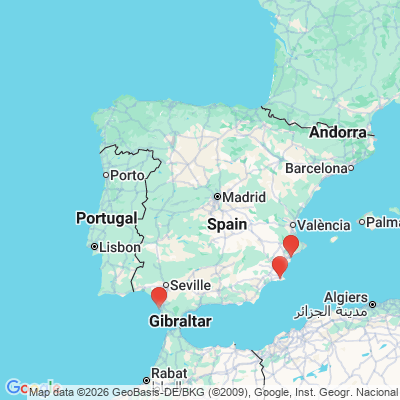
Travel today through southern and eastern Spain—from Cádiz to Cartagena, and along the coast near Alicante—and you are moving through landscapes that once played a central role in one of the greatest conflicts of the ancient Mediterranean.

Between 264 and 146 BC, Rome and Carthage fought three major conflicts known as the Punic Wars. These wars determined who would dominate the Mediterranean world for centuries. Yet one of the most important chapters of this story unfolded not in Italy or North Africa, but in Iberia, along the coasts and mining regions of what is now Spain.

The First Punic War

The rivalry began in 264 BC on the island of Sicily. Rome intervened in a local dispute and soon found itself at war with Carthage, the dominant maritime power of the western Mediterranean.

The conflict lasted 23 years. Rome, originally a land power, even built massive fleets to challenge Carthage at sea. In 241 BC, Rome finally won, forcing Carthage to surrender Sicily and pay a heavy indemnity. Soon afterwards Rome seized Sardinia, leaving Carthage weakened and humiliated. The First Punic War

But Carthage was not finished.

Turning to Iberia

After the war the city nearly collapsed during a rebellion of unpaid mercenaries. The general who saved it was Hamilcar Barca, a commander who had fought Rome in Sicily.

Hamilcar understood that if Carthage ever wanted to challenge Rome again, it needed new resources—especially money and soldiers. He found both in Iberia.

Phoenician traders had long been active along the Iberian coast. One of their oldest settlements was Gadir, modern Cádiz, founded centuries earlier as a trading port linking the Atlantic and Mediterranean. But in the 230s BC, Hamilcar began transforming Carthaginian influence in Spain into a real territorial power.

The region’s silver mines filled Carthage’s treasury, and Iberian warriors joined its armies.

Carthaginian Cities in Spain

Hamilcar’s successors continued this expansion. His son-in-law Hasdrubal the Fair founded a new Carthaginian capital in Iberia: Carthago Nova, today’s Cartagena.

The city had an exceptional natural harbor and lay close to the mining districts that financed Carthage’s growing power.

Further north along the coast lay Akra Leuke, usually identified with the area around modern Alicante. According to ancient sources, Hamilcar himself established a Carthaginian base here during his early campaigns in Iberia.

Together with Cádiz and Cartagena, these cities formed the backbone of Carthage’s Spanish power.

Among the young men growing up in this frontier world was Hamilcar’s son: Hannibal.

Hannibal’s Iberian War Machine

Hannibal spent much of his youth in Iberia, surrounded by soldiers and tribal allies from across the peninsula. The armies he would later command included large numbers of Iberian warriors, and Spain’s silver financed his campaigns.

In 218 BC, at the start of the Second Punic War, Hannibal marched from Carthaginian Spain across the Pyrenees and eventually over the Alps into Italy — accompanied, according to ancient accounts, by African forest elephants.

For years he defeated Roman armies, winning famous victories such as Cannae in 216 BC.

Yet even Hannibal could not destroy Rome.

Why Rome Survived

Rome’s strength lay in its political and military system. Roman commanders rotated regularly, creating a steady supply of competent leaders rather than relying on a single genius.

Even more important was Rome’s network of allies across Italy. These communities supplied vast numbers of soldiers, allowing Rome to rebuild its armies again and again.

Over time this system wore Hannibal down. Rome eventually defeated Carthage in 202 BC, and in 146 BC the city itself was destroyed.

Iberia’s Forgotten Role

Today the Punic Wars are often remembered for Hannibal’s dramatic march across the Alps.

But the deeper story runs through Spain.

From the ancient Phoenician port of Cádiz, to the Carthaginian stronghold of Cartagena, and the early military base near Alicante, Iberia became the place where Carthage rebuilt its power after defeat.

It was here that the silver, soldiers, and strategy emerged that allowed Hannibal to challenge Rome—and nearly change the course of Mediterranean history.

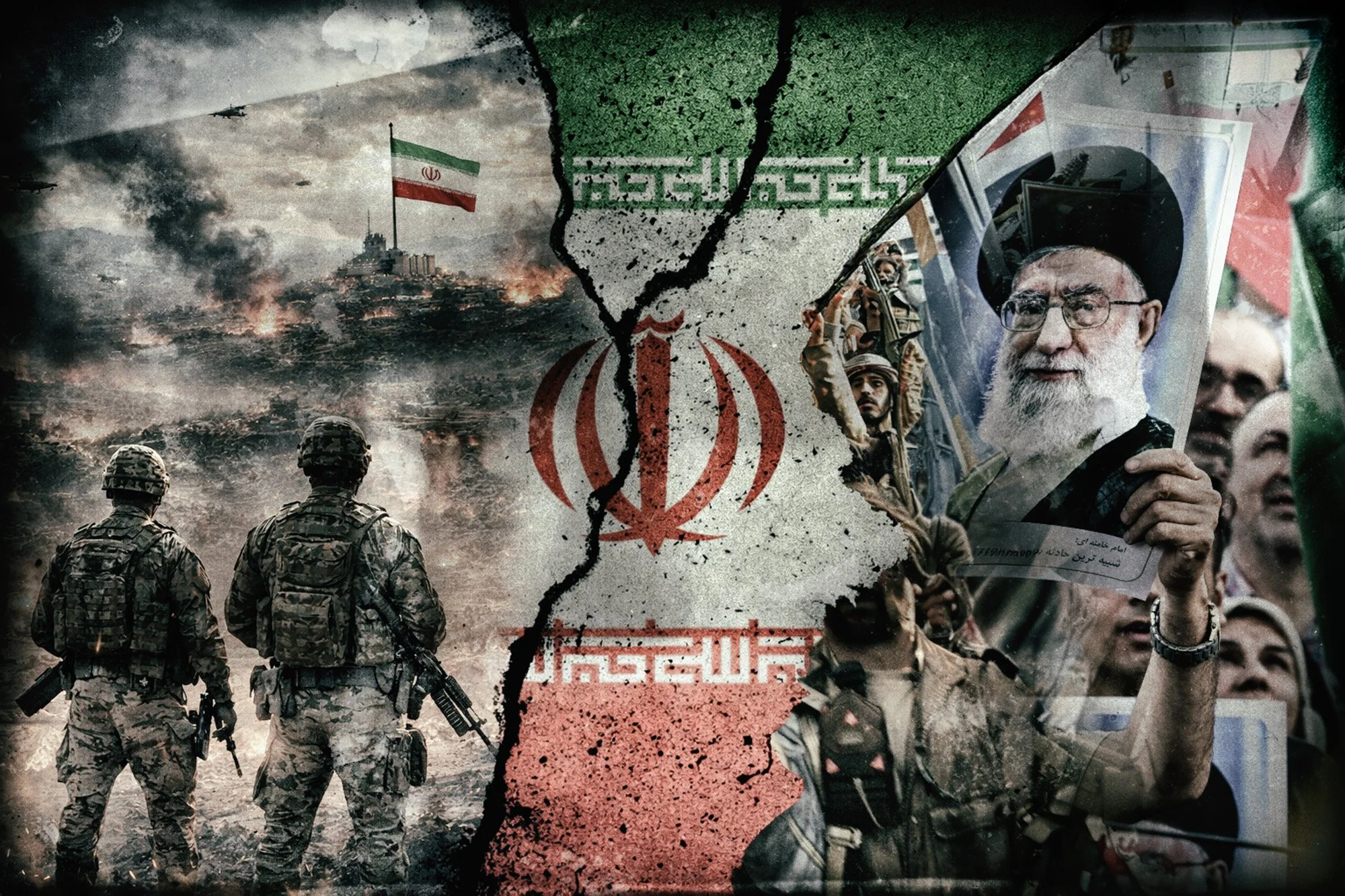
How the War in Iran Will Change What We Eat

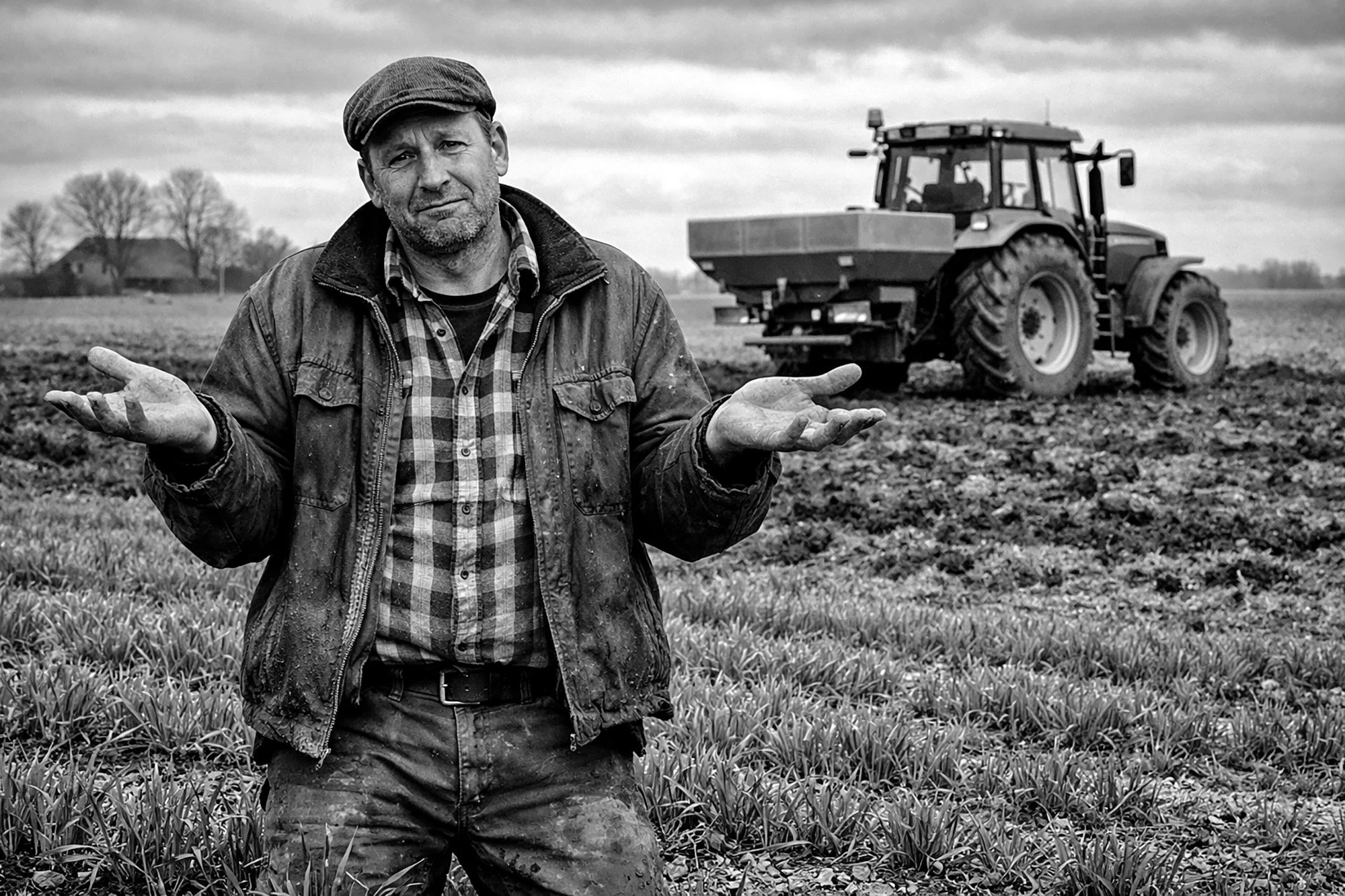
A farmer asking himself: what now? (Image generated with AI.)

For many Europeans, food still feels predictable. You go to the supermarket, and everything is there. Prices have gone up in recent years, but the system still seems to work.

That sense of stability is now under pressure.

Not because of something happening in European fields, but because of what is happening far away — in the Strait of Hormuz, the narrow passage between Iran and the Arabian Peninsula. Military tension, blocked shipping routes, and rising insurance risks are disrupting one of the world’s most important trade corridors. As a result, energy prices are climbing, fertiliser supplies are tightening, and transport costs are rising — all at the same time.

What begins there does not stay there.

A system under strain

The Strait of Hormuz is best known for oil, but it is just as critical for natural gas and fertiliser. When that transport route is disrupted, the effects spread quickly. Energy becomes more expensive, fertiliser becomes less available, and moving goods becomes more costly.

These are not separate problems. They reinforce each other — and together they shape the cost and availability of food.

Energy hits the plate first

The impact is already visible across Europe. In the Netherlands, some fishing boats are staying in port because diesel costs have risen to the point where going out to sea is no longer viable. When boats stay in harbour, fish disappears from the market — just as grey shrimp have largely disappeared in recent years when costs became too high.

In Spain, tomatoes that supply much of Northern Europe are becoming more expensive because transport costs have increased sharply. Supermarkets in Germany and Belgium are already adjusting prices to reflect these higher costs, and consumers are noticing.

The pattern is simple: when energy becomes expensive, food follows. And this comes on top of several years of rising food prices, which have already stretched household budgets across Europe.

Fertiliser hits the plate second

At the same time, fertiliser is becoming less available. This is less visible, but just as important.

Modern agriculture depends on fertiliser to maintain yields. When supply tightens, farmers have to make difficult decisions. They may use less fertiliser, switch to crops that require less input, or reduce production altogether.

These decisions happen months before harvest, but their consequences are long-lasting. Lower fertiliser use leads to lower yields, which means less food entering the system later in the year. And because agriculture follows fixed seasonal cycles, a missed opportunity cannot be recovered.

Europe has to adapt

Europe is deeply connected to this system. It depends on imported energy, imported fertiliser, and long supply chains that link producers and consumers across borders. When all three come under pressure at once, the effects begin to accumulate.

Food becomes more expensive, some products become less available, and choices narrow. This is not a sudden shock, but a gradual tightening of the system.

Diets will have to adapt — not by choice, but by necessity.

A harder reality

For a long time, Europe has lived with the assumption that food is always available, that no matter what happens elsewhere, the shelves will remain full.

The war in Iran shows how fragile that assumption is. Food depends on energy, on fertiliser, and on stable global trade routes. When those are disrupted, the effects travel far — and they reach into everyday life.

What is changing is not just the price of food. It is something more fundamental: the quiet return of a reality Europe once knew well — that what we eat is shaped by forces far beyond our control, and that those forces can shift faster than we expect.

From the Marquis de Sade to Jeffrey Epstein

Power, Desire, and the Abuse of Freedom


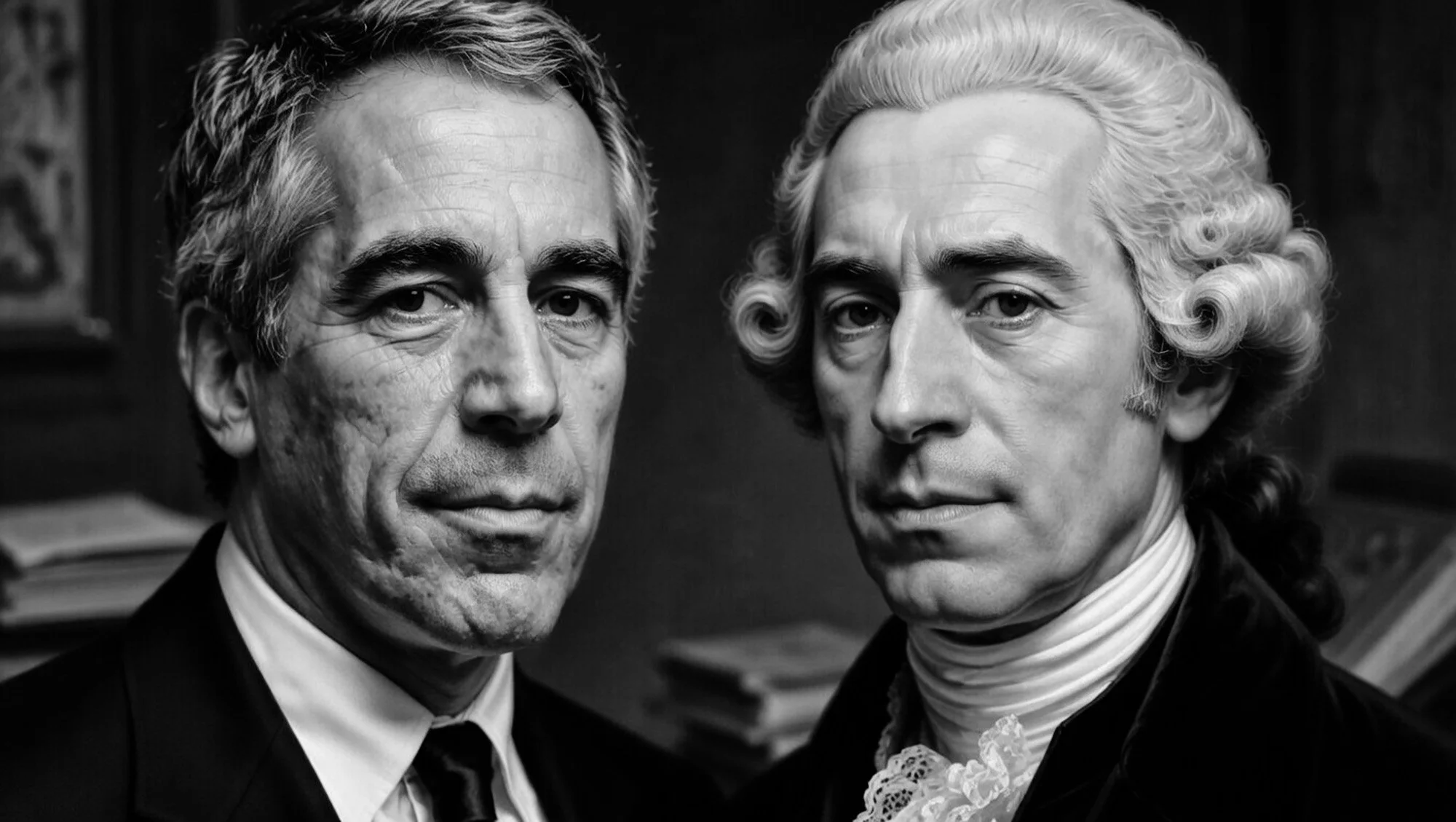
An AI portrait of Jeffrey Epstein and Marquis de Sade.

In the late eighteenth century, Europe was in upheaval. Monarchies were collapsing, revolutions were spreading, and Enlightenment thinkers were promoting reason, equality, and human dignity. It was in this charged atmosphere that the Marquis de Sade lived and wrote.

De Sade was not just a controversial thinker. He was repeatedly accused—and in several cases convicted—of serious abuse of vulnerable people, including coercion, violence, and the exploitation of young women and prostitutes. His writings did not merely describe cruelty; they celebrated it, presenting domination and suffering as legitimate forms of pleasure.

Even in an age that was questioning authority and tradition, this crossed a line. He spent long periods in prison. Society, however inconsistently, recognized that what he represented was not freedom, but a radical denial of human dignity.

Power Without Accountability

More than two centuries later, Jeffrey Epstein operated in a world of global elites—private jets, luxury properties, and access to political and scientific influence.

Epstein was not a theorist. His actions are documented in court cases and testimonies. He:

  • recruited, abused and traficked underage girls, often through a network of intermediaries

  • paid victims, normalizing exploitation as a transaction

  • maintained properties where abuse took place over extended periods

  • cultivated relationships with powerful individuals, some of whom continued to associate with him even after his conviction in 2008

This was not hidden in the shadows alone. Warning signs were visible. Yet access, status, and influence allowed him to continue for years.

The Same Logic, Different Language

What links de Sade and Epstein is not just what they did, but how their actions reflect a deeper mindset.

De Sade argued openly that:

  • moral limits are artificial

  • the strong have the right to dominate

  • empathy is weakness

Epstein never wrote this down, but his behavior followed the same logic. The systematic nature of his actions—organizing, paying, and repeating abuse—points to more than impulse. It suggests a belief that others exist to be used.

In both cases, human beings were reduced to objects:
for pleasure, for control, or for experimentation.

Epstein’s reported interest in genetic “improvement” adds another layer. It echoes older, dangerous ideas that some people are superior and entitled to shape the future of others.

A Necessary Judgment

It is tempting to respond to stories like these with cynicism—to say that all elites are corrupt, that morality is a façade, that nothing really changes.

But that reaction risks blurring something essential: not everything is the same, and not everything is acceptable.

What de Sade described and what Epstein practiced are not controversial lifestyles or boundary-pushing ideas. They are clear violations of human dignity:

  • coercion

  • exploitation of the vulnerable

  • abuse of power

De Sade was imprisoned because his actions and ideas were recognized as dangerous. Epstein was eventually arrested and exposed because, despite failures, there were still institutions and individuals willing to act.

That is the line that matters.

Freedom does not include the right to harm others.
Power does not justify exploitation.
Intelligence does not excuse abuse.

The comparison between these two men should not lead to fascination, but to clarity. Across centuries, the pattern is the same—and so must be the response: firm rejection.

Further Reading

  • Marquis de Sade – Justine

  • Neil Schaeffer – The Marquis de Sade: A Life

  • Julie K. Brown – Perversion of Justice: The Jeffrey Epstein Story

Can the U.S. and Israel Win a War with Iran — Or Has Winning Become Impossible?

At the start of the war, the language was familiar: targets destroyed, capabilities reduced, pressure increasing. It is the language of progress — and ultimately, of victory.

But very quickly, a more difficult question emerges: what would “winning” actually look like?

Is it destroying Iran’s military capacity, stopping its nuclear ambitions, forcing regime change, or simply restoring deterrence? These are not the same objectives. Some are military, others political, and some may not be achievable at all. When goals diverge, even success on the battlefield can fail to produce a clear outcome.

More striking still is that the strategic rationale itself remains unclear. This is not just a hard war to win — it is a war whose end state is difficult to define.

Why Military Success Is No Longer Enough

For much of modern history, war followed a simple logic: defeat the enemy’s army, and political results would follow. That logic still matters, but it no longer works on its own.

Vietnam, Afghanistan, and Ukraine all show the same pattern: military superiority does not guarantee a lasting political outcome. Power can dominate the battlefield without shaping the result.

There is also a more practical constraint. Modern warfare depends on complex, expensive systems — missiles, interceptors, air defense — that cannot be produced quickly or in unlimited quantities. Stockpiles are limited, and production capacity is slow to expand.

A war can be started quickly. Sustaining it is much harder.

A War of Endurance, Not Decision

In this conflict, the asymmetry is clear. The United States and Israel need visible results. Iran may only need to endure.

At the same time, the war extends beyond the battlefield into a wider system of constraints:

  • Energy markets, where disruption affects global oil and gas flows

  • Regional stability, where escalation spreads beyond a single front

  • Military supply chains, where limited production constrains the pace of war

  • Domestic support, where public opinion limits how long governments can continue

These pressures reinforce each other. Rising costs, strained supply chains, and political fatigue make prolonged conflict increasingly difficult to sustain.

The burden is not evenly shared. The United States itself faces limited direct risk, but its allies depend heavily on scarce and expensive defensive systems. The ability to continue the war may depend less on offensive success than on whether these partners can hold out.

At the same time, the economic impact spreads far beyond the region — through oil, gas, shipping, and even fertilizer markets — often hitting the most vulnerable countries hardest.

Together, these pressures define what economic resilience now means in practice: the ability to absorb shocks, sustain pressure, and continue functioning under disruption.

In this kind of conflict, time works differently. The stronger side seeks a quick result. The weaker side benefits from delay. The longer the war lasts, the less likely a decisive outcome becomes.

Ending Without Losing Face

If objectives are unclear, resources constrained, and outcomes shaped by forces beyond direct control, then the question is no longer how to win, but how to end the war.

That is a harder problem. Ending such a conflict requires a way out that allows all sides to step back without appearing to lose. These exits are political, negotiated, and often ambiguous.

The longer the war continues, the harder this becomes. Costs rise, positions harden, and expectations can make compromise politically untenable. At the same time, the complexity of the conflict makes it increasingly difficult for any one actor to control its trajectory.

The real question, then, is not whether the United States and Israel can win this war, but whether their leaders are willing and able to shift from a logic of victory to a logic of termination.

If they are not, the war may continue not because it can be won, but because it has become too difficult to end.

Further Reading

  • Rupert Smith — The Utility of Force

  • Donald Stoker — Why Nations Lose Wars

  • Hew Strachan (ed.) — The Changing Character of War

  • Adam Tooze — lectures on war and the global economy (On YouTube)

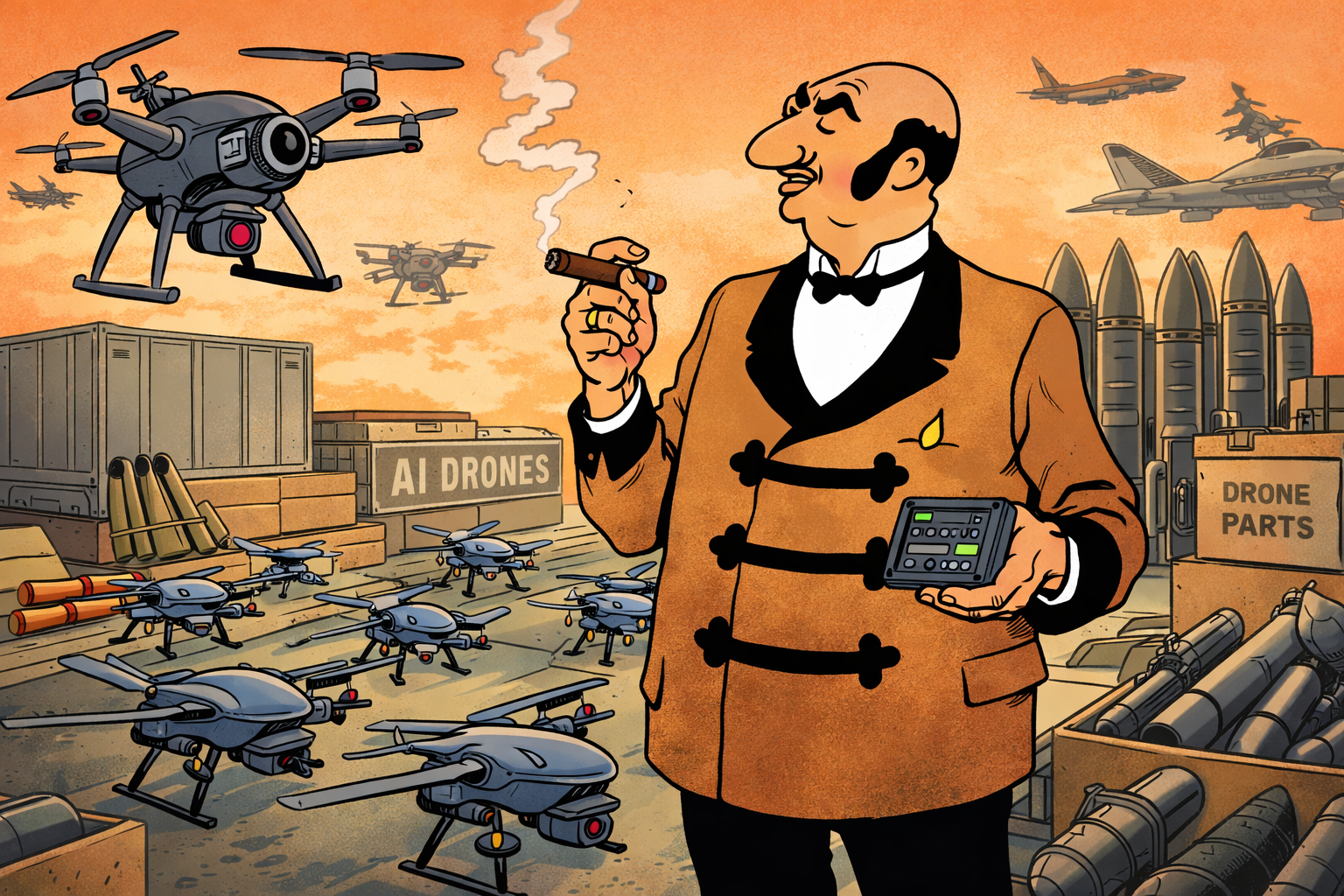
Rastapopoulos and the Business of Influence

Image created with AI

In the adventures of Tintin (1929 - 1976), villains rarely appear as villains. They wear good suits, run international companies, and speak the language of progress and opportunity. At first glance, these stories may seem like a story from another time. Yet the patterns they reveal feel uncomfortably close to decisions being made in our own time.

No one embodies the dealmakers that we are talking about better than Roberto Rastapopoulos, the cigar-smoking tycoon who first appeared in Cigars of the Pharaoh (1934). Behind his elegant offices and film studios lay a network of smuggling, bribery, and intimidation that stretched across continents.

Rastapopoulos’ genius was not the crime itself, but his ability to make the system work for him.

If Hergé were writing the stories today, Rastapopoulos would probably not be dealing in opium or stolen jewels. His warehouse might instead contain rows of AI drones, missile components, and autonomous aircraft being prepared for “defense contracts.”

Everything would look perfectly legitimate.

Government officials would speak about security. Companies would talk about innovation. Investors would discuss growth markets.

But Tintin — and readers of Tintin — would look beyond the hardware.

  • A contract appears after a convenient political donation.

  • A procurement board is chaired by an old acquaintance.

  • A strategic position goes to a relative of someone powerful.

  • A competitor quietly withdraws after an unpleasant conversation.

Corruption opens doors. Nepotism keeps them open.

From the outside it all looks modern, technical, even respectable. Yet the structure behind it would be instantly familiar to anyone who has followed the adventures of Tintin.

Because in Rastapopoulos’ world, the real product was never opium, diamonds, or weapons. The real product was influence. And influence, once captured, can move markets, governments — and sometimes even wars.

What Evolution Teaches Us About Power and Conflict

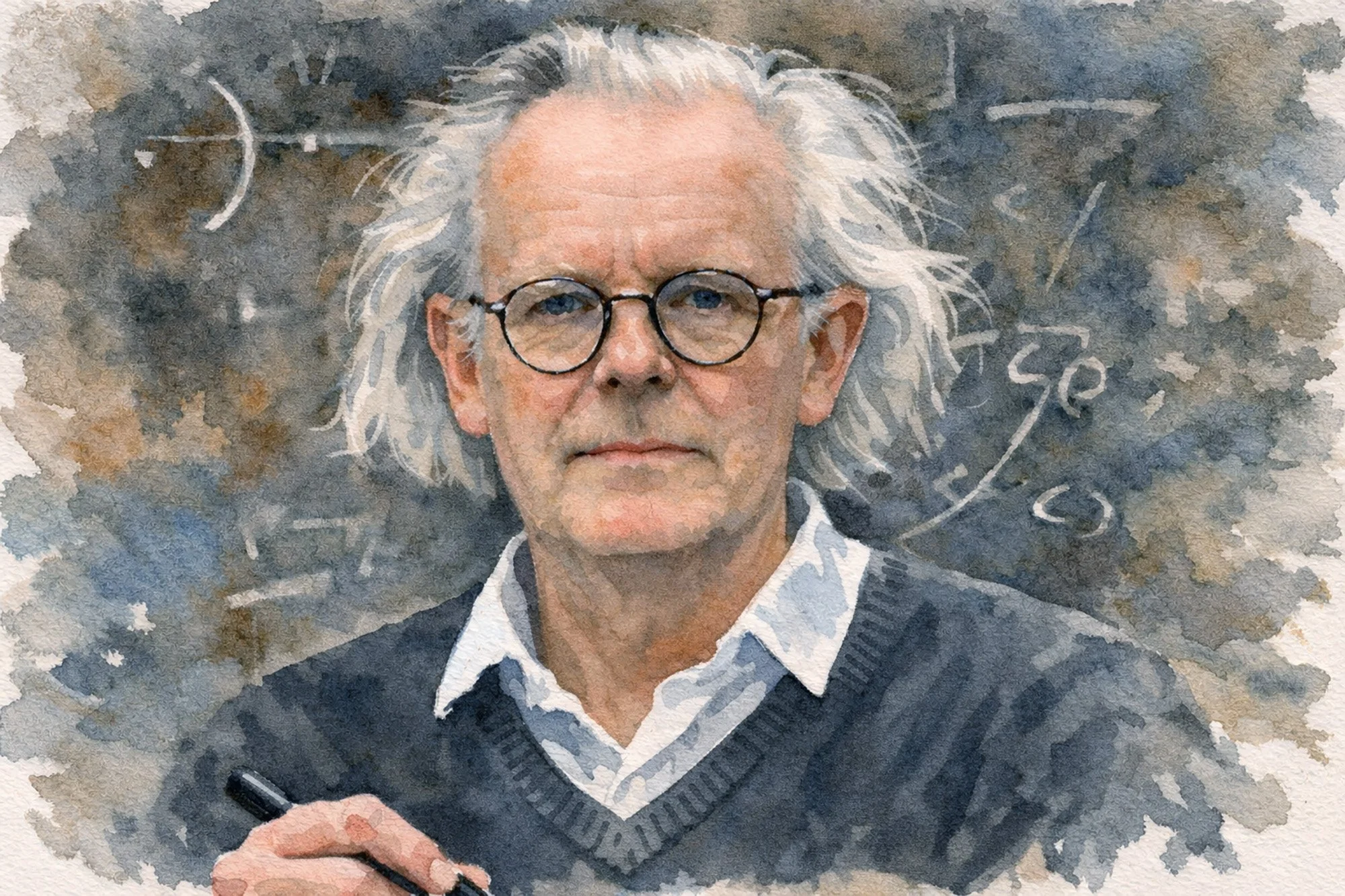
John Maynard Smith

In 1973, the British evolutionary biologist John Maynard Smith published a book that would quietly reshape how scientists think about conflict: Evolution and the Theory of Games.

Maynard Smith, who spent much of his career at University of Oxford, was not writing about politics or diplomacy. He was studying animals. Yet his ideas may help explain a surprising amount about the modern geopolitical world.

Hawks and Doves

Maynard Smith introduced a simple model to understand conflict in nature. Imagine two types of behavior:

  • Hawks escalate immediately. They fight aggressively for territory, food, or status.

  • Doves avoid real fighting. They threaten a little, display strength, but retreat before serious damage occurs.

When two hawks meet, the result can be destructive: both risk injury.
When a hawk meets a dove, the hawk wins easily.
When two doves meet, they avoid costly violence and usually share or withdraw.

The key insight was striking: if the cost of fighting is high enough, a population made entirely of hawks is unstable. Pure aggression destroys itself. Nature therefore tends to produce a balance of strategies — what Maynard Smith called an evolutionarily stable strategy. Conflict exists. But it is limited.

Why Threats Often Replace War

Across the animal world, species rarely fight to the death. Instead, they rely on ritualized displays: antlers clashing, birds spreading wings, animals roaring or circling. These displays are not pointless theatre. They are a way to signal strength while avoiding catastrophic costs. In other words, nature evolved something that looks suspiciously like deterrence.

The Geopolitical Parallel

Look at today’s world and the pattern becomes recognizable.

Great powers threaten. They posture. They test each other’s resolve.
Military exercises replace battles. Sanctions replace invasions.
Rhetoric escalates while leaders quietly try to avoid direct collision.

From the perspective of Maynard Smith’s model, this is not surprising. When the cost of war becomes extreme — especially in a nuclear age — a world of constant hawks becomes dangerously unstable. If every actor behaves like a hawk, sooner or later two hawks collide. And in modern geopolitics, the injuries would be catastrophic.

The Dangerous Moment

But Maynard Smith’s work also highlights something unsettling.

Stable systems depend on a recognition of costs.

If leaders begin to believe that conflict will be cheap — or that opponents will always retreat — hawkish strategies suddenly become attractive. Escalation becomes rational again. History shows that many wars begin precisely when actors misjudge those costs. In evolutionary terms, the system briefly forgets the price of being a hawk.

A Lesson from Evolution

Maynard Smith never intended his work as political theory. Yet it offers a useful lens for understanding power and conflict. Peace is rarely the result of goodwill alone. More often, it emerges from a shared understanding that some fights are simply too expensive to win. Nature discovered this long before humans invented diplomacy. The real question for our time is whether political leaders still remember the same lesson.

Further Reading

  • John Maynard Smith - Evolution and the Theory of Games

  • John Maynard Smith & George.R. Price - The Logic of Animal Conflict

  • Richard Dawkins – The Selfish Gene

Ukraine and the Old European Story of the Small Village That Refused to Surrender

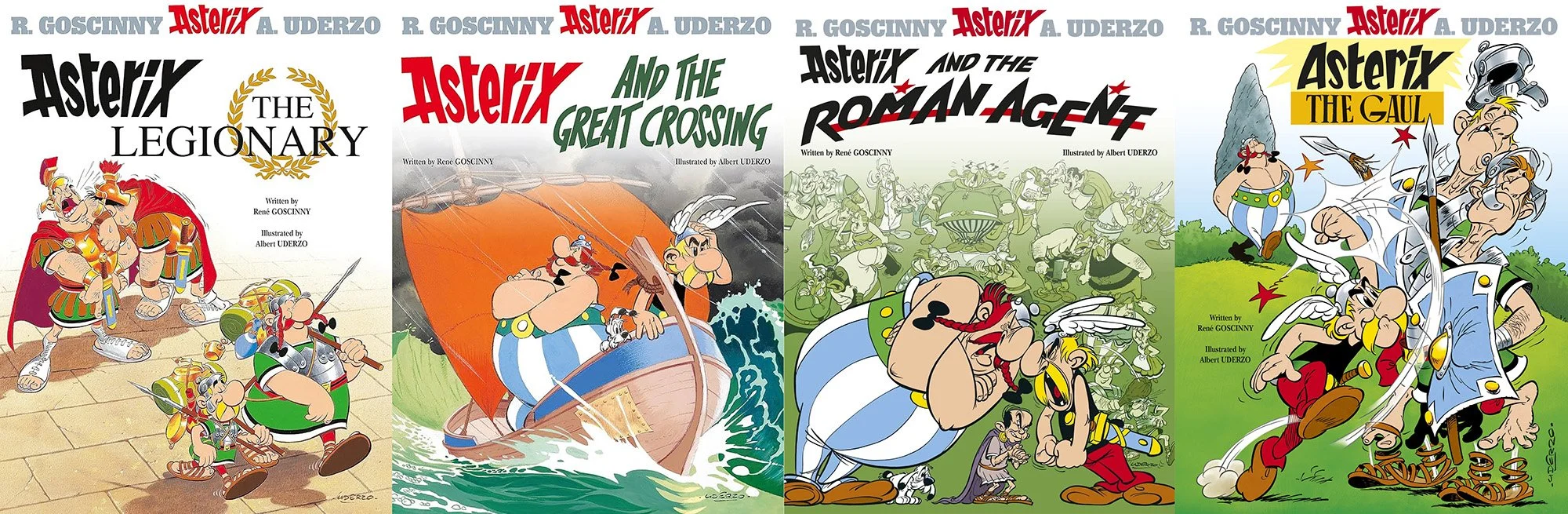
Some covers of English editions of the Asterix comic.

Every Asterix comic begins with the same idea: Gaul is entirely occupied by the Romans. Well, not entirely. One small community still holds out — the village of Asterix.

The story is humorous, but the theme is ancient and deeply European: the tension between large empires and small societies that refuse to submit.

In the comics, Rome represents overwhelming power. The empire has legions, roads, administration, and the confidence that its expansion is inevitable. Around the village stand Roman camps that symbolize imperial order.

The village of Asterix is the opposite: small, noisy, and stubbornly independent. Its inhabitants argue constantly, its chief is carried around on a shield, and its strength comes from the magic potion brewed by the druid Getafix.

Yet somehow, the village holds out.

The comparison is not perfect, but the image inevitably recalls Ukraine today. Faced with a far larger neighbor that claims historical and strategic rights over its territory, Ukraine has refused to accept that size alone determines the outcome.

In the Asterix stories, the villagers rely on magic potion. Ukraine relies on determination, technological ingenuity, and the support of a coalition that does not want the rules of Europe rewritten by force.

Europe’s history is full of similar moments. Time and again, small communities resisted larger empires — sometimes successfully, sometimes not.

That is why the story of the village of Asterix still resonates. It reflects a deeply rooted European belief: that freedom and identity are worth defending, even against overwhelming power.

When Republics Drift: Tacitus and the Politics of Our Time

Image created with AI.

Around the year 100 AD, the Roman historian Tacitus looked back on the political world he had lived through and saw something unsettling. Rome still had its Senate. Laws were debated, magistrates held office, and the language of republican government survived. Yet everyone understood that real power now rested with the emperor—whether under Tiberius, Nero, or later Domitian.

Tacitus captured this transformation with quiet precision. Rome had not suddenly abandoned its republican institutions. Instead, those institutions had slowly adapted to a new reality in which authority was increasingly concentrated.

For modern readers, that observation feels strikingly familiar. Across the democratic world—particularly in the United States—political debates increasingly revolve around the strength of institutions, the limits of executive power, and the resilience of constitutional systems. Tacitus does not offer a blueprint for the present. But his histories reveal a recurring pattern in political life: freedom rarely disappears through dramatic collapse. It fades gradually, while institutions continue to function.

A Senator Writing After the Republic

Tacitus was not an outsider observing Rome from afar. He was a senator who had served under several emperors, including the authoritarian reign of Domitian. His career unfolded in a political system where public institutions still existed, but where criticism of imperial authority could be dangerous.

After Domitian’s death, Tacitus began writing his great historical works, including The Histories and The Annals. These books explore the early decades of the Roman Empire and the reigns of emperors such as Tiberius, Nero, and others who shaped the imperial system.

What makes Tacitus remarkable is not only what he records, but how he interprets it. His histories are less concerned with battlefield drama than with the mechanics of power: how rulers influence institutions, how elites behave in changing political environments, and how a political culture gradually adjusts to new realities.

Institutions That Remain, but Change

Rome did not lose its republican structures overnight. The Senate continued to meet and to vote. Courts functioned. Public ceremonies preserved the appearance of the old order.

Tacitus shows how these institutions slowly evolved under imperial authority. Emperors shaped the political climate in which decisions were made. Legal mechanisms could be used to silence rivals. Public debate became more cautious as people learned where the true boundaries of power lay.

What makes Tacitus’ account so compelling is his restraint. He rarely launches direct attacks on the system. Instead, he describes events carefully, allowing readers to see how authority shifts even while institutions outwardly survive.

The Quiet Adaptation of Elites

A central theme in Tacitus’ work is the behavior of Rome’s political elite.

The Senate once stood at the center of Roman public life. Under the empire, it continued to exist but operated within a system dominated by the emperor. Senators responded in different ways. Some openly praised imperial authority. Others remained silent. A few attempted resistance and paid a heavy price.

Tacitus portrays these figures with striking nuance. They are not simply villains or heroes. Many are pragmatic individuals navigating a system that has fundamentally changed.

This raises one of Tacitus’ most uncomfortable questions: when freedom erodes, is it only because rulers seize power—or also because elites adapt to the new order?

A Lens for the United States—and Beyond

Tacitus does not tell us that modern republics will follow the same path as Rome. History never repeats itself so neatly. But his work offers a powerful framework for thinking about political change.

In the United States, institutions remain strong and deeply rooted. Congress legislates, courts interpret the law, and elections regularly shift political power. Yet debates about executive authority, the role of the judiciary, and the stability of democratic norms have become increasingly central to American political life. Presidents rely more frequently on executive orders and emergency powers. Political battles over the courts have intensified. Trust between branches of government has grown more fragile. None of these developments mean that the American republic is destined to follow Rome’s path. But Tacitus reminds us that the health of institutions depends not only on laws and constitutions. It also depends on political habits, expectations, and the willingness of elites to respect the limits of power.

These tensions are not unique to the United States. Across Europe and other parts of the world, societies are also debating the balance between strong leadership, institutional independence, and democratic accountability.

Tacitus helps us see why these debates matter.

The Slow Drift of Political Systems

Tacitus never wrote a formal theory of politics. Yet his histories contain one of the most enduring observations about power.

Political systems rarely collapse overnight. The greater danger lies in gradual change: the expansion of authority in times of crisis, the normalization of exceptional powers, and the quiet adaptation of institutions to new political realities. By the time these shifts become obvious, the system itself has already evolved.

That insight, drawn from the experience of ancient Rome, continues to resonate today. Tacitus reminds us that republics are not only sustained by laws and institutions. They are sustained by the political culture that surrounds them.

When that culture changes, freedom can fade—even while the structures of government remain.

Further Reading

  • Tacitus – The Annals

  • Tacitus – The Histories

  • Tacitus – Agricola

  • Tacitus – Germania

  • Ronald Syme – Tacitus

  • Christopher Kelly – The Roman Empire: A Very Short Introduction

  • Miriam Griffin – Nero: The End of a Dynasty

  • Anthony Everitt – The Rise of Rome

Europe, Melos, and the Return of Geopolitics

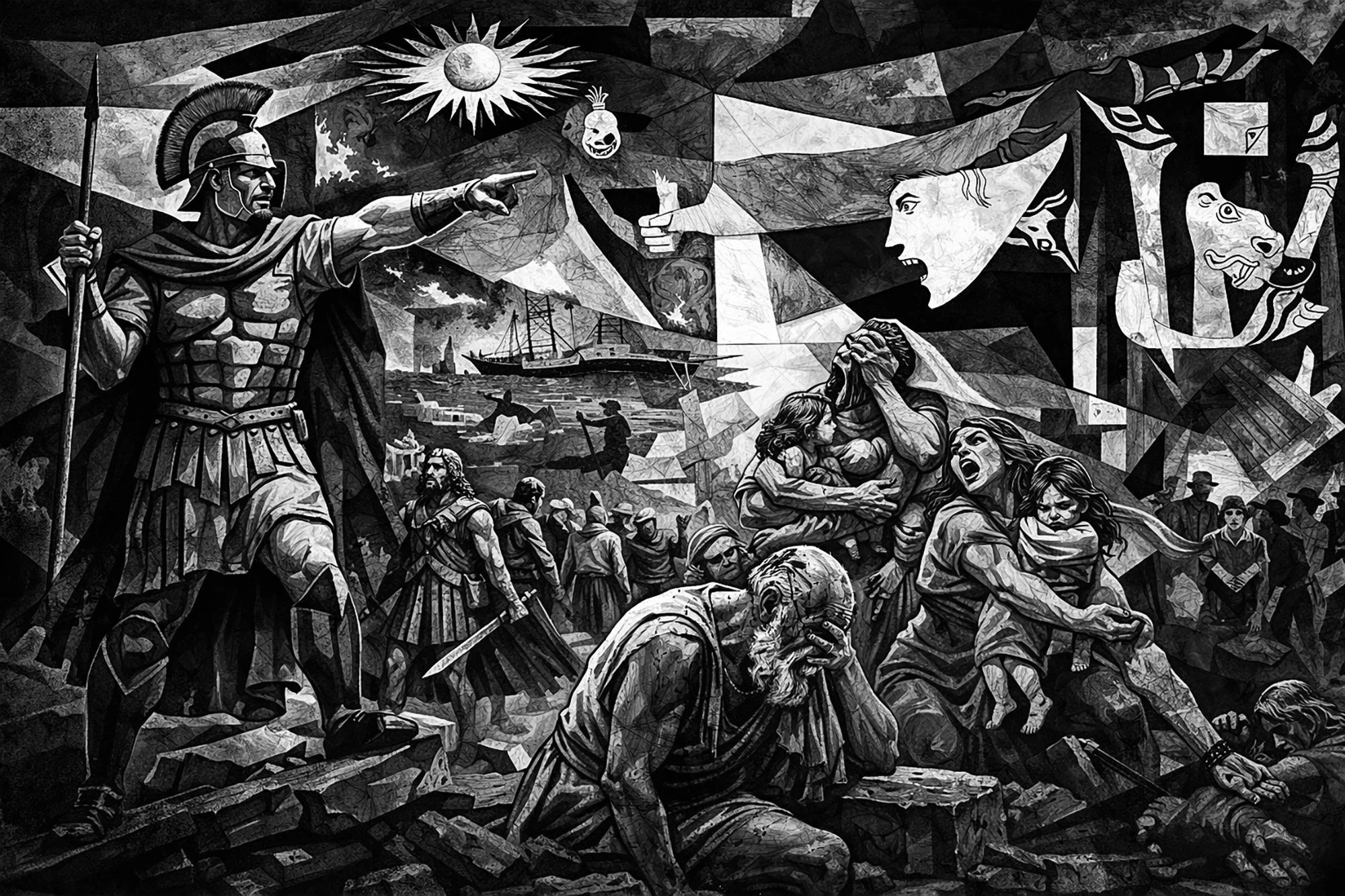
The Lesson of Melos (image created with AI)

In 416 BC the powerful city of Athens confronted the neutral island of Melos during the Peloponnesian War. The Melians appealed to justice and neutrality. The Athenians answered with the cold logic of power.

“The strong do what they can, and the weak suffer what they must.”

Soon afterwards Athens besieged the island. When Melos fell, the men were executed and the women and children enslaved.

Thucydides recorded this episode not to glorify power, but to expose how international politics sometimes works when survival, fear, and prestige dominate the decisions of states. For Europe today, the uncomfortable relevance of that ancient dialogue is becoming increasingly clear.

Europe’s Great Experiment

For seventy years Europe has pursued one of the most remarkable political projects in history. After two world wars the continent tried something radically different: replacing power politics with rules, institutions, and economic integration. The European Union became a system in which borders opened, sovereignty was shared, and disputes were managed through law rather than force. Inside Europe, that experiment worked astonishingly well. Outside Europe, however, the world never fully adopted the same logic.

The Return of Hard Geopolitics

Over the past decade Europe has rediscovered that it still lives in a wider international system shaped by power. The Russian invasion of Ukraine reminded Europeans that territorial war has not disappeared from the continent. Military strength and deterrence — concepts that many hoped belonged to the past — suddenly became central again. At the same time Europe faces instability along its southern horizon. Tensions involving Iran, Israel, and the United States affect energy markets, shipping routes, and regional stability. A wider conflict in the Middle East would quickly reverberate through Europe’s economy and politics. Above these regional crises lies a deeper transformation: the long-term strategic rivalry between China and the United States, which is reshaping global trade, technology, and alliances. These developments are not separate events. They are parts of a single geopolitical landscape in which the balance of power is shifting again.

Europe Between Power and Rules

Europe today occupies a unique position in that landscape. Economically it is one of the largest powers in the world. The European Union’s combined economy rivals that of the United States and China, and its regulatory influence shapes global markets. Yet in strategic and military terms Europe remains fragmented and still depends heavily on American security guarantees through NATO. This creates a fundamental tension. Europe believes deeply in a rules-based international order. But the stability of that order ultimately depends on power — military, economic, and political — capable of defending it.

The Lesson of Melos

The tragedy of Melos did not happen only because Athens was powerful. It happened because Melos had no reliable structure of power around it: no strong alliances, no credible deterrence, and no ability to shape the strategic environment in which it lived. Europe today is obviously not Melos. It is far larger, richer, and more influential. But the ancient story still raises a question that Europe cannot ignore. A political order based on rules works only when those who believe in it also possess the capacity to defend it. Europe has spent seventy years building one of the most successful political systems in modern history. The challenge of the twenty-first century may be learning how to protect it in a world where power politics has returned.

Further Reading

Thucydides — History of the Peloponnesian War (Book V, Melian Dialogue)
Donald Kagan — The Peloponnesian War
Richard Ned Lebow — The Tragic Vision of Politics
Graham Allison — Destined for War: Can America and China Escape Thucydides’s Trap?
Mark Leonard — The Age of Unpeace
Timothy Garton Ash — Homelands

Living on the Fault Line: A French Paratrooper in Germany around 1980

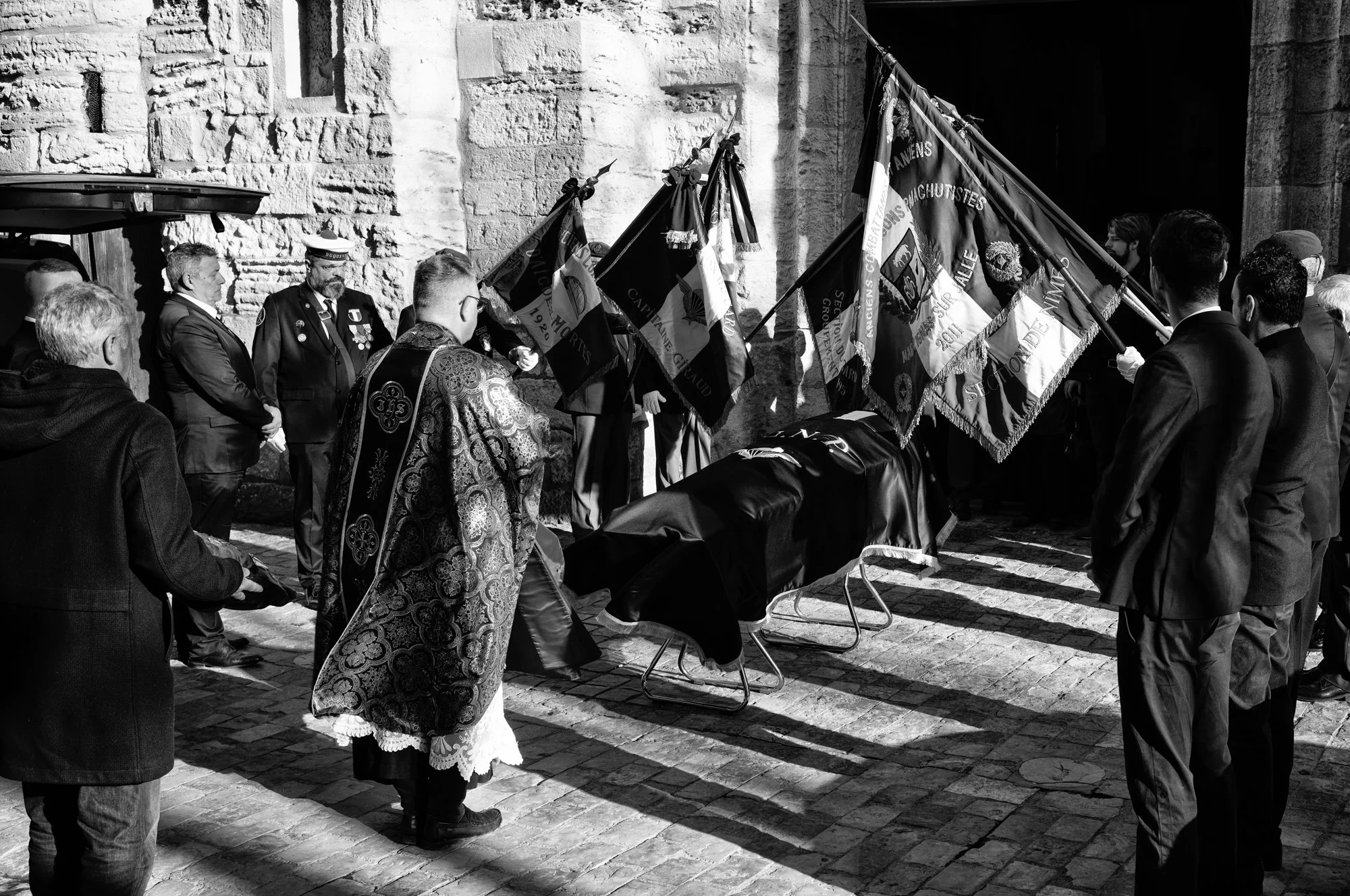
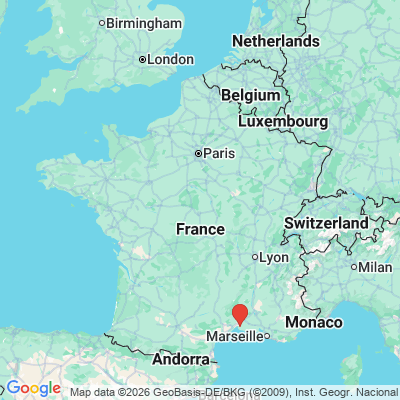
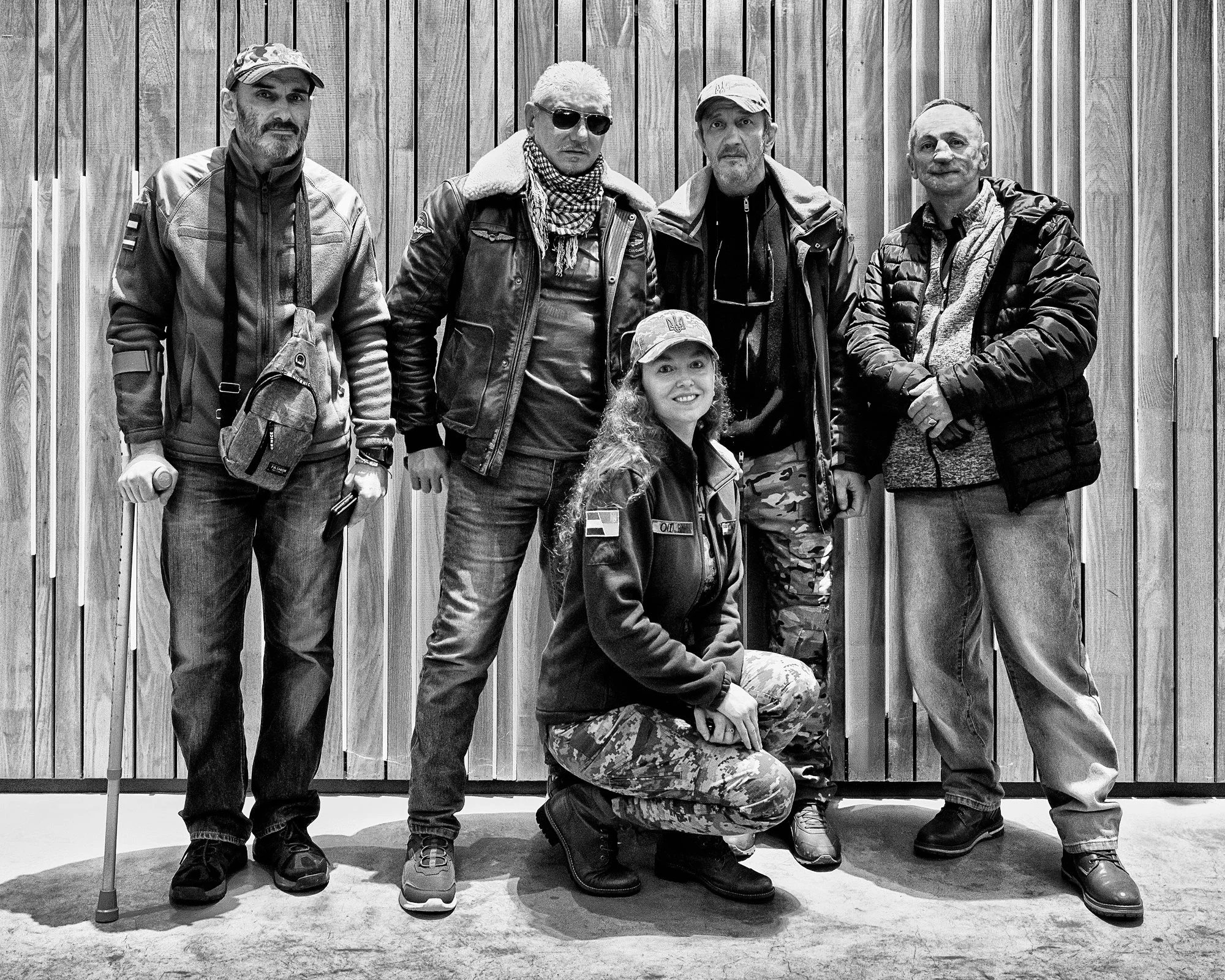
At the funeral of Jean Lacombe (1943 - 2026) at the Eglise Notre-Dame des Sablons in Aigues-Mortes (France, 3 feb. 2026). Jean Lacombe served in the 80s with the 12e Régiment de Cuirassiers in Germany (5e escadron, 1er peloton) and was later associated with the 13e Régiment de Dragons Parachutistes and the Union Nationale des Parachutistes (UNP), as part of the Forces françaises en Allemagne.

In the late 1970s and early 1980s, Europe lived with a quiet tension that shaped everyday life in ways that are easy to forget today. There was no shooting war, no ruins in the streets—but the expectation of war was always present, like bad weather on the horizon. For thousands of French soldiers stationed in West Germany, this was not theory. It was routine.

A man serving in a regular French unit such as the 12e Régiment de Cuirassiers around 1980 lived and trained on what was, in practical terms, the front line of the Cold War.

Why Germany?

After the Second World War, Germany became the hinge of Europe. West Germany faced the armies of the Soviet-led Eastern Bloc across a heavily fortified border. If a war were to begin, it would begin there. France therefore stationed large forces in Germany as part of a long-term strategy of deterrence: war would be prevented by making it too costly to start.

These forces were known as the Forces françaises en Allemagne—French forces permanently deployed on German soil. They were not occupiers, and not guests either. They were a standing reminder that Europe expected the worst and prepared accordingly.

Daily Life Under Permanent Readiness

For a soldier of the 12e RC—an armoured cavalry regiment—the rhythm of life was demanding and repetitive by design. Training was constant. Vehicles had to be ready, crews drilled, procedures rehearsed again and again. Exercises often simulated sudden escalation: alarms in the night, rapid mobilisation, columns moving out before dawn.

The logic was simple. If war came, there would be no time to improvise.

Yet daily life was not cinematic. It involved long stretches of waiting, maintenance, instruction, and routine discipline. Soldiers lived in barracks or nearby towns like Müllheim, often with families. Children went to French schools, groceries were bought locally, and weekends were sometimes spent crossing borders that today feel trivial but then carried enormous symbolic weight.

Normal life, lived under abnormal assumptions.

What Was He Training For?

Contrary to popular images of nuclear apocalypse, most soldiers trained for conventional war: tanks, reconnaissance, delaying actions, manoeuvre. The expectation was that any conflict would begin as a fast-moving conventional clash before escalation was even considered.

For cavalry units like the 12e RC, this meant mobility and information. Knowing where the opponent was mattered as much as firepower. Units trained to move quickly, observe, report, and—if necessary—fight while buying time for larger formations.

Nothing about this was abstract. Maps were studied with real villages on them. Rivers were crossed that still exist today. Routes were memorised because, in wartime, they would become lifelines or death traps.

France and NATO: Close, But Not the Same

One complexity often forgotten is that France, at this time, was not part of NATO’s integrated military command. That did not mean neutrality. French forces coordinated closely with allies but retained national control.

For soldiers, this meant a double identity: defending Western Europe alongside allies, while operating under a distinct French doctrine and command structure. Pride in independence was strong—but so was awareness of shared risk.

UNP: Brotherhood After the Uniform

Many of these soldiers later became active in the Union Nationale des Parachutistes (UNP). By the time they joined veterans’ organisations, the Cold War had ended. The wall fell. Barracks closed. Germany reunified.

But the shared experience remained.

UNP membership was not about nostalgia for conflict. It was about preserving a lived understanding of service in a period when peace depended on preparation for catastrophe. The ceremonies, the discipline, the insistence on memory—all grew from years spent training for a war that everyone hoped would never come.

A Life Shaped by Readiness

To serve in Germany around 1980 was to live with contradiction: stability built on constant alert, normal family life framed by contingency planning, peace maintained through the acceptance of potential destruction.

For those who stood watch there, history did not arrive with explosions. It arrived quietly, through decades of restraint.

And that restraint—rarely celebrated, never dramatic—may be one of Europe’s most significant achievements.