modern society

From Iron Age Tribes to Digital Europe

The Turning Points That Changed Everything
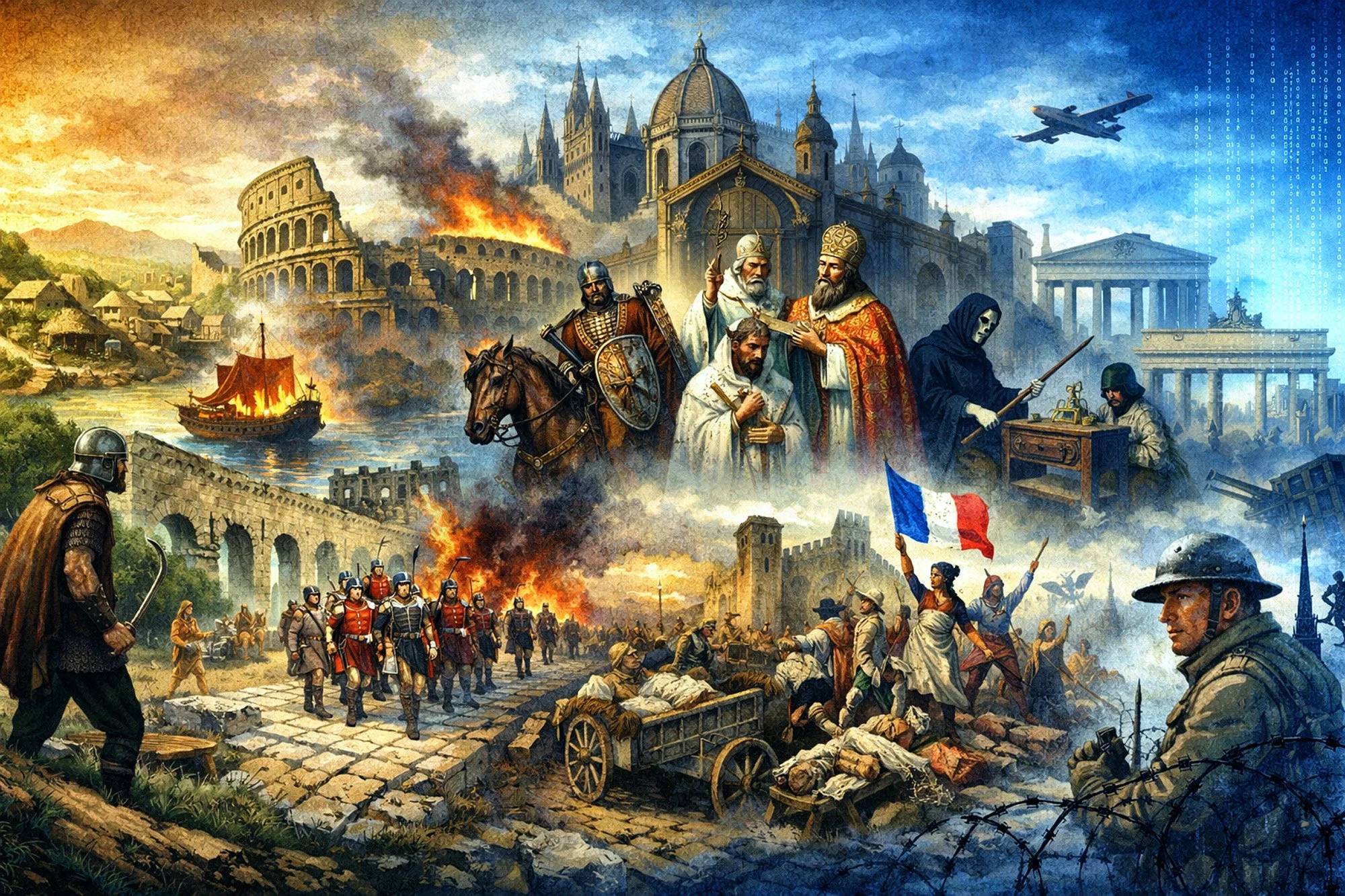
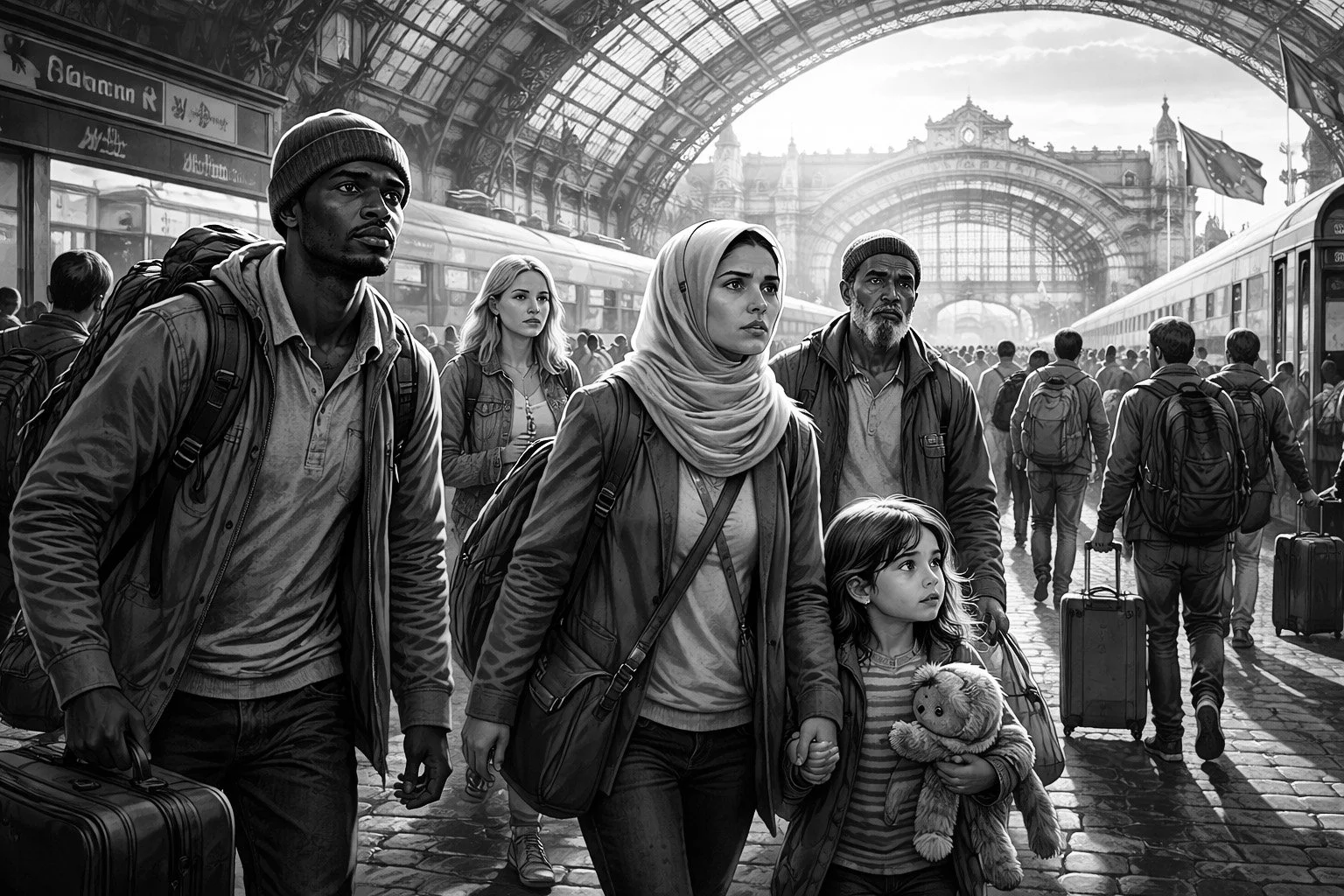
Image created with AI.

When we travel across Europe today, history often feels calm and continuous. Roman roads become medieval streets. Castles turn into hotels. Old kingdoms slowly transform into modern nations. Yet this impression is deceptive. Europe did not grow in a straight line. Again and again, long periods of tension built quietly beneath the surface. Then a relatively small event pushed societies over the edge.

If we want to understand Europe, we must look at these turning points.

The Iron Age and the Birth of European Diversity (around 800 BC)

Around 800 BC, Europe was not a unified civilisation but a mosaic of peoples and cultures. Celts, Iberians, Greeks, Etruscans and many others lived in networks of trade and rivalry. Iron technology spread, making tools and weapons more accessible. Trade routes connected the Mediterranean to the Atlantic and deep into the European interior. Wealth accumulated in new hands. Power became more concentrated.

This slow transformation was itself a tipping point. Europe moved from small, local communities to larger and more complex societies. Warfare became more organised. Long-distance exchange intensified. Cultural interaction increased. By the first millennium BC, Europe was already a connected world, restless and dynamic. The stage was set for a power capable of linking these regions into a single system.

Rome: Crisis as the Trigger for Empire

Rome was not destined to dominate Europe. For centuries it was simply one city among many in central Italy. Its rise was not inevitable. What changed was a series of existential crises that forced Rome to innovate. Surrounded by rivals, it developed flexible political institutions and a remarkable capacity to form alliances.

The decisive trigger came with the wars against Carthage in the third and second centuries BC. These conflicts pushed Rome beyond its limits. To survive, it mobilised unprecedented resources, built large fleets, and organised armies on a scale never seen before in the western Mediterranean. Victory over Carthage removed its greatest rival and gave Rome control over key trade routes and territories.

From that moment, the balance of power shifted. Expansion followed. Roads, colonies, and law spread across Europe. What had begun as a defensive struggle became an imperial system. For the first time, large parts of Europe shared infrastructure, administration and political frameworks. Cooperation and conquest became two sides of the same process.

The Fall of Rome and the Return of Fragmentation

The collapse of the Western Roman Empire in the fifth century is often imagined as a dramatic moment. In reality, decline had been gradual. Economic strain, migration, political instability and internal conflict slowly weakened the system. When a Germanic leader deposed the last Western emperor in 476, the event itself was almost symbolic. The real transformation had already taken place.

Yet the consequences were enormous. Europe fragmented into regional kingdoms. Local identities re-emerged. The central question became how to create order without empire. This challenge shaped the next thousand years.

Clovis and the Fusion of Cultures

Around the year 500, the Frankish king Clovis chose to adopt Catholic Christianity. Many other Germanic rulers followed different forms of the faith. His decision helped bridge the gap between Roman populations and new rulers. It strengthened cooperation between political power and the Church.

This was a small choice with large consequences. It laid foundations for medieval Europe and helped create a shared cultural framework that would endure for centuries.

Charlemagne and the Idea of Europe

In the year 800, Charlemagne was crowned emperor. His empire did not survive long, but the idea did. Europe began to see itself as a civilisation rooted in shared learning, religion and governance. Administration, education and communication were revived. The political geography of modern Europe began to take shape.

This moment shows how ideas can outlive institutions.

The Black Death: Catastrophe and Renewal

In the fourteenth century, plague devastated Europe. Yet it struck a society already under pressure. Population growth had strained resources. Feudal structures were rigid. The sudden loss of labour changed everything. Wages rose. Social mobility increased. Old hierarchies weakened.

Crisis became a catalyst for transformation. Europe emerged more dynamic and more flexible.

The Reformation and the Power of Networks

When Martin Luther challenged the Church in 1517, he did not intend a continental revolution. But printing, urban communication and political rivalry spread his ideas rapidly. Europe divided into competing systems. States gained strength. Individual belief became central.

Once again, long-term tensions combined with a triggering event.

Revolution and modern politics

The French Revolution transformed Europe. It introduced citizenship, rights and nationalism. Yet it grew from structural pressures: debt, inequality and social frustration. A political crisis ignited forces that reshaped the continent.

Modern Europe was born in this period of turmoil.

War and the Search for Cooperation

The twentieth century brought destruction on an unprecedented scale. Two world wars devastated Europe. Yet the response was not endless conflict. Instead, European leaders chose cooperation. Institutions replaced rivalry. Law replaced revenge. Integration became a strategy for survival.

This was perhaps Europe’s most surprising turning point.

1989 and the Reopening of the Continent

The fall of the Berlin Wall symbolised the end of division. Communist regimes had weakened for years, but small events accelerated change. Courage, communication and timing reshaped the political landscape. Europe reunited in ways few had predicted.

The Digital Age: a New Tipping Point

Today Europe faces another transformation. Globalisation, migration, climate change and digital technology are reshaping society. Social media amplifies emotions. Trust in institutions fluctuates. New communities emerge beyond borders.

The outcome remains uncertain. But history suggests that change will not be smooth. It will come through moments of crisis and renewal.

What Europe Teaches Us

Europe’s story is not only about conflict. It is about adaptation. Again and again, societies have faced collapse and uncertainty. Again and again, they have developed new forms of cooperation. Stability has never been permanent. Community has always had to be rebuilt.

For travellers, this perspective adds depth to every journey. Roads, villages and cities are not just heritage sites. They are the result of countless turning points. Europe is not a finished civilisation. It is an ongoing experiment.

And we are part of its next chapter.

Further Reading

  • Brian Klass, Fluke: Chance, Chaos and Why Everything We Do Matters

  • Christopher Dawson, The Making of Europe

  • Peter Heather, Empires and Barbarians

  • Ian Morris, Why the West Rules – For Now

  • Peter Turchin, Ages of Discord

  • Niall Ferguson, Civilization
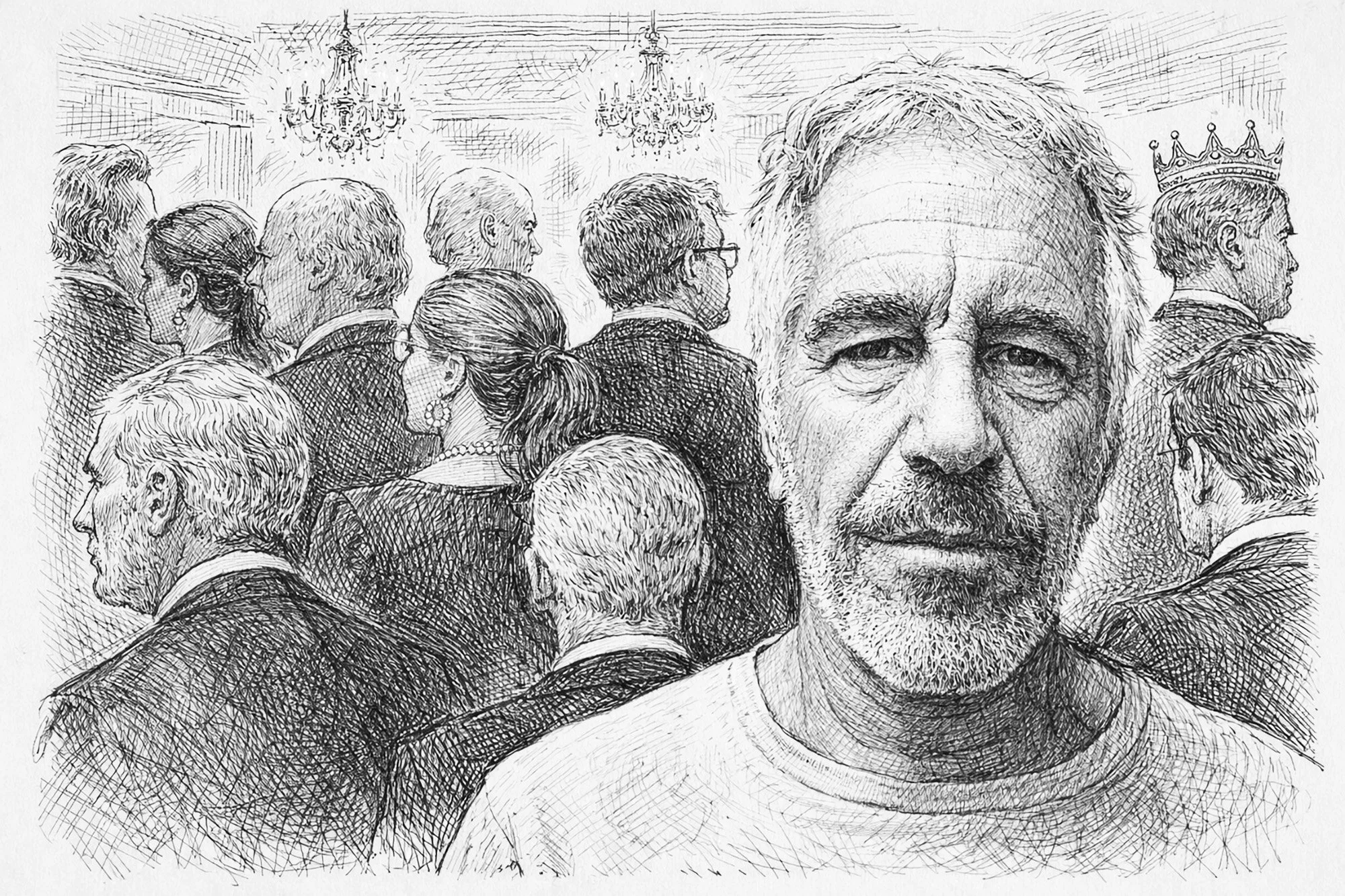
Epstein — and the Silence That Made It Possible

Image created with AI

The story of Jeffrey Epstein is, first and foremost, a story of abuse. Young women were manipulated, exploited and harmed, and that fact should remain at the centre; nothing in what follows diminishes it.

What continues to linger, however, is not only how this could happen, but how it was able to continue for so long — in plain sight, in the presence of people and institutions that should have known better. It is tempting to frame this as a series of failures: failures of judgement, of oversight, of justice. Those failures were real, but the explanation remains incomplete, because it suggests that, had a few individuals acted differently, the outcome would have changed.

What the Epstein case reveals is something more uncomfortable: not just that people failed, but that the environment in which they operated made those failures easier, more likely — and, for a long time, less costly than acting.

The Network

Epstein did not build a conventional empire. He was not a celebrated innovator or a clearly successful financier. Yet he moved with ease among billionaires, politicians, academics and royalty. He hosted, introduced, connected. He was present in rooms where reputations were shaped and opportunities were created.

That presence — more than any asset he owned — was the source of his power.

He positioned himself at the intersection of worlds that rarely meet directly. He connected financiers to politicians, academics to donors, business leaders to social circles they could not easily enter on their own. He understood what each group needed and what the other could offer.

And, at times, he offered something far darker.

Young women — often very young — were drawn in with promises of opportunity: a modelling career, financial support, a pathway into a world that appeared closed to them. What began, in some cases, as access or assistance could shift into dependency and control. The abuse that followed did not exist outside the network; it was, in part, enabled by it.

Because Epstein did not operate alone. He operated within a web of relationships that gave him legitimacy, and that legitimacy allowed him to continue. It softened suspicion, created doubt, and made disengagement more complicated than it should have been.

To walk away from Epstein was not only a moral act. It could mean stepping away from access, from influence, from opportunity. And so, in many cases, people did not leave. Not necessarily because they approved, but because the cost of disengagement was real.

This is not a justification.
It is a description of how such systems sustain themselves.

The Broker

To understand Epstein’s position, it helps to focus less on who he was and more on what he did.

He functioned as a broker.

A broker does not need to be the most powerful person in the room. He only needs to stand between those who are. He identifies gaps — between industries, between social circles, between spheres of influence — and positions himself as the link that makes exchange possible.

Epstein did this with unusual effectiveness. By connecting people who lacked either the time, the trust, the resources, or the access to meet directly, he created value. And once someone creates value within a network, tolerance tends to follow.

This helps explain why reputational damage does not always lead to exclusion. Even after his conviction in 2008, some relationships did not disappear; they adapted. They became quieter, more cautious, but they did not always end. Within a dense network, reputation is rarely judged on its own. It is filtered through relationships, softened by proximity, and sometimes overridden by usefulness.

No conspiracy is required for this to happen. It is enough that individuals, each acting in their own interest, choose not to sever ties that still benefit them.

The broker thrives in precisely this space — where clarity gives way to ambiguity, and where connections matter more than conclusions.

A Pattern Older Than the Present

Seen in this light, the structure surrounding Epstein is not new.

In ancient Rome, political life revolved around patronage. Wealthy patrons offered protection and opportunity; clients offered loyalty in return. Formal rules existed, but outcomes were shaped by relationships.

In Renaissance Florence, families like the Medici built influence not through titles alone, but by connecting finance, politics and religion. Their strength lay in occupying the spaces between these worlds.

In 18th-century Paris, salons functioned as informal centres of power. They were not official institutions, yet they shaped reputations, alliances and ideas. Access mattered as much as authority.

And at the court of Louis XIV, proximity itself became a form of influence. To be present was to count; to be excluded was to fade.

Across these contexts, the pattern is consistent: power is embedded in networks, and those networks tend to stabilise themselves. What has changed is not the logic, but the scale. Today’s networks are global, faster and more opaque — but they still rely on the same mechanisms: trust, reciprocity, access, and, when necessary, silence.

Epstein did not invent this system.
He moved within it — and, for a time, benefited from it.

The Mirror

It is tempting to see this as a story about distant elites — a world of private jets and exclusive circles, far removed from everyday life.

But the mechanisms that sustained Epstein’s network are not confined to that world. They exist, in quieter and more benign forms, much closer to home. We all operate within circles of trust. We introduce people to one another, favour those we know, and hesitate to confront individuals who are well connected, respected or useful. In doing so, we constantly balance principles against relationships, often without fully recognising it.

At a small scale, these behaviours are not only harmless, they are essential. A society cannot function without networks of trust. Cooperation depends on them. Economic exchange depends on them. Even ordinary social life depends on them.

From an evolutionary perspective, this is not accidental. Human beings evolved in small groups where survival depended on cooperation, reciprocity and reputation. The instinct to maintain relationships, to protect alliances, and to avoid exclusion is deeply embedded. It is what allows groups to function — and individuals to belong.

But these same mechanisms, when scaled up and embedded in systems of power, create a tension that cannot be resolved once and for all. The trust that binds groups together can also shield them from scrutiny, while loyalty can discourage dissent and the desire to belong can outweigh the impulse to confront.

The conclusion is uncomfortable: societies depend on networks of trust, yet those same networks can protect themselves at the expense of accountability. That tension cannot be removed — only contained — and if it is ignored, the pattern will return.

Further Reading

  • Julie K. Brown — Perversion of Justice

  • Anand Giridharadas — Winners Take All

  • C. Wright Mills — The Power Elite

  • Mary Beard — SPQR

  • Norbert Elias — The Court Society

  • Antoine Lilti — The World of the Salons

  • Robert Trivers — The Evolution of Reciprocal Altruism

  • Joseph Henrich — The Secret of Our Success

  • Miami Herald investigative series on Epstein

  • New York Times reporting on Epstein

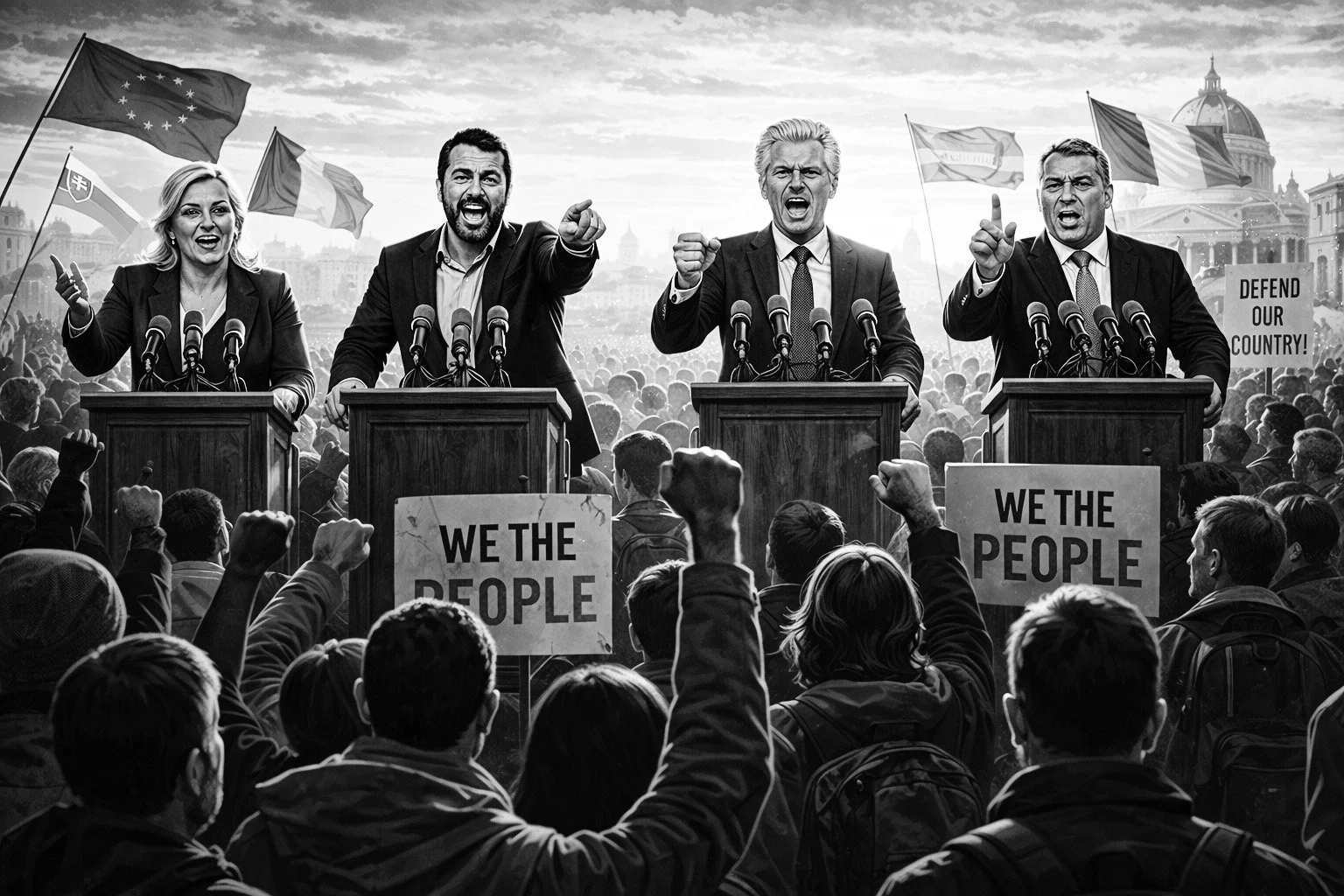
Who Speaks for “Us”?

Populism and the loss of shared context

Image generated with ChatGPT.

Many people today recognise the same uneasy feeling, even if they describe it in different ways. Decisions are made that shape their lives, yet those decisions seem to come from somewhere else — distant, abstract, impersonal. Not openly hostile, but unfamiliar. As if politics no longer passes through the world they know.

This sense of distance is fertile ground for populism.

Populism is often treated as a political problem: a style of rhetoric, a threat to democracy, a rejection of facts. But it can also be understood differently. Seen through a cultural lens, populism looks less like a doctrine and more like a reaction — a response to the feeling that public life has lost its connection to everyday experience.

At the heart of populism lies a simple question: Who speaks for “us”?
Not who governs most competently, or who follows the rules best, but who feels recognisable. Who understands how life is lived. Who belongs.

Modern democracies rely heavily on rules, procedures and institutions. This is necessary. Complex societies cannot function without clear laws, formal decision-making and expert knowledge. But over time, this way of governing can become distant. Politics begins to speak in the language of policy papers, statistics and legal frameworks — a language that makes sense, yet feels strangely empty.

When legitimacy has to be explained, rather than felt, trust becomes fragile.

Populist leaders thrive in this space. They do not primarily offer better solutions, but a different kind of connection. They speak in simpler terms, draw clear lines, and personalise responsibility. They name enemies and allies. In doing so, they restore a sense of context — even if that context is simplified or exclusionary.

Migration often intensifies these dynamics.

Migration is not only the movement of people; it is the movement of ways of life, habits and expectations. For many, this creates a vague sense of loss: familiar rhythms change, unspoken rules no longer seem shared. Populist narratives turn that unease into a story. Migrants become symbols — not only of change, but of the fear that no one is safeguarding what once felt self-evident.

This also helps explain why facts alone rarely weaken populism. Statistics and policy arguments address questions of efficiency and legality. Populism speaks to something else: recognition, dignity, and the feeling of being seen. When people feel unheard, being corrected does little to restore trust.

None of this means that populism offers good answers. It often simplifies, divides and excludes. But dismissing it as ignorance or manipulation misses the deeper issue. Populism is a signal that shared context is eroding.

The real challenge, then, is not how to silence populism, but how to rebuild forms of politics that reconnect rules with lived experience, and institutions with everyday life.

Who speaks for “us” remains an open question. Ignoring it will not make it disappear — it will only ensure that others answer it more loudly.

How the War in Iran Will Change What We Eat

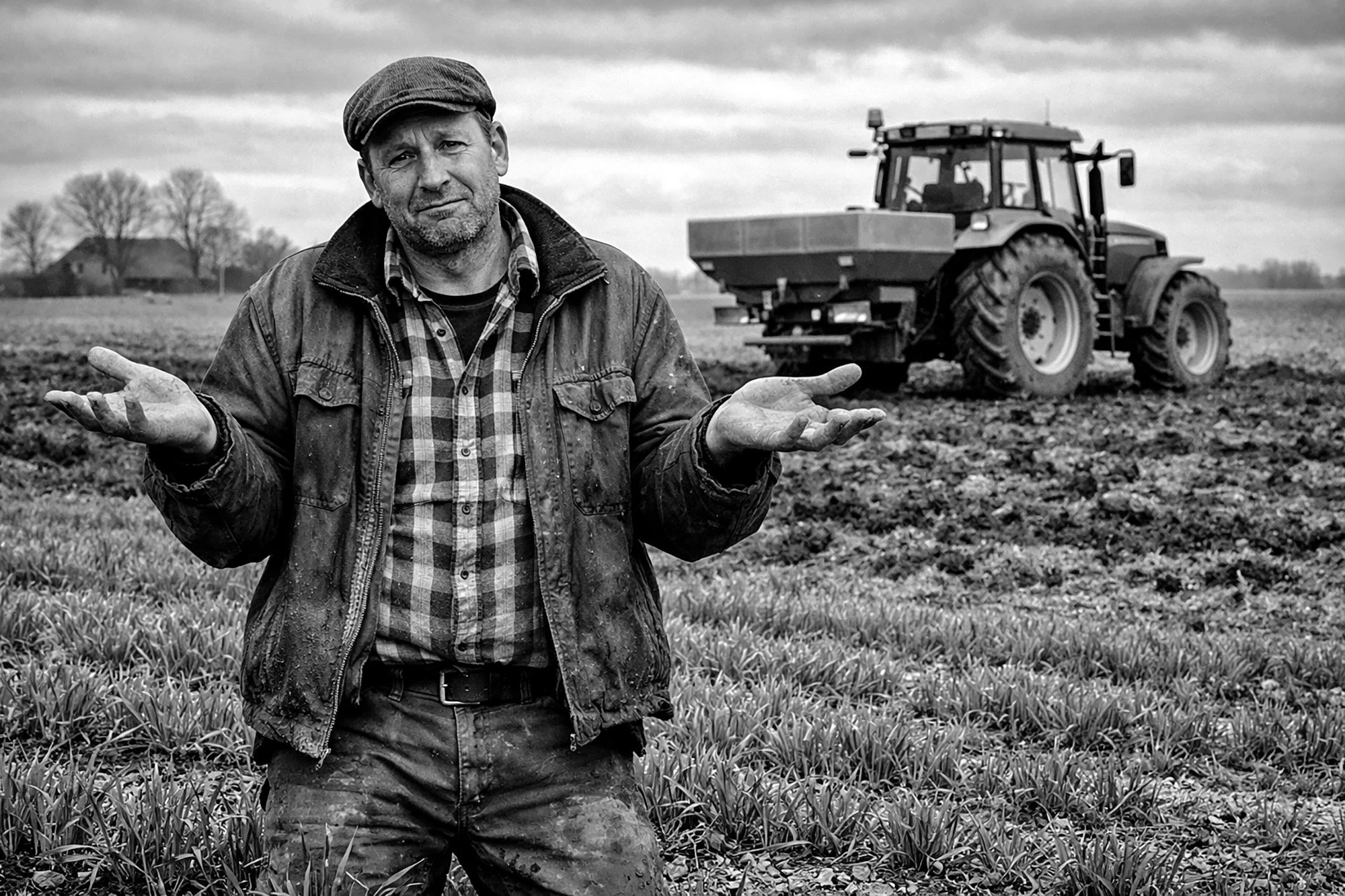
A farmer asking himself: what now? (Image generated with AI.)

For many Europeans, food still feels predictable. You go to the supermarket, and everything is there. Prices have gone up in recent years, but the system still seems to work.

That sense of stability is now under pressure.

Not because of something happening in European fields, but because of what is happening far away — in the Strait of Hormuz, the narrow passage between Iran and the Arabian Peninsula. Military tension, blocked shipping routes, and rising insurance risks are disrupting one of the world’s most important trade corridors. As a result, energy prices are climbing, fertiliser supplies are tightening, and transport costs are rising — all at the same time.

What begins there does not stay there.

A system under strain

The Strait of Hormuz is best known for oil, but it is just as critical for natural gas and fertiliser. When that transport route is disrupted, the effects spread quickly. Energy becomes more expensive, fertiliser becomes less available, and moving goods becomes more costly.

These are not separate problems. They reinforce each other — and together they shape the cost and availability of food.

Energy hits the plate first

The impact is already visible across Europe. In the Netherlands, some fishing boats are staying in port because diesel costs have risen to the point where going out to sea is no longer viable. When boats stay in harbour, fish disappears from the market — just as grey shrimp have largely disappeared in recent years when costs became too high.

In Spain, tomatoes that supply much of Northern Europe are becoming more expensive because transport costs have increased sharply. Supermarkets in Germany and Belgium are already adjusting prices to reflect these higher costs, and consumers are noticing.

The pattern is simple: when energy becomes expensive, food follows. And this comes on top of several years of rising food prices, which have already stretched household budgets across Europe.

Fertiliser hits the plate second

At the same time, fertiliser is becoming less available. This is less visible, but just as important.

Modern agriculture depends on fertiliser to maintain yields. When supply tightens, farmers have to make difficult decisions. They may use less fertiliser, switch to crops that require less input, or reduce production altogether.

These decisions happen months before harvest, but their consequences are long-lasting. Lower fertiliser use leads to lower yields, which means less food entering the system later in the year. And because agriculture follows fixed seasonal cycles, a missed opportunity cannot be recovered.

Europe has to adapt

Europe is deeply connected to this system. It depends on imported energy, imported fertiliser, and long supply chains that link producers and consumers across borders. When all three come under pressure at once, the effects begin to accumulate.

Food becomes more expensive, some products become less available, and choices narrow. This is not a sudden shock, but a gradual tightening of the system.

Diets will have to adapt — not by choice, but by necessity.

A harder reality

For a long time, Europe has lived with the assumption that food is always available, that no matter what happens elsewhere, the shelves will remain full.

The war in Iran shows how fragile that assumption is. Food depends on energy, on fertiliser, and on stable global trade routes. When those are disrupted, the effects travel far — and they reach into everyday life.

What is changing is not just the price of food. It is something more fundamental: the quiet return of a reality Europe once knew well — that what we eat is shaped by forces far beyond our control, and that those forces can shift faster than we expect.

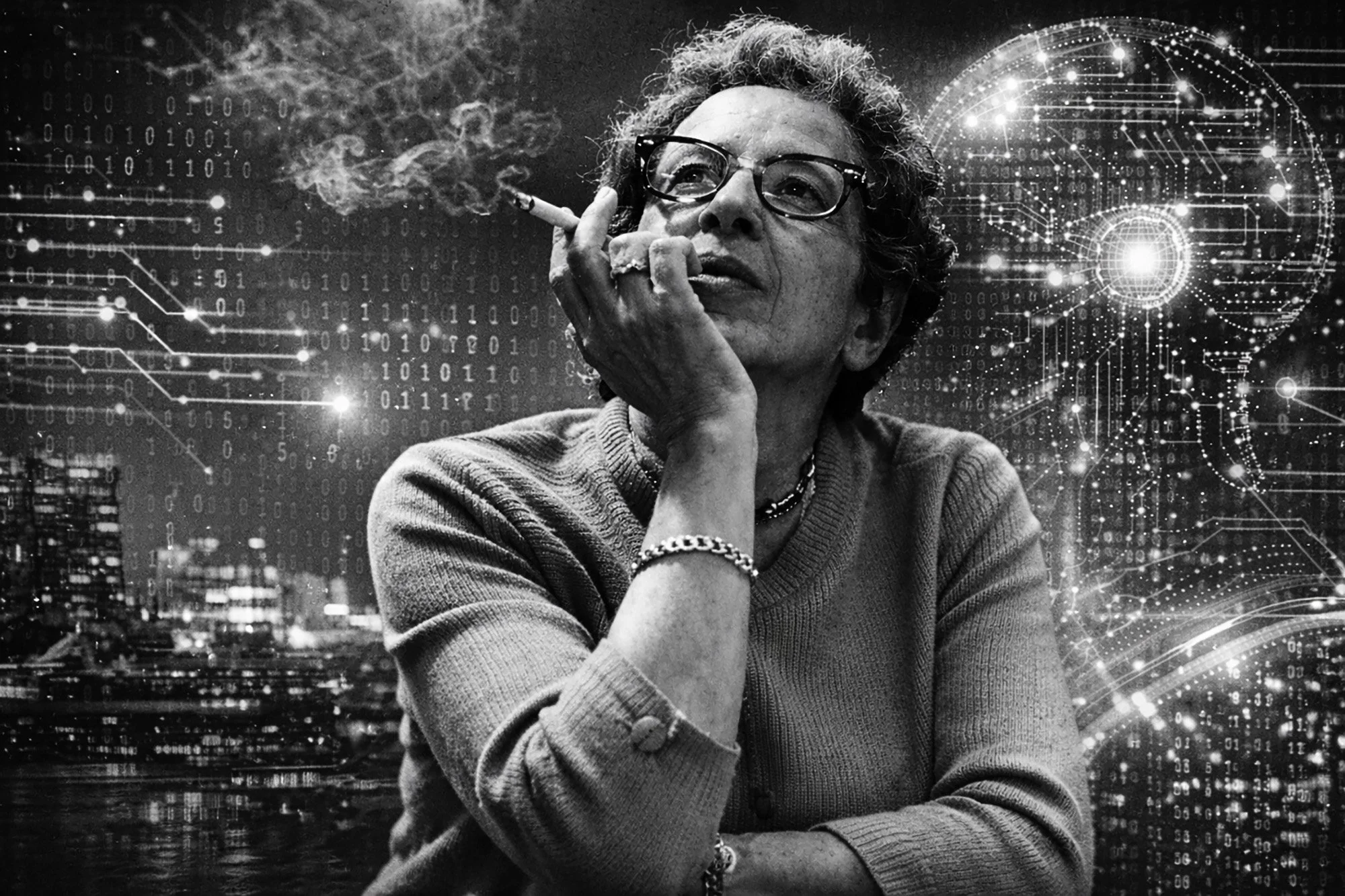
Hannah Arendt, AI and Social Media: The Risks of a World That Thinks for Us

A portrait of Hannah Arendt created with AI.

Hannah Arendt (1906 - 1975) is often seen as a thinker of the past, shaped by the rise of totalitarian regimes in 20th-century Europe, especially Nazi Germany. But her work is not just about that time. It is about something more basic: what happens when people stop thinking for themselves.

One of her most striking ideas came from watching the trial of Adolf Eichmann. She expected to see a monster. Instead, she saw an ordinary man who followed rules and spoke in clichés. He did not really think about what he was doing. That led her to a simple but troubling insight: great harm can come from people who do not think.

This idea feels very relevant today. The world around us makes thinking easier to avoid. Social media rewards quick reactions instead of careful reflection. Algorithms show us what we already agree with. AI tools give us fast, clear answers. None of this forces us to stop thinking—but it does make it easier not to.

Arendt also believed that this kind of situation often grows out of loneliness. When people feel disconnected from others and from the world around them, they look for simple explanations and guidance. In the past, political ideologies filled that gap. Today, digital platforms and AI sometimes play a similar role. They offer connection, but often in a way that stays on the surface and does not challenge us.

This links to a question that is becoming more important: what do we lose when technology does more for us? AI can help us work faster and find answers quickly. But if we start relying on it for judgment, interpretation, or even conversation, we may slowly lose the habit of thinking things through ourselves.

Arendt also warned that the real danger is not just lies, but confusion about what is true. In today’s digital world, information is filtered and repeated in ways that can make almost anything seem believable. AI adds to this by producing answers that sound convincing, even when they are not fully reliable. Something can feel right without actually being true.

This creates a problem. The world may seem clear and coherent, but it becomes harder to question or check what we see.

We are not living under totalitarian rule. But some of the conditions Arendt described are still present: people feeling disconnected, a weaker sense of shared reality, and a growing reliance on systems that guide our thinking.

Arendt did not offer simple solutions. Instead, she stressed something more basic. Thinking is not just a skill—it is a responsibility. It takes time, effort, and a willingness to pause and reflect.

In a world where technology makes everything faster and easier, that responsibility becomes more important.

The real question is not what AI and social media can do for us. It is whether we continue to think for ourselves.

Rutger Bregman and the Possibility of a Better World

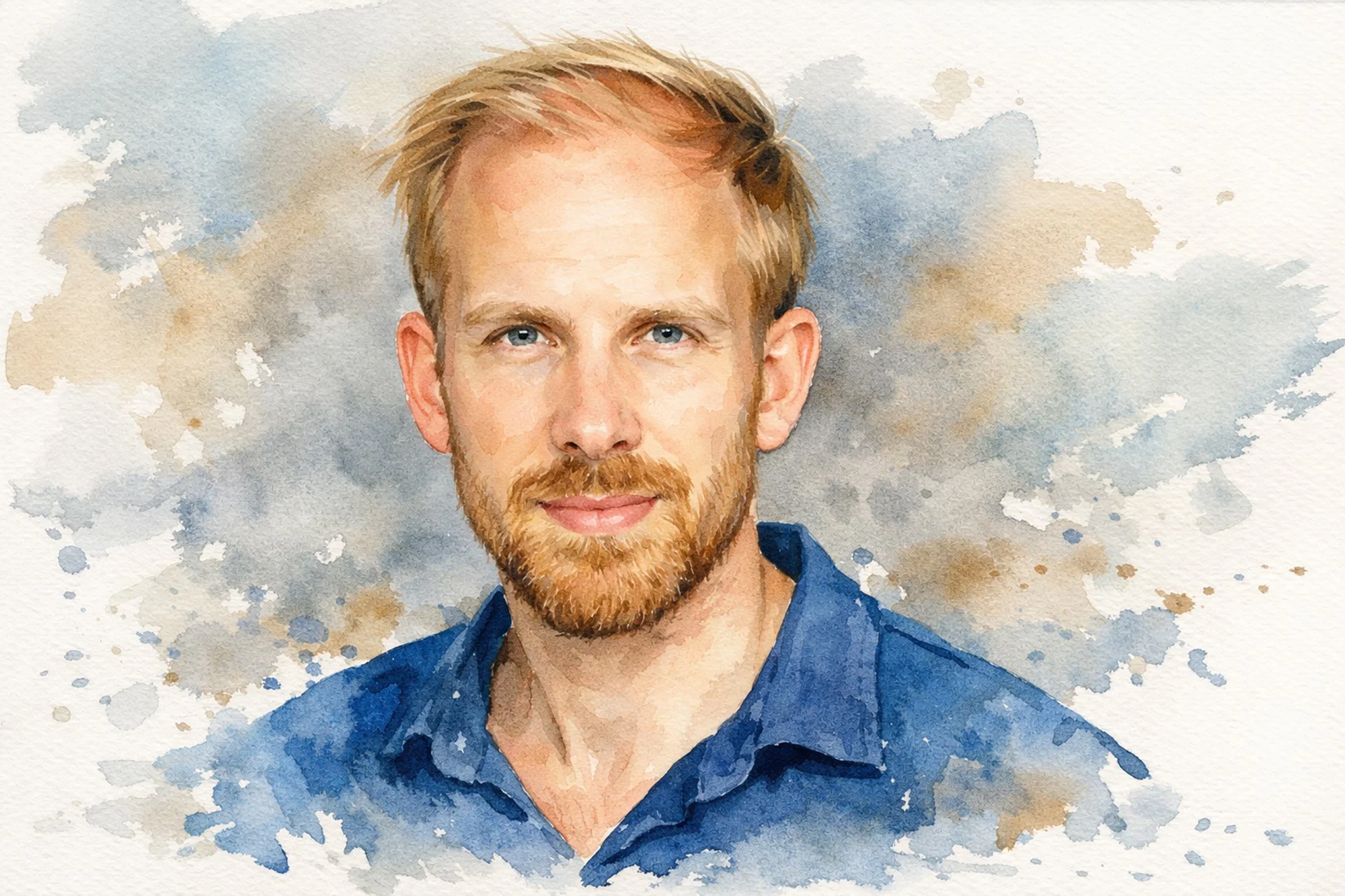
Rutger Bregman

In a time when public debate often assumes the worst about human nature, the Dutch historian and writer Rutger Bregman has built a career around a strikingly different idea: most people are fundamentally decent, cooperative, and capable of building a better society—if institutions allow it.

His books, especially Utopia for Realists and Humankind: A Hopeful History, combine history, social science, and moral argument to challenge common assumptions about human behavior, poverty, and economic systems.

A More Optimistic View of Human Nature

At the center of Bregman’s thinking is a simple but controversial claim: humans are not naturally selfish and violent. Instead, cooperation, empathy, and trust have been crucial to our evolutionary success.

Many famous historical stories, he argues, reinforce an overly pessimistic image of humanity. Looking more closely at history—from wartime behavior to everyday crises—often reveals the opposite: people helping one another rather than descending into chaos.

If this more optimistic view is correct, it has important consequences for politics and economics.

Poverty as a Lack of Money

One of Bregman’s most famous arguments concerns poverty. Rather than seeing poverty as a moral failure, he describes it as something simpler: a shortage of money.

From this perspective, direct support—simply giving people money—can be one of the most effective solutions. This idea lies behind his support for a universal basic income, a policy in which every citizen receives a regular payment from the state.

Supporters argue that such a system could reduce bureaucracy, eliminate extreme poverty, and give people greater freedom to shape their own lives.

A Critique of Modern Capitalism

Bregman does not call for the abolition of markets or capitalism. Instead, he argues that modern capitalism operates under rules that often favor the wealthiest actors.

One of his most widely discussed moments came during a speech at the World Economic Forum in Davos, where he criticized global elites for celebrating philanthropy while avoiding serious discussion about taxation. For Bregman, fair taxation and the closing of tax havens are essential for a more balanced economic system.

Rethinking Work

Another theme in Bregman’s work concerns the nature of modern work. He has helped popularize the debate about so-called “bullshit jobs”—roles that even the people performing them feel contribute little to society.

At the same time, many socially essential professions—teachers, nurses, and caregivers—often receive lower pay and status. This contrast, he argues, suggests that markets do not always reward what is most valuable to society.

What His Vision Would Mean

If Bregman’s ideas were widely implemented, the result would not be a revolutionary overthrow of capitalism but a redesign of its rules.

Extreme poverty might largely disappear through direct income support, taxation systems could become more transparent, and social policy would rely more on trust than suspicion.

Whether one agrees with his conclusions or not, Bregman’s work invites readers to consider a simple question: what kind of institutions would we build if we truly believed that most people are basically good?

Further Reading

  • Rutger Bregman - Utopia for Realists

  • Rutger Bregman - Humankind: A Hopeful History

  • Davos speech by Rutger Bregman at the World Economic Forum (2019)

  • David Graeber – Bullshit Jobs

A Contemporary Version of The Myriad Horsemen of the Apocalypse

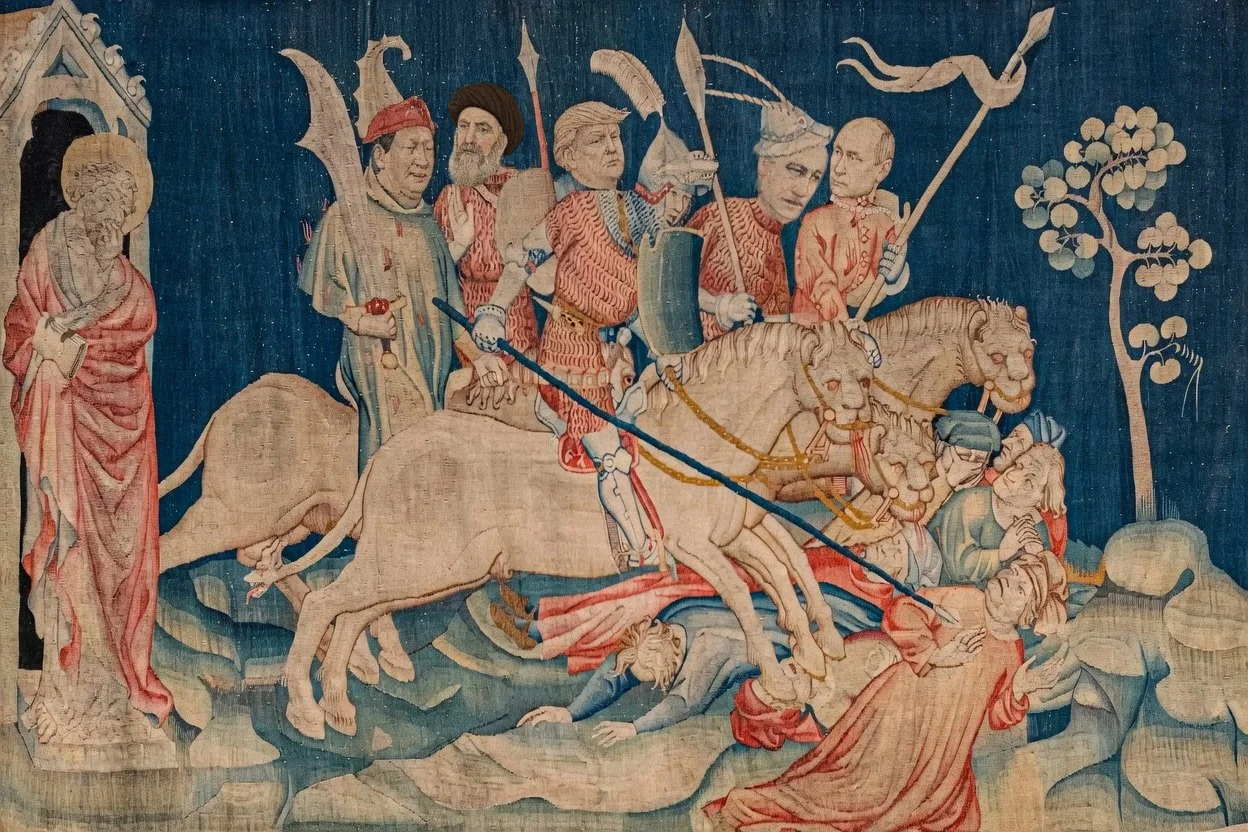
The Myriad Horsemen, this time with Xi Jinping, Ali Khamenei, Donald Trump, Benjamin Netanyahu, and Vladimir Putin.

A contemporary version of The Myriad Horsemen of the Apocalypse, this time with Xi Jinping, Ali Khamenei, Donald Trump, Benjamin Netanyahu, and Vladimir Putin.

At first glance, the image above looks like a fragment of a medieval tapestry: armored riders charging forward, people crushed beneath their horses. But look again. The riders are not medieval knights. Their faces resemble figures from today’s headlines — Xi Jinping, Ali Khamenei, Donald Trump, Benjamin Netanyahu, and Vladimir Putin.

This modern image reimagines one of the most striking scenes from the Apocalypse Tapestry in Angers, the panel often called The Myriad Horsemen. The original 14th-century tapestry illustrates the terrifying armies described in the Book of Revelation. (For the story behind the tapestry itself, see: The Apocalypse Tapestry, Château d’Angers, Angers (France).)

But medieval viewers probably saw more than a biblical vision. Europe was reeling from the Black Death and the destruction of the Hundred Years’ War. The riders even wear the armor of contemporary soldiers. To many people in 14th-century France, the apocalypse did not feel symbolic — it felt like the news of the day.

This modern reinterpretation simply continues that tradition.

Each age replaces the riders with the figures that embody its own anxieties. In the Middle Ages, they could evoke the armies ravaging France. Today, they may evoke a world unsettled by wars, rival powers, and a fragile international order.

The faces change. The uneasy sense of living in dangerous times does not.

The Night We Lost the Match and Won Everything (Sauviat-sur-Vige, France)

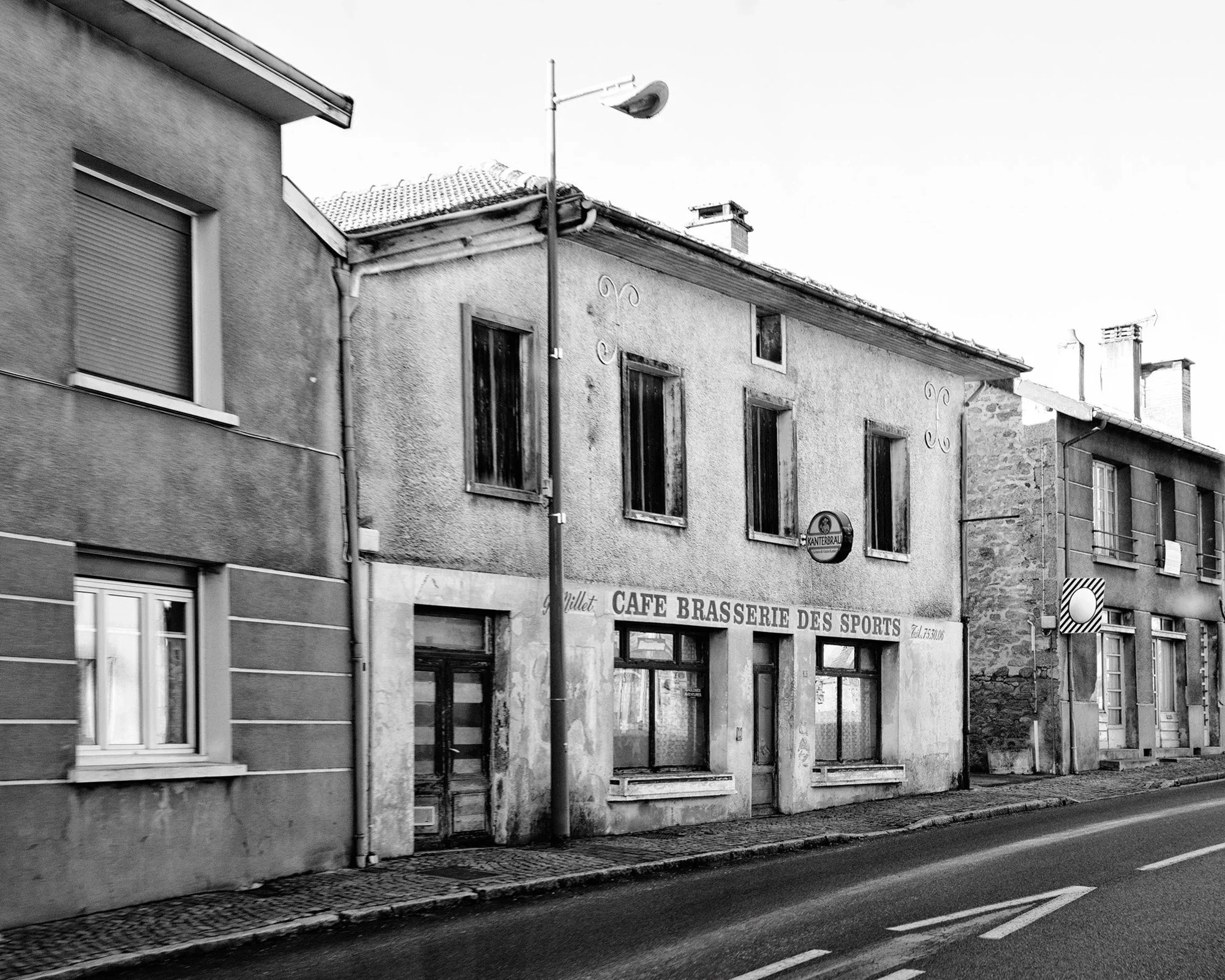
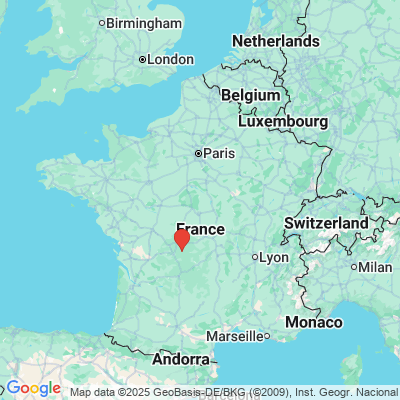
Café Brasserie des Sports in 2022 in Sauviat-sur-Vige (France).

The Café Brasserie des Sports stood silent now, its paint peeled by forty winters, the windows clouded with dust. But in André and Marcel’s minds, the lights were still on, the smoke still thick, and the air still trembling with the roar of a crowd that never quite went home.

“France versus West Germany,” André said, staring through the dusty window. “The whole village packed in here, remember? Millet yelling for quiet, the floor sticky with beer, and that tiny black-and-white TV balanced on the counter.”

Marcel laughed, that same deep laugh he’d had back then. “You mean the night you spilled your beer all over Yvette when Platini missed the penalty?”

“She said I looked honest when I suffered,” André smiled. “Then she married me. Must’ve liked lost causes.”

Marcel’s grin softened into something gentler. “That’s where I met Jeanne too. She stood at the bar pretending she didn’t notice me. But she laughed—oh, that laugh—when my ridiculous hat fell into the ashtray.”

Outside, a shutter rattled in the wind. The church bell struck six, hollow and patient.

For a moment, they both fell quiet. The street smelled of rain and wood smoke, and if you listened closely, you could almost hear it again—the clink of glasses, the hum of the crowd, the echo of a cheer that shook the walls when the final whistle blew.

André exhaled. “We lost that match, didn’t we?”

Marcel nodded slowly. “Aye. But we won everything that mattered.”

The wind carried a faint echo down the empty street, and for a heartbeat, Sauviat-sur-Vige was alive again—with laughter, with love, and the sound of a goal shouted to the rafters of the Café des Sports.

When Contexts Don’t Travel Well

Migration, culture, and why tensions arise before intentions are understood

Image generated with ChatGPT.

People have always moved. Romans settling far from Rome, Visigoths crossing a collapsing empire, Vikings navigating river systems deep into Europe, Moors shaping Iberian cities for centuries. Migration is not an exception in European history; it is one of its constants.

What is new is the speed, the scale, and the way migration now unfolds in societies that already struggle to agree on what holds them together.

Public debates usually frame migration in economic, legal or moral terms. Numbers, quotas, asylum procedures, labour shortages, humanitarian duty. All of that matters. But beneath these arguments lies a quieter layer that is rarely addressed: migration is not only about people crossing borders — it is also about different ways of carrying meaning and responsibility colliding.

In earlier blogs on low-context and high-context cultures, we explored how societies differ in where they locate meaning, how responsibility is shared, and how social order is maintained. Those distinctions matter even more once people move across cultural boundaries — because context does not stay behind when people migrate.

Migration makes cultural assumptions visible — and fragile.

When people move from one society to another, they do not leave their sense of meaning, responsibility or belonging at the border. They bring with them deeply ingrained expectations about how trust is built, how authority is recognised, how conflicts are handled, and how one knows what is expected without being told.

This is where friction begins.

It is tempting to describe Europe as predominantly low-context: rule-based, procedural, explicit. In practice, Europe has always been more complex. Alongside formal institutions and written law exist strong high-context regions and traditions — shaped by religion, history, family structures and local customs.

Migration therefore does not only create tension between low-context host societies and high-context newcomers. It also creates collisions between different high-context worlds, each organised around its own implicit rules.

High-context cultures do not automatically recognise each other’s signals.

What feels self-evident in one community may be meaningless — or even offensive — in another. Norms around gender, authority, hospitality, conflict or public behaviour often rely on unspoken cues that do not translate easily. When these cues are misread, misunderstanding does not feel like misunderstanding. It feels like disrespect.

For people arriving from strongly high-context backgrounds, contemporary European societies can feel disorienting. Social life may appear impersonal. Institutions may seem distant or indifferent. The absence of dense relational networks can be experienced not as freedom, but as isolation. What the host society understands as neutrality or equality, newcomers may experience as coldness or abandonment.

At the same time, host societies — whether more low- or high-context themselves — often expect newcomers to adapt quickly to existing norms. When this does not happen, frustration grows. Rules are explained. Expectations are repeated. Compliance is demanded. What is perceived as unwillingness or non-integration may in fact be uncertainty about how meaning and responsibility are supposed to work in this new setting.

The reverse misunderstanding is just as common. Migrants may rely on family networks, community leaders or informal structures to navigate daily life — perfectly rational strategies in many high-context cultures. Host societies may interpret this as withdrawal, parallel worlds, or resistance to shared norms.

These frictions are not merely cultural misunderstandings at the level of manners or communication. They are structural. They shape schooling, labour markets, neighbourhoods, policing, welfare systems and political debate. And when they accumulate, they harden into resentment on all sides.

Times of rapid change intensify this process.

Migration today often coincides with housing shortages, economic pressure and political uncertainty. In response, societies seek stability. Low-context systems tend to tighten rules, refine procedures and demand clearer enforcement. High-context communities — both established and newly arrived — often retreat into trusted networks, reinforce internal bonds and protect their own coherence.

Each side believes it is acting rationally. Each side experiences the other as unreasonable.

This helps explain why debates about migration so quickly polarise. What one group frames as law and order, another experiences as loss of dignity or recognition. What one side calls social cohesion, another experiences as exclusion. The conflict is rarely only about migrants themselves; it is about incompatible expectations of how societies are supposed to function.

History offers many parallels. Cities that tolerated newcomers as long as they fitted into existing networks. Empires that governed diversity through layered systems of belonging. And moments when those balances broke down once centralised rules replaced negotiated coexistence.

Looking at migration through the lens of context does not offer simple solutions. It does not settle questions about borders, numbers or policy. But it clarifies something essential: migration is not only about integrating people into systems. It is about negotiating between different ways of making sense of the world.

If societies ignore that layer, cultural misunderstanding easily turns into political conflict. If they acknowledge it, they may begin to see that many tensions are not driven by bad intentions, but by incompatible assumptions about meaning, responsibility and belonging.

When people move, context moves with them. Learning to live with that reality may be one of Europe’s most difficult — and most necessary — challenges.

Living on the Fault Line: A French Paratrooper in Germany around 1980

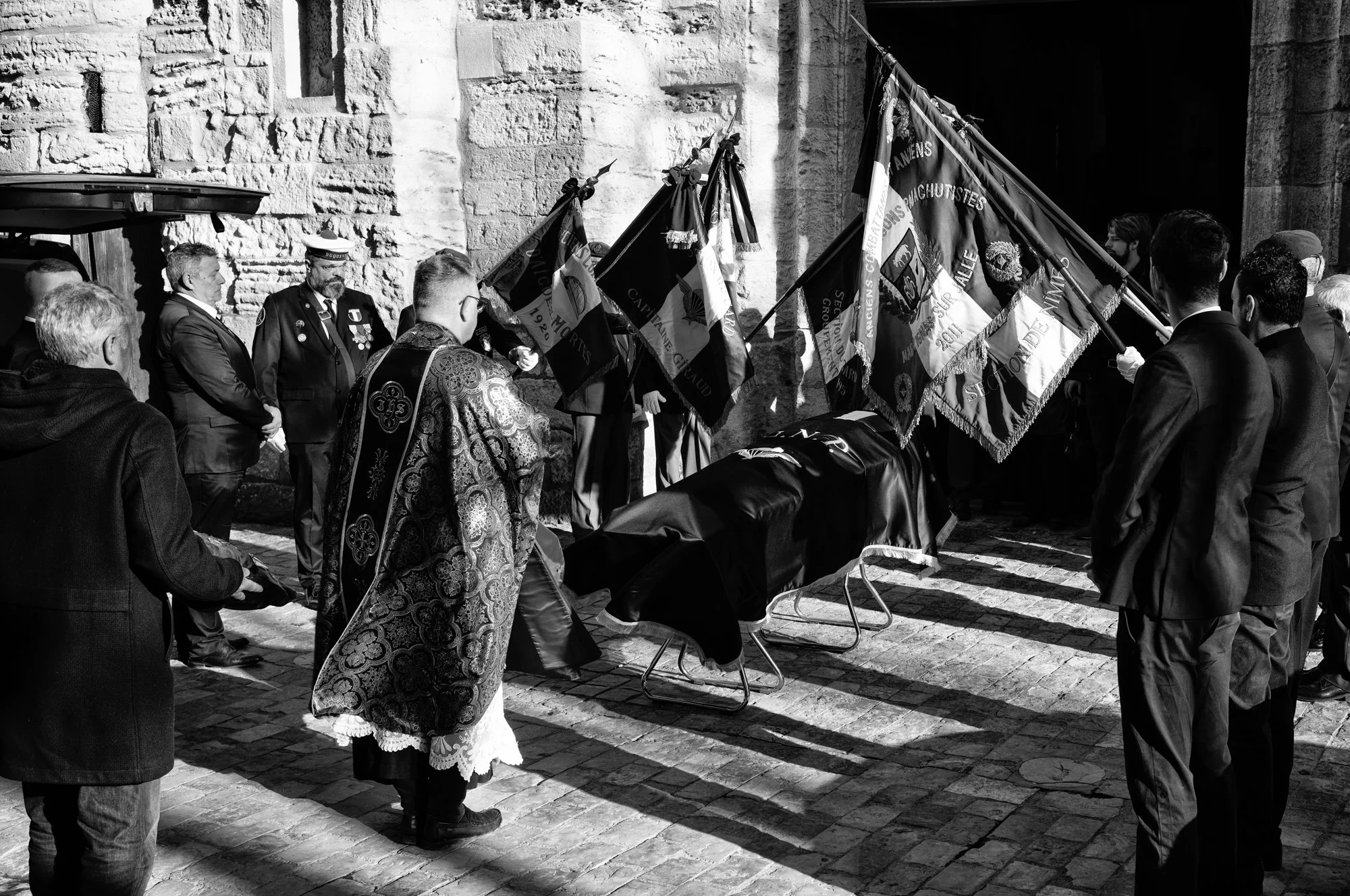
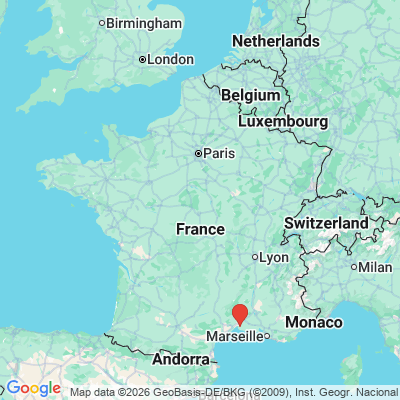
At the funeral of Jean Lacombe (1943 - 2026) at the Eglise Notre-Dame des Sablons in Aigues-Mortes (France, 3 feb. 2026). Jean Lacombe served in the 80s with the 12e Régiment de Cuirassiers in Germany (5e escadron, 1er peloton) and was later associated with the 13e Régiment de Dragons Parachutistes and the Union Nationale des Parachutistes (UNP), as part of the Forces françaises en Allemagne.

In the late 1970s and early 1980s, Europe lived with a quiet tension that shaped everyday life in ways that are easy to forget today. There was no shooting war, no ruins in the streets—but the expectation of war was always present, like bad weather on the horizon. For thousands of French soldiers stationed in West Germany, this was not theory. It was routine.

A man serving in a regular French unit such as the 12e Régiment de Cuirassiers around 1980 lived and trained on what was, in practical terms, the front line of the Cold War.

Why Germany?

After the Second World War, Germany became the hinge of Europe. West Germany faced the armies of the Soviet-led Eastern Bloc across a heavily fortified border. If a war were to begin, it would begin there. France therefore stationed large forces in Germany as part of a long-term strategy of deterrence: war would be prevented by making it too costly to start.

These forces were known as the Forces françaises en Allemagne—French forces permanently deployed on German soil. They were not occupiers, and not guests either. They were a standing reminder that Europe expected the worst and prepared accordingly.

Daily Life Under Permanent Readiness

For a soldier of the 12e RC—an armoured cavalry regiment—the rhythm of life was demanding and repetitive by design. Training was constant. Vehicles had to be ready, crews drilled, procedures rehearsed again and again. Exercises often simulated sudden escalation: alarms in the night, rapid mobilisation, columns moving out before dawn.

The logic was simple. If war came, there would be no time to improvise.

Yet daily life was not cinematic. It involved long stretches of waiting, maintenance, instruction, and routine discipline. Soldiers lived in barracks or nearby towns like Müllheim, often with families. Children went to French schools, groceries were bought locally, and weekends were sometimes spent crossing borders that today feel trivial but then carried enormous symbolic weight.

Normal life, lived under abnormal assumptions.

What Was He Training For?

Contrary to popular images of nuclear apocalypse, most soldiers trained for conventional war: tanks, reconnaissance, delaying actions, manoeuvre. The expectation was that any conflict would begin as a fast-moving conventional clash before escalation was even considered.

For cavalry units like the 12e RC, this meant mobility and information. Knowing where the opponent was mattered as much as firepower. Units trained to move quickly, observe, report, and—if necessary—fight while buying time for larger formations.

Nothing about this was abstract. Maps were studied with real villages on them. Rivers were crossed that still exist today. Routes were memorised because, in wartime, they would become lifelines or death traps.

France and NATO: Close, But Not the Same

One complexity often forgotten is that France, at this time, was not part of NATO’s integrated military command. That did not mean neutrality. French forces coordinated closely with allies but retained national control.

For soldiers, this meant a double identity: defending Western Europe alongside allies, while operating under a distinct French doctrine and command structure. Pride in independence was strong—but so was awareness of shared risk.

UNP: Brotherhood After the Uniform

Many of these soldiers later became active in the Union Nationale des Parachutistes (UNP). By the time they joined veterans’ organisations, the Cold War had ended. The wall fell. Barracks closed. Germany reunified.

But the shared experience remained.

UNP membership was not about nostalgia for conflict. It was about preserving a lived understanding of service in a period when peace depended on preparation for catastrophe. The ceremonies, the discipline, the insistence on memory—all grew from years spent training for a war that everyone hoped would never come.

A Life Shaped by Readiness

To serve in Germany around 1980 was to live with contradiction: stability built on constant alert, normal family life framed by contingency planning, peace maintained through the acceptance of potential destruction.

For those who stood watch there, history did not arrive with explosions. It arrived quietly, through decades of restraint.

And that restraint—rarely celebrated, never dramatic—may be one of Europe’s most significant achievements.