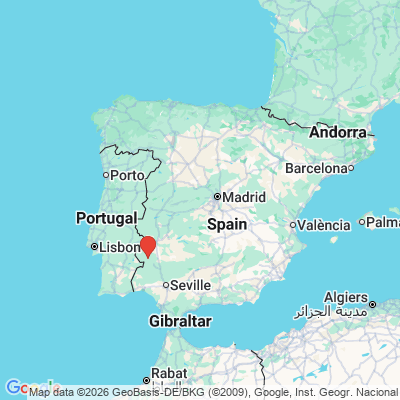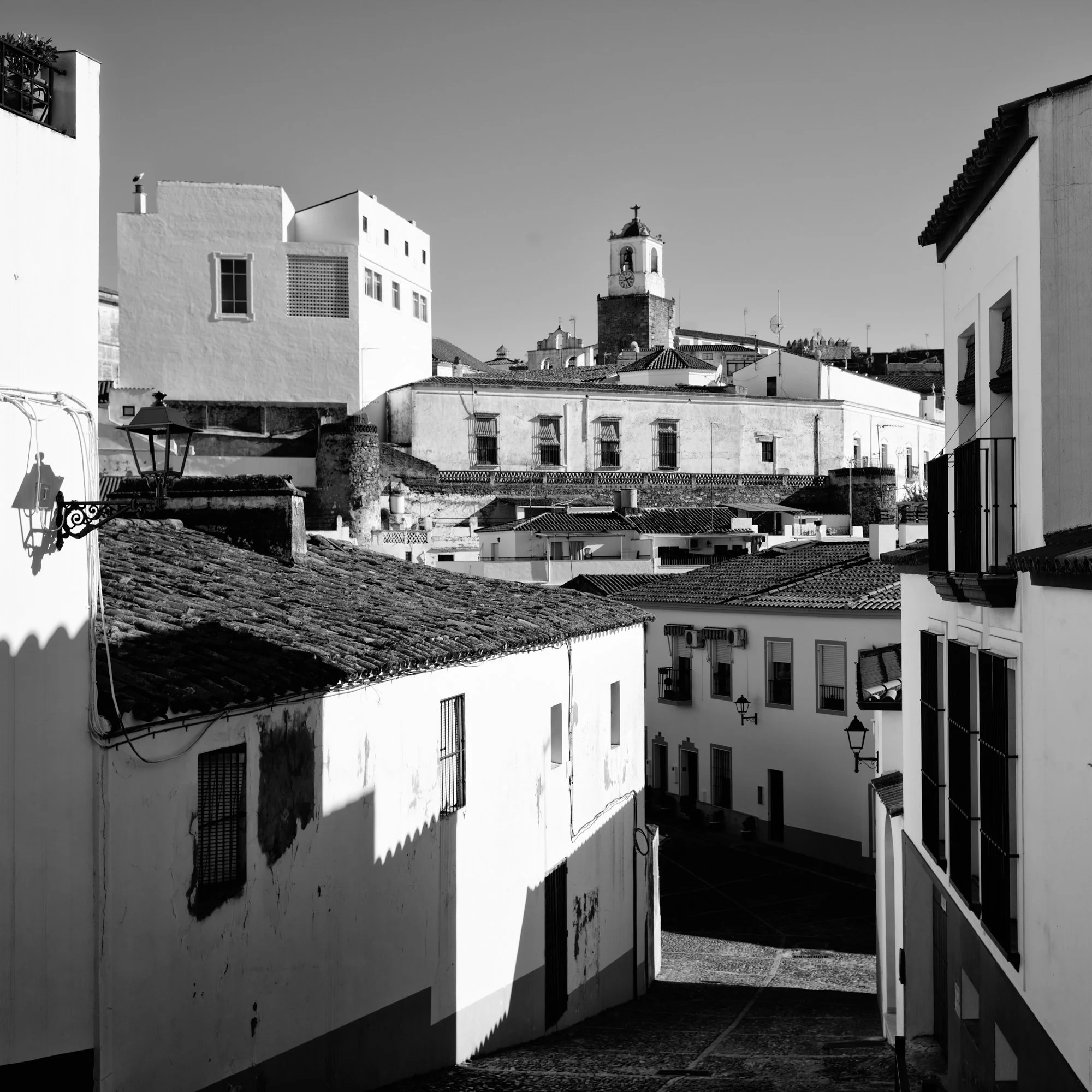
Jerez de los Caballeros (Spain).
When you travel through Europe, culture rarely announces itself with signs or explanations. It reveals itself gradually — in how a village is laid out, how a city meets its countryside, how people relate to a place they have clearly not just inherited, but lived through.
Europe is best understood not as a collection of countries, but as a layered landscape. Every place carries traces of continuity and interruption: periods of calm growth, followed by moments when everything had to be rebuilt, renegotiated, or relearned. Culture did not emerge once and settle. It accumulated — like sediment.
Place as memory, not backdrop
In some regions, life unfolded slowly and predictably for generations. Customs could remain implicit because everyone knew them. Meaning was shared without needing explanation. In other places, history kept breaking in: wars passed through, rulers changed, populations shifted. There, culture had to be spelled out, fixed in rules, buildings, and institutions. What could no longer be assumed had to be defined.
That difference is still visible today. You feel it when you cross from an area where things “just work” if you know the rhythm, into one where procedures, signs, and instructions guide you through daily life. Neither is more authentic. Both are responses to what the place has been asked to endure.
Movement as a constant, not an exception
Europe has never been still. People arrived, settled, moved on, returned, or were forced elsewhere. Sometimes movement was gradual — traders, craftsmen, seasonal workers. Sometimes abrupt — after war, famine, or political rupture. Each wave left behind habits, skills, tensions, and accommodations.
In places where new people arrived often, culture learned to be explicit. Rules replaced assumption. In places where communities remained relatively stable, culture could stay implicit, carried in gesture, timing, and shared understanding. Movement didn’t erase culture; it reshaped how culture was transmitted.
Landscapes that demand cooperation
Geography mattered, too. Rivers that flooded, mountains that isolated, coasts that opened routes outward — all of them shaped how people depended on one another. In some landscapes, survival required constant coordination beyond family or village. Elsewhere, self-contained communities could endure longer.
Those physical realities left cultural traces. You can still sense them in attitudes toward rules, toward strangers, toward collective responsibility. Culture grew out of necessity long before it became identity.
Cities, villages, and the weight of history
European cities often sit atop their own pasts. Roman grids beneath medieval streets. Industrial quarters beside old markets. Each layer represents a moment when life reorganised itself under new pressures. Villages, too, are archives: their festivals, paths, and boundaries reflect decisions made long before modern borders existed.
What matters is not how old a place is, but how often it had to adapt. Repeated disruption teaches caution. Long continuity breeds confidence. Both shape how meaning is shared — openly or implicitly, formally or relationally.
Reading Europe from the ground up
To understand Europe, it helps to slow down and read places the way you would read a landscape: noticing elevation, erosion, and deposits. Culture lives in those layers. It explains why neighbouring regions can feel worlds apart, and why habits that seem irrational often make perfect sense once you understand the place that formed them.
Europe, seen this way, is not a puzzle of national characters. It is a terrain shaped by memory — where culture does not float above the land, but grows directly from it.