culture

Rhythm as Refuge: How Daily Life Became Europe’s Answer to Uncertainty

"The Peasant Wedding", 1567, Pieter Bruegel the Elder, oil on panel, Kunsthistorisches Museum, Vienna.

When history becomes unstable, people look for something that holds. In Europe, that anchor was rarely ideology alone. More often, it was rhythm — the repetition of meals, market days, festivals, work hours, bells, and gatherings that returned no matter who ruled or where borders shifted.

While institutions collapsed and maps changed, daily life kept time.

When Nothing is Certain, Repetition Matters

Europe has lived through centuries of uncertainty: wars that swept across regions, regimes that rose and fell, economies that boomed and vanished. In such conditions, abstract promises were fragile. What endured were patterns that could be repeated tomorrow.

Meals taken at familiar hours. Weekly markets. Annual processions. Seasonal work. These were not quaint traditions; they were tools of stability. Repetition created predictability. Predictability rebuilt trust.

Knowing when things happened mattered as much as knowing how they worked.

Meals as Social Glue

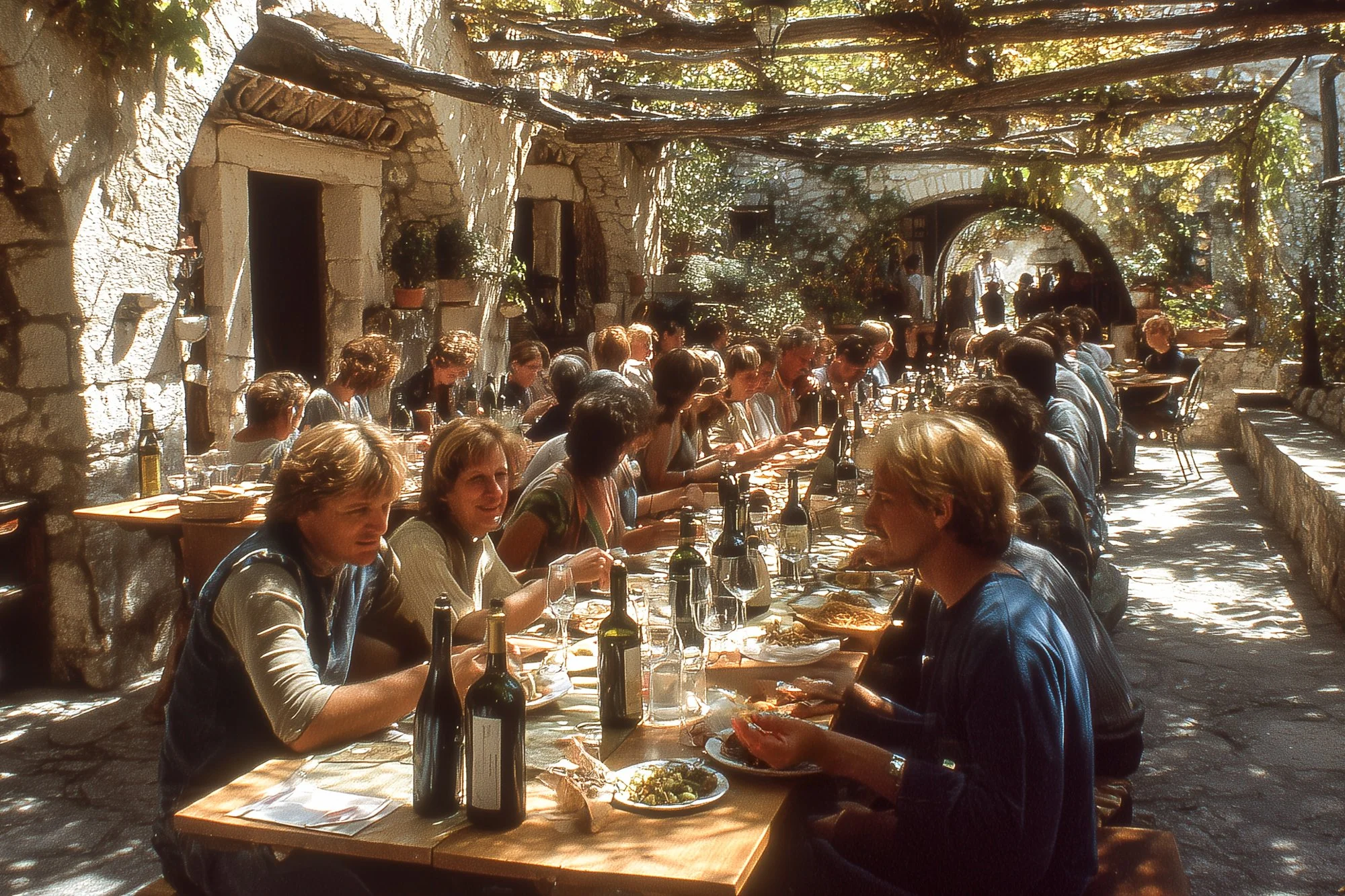
Across Europe, eating together is rarely just about food. It is a moment when hierarchy softens, conversation flows, and belonging is reaffirmed. The table became a place where differences could be absorbed without being debated.

In societies shaped by fracture, shared meals allowed people to reconnect without words. You did not need agreement to sit together. You only needed presence. Over time, that presence did more work than any formal reconciliation.

That is why meal rhythms remain so resilient — even in modern, fast-paced cities.

Festivals: Memory Made Visible

European festivals often appear joyful on the surface, but their deeper function is reassurance. They mark continuity. They say: we are still here.

Many festivals survived precisely because they were repetitive. They returned every year, regardless of who governed or what language was officially spoken. Some adapted their meanings; others kept them deliberately opaque. Either way, they anchored communities in time.

Ritual does not erase trauma. It makes life livable alongside it.

Timing as Cultural Language

Europeans often misunderstand each other not because of values, but because of timing. When to speak. When to wait. When to insist. When to let things unfold.

In some cultures, time is tightly organised to reduce uncertainty. In others, time remains flexible to preserve relationships. Both approaches reflect learned strategies. Where systems could be trusted, schedules ruled. Where systems failed, people trusted rhythm and repetition instead.

Time itself became cultural knowledge.

Repetition as Quiet Resistance

There is a quiet power in doing the same thing again and again. In places where speaking openly was dangerous, repetition became a form of continuity that could not easily be outlawed. You could ban a language or a flag, but not a meal shared at dusk or a procession that “had always been there.”

Daily rhythm allowed culture to persist without confrontation. It survived not by opposing power, but by outlasting it.

Why Rhythm Still Shapes Europe Today

Modern Europe is mobile, connected, and fast — yet deeply attached to routine. Shops still close for lunch in some regions. Sundays still feel different. Annual holidays still matter. These habits are not inefficiencies; they are inherited stabilisers.

They explain why European life can feel slow, stubborn, or ritualised to outsiders. And why, in moments of crisis, people instinctively return to the familiar cadence of everyday life.

Europe learned long ago that when certainty disappears, rhythm remains.

Meals. Markets. Festivals. Repetition. Not as nostalgia — but as survival.

Living with Fault Lines: Borders, Memory, and Regional Identity

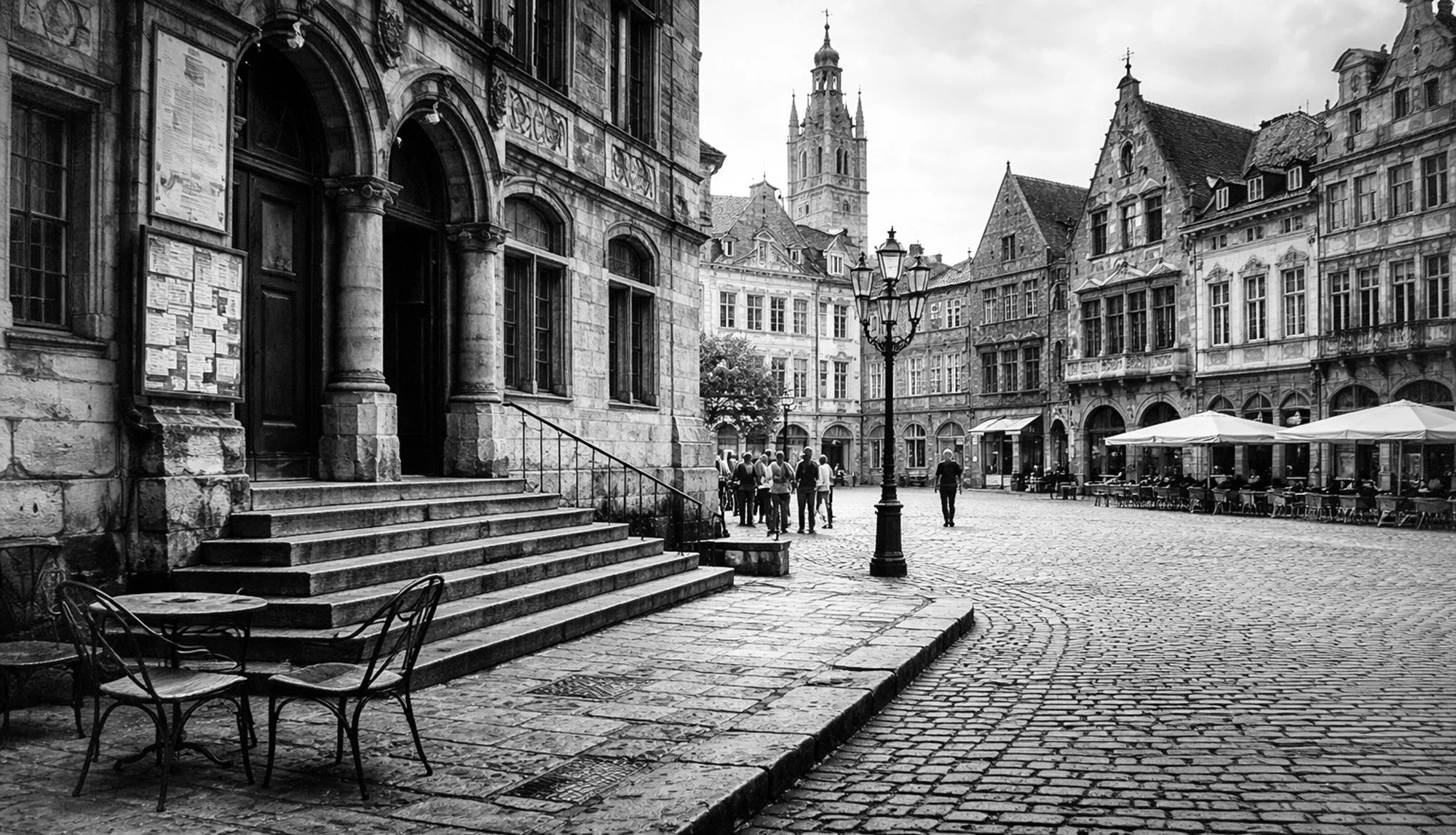
Image created with AI

In much of Europe, borders are younger than the people who live near them. Maps have been redrawn again and again, but daily life often stayed put. Families remained, fields were still worked, churches still rang their bells — even as flags, languages, and laws changed overhead. To live in Europe has often meant learning how to live with fault lines.

This is not a story of sharp divisions, but of layered belonging.

When the Map Moves, but Life Continues

For many Europeans, identity did not follow the border. States came and went; villages endured. People woke up one morning to find themselves citizens of a new country without ever moving house. The result was not confusion, but adaptation.

In such places, loyalty became selective. The state was something you dealt with; the region was something you were. Customs, dialects, and local rituals mattered more than national slogans. Culture grew quieter, more internal — carried in habits rather than declarations.

Memory as something lived, not displayed

In regions shaped by shifting borders or repeated conflict, memory is rarely loud. It does not always appear in museums or monuments. It lives in pauses, in what is hinted at rather than explained, in family stories that stop just short of certain years.

This kind of memory is not about nostalgia. It is practical. It teaches people what to avoid, what to protect, and when to remain silent. Where history has been painful or divisive, culture learns restraint. Meaning is shared among those who already know.

Regional Identity as Shelter

Regional identity in Europe is often misunderstood as resistance to the nation-state. In reality, it is frequently a form of shelter. When larger structures proved unstable or unreliable, regions offered continuity. Language, food, festivals, and rhythms of life provided a sense of permanence that politics could not.

That is why regional identity can be both deeply rooted and flexible. It does not need to shout, because it does not need to convince. It survives precisely because it adapts.

Borders that Connect as Much as They Divide

Europe’s borders are not only lines of separation; they are also zones of exchange. Border regions learned early how to navigate difference — switching languages, codes, and expectations with ease. What looks like ambiguity from the outside is often sophistication from within.

In these spaces, identity is layered rather than singular. People are fluent in more than one way of being. Context matters. Who you are depends on where you stand, who you are speaking to, and what history sits between you.

Why this Still Shapes Europe Today

Modern Europe often speaks the language of unity, mobility, and openness. Yet beneath that surface lies a continent shaped by lived experience of fracture. The persistence of regional identity is not a failure of integration; it is evidence of memory.

It explains why certain debates feel existential in one region and abstract in another. Why some communities guard their traditions quietly, while others display them proudly. Why misunderstandings arise not from hostility, but from different relationships to history.

Reading Europe’s Fault Lines

To travel through Europe with attention is to notice these fault lines — not as scars, but as seams. Places where history pulled apart and was stitched back together. Where culture learned to survive without certainty.

Europe’s diversity does not come from difference alone. It comes from the long practice of living together without shared guarantees.

Europe, Read from the Ground Up

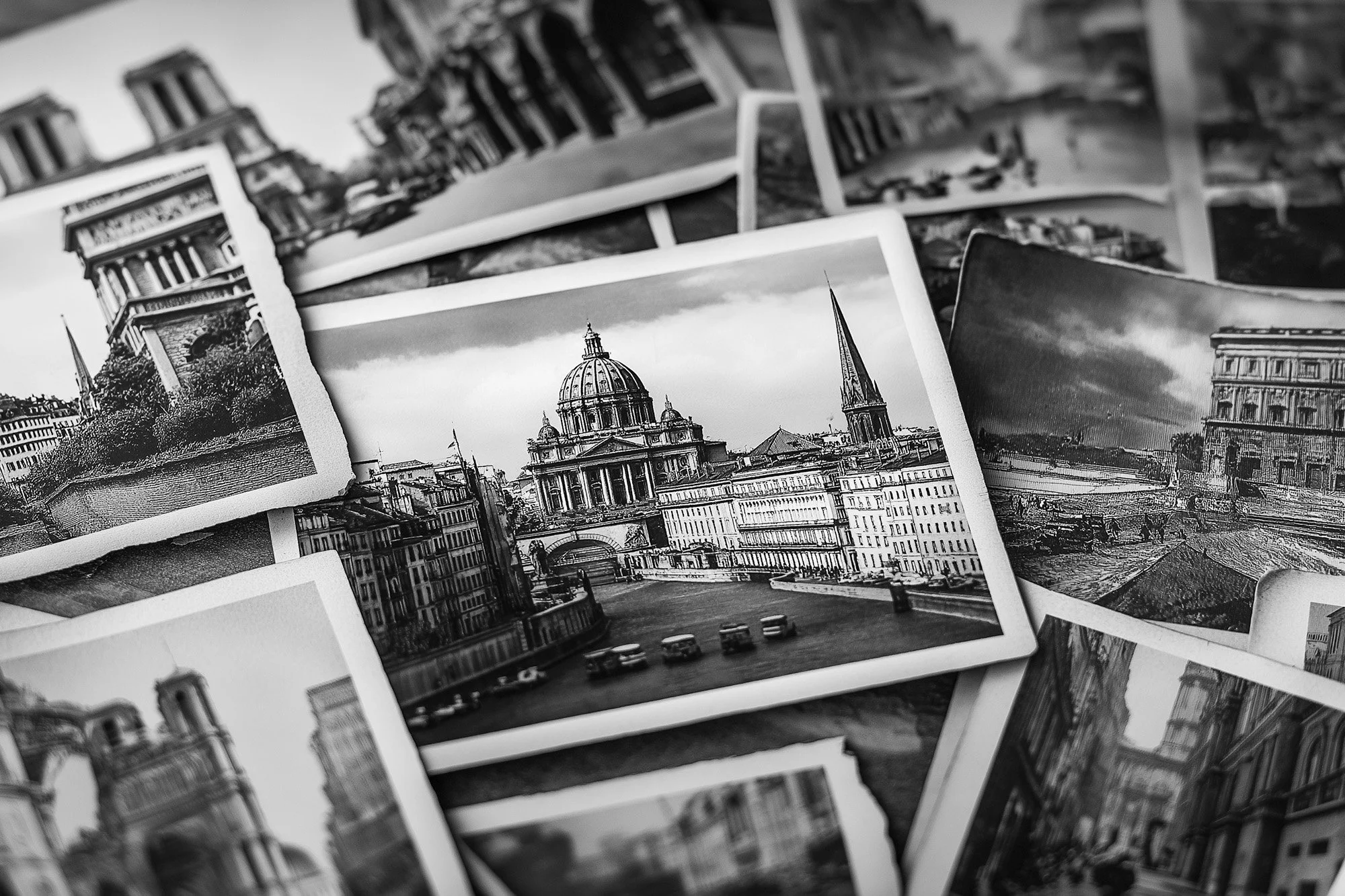
Image created with AI.

Europe is often described through borders, flags, or dates on a timeline. But anyone who actually travels through it knows that culture doesn’t live in abstractions. It lives in places. In streets that curve for reasons long forgotten, in village rituals that outlasted empires, in habits of speaking, trusting, arguing, or staying silent.

This series starts from a simple idea: European cultures are not the product of origin alone, but of experience. Of how places dealt with stability and rupture, with arrivals and departures, with power imposed and power negotiated. Across Europe, people learned to live together under very different conditions — sometimes for centuries without interruption, sometimes with their world repeatedly torn open by war, revolution, or migration.

That history shaped how meaning is shared. In some regions, culture became implicit: understood without explanation, carried in gesture, rhythm, and shared memory. Elsewhere, meaning had to be spelled out, written down, regulated — because too many people, too many changes, or too many traumas made assumption dangerous. Neither approach is more “advanced” or more “European” than the other. Both are deeply rational responses to lived history.

Rather than treating migration, borders, language or ritual as separate themes, this series looks at them as layers of the same landscape. Movement did not just bring people to Europe; it rearranged trust. Power did not just redraw maps; it reshaped everyday behaviour. Language did not only express identity; it protected people when speaking carried risks.

These essays are not about stereotypes or national character. They are about why things feel the way they do when you cross a region, enter a café, listen to a conversation, or misread a silence. They are written for travellers who want more than sights, and for readers who sense that Europe’s diversity is not noise, but memory.

Europe, seen this way, is not a puzzle to be solved. It is a landscape to be read — slowly, place by place.