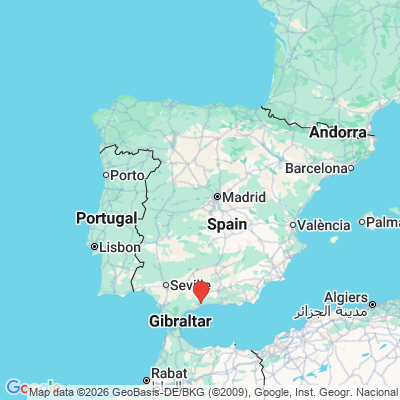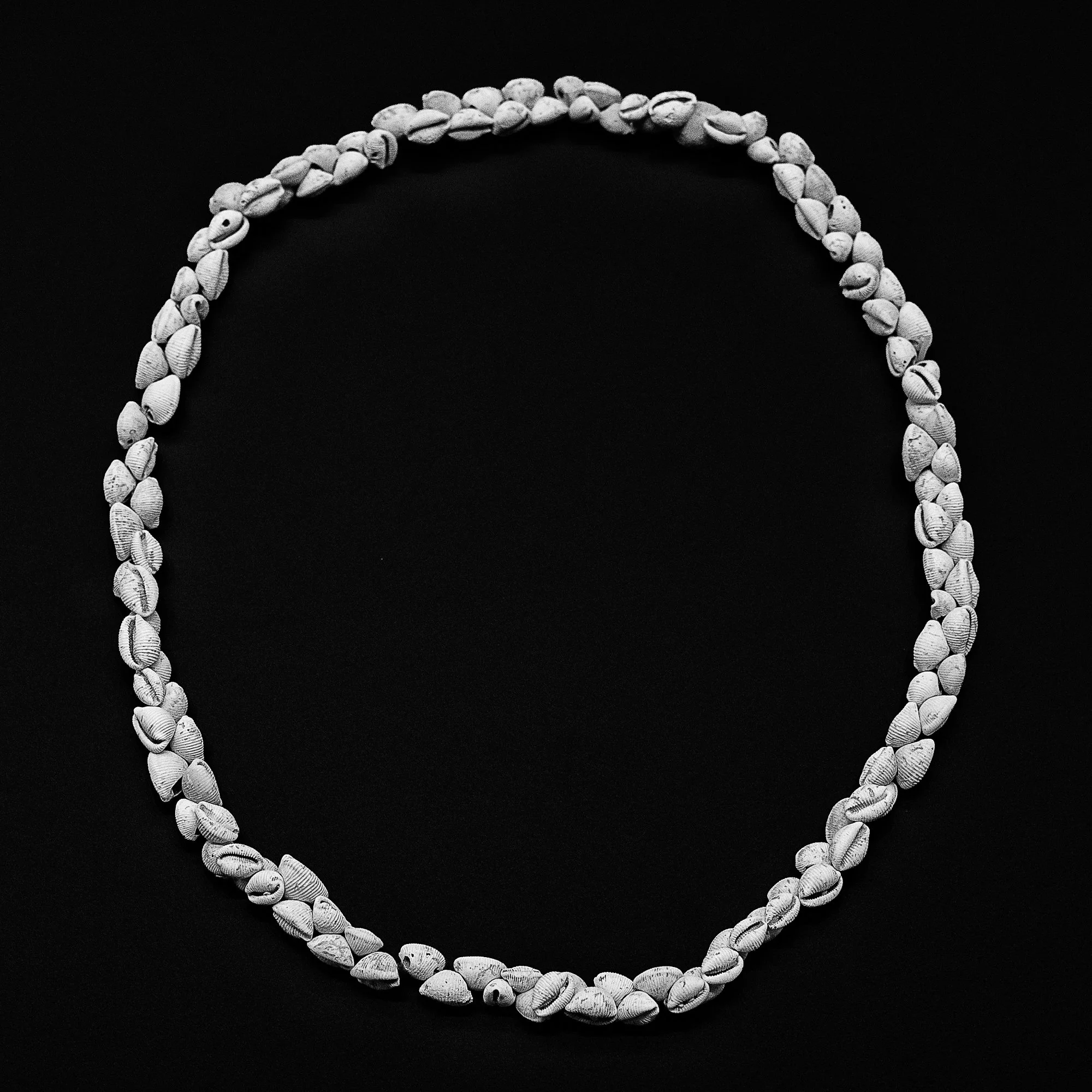
Shell necklace from the Early Copper Age (c. 3000 BC), made from pierced seashells and discovered in the dolmen of Cuesta de los Almendrillos near Alozaina (Málaga). Now displayed in the Museo de Málaga.
In a quiet display case in the Museo de Málaga lies something unexpectedly familiar: a necklace made entirely of small seashells. At first glance it looks almost modern — the kind of necklace you might see today in a seaside market.
Yet this one is about 5,000 years old.
The necklace was found in the dolmen of Cuesta de los Almendrillos, near Alozaina, and dates to the Early Copper Age. Each shell was carefully pierced and strung together into a long loop. Some are smooth, some still show their fine natural ridges, but together they form something unmistakable: jewelry.
And that is the first surprise.
When we look at this necklace, we are not looking at something strange from a distant prehistoric world. We are looking at something that would not feel out of place today. Walk through a coastal market anywhere around the Mediterranean and you will find shell necklaces that look remarkably similar.
Five thousand years have passed — yet the idea is exactly the same.
A Necklace Worn in Life
Objects like this often come from megalithic tombs, collective burial monuments built by early farming communities across Iberia. The dolmen at Cuesta de los Almendrillos was one such place. People were buried there together with objects that mattered to them: tools, pottery, and sometimes personal ornaments.
But a necklace like this was almost certainly not made for the tomb. It was worn in life.
Someone once gathered these shells, pierced them one by one, and threaded them onto a cord. Someone wore this around their neck — perhaps daily, perhaps on special occasions. Shells also hint at connections: they come from the sea, and inland communities often valued them precisely because they traveled from elsewhere.
The Familiarity of the Past
Standing in front of the display in the Museo de Málaga, the realization slowly settles in.
Humans still collect beautiful things from the sea.
We still pierce them.
We still string them together.
We still wear them.
Materials change — gold, silver, glass, plastic — but the impulse is identical. Jewelry is one of the most persistent human habits, appearing in cultures across the world and deep in the archaeological record.
This simple necklace reminds us that the people of the Copper Age were not so different from us.
Five thousand years ago, somewhere in southern Iberia, someone held a handful of shells and had the same simple thought many people have had since:
These would make a beautiful necklace.