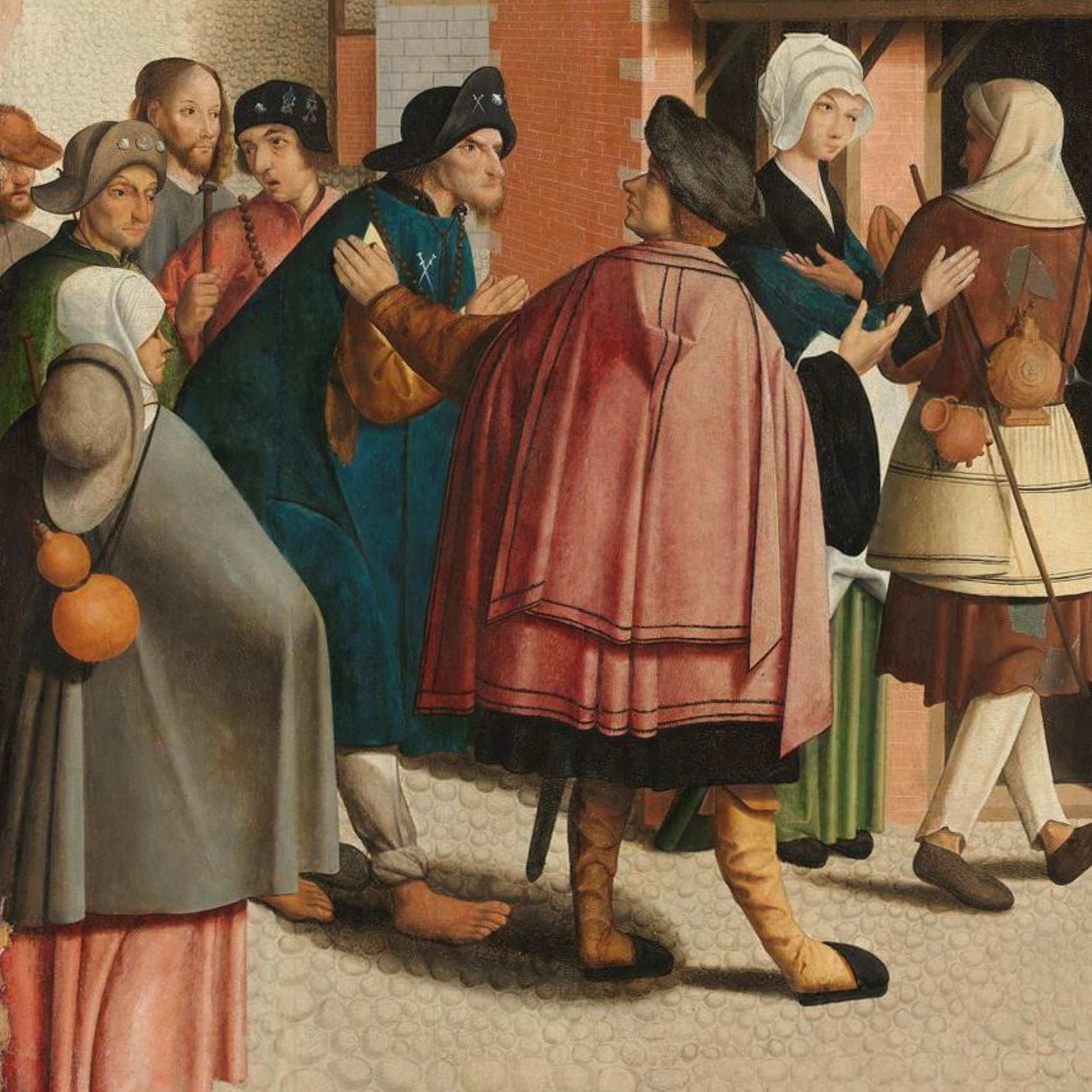
Arent Willemsz, a Pilgrim in a World Breaking Apart (1525) - Part I

Detail from The Seven Works of Mercy (1504) by the Master from Alkmaar.

(What follows is a retelling of Arent Willemsz’s journey, based on his own travel diary from 1525.)

Walking Through a Collapsing World: From Delft to Venice, 1525

In April 1525, Europe was not a safe place to walk.

The old certainties still stood—saints’ relics, pilgrimage routes, Mass at dawn—but beneath them the ground was shifting fast. Monasteries were being looted, peasants were arming themselves, Luther’s ideas were spreading by word of mouth and pike-point, and authority was increasingly contested village by village.

It is into this world that Arent Willemsz, barber of Delft, stepped when he left his city before sunrise on 26 April 1525, having heard Mass and eaten a modest breakfast. His destination was Jerusalem. His route would take him through the Low Countries, the Rhineland, the German lands, the Alps, and finally to Venice. What he left us is one of the most alert and human pilgrimage narratives of the early sixteenth century.

Arent does not travel alone. His company is mixed: priests, craftsmen, townsmen from Haarlem, Alkmaar, Dordrecht, Gouda. They move as people did then—by foot, wagon, and boat—measuring the world in miles walked, inns reached before nightfall, and the quality of bread and wine along the way.

Almost immediately, danger intrudes. Near Roosendaal, armed men—snaphanen, mounted highway robbers—approach. Arent notes the moment carefully: weapons ready, nerves taut, each man alert. When the pilgrims stand firm, the attackers veer away. “God be praised,” Arent writes, and presses on. It will not be the last time God and readiness are mentioned in the same breath.

Cities offer temporary shelter and ritual reassurance. In Maastricht, the pilgrims are shown the treasures of Saint Servatius: staff, chalice, garments, even the cup from which the saint once drank. Arent lingers over these objects. His faith is not abstract. It lives in weight, texture, craftsmanship. You drink from a cup and feel yourself healed.

But beyond the city walls, the road has changed.

Again and again, Arent encounters armed peasants—often explicitly identified as Lutherans—occupying villages, blocking inns, tearing apart monasteries, interrogating travelers. Some number in the hundreds, others in the thousands. They ask questions. They seize weapons. They take money, food, wine. Sometimes they beat those they stop. Sometimes they let them go.

The pilgrims learn quickly that piety alone will not save them. They hire escorts for protection. They travel in formation. Firearms are kept visible. Numbers matter. Reputation matters. When warned that bandits are waiting on Gulpen hill to ambush pilgrims bound for the Holy Sepulchre, they delay just long enough that the robbers grow impatient and attack other, weaker travelers instead.

The social texture of the journey is rich and uneasy. In inns, they eat and drink with locals who are curious, suspicious, or frightened. They bargain constantly—over beds, meals, escorts, ferries, wagons. They hear rumours of battles, massacres, entire villages wiped out. In one place they are refused lodging outright; in another they are welcomed warmly by monks who know their days may be numbered.

Yet there are moments of relief and even joy. In Aachen and Cologne, Arent records relics with a craftsman’s fascination: crystal vessels, jeweled reliquaries, skulls with hair still attached, rings once worn by saints. In the Alps, exhaustion gives way to wonder when they see snow high on the mountains. Two companions scramble up simply to touch it, returning with handfuls of snow and laughter, and for a brief moment the world seems young again.

Gradually, Italy begins. Roads improve. Wine becomes better and more plentiful. The threat of armed peasant bands fades. The mountains end at Bassano. And then, after weeks of fear, hunger, prayer, negotiation, and sheer endurance, Arent reaches Venice.

Venice overwhelms him. A city without gates. Streets so narrow that three men cannot walk abreast. Houses rising directly from water. Boats everywhere—fifteen thousand of them each day. He marvels at the Arsenal, where thousands of workers can equip fleets at astonishing speed, and at the city’s discipline, wealth, and latent violence. Venice, he understands, is not merely rich. It is organized for power.

Here, at the edge of the lagoon, Arent pauses. The land journey is over. Ahead lies the sea, the Holy Land, and Jerusalem itself.

Source:
Based on Arent Willemsz, Bedevaart naar Jerusalem (1525), complete text preserved in the 19th-century scholarly edition (DBNL PDF).

Blog item and image choice inspired by “125: de pelgrimstocht van ambachtsmeester Arent Willemsz en zijn bezoek aan Maastricht” by Sandra Langereis and the book “Pelgrimage naar Maastricht” the article is published in.
The Camino, the Bridge, and the Hermitage (Sahagún, Spain)

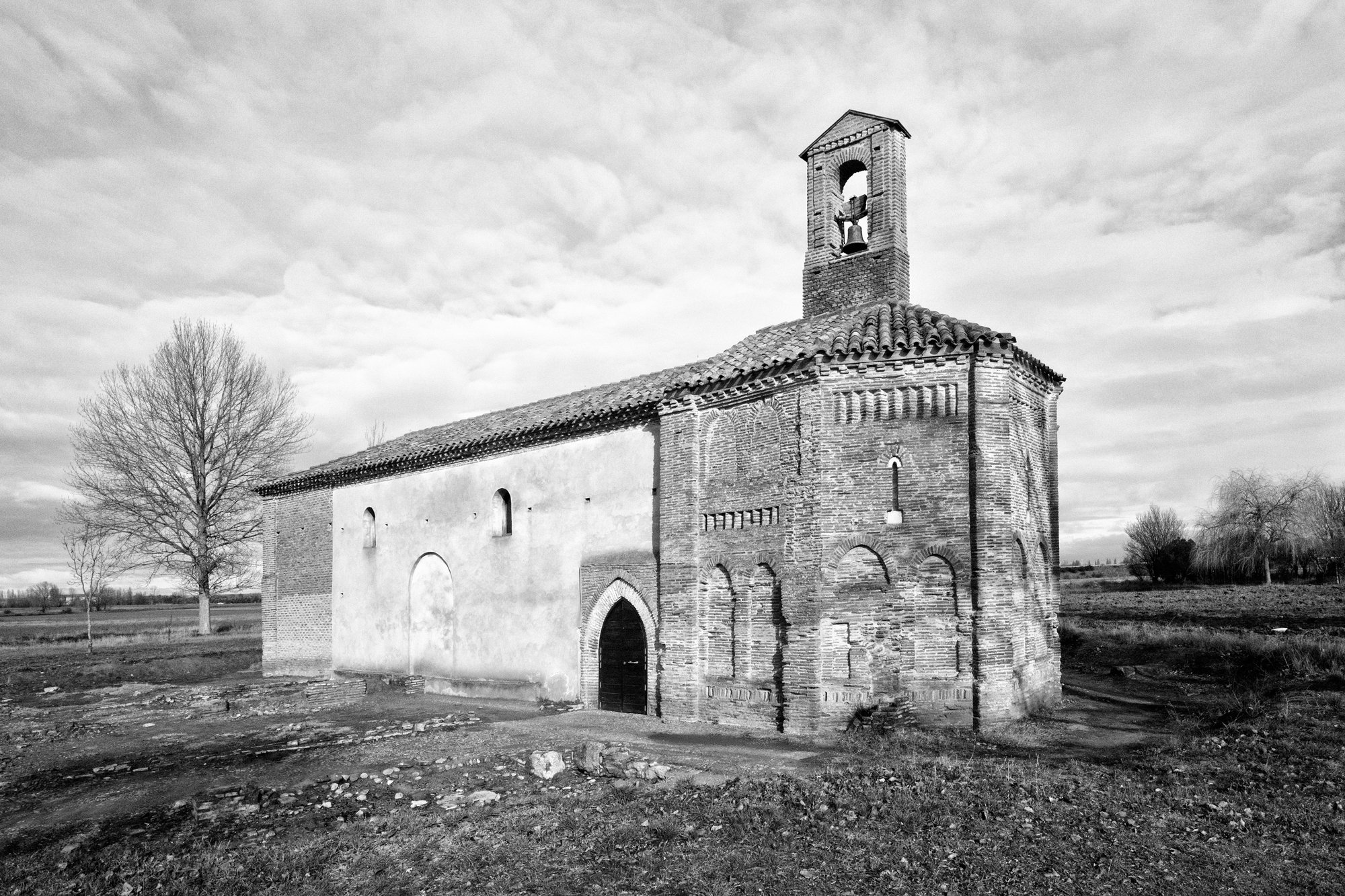
The Ermita de la Virgen del Puente—founded in the 12th century beside the pilgrim bridge—still stands as a modest sanctuary of rest and remembrance on the Camino Francés.

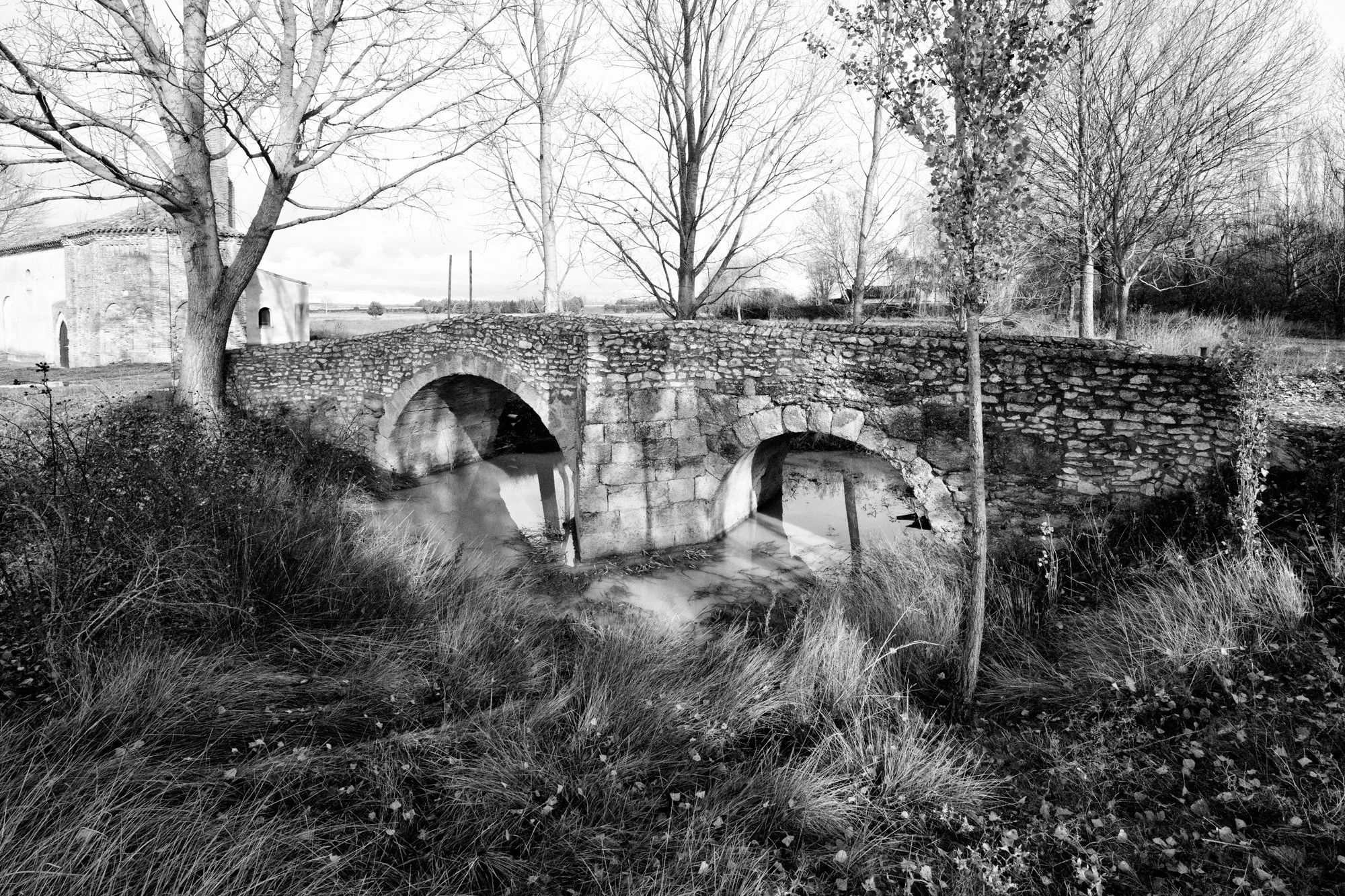
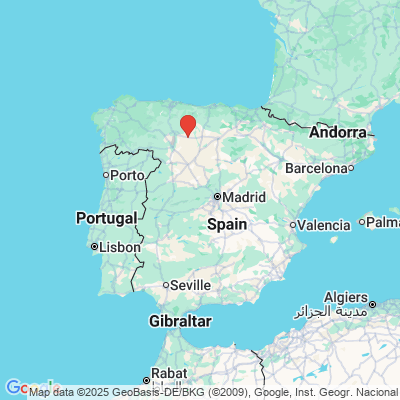
East of Sahagún, where the flat lands of Tierra de Campos merge with the soft folds of the Páramo, the Valderaduey River glints in the sun. Here, just beyond the medieval bridge that once carried countless feet westward to Santiago, stands the Ermita de la Virgen del Puente—a small chapel whose silence belies centuries of human passage.

In the twelfth century this spot marked one of the most strategic crossings on the Camino Francés, the main route that drew pilgrims from France toward the tomb of Saint James. The Benedictine abbey of Sahagún, rich and powerful, controlled both bridge and chapel. Its monks built a hospital for weary travellers, managed by the Brotherhood of Our Lady of the Bridge—founded in 1188 and composed entirely of clerics loyal to the abbot. Here the poor, the sick, and the road-worn found shelter before facing the next stage toward León.

The rules were strict: no other parish or convent could be established on the site, no one buried here save pilgrims and servants of the hospital. The abbey’s authority extended not just through prayer but through stone, timber and toll—spiritual power intertwined with the control of movement itself.

Today, the bridge has been rebuilt, the hermitage restored, but the sense of passage endures. Walkers on the Camino still pause at the shrine, setting down their packs to rest in the shade and listen to the whisper of water below. The fields shimmer gold, as they must have done when Alfonso VI ruled and the world beyond seemed impossibly wide.

Here, faith and landscape merge: the bridge unites two shores, the road binds centuries, and the hermitage keeps its quiet watch over them all.

The old bridge over the Valderaduey, once guarded by Benedictine monks, carried pilgrims across this quiet river on their long road to Santiago.

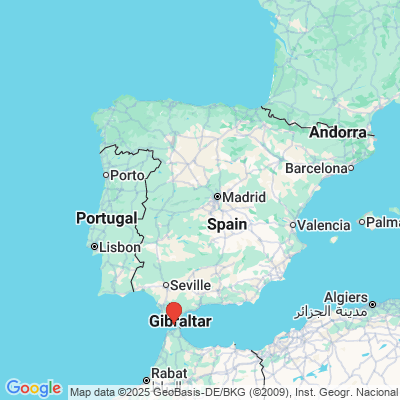
A December Weekend That Felt Like Summer in Tarifa (Spain)

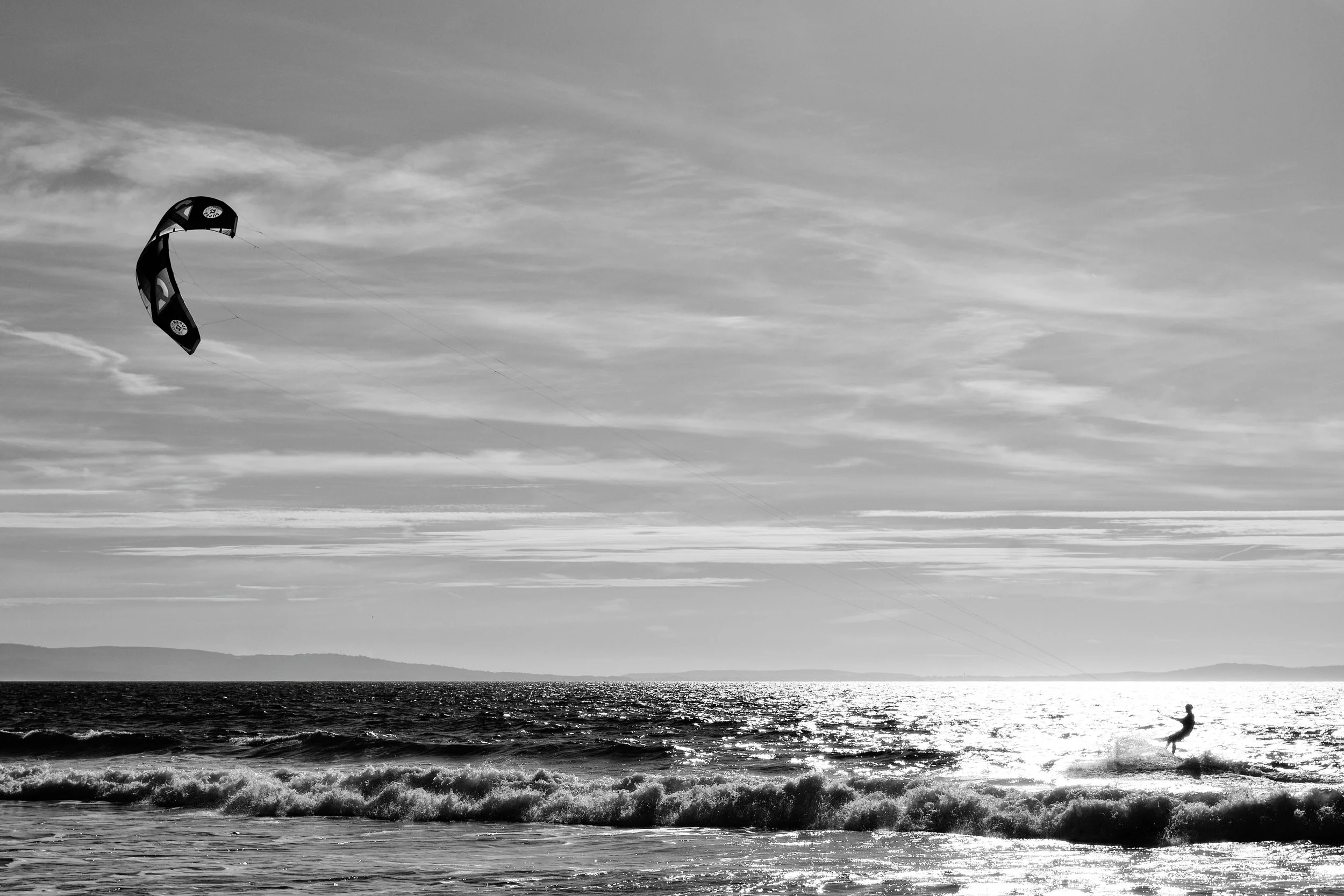
A kite-surfer on the Atlantic Ocean, Tarifa (Spain).

There are days in Tarifa when the calendar simply gives up and stops insisting it’s winter. This weekend was one of them. The sun stretched wide over the beach, and the whole town seemed to drift lazily along the boulevard.

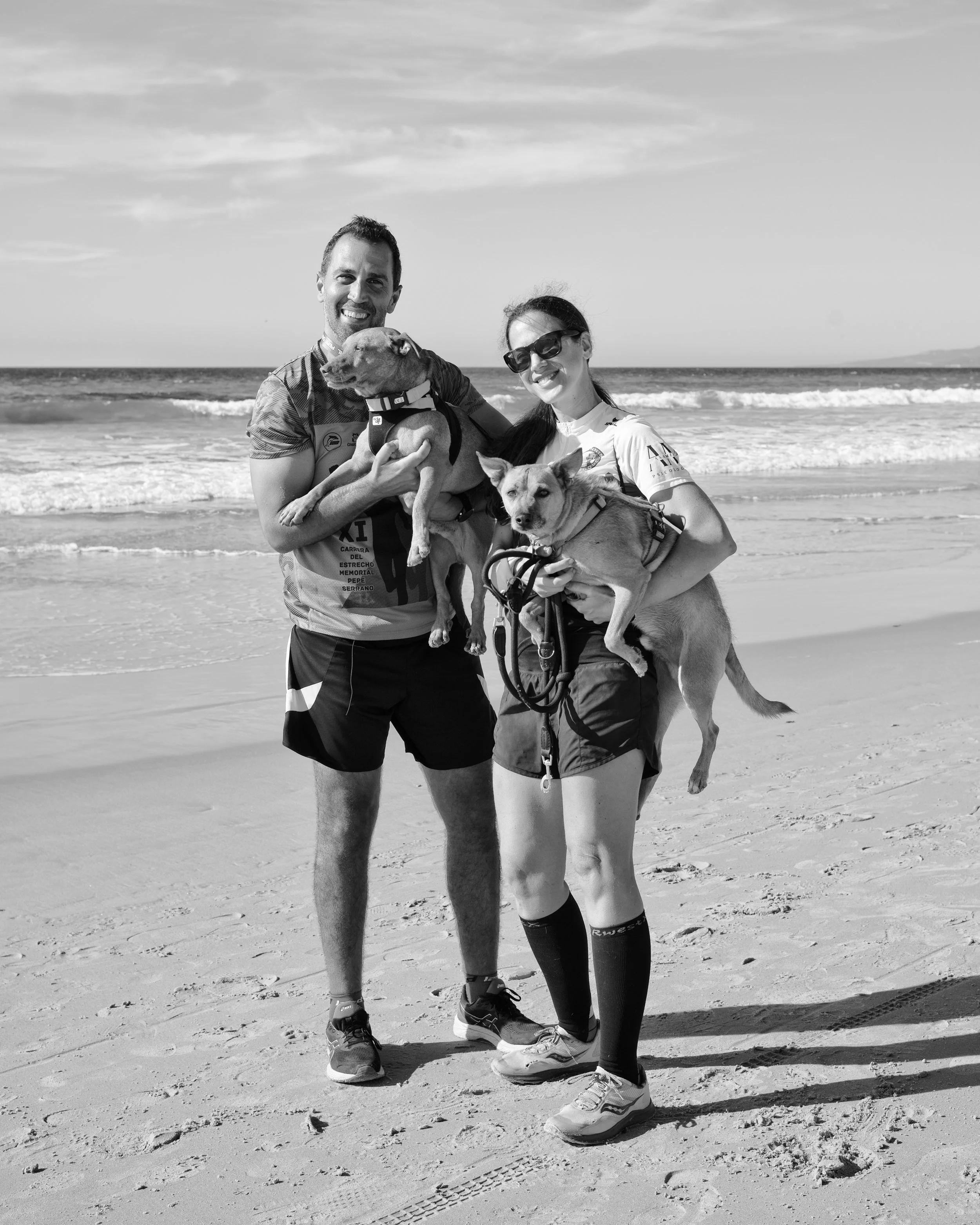
The first to claim the sand were the dogs—joyful, unstoppable, deliriously happy creatures. They chased each other in wild loops and invented elaborate games whose rules only they understood. Their owners could hardly keep up; the dogs were having the time of their lives.

Everyone walked with a little more lift in their step. Maybe it was the warmth, maybe the light, maybe the simple pleasure of having nowhere else to be. Conversations floated by—Spanish, French, German, English—woven together by the rhythm of the waves.

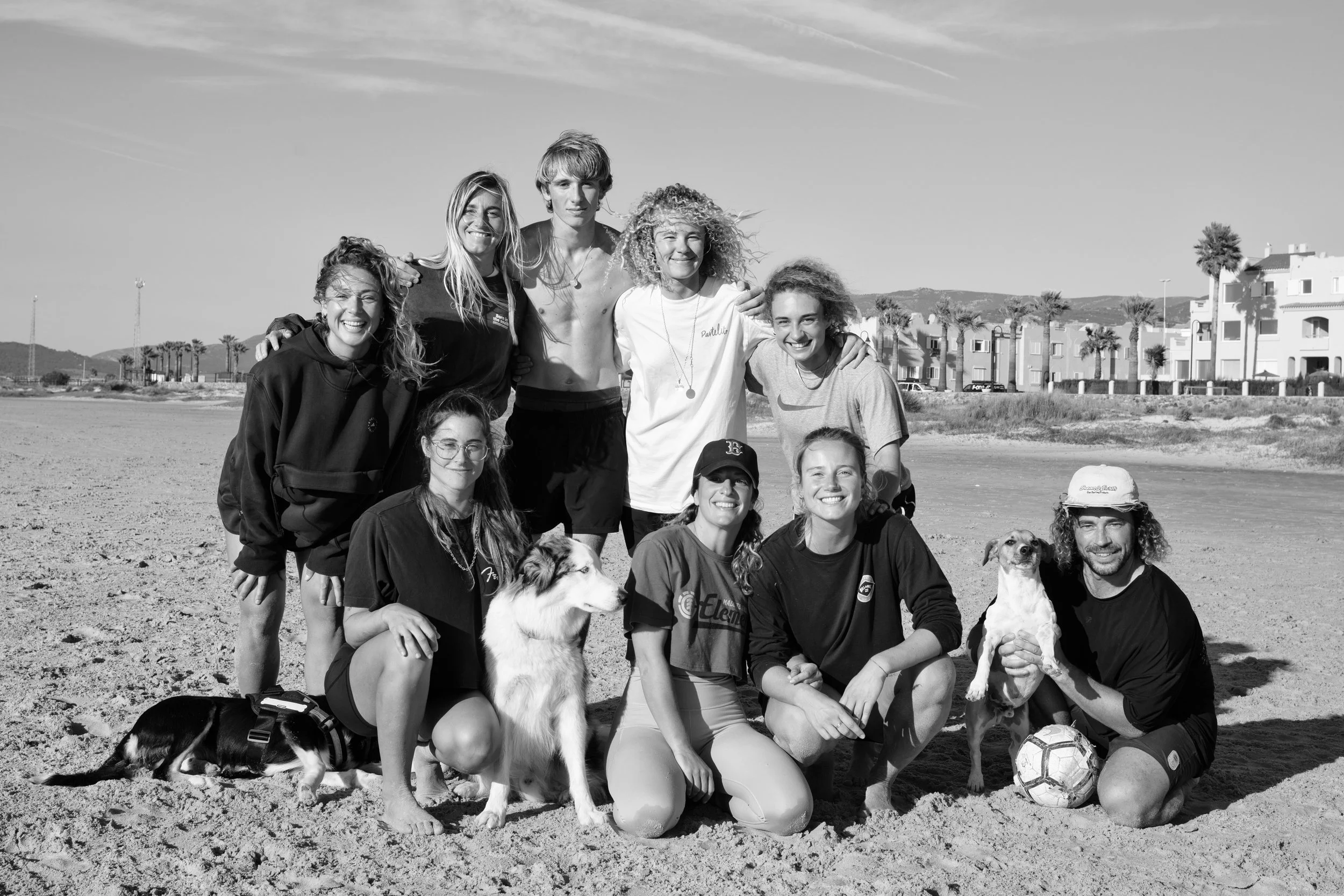
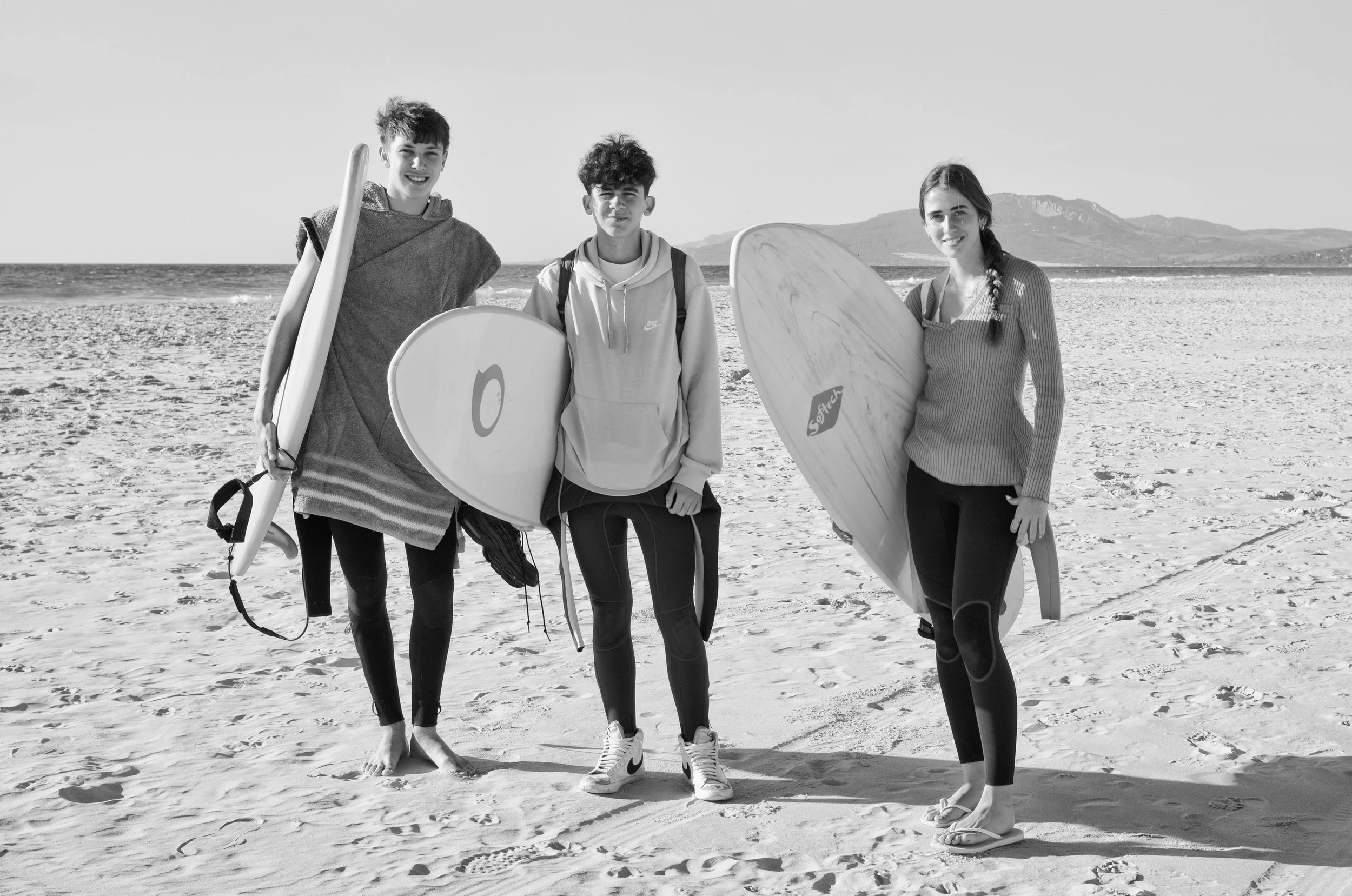
Out on the water, the usual Tarifa tribe was at it again. Surfers paddled into the ocean. Kite-surfers scanned the horizon, hopeful but not entirely convinced the wind would do them a favour. And when it didn’t, the beach turned into an impromptu football pitch: bare feet in the sand, improvised goals, laughter drifting far across the shore. It felt as if summer had quietly returned for a day.

The impromptu soccer team.

Three surfers ready to play with the waves.

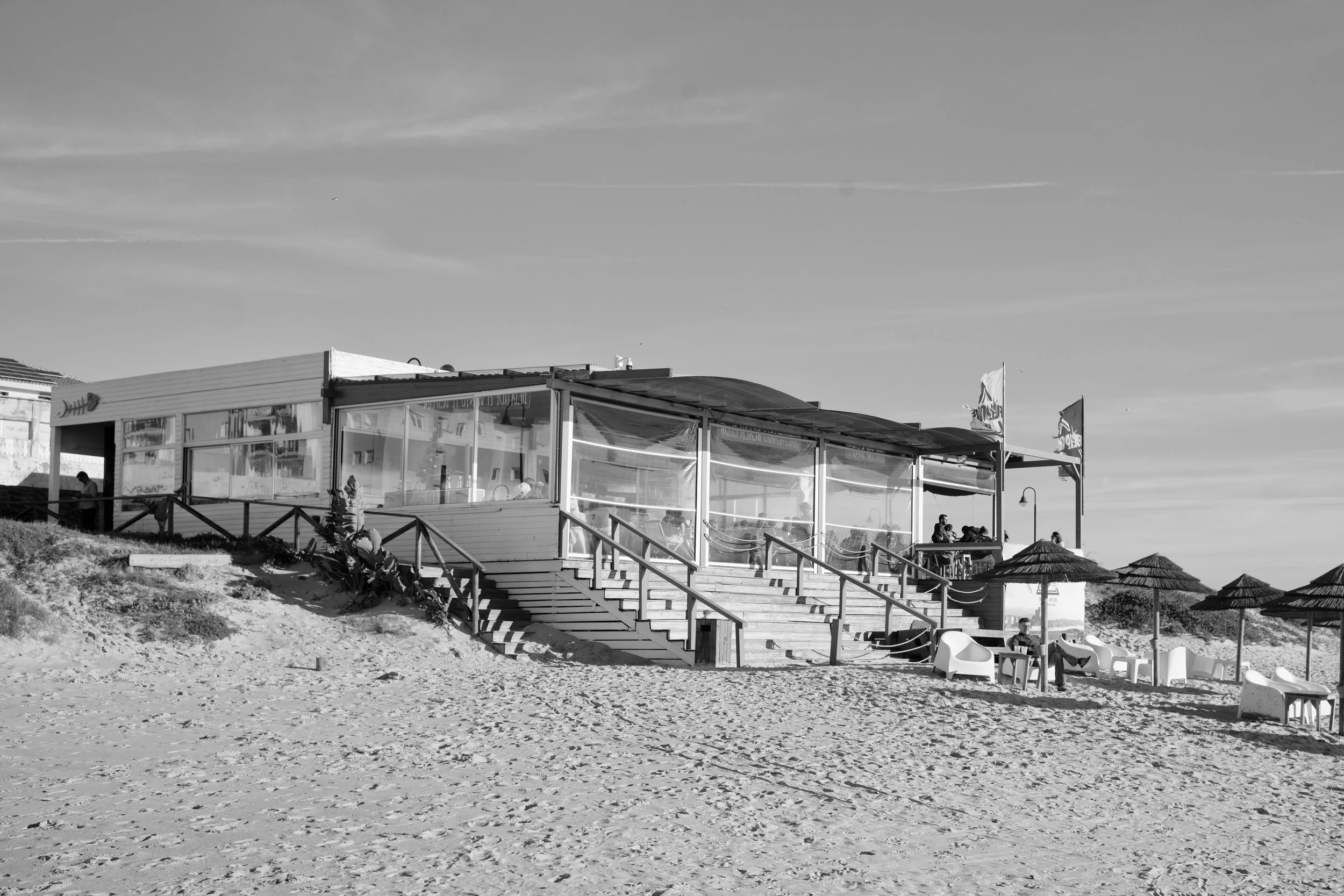
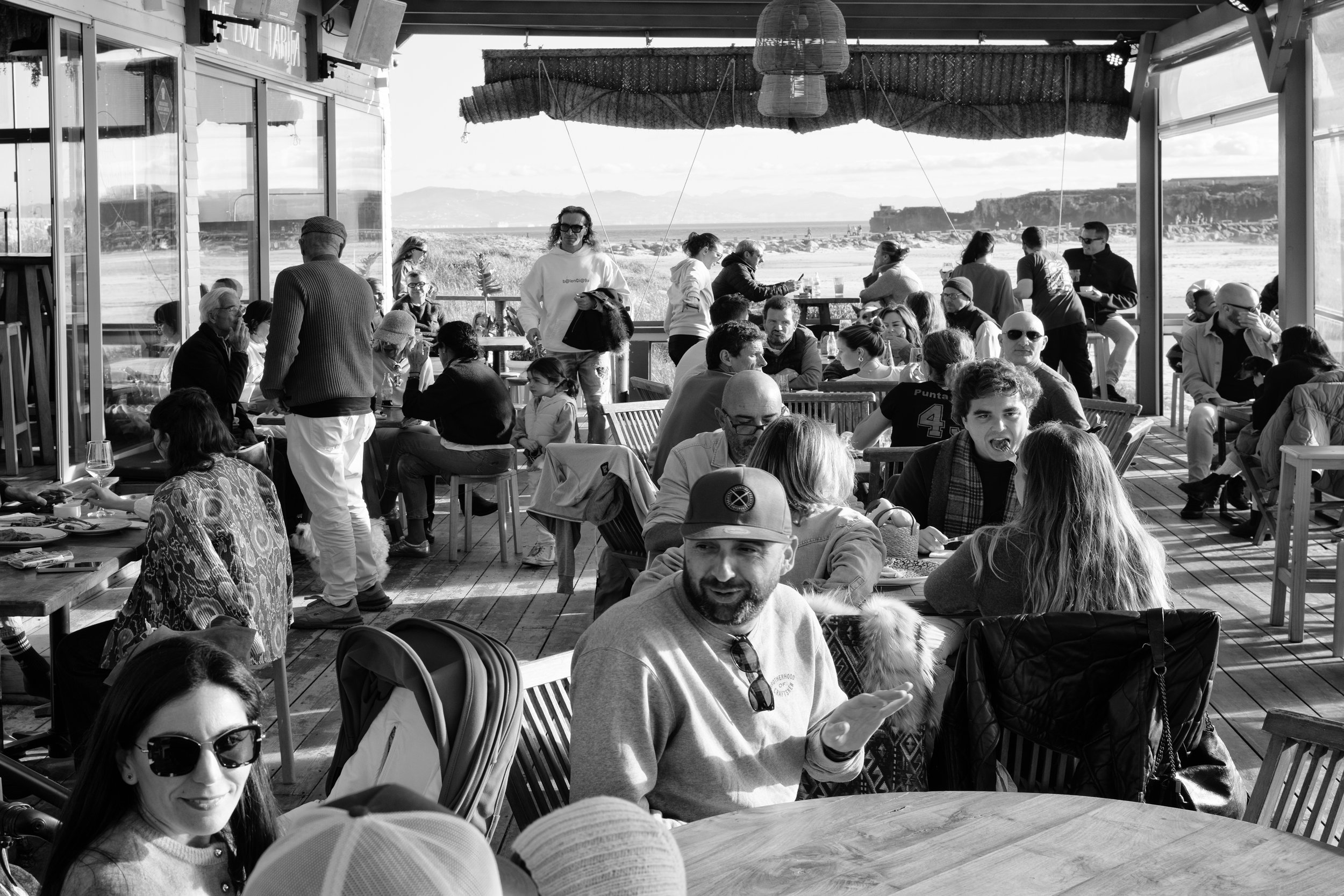
For some, the pull of Balneario Beach Club became irresistible. A plate of fresh fish, crisp and perfect. A glass of cold white wine catching the sun. Music drifting softly, almost lazily. A place to catch up with friends, to linger with family—because here, as in much of Europe, that’s what life is really about. The whole place breathed relaxation—the kind that makes you realise how important and precious such uncomplicated moments are.

The Balneario Beach Club Tarifa.

A December weekend in Tarifa, but honestly, it could have been June. And maybe that’s the real magic of this corner of Europe: time bends, moods lift, and for a little while, life feels wonderfully simple.

At the Balneario Beach Club Tarifa.

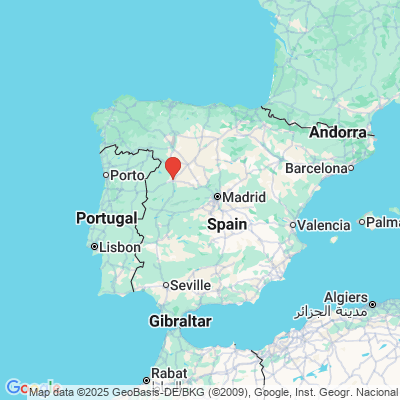
The Silent Lady of Salamanca: The Grave of Aldonza Díez Maldonada

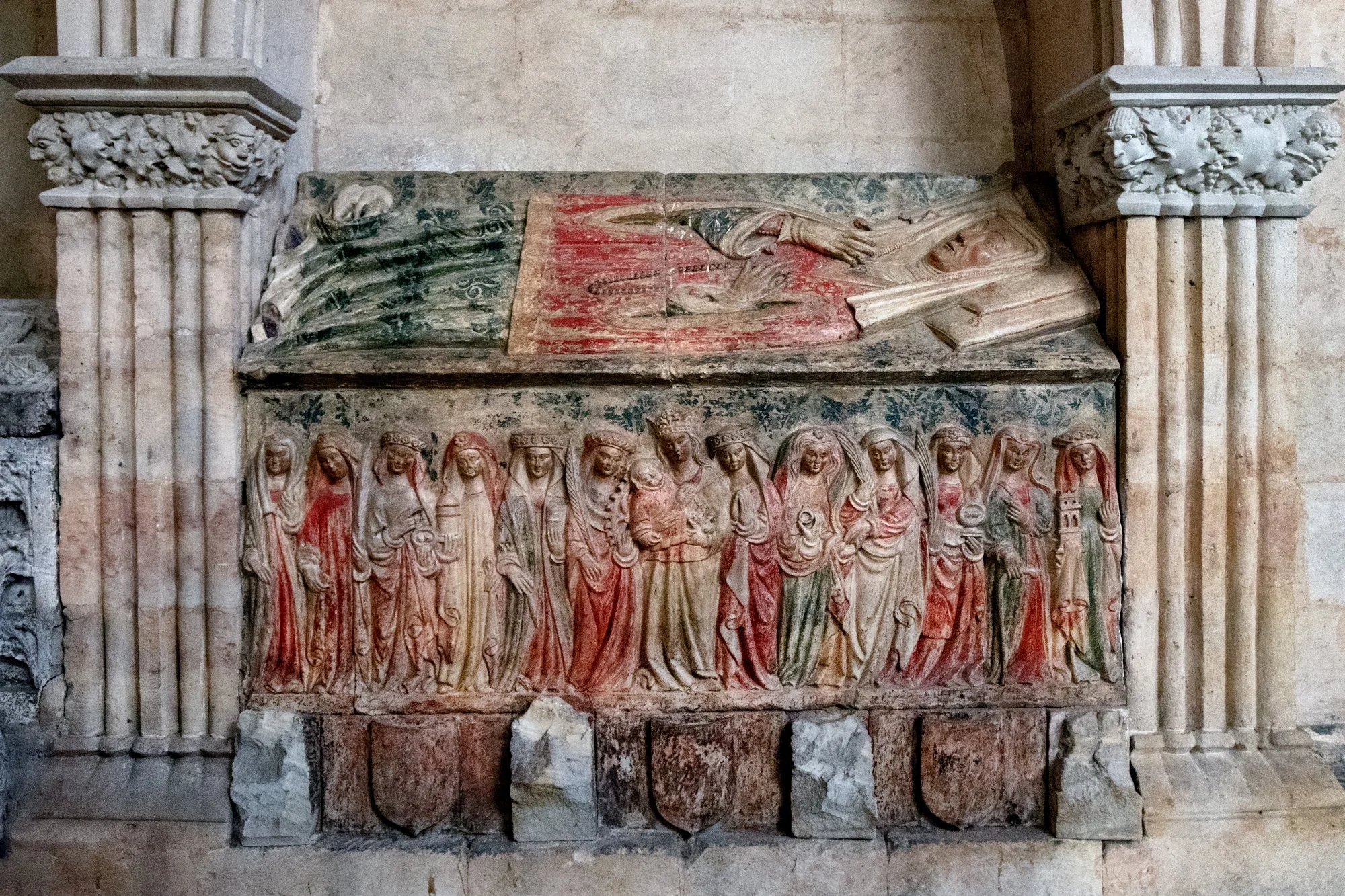
Sepulcher of Doña Aldonza Díez Maldonada in the Capilla de Anaya, Old Cathedral of Salamanca. Shown as a serene recumbent figure with a rosary in hand, her monument blends personal devotion with late Gothic artistry, linking her memory to the sacred life of the cathedral.

In the Old Cathedral of Salamanca, the Capilla de Anaya shelters a quiet yet striking tomb. It belongs to Doña Aldonza Díez Maldonada, remembered as the mother of Fernán Nieto, a nobleman active around 1500.

Her effigy shows her lying in repose, a rosary in her hand, framed by carvings of the Virgin and holy women. Unlike the grand monuments of bishops and dukes, Aldonza’s tomb reflects devotion and family memory rather than worldly power.

Art historians trace its style to fifteenth-century Toledo, where Hispano-Flemish influences brought grace and realism to stone. Though her exact story remains partly veiled, Aldonza’s monument still speaks of faith, dignity, and the place of women in Salamanca’s medieval nobility.

Wandalbert: Prüm’s Poet of Time

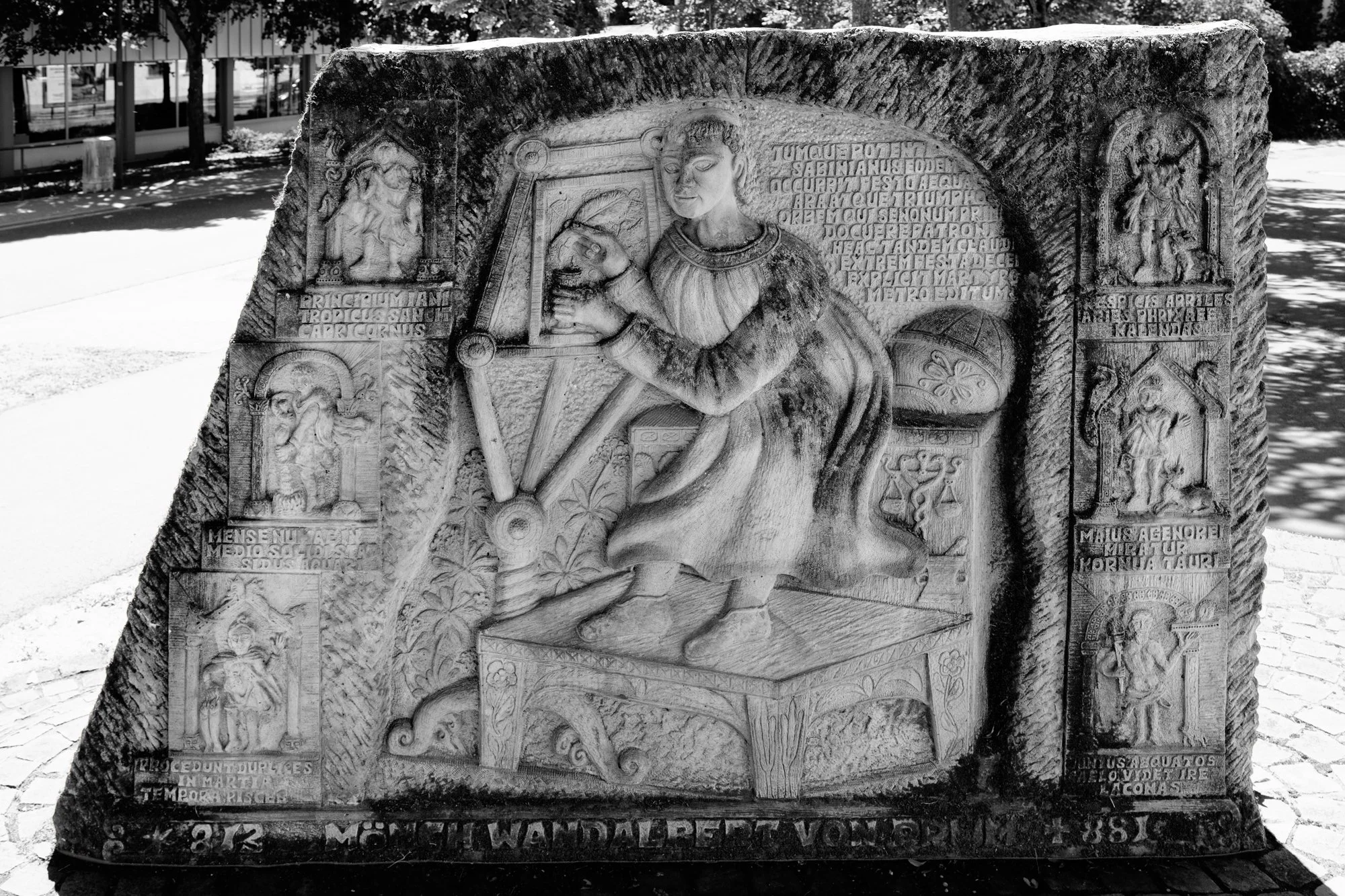
Mönch Wandalbert von Prüm (813).

On a sunlit corner in Prüm stands a block of carved memory. At its center a monk leans over a panel, stylus poised, as if he has just paused mid-line to catch the right cadence. Around him, little reliefs crowd the stone: saints in niches, vines curling like marginalia, symbols for the turning year. This monument —“Mönch Wandalbert von Prüm (813)”— carved by the Eifel sculptor Pit Weiland as part of the town’s Karolingerweg. The Latin beside the figure ends with a scribe’s flourish—explicit martyrium, metro editum… extremum festum Decembris—the tidy full stop of a poet who measures time in verse.

Why Prüm mattered

Prüm was not a remote cloister but a royal powerhouse in the Carolingian world. Kings endowed it with estates, immunity, and the freedom to manage its lands; emperors retired there; pilgrims came for the famed Sandals of Christ. In a region strung between the Moselle, the Ardennes, and the Rhine, the abbey sat on trade routes and supervised a web of farms, mills, and forests that made it an economic hub as well as a spiritual one.

Ecclesiastically, Prüm stood within the province of Trier—the great archbishopric of the Middle Rhine—yet enjoyed the sort of royal and papal protection that gave leading monasteries a measure of exemption from ordinary diocesan interference. Bishops still ordained, blessed altars, and oversaw parish life; but Prüm governed its own house, appointed its officials, and managed a chain of dependent churches and granges on its estates. In the loose but legible hierarchy of the age, the abbey answered upward to throne and pope, coordinated sideways with peer houses across the Carolingian realm (think Fulda, Corbie, Reims), and negotiated locally with the bishops whose dioceses held its lands. That three-level relationship—imperial, monastic, diocesan—explains why Prüm’s voice carried so far.

Its scriptorium and school turned that authority into culture. Charters standardized obligations; cartularies and the later Prüm polyptych mapped holdings like a textual atlas; and scholars such as Regino of Prüm wrote histories that stitched the region into the wider story of Europe.

A poet of the calendar

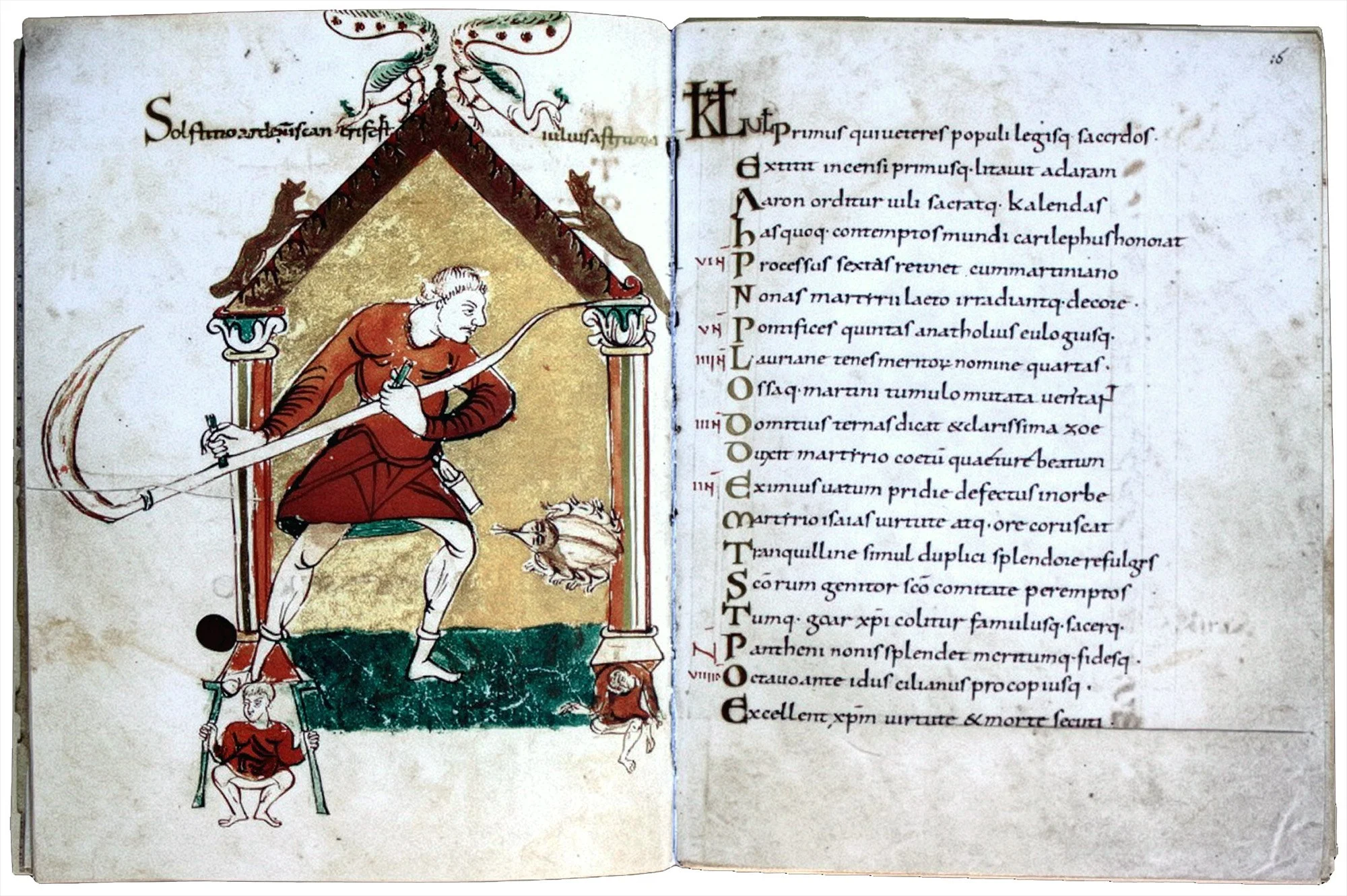
Wandalbert belonged to this world of rule and rhythm. His metrical martyrology gives every day its saints and begins each month with a poem on the season—weather and winds, vineyard tasks and fish runs, bread and bees and blessings. Read straight through, the book becomes a choreography for a Christian year lived in farms and forests. It is literature, liturgy, and local knowledge at once.

A page from the Martyrologium by Wandalbert of Prüm.

The relief captures that fusion. The artist surrounds Wandalbert with a visual rota—a wheel-of-the-year feeling. Side panels stage small dramas: an altar, a martyr’s triumph, a saint’s feast. The crisp little capitals on the right could be a folio margin, closing a December tale with a neat “explicit.”

813: when language shifted

The date on the base ties Wandalbert to a reforming moment. In 813 Charlemagne called regional councils and insisted that preaching be done in languages people actually spoke—rustica romana for Romance speakers and theodisca for the Germanic world. The policy was larger than sermons: teaching should be audible inside ordinary life. Wandalbert’s poems are an answer in miniature. He kept Latin’s music but bent it toward the village: tools and birds, market days and fast days, the sound of bells and the grind of the mill.

Reading the sculpture

The stone reads like a page. Wandalbert sits on a raised platform, one hand steadying a tablet, the other lifting his stylus as if listening for the next footbeat. A hinged drawing frame angles toward him—an artist’s tool turned into a metaphor for measuring time. Around the rim, saints stand in tiny arcades; below them twine vines and tools of work, hints of vineyards, fields, and mills.
On the right, the neat block script could be a folio margin: martyrs named, December called out, the closing “explicit” that ends a book. Even the little scales tucked near his knee suggest balance—of seasons and feasts, labor and prayer, prose and verse. It is both portrait and instrument: a man and the calendar he tunes.

What endures

Prüm’s abbey no longer governs estates the way it once did, but its grammar still orders the landscape. Parish boundaries, fair days, field names, and the memory of processions echo the monastic clock; the diocese remains the frame, the monastery the old metronome. Wandalbert’s poems feel unexpectedly practical: a theology of weather and work, bees and bread, written to be carried in the head.
That is the sculpture’s charge. It reminds us that culture is kept not by proclamations but by rhythms—what gets harvested when, when the fast begins, when the bell calls the village to sing. Prüm turned those rhythms into a public good; Wandalbert gave them music. Stand before the stone and you can feel the year begin to move.

Further Reading

  • Wandalbert of Prüm, Martyrologium (editions/translations)

  • The Prüm Polyptych (c. 893)

  • Regino of Prüm, Chronicle

  • Rosamond McKitterick, The Carolingians and the Written Word

  • Jean-Pierre Devroey, The Economy of the Carolingian Empire

  • Studies on the Councils of 813 and vernacular preaching

  • Research on the Sandals of Christ and the cult at Prüm

  • Surveys of Carolingian monasticism in the Rhineland–Ardennes

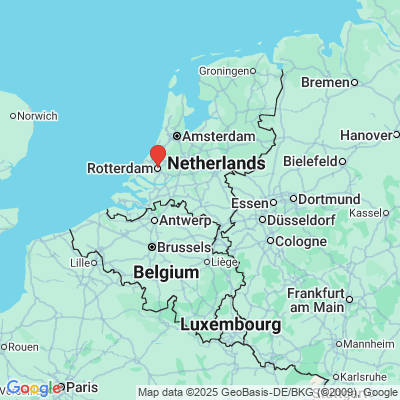
Rotterdam my City — The Cube Houses of Rotterdam

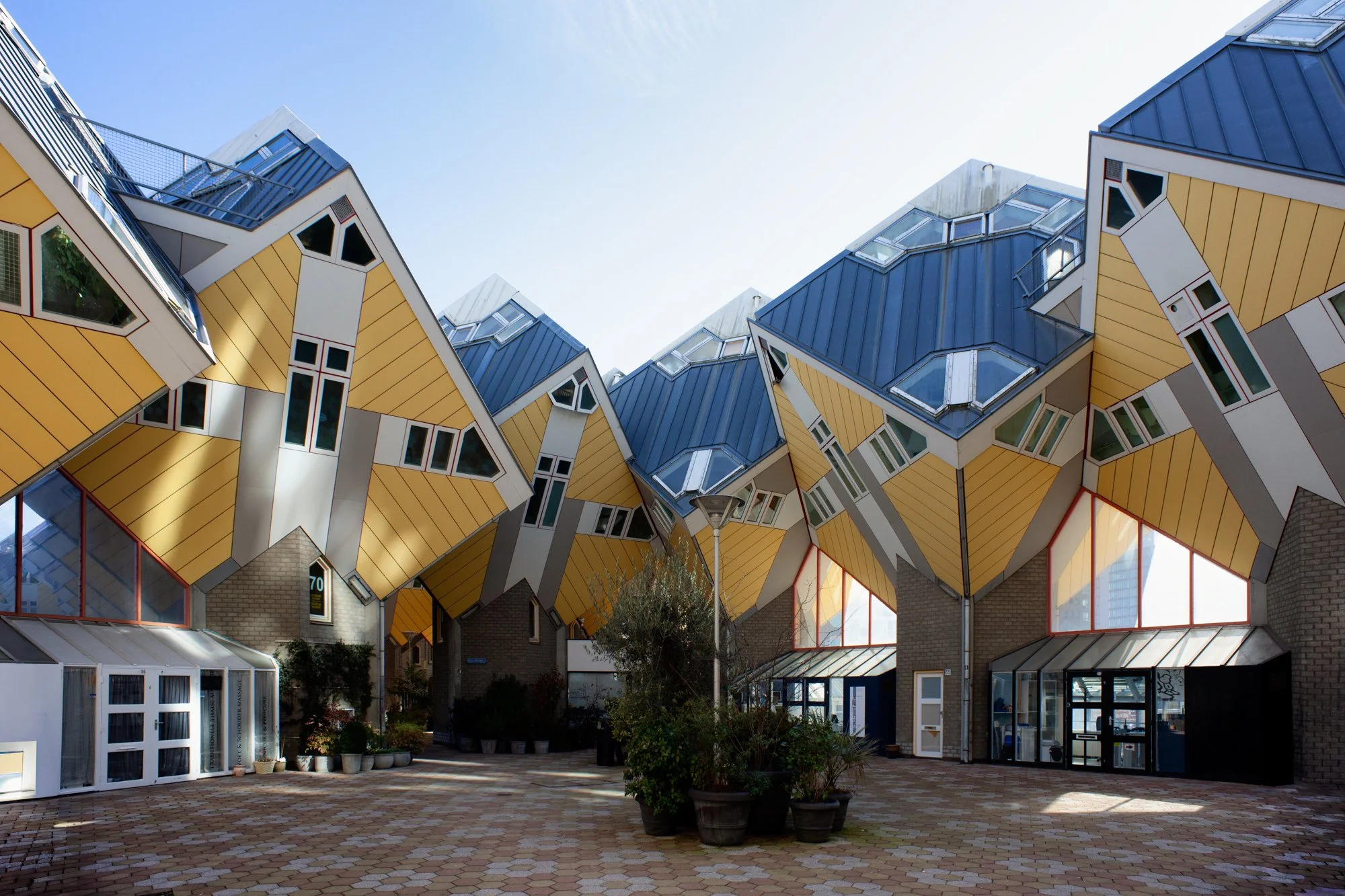
The Cube Houses of Rotterdam (The Netherlands).

In the heart of Rotterdam, tilted above the busy streets near Blaak station, stand a row of yellow cubes that look as if they’ve tumbled from the sky and frozen mid-fall. These are the Cube Houses (in Dutch: Kubuswoningen), designed in the late 1970s by architect Piet Blom, who imagined each house as a tree — together forming an abstract forest of modern living.

Each cube rests on a hexagonal pillar and leans at a 45-degree angle. Inside, every wall becomes a surprise: windows are tilted, floors meet at odd corners, and space itself feels like an adventure in geometry.

Blom’s design was part of Rotterdam’s bold post-war identity — a city that rebuilt itself not by copying the past but by inventing the future. Today, one of the houses serves as a museum, and visitors step inside to experience what it’s like to live within a dream.

The Cube Houses aren’t just architecture; they’re a statement — proof that in Rotterdam, imagination can be built in concrete, glass, and bright yellow panels.

Holy Sightseers

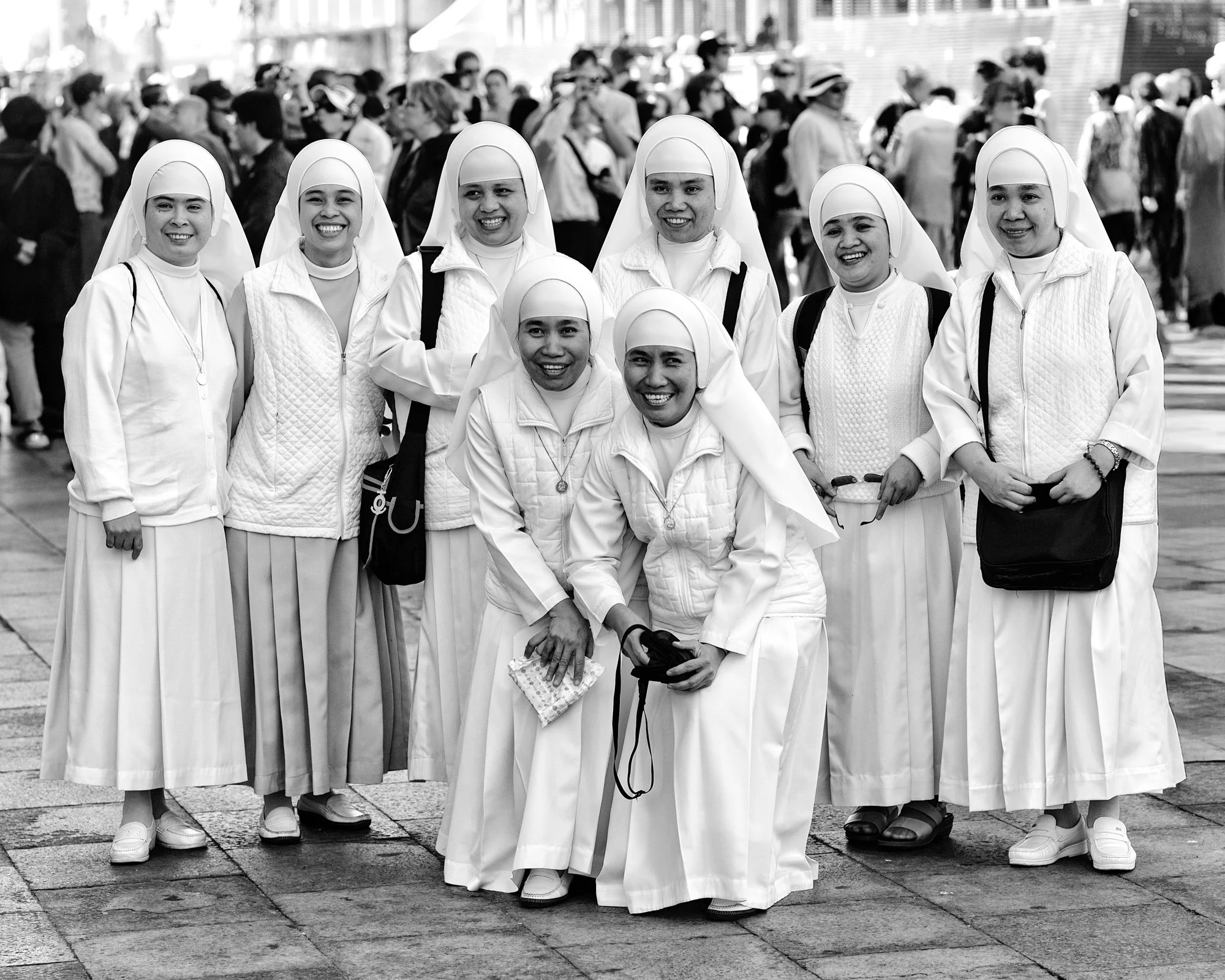
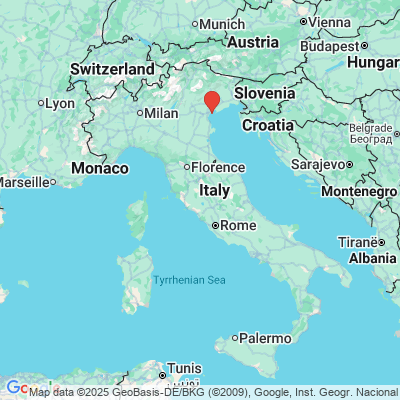
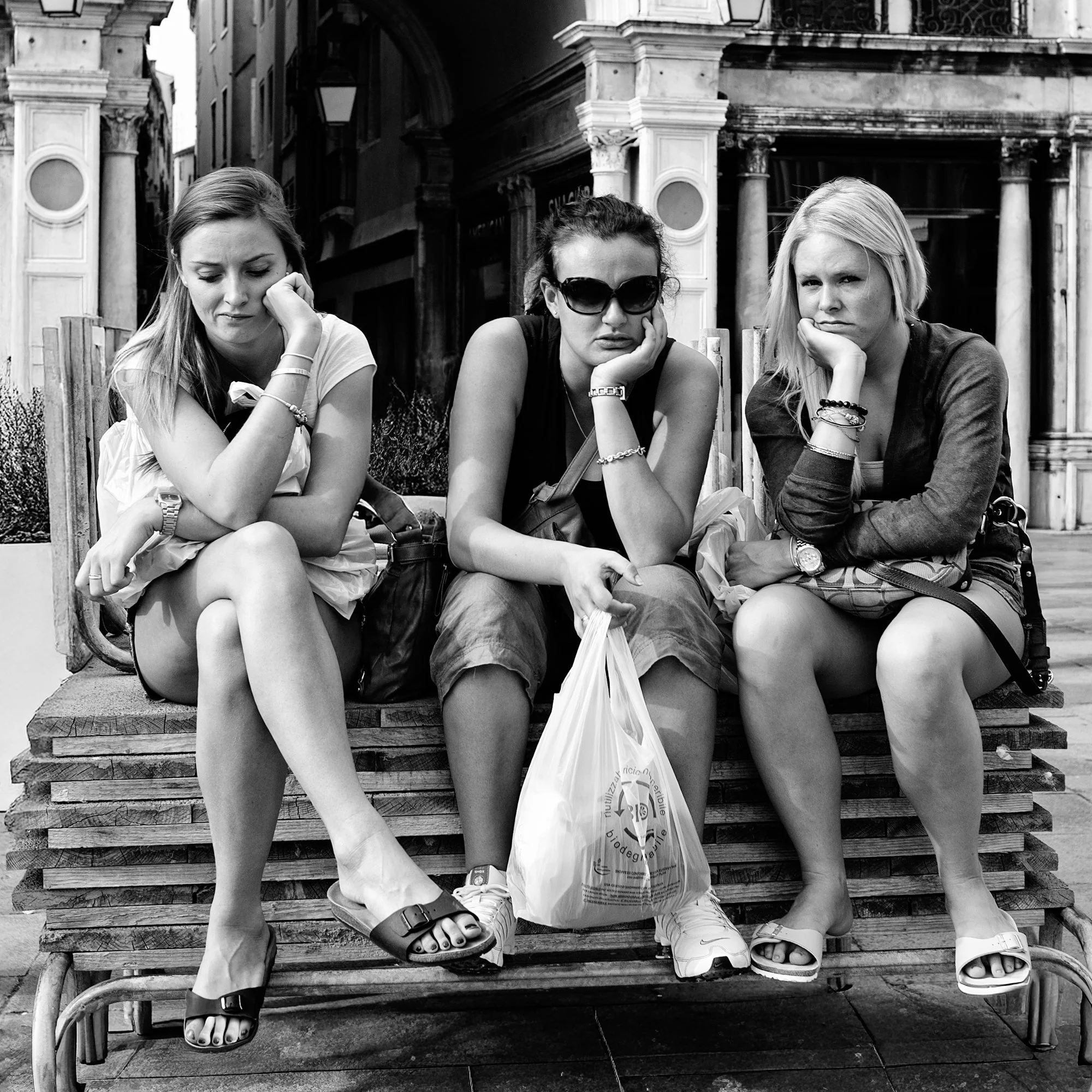
A group of Asian nuns on St. Mark’s Square, Venice (Italy).

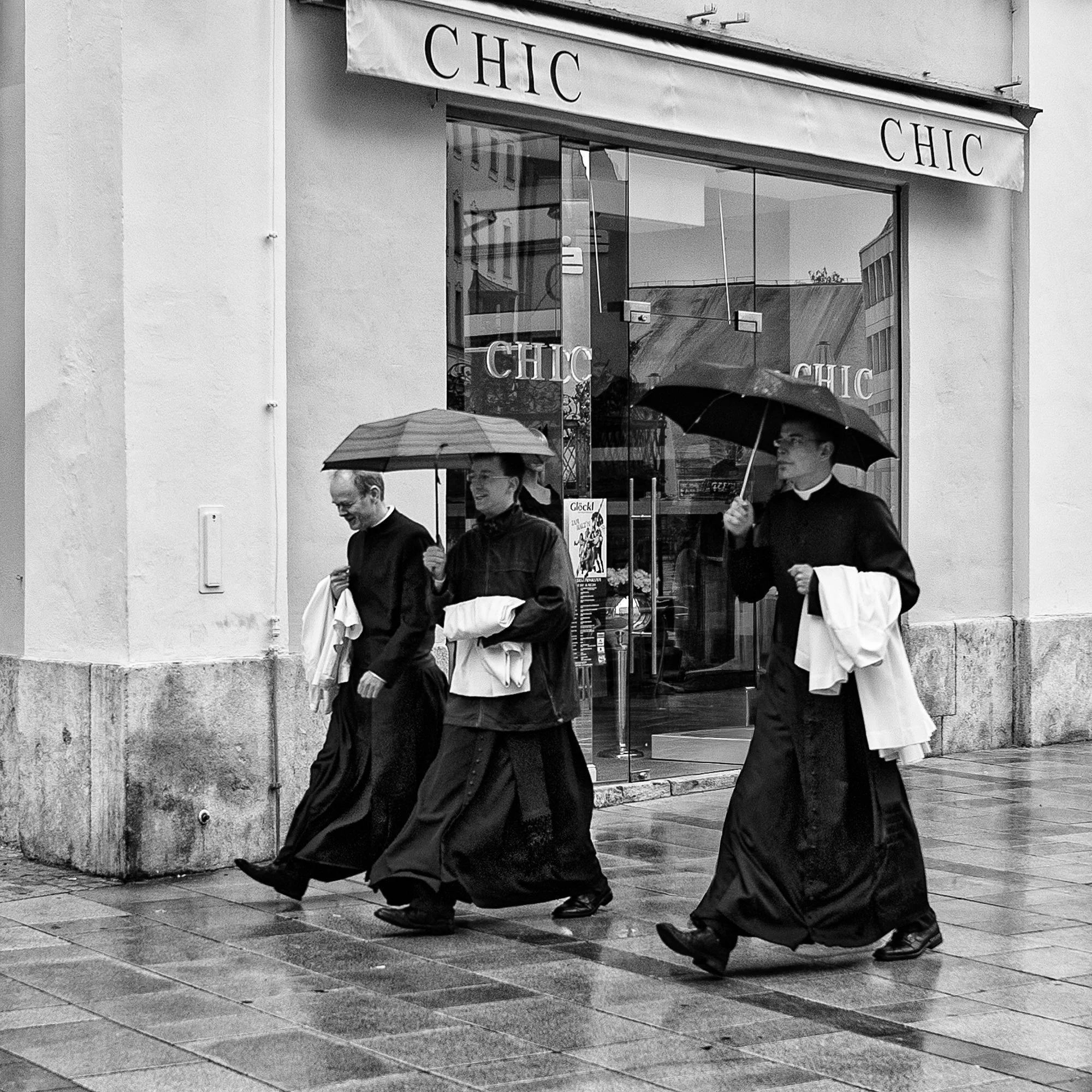
Even nuns are tourists. Across Europe, they travel in small, smiling groups — cameras in hand, guidebooks tucked beneath their habits — tracing the footsteps of saints and centuries. On Piazza San Marco in Venice, amid selfie sticks and pigeons, their quiet laughter blends with the crowd’s hum. Faith meets curiosity; devotion meets delight.

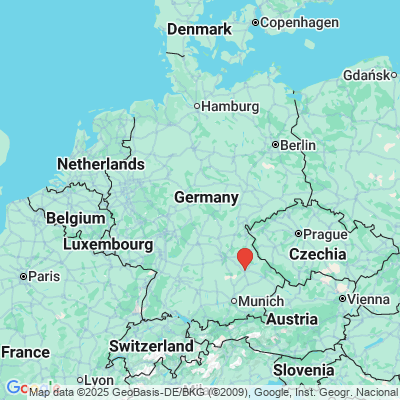
Regensburg (Germany)

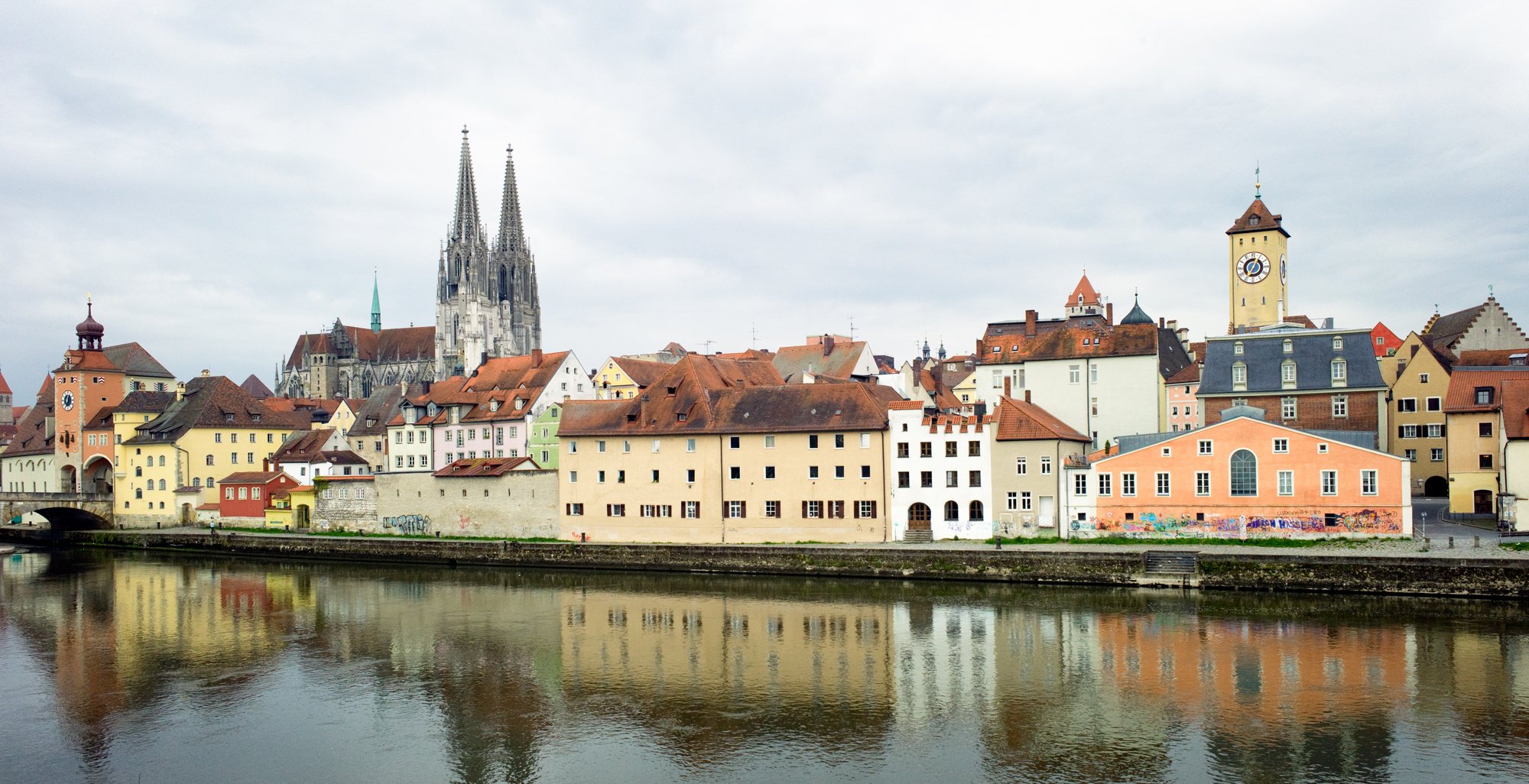
Regensburg (Germany).

At the point where the Danube bends and the stone bridge links its banks, Regensburg has stood for nearly two thousand years — a city shaped by water, trade, and empire. Founded as the Roman fortress Castra Regina in the 2nd century, it became one of the most enduring urban centers north of the Alps.

Through the Middle Ages, Regensburg was a powerhouse of the Holy Roman Empire — a free imperial city where emperors were crowned, merchants bargained, and the great Diets of the Empire debated the fate of Europe. Its narrow alleys, Gothic towers, and proud patrician houses still echo the hum of that long political and commercial life.

Today, the old town is a UNESCO World Heritage Site — not frozen in time, but alive with cafés, students, and the steady rhythm of the Danube. In Regensburg, history doesn’t feel distant; it feels like it never quite left.

A Flat Tyre, a Cappuccino, and the Kindness of Sanlúcar de Barrameda (Spain)

Pepe from Boguita Pepe and his wife working on our capuchinos (Sanlúcar de Barrameda, Spain).

We had planned a full day in Sanlúcar de Barrameda—sun, sea, tapas, the works. Instead, my bike decided to file an early complaint: pfffff, one flat tyre, right in the middle of town.

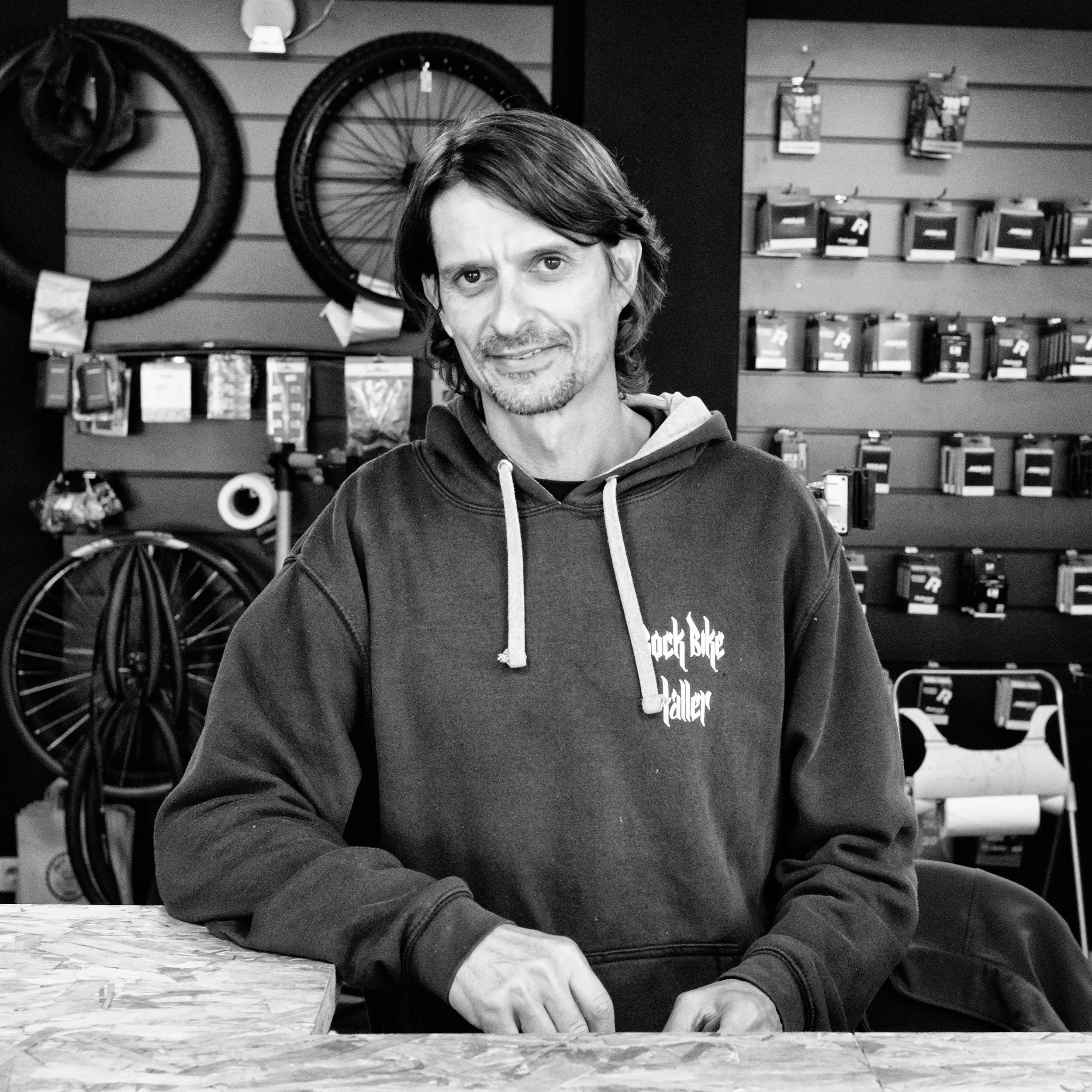
With the elegance of stranded tourists, we rolled the limp bicycle to the nearest coffeeshop—Bodeguita Pepe—where the owner took one look at the tyre, one look at us, and immediately pointed down the street. “Rock Bike Taller,” he said, with the confidence of someone sending us to salvation. And indeed: it was just around the corner.

Two minutes later my bike was in the hands of a mechanic who worked faster than most espresso machines. So we sat down for a cappuccino, pretending this was the plan all along. By the time we reached the bottom of our cups, the bike was fixed, inflated, and ready to go—possibly in better shape than we were.

In the end, our “problem” turned into a perfect Sanlúcar moment: warm people, strong coffee, and a city that somehow makes even a flat tyre feel like part of the adventure.

The mechanic from Rock Bike Taller in Sanlúcar de Barrameda (Spain).

Thérèse of Lisieux and Her Lasting Glow in Normandy

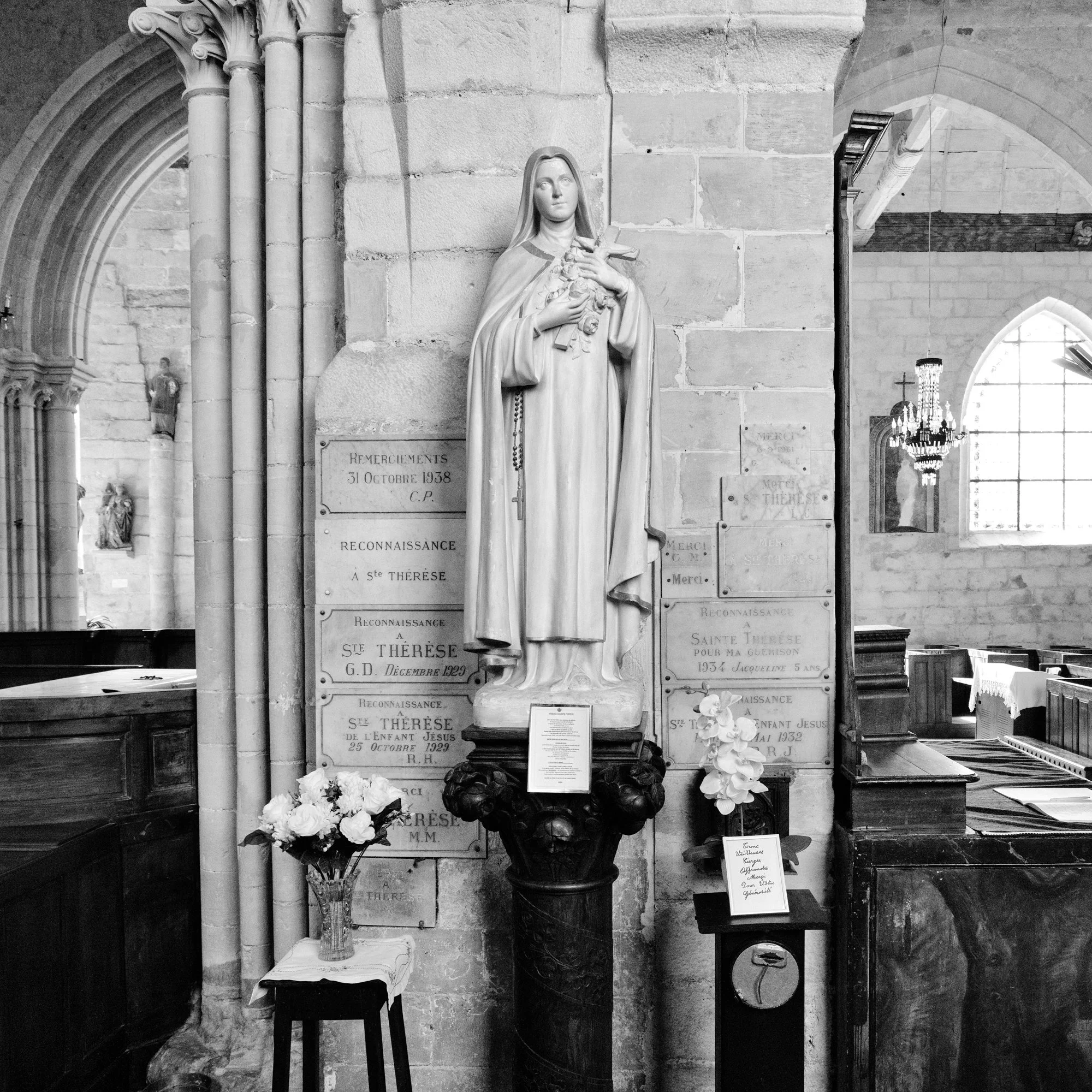
Sainte Thérèse de l’Enfant-Jésus with ex-voto plaques of gratitude, inside the Eglise Saint-Martin, Veules-les-Roses (France).

The Little Flower’s Short, Radiant Life

Thérèse Martin was born in 1873 in the quiet Norman town of Alençon, France, the youngest of nine children in a deeply devout family. Her mother died when Thérèse was four, and the family soon moved to Lisieux, where the Carmelite monastery would shape her destiny.

At just fifteen, Thérèse entered the Carmel of Lisieux, living a cloistered life of prayer and simplicity. Her “Little Way” of holiness—doing small things with great love—became the hallmark of her spirituality. She never left the convent walls and died of tuberculosis at only twenty-four (1897), yet her posthumously published autobiography Story of a Soul swept across the Catholic world.

From Hidden Nun to Canonized Saint

The power of her quiet witness was such that Pope Pius XI beatified her in 1923 and canonized her in 1925, an unusually rapid recognition. In 1997 Pope John Paul II proclaimed her Doctor of the Church, a rare honor for a woman, underlining the universal depth of her simple yet profound theology of trust and love.

Normandy’s Living Heart of Devotion

Though Thérèse is venerated worldwide, Normandy remains the heart of her devotion. Lisieux is home to the grand Basilica of Saint-Thérèse, a major pilgrimage destination drawing over a million visitors annually. Pilgrims come to walk the streets she knew, to pray in the Carmel where she lived and to touch the atmosphere of the family home “Les Buissonnets.”

The region’s attachment runs deep: Thérèse embodied the quiet perseverance and earthy faith long characteristic of rural Normandy. Her promise to “spend heaven doing good on earth” resonates in a landscape where faith is expressed less in spectacle than in steady, heartfelt fidelity.

Even along the Somme coast, in places like Veules-les-Roses, small churches keep her image close—testimony to how her “Little Way” crossed every parish boundary.

Why She Still Matters

Saint Thérèse invites modern seekers to discover the sacred in daily tasks and fleeting acts of kindness. In an age of noise and ambition, her life whispers that holiness is found not in grand gestures but in quiet love.

Further reading

  • Thérèse of Lisieux, Story of a Soul

  • Ralph Wright, Little Thérèse: Doctor of the Church

  • Guy Gaucher, The Story of a Life

The Vision of Heaven in Salamanca’s Old Cathedral

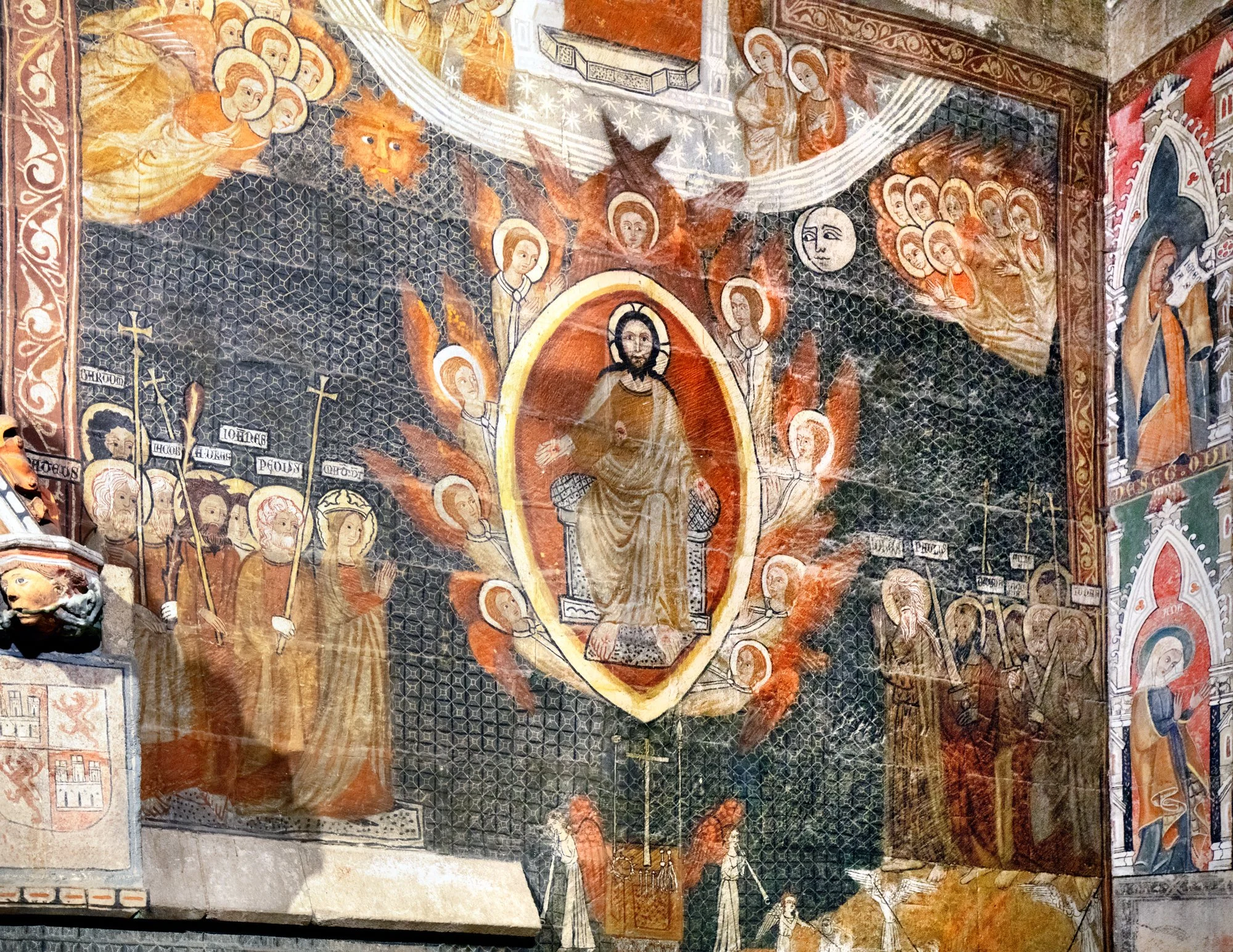
Christ in Majesty surrounded by angels and saints, with the sun and moon as witnesses. Fresco from the Chapel of St. Martin, Old Cathedral of Salamanca (c. 1300), painted by Antón Sánchez de Segovia.

Step into the Chapel of St. Martin in Salamanca’s Old Cathedral and you are immediately surrounded by one of the most breathtaking fresco cycles in medieval Spain. Painted around the year 1300, these walls are alive with fiery color, gold halos, and a vision of eternity that once spoke directly to the faithful of the city.

At the center of the great composition is Christ in Majesty, seated within a glowing mandorla — the almond-shaped frame of divine light. His hand is raised in blessing, his other resting on the Book of Life. Around him swirl ranks of angels, their faces turned toward the Judge of all creation. Even the cosmos bears witness: the sun and the moon appear with human faces, as if stunned by the unfolding vision.

On either side, processions of saints advance toward the throne, holding crosses and palm branches, their names once carefully inscribed above them. They are not remote figures but companions, examples of courage and faith who join the celestial chorus. Above, more angels surge like flames in worship, a reminder that the entire heavenly court is gathered here.

This fresco is more than decoration; it is theology in color. In an age when few could read, images like this made the mysteries of salvation visible. Standing before it, a medieval worshipper would feel both awe and urgency — the promise of paradise and the warning of judgment. Even today, its intensity is impossible to ignore.

The Chapel of St. Martin, built as the burial place of Bishop Martín Alfonso, became a stage for this dazzling vision. The painter Antón Sánchez de Segovia, working at the transition between Romanesque solemnity and Gothic elegance, gave Salamanca one of its most enduring treasures. The figures remain stylized yet animated, the flames vibrate with energy, and Christ radiates a serene authority that bridges heaven and earth.

To gaze at this fresco is to stand where countless believers once stood, confronted with the ultimate questions of time and eternity. It is art not just to be admired, but to be experienced.

Further Reading

  • Peter Klein, Romanesque and Gothic Wall Paintings in Spain

  • Gerhard Schmidt, The Last Judgment in Medieval Art

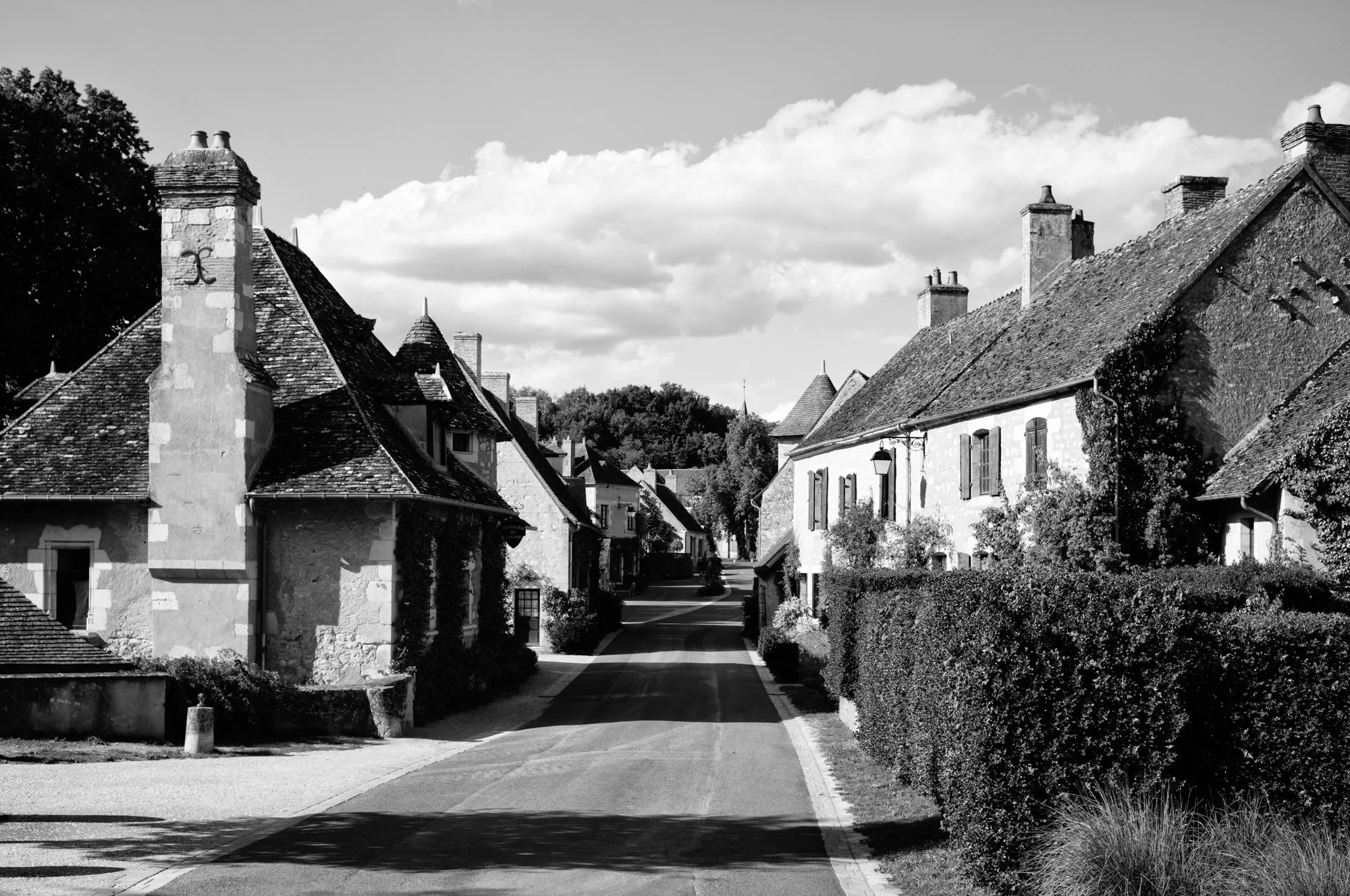
Apremont-sur-Allier (France)

Apremont-sur-Allier (France)

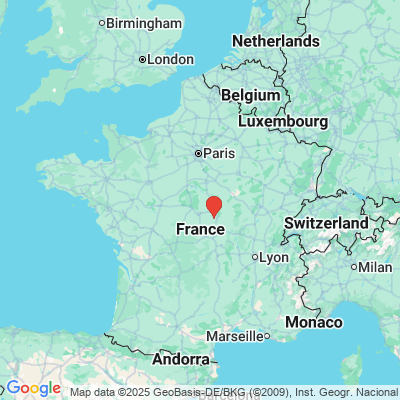
On a graceful bend of the Allier River in central France lies Apremont-sur-Allier, a village that feels lifted from a storybook. Golden-stone houses draped in roses and cobbled lanes that lead to the river create a setting so perfect that it belongs to Les Plus Beaux Villages de France. Once a medieval quarry village supplying stone for great cathedrals, it was lovingly revived in the early 20th century by industrialist Eugène Schneider, who restored and rebuilt it in a harmonious neo-medieval style.

The heart of Apremont is its Parc Floral, five hectares of ponds, pavilions and rare trees that change colour and scent with the seasons. Though the château itself remains private, its towers and ramparts frame the gardens like a painting. The village cafés and the gentle rhythm of the river invite slow afternoons and quiet walks.

About 20 kilometres from Nevers, Apremont-sur-Allier is easy to reach by car yet blissfully far from crowds. Come in spring or summer, when flowers explode and the gardens are open, and you’ll discover one of France’s most enchanting hidden retreats—a place to wander, breathe and simply stay.

The Guardian Angels of Notre Dame de l'Assomption in Apremont-sur-Allier (France).

Along the Camino: Quiet Encounters in Late Autumn

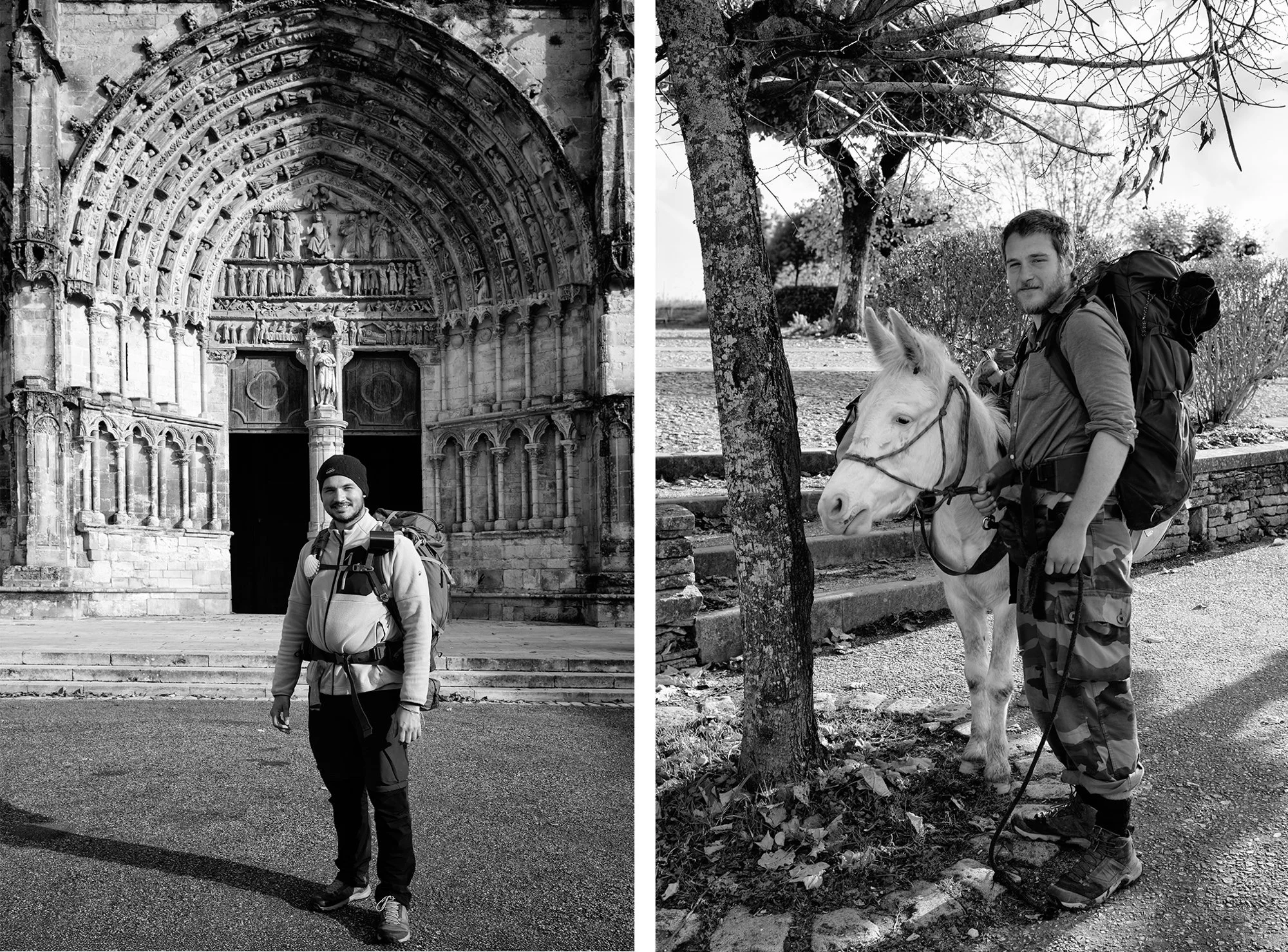
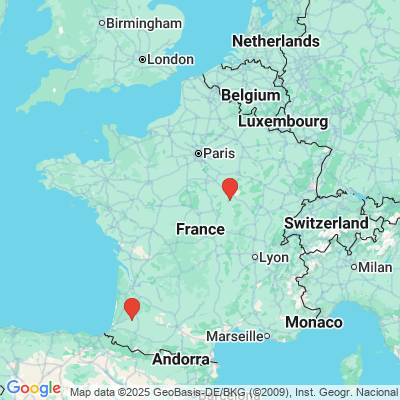
Two of the pilgrims we met, one in Saint-Sever, and the other in Vezelay.

Travelling along the Camino de Santiago in November has its own rhythm. Winter is approaching, the days grow shorter, and the great summer crowds have long disappeared. The trail feels quiet now—almost contemplative—and the few pilgrims we do encounter stand out all the more.

We meet them here and there, often alone on the path or resting near a cathedral or a small chapel. Some walk only a section, others are still making their way toward Santiago. A handful travel with a dog, or with a horse carrying their pack. Most walk simply and lightly, moving at a pace shaped by the season.

Because there are so few of them, every conversation feels personal. These late-autumn pilgrims often have time—and stories. Some of them speak about why they walk, what the silence does to them, what they hope to understand or let go of. The simplicity of the Camino in November seems to deepen the lessons they learn: being present, appreciating small things, accepting the rhythm of each day.

For us, these encounters have been genuinely pleasant and full of insight. A short talk can open up entire perspectives on life, choices, and what matters.

To the pilgrims we’ve met along the way: Buen Camino. May the quiet season serve you well, and may the road ahead continue to teach, lighten, and inspire.

Ukrainians in search of safety: Hanna and family

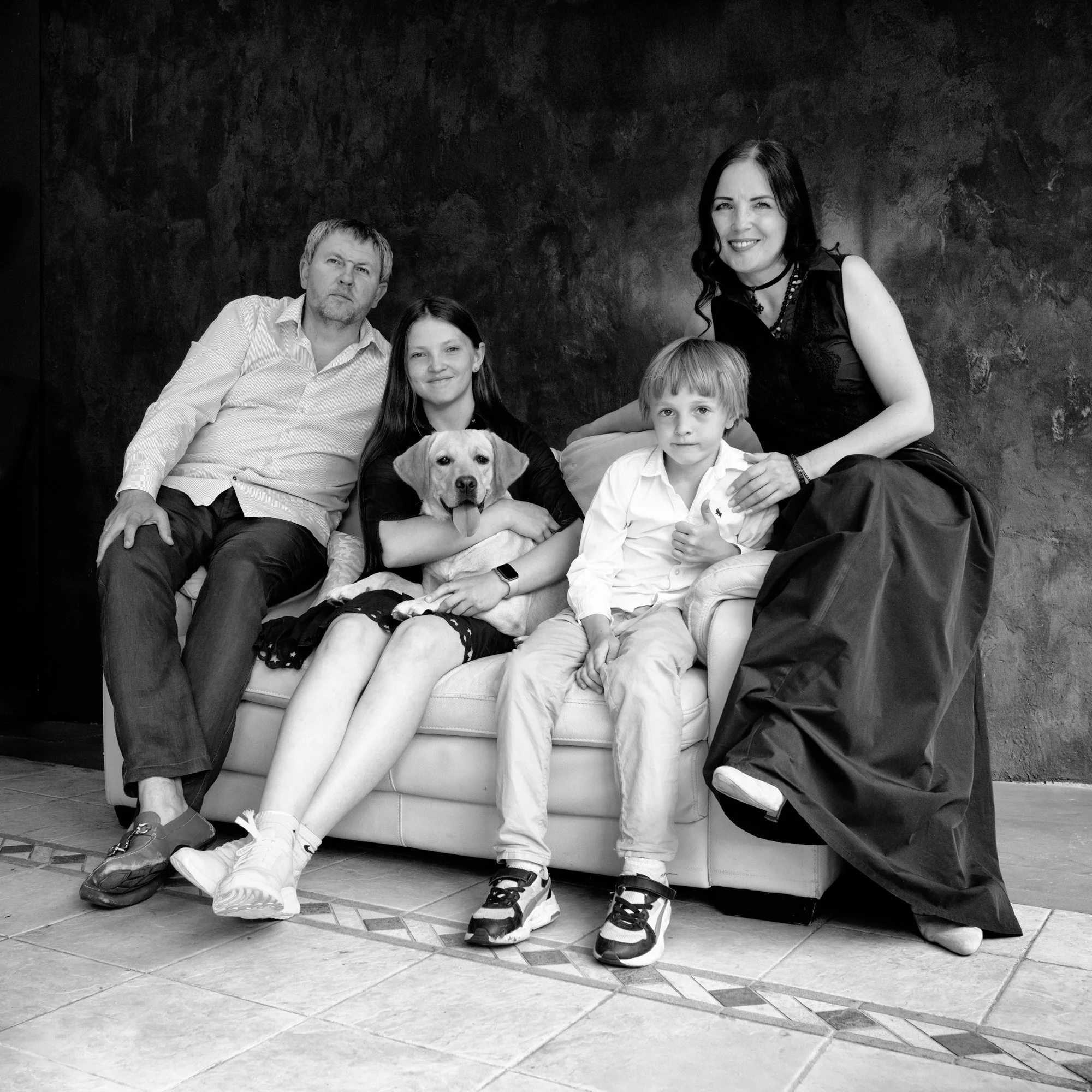
Hanna and her family in The Netherlands.

My name is Hanna and I’m from Dnipro, a large industrial city in eastern Ukraine. Until early 2022, I lived a full and successful life. I ran my own marketing and advertising agency, worked with major international brands, and was involved in social projects and campaigns. At the same time, I taught marketing, communication, and public relations at the university – something I truly enjoyed. Together with my husband and our three children, we lived a comfortable life. We were entrepreneurial, creative, and engaged in our city.

The unrest began already in 2014, during the Maidan Revolution. It affected me deeply. Young people flooded the streets, dreaming of a European future for Ukraine. That dream was violently crushed. I still remember crying every evening while watching the news. The deaths of young protesters felt personal. That was the moment I understood: we are a people who must fight for freedom, for justice.

When Russia invaded Ukraine on February 24, 2022, everything changed. Our whole family — sixteen people in total — took shelter in a basement. We didn’t live far from the Zaporizhzhia nuclear power plant, and when it came under fire, the fear really hit us. There were rumors of a possible nuclear disaster. Doctors gave instructions on television about how to apply iodine to children’s skin to protect them from radiation. My children saw the panic in my eyes. On the ninth day of the war, I made the decision: we had to flee.

We left Dnipro in five cars. Normally, the drive west would take ten hours — it took us five days. The roads were packed with people like us — desperate, afraid, heading into the unknown. We taped signs reading “CHILDREN” to our car windows, hoping Russian pilots would see we were innocent civilians.

Eventually, we made it to Roermond in the Netherlands, where an old friend offered us shelter. My husband stayed behind at first, to take care of his parents and our business. He only joined us in Roermond nine months later.

Once I arrived, I couldn’t sit still. That’s not who I am. I volunteered at my children’s primary school, working as an interpreter and piano accompanist. Later, I became a coach for Ukrainian employees at La Place, taught at Stedelijk College, and began working as a project leader at the Ukrainian House in Maastricht.

Since October 2023, I’ve been working as a counselor for Ukrainian families in Limburg. I help people integrate, with paperwork, schools, doctors, and government agencies. The work is intense, but rewarding. I know where they come from. I know what it means to leave everything behind.

I feel happy here. In Ukraine, we lived well, but life was stressful and competitive. Here, we’ve found peace. My children are integrated at school, my husband works as a chef, and we are slowly building something new. Still, the future is uncertain. I don’t know if we’ll be allowed to stay. That’s hard, but we do our best, we work, we contribute. We are happy here.

What I’ve experienced is not unique. Hundreds of thousands of Ukrainians carry stories like this. But I hope mine shows just how deeply war affects a human life — and how much strength it takes to start over, in a foreign land, with a foreign alphabet, but with the same hope: a safe life for our children.

When Vikings Came to Galicia (Spain)

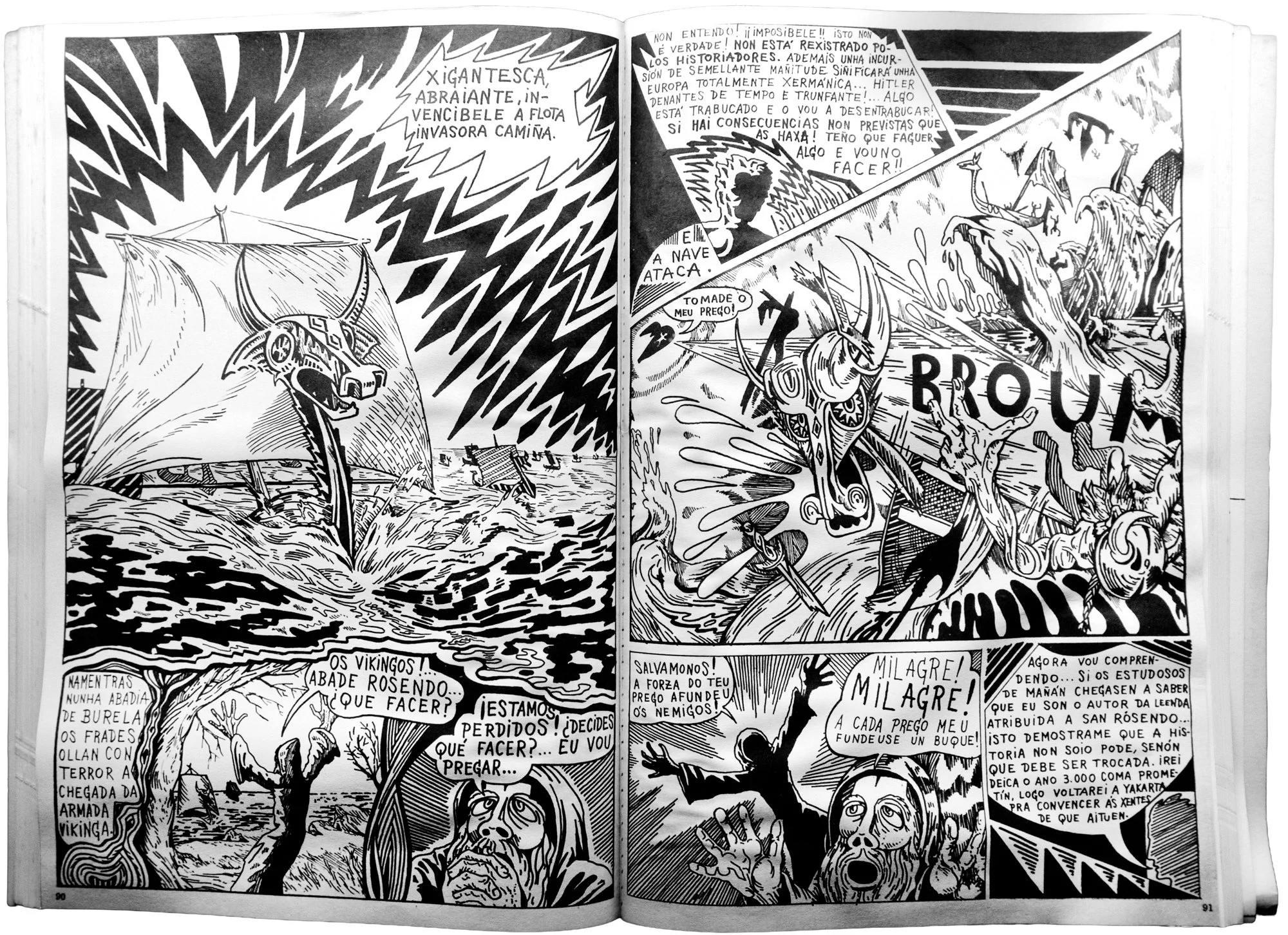
Pages from Historia do movemento obreiro galego (in Galician) by Reimundo Patiño depicting the Viking attack on Burela and the miraculous prayers of Abbot Rosendo. (Seen in the museum next to San Martín de Mondoñedo, along the Camino Natural de San Rosendo.)

In the quiet hills of northern Galicia, far from today’s roaring highways, legends still echo of fire and salt water. Around the 10th century, Viking fleets probed the Galician coast, their dragon-headed ships a terror to fishing villages and monasteries alike. One of the most dramatic tales unfolds at Burela, where the monks watched in fear as the invaders closed in.
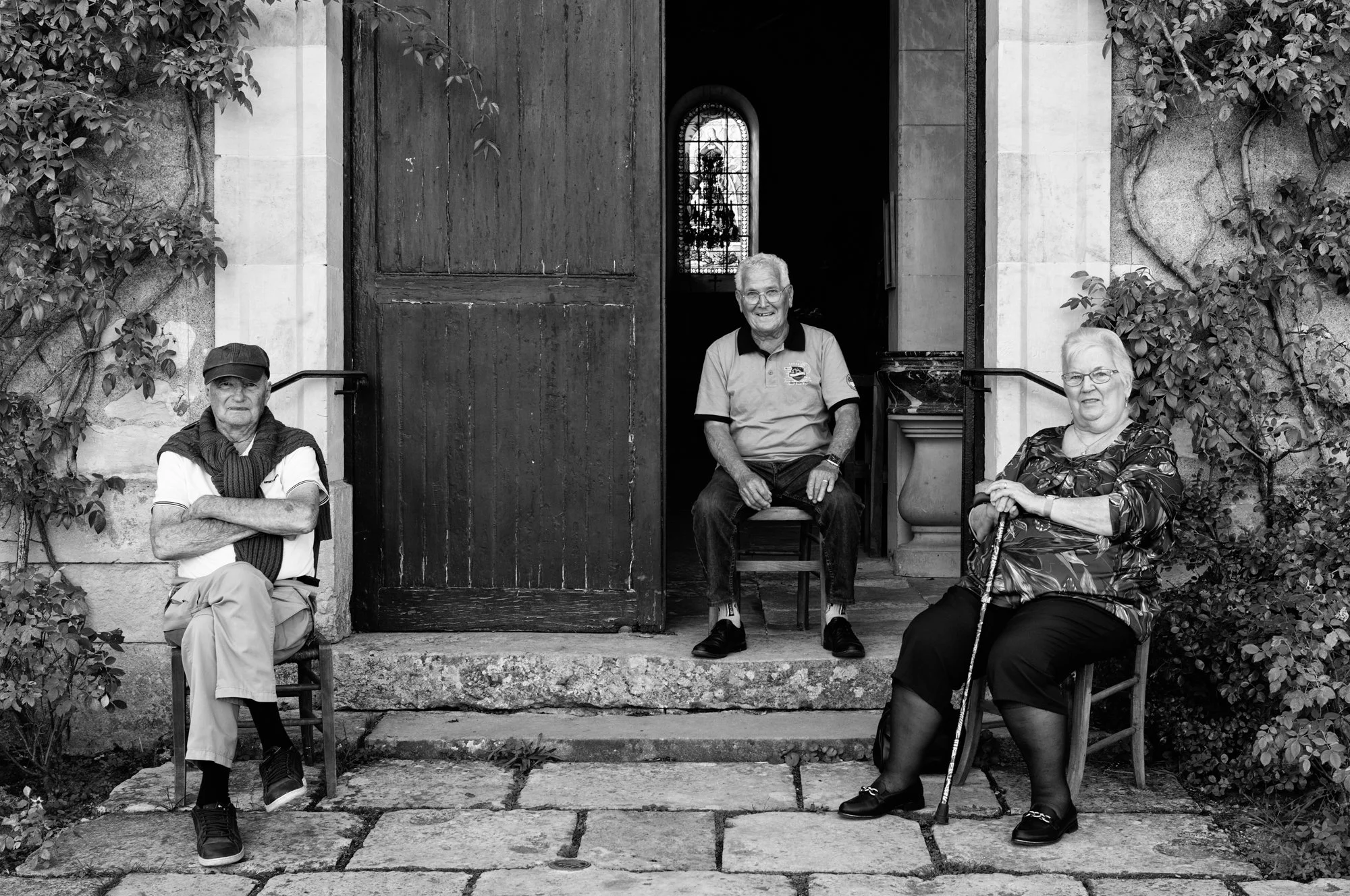
Here the figure of San Rosendo, abbot and later bishop, takes center stage. The story tells how, while others despaired, Rosendo fell to his knees in prayer. Each prayer, says the legend, sent another Viking ship to the bottom of the sea. For the people of Galicia, this was not just a miracle but a sign that faith and courage could turn the tide against overwhelming force.

We encountered this legend in a striking form: as pages from a comic book by Galician artist Reimundo Patiño. Patiño’s black-and-white panels roar with energy. His Vikings crash ashore like a nightmare, the monks cry out in terror, and Rosendo raises his arms as ships sink with a thunderous “BROUM.” It is history reimagined through popular art: a medieval miracle retold with the raw power of 20th-century graphic expression.
In Burela and its surroundings, the past is never just quiet stone—it is still alive, sometimes in the boldest of images.
Further Reading

  • Ann Christys, Vikings in the South: Voyages to Iberia and the Mediterranean (Bloomsbury, 2015) – overview of Viking raids beyond northern Europe, including Galicia.

  • Xosé Ramón Barreiro Fernández, Las incursiones normandas en Galicia (Santiago de Compostela, 1974) – classic study on Viking attacks along the Galician coast.

  • Inés Monteira Arias, Os viquingos en Galicia (Edicións Xerais, 2007) – an accessible Galician-language introduction to the subject.

  • Simon Coupland, “The Vikings in Francia and Iberia” in The Viking World (Routledge, 2008) – places the Galician experience in a broader European context.

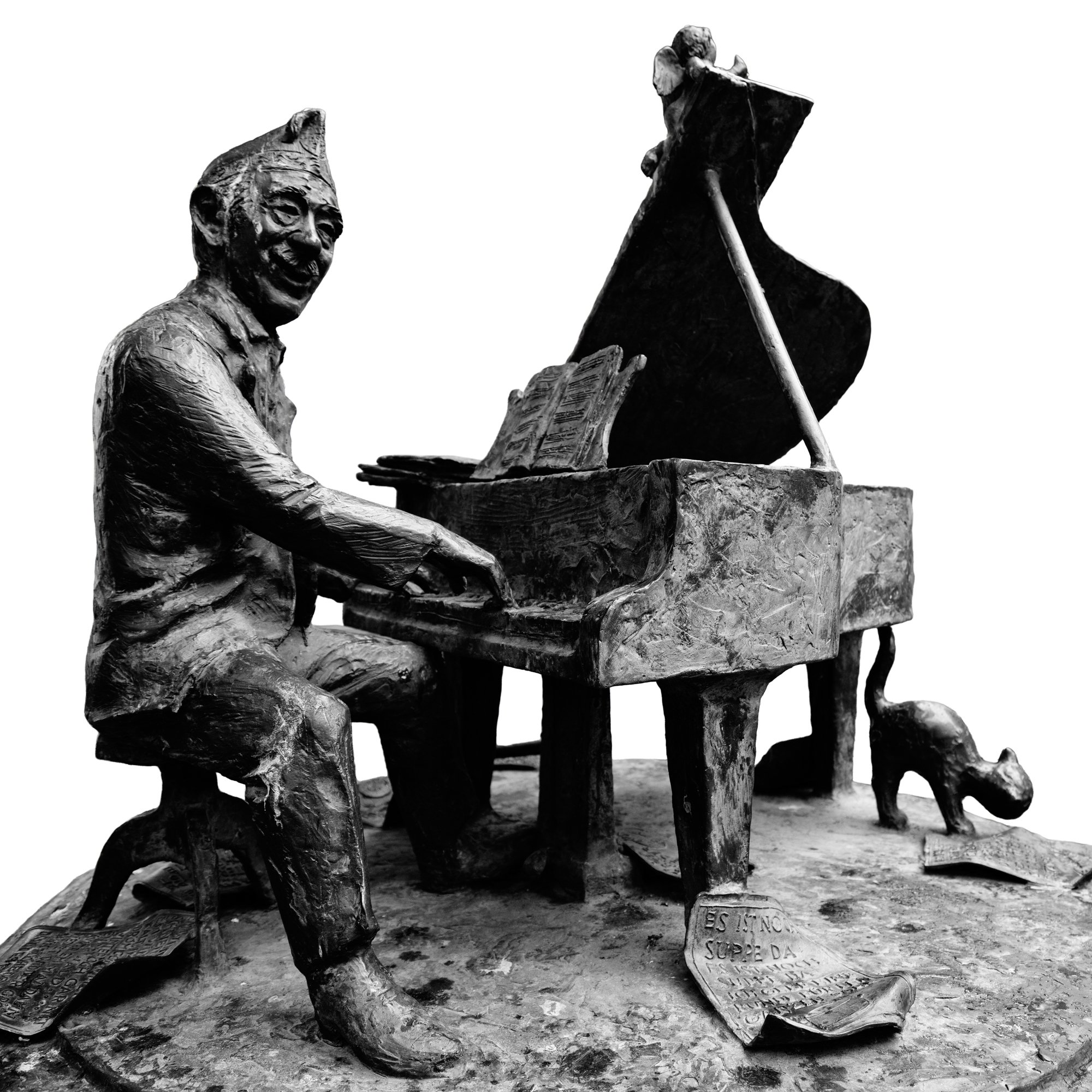
Jupp Schmitz: Cologne’s Man at the Piano

Picture a packed Kneipe on a cold February night. Paper streamers cling to the lamps, Kölsch glasses clink, and a small man with a quick grin slides onto the piano bench. Two chords—bright as confetti—and the room knows what’s coming. That’s Jupp Schmitz: songwriter, showman, and the heartbeat of Cologne’s carnival stage for half a century.

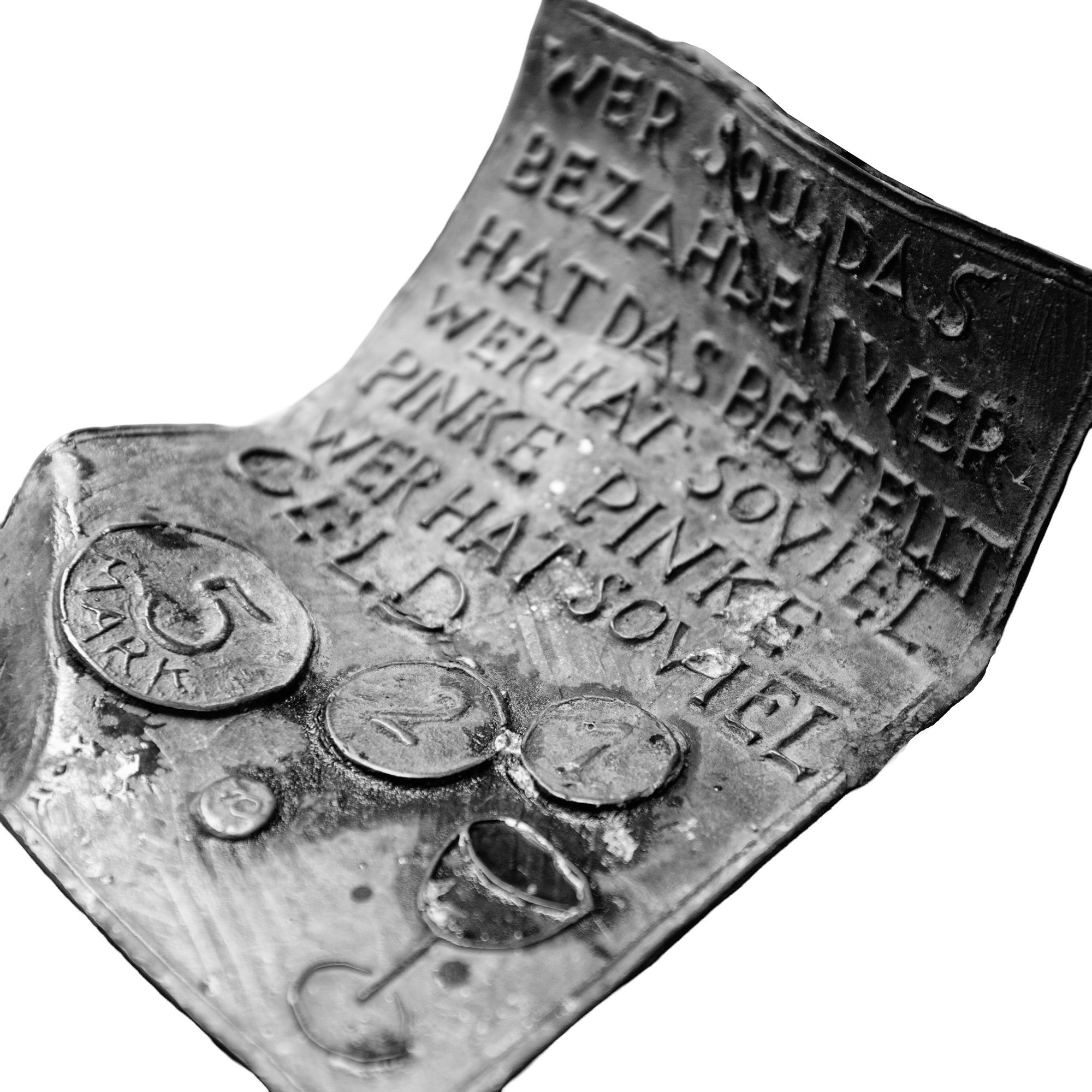
Schmitz grew up at the keyboard—first as a silent-cinema pianist, then as a dance-band entertainer who understood exactly how to turn a room into a chorus. After the war he gave the country a wink and a melody it couldn’t stop humming: “Wer soll das bezahlen?”—a cheeky anthem for wallets running on fumes. And every year he pressed the calendar’s reset button with “Am Aschermittwoch ist alles vorbei”—the bittersweet hymn that closes Carnival and hands the city gently to Lent.

“Wer soll das bezahlen? Wer hat so viel Geld? Wer hat so viel Pinke-Pinke?”

His secret wasn’t just catchy tunes; it was the way he wrote with the audience. Call-and-response refrains, words that sit perfectly on the tongue, humor warm enough to melt February—Schmitz didn’t perform at people; he performed through them. On the big stages like the Gürzenich or in cramped pubs along the Rhine, he was always the same: hat tipped, eyes sparkling, fingers tumbling over the keys while the crowd sang itself hoarse.

Listen today and you still hear Cologne in his songs: generous, a little mischievous, never far from a joke or a hug. Long after the last costume is packed away, Schmitz’s melodies keep the city’s smile switched on—proof that sometimes the most enduring monuments are made of chorus lines and laughter.

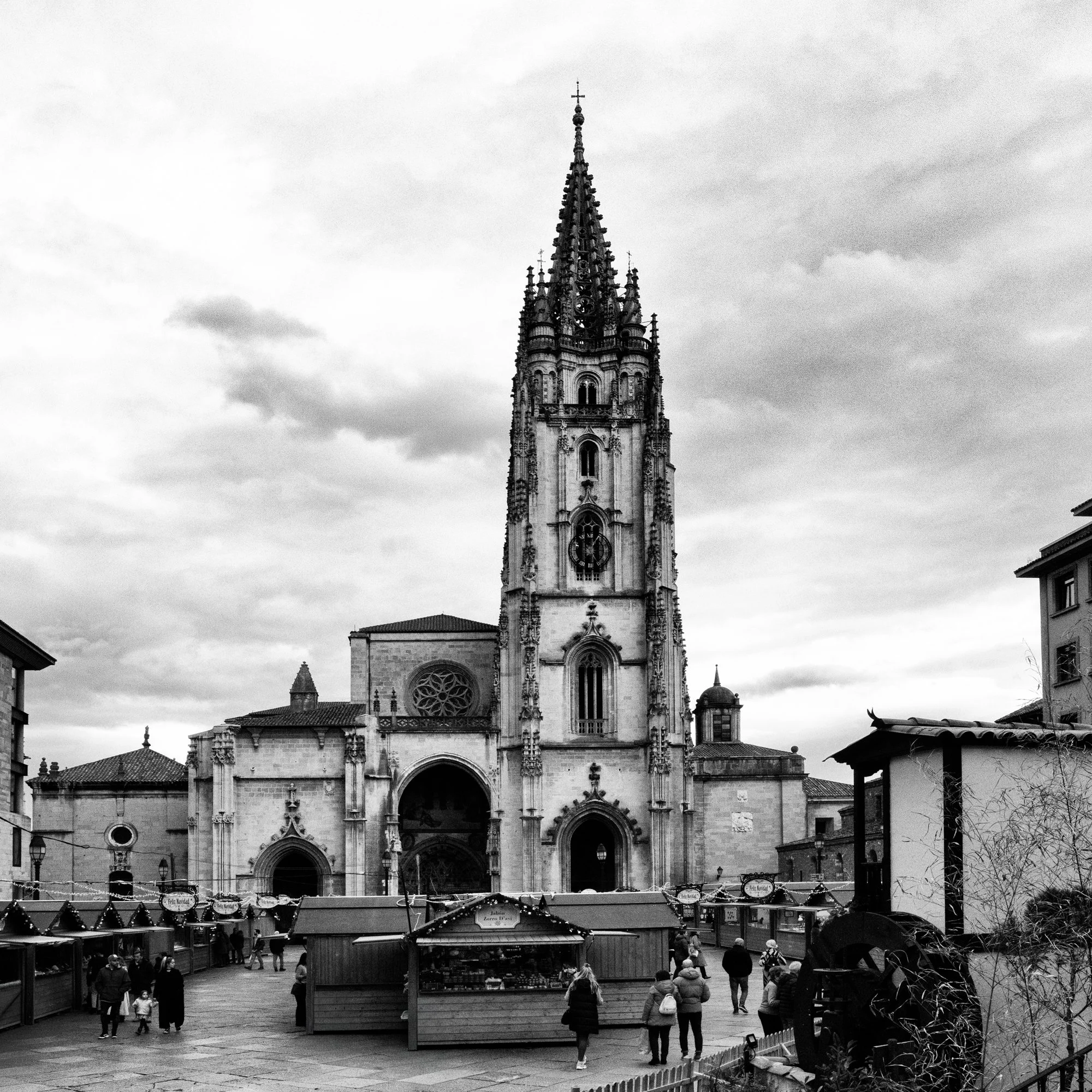
The Cathedral of Oviedo (Spain)

The Cathedral of Oviedo (Spain).

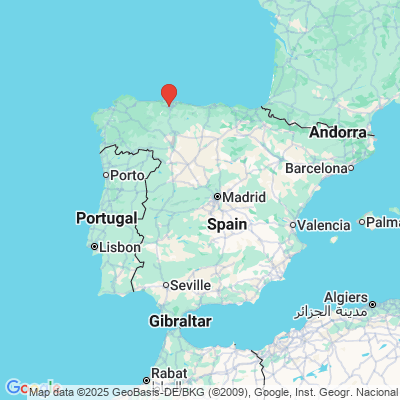
Rising above the narrow streets of Oviedo, the Catedral de San Salvador looks less like a fortress and more like a jewel box of stone. Its flamboyant Gothic spire, soaring high above the Asturian capital, is the kind of landmark medieval pilgrims once spotted from miles away, their hearts quickening at the sight.

The cathedral’s story begins much earlier than its Gothic face suggests. Beneath the arches and chapels lies the legacy of King Alfonso II, who in the 9th century made Oviedo the royal seat of Asturias and built the first church here. His sanctuary became the repository of priceless relics—the Holy Shroud, the Cross of the Angels, the Cross of Victory—that gave the cathedral a reputation rivaling even Santiago de Compostela. For medieval pilgrims, the saying was clear: “He who goes to Santiago without visiting San Salvador, visits the servant but misses the Lord.”

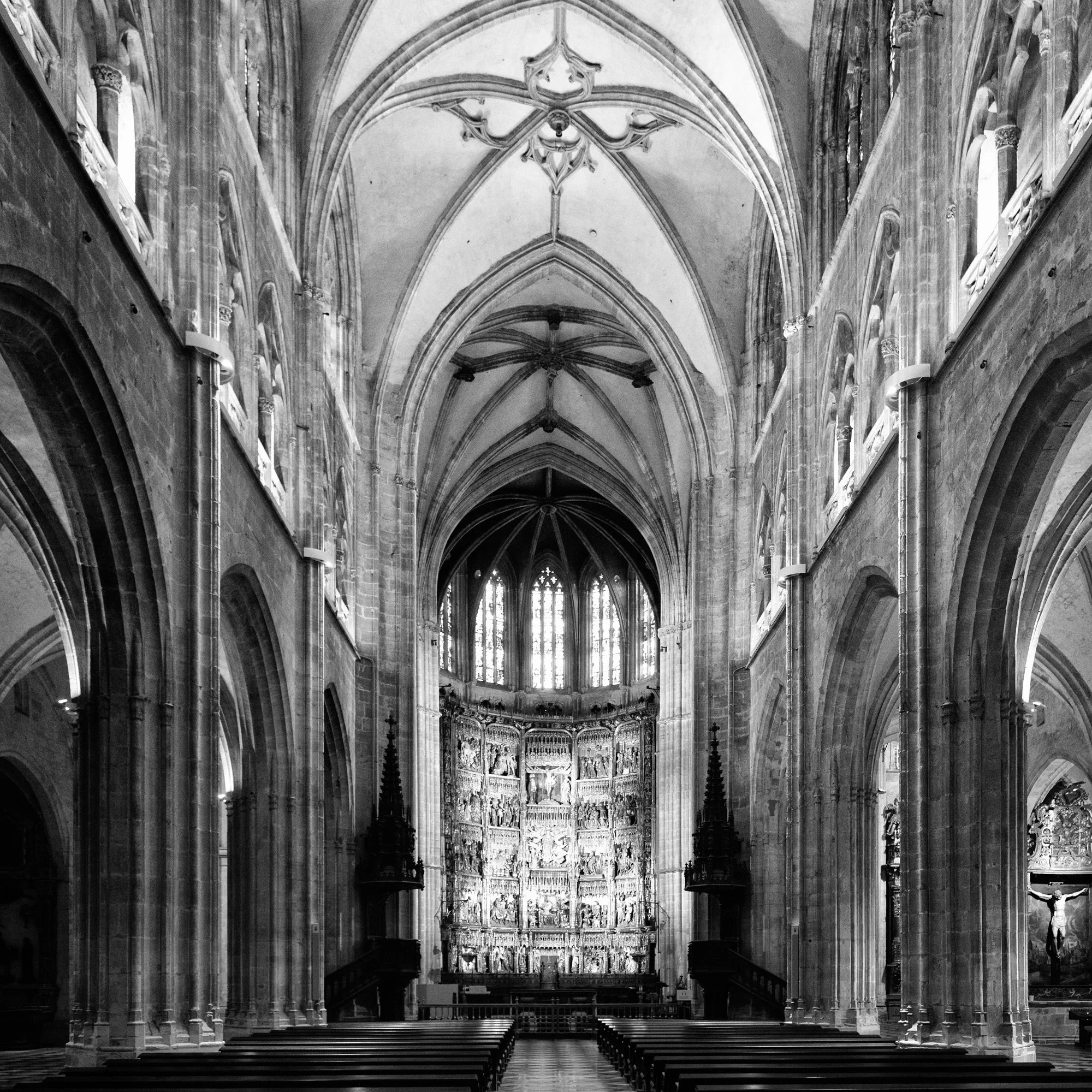
Walking inside today, you still feel the weight of that devotion. The Cámara Santa, a UNESCO World Heritage site, glows with golden reliquaries. The cloisters open onto quiet stone corridors where bishops and kings once plotted history. And high above, the stained glass paints the floor with shards of color as if time itself had slowed.

The Cathedral of Oviedo is not just a monument; it is a reminder that faith, art, and politics once intertwined so tightly that they left behind a treasure for centuries to marvel at.

Further Reading

  • Peter Linehan, History and the Historians of Medieval Spain (Oxford University Press, 1993)

  • James D’Emilio, The Royal Patronage of Oviedo Cathedral in the Early Middle Ages (Speculum, 1995)

The interior of the Cathedral of Oviedo (Spain).

Pelagius of Asturias and the Battle of Covadonga

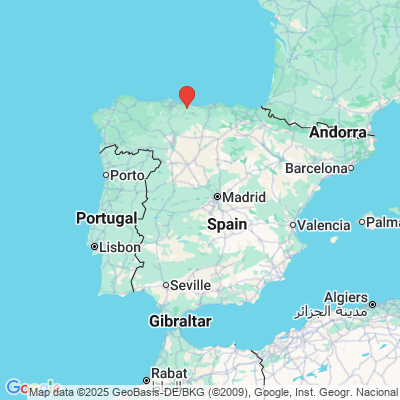
Pelayo, Covadonga (Spain).

In the rugged mountains of northern Spain, history and legend blur. Around the year 718—or perhaps 722—a local nobleman named Pelagius (or Pelayo) led a small band of followers into defiance against the new Muslim rulers of Iberia. The clash that followed, known as the Battle of Covadonga, has been told as a miracle of divine favor, the moment when Christian Spain was reborn.

But peel back the layers of myth, and a different picture appears. Asturias and Cantabria had long been peripheral, half-forgotten corners of empires. Roman and Visigothic kings had only a loose grip here; local elites ruled their valleys much as they pleased. When the Muslims swept north after 711, many of these elites struck pragmatic deals. Tribute was paid, land was kept. Yet Pelagius refused.

Was he a Visigothic aristocrat in exile, or a homegrown Asturian landowner defending his family’s rights? Sources disagree. Arab chroniclers dismiss him as the leader of a few dozen mountain rebels, hardly worth a campaign. Asturian monks, writing a century later, cast him as a new Judas Maccabeus, chosen by God to save His people. They claimed he defeated 187,000 soldiers with divine help—a biblical epic more than a battlefield report.

The truth is likely somewhere in between: a small mountain skirmish where knowledge of the terrain outweighed numbers. Yet from this modest spark a principality was born. Protected by poverty, geography, and indifference from Córdoba, Asturias endured. Pelagius never styled himself king—his title was princeps, “first among equals”—but his dynasty laid foundations that others would later call the start of the Reconquista.

Covadonga became less about what happened on the ground and more about what it meant. For Alfonso III in the 9th century, it was proof of divine favor and dynastic legitimacy. For later Spanish nationalists, it was the first trumpet call of liberation. For us, it is a reminder of how small acts of defiance, amplified by story, can shape the memory of nations.

Further Reading

  • Roger Collins, The Arab Conquest of Spain, 710–797 (Blackwell, 1989)

  • Kenneth Baxter Wolf, Conquerors and Chroniclers of Early Medieval Spain (Liverpool University Press, 1999)

  • Richard Fletcher, Moorish Spain (University of California Press, 1992)

  • Joseph F. O’Callaghan, A History of Medieval Spain (Cornell University Press, 1975)

  • David A. Wacks, Medieval Iberian Epic: A Reading of the Poem of Fernán González (Bucknell University Press, 2007)